REVIEW · KATHMANDU
Around Manaslu Trek
Book on Viator →Operated by Tourist Link Treks Expedition Pvt. Ltd · Bookable on Viator
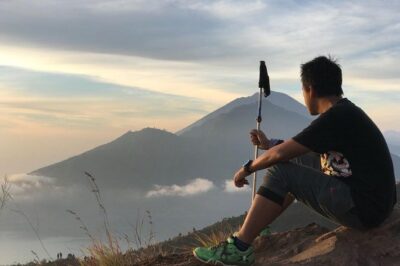
High passes start with gentle forests. This Manaslu trek blends Budhi Gandaki valley walking with a real high-mountain payback at Larkya La. I love the mix of Buddhist gompas, Hindu stops, and Gurung village life along the route, not just mountain photos. And I love that the trek is thoughtfully staged so you’re working with the landscape instead of fighting it.
I also like the practical side: private vehicle pickup from Kathmandu and an experienced guide who keeps the plan moving so you spend more energy on the walking and less on logistics. One consideration: the itinerary includes a serious high pass at 5,116m, so cold, thin air, and long days are part of the deal if you want that view.
In This Review
- Key Highlights You’ll Feel on This Circuit
- Manaslu Circuit via Larkya La: What Makes This Route Different
- Kathmandu Temples, 3-Star Rest, and Permit Paperwork Done the Right Way
- Road Day to Sotikhola: Why the Start Feels Long but Helps You Acclimate
- Sal Forest, Rocky Trails, and Suspension Bridges Over Budhi Gandaki
- Gorkha Museum, Khola Crossings, and a Valley That Teaches Patience
- Gompas, Dense Forest, and Namrung Views on the Way to Lho
- Samagaon and Shyala Area: Big Peaks, Glacier Edges, and Acclimatization Time
- The Larkya La Approach: Mani Walls, Glacier Valleys, and Samdo
- Larkya La Pass at 5,116m: The Day You’ll Remember Forever
- Rhododendron and Pine After the Pass: Tilije and Syange
- Finishing in Besi Sahar and a Manakamana Temple Stop
- Price and Logistics: Is $1,840 Good Value for This Trek?
- Who Should Book This Manaslu Circuit (and Who Should Rethink It)
- Packing and Fitness: Make the Pass Day Easier on Yourself
- Should You Book This Manaslu Larke Pass Trek?
- FAQ
- How long is the Manaslu trek around Larkya La?
- Do you get pickup in Kathmandu?
- What permits or paperwork are included, and what do I need to bring?
- Are meals during the trek included?
- Is this tour private?
- What happens if weather is poor, and is emergency helicopter help included?
Key Highlights You’ll Feel on This Circuit
- Larkya La Pass (5,116m): the signature crossing with snowcap and glacier views
- Budhi Gandaki River Route: repeated crossings and changing terrain through the valley
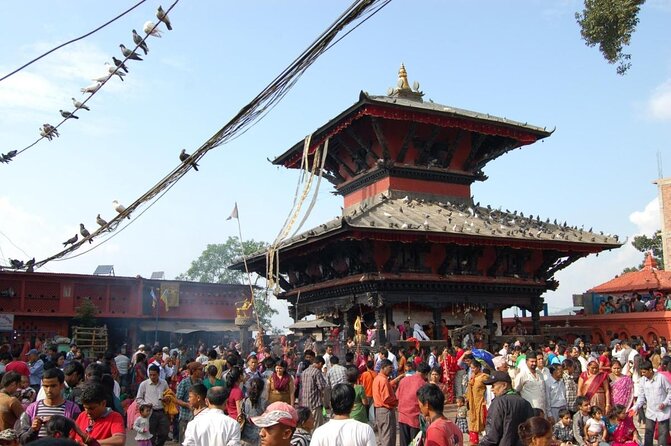
- Gompas + Hindu culture in one trek: from mountain monasteries to temple visits
- Manaslu Conservation Area to Annapurna Conservation Area: a route that changes feel as you move
- Strong organization support: planning and setup handled end-to-end by the operator and guide
Manaslu Circuit via Larkya La: What Makes This Route Different
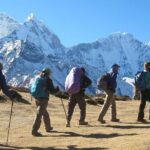
The Manaslu Circuit is not just about ticking off an 8,163m giant. It’s about the range of Nepal you get in two weeks: river valleys, dense forest, monastery stops, and then that big high pass moment that rearranges your brain. You’ll move through a restricted Manaslu area, then connect into the Annapurna Conservation Area project at the end, so the trek feels like one continuous story with a changing chapter.
The Larkya La crossing at 5,116m is the centerpiece. Even if you’ve done other treks, this day is its own animal: a glacier-valley approach, a slow grind, and a payoff view of major peaks and glaciers. The point isn’t speed—it’s arriving with enough energy to actually see what you came for.
You can also read our reviews of more tours and experiences in Kathmandu.
Kathmandu Temples, 3-Star Rest, and Permit Paperwork Done the Right Way
Before you lace up boots, Kathmandu gives you a soft landing. You’ll do sightseeing around the Kathmandu Valley, including Monkey Temple, Pashupatinath, Boudhanath, and Durbar Square. It’s a good way to get your bearings fast, especially if you’re arriving from sea level with a head full of flight-time fatigue.
Your tour also includes two nights in a 3-star hotel in Kathmandu with breakfast, plus farewell dinner before you depart. That matters more than people think on long treks: you’re not just paying for a bed, you’re buying a calmer start so you can focus on packing, hydration, and sleep.
On the paperwork side, the operator includes taxes and office service charge plus the necessary special permits, with guidance on what you need to provide (you should bring 3 passport-size photographs). If you’ve ever trekked where permits were last-minute chaos, you’ll appreciate how much smoother this keeps things.
Road Day to Sotikhola: Why the Start Feels Long but Helps You Acclimate
The trek begins with a drive from Kathmandu that stretches into a 7–8 hour day. You’ll head toward Dhading Bensi on paved roads, then the route shifts to rough roads as you work your way toward Sotikhola. It’s not glamorous, but it’s the realistic way to get you into the river valley system that the trek uses.
You’ll also include temple time early on with a stop at Gorakha Nath Temple in Gorkha, with admission ticket included. That’s a nice reminder that you’re heading into living culture, not a theme park of scenery.
Practical tip: on these long driving days, keep your layer system ready and your stomach calm. Cold air and jerky road conditions can turn your energy into a bad mood quickly, and you’ll want that energy later.
Sal Forest, Rocky Trails, and Suspension Bridges Over Budhi Gandaki
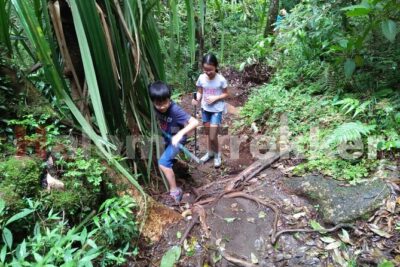
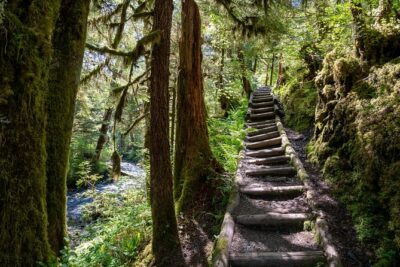
Once you’re on foot, the trek starts doing what the Manaslu Circuit does best: weaving through river country. You’ll go through Sal forest regions, then climb above rapids along Budhi Gandaki. The trail style changes constantly—rocky paths that cling to mountain sides, up-and-down sections near waterfalls, and then wider gravel-bar walking when the valley opens.
You’ll cross multiple suspension bridges and deal with the “river gets in your way” rhythm. You’ll also pass through villages that give the trek a human scale. For example, you’ll walk past Labubesi in the Gurung village area, then continue toward Maccha Khola via more bridge crossings and rocky riverbed steps.
Why I like this part of the trek: early on, the route teaches you how to move on uneven ground without saving the hard thinking for the pass day. You’re building comfort with steps, bridges, and breath control.
Small drawback: repeated crossings can be wet underfoot in certain seasons, and you’ll feel it in your shoes by the end of the day.
Gorkha Museum, Khola Crossings, and a Valley That Teaches Patience
As you keep heading along the valley, you’ll visit Gorkha Museum. Then the walking turns into a series of short challenges: narrow trails, suspension bridge crossings (like on Yaru Khola), stone stairs, and then more valley walking.
You’ll cross Tharo Khola and Yaru Khola, reach Tharo Bharyang, and move toward Jagat. From there, you continue on to Deng Khola, including time through bamboo forests to reach Deng.
These segments are useful for two reasons. First, they keep your elevation gains gradual. Second, they’re varied enough that you don’t feel stuck staring at the same ridgeline for days.
If you’re the type who gets impatient on “in-between” trekking days, focus on the soundscape instead: birds in forest, river noise, and the occasional monastery bell. It makes the pacing feel less repetitive and more alive.
Gompas, Dense Forest, and Namrung Views on the Way to Lho
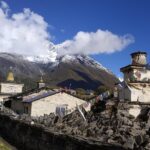
One of the standout themes on this trek is seeing religious sites that feel earned, not staged. As you move onward toward Namrung, you’ll cross the Budhi Gandaki River multiple times and pass large numbers of gompas along the route. The trail runs upstream through dense forest, then after crossing at a place where the river thunders downward into a narrow gorge, the forest density eases and the path becomes easier again.
That pattern is common in mountain valleys, but here it’s especially noticeable: the trek alternates between shaded concentration and open-air breathing.
When you reach Namrung and later Lho, the views start to show more clearly. You’ll pass from a small but famous Lho village where you get extraordinary views of Mt. Manaslu and explore Ribung Gompa. If you’ve been wondering how people spend time on these slopes for generations, this is where you can see it: calm place, real mountains, and a clear reason to come back.
Samagaon and Shyala Area: Big Peaks, Glacier Edges, and Acclimatization Time
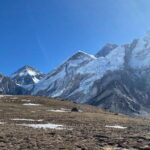
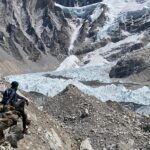
From Lho, the route continues toward a section where you cross from the view corridor near Shyala village. You’ll be able to see Himal Chuli and Peak 29 on the left, plus large glaciers and snow summits toward the right. The walking continues into the Samagaon area.
This stretch matters because it gives you time to adjust to higher altitude rhythms. Even when the days feel steady at 5–6 hours of walking, your body is still learning how to work in thinner air. That’s why it’s smart to keep your pace calm and your breathing consistent. If you rush, you don’t gain time—you just pay it back later.
It’s also one of the best parts for wide mountain spotting. In clear weather, the shapes become sharper, and you start recognizing peak groupings rather than a single blob on the horizon.
The Larkya La Approach: Mani Walls, Glacier Valleys, and Samdo
The days around the pass shift from river-valley walking to higher, glacier-connected terrain. You’ll descend toward Budhi Gandaki, follow it northward, and move toward a direction that includes Manaslu base camp. On the way, you’ll see mani walls as the valley widens.
Then you drop across shelves to cross Budhi Gandaki over a wooden bridge, climb between two forks of the river, and reach Samdo. This is a good reminder that “high trek” isn’t just altitude. It’s also how often you’re making micro-decisions—foot placement, layer changes, and energy pacing.
From there, the next walking day gives you a relatively short climb toward Larkya or Dharamsala glacier valley. You’ll enjoy stunning views of Larkya Peak and Cho Danda. It’s the kind of day where you might feel you’re not walking enough, but it’s actually building your legs and positioning you for the pass crossing.
Larkya La Pass at 5,116m: The Day You’ll Remember Forever
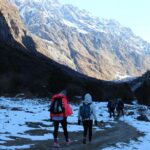
Here’s where the trek earns its reputation. You’ll walk across moraines of the glacier with a gradual ascent, then it gets steeper near the end of the pass. This is not the day to fight your pace. Slow wins. Short steps win. Listening to your guide’s timing wins.
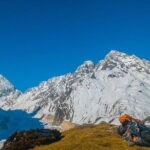
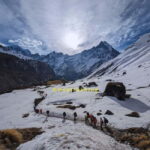
As you near the top, the views open up across major peaks: Cheo Himal, Himlung Himal, Kangguru, plus Annapurna Mountain II in the wider panorama. It’s also where the route’s geography starts to click—you realize you’re not just climbing to a number. You’re crossing the link between conservation zones and mountain systems.
After the pass, the journey continues to Bimtang. Even if the downhill feels like relief, your legs will still be working. Treat this as a recovery-walk day, not a hero-walk day.
Rhododendron and Pine After the Pass: Tilije and Syange
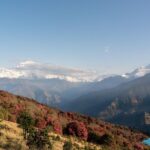
Once you’ve crossed Larkya La, the trekking rhythm changes again. You’ll continue toward Tilije with about 4–5 hours of walking, and along the way you’ll see rhododendron forests and green fields before a steep climb. This is one of those sections where the scenery starts feeling more colorful and soft, even while your body is still recovering.
Then you move toward Chyamje village, crossing Marshyangdi Khola and descending through rhododendron and pine forests to reach Syange. Forest trekking after a high pass can be a real mental relief: the air may still be cold, but you’re not walking in the same exposed glacier mood.
It’s a good reminder that the trek’s best qualities aren’t only at the summit moment. The after-pass sections matter because they help you keep your energy stable through the final days.
Finishing in Besi Sahar and a Manakamana Temple Stop
On the last day, you’ll cover about 800 meters to reach Besi Sahar, then return to Kathmandu. You’ll also stop at Manakamana Temple, which adds a final cultural touch before you hit the city again.
This ending is useful for most people: you’re not forced into an ultra-long final hike. You get the chance to reset before Kathmandu traffic and the reality of normal comforts.
Price and Logistics: Is $1,840 Good Value for This Trek?
At $1,840 per person, this trek sits in the “serious but not crazy” range for Manaslu Circuit trips, especially because it includes a lot of the items that quietly drive costs up.
What you’re getting that tends to matter most:
- Private ground transportation by comfortable vehicle as per the plan
- Kathmandu Valley sightseeing (Monkey Temple, Pashupatinath, Boudhanath, Durbar Square)
- Two nights in Kathmandu in a 3-star hotel with breakfast
- Lodge accommodation during the trek (best available twin-sharing)
- One highly experienced guide
- Special permits and paperwork (plus office service charge) and admission tickets for listed temple/museum stops
- Farewell dinner
- Breakfast included for the full trek (14 breakfasts)
What you should budget for separately:
- Lunch and dinner during the trek are not included, and drinks like water/tea/coffee are extra
- Hot showers and snacks aren’t included
- Personal expenses and tips/donations are on you
- Personal trekking equipment isn’t provided
- Emergency helicopter arrangement isn’t included; it’s paid by your travel insurance company if needed
So is it good value? If you want permits handled, a guide who shows up prepared, and transport + Kathmandu lodging already covered, then yes, it’s priced like a trek that doesn’t make you scramble. The main surprise for many people isn’t the base price—it’s the daily food and drink extras—so plan for that early.
Who Should Book This Manaslu Circuit (and Who Should Rethink It)
This is a strong match if you want:
- A circuit focused on culture + high-mountain scenery
- A guided trek with included permits and organized transport
- A moderate fitness level that can handle long mountain walking days and at least one big altitude moment
It’s not a great fit if you:
- Get nervous at high altitude and don’t handle cold well
- Want a trek with only gentle walking and no steep, exposed pass day
- Are expecting every meal and every drink to be included
The route’s length and the 5,116m pass means you should treat this as a real trek, not a stroll.
Packing and Fitness: Make the Pass Day Easier on Yourself
You’ll need to bring personal trekking equipment, because it isn’t included. That means planning for the basics: layers for cold mornings, rain protection, comfortable boots, and socks you actually like wearing for hours.
For fitness, aim for steady walking comfort before you go. The official note is moderate physical fitness, but in practice the pass day requires you to keep moving when your body starts bargaining. Train your legs and your pacing, then you’ll waste less energy fighting the climb.
And don’t ignore the simple stuff: hydrate, eat when you can, and protect your feet. On glacier and moraine sections, foot comfort isn’t luxury—it’s how you stay steady.
Should You Book This Manaslu Larke Pass Trek?
I’d book it if you like your adventure with structure. The trek includes what usually causes stress—transport timing, Kathmandu lodging, permits and paperwork, and a guide to manage the plan. People also emphasize that the operator owner Hom and guides such as Nabin and Promod Pangeni were attentive and helped make sure the logistics on the trek matched the promise.
If your top priorities are a smooth start in Kathmandu, careful route handling through conservation areas, and the big Larkya La payoff without you micromanaging the details, this one makes sense.
Book it only if you’re ready for the pass day and the extra costs of lunch, dinner, and drinks during the trek.
FAQ
How long is the Manaslu trek around Larkya La?
It’s listed at 14 days approximately.
Do you get pickup in Kathmandu?
Yes. Pickup is offered, and ground transportation is included by private vehicle as per the itinerary.
What permits or paperwork are included, and what do I need to bring?
Special permits and necessary paperwork are included, and you should bring 3 passport-size photographs.
Are meals during the trek included?
Breakfast is included (14 breakfasts). Lunch and dinner during the trek are not included, and drinks like water, tea, and coffee are also extra.
Is this tour private?
Yes. It’s a private tour/activity, and only your group participates.
What happens if weather is poor, and is emergency helicopter help included?
The trek requires good weather. If it’s canceled due to poor weather, you’re offered a different date or a full refund. Emergency helicopter arrangement is not included and would be paid by your travel insurance company.