REVIEW · KATHMANDU
Annapurna Base Camp Trek
Book on Viator →Operated by Mission Himalaya Trekking · Bookable on Viator
Stepping into the Annapurna dream takes planning. This 15-day Annapurna Base Camp Trek knits together Kathmandu temple time, a Pokhara reset, and then real uphill days through the Annapurna Sanctuary to base camp. You’ll also get structured support, including airport pickup and a gear check, so you’re not figuring out the basics on the fly.
I especially liked two things: the built-in mountain highlights like Poon Hill sunrise (with hot coffee before you head down) and the focused way the route builds toward Annapurna Base Camp with Machapuchare Base Camp views along the way. And the team handling logistics and meals keeps you on the trail instead of stuck worrying about permits and what’s next.
The main thing to weigh is effort level. This trek includes steep sections and serious stair climbing (including a day with about 3,400 steps), plus cold mornings in the bamboo forests—so if you’re barely at a “moderate physical fitness” level, you’ll feel it.
In This Review
- Key Things That Make This ABC Trek Worth Your Time
- Entering the Annapurna Base Camp Routine (So You Don’t Waste Energy)
- Kathmandu First: Temples, a Welcome Dinner, and a Gear Check That Matters
- The Pokhara Transfer Day: A Long Drive, a Short Window to Breathe
- Into the Trek: Nayapul to Tikhedhunga, Then Ulleri and Those Steps
- Poon Hill Sunrise and the Ghorepani View Advantage
- Rhododendron to Chhomrong to Bamboo: A Lot of Beautiful Work
- Deurali and the Hinku Cave Section: Views Between the Work
- The Big Day: Machapuchare Base Camp to Annapurna Base Camp
- Sunrise Encore and the Downhill Mindset Change
- Jhinu Danda to Nayapul to Pokhara: When the Trek Ends and the Celebrate Part Starts
- Price and Logistics: What $995 Covers (and Why It’s Not Just a Random Number)
- The Guide and Porter Factor: Names People Remember for a Reason
- Fitness, Packing, and Trek-Day Reality Checks for This Exact Schedule
- Who This ABC Trek Fits Best (And Who Should Think Twice)
- Should You Book Mission Himalaya Trekking for Annapurna Base Camp?
- FAQ
- What is the duration of the Annapurna Base Camp Trek?
- Where does the trip start and end?
- Is airport pickup included?
- What is included in the price besides the trekking?
- What is not included?
- How physically demanding is this trek?
- When do we do sunrise viewing?
- Can I cancel and get a refund?
Key Things That Make This ABC Trek Worth Your Time
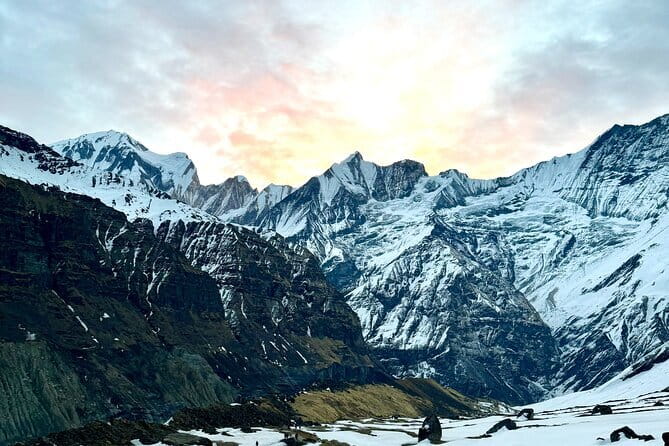
- Poon Hill at dawn with a timed sunrise plan over the Annapurna and Dhaulagiri ranges
- Machapuchare Base Camp build-up so Annapurna Base Camp feels earned, not sudden
- Full meal plan plus permits/fees (less mental load, fewer surprise line-items)
- Guide + porter support that gets praised by name (people like Pradeep, Bikas Lama, Santosh, and others)
- A structured back-and-forth route: treks up, treks down, then closes with a Kathmandu cultural farewell
Entering the Annapurna Base Camp Routine (So You Don’t Waste Energy)
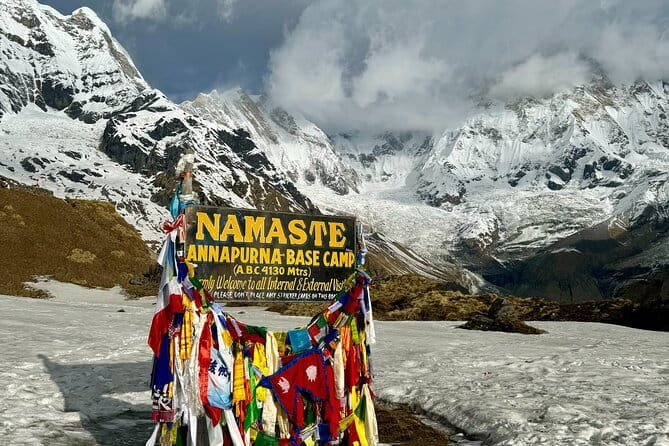
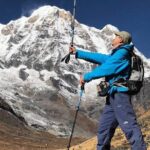
Annapurna Base Camp is famous for a reason: you get that rare feeling of being surrounded by big peaks, not just watching them from far away. But the trek is also a machine. It runs on timing—early starts for views, daylight for descending, and steady pacing so you don’t burn out before the payoff.
What I like about this particular approach is how it sequences the experience. You’re not thrown straight into “sweat immediately.” You start in Kathmandu with cultural orientation, then you transfer to Pokhara and use that day to reset. After that, every trekking day has a purpose: first it’s about getting your legs ready through the big stair day and the rhododendron walks, then it’s about moving deeper into the sanctuary until base camp becomes the clear end goal.
Also, this is priced as a guided package. At $995 per person for a 15-day trip, the value isn’t just the trek itself—it’s the stuff that usually eats your time planning: permits and fees, meals, and the support team that keeps the schedule moving.
You can also read our reviews of more tours and experiences in Kathmandu.
Kathmandu First: Temples, a Welcome Dinner, and a Gear Check That Matters
Your first day is pure orientation. A representative meets you at the airport with your name sign, then you transfer by private car to your Kathmandu hotel. That matters more than people think. After a long flight, you want a calm landing—not a chaotic scramble.
Day 1 ends with a welcome dinner at a cultural restaurant and a Nepali dance show. It’s not “trek prep” in the physical sense, but it’s a great way to start understanding Nepal as a living place, not just a jump-off point for mountains.
Day 2 is your Kathmandu Valley highlights day: Pashupatinath Temple, Bouddhanath, Swayambhunath (Monkey Temple), and Kathmandu Durbar Square. You’ll have a proper intro briefing in the evening too—plus your guide checks your equipment. That last part is practical. Even on guided treks, your own gear choices can make a huge difference once you’re walking all day on uneven paths.
If you’re wondering how serious the team is, it shows in the details people mention later in the journey. Guides in past departures (including names like Pradeep, Birendra, Lal, and Aashman) are described as caring and attentive—especially when someone has knee pain or needs motivation and reassurance.
The Pokhara Transfer Day: A Long Drive, a Short Window to Breathe
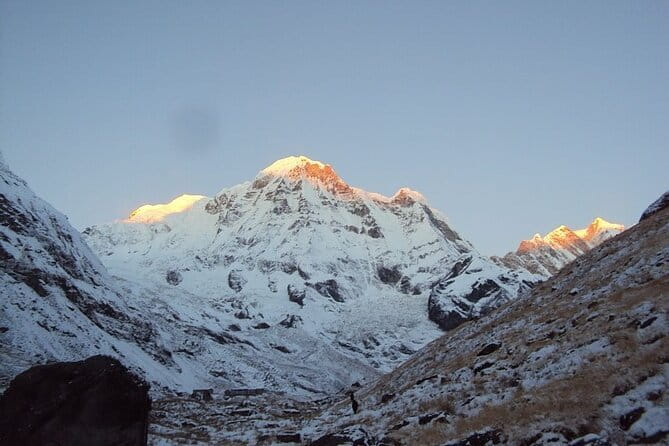
On day 3, you take a scenic bus ride from Kathmandu to Pokhara, with stops for lunch around Malekhu and Ghansikuwa. The drive takes about 7 to 8 hours and you arrive around 3 pm. You’re not trekking yet, but you’re still doing work: staying seated, managing motion, and dealing with whatever travel fatigue comes with Nepal roads.
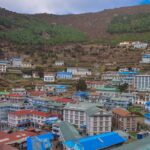
Once you land in Pokhara, you’ll be staying at a hotel near Fewa Lake. That’s a good base for a “you can walk around later” kind of day. You can grab a meal, stretch, and reset your brain before the trek.
This day isn’t glamorous, but it can be a lifesaver if you treat it as a recovery block. If you try to tour hard on arrival, you’ll feel it in the first trekking climb.
Into the Trek: Nayapul to Tikhedhunga, Then Ulleri and Those Steps
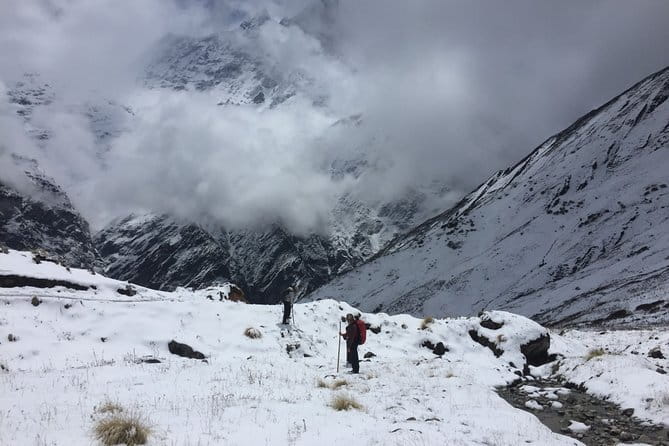
Day 4 is where the trek becomes real. You travel to Nayapul, start walking, and the route funnels you toward Tikhedhunga after crossing the Bhurungdi Khola River. Then comes the hard bit: a climb involving roughly 3,400 steps and boulders to Ulleri.
This is the day you’ll remember for either two reasons: you either pace well and arrive with energy, or you go out too fast and spend the afternoon bargaining with your knees.
The upside is that you’re not alone. With a guide and porter support in the background, the trek becomes a steady march instead of a solo survival game. In feedback, support crews and named guides like Bikas and Santosh get credit for making the hike easier and keeping people comfortable.
Sleep in Ulleri and you’re set up for the “view day” rhythm that comes next.
Poon Hill Sunrise and the Ghorepani View Advantage
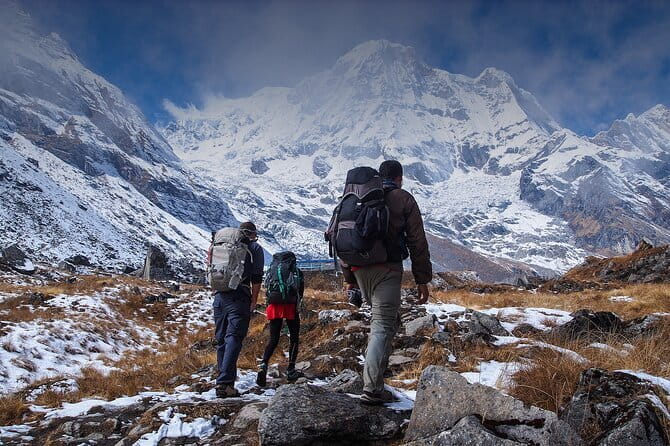
Days 5 and 6 are about putting you in the right place at the right time.
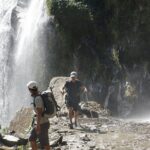
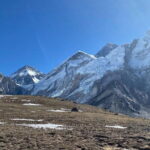
Day 5 starts with a hearty breakfast, then you head toward Ghorepani. You’ll pass waterfalls and small villages and catch glimpses of Mt. Annapurna South along the way. You continue uphill to upper Ghorepani, a vantage point for broad mountain views that include Annapurna South and Nilgiri.
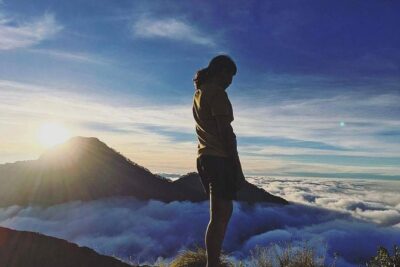
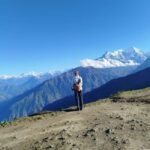
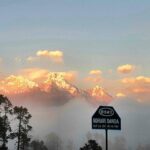
Then day 6 begins at dawn with an early ascent to Poon Hill. You’re there for sunrise over the Annapurna and Dhaulagiri ranges, and the itinerary even includes a hot coffee moment as you watch the light move. After breakfast back in Ghorepani, you descend and continue through rhododendron forests and cascading waterfalls to Tadapani.
What I like here is the rhythm. You’re not just chasing one big photo moment. You get a view build-up (upper Ghorepani) and then a sunrise payoff (Poon Hill). If weather is moody, that second chance can still matter because you’re already in position.
Rhododendron to Chhomrong to Bamboo: A Lot of Beautiful Work
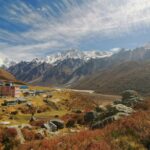
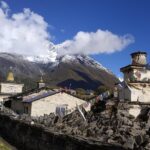
Day 7 is a rhododendron forest walk that opens into terraced fields. You tackle a 5 km uphill stretch, pass waterfalls, then cross a suspension bridge—classic Himalayan Nepal trekking scenery. You end in Chhomrong, a village under Mt. Annapurna.
Day 8 continues the story. You descend from Chhomrong, cross stone steps down toward the Chhomrong Khola River, and then use a swinging bridge to get across. After that, you climb to Sinuwa through Kuldihar forest, and the day ends at Bamboo.
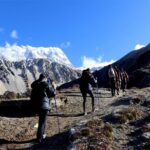
This is where most people start caring about feet comfort. You’ll be on stone, steps, and changing terrain. It’s not just a scenery trek anymore—it’s a body trek. If you go into this stretch with sensible pacing, you’ll enjoy it more. If you rush, the trail will collect its payment later.
Deurali and the Hinku Cave Section: Views Between the Work
Day 9 moves through chilly bamboo forest and then uphill climbs on steeper ground. You reach the Himalaya Hotel area, where the trail opens up and you can see a glacial river below. The next part is a steep ascent through a drier forest, then you reach Hinku Cave.
From there, the route descends to a river and then climbs again to Deurali. You’ll get mountain views including Mt. Dhaulagiri, plus valleys, waterfalls, and river scenery as the vegetation changes.
A good part of this day is the variety. You’re not hiking the same kind of trail for nine straight days. You’re switching between forest, open views, and rocky segments. That variety helps keep the mind engaged when your legs get tired.
Also: the itinerary shows you’ll be at lodges each night, so you’re not sleeping rough without any structure. One of the strengths of a guided package is that it keeps the day-to-day logistics simple.
The Big Day: Machapuchare Base Camp to Annapurna Base Camp
Day 10 is the summit day—not a summit like climbing a peak, but the apex of the trek experience.
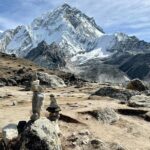
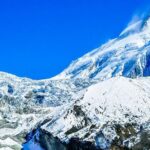
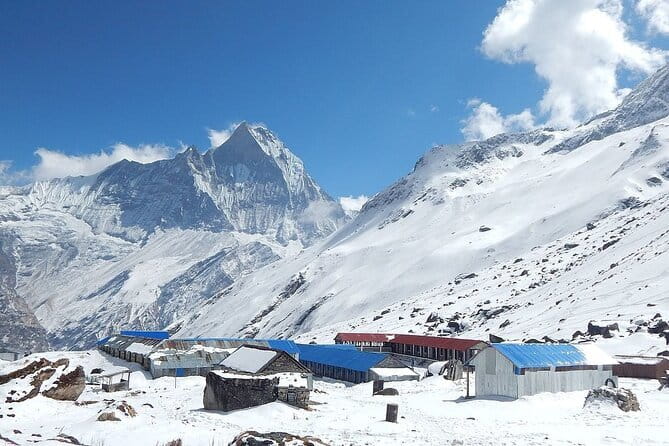
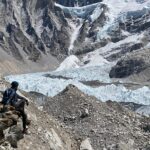
You ascend steadily along the valley trail, moving through rocky cliffs and occasional steep sections. You get a flatter stretch, then climb again toward Machapuchare Base Camp (MBC). The view from MBC is described as breathtaking, with sights including Mt. Hiunchuli, Annapurna South, Annapurna I, Annapurna III, Gandharvachuli, and Gangapurna.
Then comes the final push to Annapurna Base Camp (ABC). The itinerary notes that access is only through the gorge you’ve been traversing, so the approach feels controlled and “earned.” You arrive at ABC and spend the night there.
This is also the day where your “why” gets louder than your “can I keep going.” A base camp moment changes your relationship with the mountains. You stop thinking about the trek as a task and start thinking about it as a place.
In the feedback, people repeatedly credit their guides and porters for making the hike feel manageable and safe. Names show up again and again—Pradeep, Bikas Lama, Santosh, plus other guides—plus the consistent theme is care. One person even mentioned flexible plan changes when snow made an 8-year-old struggle, which is the kind of real-world issue that can happen on trekking routes.
Sunrise Encore and the Downhill Mindset Change
Day 11 starts early again to witness sunrise—described as a pinnacle moment of the ABC journey. After breakfast, you descend quickly to MBC, then move through Deurali and the Himalayan Hotel areas before reaching Doban.
The key change here is mental: you’re stepping into downhill mode. It’s not effortless, but it’s often easier than going up. Still, downhill can be rough on knees and shins. If you have knee issues, this is where pacing and trekking pole use (if you use them) become more important.
Then day 12 continues the return by retracing steps back to Chhomrong for lunch, followed by the descent toward Jhinu Danda. The day ends with a lodge night at Jhinu Danda, and the route passes through farmland and rainforest.
This return segment matters because it turns a “forward-looking” trek into a “memory-making” trek. You’re seeing the same valleys from the other direction, which often feels like a new trip even when the trail lines repeat.
Jhinu Danda to Nayapul to Pokhara: When the Trek Ends and the Celebrate Part Starts
Day 13 closes the trekking portion. After breakfast, you leave Jhinu Danda, walk toward Nayapul, and enjoy lunch on the way. Then you drive back to Pokhara.
The itinerary frames it as a success celebration night, and that’s the right attitude. Your job now is to let your body cool down. Pokhara is a good place for that, with lake-adjacent comfort and easy access to food and rest.
Day 14 is your return to Kathmandu. You can fly or drive, then your transport is arranged from the airport to your hotel. You get a free day to explore or shop for souvenirs. Then there’s a farewell dinner to share trekking stories before your departure.
Day 15 finishes with airport transfer timing guidance—your representative accompanies you three hours before your flight.
Price and Logistics: What $995 Covers (and Why It’s Not Just a Random Number)
Let’s talk value. $995 for 15 days is not cheap in a global sense, but it’s in line with a guided, supported Himalayan trek that includes a lot of the boring stuff people forget to price in.
Here’s what’s covered in the package:
- All fees and taxes, including required permits and entrance fees as per the plan
- Meals: breakfast (14), lunch (10), dinner (10)
- Kathmandu sightseeing entry fees where listed (for example Pashupatinath and Kathmandu Durbar Square are included)
- Airport transfers and a Kathmandu hotel + Pokhara hotel stay near Fewa Lake (as described)
- Structured guiding: trekking briefing, guide introduction, and equipment check
What’s not included:
- Personal expenses
- Anything not mentioned
- Bar and beverage bills
- Travel insurance
- Tipping
The value question isn’t only about price per day. It’s about how much mental energy you save by not managing permits, route logistics, and day-to-day meal coordination. For many people, that’s the real benefit: you show up and walk.
Also, the tour highlights pickup offered and group discounts. If you’re traveling with friends, it’s worth asking about the discount structure since that can noticeably improve the per-person value.
The Guide and Porter Factor: Names People Remember for a Reason
One of the strongest signals from the feedback is that the guide team isn’t treated like a generic service. People mention guides by name—Pradeep, Bikas Lama, Santosh, plus others such as Birendra, Lal, and Aashman. That’s usually a clue that the people leading the trek made an impression.
What those names connect to, practically, is the vibe of responsiveness:
- keeping the group comfortable and informed
- helping manage practical issues during the trek
- offering motivation when someone has knee pain
- adjusting plans when snow changes what’s possible for a child
You don’t need every trek to be dramatic to feel supported. But you do want a guide who can make good decisions when the mountains and weather show up with opinions.
Fitness, Packing, and Trek-Day Reality Checks for This Exact Schedule
This itinerary is long enough that you should prepare like it’s a multi-day effort, not a single “big hike.” The data points are clear:
- You’ll walk days around 5 to 8 hours in the itinerary
- You’ll hit steep climbs and stairs, including a day with about 3,400 steps
- You’ll pass through chilly bamboo forest areas
- You’ll do early mornings for sunrise in multiple places
So, train for steady effort, not just a one-time big push. Think: hills, stairs, long walks, and practicing getting back down without wrecking your knees.
Packing advice has to stay practical:
- bring layers for cold mornings (you’ll have dawn starts)
- wear shoes that handle rocky steps and long descents
- pack for lodge nights, since you’ll be sleeping at lodges throughout
- if you have knee concerns, plan ahead and tell your guide during check-in so pacing can be adjusted
Also: travel insurance isn’t included. Don’t treat that as optional thinking. It’s just smart planning for any trekking trip that can involve missed transport or medical needs.
Who This ABC Trek Fits Best (And Who Should Think Twice)
This tour makes sense if:
- you want a guided Annapurna Base Camp trek with a clear schedule
- you care about sunrise highlights like Poon Hill and the base camp morning
- you want permits, meals, and key logistics handled
- you’re at a moderate fitness level and can handle a steep stair day
It might be less ideal if:
- you’re looking for a gentle walk or a short experience
- your fitness is below moderate and you’re worried about the step-heavy days
- you don’t want early starts (this itinerary has dawn moments built in)
That said, the route also suggests it’s possible to finish if you communicate needs. The guide team has shown flexibility in at least one case where conditions affected a child’s ability to cope.
Should You Book Mission Himalaya Trekking for Annapurna Base Camp?
If you want a structured, guided ABC trek that covers permits, meals, and transport planning, this is a strong match. The biggest “yes” comes from the combination of logistics + mountain payoff: sunrise planning, the Machapuchare Base Camp build-up, and the final base camp night. Plus, the feedback rate is excellent, with 39 five-star scores and a 100% recommendation figure shown for the experience.
But don’t sugarcoat the effort. This isn’t a casual walk. If stairs and steep segments scare you, treat that as a serious sign to either train more or pick a different route.
My quick decision rule:
- If you’re ready for a real trek and want guidance that feels personal, book.
- If you want comfort-only and zero discomfort, skip this one.
FAQ
What is the duration of the Annapurna Base Camp Trek?
The itinerary is about 15 days.
Where does the trip start and end?
It starts and ends in Kathmandu, with the trek traveling through Pokhara as the gateway.
Is airport pickup included?
Yes. A representative meets you at the airport and provides a transfer by private car.
What is included in the price besides the trekking?
The package includes all fees and taxes, required permits and entrance fees as listed, and meals (breakfast 14 times, lunch 10 times, dinner 10 times). It also includes Kathmandu sightseeing arrangements described on day 2.
What is not included?
Personal nature expenses, anything not mentioned in the program, bar and beverage bills, travel insurance, and tipping are not included.
How physically demanding is this trek?
It’s listed as suitable for moderate physical fitness. The trek includes steep climbing and a day with about 3,400 steps, plus early morning starts for sunrise.
When do we do sunrise viewing?
Sunrise viewing is planned at Poon Hill (day 6, at dawn) and again with an early rise after reaching Annapurna Base Camp (day 11).
Can I cancel and get a refund?
Yes. You can cancel up to 3 days in advance of the experience for a full refund. Canceling less than 3 full days before the start time does not qualify for a refund.