REVIEW · KATHMANDU
Pikey Peak Trek
Book on Viator →Operated by Breeze Adventure Pvt Ltd · Bookable on Viator
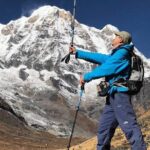
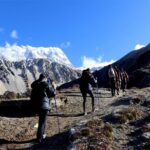
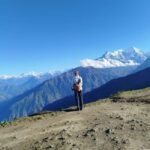
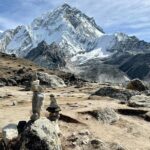
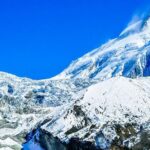
If you want Everest views, start here. The Pikey Peak Trek is a quieter Nepal option built around early sunrises, with big-Himalaya panoramas from Pikey Peak, plus a cultural detour to Tupten Choling Monastery.
I love the way this trek schedules the day: wake up, hike, and catch the light on the peaks before the world gets noisy. I also like that you’re not forced into an all-day grind—days are broken up with manageable trekking and tea-house stays, and the guidance from Breeze Adventure’s team (names that come up often include Kishwor at the office, and guides like Sabine and Raj) keeps things calm on the trail.
One thing to think about: you’ll spend real time in the vehicle. Day 1 is about a 5-hour drive, and the return day is closer to 10 hours, so plan for long travel days even though the trekking itself feels approachable.
In This Review
- Key things that make this trek worth your time
- Pikey Peak: the Everest-feel panorama, without the Lukla headache
- Day 1: Kathmandu to Dhap, where the trip starts with big views
- Day 2: sunrise views and an easier trek toward Jhapre
- Day 3: uphill to Pikey Peak Base Camp, with the hike doing the work
- Day 4: the Pikey Peak sunrise moment (and why the hike is short)
- Day 5: Junbesi, rhododendron vibes, and tea-house nights
- Day 6: Tupten Choling Monastery and a stop near Phaplu Airport
- Day 7: Phaplu back to Kathmandu, plus one last mountain breakfast
- Price and value: what $899 covers on a 7-day supported trek
- Who this trek fits best (and who should reconsider)
- Practical tips to make the trek easier on your body
- Should you book the Pikey Peak Trek with Breeze Adventure?
- FAQ
- Where does the Pikey Peak Trek start and end?
- What time does the tour start?
- How long is the trek?
- What’s included in the meals?
- Is WiFi included?
- What costs are not included?
- How many people are in the group?
- Can I cancel for a full refund?
- Do I need to fly to Lukla for this trek?
Key things that make this trek worth your time
- Sunrise focus at Pikey Peak: you hike up early (about an hour) just to catch the best light.
- Everest views without the Everest crowds: the route aims for the big scenery while avoiding the busiest Everest trail feel.
- Hillary Trail walking and a major monastery visit: you’ll hike historic ground and see Tupten Choling Monastery, home to around 20 nuns.
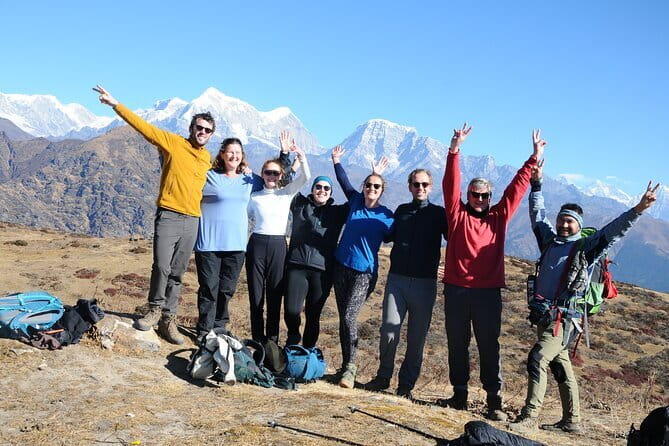
- Small-group energy: capped at 20 people, so it doesn’t turn into a moving traffic jam.
- Food handled for you: breakfast is included every morning of the trip, with lunch and dinner also covered.
- Tea-house trekking comfort (with room for basics): lodging is typical for Nepal treks—simple, but usually friendly and cozy.
Pikey Peak: the Everest-feel panorama, without the Lukla headache
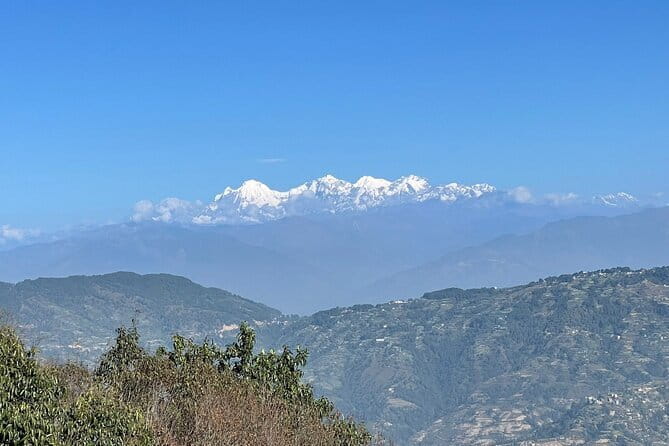
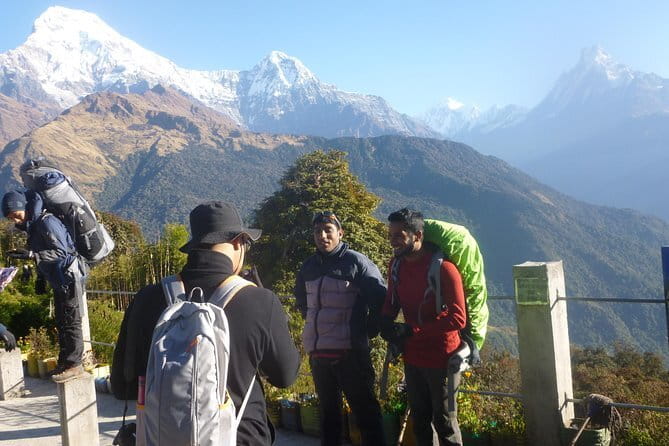
The whole pitch of the Pikey Peak Trek is simple: you get sweeping views of some of the highest mountains (seven are mentioned for the viewpoints from Pikey Peak) while staying on a route that feels less packed than the classic Everest approach. You’ll also avoid the common need to fly into Lukla—another big source of stress for many people planning Everest-style scenery.
A helpful detail to know: Pikey Peak sits around 4,066m, so you’re dealing with altitude conditions in a real way, but you’re not on the same high-altitude pressure cooker as the most punishing routes. In practice, that means more people can enjoy the trek at a steady pace, especially with a guide who watches how you’re doing.
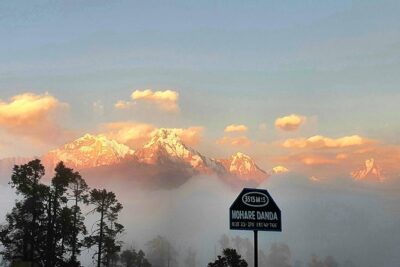
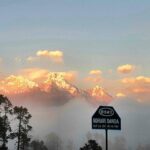
The best moment is the early one. The highlight day is built around sunrise views, and the viewpoint hike is short enough that you can still feel fresh, not wrecked, when the mountains light up. If you love those first-light photos but hate the chaos that sometimes comes with them, this is the right style.
You can also read our reviews of more tours and experiences in Kathmandu.
Day 1: Kathmandu to Dhap, where the trip starts with big views
Your trek begins in Kathmandu with a meet-up at Breeze Adventure Pvt Ltd in Thamel (Thamel Marg, Kathmandu). The start time is early—6:15am—so you’ll be moving before the city really wakes up.
Day 1 is mostly a scenic transfer. You drive from Kathmandu to Dhap, which takes about 5 hours. The drive matters more than you might think. It’s not just transportation: you get glimpses of villages and Himalaya scenery along the way, so you ease into the mountains instead of launching straight into a steep climb.
It’s also your chance to settle in. If you’re the type who likes to sort gear and plan your layers, this is when you do it—because the next mornings will be early, and the weather can flip fast once you’re higher.
Day 2: sunrise views and an easier trek toward Jhapre
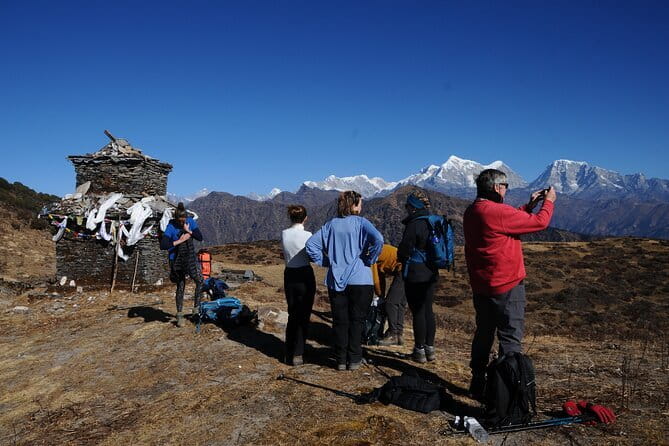
Day 2 starts with another chance to enjoy Himalayan scenery at sunrise. After breakfast, you begin trekking to Jhapre. This is described as an easier day because parts of the route follow a newly constructed road.
That road-walking piece is a double-edged sword:
- On the plus side, it keeps effort steady and helps you get your legs under you.
- On the tradeoff side, it can feel more exposed and dusty than narrow trail sections, so keep water handy and don’t pack sunglasses like they’re optional.
The trek segment is about 5 hours, and the main goal is to end in a place where you can wake up again and do it all with fresh energy.
Day 3: uphill to Pikey Peak Base Camp, with the hike doing the work
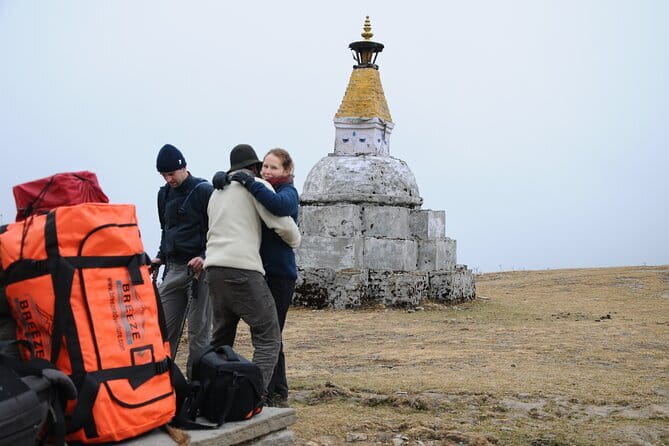
On Day 3, you’re heading toward Pikey Peak Base Camp. The timing is still built around sunrise—get up, eat well, then start walking.
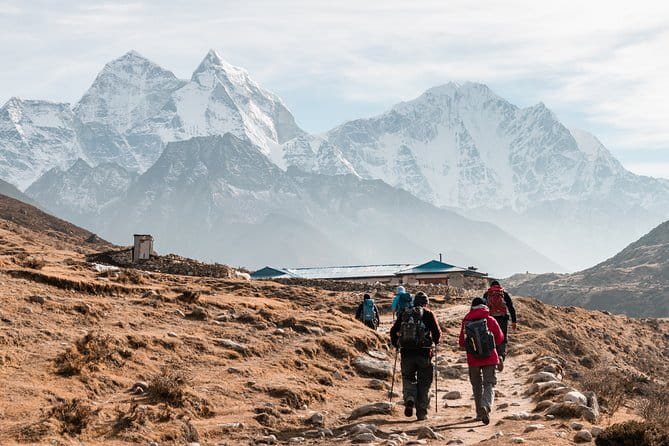
This day is mostly uphill, with some down sections mixed in. Expect the uphill to feel more gradual than a vertical slog, but it’s still uphill, so pace matters. I’d rather see you go slow for 30 minutes than push hard for 10 and pay for it later.
The trekking day is about 6 hours. By now, you should be feeling that rhythm: walking in cool air early, then warming up as you climb, and settling into the tea-house routine in the evening.
Day 4: the Pikey Peak sunrise moment (and why the hike is short)
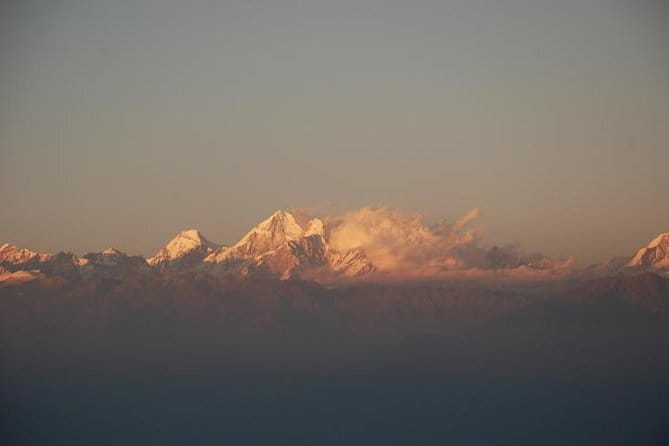
This is the headline day. You wake up early and hike for about one hour to reach Pikey Peak, timed so you can experience sunrise from the viewpoint.
Why this matters: a one-hour summit push keeps the day from turning into a slog-fest. You get the payoff without draining yourself before the best viewing window. When you’re up there, the panoramic view is the reason you booked in the first place—multiple high peaks in the same scene is the whole magic of this trek.
Bring warm layers, even if you think you won’t need them. Sunrise at altitude often feels colder than you expect, and you’ll be standing around for the light to hit the snow and rock.
If you want the photo version of the mountains, this is the day to prioritize it. If you want the peace version, it’s still worth it. This route is often described as calmer than the more famous alternatives, and sunrise is when that calm is most noticeable.
Day 5: Junbesi, rhododendron vibes, and tea-house nights
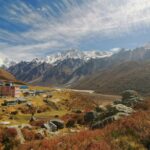
Day 5 takes you to Junbesi. The trek time is about 5 hours. The route gets described as peaceful, and one of the most pleasant images linked to this trek is a blooming rhododendron forest, which is the kind of detail that can make a hike feel like a movie scene instead of a checklist.
There’s also a note in the plan that depending on where you slept the previous night, you may trek via Taktor before continuing toward Junbesi. Translation: the general direction is consistent, but your exact path can vary with day-to-day logistics.
What stays consistent is the tea-house rhythm. You’ll have time to eat, rest, and let your body recover so the final monastery day feels like a cultural bonus—not a chore.
Day 6: Tupten Choling Monastery and a stop near Phaplu Airport
Day 6 blends walking with culture. After breakfast, you head toward Tupten Choling Monastery, described as one of the largest nun monasteries in the region. It’s located at the foot of a mountain, and it’s home to around 20 nuns.
This is the kind of stop that turns a trek from purely scenic into personal. You’re not just moving through scenery; you’re spending time with a living place of worship and daily routine. If you like travel that slows you down and gives you something to remember beyond your photos, you’ll appreciate this.
The day also includes a stop connected to Phaplu Airport. The overall segment is about 6 hours, which means you’re not stuck on the move all day.
Day 7: Phaplu back to Kathmandu, plus one last mountain breakfast
Your final day is all about getting back. The drive from Phaplu to Kathmandu is long—about 10 hours—so you start early.
You’ll stop at Dhap Thade for breakfast after about two hours of driving. The plan notes views from this stop, so it’s not just a fuel break. Then you continue to Kathmandu, ending back at the meeting point.
A long ride at the end can sound dull, but it’s often a relief after days of walking. You can sit back, process the trek, and realize you got your sunrise mountain fix without the nonstop stress that some big-name routes bring.
Price and value: what $899 covers on a 7-day supported trek
At $899 per person for roughly 7 days, this trip is priced like a guided trek with real logistics. The biggest value piece here is that meals are included: breakfast is included for all 7 mornings, with 7 lunches and 6 dinners included. That matters on trek days when buying food separately would add up quickly.
It also includes WiFi on board, which sounds small until you’re trying to answer messages, check schedules, or just share a sunrise photo while the light is still on your brain.
What’s not included: a fuel surcharge. That’s the main extra cost called out in the info you provided.
You’re also traveling with a small group—maximum 20—which is a practical comfort point. Big groups can turn tea-house evenings into a waiting game. Here, the size helps keep the trek feeling human.
And the guide quality seems to be a consistent theme in the feedback around Breeze Adventure’s team—names that show up include Kishwor (office guidance), Sabine, Raj, plus a porter listed as Amrit and team member Geli. I can’t guarantee who you’ll get, but it’s a good sign that the support people are both organized and people-first.
Who this trek fits best (and who should reconsider)
This trek is positioned as suitable for all ages, including seniors and families, and that matches the tone of the reviews you shared. The days aren’t described as extreme, and the route includes easier segments, like the road-following day toward Jhapre.
It’s especially good for you if:
- you want Everest-scale views without the most crowded Everest trail experience
- you’re okay with early mornings and short sunrise hikes
- you like calmer trekking with tea-house stops and plenty of time to enjoy the scenery
You might want to rethink if:
- long driving days tire you out fast (Day 1 and especially Day 7 are long)
- you require a fully cushy comfort level, since this is tea-house style lodging, not a hotel circuit
- you dislike altitude conditions at all (even if this route is often chosen for a gentler Everest-view experience)
Practical tips to make the trek easier on your body
I’d plan for three things: early starts, cold mornings, and steady pacing.
- Wear layers you can add/remove quickly. Sunrise is the best time to feel cold and still have to walk.
- Take trekking poles if you use them. They can make uphill and downhill sections feel less punishing.
- Pace yourself on the mostly uphill day toward Pikey Peak Base Camp. That’s where people often spend too much energy too early.
Also, since the route includes tea houses, bring a basic mindset for trekking lodging: simple rooms, warm meals, and the kind of comfort that comes from being out in the air all day.
Should you book the Pikey Peak Trek with Breeze Adventure?
If you want Pikey Peak sunrise views and a route that feels quieter than the busiest Everest paths, I think this trek is a strong choice. The price looks fair for a supported 7-day schedule with meals handled and a small group size, and the mix of mountain payoff plus Tupten Choling Monastery adds real substance beyond scenery.
Book it if you’re the type who loves calm hiking, early light, and getting off the loud main trails. If you hate long drives or want everything to feel perfectly close to home comfort, you may find the transfer days less fun. But if you can roll with the schedule, this one can leave you with that rare combo: energy from the mountains and a sense of peace from the quieter route.
FAQ
Where does the Pikey Peak Trek start and end?
The trek starts at Breeze Adventure Pvt Ltd in Thamel Marg, Kathmandu, and it ends back at the same meeting point in Kathmandu.
What time does the tour start?
The start time is 6:15am.
How long is the trek?
The duration is about 7 days.
What’s included in the meals?
Breakfast is included 7 times, lunch is included 7 times, and dinner is included 6 times.
Is WiFi included?
Yes, WiFi on board is included.
What costs are not included?
A fuel surcharge is not included.
How many people are in the group?
The tour has a maximum of 20 travelers.
Can I cancel for a full refund?
Yes. You can cancel up to 24 hours in advance for a full refund.
Do I need to fly to Lukla for this trek?
No. The trek is described as not requiring a flight to Lukla.