REVIEW · KATHMANDU
Chisapani – Nagarkot Trek Nepal – 3 Days
Book on Viator →Operated by Alpine Club of Himalaya · Bookable on Viator
Three days, big Himalayan payoffs.
I liked how this Chisapani to Nagarkot walk strings together Shivapuri greenery with ridge-top drama, then ends at a classic Nagarkot viewpoint. I’m especially into private round-trip transfers (less day-one chaos) and the fact that down jacket and 4-season sleeping bag rentals are handled for you. One thing to consider: the best mountain moments depend on a clear sky, and Nagarkot views are specifically noted as best on clear days.
What makes it feel more complete than a basic hike is the way the trip builds in people time and culture time. You get welcome and farewell dinners in Kathmandu, plus a final trek day that finishes at Changu Narayan Temple (built in 323 AD by King Hari Datta Varma). That mix of trail, food, and stories is exactly what makes short treks feel like real Nepal, not just exercise.
In This Review
- Key highlights to know before you go
- Why a Chisapani to Nagarkot trek works so well in just 3 days
- Price and logistics: what $425 really covers
- Day 1: Sundarijal to Chisapani through Shivapuri National Park
- Day 2: Chauki Bhanjag lunch, then the descent into Nagarkot
- Day 3: Nagarkot ridge walk to Changunarayan and the Changu Narayan Temple
- What your guide handles (and how that changes the quality of the trek)
- Included meals and dinners: why the food setup is a hidden win
- Packing and comfort tips for nights on the trail
- Who this trek suits best (and who should think twice)
- Should you book the Chisapani to Nagarkot 3-day trek?
- FAQ
- How long is the trek from Chisapani to Nagarkot?
- What’s included for transportation to and from Kathmandu?
- Are park entrance fees and permits included?
- Do I need to bring a sleeping bag and down jacket?
- What meals are included during the trip?
- Is the visa fee included in the price?
Key highlights to know before you go
- Private Kathmandu transfers keep the trek start simple and stress-free
- Shivapuri Nagarjun National Park permits included so you don’t hunt paperwork
- Down jacket + 4-season sleeping bag rental saves you from hauling gear
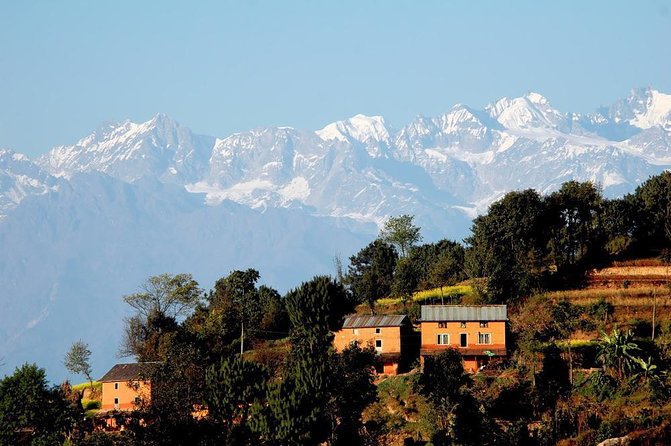
- Chauki Bhanjag lunch + Nagarkot viewpoints give you clear-day mountain odds
- Changu Narayan Temple (323 AD) turns the last day into something memorable
- A guide who keeps the walk moving with local stories (and yes, sometimes music on the trail)
Why a Chisapani to Nagarkot trek works so well in just 3 days
This is a short trek with a smart layout: you gain altitude and forest scenery on day one, you chase a classic Himalayan backdrop on day two, then you finish with a temple-focused walk that feels connected to Kathmandu life on day three.
The route centers on Shivapuri Nagarjun National Park and its plant mix—oak, pine, and rhododendron. That matters because it changes how the hike feels. You’re not just moving from viewpoint to viewpoint; you’re walking through a living Nepal that smells like trees, not only mountains.
The other big reason this trip works is how much is taken care of for you. Your trekking guide organizes permits, food, accommodation, and transportation, so you can spend your energy on walking, looking, and asking questions. On short trips, that support is the difference between a smooth adventure and a logistical headache.
You can also read our reviews of more tours and experiences in Kathmandu.
Price and logistics: what $425 really covers
At $425 per person, this isn’t the cheapest way to trek Nepal—but it does include the stuff that usually costs you time, effort, or extra money.
Here’s the practical value you’re getting:
- Round-trip private transfers to and from Kathmandu (so you start from a defined place and don’t need to piece together rides)
- National Park entry fees and permits (listed as included, with Shivapuri Nagarjun National Park covered)
- Meals during the trek: breakfasts (2), lunches (3), and dinners (3)
- Accommodation: 1 night in Kathmandu (twin deluxe shared) and 2 nights in teahouse or lodge
- Gear rental: down jacket and a 4-season sleeping bag
- Two Kathmandu dinners: a welcome dinner and a farewell dinner
What’s not included is also important:
- Visa fees are listed as $30 per person
- Travel and rescue insurance isn’t included
- Lunch and dinner in the city aren’t included (only the listed meals)
If you add up the hidden costs—park fees, some transport, guide time, and lodging—this becomes more “you’re paying for a staffed package” than “you’re just paying for walking.” That can be a great deal when you want comfort and clarity more than DIY freedom.
Day 1: Sundarijal to Chisapani through Shivapuri National Park
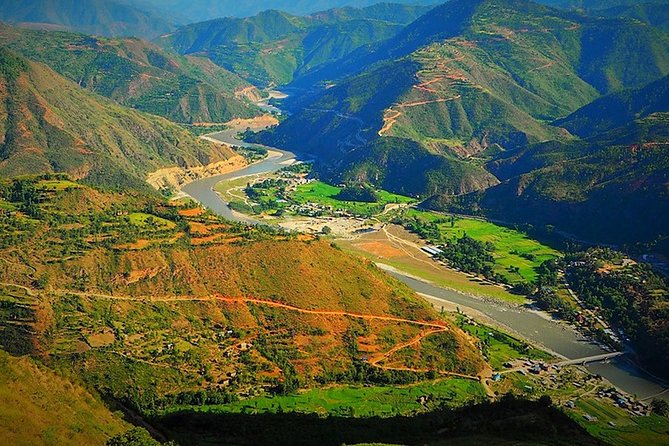
Your day starts with a meet-up in central Kathmandu, then a private transfer to Sundarijal. From there, the trek to Chisapani is about 4.5 hours, and the elevation of Chisapani is given as 7,545 ft / 2,300 m.
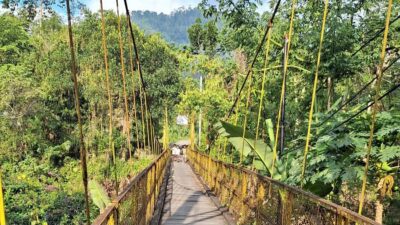
This first day matters because it’s where you get the “Nepal feels real” effect. The area is inside Shivapuri National Park, and the experience highlights oak, pine, and rhododendron forests. In practice, that means a softer, greener trail early on—often more interesting than a purely stone-and-dust climb.
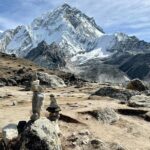
You also get peak-view energy right from day one, with notes about jagged peaks visible from the park area. Even if you don’t get full fireworks, the setting is scenic in a way that makes the early hours feel worth it.
What to watch: after a few hours of walking, you’ll likely be ready to settle in and eat well. This route includes the support side—your guide organizes your day, meals, and the next steps—so you’re not left figuring out food and lodging on the fly.
Day 2: Chauki Bhanjag lunch, then the descent into Nagarkot
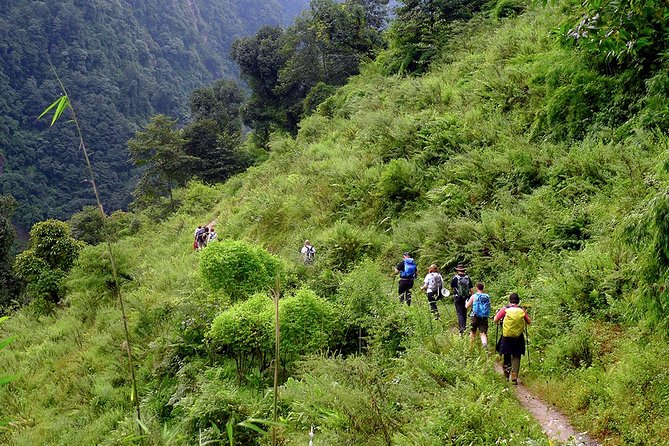
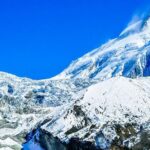
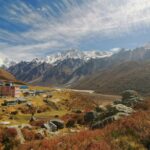
Day two is built around a very specific kind of payoff: lunch with snow-capped mountains as the backdrop, then the reward of reaching Nagarkot.
The trek segment is about 2.5 hours to Chauki Bhanjag, where there’s a pause for lunch. That lunch stop is more than a break—it’s a mini moment of stillness. You’ll have time to look up, take photos, and let the scenery sink in. After all, the day is basically structured for one reason: give you a strong mountain viewing moment before the longer movement toward Nagarkot.
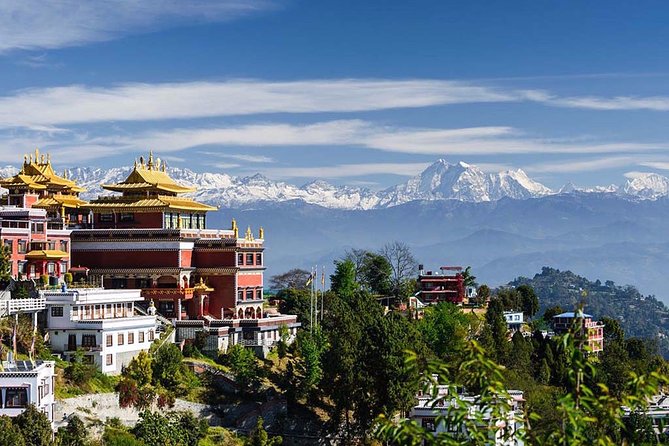
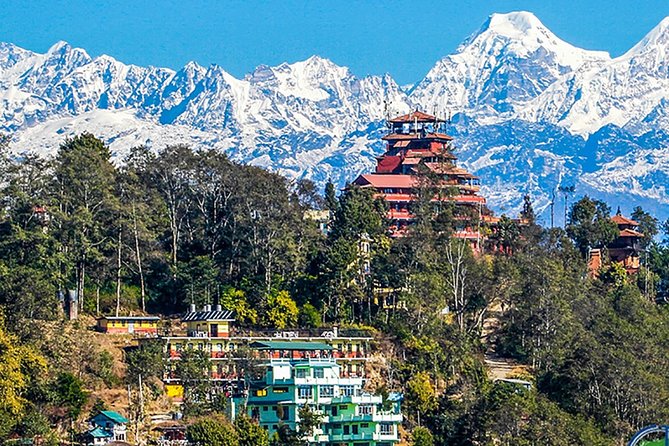
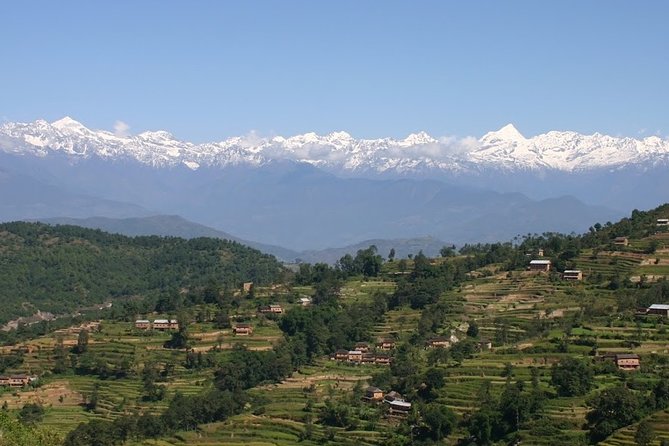
In the afternoon you descend about 3 hours to Nagarkot. The description also notes that on a clear day, you can see the Himalayas from Nagarkot. That clear-sky clause is the reality check. If clouds sit low, the views can be limited. Still, Nagarkot’s reputation comes from how often conditions line up.
This is also where the tour’s “guided package” design earns its keep. You’re not trying to navigate on your own, and you’re not scrambling for where to sleep or what comes next. The day flows as a plan, not a series of maybes.
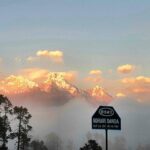
If you’re chasing that first sunrise memory, you’ll be in the right base area. At least in one shared experience, people loved the sunrise moments from the lodging area—the kind of quiet start that makes a short trek feel special.
Day 3: Nagarkot ridge walk to Changunarayan and the Changu Narayan Temple
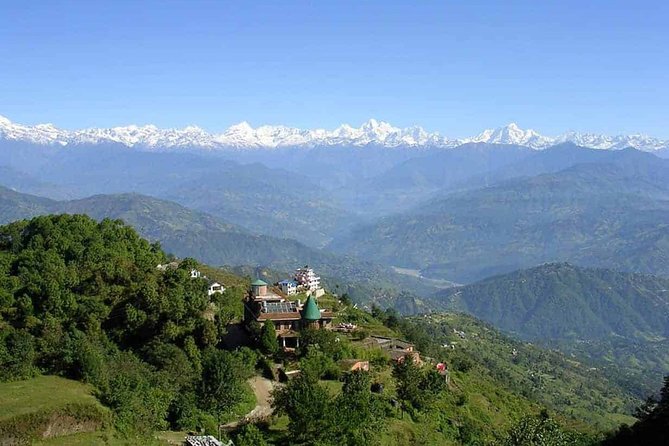
The final day transitions from mountain-town views to culture-forward walking. The trek is listed at about 3.5 hours to Changunarayan.
This route is described as a popular walk around Kathmandu, and the key detail is that it runs down from Nagarkot along a ridge to Changu Narayan Temple. That ridge element is useful for your planning mindset: you’re not just descending randomly. You’re moving on a defined walk that links scenery with history.
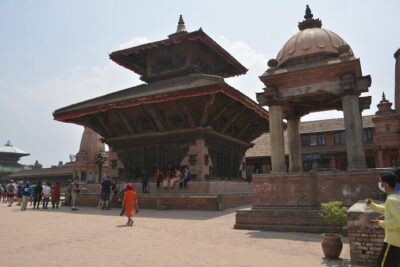
The destination is Changu Narayan, described as richly decorated and built in 323 AD by King Hari Datta Varma. That date is a big deal because it frames this day as more than a finish line. It’s one of those places where you can look at stonework and feel time layered into the route.
One practical note: by day three, your legs know they’re on a trek. This is still a manageable plan, but you’ll want comfortable shoes and a steady pace. The guide support keeps it from turning into a slog.
Once you’re done, you’ll have a trip that ends with something concrete: a famous temple tied to Kathmandu’s cultural map, not just a final meal and a ride.
What your guide handles (and how that changes the quality of the trek)
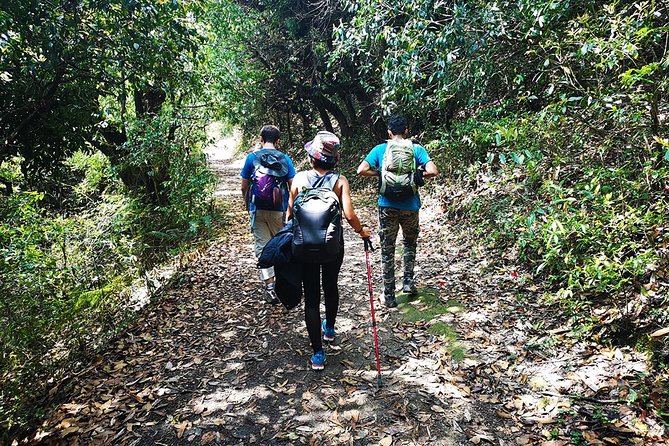
This tour isn’t just “a guide walks with you.” The guide is doing the behind-the-scenes work that often ruins trips for people who travel independently.
Based on what’s included, your guide organizes:
- Permits (including Shivapuri Nagarjun National Park entry requirements)
- Food (the packaged breakfasts, lunches, and dinners)
- Accommodation (teahouse or lodge for two nights)
- Transport within the plan (including private transfers tied to Kathmandu)
That means you can focus on the hike itself: pacing, stopping when you want photos, and asking questions about what you see. And that’s where the experience becomes more human. The overall vibe includes local stories and cultural context from your guide, and in one shared moment people enjoyed how the guide brought a relaxed, upbeat feel—even with music from a speaker along the way. That kind of tone can make a short trek feel less like a checklist.
You also get support with gear: your rental kit includes a down jacket and a 4-season sleeping bag. On cold nights, gear access can matter a lot. It also saves you from trying to source proper insulation in Kathmandu last minute.
Included meals and dinners: why the food setup is a hidden win
You get plenty of structure around eating:
- Breakfasts (2)
- Lunches (3)
- Dinners (3)
- Plus welcome and farewell dinner in Kathmandu
That matters more than it sounds. On trekking routes, deciding where to eat can turn into extra time and extra decision fatigue. With meals handled, you can trust that you’ll be fed in time for your next walking block.
It also gives you a smoother rhythm for a 3-day itinerary. You’re not hunting for something open, or translating menus, or wondering what’s available. Instead, you can look forward to lunch as part of the plan (day two’s Chaukig Bhanjag lunch is the example that’s specifically highlighted), and look forward to dinner as part of the social experience.
Packing and comfort tips for nights on the trail
Even though your cold-night gear is included, you still want to show up with the basics that help you enjoy the days.
Here’s what I’d plan around:
- Bring layering basics for changing temps across morning and afternoon
- Wear comfortable shoes with grip for uneven paths and stone sections
- Use a small day pack for water and layers you’ll take on and off
- Bring a light rain layer if your timing lines up with Nepal’s fast-changing weather
Also, since your down jacket and sleeping bag rental is part of the package, you can keep your luggage simpler. Still, verify what you personally prefer for sleeping (for example, a liner or your usual sleep layer is sometimes helpful, depending on your comfort style).
Who this trek suits best (and who should think twice)
This trek is a strong fit if you want:
- A short 3-day trek with guided support
- Clear planning for food, lodging, and permits
- Teahouse/lodge nights instead of camping
- A mix of nature walking plus temple culture
- The chance of Nagarkot mountain views on a clear day
You might think twice if:
- You’re hoping for maximum Himalayan views regardless of weather. Nagarkot’s standout views are tied to clear skies.
- You’re on a super tight budget once you add the visa fee and the fact that travel and rescue insurance isn’t included.
Should you book the Chisapani to Nagarkot 3-day trek?
Yes, if you want a guided, no-fuss trekking package that still feels authentic. The value comes from the combination of private transfers, included park permits, real trekking pacing (4.5 hours, 2.5 hours, 3.5 hours), and the gear rental that makes the nights easier.
Book it if Nagarkot is on your dream list and you’re happy to travel with the reality that views depend on weather. Also book it if you enjoy a guide who adds context and keeps the trip lively.
Skip it (or at least reconsider) if you dislike shared-group pacing or you’re trying to keep everything fully DIY and on your own schedule. This one is built for structure, not spontaneity.
FAQ
How long is the trek from Chisapani to Nagarkot?
The tour is listed as 3 days (approximately).
What’s included for transportation to and from Kathmandu?
Round trip private transportation to and from Kathmandu is included.
Are park entrance fees and permits included?
Yes. Shivapuri Nagarjun National Park entry fee and permit are included.
Do I need to bring a sleeping bag and down jacket?
No. Down jacket and 4-season sleeping bag rental are included.
What meals are included during the trip?
Breakfasts (2), lunches (3), and dinners (3) are included, along with a welcome and farewell dinner in Kathmandu.
Is the visa fee included in the price?
No. Visa fees are listed as $30.00 per person, and travel and rescue insurance isn’t included.