REVIEW · MARRAKECH
3 Days Desert Tour From Marrakech To Merzouga Dunes & Camel Trek
Book on Viator →Operated by morocco trip ismail · Bookable on Viator
Three days, and the Sahara changes you. This desert tour strings together High Atlas mountain roads, the UNESCO Ait Ben Haddou kasbah, and the big orange sweep of the Merzouga dunes—ending with a camel trek plus a night in Berber-style tents under real night skies. It’s one of those trips where the scenery keeps stacking up, not just the photos.
I love the balance between famous stops and the kind of moments that feel personal: the UNESCO kasbah at Ait Ben Haddou (the place Hollywood used for movies like Gladiator) and the camp evening with Berber drum music around the fire. I also really like how the guide and driver, Ismail, shows up as more than just a driver—people talk about how safe and calm the ride feels, plus how he handles luggage and stops for quick needs.
The main drawback to plan around is time and energy: you’re on the road a lot, with early starts (including sunrise in the desert), and the camel part needs moderate physical fitness. In other words, it’s not a lazy weekend.
In This Review
- Quick highlights you’ll actually care about
- Marrakech to Ait Ben Haddou: High Atlas Pass into Kasbah Country
- Dades Gorges to Merzouga: Kasbah Road, Date Market Stops, and the Last Mile to the Dunes
- Camel Trek Into the Erg Chebbi Dunes: What the Night in Tents Feels Like
- Sunrise Day 3: Back on Camels, Then the Long Return to Marrakech
- Price and What $110 Actually Buys You
- The Real Logistics: Group Size, Timing, and Staying Comfortable
- Who Should Book This Desert Tour?
- Should You Book It?
- FAQ
- How much does the 3-day desert tour from Marrakech to Merzouga cost?
- What’s included in the price?
- Where does the tour start in Marrakech?
- What time does the tour start?
- How many people are in the group?
- What do you do in Merzouga?
- How physically demanding is it?
- What if weather is poor or the minimum number of travelers isn’t met?
- Can I get a full refund if I cancel?
Quick highlights you’ll actually care about
- UNESCO stop at Ait Ben Haddou with famous movie connections like Gladiator
- Dades Valley + Tinghir route through kasbah country and scenic pauses
- Merzouga camel trek into Erg Chebbi dunes with dinner and Berber drum night
- Sandboarding in the desert right where the dunes look like they belong on a postcard
- Ismail as guide and driver known for careful driving, helpful stops, and even drum-at-the-camp energy
Marrakech to Ait Ben Haddou: High Atlas Pass into Kasbah Country
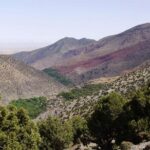
Day 1 is built for “first wow” moments. You leave Marrakech in the morning and start climbing into the High Atlas region, then cross the famous pass area tied to Tizi-n-Tichka. The driving itself becomes part of the attraction—switchbacks, changing views, and the feeling that you’re moving from city Morocco toward the edges of the desert story.
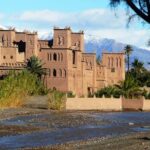
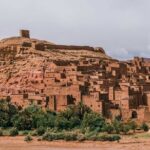
Your first major cultural stop is Ait Ben Haddou, a UNESCO World Heritage site. This is the kind of place where the buildings don’t look like a museum—they look like they were made for wind and sun. You’ll also hear how Ait Ben Haddou has been used as a film location, including Gladiator. That matters because it explains why the kasbah layout feels so “cinematic,” even if you ignore the movie trivia.
From there, the day continues through Ouarzazate, with a lunch stop that’s described as having views over the kasbah. After lunch, you push on toward Dades Valley, passing the “valley of roses” area and reaching Boumalne Dades for dinner and an overnight stay in a hotel.
What I like about this day is that it doesn’t just transport you. It layers the trip: mountain road → UNESCO kasbah → cinema connection → desert approach. What you might want to watch for is the pace. Day 1 is about getting somewhere. You’ll likely feel the “drive time weight” by evening, so plan to eat and hydrate early, not at the last possible second.
You can also read our reviews of more tours and experiences in Marrakech.
Dades Gorges to Merzouga: Kasbah Road, Date Market Stops, and the Last Mile to the Dunes
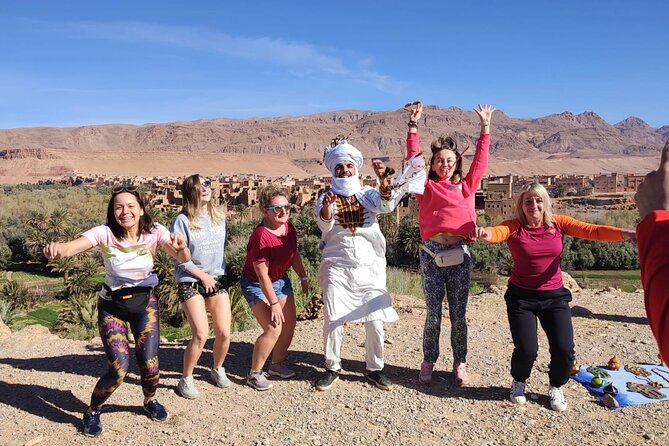
Day 2 is where the scenery gets more textured: you move through kasbahs, river-like pockets of greenery, then finally roll toward Erg Chebbi. After breakfast, you go across the road of 1001 kasbahs—a phrase that’s basically a promise you’ll keep seeing fortified villages and mud-brick buildings.
You stop at the Oasis of Tinghir, which is a helpful shift in tone. If Day 1 felt like big stone and sun exposure, Tinghir gives you a softer contrast—more sense of life around water and farming. This stop also works as a break before the longer desert approach.
Lunch is mentioned as not included, so you should treat Day 2 as a “bring a plan for food” day. You’ll keep moving toward Rissani, described as the biggest date market in Morocco. Even if you don’t shop, the point is the vibe: you’re stepping into everyday trade, not just sightseeing. Then you continue to the edge of the dunes in Merzouga.
The key moment is when you reach the Erg Chebbi area and meet your camels. This is where the tour switches from “watch the world outside the window” to “move through it.”
Camel Trek Into the Erg Chebbi Dunes: What the Night in Tents Feels Like
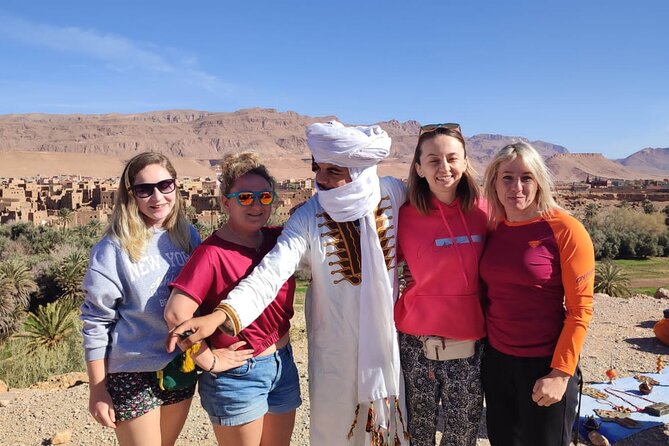
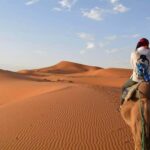
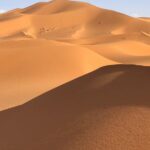
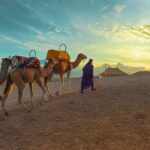
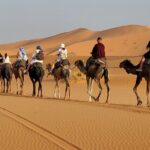
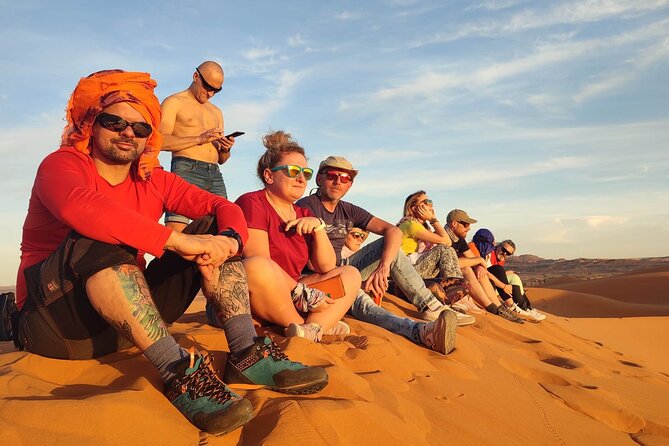
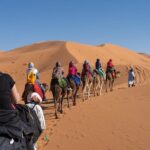
Once you mount the camels, you start a trek through the sand dunes toward the desert camp. The itinerary frames this as a guided dune experience with time to see sand formations up close. And yes—sand can look still in photos. In real life, it behaves differently as light hits it: ridges, shadows, and the way the ground seems to change texture under your feet.
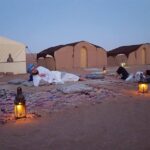
After the trek, you reach camp for dinner, Berber drum music, and an overnight in traditional Berber tents. This is the part that keeps coming up in the reviews: the guide Ismail shows up as part of the camp atmosphere. People specifically highlight him playing drums and creating a fun, welcoming feeling around the fire. If you’re the type who likes culture beyond a short “here’s the outfit” stop, this evening is built for you.
Also, the tour includes sandboarding in the Merzouga desert. That’s a practical detail because it turns the dunes from scenery into action. If you’re hoping for at least one playful activity (not just more driving and photos), you’ll appreciate it.
The desert night can be chilly even when days are warm, so bring layers. The tour doesn’t list what gear is provided, and the camp is in a desert environment—so your comfort is mostly on you.
Sunrise Day 3: Back on Camels, Then the Long Return to Marrakech
Day 3 starts early for Sahara sunrise. This is one of those schedule choices you either love or find painful. The upside: sunrise in the dunes is a show that doesn’t need explanation. The downside: your body will want coffee long before the first light arrives.
After sunrise, you return to the camp area for breakfast, then mount camels again for about an hour and a half before meeting your driver. You then drive back toward Marrakech, with the itinerary placing this return as roughly a 9-hour day.
This is where you should manage expectations. This isn’t a “walk-around town” finale. It’s a road day. The good news is you’re going back with the same driver team, so you’re not figuring things out on your own. The not-so-fun news is that you should plan for fatigue—especially if you’ve been out in the sun and on the camel trek.
Price and What $110 Actually Buys You
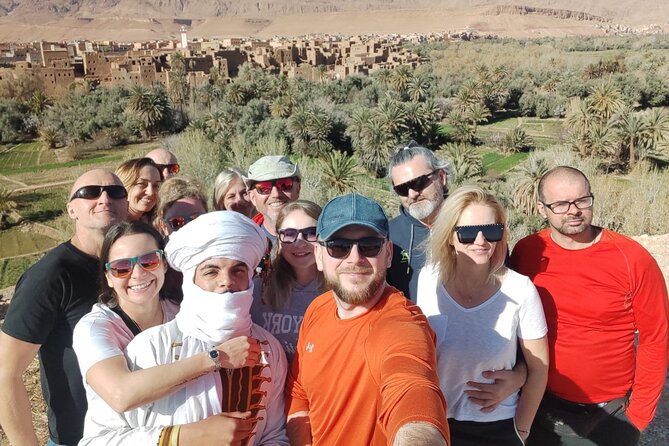
At $110 per person, this tour sits in the budget-friendly range for three days that include real desert experiences. The key value is that several “expensive-feeling” elements are folded in:
- Dinner (2) and breakfast (2) are included
- You get the camel trek and the desert camp overnight with Berber-tent style lodging
- You also get sandboarding in Merzouga and an evening with Berber drum music
What’s not included matters because it affects your day-to-day spending:
- Lunches aren’t included
- Bottled water isn’t included
In a practical sense, you’ll want to budget for lunches and water, especially on Day 2 when you’re moving between stops. Also remember that you’re paying for time on the road plus multiple major stops. If your priority is only the desert night, you could find shorter options. But if you want the route to feel like a journey—mountains, kasbahs, gorge country, then dunes—this price-to-experience mix can be a strong deal.
One more small detail: the tour is described as having mobile ticket delivery and being near public transportation in Marrakech. That’s helpful if you don’t want to fuss over printed paperwork before you meet the group.
The Real Logistics: Group Size, Timing, and Staying Comfortable
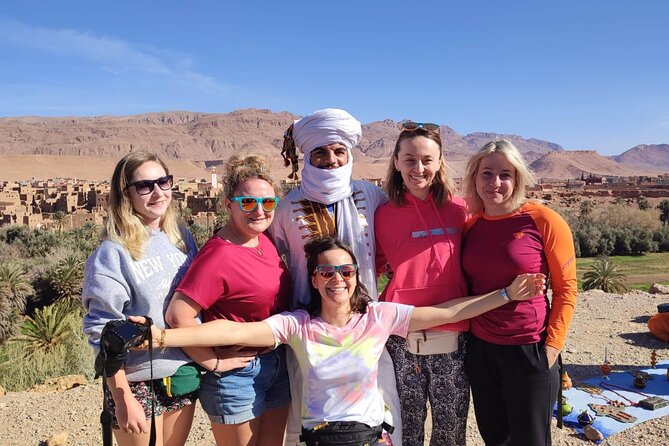
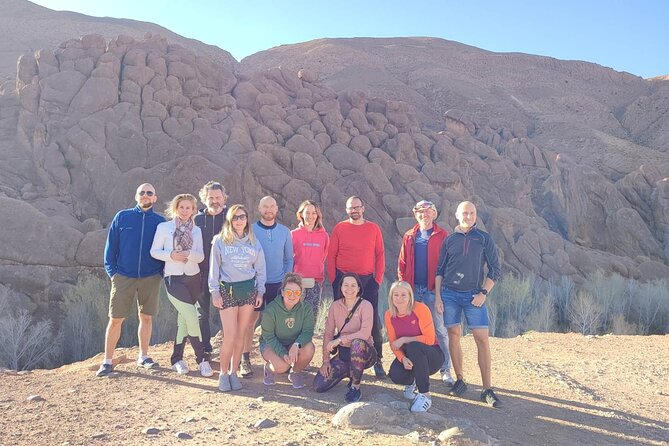
This is a shared tour with a maximum of 17 travelers. That sweet spot can matter: it’s large enough that you’re not in a tiny bubble, but small enough that the driver can still handle quick needs.
A detail worth paying attention to: the information includes both a meeting-start time and a Day 1 departure time. The meeting point start time is listed as 9:30 am, while the itinerary says you depart Marrakech at 7:30 AM. Before you go, I’d confirm the exact pickup timing with the operator at booking time, so you don’t get surprised.
Comfort tips that help on trips like this:
- Pack for sun + cooler desert nights (layers win)
- Bring small cash for lunches since they’re not included
- Keep your day bag light for the camel and camp evening
- If you need toilet breaks, you’ll want to say so when you can—people describe Ismail as willing to stop for needs and photos
And since Ismail is specifically highlighted as a careful driver in multiple reviews, that’s a real quality factor here. On long road days, feeling safe changes the whole experience.
Who Should Book This Desert Tour?
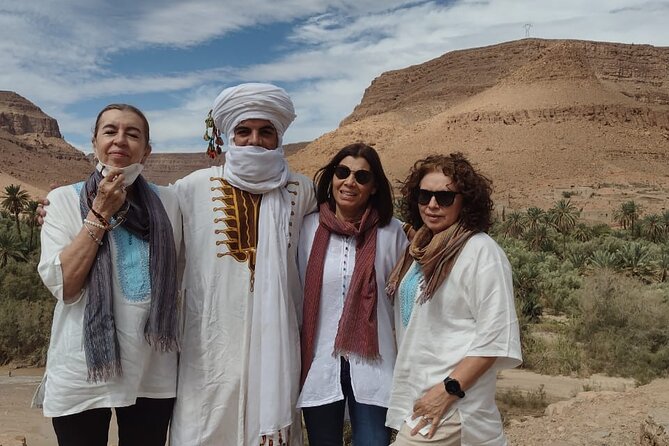
This tour is a great fit if you want a full Morocco-to-Sahara story in three days, not just a one-night desert add-on. You’ll like it most if you enjoy:
- Kasbah and heritage stops (Ait Ben Haddou is a key anchor)
- Road trips through changing regions (High Atlas to Dades to Merzouga)
- Hands-on desert time: camel trek + sandboarding + campfire music
It may not be ideal if you want minimal driving or a slow pace. Day 3 in particular is a long return day, and sunrise starts early.
If you’re traveling with friends, this kind of shared tour can be a fun way to meet people too, since you’re spending time together on the move. If you’re a solo traveler, it can still work well because the group is limited, and you’re guided from start to finish.
Should You Book It?
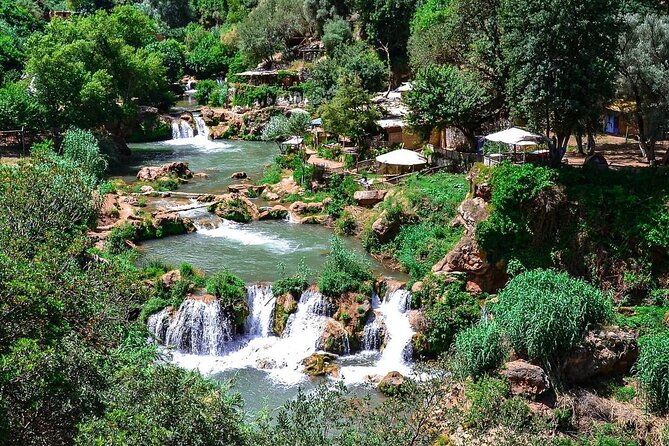
I’d book this tour if your heart is set on the desert experience with a proper build-up: mountains first, kasbah culture in the middle, then Merzouga with camels, sandboarding, and a real night in Berber tents. The standout theme across the experience is the human factor—Ismail is repeatedly described as friendly, careful on the road, and actively involved in the vibe, including the music at camp.
Skip it if you dislike early mornings and long drives. Also double-check the exact start time in Marrakech, because the 7:30 AM vs 9:30 am details look inconsistent in the notes.
If your plans are flexible, the tour also notes free cancellation up to 24 hours before the experience’s start time, so you can keep your options open.
FAQ
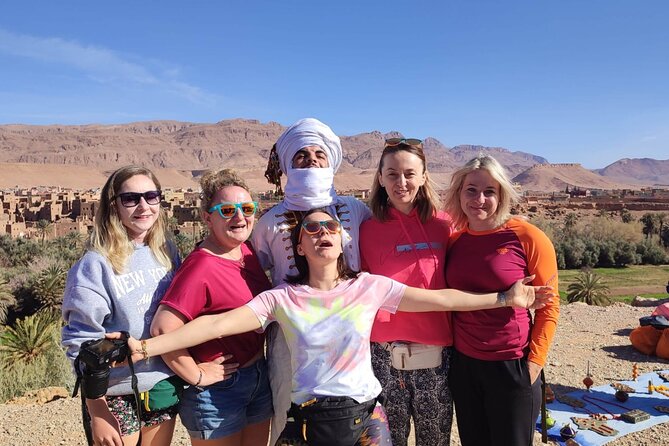
How much does the 3-day desert tour from Marrakech to Merzouga cost?
It costs $110.00 per person.
What’s included in the price?
The tour includes dinner (2) and breakfast (2). Camel trekking, sandboarding in Merzouga, and the camp evening with Berber drum music are part of the experience. Lunches and bottled water are not included.
Where does the tour start in Marrakech?
The meeting point is Café de France, 72 Rue des Banques, Marrakech 40000, Morocco.
What time does the tour start?
The meeting point lists 9:30 am as the start time, but the itinerary also mentions departing Marrakech at 7:30 AM on Day 1. It’s smart to confirm the exact timing when you book.
How many people are in the group?
The tour has a maximum of 17 travelers.
What do you do in Merzouga?
You do a camel trek through the dunes to a desert camp, enjoy sandboarding, experience Berber drum music, and sleep in Berber tents. You also wake up early for sunrise and have breakfast at the camp on Day 3.
How physically demanding is it?
The tour states you should have moderate physical fitness. It includes camel trekking (and includes a camel ride portion of about 1.5 hours on Day 3), so you’ll want to be comfortable with that level of movement.
What if weather is poor or the minimum number of travelers isn’t met?
The experience requires good weather. If it’s canceled due to poor weather, you’ll be offered a different date or a full refund. If it’s canceled because the minimum number of travelers isn’t met, you’ll also be offered a different date/experience or a full refund.
Can I get a full refund if I cancel?
Yes. The tour offers free cancellation, and you can cancel up to 24 hours in advance for a full refund.