REVIEW · KATHMANDU
From Kathmandu: 12-Day Everest Base Camp Guided Trekking
Book on GetYourGuide →Operated by Welcome Nepal Treks P.Ltd · Bookable on GetYourGuide
You’ll feel Everest before you even reach it. This 12-day trek builds in acclimatization while you work up to Everest Base Camp and high viewpoints. I love the clear, step-by-step altitude rhythm, and I also like the way the company supports you with guides who actually manage the mountain day-to-day. The main drawback to consider is simple: this is a serious hike at altitude, and the trip is not suitable if you have heart issues or are pregnant.
The best part of this trek setup is how it combines logistics that work with a route that makes sense on your body. You fly Kathmandu–Lukla, sleep in tea houses, and get experienced, English-speaking guidance through the Khumbu region with a small group (limited to 15). If you’re hoping for luxury comforts, plan on basic lodges and meals not included during the trek.
In This Review
- Key highlights you’ll care about
- A Classic Everest Base Camp Route, With Smart Altitude Pacing
- Kathmandu to Lukla: The Flight You’ll Feel in Your Stomach
- Day-by-Day Rhythm: From Phakding to Namche to Tyangboche
- Ama Dablam Country to Lobuche: Dingboche Builds Your Strength
- Everest Base Camp and Kala Patthar: The Hard Part’s Real Reward
- The Return to Lukla and Kathmandu: Don’t Treat Descent Like an Afterthought
- Guides, Group Size, and Safety: Why This Trip Feels Well Managed
- Price and What You Actually Get for $1,020
- What to Pack (and What to Leave Behind)
- Who Should Book This Everest Base Camp Trek
- Should You Book This 12-Day Everest Base Camp Trek?
- FAQ
- How long is the Everest Base Camp trekking experience?
- What’s included in the trek price?
- Are meals included during the trek?
- Can I hire a porter to carry my bags?
- What do I need to bring?
- Who is this trek not suitable for?
Key highlights you’ll care about
- Lukla flight + tea house lodging: the trip is set up around practical high-mountain comfort.
- Altitude planning: rest days in Namche and Dingboche help you adjust before the big climbs.
- Base Camp payoff: Everest Base Camp at 5,364m plus a high side trip to Kala Patthar.
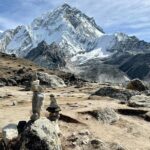
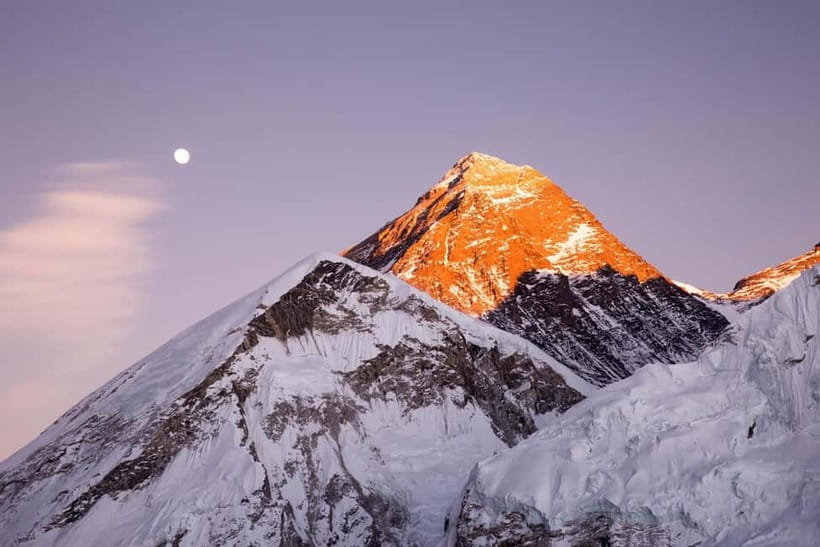
- Iconic peak views: you pass under big names like Ama Dablam, Nuptse, Lhotse, and more.
- Small-group guidance: guides lead the pace and keep decisions sensible in changing weather.
- Route flexibility when needed: in at least one case, the team arranged a helicopter pickup when the situation demanded it.
A Classic Everest Base Camp Route, With Smart Altitude Pacing
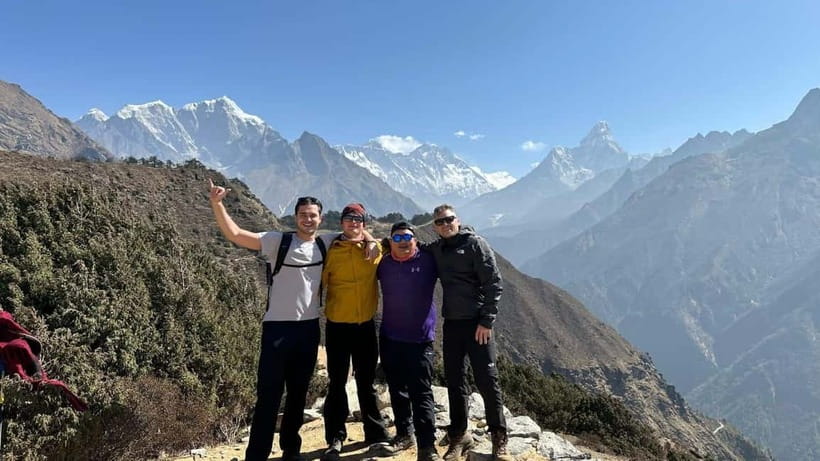
This trek is built like a plan your lungs can tolerate. You don’t jump straight from low altitude to extreme heights and hope for the best. Instead, the itinerary gives you time in the two key staging towns—Namche Bazar (3,440m) and Dingboche (4,260m)—to acclimatize before you push higher.
That matters because acclimatization isn’t a vibe. It’s physiology: as you climb, your body needs time to adapt. The route also includes slow, gradual increases and days where hiking feels more like “working up” rather than “going for broke.” If you’ve done other treks, you’ll recognize this as the part that separates a manageable challenge from a misery sprint.
You’ll also spend multiple nights in tea house lodges, so you’re not juggling tents, cooking, or cold-weather gear every step. The effort is the hiking, not the setup.
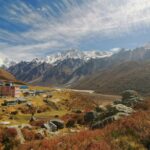
One more thing I like: the route hits the famous checkpoints without turning your trip into a sightseeing bus. You hike between places with different kinds of terrain—forest sections, valley trekking, river crossings—so the day-to-day feels varied even when the altitude is trending upward.
You can also read our reviews of more tours and experiences in Kathmandu.
Kathmandu to Lukla: The Flight You’ll Feel in Your Stomach
Your trek begins with pickup from your hotel within Kathmandu, Bhaktapur, or Lalitpur, then transfer to Tribhuvan International Airport for an early domestic flight to Lukla. This is the heart of the “fast start” model for Everest Base Camp: you trade days of trail approach for one short (but real) mountain flight.
Once you land in Lukla, you transfer to the starting point and begin hiking immediately toward Phakding. The first day is about settling in—walking enough to feel the trek, without exhausting yourself before you’ve had a chance to adjust.
It’s worth mentally preparing for how quickly the environment changes. Even early on, the air feels different and the village atmosphere is distinctly Khumbu: small settlements, tea houses, and trails that run through high-mountain valleys.
Day-by-Day Rhythm: From Phakding to Namche to Tyangboche
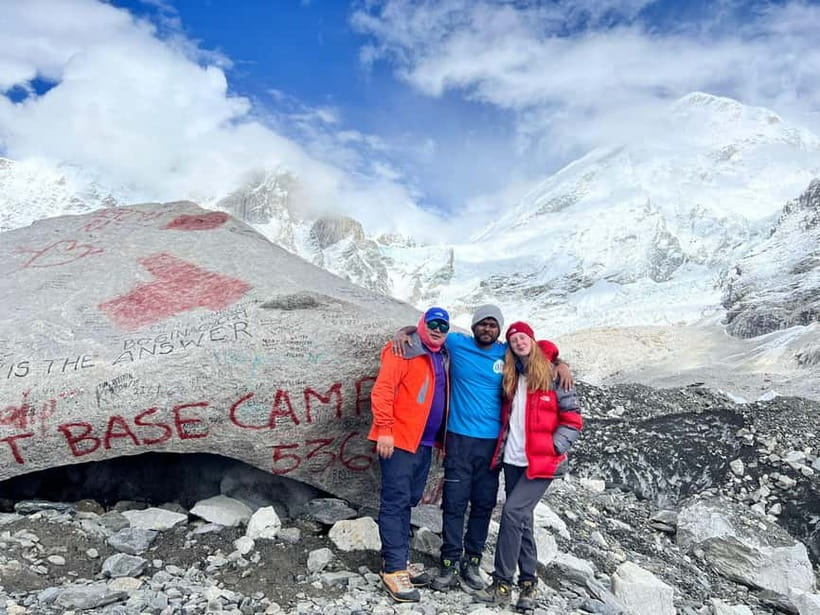
Day 1 takes you from Lukla to Phakding. You spend the night in a tea house lodge, which is a good way to start because it keeps things straightforward. You’re not carrying heavy meals or cooking gear; you’re simply learning your pace.
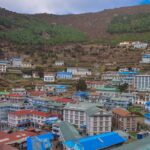
Day 2 climbs to Namche Bazar (3,440m). This is the big acclimatization hub. Namche isn’t just a checkpoint; it’s a place where you feel like the trek has truly begun. Expect a town atmosphere compared to the smaller villages before it.
Day 3 is your first real acclimatization day. You rest in Namche rather than racing onward. This is one of the best design choices on the schedule because it gives you breathing room—literally. The benefit is that you arrive at the higher villages with less strain.
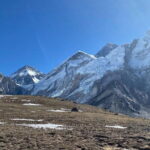
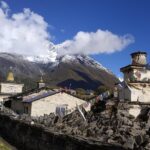
Day 4 moves you to Tyangboche (3,867m). Tyangboche is known for views and the classic “Everest region” atmosphere—at this elevation you start seeing the peaks more clearly and the air feels sharper. You also get that sense of transition: the trek starts to feel more Alpine as the terrain changes.
Day 5 continues with forest trekking and a crossing over a suspension bridge at Imja Khola. Then you enter the Imjatse Valley beneath massive names like Ama Dablam, Nuptse, and Lhotse, heading for Dingboche (4,260m). This is where the scenery becomes more dramatic and the effort becomes more focused.
A practical note: tea house trekking means your “comfort” depends on what’s available at each lodge. The route is set up with accommodations included, but you should still expect simple rooms, shared spaces, and no high-tech luxuries.
Ama Dablam Country to Lobuche: Dingboche Builds Your Strength
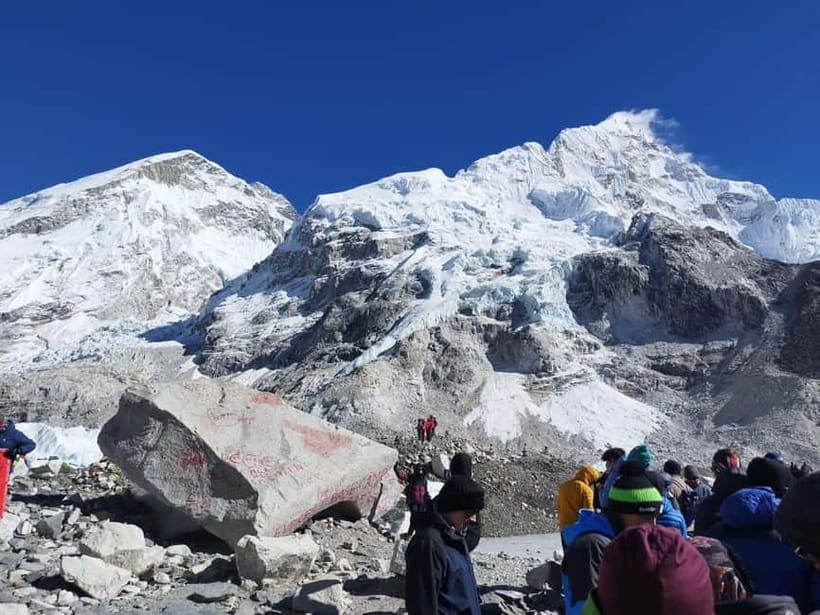
Day 6 is another acclimatization day in Dingboche. You’ll appreciate this if you’ve ever tried to climb too fast on a mountain. Here, the schedule encourages you to adapt before the next big push, and it also helps your sleep and energy for what’s coming.
Day 7 is a hike from Dingboche toward Lobuche (4,930m), with a lunch stop in Dugla. This day is shorter in clock time than the later challenge days, but it’s higher—so plan to take it slow. The goal is consistent stepping and steady breathing, not speed.
On the trail at these heights, the difference is in effort. Even if the elevation gain is not huge on paper, your body feels the altitude. That’s why having experienced guidance matters: your guide can help you keep a pace that’s realistic for your group, not for an imaginary athlete version of you.
Everest Base Camp and Kala Patthar: The Hard Part’s Real Reward
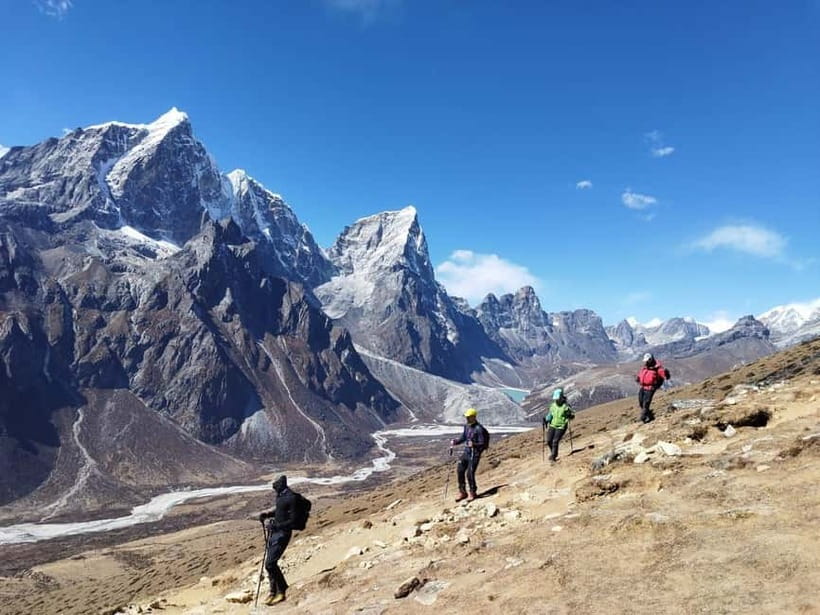
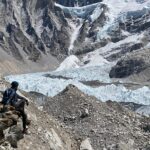
Day 8 is a standout: after breakfast in Lobuche, you trek to Everest Base Camp via Gorakshep. This is one of the most rewarding sections of the whole experience because the trail shifts into a rockier, more exposed feel. You’ll move through rocky paths while looking toward the Khumbu glacier and the big walls of the surrounding peaks.
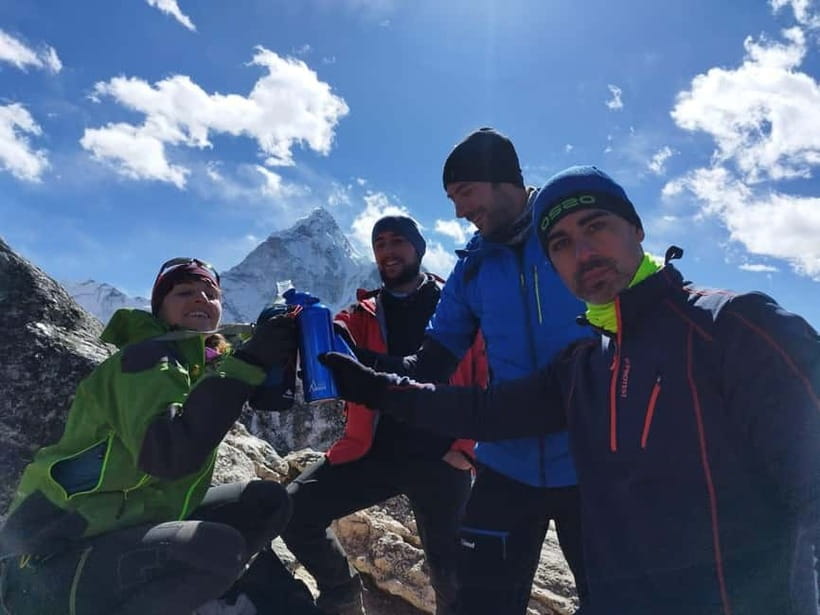
Everest Base Camp sits at 5,364m. It’s the symbolic climax, but what makes it satisfying is the way you get there: one carefully planned step at a time, with enough acclimatization beforehand to actually enjoy the moment.
After reaching Base Camp, you head back to Gorakshep for the night. This matters because the next day includes a high viewpoint climb, and altitude + fatigue can turn even a “good day” into a slow one.
Day 9 starts with the climb from Gorakshep to Kala Patthar (5,545m), then down to Pheriche (4,243m) for overnight in a tea house lodge. Kala Patthar is the classic viewpoint for a reason: you feel the scale of Everest and the surrounding glacier world. It’s also the day where you’ll likely notice everyone has different energy levels—some move fast, some take their time. Either approach works if you keep safety and comfort in mind.
The Return to Lukla and Kathmandu: Don’t Treat Descent Like an Afterthought
Day 10 begins your descent: hike from Pheriche to Tyangboche, then continue onward toward Namche Bazar for the night. You’re dropping in altitude, but you’re also using different muscles. Long descents can be tough on knees and calves, so having a steady pace is key.
Day 11 takes you back from Namche Bazar to Lukla, with your last night at Lukla. By this point, you’ll likely feel both relief and a small sense of “we’re done already?” The trek has a way of giving you a strong rhythm, and the return can feel fast once you’re moving downhill.
Day 12 is an early morning scenic flight back to Kathmandu, then transfer to your hotel via the tour representative. The flight closes the loop on what made this trek feel efficient: less time in transit, more time on the mountain.
Guides, Group Size, and Safety: Why This Trip Feels Well Managed
The experience is guided, English-speaking, and designed for small groups (limited to 15 participants). That size can matter. You get more attention and fewer bottlenecks on narrow trails, and your guide can make decisions based on how your group is actually feeling.
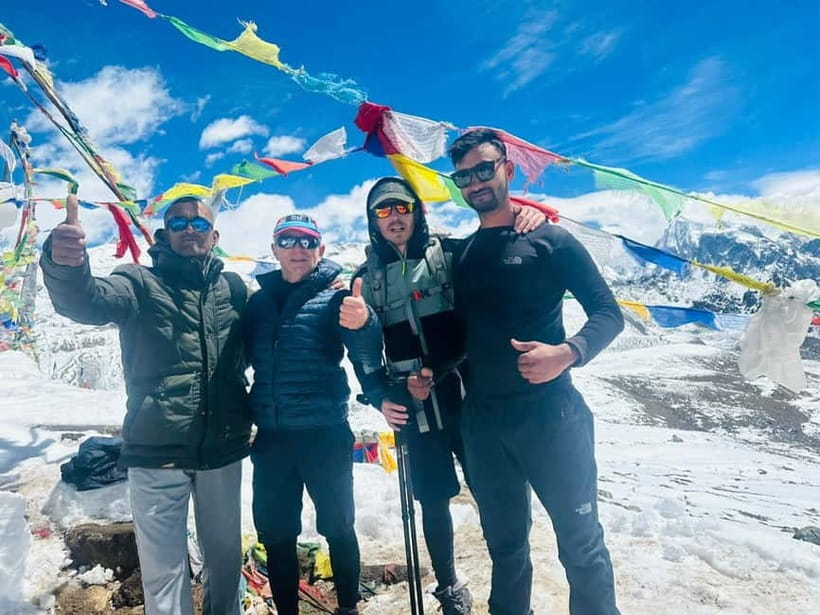
I especially like that the tour is set up with an experienced guide who is not just there for directions. In real examples, guides named Padam and Nabaraj Sigdel were praised for being attentive, informed, and focused on care throughout the trek. There’s also a specific example of the team being flexible when weather disrupted plans, with Dipendra helping arrange a helicopter pickup in a fast turnaround after reaching Everest Base Camp.
That kind of responsiveness is not a guarantee, but it signals that the team doesn’t treat safety like a checkbox. If conditions change, having a guide who notices medical concerns early is worth a lot. Altitude trekking can escalate quickly, and quick action can make a big difference.
Price and What You Actually Get for $1,020
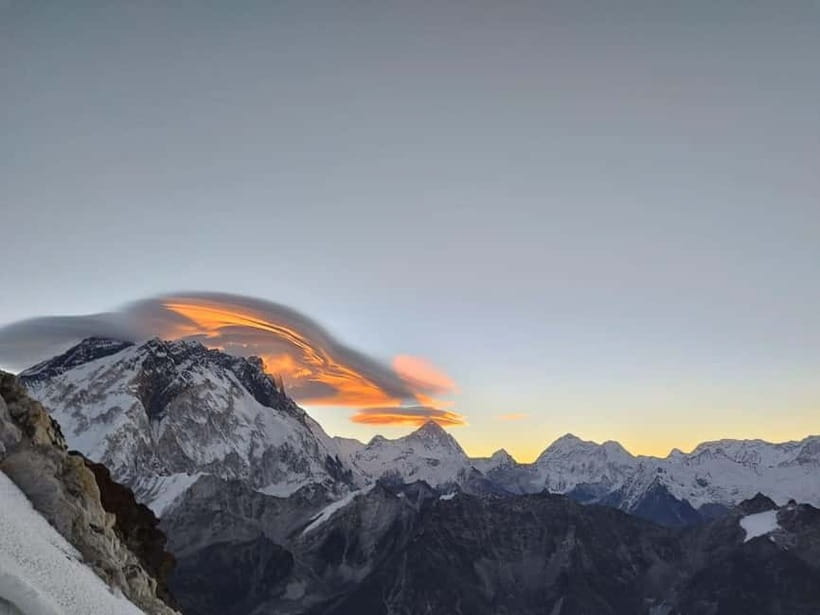
At $1,020 per person, this trek isn’t cheap, but it’s also not just “a guide with a phone.” The price includes several items that add up fast on Everest routes:
- round-trip domestic flight between Kathmandu and Lukla
- airport pickup and drop-off (including domestic transfer pickups)
- all necessary paperwork plus Sagarmatha National Park permits and fees
- lodge/tea house accommodations during the trek
- guide costs (salary, food, drinks, accommodation, transportation, and insurance)
- a TIMS card fee
- government taxes and service charges
It also includes gear to help you stay warm: a jacket, sleeping bag, and duffle bag to use if required/requested. That’s a real value piece because cold-weather gear can be expensive to buy and annoying to haul.
What’s not included is equally important. Standard meals (breakfast, lunch, and dinner) during the trek are not included. You should also budget for drinks, since alcoholic and non-alcoholic beverages aren’t included. Hot showers and internet aren’t included either, so don’t plan on daily comfort upgrades.
If you want someone to carry your load, a porter can assist for an extra cost (with a limit up to 25 kg per porter for two guests). The trek forbids luggage or large bags, so the “how you pack” decision directly affects comfort.
What to Pack (and What to Leave Behind)
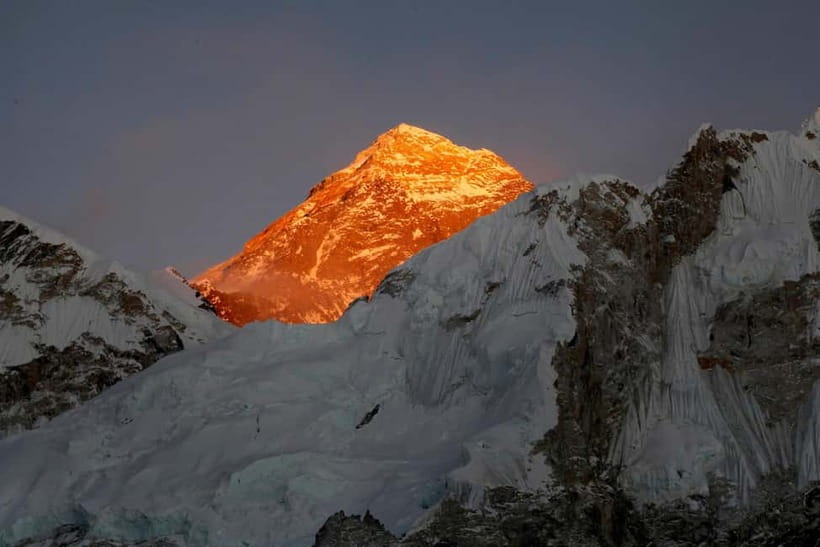
Your packing needs to match a mountain reality: limited space, cold air, and the no-luggage rule. Bring your passport (it’s required), and keep your bags small enough to meet the luggage restrictions.
Think in layers. Even if the lodge is warm at night, daytime can shift quickly at higher elevations. The included jacket and sleeping bag are helpful if you request them, but you still want your personal layers and trekking basics to fit well.
Also plan for the guide-led setup: you’ll rely on tea houses for sleeping, but you still need to carry essential trekking items. Since porters are optional and extra, pack for what you can comfortably hike with.
Who Should Book This Everest Base Camp Trek
This guided trek is a solid choice if you want:
- a structured Everest Base Camp route with acclimatization breaks
- a small group experience
- an English-speaking guide and permit/flight support handled for you
- tea house lodging rather than full camping logistics
It’s not a match if you’re pregnant, have heart problems, or need wheelchair access. If altitude is a concern for you, take it seriously and talk to a medical professional before booking.
If you’re an active hiker who can handle daily walking at altitude, you’ll likely find the pacing manageable. The route is built for steady effort, not speed records.
Should You Book This 12-Day Everest Base Camp Trek?
I’d book this trek if you want Everest Base Camp with real structure: flights and permits handled, guides who manage the pace, and acclimatization built into the schedule instead of added after the fact. The small group limit and the emphasis on guide care make it feel more personal and more controlled.
I’d skip it—or at least reconsider—if you strongly rely on included meals and warm showers, or if you’re not comfortable with the altitude and basic lodge conditions. This is a mountain trek first. Comfort is there, but it’s not the main character.
If you match the fitness and health requirements, this is the kind of trip where the big moments (Base Camp, Kala Patthar, and those peak views) come from smart planning—not luck.
FAQ
How long is the Everest Base Camp trekking experience?
It runs for 12 days, from your pickup and Kathmandu start through flying back to Kathmandu on the final day.
What’s included in the trek price?
The price includes airport pickup/drop-off, permits (including Sagarmatha National Park and TIMS fees), the Kathmandu–Lukla domestic flight and transfers, lodge/tea house accommodations during the trek, and an experienced English-speaking guide. It may also include a jacket, sleeping bag, and duffle bag to use if required/requested.
Are meals included during the trek?
No. Standard meals (breakfast, lunch, and dinner) during the trek are not included.
Can I hire a porter to carry my bags?
Yes, a porter is available for an additional cost. The listing notes that 1 porter can assist up to 25 kg weight for 2 guests.
What do I need to bring?
You’ll need a passport.
Who is this trek not suitable for?
It is not suitable for pregnant women, people with heart problems, or wheelchair users.