REVIEW · NICOLOSI
Mount Etna: Trek to 3000m with cable car and 4×4
Book on GetYourGuide →Operated by Etna Guides · Bookable on GetYourGuide
Etna is the rare hike that feels alive. This guided trip takes you up by cable car and 4×4, then leaves you to walk through crater terrain and inside a lava channel. You’ll reach Torre del Filosofo area at 3,000 meters and come away with that wow-I-can’t-believe-this-is-Europe feeling.
What I love most is the mix of viewpoints and real volcanic stuff. You’re not just looking at Etna from a distance—you’re moving across black sand, stopping at lateral craters (like Barbagallo around 2,900m), and then getting deep enough into the volcanic action to understand how these areas form. Second win: the guides. People like Michele and Antonio (and others such as Giuseppe, Gianni, and Dario) run tight, friendly groups, keep an eye on footing, and explain what you’re seeing in plain language.
One consideration: this is a true altitude-and-rock hike. The ascent at the start can feel tough, and the ground can be loose and steep, so you’ll want solid hiking confidence and warm layers.
In This Review
- Key highlights worth showing up for
- From Rifugio Sapienza to Etna’s trailhead: how the day actually starts
- Cable car to 2,500m: the fast lane to the upper volcano zone
- The 4×4 jump to ~2,800m and the first crater-world moments
- Walking toward 3,000m: lateral craters, black sand, and the views that earn their hype
- Entering a lava channel: the moment Etna stops being scenery
- Descending toward the cable car: sandbanks, the mound, and Bove Valley
- Guides and gear: why the included kit makes a difference
- Price and value: what you’re paying for (and what’s extra)
- Timing, weather, and the small surprises (fog, snow, and late starts)
- Who this Etna trek is best for (and who should skip it)
- Should you book the Etna 3,000m trek?
Key highlights worth showing up for
- Up to 3,000m (Torre del Filosofo area) using a cable car + 4×4 boost, not just sweat.
- Barbagallo lateral crater stop plus summit-area craters when conditions allow.
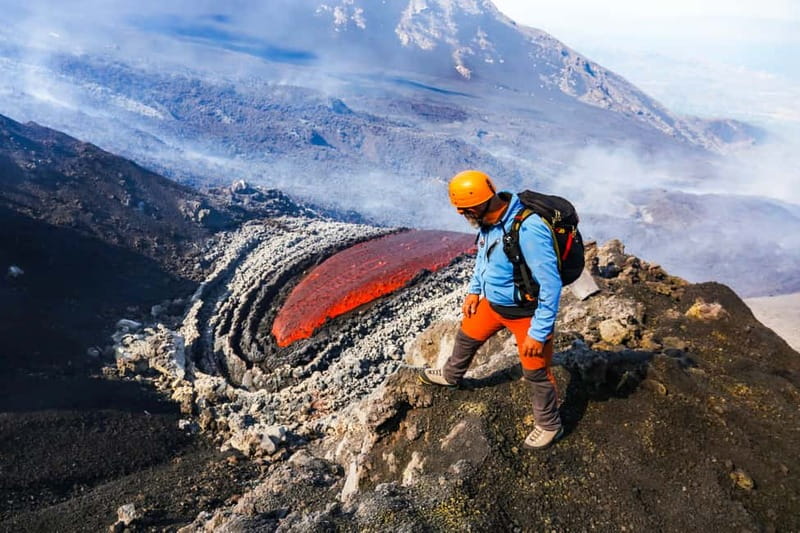
- Enter a lava channel and see the lasting evidence of eruptions up close.
- Effusive vent connected to the 2002 eruption, explained by your guide on-site.
- Bove Valley viewpoint near the end, with sweeping views on clear days.
- Included safety kit: helmets, long thick socks, trekking boots, and kway jackets.
From Rifugio Sapienza to Etna’s trailhead: how the day actually starts
Most days begin at the Guide Alpine Etna Sud shelter, right next to the Rifugio Giovanni Sapienza. You’ll want to arrive early—about 45 minutes before departure—because they handle equipment fitting and group setup before anyone heads up the mountain. Departures are at 9:30 and 10:30, and the day runs about 5 hours total, with 3–4 hours walking.
Why this matters: Etna is busy. Even when your hike plan is clear, the “getting organized” part can take time. I like this format because it reduces stress once you’re moving—boots, helmets, and jackets are sorted, and your guide has everyone together before heading into the crater zone.
Also note the seasonal schedule: it’s not operating on Easter Day, 1st of May, and 15th of August. If your dates land there, you’ll need a different Etna plan.
You can also read our reviews of more tours and experiences in Nicolosi.
Cable car to 2,500m: the fast lane to the upper volcano zone
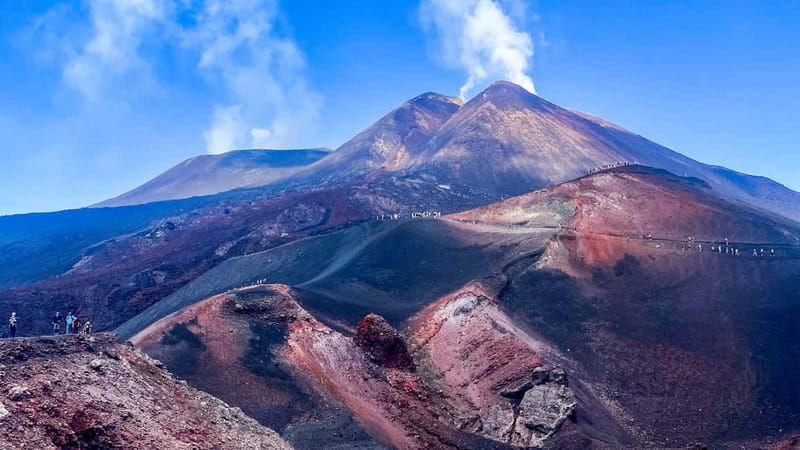
The first big step is the cable car to about 2,500 meters. It’s short—around 20 minutes—but it does something important for your hike: it saves your legs for the part that matters. You’re not wasting energy on low-altitude roads; you’re getting quickly into Etna’s upper, more crater-heavy terrain.
On good days, the cable car gives you a quick perspective shift. Even in fog, you’ll feel it: the air gets sharper, and the mountain looks less like a “destination” and more like a working system.
A real-world note: sometimes the cable car doesn’t run that day. In those cases, you may be driven uphill by unimogs/jeep-style vehicles instead (the goal stays the same—getting you high enough to hike the crater and lava features). So don’t build your day on perfect timing down to the minute.
The 4×4 jump to ~2,800m and the first crater-world moments
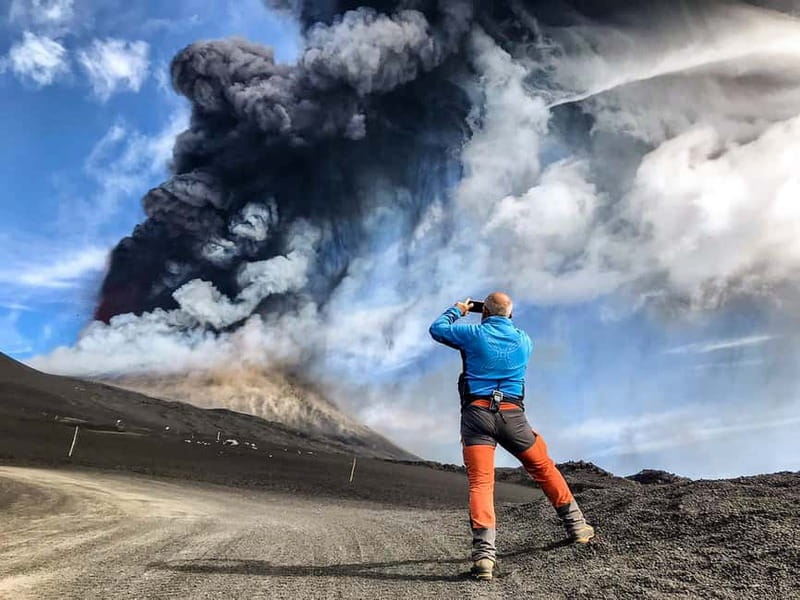
After the cable car, you move by 4×4 (also about 20 minutes) up toward 2,800 meters. This section is mostly about positioning—you’re being staged to start the walking portion close to the action.
Once you’re out of the vehicles, the rhythm changes. You’re with your guide on paths that can be gravelly and uneven. You’ll likely see crater formations early, and you’ll also start feeling altitude in a very practical way: not “dramatic sickness,” just the “why am I breathing harder?” effect that shows up early for many people.
If you’re the type who plans your trip like a museum visit, this part is a good wake-up call. Etna doesn’t do gentle. But it also doesn’t leave you alone—your guide will pace you and keep the group together when weather visibility is poor.
Walking toward 3,000m: lateral craters, black sand, and the views that earn their hype
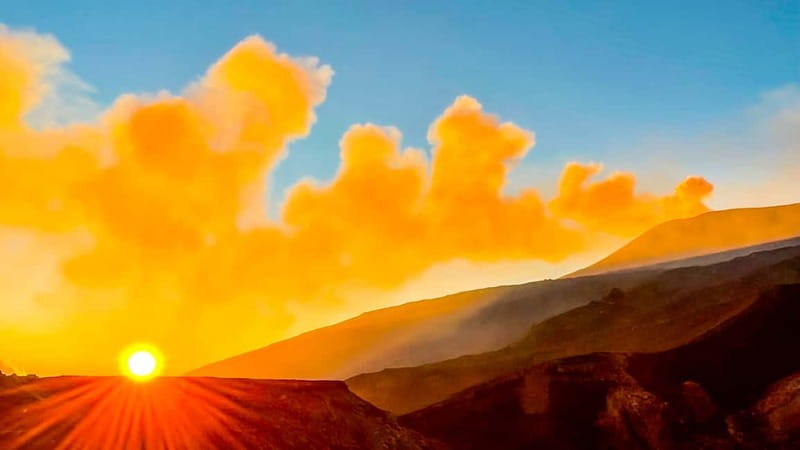
From around 2,800m, the hike portion begins. The destination is the 3,000m area (Torre del Filosofo). Along the way, you’ll have structured stops designed to connect the geology to what you’re standing on.
One key stop is the lateral crater area (Barbagallo at about 2,900m). This isn’t just a photo stop. It’s where your guide helps you understand that Etna’s story isn’t only about the main summit. Side craters and vents have driven eruptions and shaped the terrain you’re walking on.
Then comes the “black sand walking” part—areas of darker volcanic ground where your footing can change from step to step. You’ll move past or near summit craters when conditions allow, and you’ll also get that slow-realization moment: you’re standing on the aftermath of activity that’s still happening nearby.
If you’re fit but new to hiking, you’ll be fine with the right attitude: short efforts, steady breathing, and listening to your guide’s pacing. If you go in thinking this is a light stroll, you’ll feel it.
Entering a lava channel: the moment Etna stops being scenery
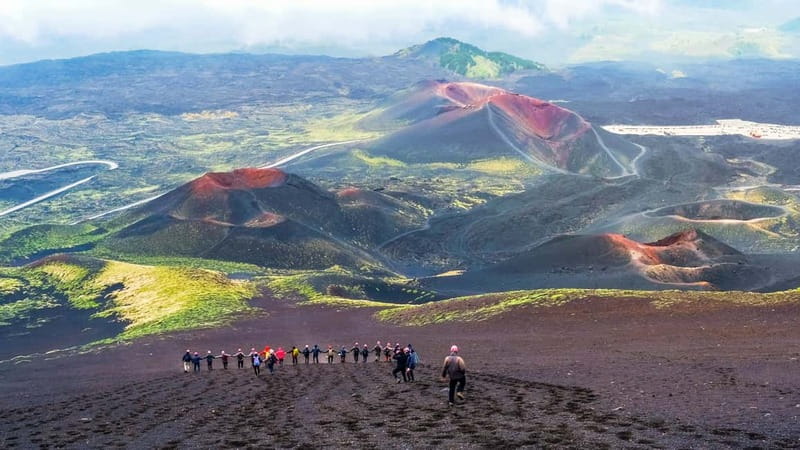
The trip’s standout experience is not the viewpoint. It’s the fact that you can enter a lava channel and see the last lava flow’s imprint in a way that makes the physics feel real.
A lava channel is basically a formed pathway from past eruptions—once molten rock moves, it leaves behind channels and surfaces that hardened over time. Standing there, you get a clear sense of directionality: where the lava came from, how it traveled, and why certain shapes persist even as the mountain erodes around them.
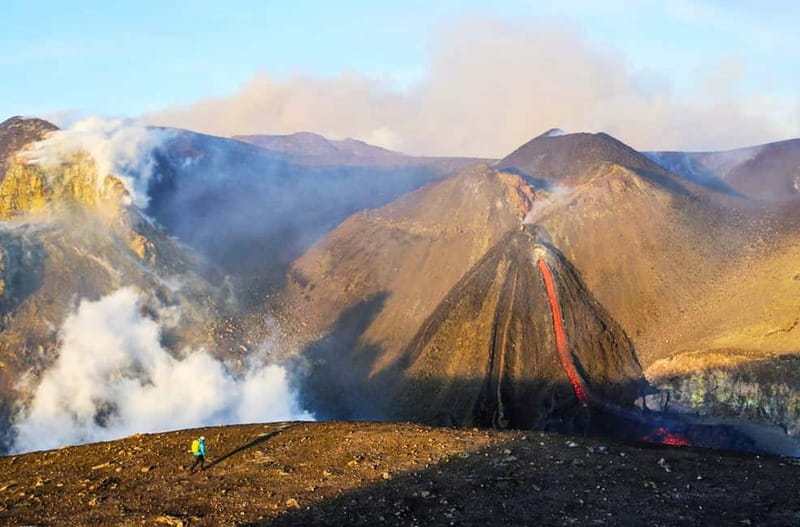
Your guide will point out features along the way, and you’ll connect them to the current volcanic system. Some days include a visit to an effusive vent linked to the 2002 eruption. Even if you don’t know anything about eruptions before you arrive, you’ll leave with a map in your head of how vents, flows, and craters fit together.
The practical side: walking inside or near these zones means you’re dealing with uneven ground and potentially narrow edges. The guides tend to manage it well—people report feeling safe, and guides often adjust how tightly the group stays together in fog.
Descending toward the cable car: sandbanks, the mound, and Bove Valley
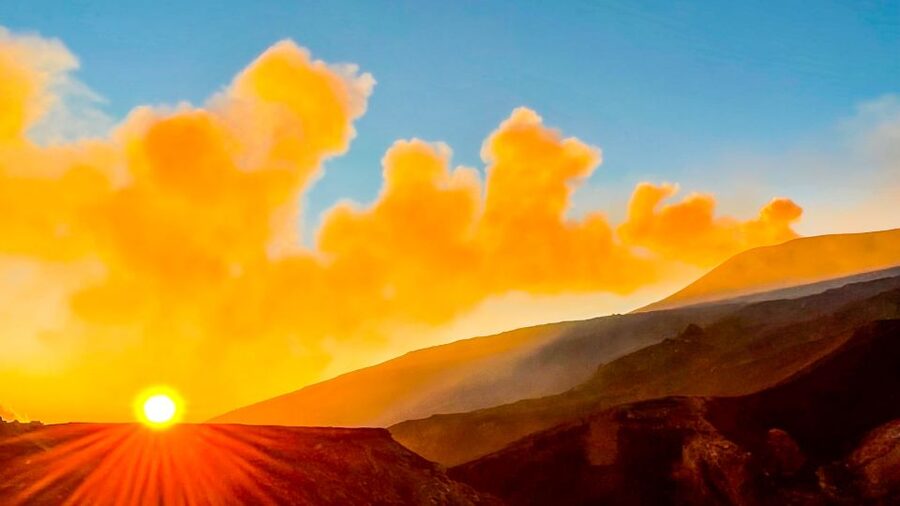
After the lava-focused portion, you descend on foot back to the cable car area. This is usually when you see Etna shift again—less “active-looking” and more about how the terrain opens up across broader volcanic fields.
You’ll reach the cable car station along sandbanks toward a mound viewpoint. From there, you can watch the Bove Valley unfold. On fine days, the view can sweep from the Ionian Riviera across toward the interior of Sicily.
This viewpoint matters because it gives context. Up high, everything looks like “volcano stuff.” From Bove Valley, you see how the eruptions and crater walls sit inside a larger landscape of slopes, valleys, and distant coastline.
One more reality check: if the weather is cloudy or foggy, the views can shrink fast. That doesn’t make the experience less valuable—it just changes the emphasis from “panoramas” to “geology up close.”
Guides and gear: why the included kit makes a difference
This tour includes a lot of the stuff you’d otherwise lug around. You get ankle trekking boots, long thick socks, helmets, a disposable under-helmet, kway jackets, and backpacks. There are also trekking poles, but the number is limited.
I like this approach because it solves a real Sicily problem: it’s easy to arrive with the wrong shoes. Here, you’re fitted with boots designed for uneven volcanic rock, not city sidewalks. That said, one review noted that some shoes can be older or slightly slippery—so when you’re being fitted, take a few careful steps and speak up if something doesn’t feel right.
What you should bring anyway:
- Sunglasses and sunscreen (high altitude sun can surprise you)
- Rain gear (conditions can flip quickly)
- Long pants (shorts aren’t allowed)
- Warm layers. Even if Sicily feels warm in town, the 3,000m zone can be cold and windy.
One useful detail from experience logs: people often underestimate gloves and warm layers. If you run cold, pack accordingly. Even with the jacket provided, you can end up chilly on the ascent.
Price and value: what you’re paying for (and what’s extra)
The published price is $65 per person, for a 5-hour guided experience. But the big transport pieces aren’t included in that base: you pay €45 per person on-site for the cable car and 4×4.
So your total cost is essentially: $65 + €45 (exact total depends on your currency and any rounding at payment time). If you compare this to doing Etna independently, the value comes from three things:
- You reach near the summit area without grinding your day away on roads.
- You get a guide in the crater zone, where safety and interpretation matter.
- You’re issued the core equipment for rocky footing and head protection.
Where it might feel less “value-perfect”: the €45 is payable in the morning (and cash can speed things up). Also, cable car operations can change day to day, and delays happen when queues build.
Still, for what you get—crater walking + lava channel time + Bove Valley at the end—this is usually a fair deal if you like active travel.
Timing, weather, and the small surprises (fog, snow, and late starts)
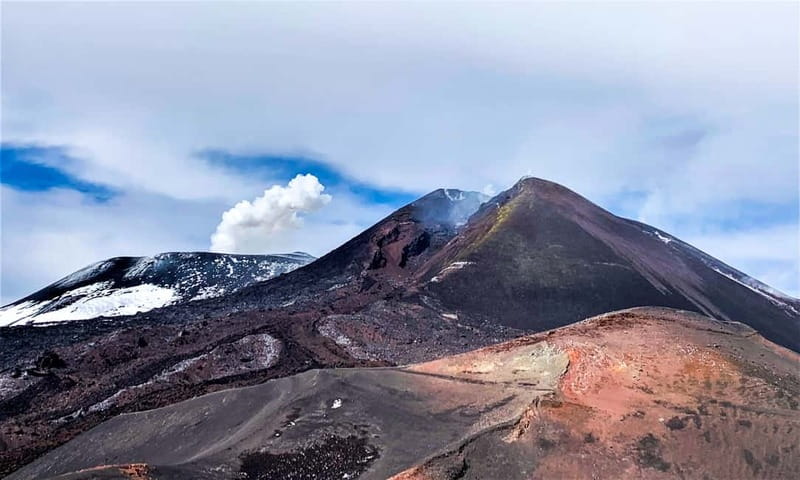
Etna weather can be rude. Fog and clouds can roll in, and the experience shifts from panorama-heavy to crater-and-rock heavy. In fog, guides often keep the group close to maintain safety and clarity for explanations.
Snow can also happen in colder months. If there’s snow on the ground, your boots and footing matter even more, and the terrain can feel more demanding. Ice tools aren’t listed as provided, so plan on adjusting your expectations if conditions are wintry.
Delays are possible, especially around busy transport points. Some days run right on schedule; others see cable car lines build up. If you’re catching a bus back from Catania, you’ll want a buffer. If you’re going via AST bus, the operator can wait for bus arrivals, but the mountain itself can still affect the pace.
Who this Etna trek is best for (and who should skip it)
This is best for you if:
- You’re comfortable with a moderate hike on uneven volcanic ground
- You want hands-on geology: craters, lava channel, and a vent explanation
- You like guided structure, not just “walk wherever”
It may not fit you if:
- You can’t handle altitude and steep, rocky footing
- You have respiratory issues, heart problems, motion sickness, or significant mobility limits
- You’re traveling with someone who needs wheelchair access or close-to-flat terrain
- You’re bringing a child under 6 (or you’re pregnant)
Even within the “workout” category, pacing is usually manageable thanks to guide breaks. But you should still expect it to feel like a hike, not a casual outing.
Should you book the Etna 3,000m trek?
Book it if you want Etna in a way that goes beyond viewpoints—craters plus lava channel is the big draw. If you’re the kind of traveler who likes being out there, stepping on black rock, and learning why the ground looks the way it does, this tour delivers.
Skip it (or rethink) if you hate cold, don’t hike at all, or feel uneasy on loose gravel and steep edges. Also, if you’re very tight on timing back to Catania, build in buffer time, because weather and transport queues can shift your day.
My bottom line: this is one of the more satisfying Etna formats because it pairs “get high fast” transport with real guided walking. You’re not just watching Etna—you’re studying it on your feet.