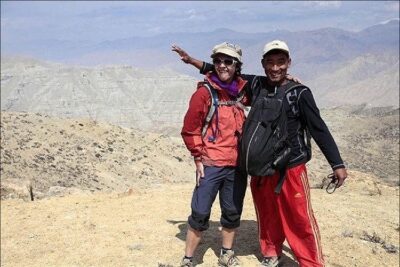
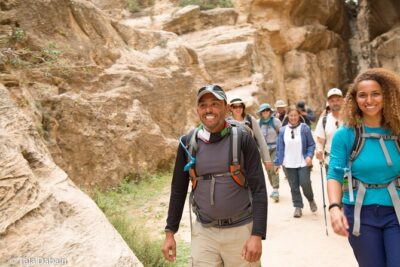
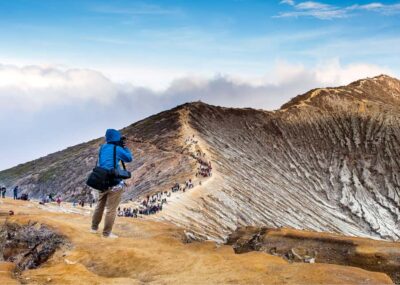
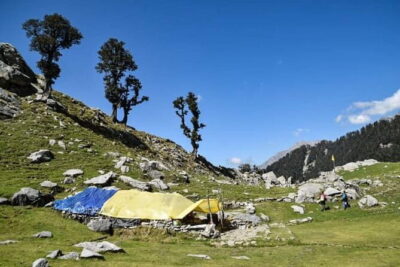
Jindhagada feels like a whole other world. This 1-day trek around Seethamma Konda (Andhra Pradesh’s highest peak at 5,545 feet) mixes Eastern Ghats scenery, cave exploration, and a proper night on the mountain with stargazing. I especially love the way the experience is paced—slow trekking, then time to settle in—plus the practical support once you reach the viewpoint, with guides like Ravi and team helping with food, water, and the essentials.
I also like that you’re not just walking in the forest and leaving. You’ll visit a coffee paderu plantation, learn about the Kondh community and how they live, and even share a meal prepared through their traditions. One thing to consider: the trek depends on good weather, and snacks aren’t included—so you’ll want to pack a few extras so a long day feels easier.
In This Review
- Key Highlights You’ll Care About
- Jindhagada Peak: What Makes This Trek Worth Your One Big Day
- Getting From Rushikonda to Olubidda Village (And Why Transport Matters)
- Coffee Paderu Plantation: The Local Stop That Breaks the Climb
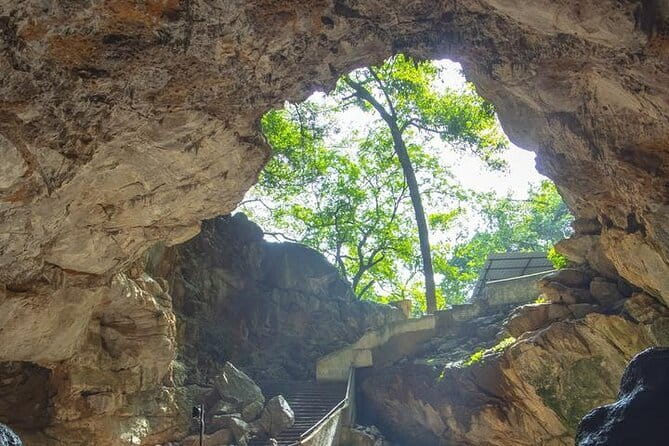
- Cave and Mountain Exploration: Why the Stops Feel Like More Than Walking
- Camping at the Viewpoint: Stargazing and Sunrise Without the Hassle
- Kondh Tribal Culture and Food: The Part That Adds Heart
- Fresh Water Streams and a Dip: Fun Option With Common Sense
- Meals, Included vs Not Included, and What You Should Pack
- Price and Value: Is $335.65 Worth It for One Day?
- Safety, Weather, and the Real Talk About Conditions
- Who Should Book This Trek (And Who Might Skip It)
- Should You Book Jindhagada Trek With Ecohikes?
- FAQ
- FAQ
- Where does the Jindhagada Trek start?
- How long is the trek?
- Is pickup included?
- What’s the meeting point and where does the tour end?
- What meals are included?
- Are snacks included?
- Will I be able to participate even if I’m not an expert hiker?
- Is the trek private?
- Is stargazing part of the experience?
- What happens if the weather is bad?
- Is there a mobile ticket?
Key Highlights You’ll Care About
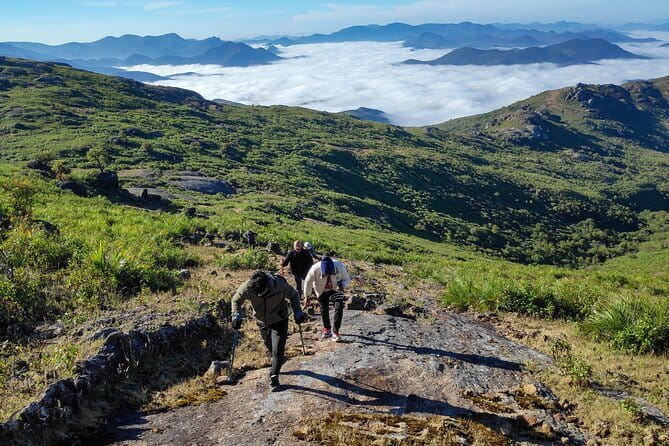
- Andhra Pradesh’s highest peak at 5,545 feet: you get that “we really came up here” feeling.
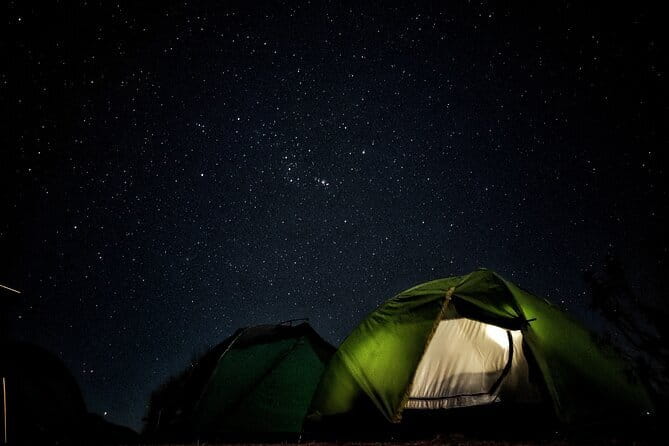
- Night sky time: stargazing and night photography are part of the plan (if skies cooperate).
- Cave and mountain exploration: you won’t be doing only straight uphill walking.
- Coffee paderu plantation visit: a local agriculture stop that breaks up the hike nicely.
- Kondh culture + food: you’re guided into the community experience, not just beside it.
- Small, guided, and supported: qualified outdoor guidance with wilderness first responder coverage.
Jindhagada Peak: What Makes This Trek Worth Your One Big Day
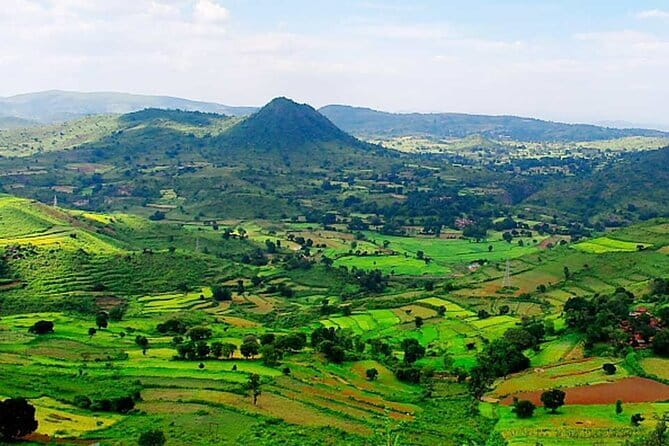
If you want a hike that feels like an experience, not a stopwatch, this one fits. Jindhagada (Seethamma Konda) rises steeply enough to change the mood as you climb. The air feels different near the top, and the views—especially around sunrise and sunset—are the kind you remember later, when your phone photos start to blur into real memories.
What makes it stand out is the blend of movement and stillness. You don’t sprint. You trek at a slow pace, then the schedule gives you time to settle: camp at a viewpoint, watch the sky, and take photos when the clouds aren’t ruining the party.
There’s also a “local living” layer to it. The Kondh tribes have been in these hill regions for centuries, and the trek includes cultural insight and food prepared by the community. That matters because it changes the story of your day: you’re not just chasing a summit, you’re learning how people connect to this terrain.
Getting From Rushikonda to Olubidda Village (And Why Transport Matters)
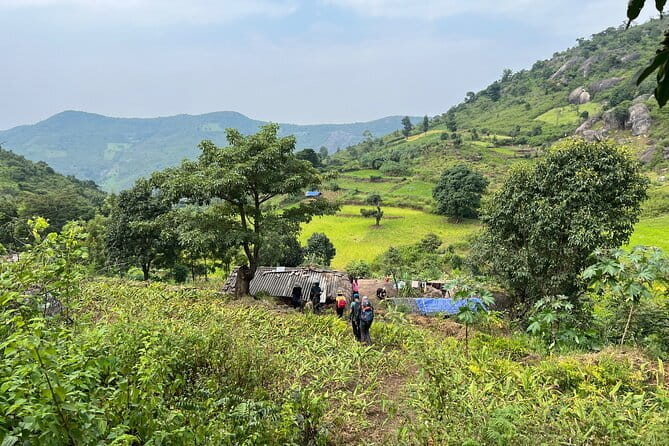
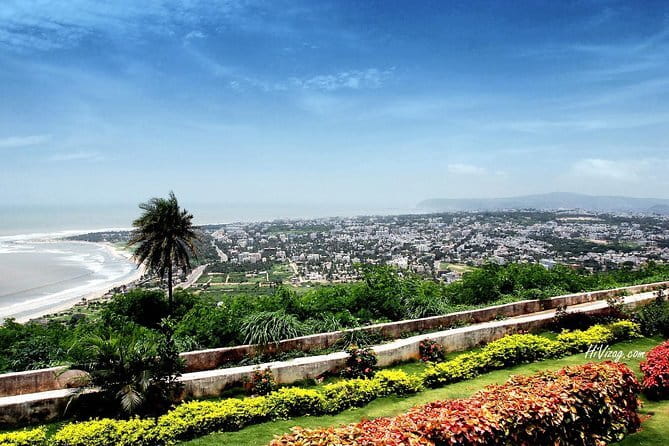
Your day starts in Visakhapatnam at Rushikonda, where pickup is offered. From there, you’ll travel comfortably to the trekking base around Olubidda village, and later return back to the same meeting point. For a 1-day trek that runs roughly 12 hours, this matters more than you’d think.
A big chunk of trekking disappointment comes from messy logistics: getting lost, waiting around, or dealing with uneven transport. Here, the ride structure is part of the plan, so your energy stays for the climb and the evening.
You’ll also see how the schedule is built around the region. These Eastern Ghats routes aren’t about long highway drives and cable cars. They’re about transitioning from city life into hills and villages, with enough time to actually enjoy each stage, not just survive the commute.
Tip: if you’re prone to feeling chilled at night, bring a warm layer early. You’ll appreciate it once you’re settled on the mountain, especially for stargazing.
Coffee Paderu Plantation: The Local Stop That Breaks the Climb
One of the nicest surprises in this trek is the coffee paderu plantation visit. It’s the kind of stop that makes your hike feel rooted in daily life. Instead of seeing only wild hills, you get to understand how people grow and work with this landscape.
Practically, this also helps you pace yourself. You’re not pushing straight uphill from minute one. A plantation visit gives you a mental reset and helps you transition into “trail mode.”
Culturally, it’s a reminder that the Eastern Ghats aren’t empty nature. People live here, farm here, and shape the hills with their routines. That’s exactly the tone you’ll keep seeing later with the Kondh food and cave/mountain exploration.
If you like slow travel, you’ll probably enjoy this section most. It’s short enough to feel like a breather, but real enough to add meaning.
Cave and Mountain Exploration: Why the Stops Feel Like More Than Walking
The trekking plan includes exploring a cave and builders or structures on the mountain. The exact details of those sites aren’t spelled out, but the point is clear: the hike isn’t only about elevation gains. You’ll make time for places with story and atmosphere.
Caves can be memorable because they change your senses fast—cooler air, darker spaces, and the feeling that you’ve left the ordinary world behind. Mountain structures (whatever you encounter) typically add a layer of cultural or historic interest to the natural setting, and on this trek, they fit the theme of how people and terrain connect.
Why this matters for your day: it breaks the rhythm. Pure trail grinding can get monotonous. Here, you’re constantly switching contexts—walk, look, pause, explore—so you stay engaged without needing to be super athletic.
This part also tends to be where good guides earn their keep. A qualified outdoor guide will help you move safely and keep you oriented so the day doesn’t turn into “we’re just following a line on the map.”
Camping at the Viewpoint: Stargazing and Sunrise Without the Hassle
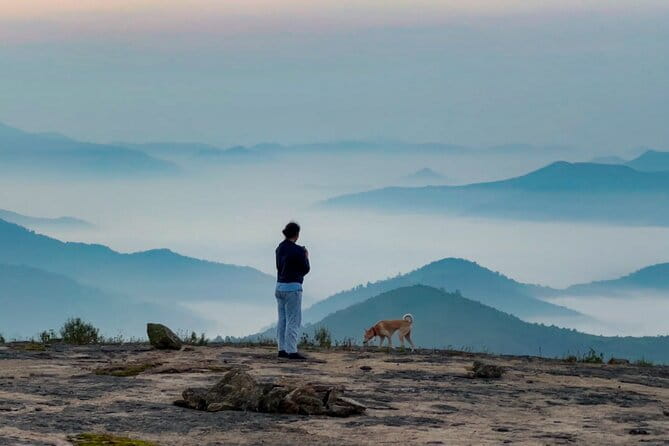
Camping is a core part of this trek. You’ll camp at a beautiful viewpoint on the peak, with time for stargazing and night photography if the sky isn’t cloudy. Even if the stars don’t fully show up, you still get that mountain-night feeling—quiet, cooler air, and a horizon that looks bigger than it does back in town.
Sunrise and sunset are built into the experience, and that’s one of the most repeat-worthy memories in the feedback. There’s a particular magic when the sky changes color slowly and you’re far enough from city lights that it feels honest, not filtered.
What I like about the camping setup is that it’s not just “sleep somewhere.” You’re guided through the night experience. You won’t be wondering what to do next, and you’ll have the support of the team when the fatigue hits.
Practical note: night-time conditions in hill areas can feel colder than you expect. Bring layers you can actually wear while you sit around and watch the sky. If you love photography, pack what you need for long shots, but keep it light enough that you’re not tired by midnight.
Kondh Tribal Culture and Food: The Part That Adds Heart
One of the best values in this trek is the cultural experience. You’ll get insight into Kondh tribal culture and you’ll also eat food prepared by them for your day’s meal (the trek schedule includes lunch tied to the cultural day experience).
This is the difference between “I visited a place” and “I learned something about a place.” You’re not just passing through a region. You’re being introduced to the people who have lived alongside these hills for a long time.
And the food piece is what makes it real. When someone cooks for you, you’re tasting everyday knowledge—salt balance, heat control, and local ingredients—more than you’re tasting a generic tourist dish. Even if you aren’t a big foodie, it’s still a way to connect quickly.
Keep an open mind with timing too. When you’re camping and trekking, meal times aren’t always “perfect restaurant schedule.” This trek is built around the day flow of mountain life, not city meal convenience.
If you’re traveling with curiosity (and a little patience), this section will land well.
Fresh Water Streams and a Dip: Fun Option With Common Sense
The experience includes an option to take a dip in fresh water streams and a pool during the trek. That’s a great add-on if you like water breaks and want to feel refreshed after walking.
A few practical cautions, based on how these kinds of stops usually work:
- Wear quick-drying clothes if you’re planning to swim.
- Bring a towel and something simple for after (even a spare T-shirt helps).
- Don’t push it if you feel cold, tired, or unsure of the water depth.
The key point is that this is optional. You get to choose based on how your body feels that day. For many people, it turns the trek from “hard work” into “fun work.”
Meals, Included vs Not Included, and What You Should Pack
Meals included: lunch, dinner, and breakfast. That’s a strong setup for a 12-hour trek with camping, because you’re not hunting for food at odd times.
What’s not included: snacks. This is the one gap you should plan around. Even if meals are covered, you’ll likely want small energy boosts during the day—especially if you get hungry quickly or you’re the kind of person who likes to snack constantly.
What to pack (simple and practical):
- A small snack for during the trek (energy bars, nuts, biscuits)
- Water bottle(s) and any personal hydration preference
- Warm layer for night (it gets chilly up there)
- Comfortable footwear built for uneven ground
- A headlamp or flashlight if you’ll be outside after dark
The team also supplies essentials during the peak experience, and guides like Ravi are known for stepping in with food/water support when you reach the summit and you’re tired. Still, you’ll enjoy the day more if you’re not waiting for hunger to become a problem.
Price and Value: Is $335.65 Worth It for One Day?
At about $335.65 per person, this trek isn’t the cheapest hike you’ll find. But for what’s included, the value makes sense—especially if you’re comparing against other experiences that require separate transport, guide fees, meals, and equipment.
You’re getting:
- Pickup and round-trip travel structure from Visakhapatnam (Rushikonda)
- A day that includes trekking plus a night camping viewpoint experience
- Meals across the day: lunch, dinner, and breakfast
- Cultural access: Kondh insight and food prepared by the community
- Guided support with wilderness first responder and a qualified outdoor guide
If you were planning these pieces yourself, costs add up fast. You’d pay for transport, a guide, food, and the “how do we do the night safely” part. Here, the trek wraps it into one organized package.
The biggest reason it’s worth it: you get one day to experience a peak, a night sky setup, and cultural learning—without the planning headaches.
Safety, Weather, and the Real Talk About Conditions
This trek requires good weather. If conditions are poor, it will be canceled and you’ll be offered another date or a full refund. That’s the right approach for a mountain camping night with stargazing expectations.
You should also plan for changing conditions. Hill regions can shift quickly—cooler air at night, possible rain, and cloud cover that impacts the night sky. Even if clouds show up, you’ll still have the trek and viewpoint experience, just with less star visibility.
Safety-wise, it helps that the program includes wilderness first responder support and a qualified outdoor guide. It’s also a good sign that the guides are repeatedly described as kind, organized, and attentive—especially when people reach the peak feeling exhausted and hungry.
If you have mobility limits, the trek is described as most travelers can participate and it’s slow-paced. Still, you’ll be on uneven terrain and doing a mountain effort. If you’re unsure, ask beforehand so you can match the hike to your comfort level.
Who Should Book This Trek (And Who Might Skip It)
This trek is a great fit if you want:
- A structured one-day mountain experience with camping and meals included
- Real cultural interaction with the Kondh community (not just a drive-by)
- Time at the peak for sunrise, sunset, and stargazing
- Guided support that handles fatigue with food/water essentials
You might skip it if:
- You want a short, easy walk with no overnight component
- You’re very sensitive to cold nights
- You don’t like weather-dependent plans, even with refunds or alternative dates
If your travel style is part nature, part people, this is the kind of day that delivers.
Should You Book Jindhagada Trek With Ecohikes?
If you’re choosing between a basic day hike and something with a fuller rhythm, I’d lean this way. The strongest reasons to book are the peak night stargazing setup, the campsite viewpoint, and the way meals and Kondh culture are included—not treated like an extra.
It’s also reasonably priced for the full package: transport, guided trekking, camping, and multiple meals. The only real planning heads-up is that snacks aren’t included and weather matters.
If you like thoughtful travel, you’ll come away with more than a summit photo. You’ll have sunrise colors, a night sky memory, and food that tastes like you were welcomed into a local rhythm.
FAQ
FAQ
Where does the Jindhagada Trek start?
The trek starts at Rushikonda, Visakhapatnam, Andhra Pradesh, India.
How long is the trek?
The duration is about 1 day 12 hours (approximately).
Is pickup included?
Yes, pickup is offered.
What’s the meeting point and where does the tour end?
It starts at Rushikonda and ends back at the same meeting point.
What meals are included?
The package includes lunch, dinner, and breakfast.
Are snacks included?
No. Snacks are not included, only the listed meals and items in the inclusion list.
Will I be able to participate even if I’m not an expert hiker?
The experience notes that most travelers can participate, and the trek is described as slow paced.
Is the trek private?
Yes. It’s listed as a private tour/activity, meaning only your group participates.
Is stargazing part of the experience?
Yes, stargazing and night photography are included as part of the night on the peak, assuming it isn’t cloudy.
What happens if the weather is bad?
This experience requires good weather. If it’s canceled due to poor weather, you’ll be offered a different date or a full refund.
Is there a mobile ticket?
Yes, you’ll receive a mobile ticket, and confirmation is received at the time of booking.