REVIEW · KATHMANDU
Everest Base Camp Trek – 15 days
Book on Viator →Operated by Outshine Adventure Pvt Ltd · Bookable on Viator
Everest is close enough to feel. This 15-day trek pairs big Himalayan views with careful pacing and Sherpa-led support, so you’re not just hiking, you’re traveling in the Everest region. I like the way the trip starts with Kathmandu temple-hopping and ends with a clean, guided return, and I also like that your trek runs with a licensed English-speaking Sherpa guide plus porters and staff care.
The main drawback to plan around is altitude and weather. You’ll go up to 5,545m at Kalapathar for the sunrise viewpoint, and Lukla flights can be weather-sensitive, so flexibility helps.
In Kathmandu, you’ll get a private-car guided day covering major sites like Kathmandu Durbar Square, Swayambhunath, Boudhanath, and Pashupatinath, then you’ll fly to Lukla and start moving fast into trekking rhythm. Once you’re on the trail, expect guesthouses most nights, daily walks that build gradually, and multiple acclimatization stops so you reach Everest Base Camp with a bit more in your legs.
In This Review
- Key highlights worth your attention
- Kathmandu: Thamel setup and UNESCO-style sightseeing without the chaos
- Lukla Day: the quick flight and the gentle downhill start to Phakding
- Namche Bazar: the climb that teaches you pacing (not just willpower)
- Tengboche, Dingboche, and Chhukung: monastery vibes and high-valley quiet
- Lobuche to Gorakshep: the long approach to Base Camp
- Kalapathar sunrise: where the altitude pays you back
- Back to Lukla and down to Kathmandu: reset your body, keep the memories
- What’s really included: staff, flights, and warm sleep matter more than you think
- Price and value: why $1,375 can make sense for Everest Base Camp
- Who should book this Everest Base Camp trek
- Should you book this Everest Base Camp trek with Outshine Adventure?
- FAQ
- Where does the trek start and end?
- How long is the Everest Base Camp trek?
- What altitude points does the trek reach?
- Are flights included?
- What kind of lodging do you use during the trek?
- Do you get a guide and porters?
- Is airport pickup included?
- Are meals fully included?
- Is travel insurance included?
- Are Kathmandu sightseeing entrance fees included?
- What if weather cancels the trek?
Key highlights worth your attention
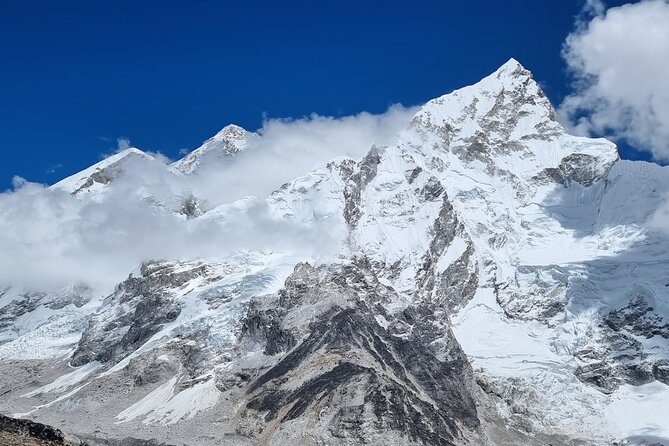
- Lukla flight plus first trek down to Phakding that follows the Dudh Koshi river early in the journey
- Acclimatization days in Namche and Dingboche, including a full panorama stop at Everest View Hotel
- Everest Base Camp and Kalapathar sunrise as the two headline “wow” moments
- Guesthouse trekking with twin-sharing, so you can budget for the essentials and still sleep warm
- Team support built in: licensed English-speaking Sherpa guide, porters, and staff logistics (including equipment and medicines for staff)
- Maximum group size 15, which usually means fewer bottlenecks at tea breaks and viewpoints
Kathmandu: Thamel setup and UNESCO-style sightseeing without the chaos
Your trip begins in Thamel, the Kathmandu area where a lot of trekking outfits and budget hotels cluster. After landing at Tribhuvan International Airport, you’re met by an airport representative and transferred to your hotel, then you get a quick admin session for documentation and trip info. It’s a practical start: you sort paperwork early, so the real trip can start when you fly.
Day 2 is private-car sightseeing with an expert guide. You start at Kathmandu Durbar Square, then head to Swayambhunath, Boudhanath, and Pashupatinath. I like this order because it gives you a feel for Kathmandu’s religious mix before you leave town for the mountains. Also, private guiding means you can ask questions as you go instead of trying to decipher everything yourself.
You also get time in the afternoon for equipment shopping or preparation. That matters because trekking gear needs can be personal: some people realize mid-trip that they want different gloves, a better headlamp, or layers that actually fit. Even with a trek package that includes a down jacket and sleeping bag if necessary, having a couple hours to fine-tune is smart.
A consideration: entrance fees for Kathmandu sightseeing monuments are not included. You’ll want a small cash plan for those, plus any meals and drinks on your city days.
You can also read our reviews of more tours and experiences in Kathmandu.
Lukla Day: the quick flight and the gentle downhill start to Phakding
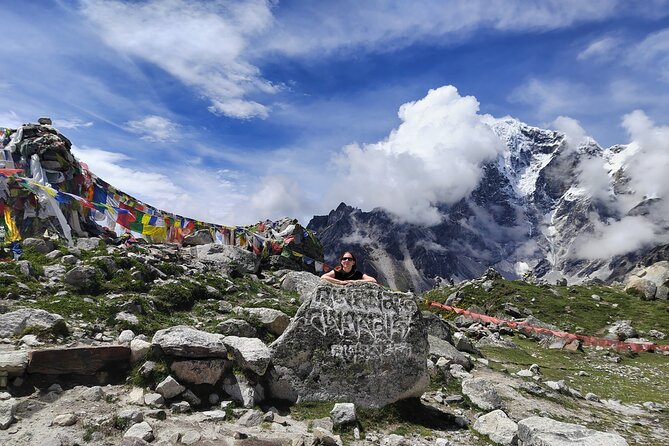
The biggest “how is this real” moment arrives quickly. After breakfast, you fly from Kathmandu to Lukla, and you’ll have time to absorb the view from the guesthouse area near the airport. The next move is trekking down to Phakding, gradually descending about 200 meters over roughly three hours.
That first day downhill is a subtle gift. It helps you settle into motion without immediately going uphill hard, and you follow the Dudh Koshi river with mountain views along the way. It’s also the day you’ll notice your body learning the rhythm: how fast you can walk, how often you need water, and how quickly you start to feel the altitude even before you gain serious height.
This day is also “quiet” in the sense that it doesn’t demand big altitude gains. You rest on arrival, which sets you up for the climb toward Namche later.
Namche Bazar: the climb that teaches you pacing (not just willpower)
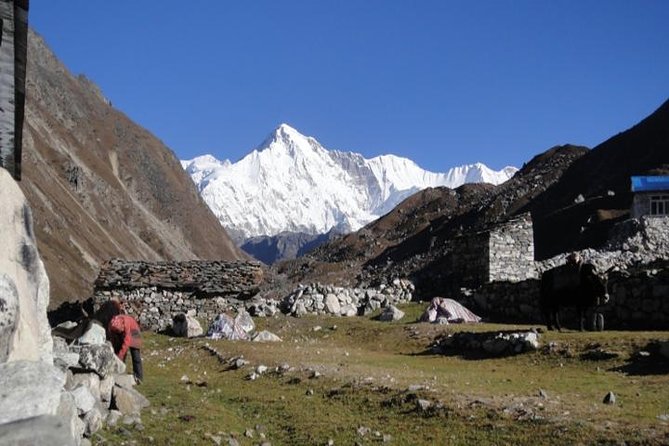
Day 4 is your first major push upward, climbing about 850 meters toward Namche Bazar in around five hours. It’s still following the Dudh Koshi route, so the trail has direction and focus rather than feeling like random trail choices. You’ll also feel the fatigue more here than on the first trek day, because your body starts working against both slope and thinning air.
Day 5 is an acclimatization day, and I love this part of the plan. You go up to Everest View Hotel for a long panorama break, taking in Everest, Nuptse, Lhotse, Ama Dablam, Thamserku, and Kusum Kangaru. Then you come back down to Namche Bazar. That up-and-down pattern is excellent for your head and your breathing: it lets you keep moving while teaching your body to adjust.
What’s the payoff? When you later climb higher, your acclimatization days have already trained you how to manage effort. You’ll learn to slow down and keep it steady, which matters more than bragging about speed.
Practical note: the trek includes acclimatization time, but the climb demands real physical effort. This trip says you should have moderate fitness, and I agree. You don’t need to be a mountain athlete, but you do need to be comfortable walking for hours with a daypack.
Tengboche, Dingboche, and Chhukung: monastery vibes and high-valley quiet
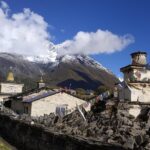
On Day 6 you continue to Tengboche, around five hours. Tengboche is a strong cultural anchor in this route, and it comes with the added emotional lift of being around an old monastery. You may catch morning and evening worship, and you can visit the monastery and even sit with meditation time if offered during your visit.
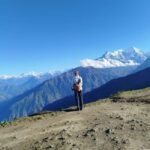
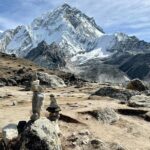
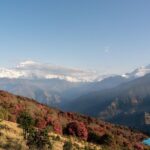
Then Day 7 moves you to Dingboche, about five hours, with a longer feel that includes scenic rhododendron-covered sections and gradual climbs. From there, you’ll have big views such as Ama Dablam and Kantega, plus moments like passing a mani stupa as the trail threads into the Imjatse Valley.
Day 8 is another acclimatization loop to Chhukung valley and back to Dingboche. You’re walking up toward higher terrain and then returning, which helps you get used to the altitude without the full weight of a nonstop climb. The views in this area include the north face of Ama Dablam, the Lhotse-Nuptse ridge, and sight lines toward Island Peak. Even if you’re not hiking for a summit, these high valleys help you understand where you are in the Everest region.
A consideration here: weather. If clouds roll in, the views you hoped for can turn into fog. The good news is the plan includes time to rest and re-adjust, and guesthouses make it easier to wait out brief storms.
Lobuche to Gorakshep: the long approach to Base Camp
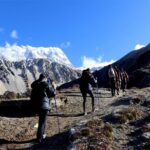
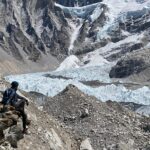
Day 9 is a walk of about five hours to Lobuche, following frozen rivers and moving through an icy wilderness feel. You’ll see the Khumbu Icefall and view points that show Pumori and many smaller peaks. This is where the trek starts to feel like you’re approaching the heart of the Everest story rather than just traveling through it.
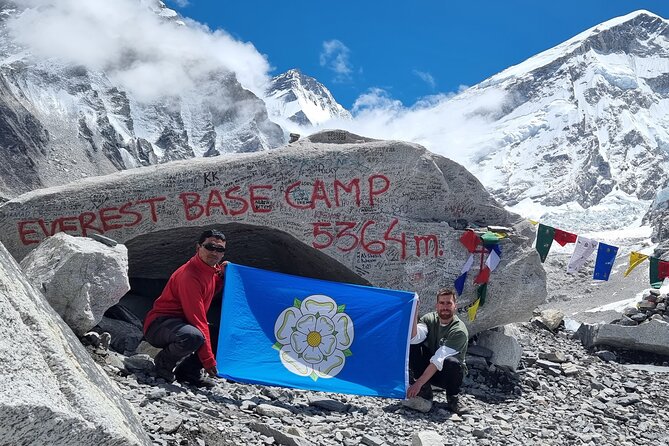
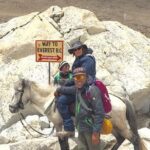
Day 10 is the big Base Camp approach: you hike to Gorakshep, then go on to Everest Base Camp and return for the night. It’s described as roughly 3.5 hours to Gorakshep plus about three hours out and back to Base Camp. The plan makes sense for altitude management because you sleep somewhere closer to the action before the Base Camp push.
You follow rocky paths and get close to glacier scenery. There’s also mention of possible sounds from avalanches in the area. You shouldn’t treat that as a guarantee, but it’s a reminder that this region is active and loud in ways that are part of the environment.
Even if you’re tired, your day ends with another key moment: being in the Base Camp area and seeing how the expedition world looks from the ground.
Kalapathar sunrise: where the altitude pays you back
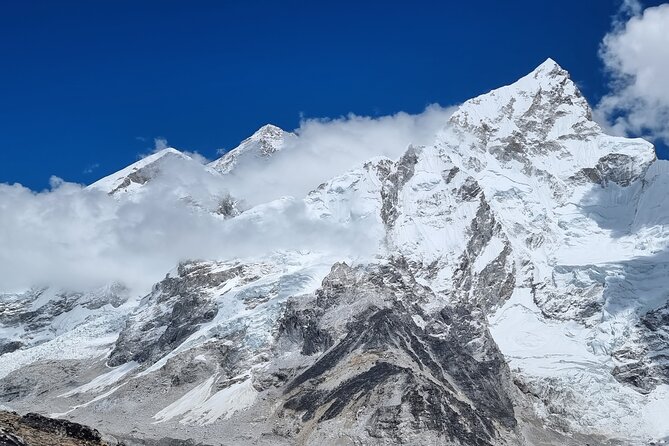
Day 11 is a dawn hike up to Kala Patthar (Kalapathar) at about 5,545m. The walk starts early and is about six hours total. This is the trek’s clearest reward for early effort: you get a wide panorama of the Everest Himalayan ranges, and it’s the viewpoint often described as unforgettable.
I’d treat this day like a mission, not a casual hike. Move steadily, keep your breathing controlled, and don’t overcook yourself trying to walk fast. When you reach the top, you’ll feel that strange combination: your legs are burning, but the view makes everything feel worth it.
Day 12 is the descent back down to Namche Bazar in roughly six hours. Going downhill can be easier on altitude, but your knees still need attention. Trekking poles, if you have them, are genuinely useful here.
Back to Lukla and down to Kathmandu: reset your body, keep the memories
Day 13 takes you back from Namche Bazar to Lukla via Phakding, about five and a half to six hours. It’s a travel-feeling day, because once you’re back near the start of the trek, the pace becomes more about transition than endurance.
Day 14 is the flight back to Kathmandu, about half an hour, giving you a last look at the Everest region from the air. Then you’re back in Thamel, able to finally connect with friends and family again and enjoy a more normal day.
Day 15 is your transfer to the international airport based on your flight time. The trip has that satisfying loop: Kathmandu city culture to Everest region to Kathmandu again, with all the logistics handled so you’re not juggling details while tired.
What’s really included: staff, flights, and warm sleep matter more than you think
This trek includes a lot of the “hard to coordinate” stuff, and that changes the tone of the trip.
You get:
- Flight tickets Kathmandu to Lukla and back
- Standard hotel accommodation in Kathmandu for 3 nights
- Guesthouse accommodation during the trek on a twin-sharing basis
- A licensed English-speaking Sherpa/Trekking guide
- Porters to carry your luggage (shared for two people or clients)
- Down jacket and sleeping bag provided by Outshine Adventure if necessary
- Staff logistics coverage such as food, accommodation, salary, insurance, and equipment and medicine for staff
From a value standpoint, the porters and guide are the heart of this package. You’re still doing the walking, but the mental load drops a lot when someone is managing the route timing, guesthouse arrangements, and day-to-day logistics.
One small practical caution: the package includes breakfast twice, but it does not include all meals and drinks during the trip. Guesthouses usually have food options, but you should still budget for what you’ll eat beyond included breakfasts.
Price and value: why $1,375 can make sense for Everest Base Camp
At $1,375 per person, this is not a “cheap” trek. But it’s also not priced like a luxury expedition. The value comes from what’s bundled: two key flights, city private guiding, multiple nights in organized lodging, porter support, and a licensed guide.
If you try to assemble that on your own, the cost often rises quickly once you include guides, porter arrangements, and reliable flight booking. Here, the package spreads those costs into one clearer total.
What you should still budget separately:
- Travel insurance (including altitude coverage up to 5,300m, which is explicitly mentioned as not included)
- Entrance fees in Kathmandu
- Meals and drinks
- Tips for trekking staff and driver
- Any extra activities or extensions
So, the real question isn’t just cost. It’s whether you want to spend your time planning logistics or spending your time adapting to altitude. This package leans toward the second option.
Who should book this Everest Base Camp trek
This trek fits best if you want:
- A guided plan with acclimatization built in
- Guesthouse nights and porter support (not camping and not DIY logistics)
- A real mix of culture and high-altitude trekking, starting with Kathmandu temples and ending with a big sunrise viewpoint
In the reviews and operational feedback themes, the staff care comes up again and again, including support from coordinators and guides. Names you may see associated with the trip include Gokul (owner), and guides like Kali, Kumar, Prakash, Dilli, Nima, Bikash, plus porters such as Santosh and Dilok. That’s not a guarantee you’ll get the same team, but it’s a strong sign that the company pays attention to matching you with helpful people.
Who should reconsider:
- You shouldn’t book if you’re not comfortable with moderate fitness demands and long walking days.
- You should think twice if you hate uncertainty around mountain weather, because this experience depends on conditions.
Should you book this Everest Base Camp trek with Outshine Adventure?
If you want an organized Everest Base Camp trek with a licensed Sherpa guide, porter support, Kathmandu culture time, and the two defining viewpoints at Base Camp and Kala Patthar, this looks like a strong option. The price works best if you value not managing logistics yourself, and if you’re willing to plan for meals, tips, and insurance separately.
Book it if you like structured pacing and want the best chance of enjoying the big moments rather than surviving the trip. Skip it if you’re chasing a DIY adventure with minimal support, or if altitude and flight-day weather uncertainty would stress you out too much.
FAQ
Where does the trek start and end?
It starts at Tribhuvan Airport in Kathmandu, Nepal, and ends back at the same meeting point.
How long is the Everest Base Camp trek?
The experience is listed as approximately 15 days.
What altitude points does the trek reach?
The plan includes hiking to Everest Base Camp at about 5,400m and to Kalapathar sunrise viewpoint at about 5,545m.
Are flights included?
Yes. Flight tickets for Kathmandu to Lukla and Lukla back to Kathmandu are included.
What kind of lodging do you use during the trek?
You stay in guesthouses during the trek, with twin-sharing basis.
Do you get a guide and porters?
Yes. The trek includes an English-speaking licensed Sherpa/trekking guide and porters to carry your luggage (shared for two people or clients).
Is airport pickup included?
Yes. Hotel pick up and drop by private car in Kathmandu are included.
Are meals fully included?
No. Breakfast is included twice, but dinner is listed as included and meals and drinks beyond that are not included.
Is travel insurance included?
No. Travel insurance, including altitude coverage up to 5,300m, is not included.
Are Kathmandu sightseeing entrance fees included?
No. Entrance fees in Kathmandu sightseeing monuments are not included.
What if weather cancels the trek?
The experience requires good weather. If it’s canceled due to poor weather, you’ll be offered a different date or a full refund.