REVIEW · SAPA
Sapa 2 Days Trek with 1 Night Homestay
Book on Viator →Operated by Asia Travel Legend · Bookable on Viator
Fog rolls in fast in Sapa. A two-day trek plus one-night homestay turns that mist into something human-scale, with meals handled and villages worked into the route. I love how the included meals let you taste day-to-day food, not just snack your way through photos. I also like that you’re not stuck on rails: a private guide checks your pace and keeps the cultural moments practical (not lecture-y). One drawback to think about is weather—fog and cold can be constant, and your exact feel for the trek may depend on conditions and the path your guide chooses, which can clash with what you expected.
This tour runs on a simple rhythm: morning pickup to start your walk, a full day on village trails, then a night in a local home before you head back to Sapa town. It’s private (your group only), with round-trip transfers, a mobile ticket, and a day-by-day schedule that stays within about two full days.
In This Review
- Key things to know before you go
- A 2-Day Trek Where Meals and a Bed Are Built In
- Day 1: Y Linh Ho and the Village-to-Valley Feel
- Homestay Night: Clean, Local, and Surprisingly Normal
- Day 2: Ta Van, Giang Ta Chai, and a Slower Return to Town
- How Hard Is It, Really? Pace, Pace Adjustments, and Weather
- Price and Logistics: Why $130.77 Can Be a Good Deal
- Who This Trek Suits Best (and Who Might Want a Different Style)
- Quick practical tips to make the most of it
- Should You Book This Sapa 2 Days Trek with 1 Night Homestay?
- FAQ
- What is the start time and meeting point for this tour?
- How long is the Sapa trek and homestay?
- Is transportation included?
- Is a private guide included?
- Are meals included?
- Is the homestay included for one night?
- Is the valley entrance fee included?
- What about drinks and personal expenses?
- What is the cancellation policy?
Key things to know before you go
- Private guide + your group only: you’re not sharing the trail with a big crowd
- Meals and homestay included: breakfast, lunches, dinner, plus 1 night lodging
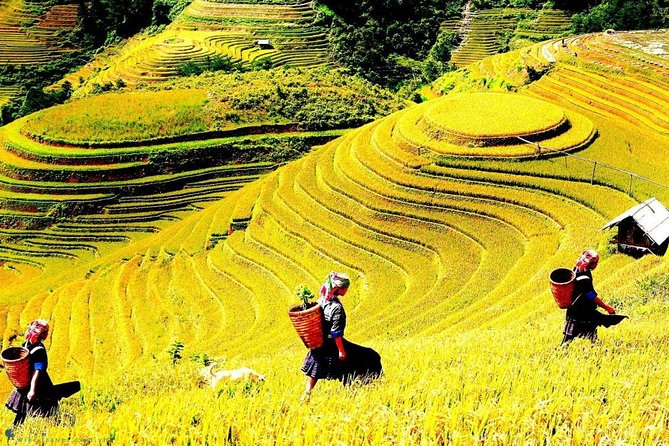
- Rice-terrace valley hiking: you’ll work villages into the route, not just scenery
- Flexible pace, based on you: your guide can adjust the intensity while keeping the plan moving
- Weather matters here: fog and cold are common, and the guide may steer you onto quieter paths
A 2-Day Trek Where Meals and a Bed Are Built In
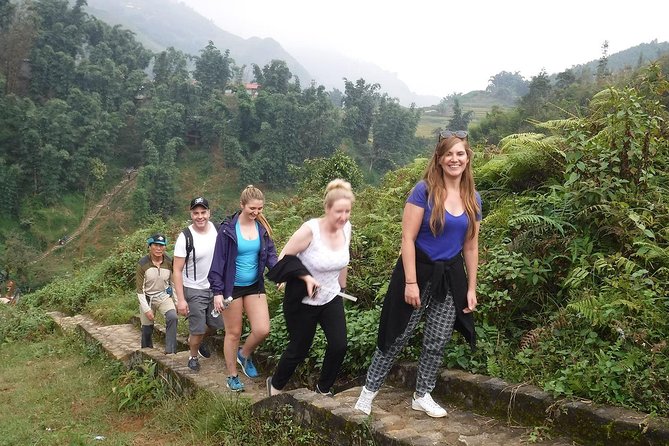
Sapa is famous for views, but the real payoff is how fast the trip turns into a daily routine you can understand. This 2-day, 1-night setup is designed so you don’t spend your time figuring things out: transportation is handled, entrance is covered, and food is included across both days. That matters because the best parts here are the small moments—learning how people live, what they cook, and how the trail connects village life to the rice valleys.
You’ll also like the structure. Day 1 starts at 9:00 am and runs until the afternoon, then you settle into the homestay for the night. Day 2 is another full walking day, ending back in Sapa town. It’s long enough to feel like Sapa, not so long that you’re crushed the whole time.
Value-wise, this price starts to make more sense when you look at what’s included: a private guide, round-trip transfers, entrance fees for the valley area, and lodging for 1 night, plus meals. You’re paying for logistics and human time, not just a walking route.
Day 1: Y Linh Ho and the Village-to-Valley Feel
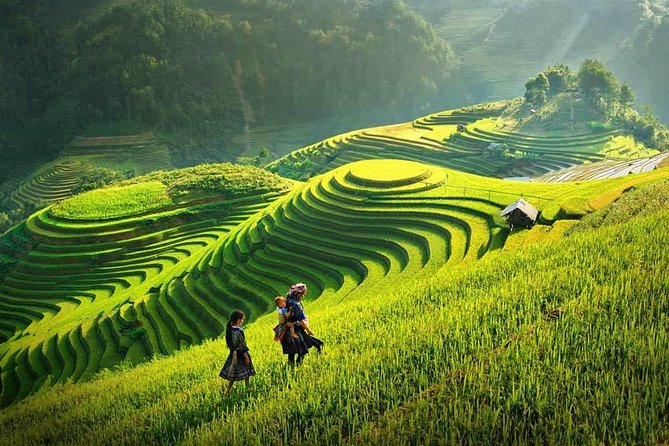
Day 1 is the day you’ll likely remember as the “getting your bearings” walk. Starting at 9:00 am, you head into the valley area with your private guide, with the trekking time scheduled roughly 9:00 am to about 3:00 pm. Depending on conditions, that time can feel like a long, steady hike—or a slower day with more stops for conversation.
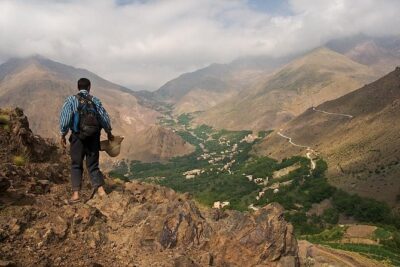
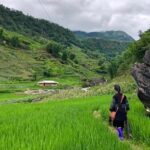
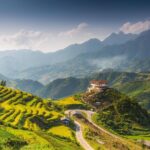
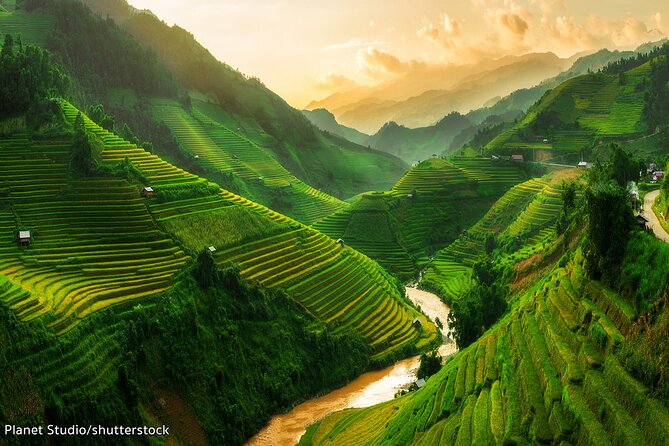
Y Linh Ho is where the experience starts blending scenery and culture. The big idea is simple: Sapa’s rice terraces are not just a backdrop. They’re part of how communities survive through seasons, rainfall, and careful work. Your guide takes you through villages and walking paths so you can connect what you see with how people live and where they spend their time.
What I like about this first day is that it doesn’t only focus on photos. Your meals are already built in (you’ll have two lunches, plus dinner later), so you don’t have to hunt for food at the exact moment you’re most hungry and least patient. That small stress-saver makes a huge difference on a cold day.
Potential snag: fog can change everything. On some days, visibility is limited and the trail can feel colder than expected. When that happens, your guide may switch to less-populated routes to keep the walk enjoyable and safe. That flexibility can be great, but it also means your expectations about what you’ll see may shift.
Homestay Night: Clean, Local, and Surprisingly Normal
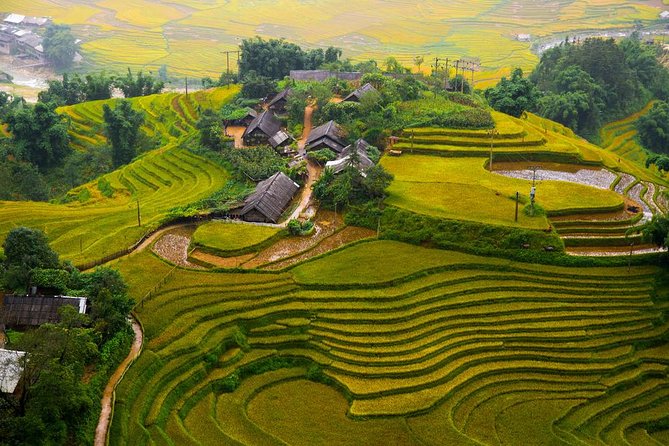
The overnight in a local homestay is the point of this tour, so it’s worth looking at what that really means. You’re not just sleeping somewhere rural—you’re eating with (and learning from) the household that hosts you. Your dinner and breakfast are included, and guides often add a human touch that makes the night feel like part of the journey, not an add-on.
From past experiences with guides and hosts in this region, homestay quality can vary a lot between operators. Here, the tone from satisfied guides and hosts points to practical comfort: clean accommodation and local meals prepared by the family. That’s exactly what you want on a trek—basic comfort, warm food, and a place where you can recover without turning your “vacation day” into a logistics project.
Some guides may also create a memorable cultural moment beyond the standard homestay routine. You might spend time chatting at a guide’s family home area, including time with a mother or family member. Even when you don’t speak the local language, that kind of time tends to translate into understanding through small actions: how food is handled, how the house works, and what daily life looks like.
Quick consideration: pack for cold. Even if you’re bundled up for the walk, the evening can feel chilly. This is northern Vietnam; fog and cold are realistic.
Day 2: Ta Van, Giang Ta Chai, and a Slower Return to Town
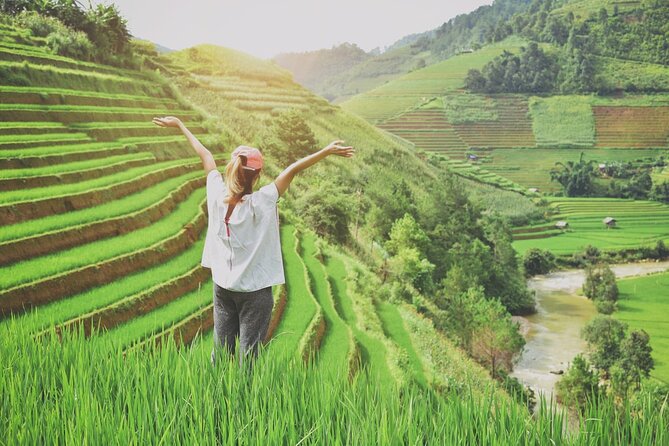
Day 2 begins from Ta Van Village, then works through Giang Ta Chai Village (with a lunch stop), and continues through Su Pan before returning you to Sapa town. This is the “second act” of the trek: you’ve already warmed up to the rhythm of the walk, so the cultural parts can feel more connected.
Ta Van is a village that often gives you that classic Sapa village vibe: houses, daily routines, and people moving through their day while you move through theirs. The route between villages matters because it shows how the terrain shapes settlement. You’re not just walking past homes; you’re walking through the reasons homes exist where they do.
Giang Ta Chai is where lunch happens. The lunch stop is included, so again you avoid the awkward moment of trying to decide what to do while your legs are tired and your phone battery is near death. Eating with the day’s schedule in mind is one of the best ways to keep a trek feeling enjoyable instead of stressful.
At the end of the hike, you return to Sapa town and your tour ends back at the meeting point. The timing is designed so you still feel like yourself after two days, not like you disappeared into a walking machine.
How Hard Is It, Really? Pace, Pace Adjustments, and Weather
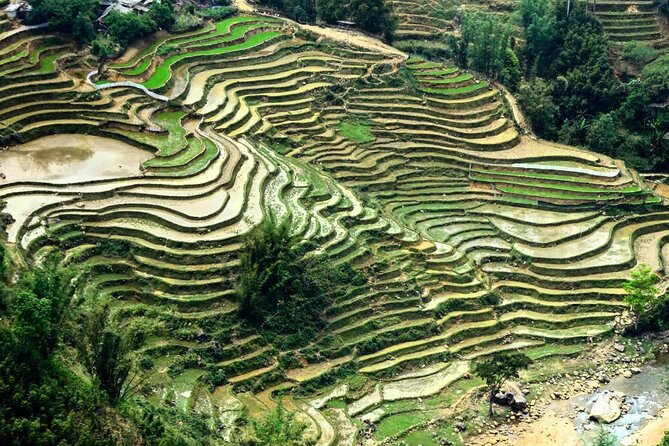
This tour is marketed as go at your own pace on a private trek, and that’s not just marketing fluff. In practice, your guide checks how you want to pace the day and can offer options—sometimes including food choices along the way. That’s a big deal in Sapa because a trail that feels manageable in one set of conditions can feel tougher in rain, fog, or after a wet stretch.
Most people can participate, but you should be honest with yourself about hiking comfort. If you struggle with uneven ground, cold hands, or long walking stretches, bring a realistic plan: slow your pace early and don’t try to “power through” on the first day.
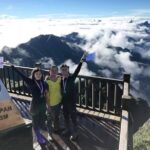
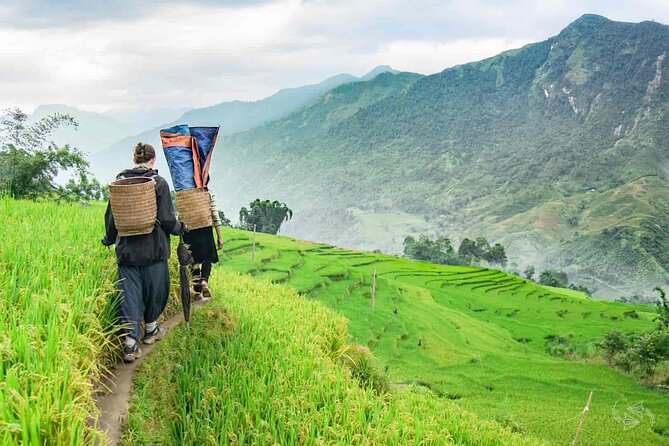
Weather is the wildcard. Fog and cold can sit over the area for much of the day, especially in certain seasons. When visibility drops, it’s common for guides to route differently—often onto quieter trails—so you can keep walking without feeling like you’re lost. That’s one of the reasons a private guide matters. A fixed-group route can’t adapt as well.
Price and Logistics: Why $130.77 Can Be a Good Deal
At $130.77 per person, this price can look high if you think it’s only paying for walking. But it’s not only that.
Here’s what you’re actually covering:
- a private guide
- round-trip transfers (pickup offered, and transportation included)
- entrance fees to the valley area
- 1 night in a homestay
- meals included (two lunches, one dinner, one breakfast)
- the return transportation back to Sapa town after the trek days
You also get a schedule that runs for about 2 days with a 9:00 am start. For a place where the logistics can take energy away from enjoying the day, that bundled structure is real value.
One practical note: this is often booked about 44 days in advance. That suggests operators keep a limited number of homestays/guide slots available, especially around better weather windows. If you have dates you care about, booking earlier can help.
Who This Trek Suits Best (and Who Might Want a Different Style)
This is a smart fit if you:
- want more than a photo stop, including real village life and homestay time
- like having meals handled, especially on cold trekking days
- prefer a private guide who can adjust pacing
- are comfortable with a 2-day walking plan and uneven trail segments
It may not be the best fit if you:
- need highly predictable scenery every minute (fog can change what you see)
- expect the route to match a specific “perfect trek” photo in your head
- hate any schedule that can’t be changed once booked, since this experience is non-refundable and cannot be changed
Quick practical tips to make the most of it
These aren’t glamorous, but they keep the trek smoother:
- Dress for cold and fog. Sapa can feel colder than you expect, and the homestay night will be chilly too.
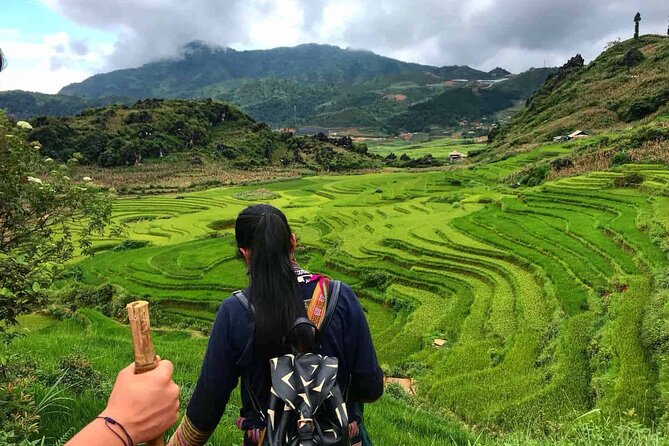
- Plan for stairs and uneven ground. The villages connect by paths, not sidewalks.
- Bring cash for drinks or personal extras. Drinks and beverages are not included, and you’ll want flexibility for small needs.
- Pack light but pack warm. You’ll be moving all day, and you don’t want heavy bags slowing your pace.
- Use the private time wisely. Ask questions about food, daily work, and what you should notice on the trail.
Should You Book This Sapa 2 Days Trek with 1 Night Homestay?
If you want Sapa that feels personal, this is the kind of tour that delivers. I especially like that the experience ties together the three things people actually need on a trek: guide time, meals, and a real place to sleep. The private setup helps in foggy weather and makes it easier to slow down, ask questions, and keep the walk enjoyable.
I’d only hesitate if your priority is guaranteed visibility and a very specific “signature” route you’ve pinned to your bucket list. Weather and route choices can change the details. Also, keep in mind it’s non-refundable, so choose dates you can commit to.
If you’re aiming for an authentic village-based trek experience—rice terraces during the day and homestay life at night—this is a strong match.
FAQ
What is the start time and meeting point for this tour?
It starts at 9:00 am in Sa Pa, Lao Cai, Vietnam. The tour also ends back at the meeting point in Sapa.
How long is the Sapa trek and homestay?
The tour is 2 days (approximately), including 1 night in a local homestay.
Is transportation included?
Yes. The tour includes round-trip transfers, and pickup is offered.
Is a private guide included?
Yes. The package includes a private guide, and it’s private for your group only.
Are meals included?
Yes. Meals included are 2 lunches, 1 dinner, and 1 breakfast.
Is the homestay included for one night?
Yes. You get overnight accommodation in a local homestay for 1 night.
Is the valley entrance fee included?
Yes. The package includes the entrance fee to the valley.
What about drinks and personal expenses?
Drinks and beverage and private expenses are not included, along with any other services not mentioned as inclusive.
What is the cancellation policy?
This experience is non-refundable and cannot be changed for any reason. If you cancel or ask for an amendment, the amount paid will not be refunded.