REVIEW · MARRAKESH
Atlas Mountains Trek Azzaden Valley And Imlil 2 Days
Book on GetYourGuide →Operated by Abdlatif agzouln · Bookable on GetYourGuide
This trek is all mountain effort and village life, with big High Atlas views and Berber paths between homes. What I like most is the mix of physical walking (not just driving and taking photos) and the chance to see how people live as you pass through Tizi Oussem and neighboring villages. One thing to consider: the actual walking time can vary if your day gets blended with another group’s plan, so it’s smart to confirm you’ll get a proper hike both days.
You’ll start in Marrakech, then head toward Imlil and climb up to the high passes. Day 1 is the heavier push, including Tizi Mzik (2684m) and the 100m-tall waterfalls at Tamsoult, before descending into the Azzaden Valley. Day 2 keeps the rhythm with more village-to-village walking, a pass at 2000m, and a lunch break near the river.
In This Review
- Key things to know before you go
- Marrakech to Imlil: setting you up for the climb
- Day 1 trail: Tizi Mzik, Tamsoult waterfalls, then the Azzaden Valley
- Climb Tizi Mzik (2684m): the view check
- Tamsoult waterfalls: worth the extra altitude
- Down the Azzaden Valley to Tizi Oussem (1850m)
- A real warning from real expectations
- Day 2: Tizi Oussem to Id Issa, Tizi Oudid pass, then to Marrakech
- Tizi Oussem to Id Issa village (about 1800m)
- Up to Tizi Oudid pass (2000m)
- Matat and juniper forest character: thurifer detail
- Lunch under walnut groves and time by the river
- Back to Marrakech in the afternoon
- What makes this trek genuinely good value at $124
- Guides, villages, and the Morocco you actually talk about
- Fitness and expectations: what the two days really ask of you
- What to watch for when your trip is assembled
- Who should book Atlas Mountains Trek to Azzaden Valley and Imlil
- Should you book it? My honest take
- FAQ
- FAQ
- How long is the trek on each day?
- What are the main high points on the route?
- Where do you sleep during the trek?
- What’s included in the price?
- Do I need travel insurance?
- What group size should I expect?
- What languages are available for the live guide?
Key things to know before you go
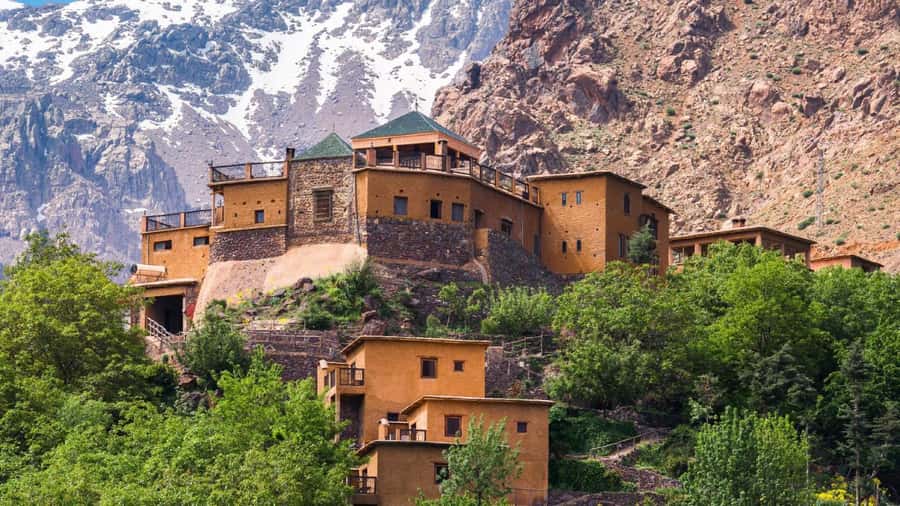
- High pass views early: Tizi Mzik (2684m) gives you wide views over the Imlil valley and toward Toubkal.
- Azzaden Valley descent: the trail drops through juniper forest, then lands you in Tizi Oussem for the night.
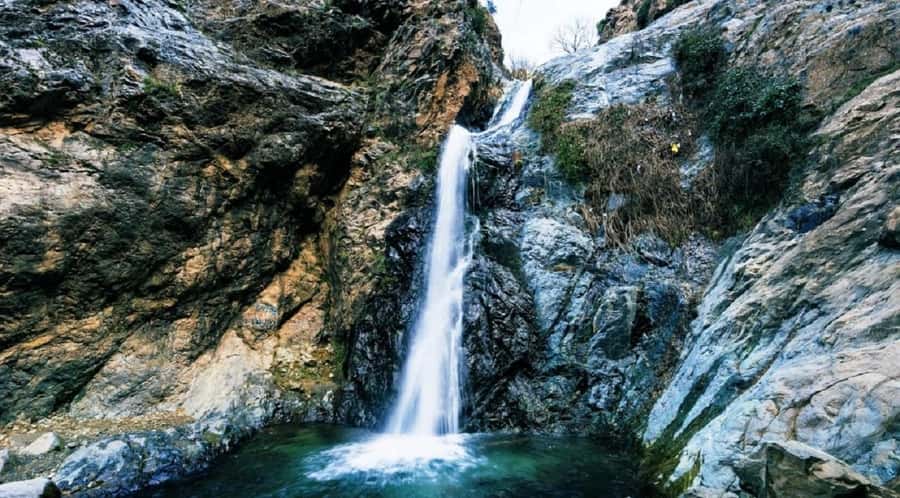
- Waterfalls, not just a stop: Tamsoult waterfalls are part of the main day, not an optional detour.
- Small group size: limited to 14, so you’re not lost in a crowd on narrow village paths.
- Guides matter: named guides like Ali, Amina, and Omar are known for flexibility and local insight.
- Bring practical hiking gear: two solid walking days (about 6 hours, then about 5) at altitude passes.
Marrakech to Imlil: setting you up for the climb
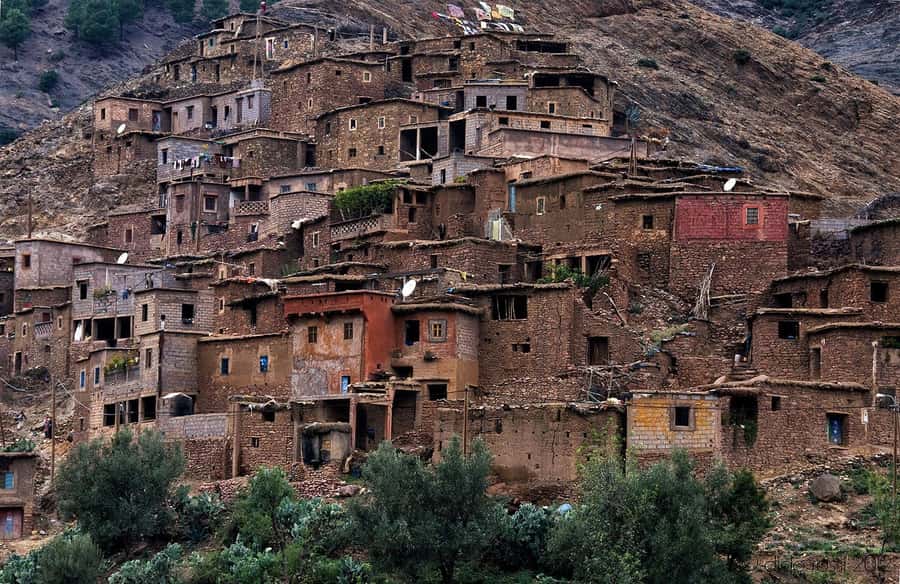
The experience starts with a pickup from Marrakech and a drive up through the mountain outskirts. You’ll pass places like Tahanaout, Oued Ghighaya, and Asni, and you’ll get those first views of valley homes clinging to the slopes. It’s not just transportation; it’s part of how the day builds mood. You feel the elevation change before you even put your boots on.
Once you reach Imlil, you meet your guide and the muleteer team. This matters because the trek runs with a real rhythm: people walking, animals carrying supplies, and a cook supporting meals. That setup makes it easier to focus on the trail instead of worrying about what you’ll eat or haul.
Practical note: you’re going to a point in the High Atlas where weather can shift quickly. Layers help. Even in good seasons, mornings at higher altitude can feel chilly.
Day 1 trail: Tizi Mzik, Tamsoult waterfalls, then the Azzaden Valley
Day 1 is the big one. It’s about 6 hours of walking, and it’s designed to take you from valley height to pass height and then back down into the village world.
Climb Tizi Mzik (2684m): the view check
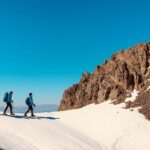
After breakfast, you begin the climb to Tizi Mzik. The pass sits high enough that you’ll notice the air and you’ll feel the effort in your legs. The payoff is the view over the Imlil valley, plus a sightline toward the Toubkal area. Even if you’ve seen photos of Morocco’s peaks, this is the moment where your brain goes: this is the real geography.
If you tend to go out too fast, this is where you’ll pay for it. I’d pace yourself on the ascent. Short steady steps usually beat big bursts.
Tamsoult waterfalls: worth the extra altitude
From the pass area, you continue toward Tamsoult for the waterfalls. The tour calls out waterfalls at about 100m height, and that’s exactly what makes this stop memorable. You’re not just seeing water in the distance—you’re building the trek story around it.
There’s also a good natural rhythm here: climb, reach a viewpoint, then switch gears into a gentler stage toward the sound and movement of the falls. If waterfalls are the main reason you’re booking, pay attention to how your day is structured and what’s included before you commit.
Down the Azzaden Valley to Tizi Oussem (1850m)
Then comes the descent through juniper forest into the Azzaden Valley. This part is often where the trek shifts from “climb and conquer” into “slow down and watch.” Juniper creates a cooler, shaded feel at times, and the trail takes you toward village life.
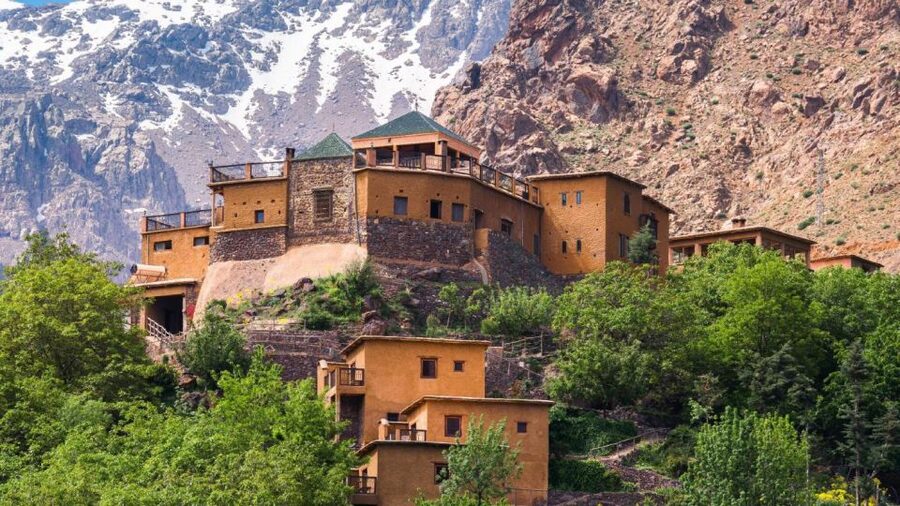
Your day ends at Tizi Oussem, where you overnight in a local guesthouse. The altitude drops you into a more human-scale landscape: doorways, terraces, people moving through their day. It’s also where you get the most value from the local guide. You’re not just passing by buildings; you’re walking through living communities.
Based on what I’ve learned from past trekkers’ experiences, the guesthouse experience can be one of the best parts. People often describe places as clean and welcoming, and some mention valley views from the rooms.
A real warning from real expectations
There’s one drawback you should respect: on at least one occasion, trekkers found the first day blended with another group’s sightseeing plan that included things like a camel ride and visits tied to selling products. That changed the day’s walking time and reduced the time spent on the hike they expected.
The good news: guides can sometimes adjust once they understand the goal. But the key takeaway for you is simple: if your booking is sold as a 2-day walking trek, confirm you’ll actually get hiking time on Day 1 and Day 2 before you leave Marrakech.
Day 2: Tizi Oussem to Id Issa, Tizi Oudid pass, then to Marrakech
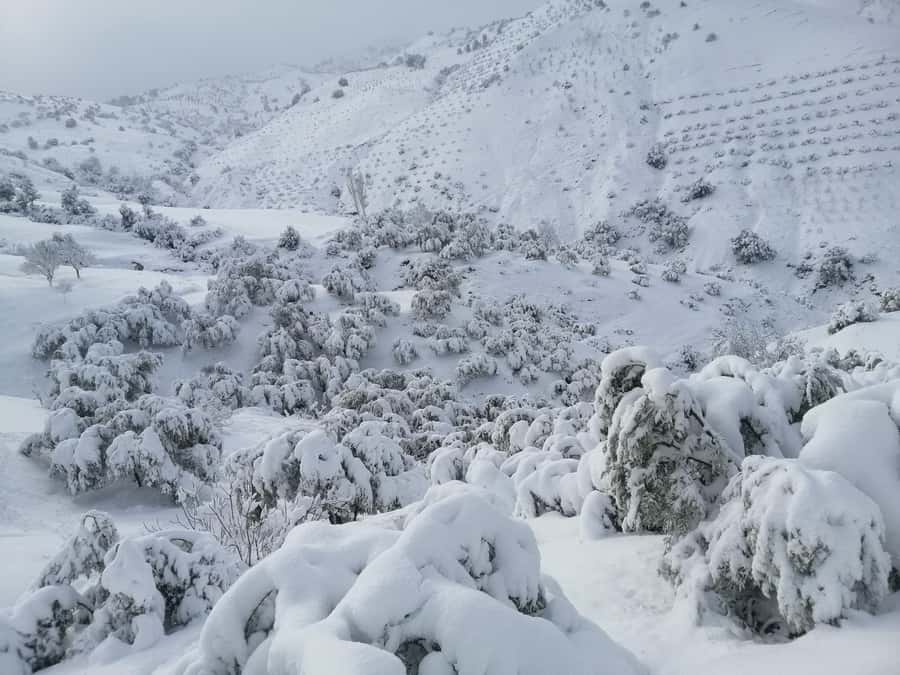
Day 2 runs about 5 hours of walking and focuses more on colorful valley views and traditional village scenes. It starts with breakfast in Tizi Oussem, then you head downhill again.
Tizi Oussem to Id Issa village (about 1800m)
You begin leaving the night village and walking toward Id Issa. This is the kind of section that feels good after the previous day’s climb. The terrain still asks for attention, but the day’s mood often feels lighter.
Up to Tizi Oudid pass (2000m)
Then you head up to Tizi Oudid (2000m). It’s not as high as the Day 1 pass, but it still gives you that “up and over” feeling that makes trekking memorable. You get another look at the valleys and the way settlements cling to usable land.
Matat and juniper forest character: thurifer detail
After crossing toward Matat, you pass through what the itinerary describes as a wild thurifer juniper forest. You may not name every tree on the trail, but you’ll notice the forest difference: it can feel wilder and more natural than the landscaped areas people expect.
Lunch under walnut groves and time by the river
Lunch happens under walnut groves. It’s the kind of break that travelers really value because it’s not just eating—you’re pausing in a setting that feels built for rest. After lunch, you relax near the river.
This is also where altitude and effort catch up in a good way. After two trekking days, the river-side pause feels earned.
Back to Marrakech in the afternoon
In the afternoon, you transfer back to Marrakech. The walking ends earlier than Day 1, but the day still feels complete because you’ve had both passes, village-to-village sections, and a proper lunch break.
What makes this trek genuinely good value at $124
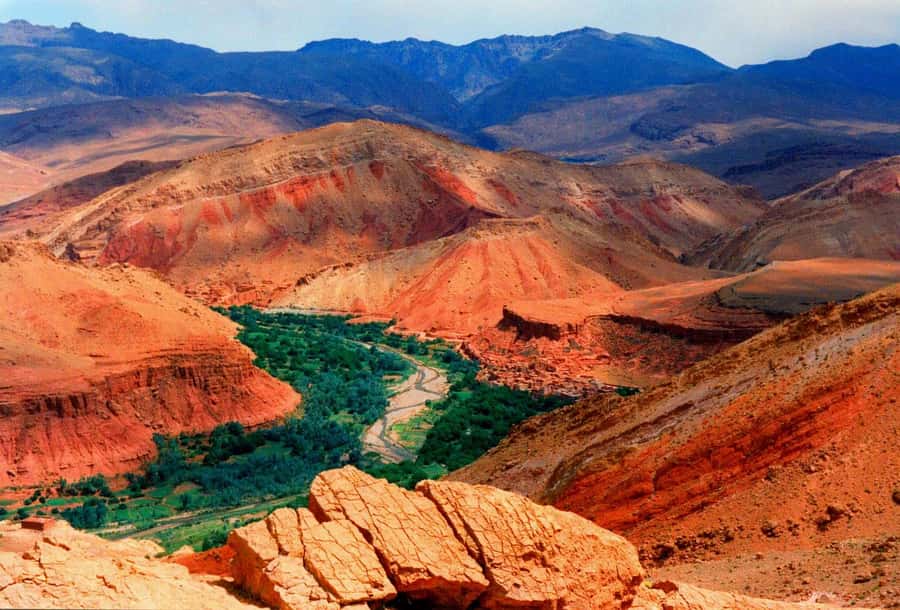
At about $124 per person for two days, the value comes from how much is bundled in. You’re not only buying a guide and a route—you get all meals (breakfast, lunch, dinner), one night in a guesthouse, transport from Marrakech via minibus or 4×4, tea and water, and the whole local team setup (guide plus muleteers and cook).
Here’s what that means for you:
- Less time managing logistics.
- Fewer extra costs once you’re out of Marrakech.
- More energy for walking and talking with people.
It also helps explain why this style of trip can feel more “real” than a taxi-based day tour. You’re moving under your own legs, and you’re sharing the trail and village spaces for hours at a time.
One practical note: insurance is not included. If you’re the kind of traveler who wants full peace of mind around trekking, sort that out separately.
Guides, villages, and the Morocco you actually talk about
This trek lives or dies on guidance. In the experiences tied to this trip, the names Ali, Amina, and Omar come up as helpful and informative. That matters because villages can look similar from a distance, but a good guide tells you what you’re seeing: how people use terraces, where pathways connect, and what daily routines look like.
You’ll also spend time passing through and stopping in Berber village areas, including Tizi Oussem and Id Issa. The point isn’t a checklist of sights. It’s the rhythm of walking between homes and seeing the landscape shaped for survival—without turning it into a theme park.
Fitness and expectations: what the two days really ask of you
The itinerary is built around about 6 hours of walking on Day 1 and about 5 on Day 2. Add altitude passes like Tizi Mzik (2684m) and Tizi Oudid (2000m), plus the descent through forest and the uneven village trails, and you’re looking at a real trek.
You don’t need to be a marathon athlete, but you should be ready for:
- steady uphill walking,
- going downhill carefully on uneven ground,
- a full-day schedule with limited downtime.
If you’re coming from sea level, consider that you may feel the elevation faster than you expect. Pace yourself, drink water when offered, and keep layers on hand for temperature swings.
What to watch for when your trip is assembled
This is the part I’d handle with extra care before you lock it in.
Even though the trek is sold as a two-day walk, there have been cases where the first day got folded into another group’s plan, reducing hiking time and adding activities more like camel rides and stops tied to retail. That’s not the hiking-focused experience most people want.
So do this:
- Ask whether both days are true walking days.
- Confirm the plan includes the intended waterfall visit and the main pass sequence.
- If the operator offers options, make sure the version you choose matches your hiking goal.
It’s a small bit of effort that can protect you from disappointment.
Who should book Atlas Mountains Trek to Azzaden Valley and Imlil
You’ll likely love this if:
- you want real village walking, not just viewpoints,
- you like talking with locals and learning from your guide,
- you’re comfortable with two moderate hiking days at altitude,
- waterfalls and mountain passes are on your must-see list.
You might want to reconsider if:
- you expect a perfectly guaranteed schedule with no group mixing,
- you’re looking for an easy day walk without elevation,
- you strongly dislike any stops that feel commercial, even if they’re framed as cultural.
Should you book it? My honest take
If you want an Atlas trek where the heart of the experience is the trail—passes, waterfalls, forest descent, and Berber villages—this one fits the bill. The value is strong because meals, lodging, and transport are bundled, and the best parts often come down to the guide. Named guides like Ali, Amina, and Omar have a reputation for being helpful and informative, and that can turn a route into a story you remember.
The only reason I’d hesitate is the one you can’t ignore: walking time on Day 1 may not match what you expect if your group gets blended into another plan. If you confirm the walking-focused structure in advance, the chances of getting the trek you paid for go up a lot.
FAQ
FAQ
How long is the trek on each day?
Day 1 is about 6 hours of walking, and Day 2 is about 5 hours of walking.
What are the main high points on the route?
The trek includes climbing to Tizi Mzik (2684m), visiting the Tamsoult waterfalls, and walking through the Azzaden Valley. Day 2 includes a pass at Tizi Oudid (2000m).
Where do you sleep during the trek?
You sleep for one night at a local guesthouse in the village area of Tizi Oussem.
What’s included in the price?
The package includes meals (breakfast, lunch, dinner), tea and water, transport from Marrakech (minibus or 4×4), and full escort with a local mountain guide, muleteers, and cook.
Do I need travel insurance?
Insurance is not included, so you’ll want to arrange it separately if you require coverage.
What group size should I expect?
It’s a small group, limited to 14 participants.
What languages are available for the live guide?
The live guide is available in Arabic, French, Spanish, and English.
If you tell me your hiking level and travel month, I can help you judge whether two days with those passes will feel comfortable for you.