REVIEW · HANOI
From Hanoi: 3 Days Sapa Trekking & Ethnic Villages by Dcar
Book on Viator →Operated by SST TRAVEL · Bookable on Viator
Sapa arrives fast, with pickup. I like how this trip handles the big move from Hanoi to Sapa with a DCAR limousine and Old Quarter hotel pickup, then gives you an easy rhythm once you’re in town. You also get two nights in a 3-star hotel plus breakfast and lunch built into the schedule.
The one thing to plan for: you’ll do trekking with a moderate fitness level requirement, and optional upgrades like Fansipan (especially the cable car) cost extra.
In This Review
- Key Points Before You Go
- Why This 3-Day Sapa Plan Works for Limited Time
- Getting From Hanoi to Sapa: DCAR Limousine and Pickup Timing
- Day 1 in Sapa Town: Check-In, Lunch, and Village Life
- Day 2 Trek to Cat Cat Village and Your Fansipan Choice
- Day 3 Ham Rong (Dragon’s Jaw) and the Return to Hanoi
- Ethnic Villages and Culture: What You’ll See (and How to Respect It)
- Price and Logistics: Is $140 Good Value?
- What to Pack for Cool Sapa Weather (Four Seasons in a Day)
- The Real Experience: A Small-Group Trek With Hotel Comfort
- Who This Tour Suits Best (and Who Might Want Something Else)
- Should You Book This 3-Day Sapa Trekking and Ethnic Villages Tour?
- FAQ
- What time does the tour start in Hanoi?
- Where do I meet the group?
- Does the tour include pickup from Hanoi’s Old Quarter?
- How long is the tour?
- What type of hotel is included?
- What meals are included?
- Is there a local guide?
- How many people are in the group?
- Do I need to be physically fit?
- Is Fansipan included?
Key Points Before You Go
- Door-to-door Hanoi pickup from the Old Quarter area, starting around 6:30–7:00am
- Small group size (max 10) makes the pacing feel more personal on the trails
- Cat Cat Village trek + Ham Rong (Dragon’s Jaw) are the two main walking days
- Most village-cultural time is guided, with a local speaking guide joining you
- Fansipan is optional and not included if you want the cable car
- Sapa weather changes fast, so you’ll want layers even in cool months
Why This 3-Day Sapa Plan Works for Limited Time

If you only have a few days in northern Vietnam, Sapa can feel like it’s either too rushed or too complicated. This tour hits a sweet spot: you get the key Sapa experiences (ethnic village time and two trekking moments) without forcing you to manage transport, guides, and hotel logistics on your own.
I also like that it’s designed for short attention spans. Day 1 is more gentle—arrive, check in, then ease into village life. Day 2 and Day 3 are where the walking happens, with clear start times and enough structure that you’re not wandering around asking for directions in cool mountain weather.
One more practical upside: the group is kept small (up to 10). That usually means you can keep up on the trails, ask questions without feeling like you’re in a long bus line, and still have downtime back at your hotel.
You can also read our reviews of more tours and experiences in Hanoi.


Getting From Hanoi to Sapa: DCAR Limousine and Pickup Timing

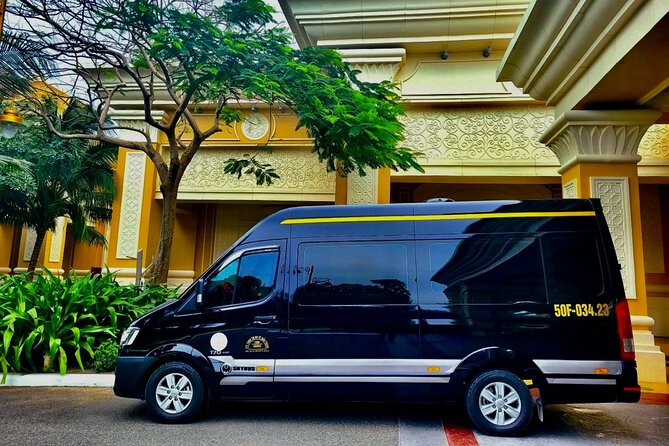
The trip’s core convenience is the Hanoi–Sapa transfer. You start from the Hanoi Opera House area (1 Tràng Tiền, Hoàn Kiếm) with a start time of 6:30am, and pickup from Hanoi’s Old Quarter is offered. The schedule is built around an early departure so you arrive in Sapa with time to actually enjoy the afternoon.
The transportation is listed as a round-trip DCAR Limousine. That matters because the Hanoi–Sapa drive is long and curvy. A set departure time and a dedicated vehicle reduce the risk of losing an hour to logistics chaos. Also, you return to Hanoi after the last mountain walk and are back around 8:30pm.
Timing-wise, your Day 1 arrival is set for about 1:00pm in Sapa Town. That’s ideal. You’re not arriving at night, which means you can check in, eat, and still have visibility for the village visit later in the day.
Day 1 in Sapa Town: Check-In, Lunch, and Village Life
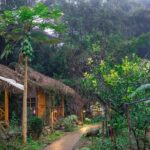
Day 1 is all about getting settled. You leave Hanoi in the morning, then land in Sapa around early afternoon. You’ll have lunch and hotel check-in upon arrival at a 3-star hotel, which helps you avoid the common Sapa problem: arriving, then spending your energy figuring out where to sleep and where to eat.
Later that afternoon, a local speaking guide takes you to visit a Sapa local village around 2:30pm. The schedule gives you about 20 minutes for an admission ticket marked as free. The big value here is less about a museum-style stop and more about seeing daily life and clothing traditions tied to ethnic communities in the area.
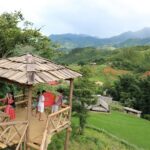
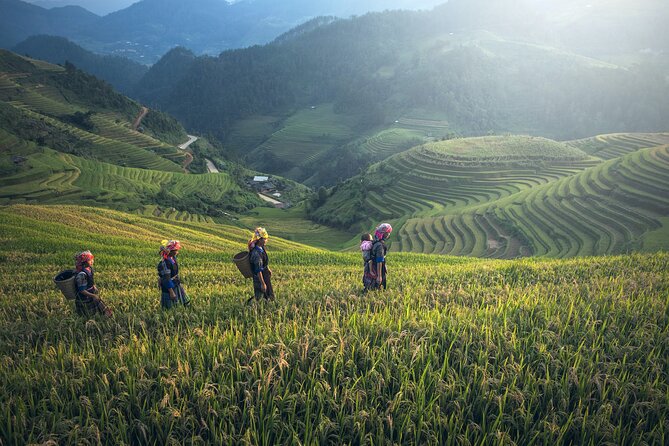
Sapa isn’t only about dramatic scenery; it’s also a meeting point for multiple ethnic groups. The tour description points to H’Mong Black, Red Dao, Tay, Giay, and Xa Pho communities. In real life, what stands out most is how clothing style, farming rhythm, and village customs can look different from one area to the next—sometimes within a short ride away.
A good way to make Day 1 count: slow down and ask your guide what you’re seeing. Even basic questions about daily routines or how people farm help you understand why each group’s traditions look the way they do.
Day 2 Trek to Cat Cat Village and Your Fansipan Choice
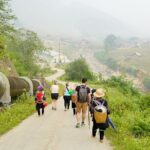
Day 2 begins with breakfast at the hotel between 7:00am and 8:30am. Then you start trekking to Cat Cat Village around 9:00am. This is your first main walking day, so it’s smart to eat well and dress in layers before you go.
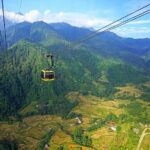
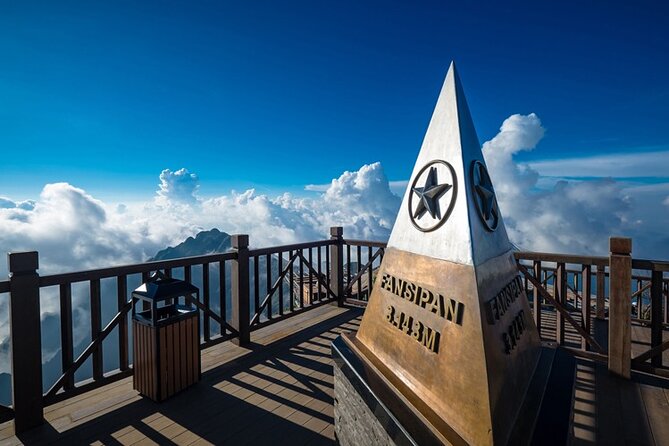
After the trek, you’ll have lunch, and then the afternoon opens up. Around 3:30pm, you can discover Fansipan for your own expenses, or you can use the time to explore Sapa on your own.
Here’s the key practical detail: the tour lists Fansipan cable car as not included, so if you want the classic viewpoint option, you’ll need to budget for it separately. But you’re not forced into that cost—there’s also time to wander Sapa Town.
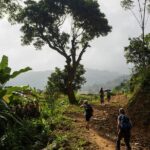
Cat Cat Village is often appealing because it feels like a window into mountain life rather than a quick photo stop. If you move at a steady pace and keep your expectations grounded, the day feels rewarding: you’ll connect the village you visited on Day 1 with a more active, outdoors portion of the experience.
Day 3 Ham Rong (Dragon’s Jaw) and the Return to Hanoi
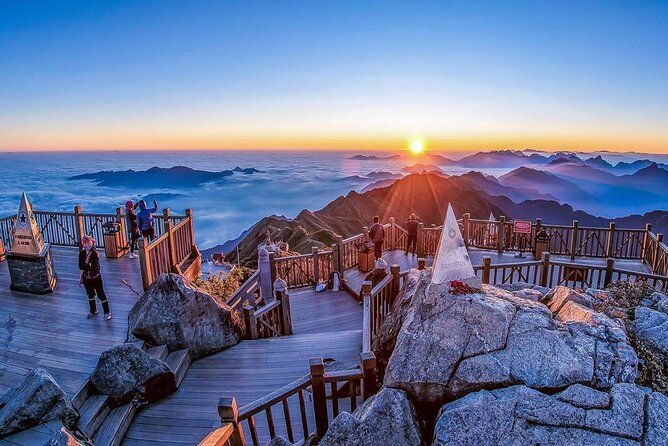
Your final morning starts with breakfast around 7:30am, then you head out for the Ham Rong (Dragon’s Jaw) Mountain trek at 9:30am.
The climb is shorter than a multi-day trek, but it’s still on a schedule: you’ll be walking, then returning to the hotel area for lunch at about 12:00pm. Around 2:10–2:30pm, you say goodbye to Sapa and drive back to Hanoi, arriving around 8:30pm.
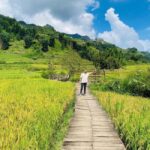
Ham Rong is a name you’ll hear often in Sapa planning. Even if you don’t care about cable cars or long hikes, the point of Day 3 is to end with a viewpoint trek—something that feels different from a village-only day. It’s a good closer because you’re active in the morning, then you’re done without feeling like you still need to pack another adventure before the long return drive.
The return timing is another win. You’re not arriving back at dawn or stumbling home late at night for lack of planning. The tour’s design keeps the final day contained so you can get back to Hanoi with your evening intact.


Ethnic Villages and Culture: What You’ll See (and How to Respect It)
This area is fascinating because multiple ethnic groups live close enough that you can compare traditions side by side. The tour description specifically calls out H’Mong Black, Red Dao, Tay, Giay, and Xa Pho groups, and it notes that differences show up in clothing, lifestyle, customs, and farming methods.
To get more than surface-level photos, you’ll want to treat village time as a conversation, not a safari. A local speaking guide is your best tool here. Ask what you can do respectfully—like whether it’s okay to take photos of certain areas, and what body language or questions might be sensitive.
Also, remember that “village visit” doesn’t automatically mean a fixed script. Even with a planned schedule, conditions can vary with weather. In cool mountain air and misty moments, people’s routines can shift. If you’re flexible and stay warm, you’ll usually enjoy the day more than if you chase perfect lighting.
Finally, keep your mindset grounded. The value isn’t only in seeing traditional clothing—it’s understanding that these communities aren’t performances built for tourism. They’re living places shaped by geography, seasons, and farming needs. That’s why the cultural differences feel real, not staged.
Price and Logistics: Is $140 Good Value?

At $140 per person, this is a budget-friendly way to do Sapa with less hassle. The price includes a lot of the hard parts that often blow up your total cost when you plan solo: round-trip Hanoi–Sapa transport by DCAR limousine, 2 nights in a 3-star hotel, hotel pickup from the Old Quarter, and a local speaking guide. It also includes 2 breakfasts and 3 lunches.
What you’re not paying for inside the base price is the optional stuff that can add up fast—most notably the Fansipan cable car and any holiday surcharges.
So does it feel like good value? Yes, if you want structure. The itinerary covers two trekking days and key village time, and you’re not left hunting for your own guide or scrambling for a hotel at the last minute. If you’d otherwise pay separately for transport, accommodation, and meals, you’re likely to come out ahead.
If you’re the type who wants to build a totally custom Sapa route (different treks, different villages, longer stays), you might compare costs with a la carte options. But if you want a clean, low-stress plan that still feels authentic, this price looks reasonable.
What to Pack for Cool Sapa Weather (Four Seasons in a Day)
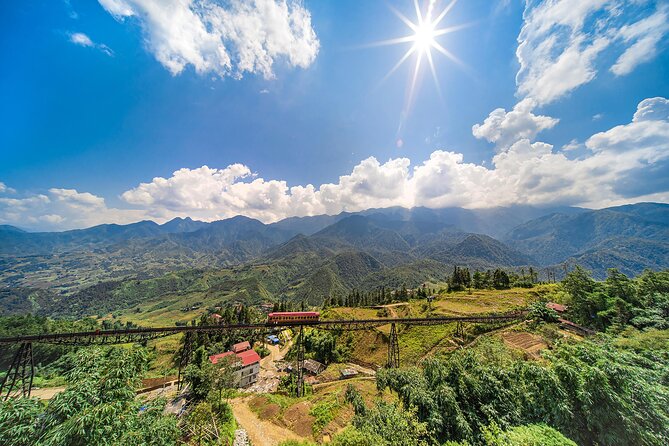
Sapa’s climate is a big part of the experience. The tour notes temperate, cool air all year round, with an average annual air temperature around 15°C. It also describes a classic pattern: morning feels like spring, afternoons like summer, then evening and night turn colder.
That “four seasons in a day” pattern is why packing matters. Even if it looks bright in the morning, you can feel the temperature shift as clouds roll in or dew falls.
Practical packing checklist (based on how cool mountains behave):
- Layering basics: a warm top plus a lighter layer for midday
- A compact rain option, since clouds and dew are common
- Comfortable trekking shoes with grip
- Small day bag for water and a warm layer
And a reality check: trekking in Sapa’s cool air can feel easier than hot-weather hiking, but the cold can still zap your energy if you’re underdressed. Staying warm keeps you enjoying the stops instead of rushing back to the hotel.
The Real Experience: A Small-Group Trek With Hotel Comfort
One of the consistent strengths of this kind of tour is the balance between being active and still having comfort. You’re not doing a rough, dorm-style overnight trek. You’re staying in 3-star hotels for two nights, and the plan gives you built-in meals at set times.
You’ll also likely appreciate the way the schedule protects your energy. Day 1 gives you time to adjust after the drive. Day 2 adds trekking but doesn’t stack too many extra stops. Day 3 is another morning hike, then you’re done.
If you care about the human side, the guides matter. Past groups have highlighted helpful support from guides named Ms. Mei and Mikey, with the overall vibe being friendly and responsive. That’s not a small detail. When your schedule is tight and the weather can change, having someone you can ask questions to makes everything feel easier.
Who This Tour Suits Best (and Who Might Want Something Else)
This is ideal if you:
- Want a short Sapa escape without planning every detail
- Enjoy ethnic villages + short treks, not multi-day backcountry hiking
- Prefer a small group (max 10) and a guided day-by-day flow
- Like having meals and accommodation handled, so you can focus on the experience
It may be less ideal if you:
- Want an intense, long-distance hiking program
- Are planning to spend lots of time on optional add-ons like Fansipan cable car
- Have very limited mobility, since the tour notes a moderate fitness level for trekking days
Should You Book This 3-Day Sapa Trekking and Ethnic Villages Tour?
Book it if you want Sapa in three days with transport, hotel, meals, and guides handled for you. For the $140 price, the biggest value is avoiding logistics stress while still getting real village time and two trekking experiences.
Skip it or compare alternatives if you’re chasing a very specific trekking route, or if you know you’ll want extra activities beyond what’s included (especially Fansipan via cable car). Also be honest with yourself about the trekking fitness requirement—cool weather doesn’t remove the need for steady walking.
If you’re aiming for a smooth, structured Sapa first trip, this one fits nicely.
FAQ
What time does the tour start in Hanoi?
The start time is 6:30am, with the meeting point at Hanoi Opera House, 1 Tràng Tiền, Hoàn Kiếm, Hà Nội.
Where do I meet the group?
You meet at Hanoi Opera House (1 Tràng Tiền, Hoàn Kiếm, Hà Nội). The tour ends back at the same meeting point.
Does the tour include pickup from Hanoi’s Old Quarter?
Yes. Hotel pickup from Hanoi’s Old Quarter is included.
How long is the tour?
It’s about 3 days total, with 2 nights in Sapa.
What type of hotel is included?
You stay in a 3-star hotel for two nights.
What meals are included?
The tour includes 2 breakfasts and 3 lunches.
Is there a local guide?
Yes. A local speaking guide is included.
How many people are in the group?
The tour has a maximum group size of 10 travelers.
Do I need to be physically fit?
The tour notes you should have a moderate physical fitness level for the trekking.
Is Fansipan included?
Fansipan discovery time is listed, but Fansipan cable car is not included, so you’ll pay for it separately if you want it.