REVIEW · GANDAKI ZONE
Mardi Himal Trek -5 Day Short Trek From Pokhara
Book on Viator →Operated by Himalayan Recreation Treks & Expedition Pvt.Ltd · Bookable on Viator
The Mardi Himal trek feels focused and fast. You’re in Nepal’s Annapurna region for a short, high-reward route that aims for big mountain moments under Mardi Himal (5553m) and Mt. Machhapuchhre (6997m), with chances for sunrise and sunset views plus Gurung and Magar village life along the way.
I love how well this trip is built for real-world pacing: several days include long hiking hours, but you still get a lighter-feeling rhythm on at least one climbing day, so you can enjoy the trail instead of just surviving it. I also like the practical package—private transportation, a tour guide, permits, and trek meals—so you spend less time managing logistics and more time watching the peaks change through the day.
One possible drawback: the itinerary includes demanding altitude work and long days (around 12 hours on key trekking days). If you’re sensitive to altitude or have weak knees, the combination of steep stone steps and a big descent day can be tough.
In This Review
- Key highlights I’d plan around
- Mardi Himal in five days: what you’re signing up for
- Getting there from Pokhara Lakeside at 7:45am
- Day 1: settling in from Pokhara Lakeside
- Day 2 to Low Camp (2970m): the first long push
- Day 3 to High Camp: leaving the forest behind
- Day 4 to the Mardi Base area: peak viewpoints and big uphill breathing
- Day 5 down to Siding: village life after the big views
- Price and what’s covered in a $499 short trek
- Guide support that turns a tough day into a manageable one
- Altitude, weather, and the real way to prepare
- Who should book this Mardi Himal short trek
- Should you book this Mardi Himal 5-day short trek?
- FAQ
- Where does the Mardi Himal trek start, and what time?
- How long is the trek?
- What does the price include?
- How many people are in a booking?
- What altitude should I be prepared for?
- Is travel insurance required?
Key highlights I’d plan around
- High camp viewpoints with wide Annapurna views, not just single-photo moments
- Mardi Base area views of Mardi Himal plus multiple major peaks from one vantage stretch
- Gurung village culture in Siding after a long day of going downhill
- Guide support that can make or break a first trek, including practical help in messy situations like leeches
- Short-trek structure (about 5 days) for people who want the Annapurna feel without a long expedition
Mardi Himal in five days: what you’re signing up for
This is a short trek, but it’s not a stroll. You’re hiking in Nepal’s Gandaki Zone within the Annapurna region, with the goal of getting close to the Mardi Himal area and its neighbors—especially the dramatic, jagged look of Mardi Himal and the iconic presence of Mt. Machhapuchhre.
What I like about a short trek like this is the shape of the experience. You’ll spend real time in the mountains, but you’re not committing to a multi-week schedule. The trek also leans into variety: forest walking in the earlier rhythm, then more open grasslands later, and village time when you drop back down.
The important reality check is altitude and weather. The tour information calls out demanding altitude work around 11,588 feet (3,532 m), and it notes extreme variations in weather. That doesn’t mean the trek is unsafe for everyone—it means you should treat preparation like it matters. If you don’t normally handle altitude well, talk to your doctor before you go.
Getting there from Pokhara Lakeside at 7:45am
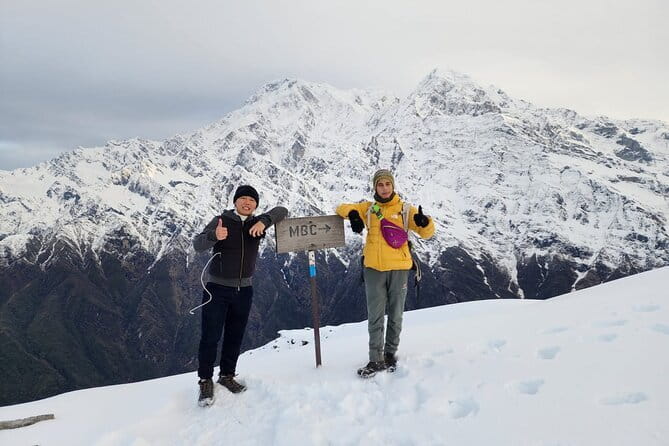
Your start point is Pokhara Lakeside, with a start time of 7:45 am. The tour also offers pickup and includes private transportation, which matters more than it sounds. In the mountains, time gets expensive fast. Having your logistics handled so you can focus on the day’s hiking schedule is a big quality-of-life win.
This is also a private tour/activity with a maximum group size of 10 people per booking. Smaller groups tend to move with less chaos, and you’re more likely to get personal attention for pacing, breaks, and questions. You’ll also receive a mobile ticket, which keeps things simple.
Extra luggage is handled for you: you can leave additional gear in a hotel in Kathmandu or Pokhara, and it’s picked up upon return. That’s one less headache during the trek days.
Day 1: settling in from Pokhara Lakeside
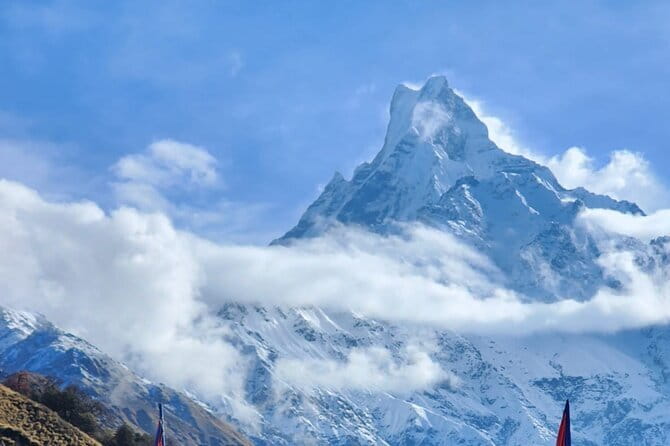
Day 1 is built around the Lakeside start. After your morning departure from Pokhara, your first job is basically the same on every mountain trek: get your body and mind ready for hours of walking, not just the view.
Even though Day 1 doesn’t list a specific altitude stop in the provided details, it still functions like your setup day. You’ll want to use it to get organized: take care of layers, check your footing habits, and make sure you’re ready to hike early the next day.
If you’re a first-timer, Day 1 is where a good guide earns their pay. One guest specifically highlighted a guide who helped them feel safe and supported through the early stages of mountain life. That kind of calm leadership helps you avoid wasting energy worrying.
Day 2 to Low Camp (2970m): the first long push
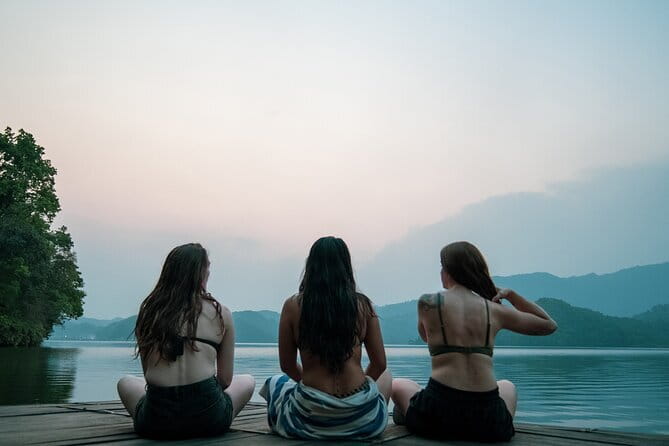
Day 2 takes you to Low Camp at 2970m, and it’s listed as a full 12-hour trekking day. This is the day you feel the “trek” in trekking. You’ll be moving for hours, so your success here is mostly about steady effort, not heroic speed.
This day also sets up the scenery shift that comes later. The overall trek description points to a route that moves through rhododendron forest and mixed countryside. So on Day 2, you’ll likely find yourself walking through green, alive-feeling stretches before the higher, more open terrain starts to take over.
The downside to be honest about: long days at lower elevations still strain muscles once you start stacking them across days. If you’re prone to sore knees, give your body a chance to adapt by using frequent short breaks. The trek is short, so there’s no time to get behind.
Day 3 to High Camp: leaving the forest behind
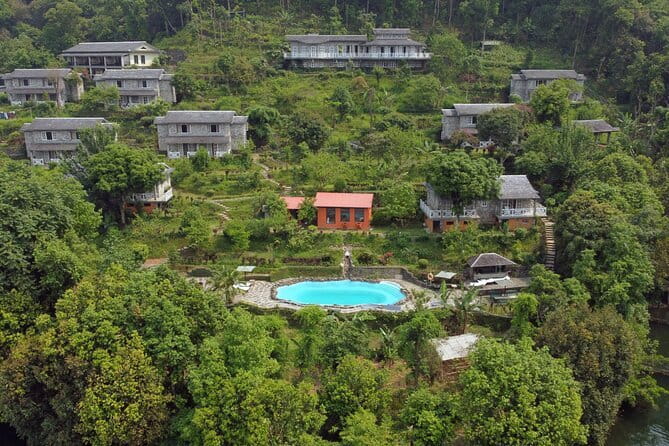
On Day 3, the trek makes its turn: you head away from the forest trail and move into open fields and grasslands as you trace your way toward High Camp. Even better, this day is described as having a walk that’s shorter than previous days, which gives you more energy to actually enjoy the trail.
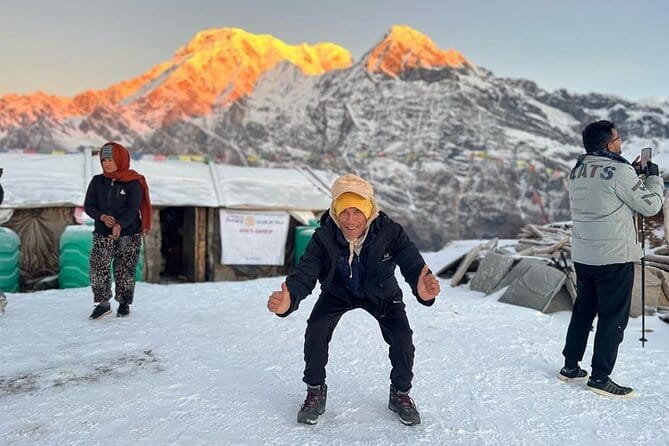
High Camp is where the views become the main character. The information is clear: the view of the Annapurna Himalayas from High Camp is one of the spectacular moments of the trek. This matters because it changes how you experience the day. Instead of focusing only on the next step, you get time to look around—at peaks, at weather shifts, and at how the ridgelines stack.
One review also mentioned that the guide was flexible about modifications so the guest could wake up in great places. Even without promising a specific wake-up routine, that tells you something important about what this trip values: adjusting for real conditions rather than forcing a one-size-fits-all script.
Overnight is at High Camp, which helps you aim at the next day’s Mardi area views.
Day 4 to the Mardi Base area: peak viewpoints and big uphill breathing
Day 4 is the climb to the Mardi Base Camp area from High Camp. It starts early and is described as an uphill walk to the top, with a 12-hour trekking day in the schedule.
This is the day built for mountain names on your wish list. From the viewpoint area, you get sight lines that include Mardi Himal (5553m) and major surrounding giants like Mt. Annapurna I (8091m), Mt. Annapurna South (7219m), Mt. Hiunchuli Peak (6441m), Mt. Baraha Shikhar (7647m), Mt. Machhapuchhre (6997m), and Lamjung Himal (6983m).
There’s also an option that can be a smart choice for some bodies: you can hike up to the upper viewpoint only. That gives you equally beautiful views while saving time and energy. If you’re already at the edge of your stamina from Day 3, this option can keep the day joyful instead of punishing.
After enjoying the area, you return to High Camp for overnight, or you can trek further to Badal Danda or Low Camp. That flexibility is valuable if your group is doing well and wants to adjust the final landing rhythm.
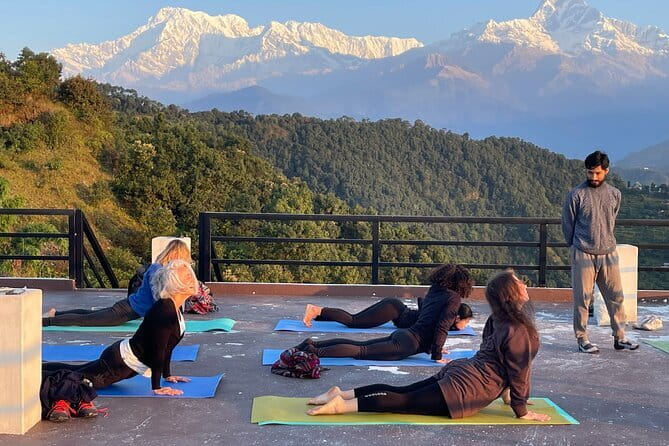
One guest mentioned a trek pairing with yoga teachings. The trek itself is about hiking and mountains, but a guide who also knows how to pace breathing and stretch can help you handle the uphill sections with less panic and more control.
Day 5 down to Siding: village life after the big views
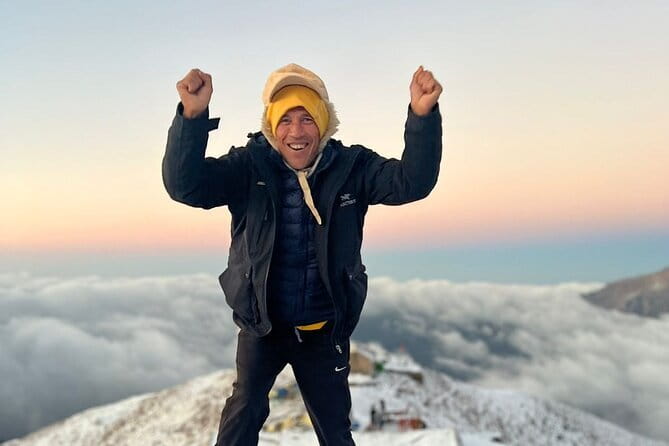
Day 5 is all about the descent to Siding, described as a traditional village with Gurung settlement. It’s mostly downhill until you reach Siding, where you stay overnight.
This day can feel deceptively easier because you’re going down. But downhill hiking is hard on the legs—especially if you hit steep stone steps. One review noted that the descent was very steep and muscle-taxing during a short version of this trek. The lesson for you: treat Day 5 like a training day for your quads and ankles, not like a recovery parade.
The payoff is culture. Siding is where you swap mountain focus for human rhythm—village lifestyle and traditions in a Gurung community. This is one of the better ways to understand the Annapurna region beyond the photo spots. The trek description also mentions Gurung and Magar lifestyles as part of the bigger experience, so Day 5 helps connect the mountain time to everyday life.
Price and what’s covered in a $499 short trek
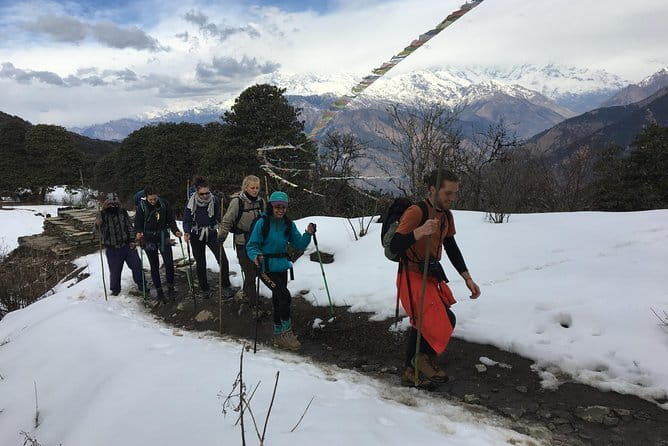
At $499 per person for about five days, the value comes from what’s bundled. This isn’t just a route with a random map. It includes private transportation, a tour guide, trekking permit, and accommodation on trek, plus meals: breakfast (4), lunch (5), and dinner (4).
For you, that matters because trekking costs hide in the “small” stuff. A permit and guide are not optional add-ons on most treks; they’re core to having a smooth, legal, local-run experience. Meals and accommodation also take weight off your planning. You don’t have to decide where to eat every day or worry about finding suitable lodging at trek times that won’t match your schedule.
What’s not included is personal expenses. That’s the normal line item, but it’s worth remembering: trekking is also about your comfort. If you need extra snacks, hot drinks, or anything beyond what’s provided, that’s on you.
Also note the trek requires travel insurance that covers medical expenses and emergency repatriation, and you’ll need to show proof to the tour leader on Day 1. The tour information is clear about that requirement. Even if you’re feeling fine now, altitude and weather can change the plan quickly.
Guide support that turns a tough day into a manageable one
I’d put guide quality near the top of your decision-making. On treks like this, the guide’s job isn’t only navigation. It’s safety, pacing, and problem-solving when your plan meets reality.
The reviews include several specific guide names—Raj, Sim, Varat, Mr. Subas, and Ashok—and they’re tied to consistent themes: feeling safe, getting practical help, and making the trek fit the person. One guest credited their guide for making their first serious trek feel manageable, and another highlighted support with leeches and comfort on the trail. That’s not a small detail. On the trail, small problems can snowball. A guide who handles them quickly keeps your energy focused on the views.
This tour provider also states that leaders have basic first aid training and are aware of the closest medical facilities. That doesn’t guarantee you’ll never have issues, but it does show a baseline of preparedness.
Altitude, weather, and the real way to prepare
The information you’re given is blunt in the right way: this trek involves demanding altitude work around 3,532 m, with the possibility of extreme weather variations. It also warns that adverse health effects due to altitude can happen regardless of age or gender.
So here’s how I’d treat it:
- If you have any medical concerns, talk with your doctor before you go.
- Don’t treat altitude as something you can “push through” if you start feeling worse.
- Follow your guide’s pacing. If they suggest slowing down, it’s not politeness. It’s risk management.
Because the weather can swing, plan to move through conditions that can feel very different from morning to afternoon. Even if the trek is short, you don’t want to show up underpacked for changing conditions.
On gear: the tour says required trekking gears are available to buy or rent in Kathmandu or Pokhara, with help from your guide. That’s useful if you’re traveling light or if you want advice based on current conditions rather than guessing from a checklist.
Who should book this Mardi Himal short trek
This trip says most travelers can participate, and the minimum age is 5 years. There’s also a maximum of 10 people per booking, and it’s a private group for you only. If you want a smaller-group vibe with a guide who can adjust pacing, that structure helps.
This is a great fit if you:
- Want Annapurna-region views in a compact timeframe
- Care about both mountain scenery and local culture (Gurung village life in Siding)
- Like the idea of reaching a high viewpoint area that frames multiple named peaks in one go
It might be a tough fit if you:
- Know you struggle with altitude
- Have knee or balance issues that make steep descents risky
- Expect a light walk. Even though some days feel shorter than others, you’re still hiking for long stretches.
Should you book this Mardi Himal 5-day short trek?
I’d book it if your top priority is a high-output taste of the Annapurna region: big peak viewpoints, a manageable time commitment, and culture that shows up in a real village stop like Siding. The included permits, guide, and trek meals also make the price feel practical, not just expensive.
I’d think twice or plan carefully if you’re not comfortable with demanding altitude or if long downhill days are a problem for you. In that case, you can still book, but choose the more conservative approach when options exist, and make sure you’re physically ready for a multi-day grind with altitude.
If you’re bringing the right expectations, this trek is the kind of trip where you come home tired, proud, and still thinking about Machhapuchhre the next time you see a photo.
FAQ
Where does the Mardi Himal trek start, and what time?
The trek start point is Pokhara Lakeside (6X84+3JQ, Lakeside Rd, Pokhara 33700, Nepal) with a start time of 7:45 am.
How long is the trek?
The duration is listed as 5 days (approximately).
What does the price include?
The package includes private transportation, a tour guide, trekking permit, accommodation on trek, and meals: breakfast (4), lunch (5), and dinner (4). Personal expenses are not included.
How many people are in a booking?
The maximum is 10 people per booking, and it’s described as a private tour/activity (only your group participates).
What altitude should I be prepared for?
The tour information says the trek involves demanding altitudes of approximately 11,588 ft (3,532 m), with possible extreme variations in weather and risk of adverse health effects due to altitude.
Is travel insurance required?
Yes. Travel insurance that covers medical expenses, including emergency repatriation, is required to participate, and proof must be shown to the tour leader on the first day.