REVIEW · KATHMANDU
Mardi Himal Trekking
Book on Viator →Operated by The Great Adventure Treks & Expedition - Private Day Tours · Bookable on Viator
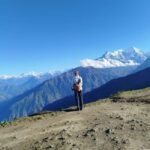
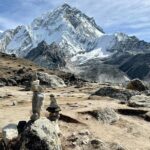
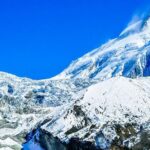
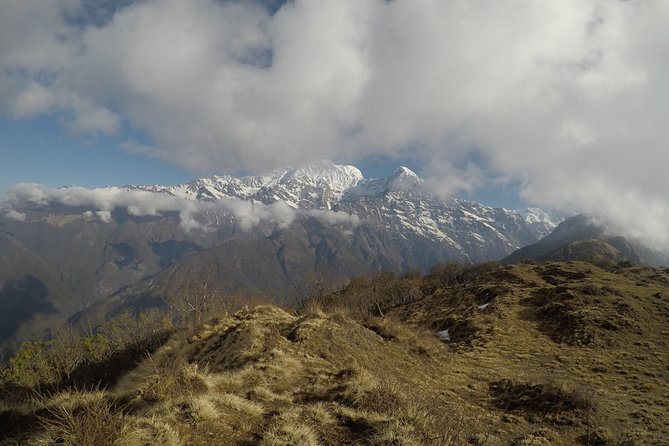
A trek with jaw-dropping mountain lines. Mardi Himal is a short-and-simple Annapurna region hike that’s famous for the angles of Machhapuchhare (Fishtail), the triangular skyline you can spot from Phewa Lake in Pokhara. I like how the mountain’s name comes from those recognizable “fins,” and the views tend to feel close to the trail as you gain height.
Two things I’d pick right away: you get private transportation arranged for your day-to-day transfers, and the guiding team support is a big part of the value. Names that show up again and again are Pasang (with porter Num), Sondeep, Jaya K, and Santosh, plus the company owner Mr. Mani being responsive from planning through the end of the trip.
One consideration: your lunch isn’t included, and this experience needs good weather. If conditions turn poor, you’ll want flexibility because the operator may switch dates and plans (and sometimes route details) for safety.
In This Review
- Key things that make Mardi Himal worth your time
- Mardi Himal Trek: what you’re actually going after
- Kathmandu start: that central palace-area feeling before the trail
- Private transport and a 9:15 AM start that keeps things calm
- What the trek experience feels like on the ground
- Meals and tea houses: plan for lunch not being included
- Guides and porters: the real quality marker here
- Weather reality: how plan changes keep you safer
- Altitude check: respect the height, even on a “simple” trek
- Price and value: what $866.67 really buys
- Who this trek suits best (and who should rethink it)
- Practical tips that will make the hike better
- Should you book the Mardi Himal Trek?
- FAQ
- Where does the Mardi Himal Trek start?
- How long is the trek?
- Is pickup included?
- What is included in the price?
- What is not included?
- Is it a private tour?
- Is lunch provided during the trek?
- What happens if weather is poor?
Key things that make Mardi Himal worth your time
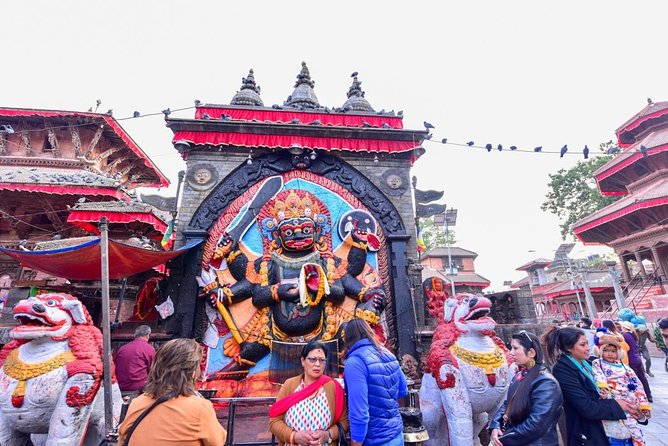
- Mardi Himal + Machhapuchhare angles: you’re chasing those specific lines of the Fishtail skyline from the Annapurna side
- Private tour feel: it’s only your group, so the pace and support are easier to manage
- Guide and porter teamwork: Pasang with Num, Sondeep’s hotel connections, and Santosh’s on-the-ground know-how show up in real experiences
- Plan changes when weather turns: you’re not stuck blindly following one script if conditions aren’t right
- Mostly manageable trek style: it’s promoted as short and simple, with support for first-timers who still take altitude seriously
Mardi Himal Trek: what you’re actually going after
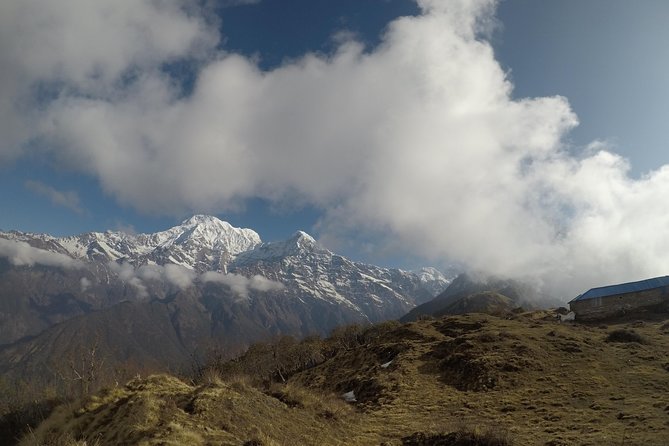
Mardi Himal trekking is basically the Annapurna region’s “get in, get altitude, get out” option. The big draw is the mountain you’ll keep referencing in your head: Machhapuchhare, known in English as Fishtail. It’s the same distinctive peak people admire from Pokhara’s Phewa Lake, just seen from a different, more westerly vantage as you climb.
I like that this isn’t sold as a technical climbing goal. The vibe is more about route-finding, walking endurance, and that gradual build of mountain views. You’ll get the sense that you’re moving toward a higher viewpoint system rather than just chasing one summit line.
And yes—altitude still matters. One of the strongest signals from past groups is that first-time mountain hikers can do this, but they should respect the climb, pace themselves, and listen when the guide adjusts timing.
You can also read our reviews of more tours and experiences in Kathmandu.
Kathmandu start: that central palace-area feeling before the trail
Your trip is based in Kathmandu, and the experience description points to an old royal palace area in the heart of the city. Even if you only get brief time there, it’s a nice mental reset before you head into trekking mode—history and city energy for a few hours, then quiet mountain days afterward.
The important practical part: you’re not left guessing how to begin. With a 9:15 am start time and private pickup/transport options, the day starts with momentum instead of scrambling. If you like to get your bearings fast, this matters.
Private transport and a 9:15 AM start that keeps things calm
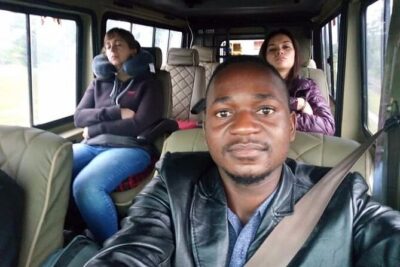
This is listed as having pickup offered, and included private transportation. In real terms, that usually means fewer transfers, less waiting around, and more time focused on what you came for: the hike.
You’ll also appreciate that it’s a private tour/activity. That doesn’t just mean privacy for photos—it usually means you don’t have to compete for guide attention, and you can keep your pace more consistent with your group’s comfort level. The operator also appears to manage groups of different ages well; one past group was 12 people, all over 60, and the support tone was described as steady and caring.
One small but real logistics detail: it’s near public transportation. So if you’re arriving early or staying nearby, you’re not boxed in.
What the trek experience feels like on the ground
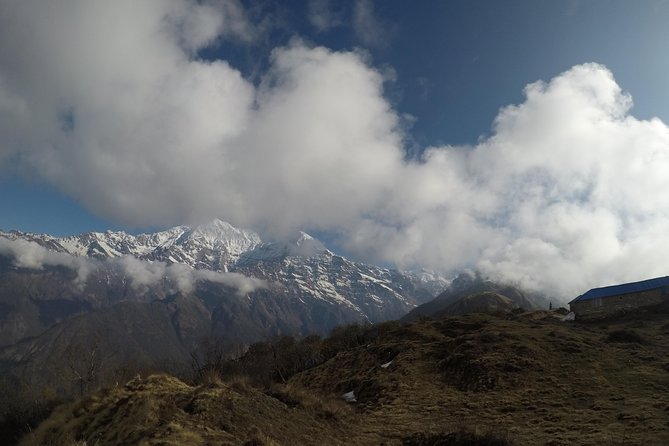
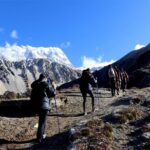
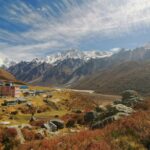
Mardi Himal is often described as short and simple, and that’s a fair framing for the style of hiking. You can expect a walking rhythm with regular chances to pause, hydrate, and adjust layers. The hike is not framed as a technical mountaineering project, which makes it a strong match for people who want mountains without climbing gear.
That said, “simple” doesn’t mean “easy.” You’ll still be dealing with elevation gain, changing weather, and long days on your feet. The best way to think about it is: manageable route difficulty, high payoff views.
Also, the operator and guides seem to treat comfort and safety as part of the job, not an afterthought. For example, there are experiences where trekkers had to change their trekking plans due to bad weather and concerns about avalanches, and the group moved forward with updated routing while still out on the trail.
Meals and tea houses: plan for lunch not being included
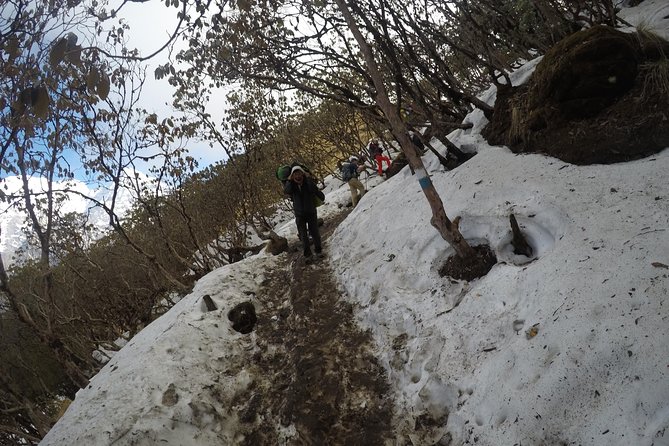
Lunch isn’t included, and that affects budgeting more than you might expect. On a trek like this, meals can become your biggest day-to-day cost after you factor in how often you stop. If lunch is on you, it’s smart to set a daily cash buffer so you don’t feel rushed when the schedule tightens.
In practice, tea houses (simple mountain lodges with meals) are part of the trekking ecosystem. Past experiences highlight how tea house staff can be customer-oriented, which can make a big difference after a long walk—warm food, a place to sit, and a bit of local rhythm.
My advice: plan your spending like the hike is continuous. Even if dinner and breakfast are manageable, missing lunch support can add up if you’re buying snacks and drinks too.
Guides and porters: the real quality marker here
The operator’s biggest “value proof” comes through their people. Names that show up across multiple experiences include:
- Pasang as a guide, described as responsible, careful, patient, talkative, humorous, and a photographer
- Num as a porter, repeatedly praised for being cheerful and upbeat
- Sondeep as a guide, highlighted for knowing the area well and having strong connections to hotels
- Jaya K as a guide, praised for professional, client-oriented support and helping someone push to the top in two days
- Santosh as a guide, praised for arranging the trek smoothly and running it with professionalism
This matters because a good guide isn’t only about showing the path. They manage pacing, weather decisions, and the small questions that make a trek either smooth or stressful: Where’s the best place to stop? What time should we start tomorrow? How do we dress for temperature changes?
If you’re the type who wants clear guidance (and you don’t want to negotiate logistics every step), this kind of team support is a big reason to consider booking.
Weather reality: how plan changes keep you safer
This experience requires good weather. If it’s canceled due to poor weather, you’re offered a different date or a full refund. That’s the official policy, but the stronger signal is that the operator also adapts on the trail.
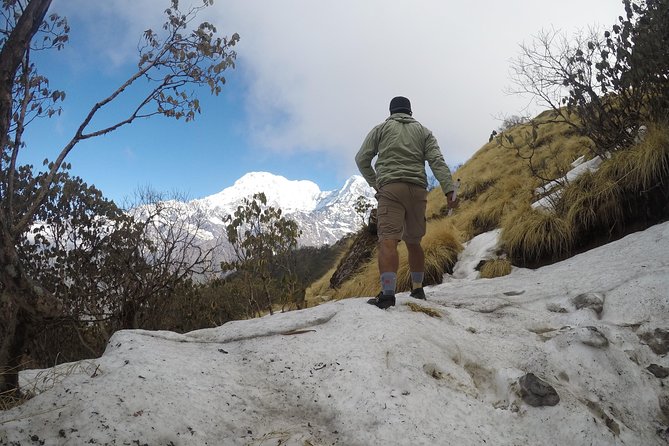
One group described a situation where they had to change their trekking route due to bad weather and possible avalanche risk. The plan shifted while they were walking, and the result was described as amazing.
So what does that mean for you? It means you should pack with flexibility in mind, stay calm if the schedule changes, and trust that route edits are happening for safety—not convenience. If you hate uncertainty, bring a backup mindset. Mountains are not vending machines.
Altitude check: respect the height, even on a “simple” trek
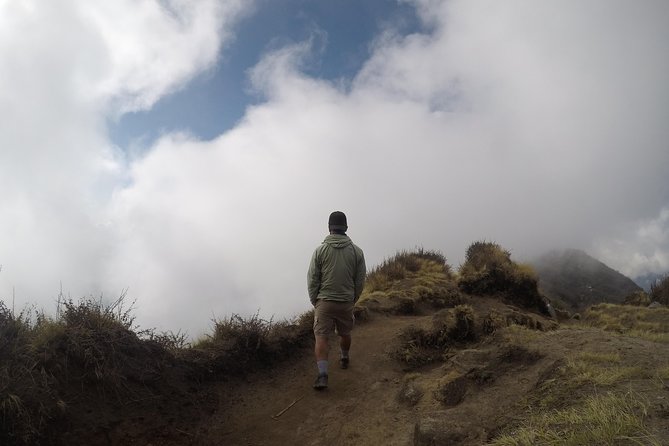
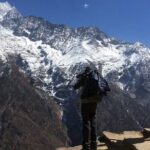
The trail is described as suitable for most travelers, but at the same time, experiences mention reaching around 4100 meters for a first-time hiker. That’s not a scary extreme for trained climbers, but it’s absolutely enough to affect breathing and energy.
Here’s the practical angle: you’ll enjoy the trek more if you treat altitude like a pacing problem, not a willpower test. Slow effort usually wins. If your guide suggests slowing down or taking extra breaks, it’s not to delay you—it’s to keep you safe and feeling good.
Also, with a supportive porter team and guides who are attentive, the trek is set up to help you manage the hardest part: keeping your body comfortable enough to keep walking.
Price and value: what $866.67 really buys
The price shown is $866.67 per person, and the included item explicitly listed is private transportation. Lunch and alcoholic beverages are not included.
That sounds simple on paper, but you should evaluate value by what you’ll actually rely on daily:
- Private transport can reduce time wasted on transfers and keep your start/end days organized.
- The trek team support is repeatedly emphasized in past experiences through guides and porters, with named examples like Pasang, Num, Sondeep, Jaya K, Santosh, and others.
- Your biggest day-to-day variable cost is food. Since lunch isn’t included, you’ll want a realistic meal budget while trekking.
So is it good value? If you want an operator that handles logistics cleanly and you value guide/porter support, this price can make sense. If you’re planning to self-manage everything and only want transport, you might find cheaper options. But for many people, the human support and the ability to adjust plans in weather risk situations is the part that justifies the cost.
Who this trek suits best (and who should rethink it)
This is promoted as a trek most people can participate in, and it also supports service animals. It’s private, so it tends to work well for groups that want a consistent pace and direct guide attention.
You’ll likely love this trek if:
- you want mountain views without technical climbing
- you want a short-to-medium commitment in the Annapurna region style
- you prefer a supportive guide and porter team over DIY planning
- you’re traveling with friends or a mixed-age group and want the trip managed smoothly
You might want to rethink it if:
- you don’t handle altitude well at all, even with slow pacing
- you can’t flex dates if weather delays happen
- you’re extremely budget-sensitive on meals since lunch isn’t included
Practical tips that will make the hike better
Because the experience description frames this as mostly manageable, your job is mainly to show up prepared and keep your energy steady.
Here’s what I’d do if I were planning it:
- Dress in layers. Temperature swings are normal on trekking routes.
- Bring a rain plan. If weather is part of the risk conversation (as seen in plan changes), you’ll want gear to stay dry.
- Keep your pace gentle on the first big altitude days.
- Budget for food since lunch isn’t included. Add extra for snacks and hot drinks if you’re the kind who gets cold easily.
And choose your mindset early: you’re not just “checking off walking.” You’re moving into viewpoints where the best moments come from consistency, not rushing.
Should you book the Mardi Himal Trek?
If you want an Annapurna trek that’s described as short and simple, with private transportation, and with guides and porters who are repeatedly praised for professionalism and care, I think booking makes sense—especially if you like having a real team handling the hard parts.
I’d book it if you value:
- dependable guide support (Pasang, Sondeep, Jaya K, Santosh show the range you can expect)
- responsive management when weather forces changes
- a private group setup that keeps logistics calm
I would hesitate only if you’re not comfortable with altitude at around the 4100-meter level, or if you can’t budget for lunches and other meals while trekking.
If that all fits you, Mardi Himal is the kind of hike where the mountains do the talking—and your guide team helps you get there with less stress.
FAQ
Where does the Mardi Himal Trek start?
The experience is based in Kathmandu, Nepal, with a start time of 9:15 am.
How long is the trek?
The duration is listed as 13 days (approx.).
Is pickup included?
Yes, pickup is offered, and private transportation is included.
What is included in the price?
Private transportation is included.
What is not included?
Lunch and alcoholic beverages are not included.
Is it a private tour?
Yes. It’s a private tour/activity, and only your group will participate.
Is lunch provided during the trek?
No, lunch is not included.
What happens if weather is poor?
This experience requires good weather. If it’s canceled due to poor weather, you’ll be offered a different date or a full refund.