REVIEW · KATHMANDU
Ghorepani Poon Hill Sunrise Trek
Book on Viator →Operated by View Nepal Treks and Expedition · Bookable on Viator
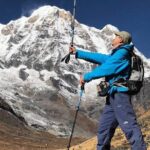
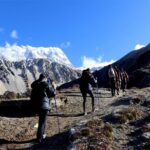
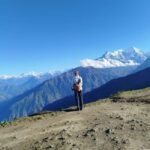
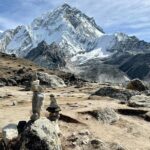
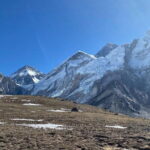
Poon Hill sunrise is the main event. What makes this trek appealing is the mix of big, dramatic mountain views and the walking in between them, including Gurung/Poon-Magar villages and rhododendron-lined paths climbing toward the high Annapurna zone. I especially like the built-in contrast from warm paddy country to cooler alpine forests, and the promise of 360° views from Poon Hill at dawn. One thing to keep in mind: you start very early (around 6:15am), and mornings at altitude can feel brutally cold if the clouds don’t cooperate.
You’ll also see why this route is popular: it’s short enough to feel doable, but scenic enough that each day seems to hand you a new perspective of the Annapurna region. Plus, the logistics are handled for you—English-speaking guide, tea house stays, key permits, and food on the trek days—so you can focus on walking and soaking up the scenery rather than running errands.
In This Review
- Key highlights I’d plan around
- Getting from Kathmandu to the trek start without headaches
- The day-by-day walking plan (and what each day is really for)
- Day 1: Arrive in Kathmandu
- Day 2: Kathmandu to Pokhara
- Day 3: Nayapul to Tirkhedhunga
- Day 4: Tirkhedhunga to Ghorepani (2,874m)
- Day 5: Poon Hill early hike, then to Tadapani and Ghandruk
- Day 6: Back toward Nayapul, then Pokhara
- Day 7: Return to Kathmandu (drive or fly) and free time
- Day 8: International departure
- Poon Hill sunrise: the 6:15am promise and what can affect it
- Rhododendron forests, Gurung villages, and the feeling of changing Nepal
- Tea houses and lodges: comfortable enough, but don’t expect a hotel
- Guides and permits: the included details that quietly protect your trip
- Value check: is $799 fair for what you get?
- Who this trek suits best (and who might rethink it)
- Should you book this Ghorepani Poon Hill Sunrise Trek?
- FAQ
- What time does the trek start?
- Where does the tour begin?
- How long is the trek?
- What is included in the trek meals?
- What permits are included?
- What’s not included in the price?
Key highlights I’d plan around
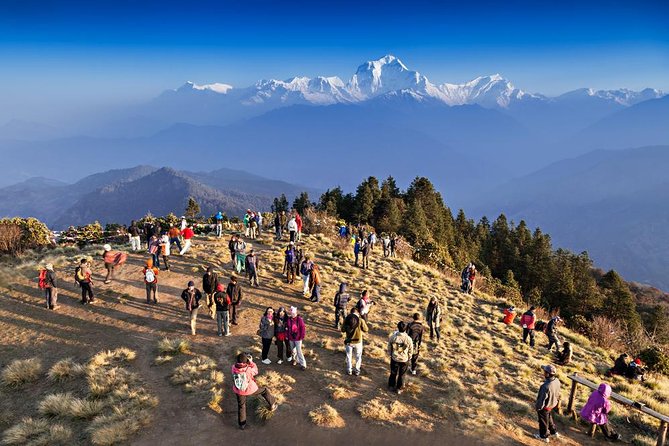
- Poon Hill sunrise for 360° mountain views, including a front-row seat to the Annapurna range and nearby peaks.
- Rhododendron forests on higher trails, with cooler temperatures as you climb.
- Village culture on foot, including traditional Gurung and Poon-Magar settlements.
- A route with historic geography, tied to the ancient Trans-Himalayan Caravan route through the region.
- Well-managed trekking pacing, with tea house/lodge overnight stays and guided day-to-day transitions.
Getting from Kathmandu to the trek start without headaches
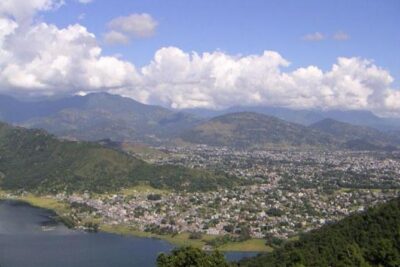
This trip is built on the common Nepal formula: get you out of the city, into the lakeside base, and then onto the trails with a guide doing the heavy lifting. You begin in Kathmandu, then head to Pokhara with a mix of travel modes (a short flight segment plus a drive). Once you reach Pokhara, the trek setup feels less like a scramble and more like a clean transition into hiking life.
A big practical win here is how much is included before your first step. You get airport/hotel/airport transportation, plus Kathmandu and Pokhara hotel stays on a bed-and-breakfast basis. That matters because most trekking fatigue doesn’t start on Day 3—it starts when you’re hauling your energy through transit.
You can also read our reviews of more tours and experiences in Kathmandu.
The day-by-day walking plan (and what each day is really for)
Here’s the rhythm I’d expect from this route, and what you can look for as the scenery changes.
Day 1: Arrive in Kathmandu
You land, get transferred to your tourist-standard hotel, and get grounded before the mountains. This is one of those “boring” days that actually helps: you’re not trying to cram sight time and logistics and sleep deprivation into the same schedule.
Day 2: Kathmandu to Pokhara
You move toward the trekking area, with a 30-minute flight plus about 6 hours of driving. You’ll arrive in Pokhara in time to rest and mentally switch from traffic and schedules to maps and footsteps.
Day 3: Nayapul to Tirkhedhunga
After driving from Pokhara to Nayapul, you start hiking toward Tirkhedhunga (1,450m). This is your ramp-up day. It’s long enough to wake up your legs, but not so punishing that Day 4 feels impossible. You’re also beginning the gradual climb away from the warmer river-valley feel.
Also note the food structure: days 03 to 06 include breakfast–lunch–dinner (B-L-D) as part of the trek plan. That means you’re not constantly calculating meals while you’re focused on altitude and timing.
Day 4: Tirkhedhunga to Ghorepani (2,874m)
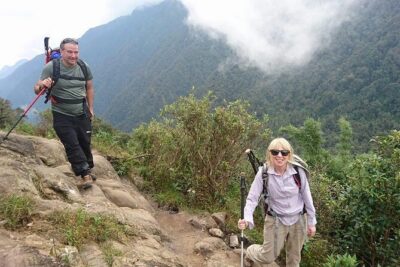
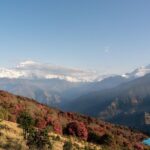
This is a core climbing day. You trek to Ghorepani at 2,874m and you’re on the trail long enough that the region starts to feel “real alpine” in temperature. The route here is described as going from low semi-tropical farming and terrace country toward cooler zones with big trees—think rhododendron, pines, magnolias, oaks, and fir along the way.
Why Day 4 matters: it sets up Day 5’s dawn mission. If you’re someone who tends to overdo it, this is the day to keep your pace steady.
Day 5: Poon Hill early hike, then to Tadapani and Ghandruk
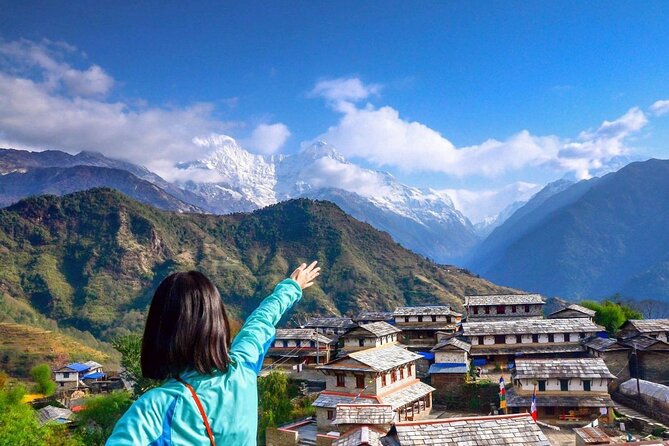
This is the day with the big payoff. You’ll do a morning hike to Poon Hill for sunrise, then continue trekking toward Tadapani (2,721m) and eventually overnight at Ghandruk Village (1,750m).
A key detail: even after you’ve gone high for sunrise, you end the day at a lower village overnight. That’s a smart way to reduce end-of-day strain while still keeping the day scenic and satisfying.
Day 6: Back toward Nayapul, then Pokhara
You trek to Nayapul and then return to Pokhara by road. This is the “close the loop” day. Expect it to feel more like a downhill and recovery vibe compared to the climbing days.
Day 7: Return to Kathmandu (drive or fly) and free time
In the afternoon you either drive or fly back to Kathmandu. The plan leaves real space for leisure time in the capital—use it to reset, eat well, and handle anything you missed earlier.
Day 8: International departure
Departure day. No trekking, no surprises—just the final transfer so you can get home.
Poon Hill sunrise: the 6:15am promise and what can affect it
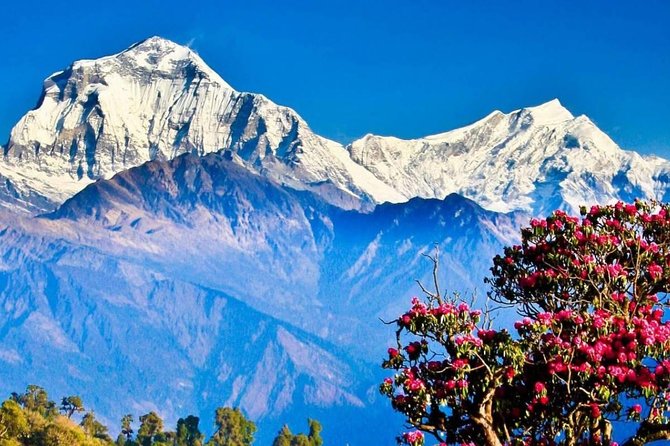
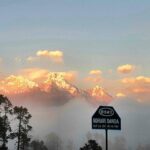
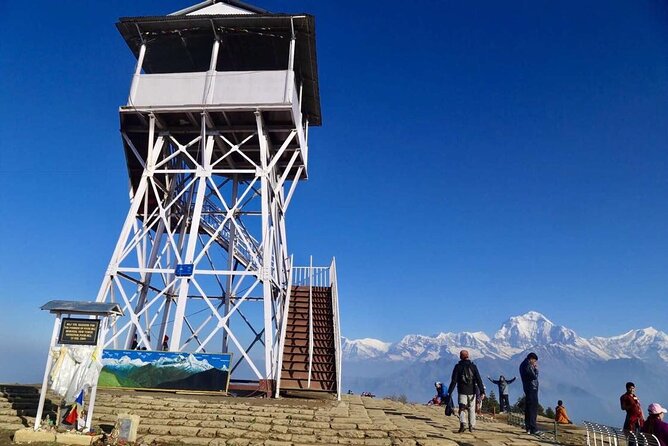
Sunrise here isn’t a vague “we hope it’s pretty” plan. It’s anchored to the schedule: the experience begins around 6:15am, and that early timing is because Poon Hill is all about morning light hitting the highest peaks.
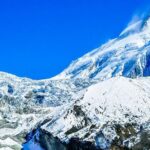
What you’re aiming for is the big visual statement: wide-angle views, reported as 360°, with a chain of world-high mountains in view. The guide’s job isn’t just logistics; they help you position yourself for the best sunrise timing and manage the cold/low-energy factor that hits right before dawn.
Potential drawback to consider: cloud cover. Nothing in the plan guarantees clear skies, so if you’re booking mainly for a specific kind of photo, you’ll still need a little luck.
Rhododendron forests, Gurung villages, and the feeling of changing Nepal
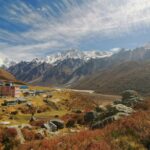
One of my favorite parts of the Ghorepani Poon Hill trek concept is the “temperature and ecosystem story” as you climb. The route is described as moving from semi-tropical farming areas (terraces and paddy country) toward cooler zones under tall trees like rhododendron and fir.
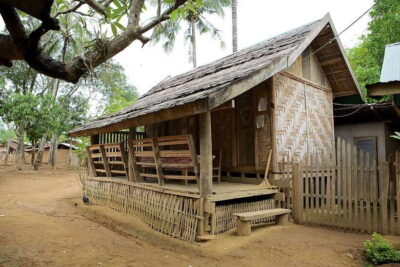
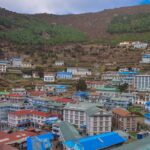
On the cultural side, this trek isn’t only about the summit views. The route includes traditional Gurung / Poon-Magar villages, including an overnight in Ghandruk Village. Those villages give you a more human rhythm: you’re walking through communities, not just through terrain.
There’s also a fascinating geographic layer tied to the ancient Trans-Himalayan Caravan route. You don’t need a history lecture to appreciate it—you can feel how these passes and ridges were built for movement long before modern hiking boots existed.
Tea houses and lodges: comfortable enough, but don’t expect a hotel
Your nights on the trek are in tea house/lodge accommodation. That’s the standard for this region and it’s usually part of the charm. It also means you’re trading luxury for character and location.
What’s included is important: you get lodging and also B-L-D on trekking days 03–06. That reduces uncertainty when you’re tired and hungry. Food in tea houses can vary by day and by kitchen, so I’d still keep your expectations flexible, but the package removes the biggest “will we eat?” problem.
Altitude range you’ll walk through is also clear from the plan: roughly 1,100m up to about 2,874m. That helps you judge how serious your layers need to be. If you tend to feel cold easily, plan to dress in layers rather than relying on one warm item.
Guides and permits: the included details that quietly protect your trip
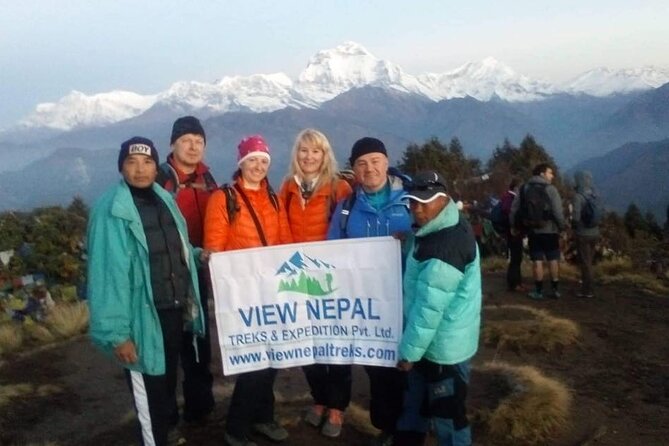
This trek includes an English-speaking government-licensed guide and also coverage for guide equipment, daily wages, medical insurance, meals, and transportation allowance (so the guide is set up to focus on you, not paperwork).
From the trip’s feedback patterns, guide quality is a major reason people recommend this route. Names that show up in guest feedback include Sonam, Kumar Adhikari, Narayan, Pemba Sherpa, Ram, and Bikash. In plain terms, that suggests you’ll likely be working with someone who can explain what you’re seeing and keep the walk fun as well as safe—one of those rare combinations when you’re hiking for multiple days.
Permits are also covered:
- ACAP (Annapurna Conservation Area Project) permit
- TIMS (Trekking Information Management Systems)
Why you should care: permits are not optional admin in Nepal—they’re part of trekking access and tracking. Having them handled keeps your trek smoother and less stressful on the ground.
Value check: is $799 fair for what you get?
At $799 per person, this price is mainly paying for the operational bundle: guided trekking, key permits, lodging, and trek meals, plus transport between Kathmandu and Pokhara and back.
What’s clearly included:
- Kathmandu and Pokhara tourist-standard hotels (bed and breakfast)
- Trek tea house/lodge stays
- Guide services
- Trek food (B-L-D) for days 03–06
- Transfers: airport to hotel to airport, plus Pokhara–Nayapul–Pokhara transfers
- A welcome or farewell dinner in Kathmandu with cultural programs
What’s not included:
- Nepal visa
- International airfare
- Personal travel/medical insurance
- Meals in Kathmandu and personal expenses (plus drinks/snacks)
- Any emergency evacuation by any means (including helicopter)
So the value question becomes: do you want to spend your time coordinating transport, meals, permits, and guide logistics? If you’d rather walk than manage admin, this package structure can feel like good value. If you already have guides and transport lined up independently, you may find you’re paying for convenience.
Who this trek suits best (and who might rethink it)
This is aimed at people with moderate physical fitness, and the minimum age is 12 years. It’s also set up as a private tour/activity, meaning only your group participates.
I think this works especially well if:
- you want a short trek with a big scenic headline (sunrise at Poon Hill)
- you like cultural stops in villages, not just straight-line hiking
- you prefer that most meals and bed logistics are already handled
A consideration: you’ll be doing early mornings for sunrise timing, and your body needs to be okay with that routine. Also, tea houses are basic by design, so if your comfort standard is strict, you’ll want to mentally plan for simple lodging.
Should you book this Ghorepani Poon Hill Sunrise Trek?
Yes, if your priority is a well-run, guide-led trek that hits the essentials: rhododendron forests, village culture, gradual altitude change, and that early Poon Hill sunrise. This package is especially attractive if you want the route supported end-to-end with permits, meals on the trekking days, and clear transport between Kathmandu and Pokhara.
I’d say skip or compare if: you’re chasing a guaranteed clear-sky sunrise, or you don’t want early starts. Also consider whether the included level of meals in Kathmandu matches your travel style, since Kathmandu food is not covered by the trek plan.
If you want an Annapurna starter trek that balances sights and logistics without turning your vacation into admin time, this one fits the bill.
FAQ
What time does the trek start?
The experience start time is listed as 6:15am, which lines up with the early hike needed for Poon Hill sunrise.
Where does the tour begin?
The meeting point is View Nepal Treks & Expedition P. Ltd., Thamel Marg 24, Kathmandu 44600, Nepal.
How long is the trek?
The duration is listed as 8 days (approx.), following an itinerary that includes Kathmandu, Pokhara, several trekking days, and the return.
What is included in the trek meals?
Food in trekking is included as B-L-D from Day 03 to Day 06. Meals in Kathmandu are not included.
What permits are included?
The package includes ACAP (Annapurna Conservation Area Project) permit and TIMS (Trekking Information Management Systems).
What’s not included in the price?
Not included are Nepal visa, international airfare, personal travel/medical insurance, and emergency evacuation costs, along with personal expenses and drinks throughout the trip (especially during Kathmandu time).