REVIEW · KAMPALA
3 Day Uganda Gorilla Trekking and Batwa Pygmies Experience
Book on Viator →Operated by Eco Adventure Safaris · Bookable on Viator
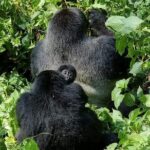
Gorillas feel close in Bwindi’s forest. In just 3 days, you trade long sightseeing days for the real reason to come to Uganda: tracking Bwindi Impenetrable National Park’s mountain gorillas and spending one full hour watching them up close. It’s a tight schedule, but that focus is exactly what makes this trip work when you have limited time.
I love how this is built around a clear, guided flow: pickup, drive to the park area, briefing, then tracking. You also get serious comfort for a “fast” itinerary, with an air-conditioned vehicle and even WiFi on board, which helps during that big day-one transfer.
One thing to consider is the physical side. Your trek day is early and the trek’s difficulty can vary, and the tour notes you should have moderate physical fitness for the hike through forest terrain.
In This Review
- Key things to know before you go
- Gorilla trekking in 3 days: the real value of an express itinerary
- Day 1 to Bwindi: the 8–9 hour drive, equator stops, and getting settled
- Day 2 at park headquarters: briefing, assigned families, and the one-hour moment
- The free time on Day 2: how to use it without losing your energy
- Day 3 back to Entebbe or Kampala: timing your return and planning your next flight
- Price and value: how $1,860 adds up for a gorilla permit plus logistics
- What’s included (and what you still need to budget)
- The guide and service style: why communication and driving matter on a tight schedule
- How fit do you need to be for mountain gorillas in Bwindi?
- Who this 3-day Uganda gorilla trek fits best
- Should you book this express gorilla trek or look elsewhere?
- FAQ
- FAQ
- What does the tour include besides the gorilla permit?
- How much is the gorilla permit, and is it included in the price?
- Where does the trip start and end?
- What time does the tour start?
- How long is the experience?
- What is not included in the price?
- Is the trek suitable for everyone physically?
- What is the cancellation window?
Key things to know before you go
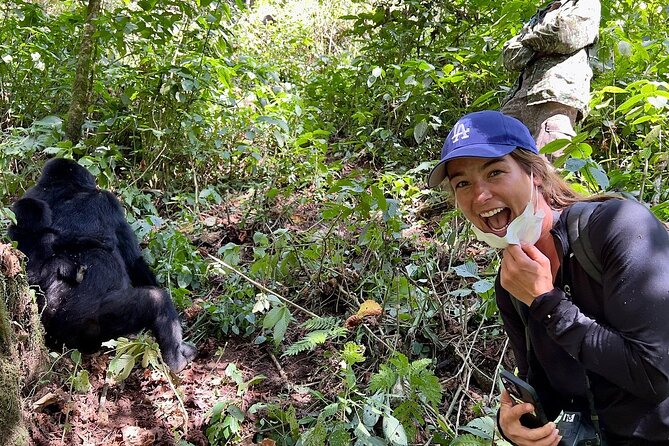
- One-hour gorilla viewing once your guide locates your assigned gorilla family
- Small trekking groups for safety and tracking efficiency, plus clear safety guidelines at the park headquarters
- Long day-one travel (about 8–9 hours) with an equator photo stop and lunch
- Permit included in the price, with a gorilla trekking permit listed at $800 per person per trek
- Private tour setup so it’s only your group, even if you’ll still join small groups once at the trek briefing
- Driver-guide support throughout, plus meet-and-greet and bottled drinking water
Gorilla trekking in 3 days: the real value of an express itinerary
This is an express-style gorilla trip, meaning you’re not trying to cram in five things at once. Instead, the schedule centers on the main event in Bwindi Impenetrable National Park: finding your gorilla family and spending real time with them once you arrive.
If you’re working with a short Uganda window, that’s a huge win. A lot of people come here dreaming of seeing mountain gorillas, but they don’t have weeks to do it slowly. This tour is designed so you still get the trek experience without turning your vacation into a blur of drives and optional detours.
The “limited time” pitch is also practical. Day 1 is mostly transit. Day 2 is the trek day (the headline). Day 3 brings you back to Entebbe or Kampala. That structure reduces decision fatigue: you always know what’s next.
You can also read our reviews of more tours and experiences in Kampala.
Day 1 to Bwindi: the 8–9 hour drive, equator stops, and getting settled
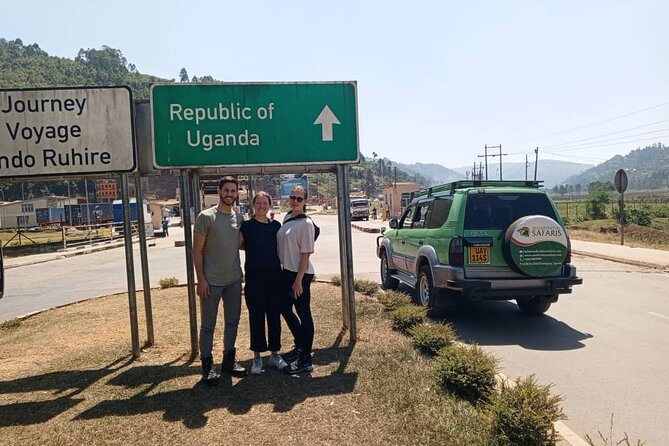
Day 1 starts with an early breakfast and then you head out toward Bwindi Impenetrable National Park. The drive is listed as about 8–9 hours, so this is the part of the trip where you should mentally switch into transit mode.
That equator stop isn’t just for photos. It’s a useful break in a long day, and the itinerary includes lunch there before continuing to the park area. In practice, that means you’re not arriving at the lodging totally depleted with nothing scheduled until later.
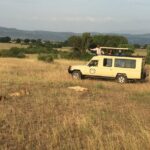
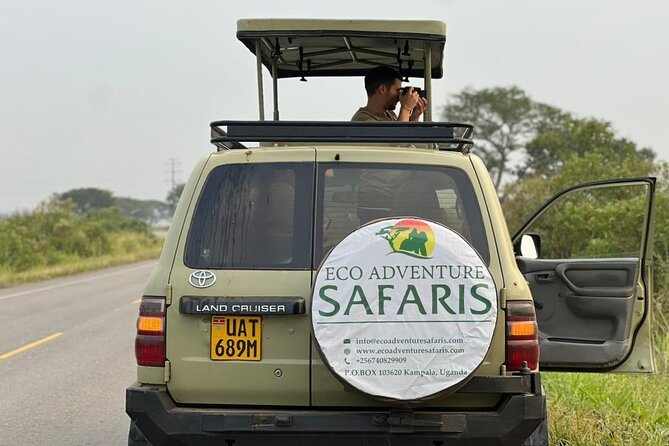
You’ll also be traveling in a private, air-conditioned vehicle with drinking water included. The value here is simple: after a long drive, you want your arrival day to feel manageable, not exhausting. A number of past trip experiences tied to this kind of operation highlight how much passengers appreciate courteous, on-time driving, and this itinerary is set up similarly with an English-speaking driver guide.
The tradeoff is obvious: you won’t be sightseeing all day on Day 1. This is a “get there efficiently” day.
Day 2 at park headquarters: briefing, assigned families, and the one-hour moment
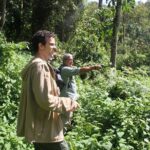
Day 2 is the whole reason people book. After an early breakfast, you go to Bwindi’s park headquarters for the trekking briefing. This is where the key rules come in: you’ll receive safety guidelines and a clear sense of what to expect during the hike and the gorilla encounter.
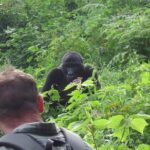
Here’s what I like about the way this trek is managed. You’re divided into small groups, and each group is assigned to track a specific gorilla family. That organization matters because it’s easy to underestimate how complicated gorilla tracking can be in dense forest. The tour setup is designed to keep your group focused and moving toward one goal.
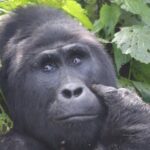
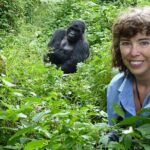
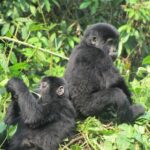
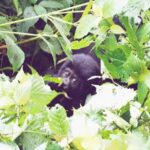
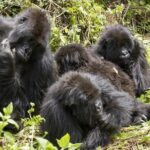
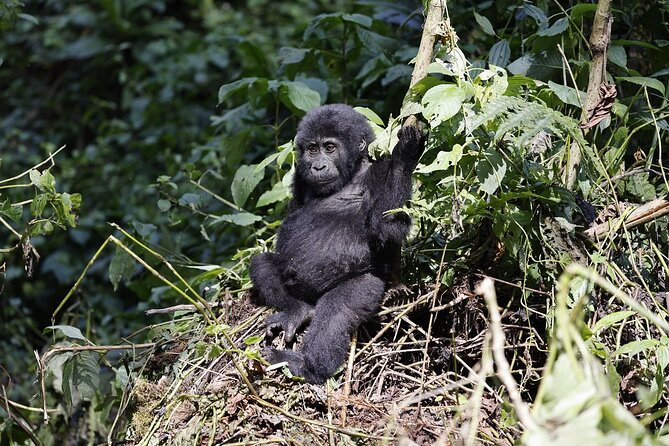
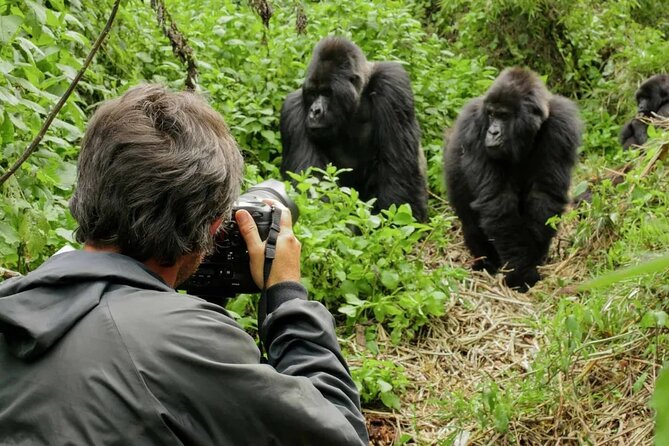
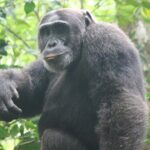
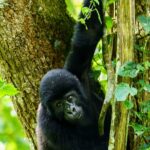
Once your group locates the gorillas, you get one hour to observe and photograph them in their natural habitat. That hour is both short and perfect: long enough to really watch behavior, but short enough to keep the encounter respectful and controlled for the gorillas and your safety.
After the trek, you return to your accommodation and the rest of Day 2 is free for relaxation or optional activities. Free time on the evening after such a big day is more important than it sounds. It gives you space to decompress without rushing into more logistics before your Day 3 travel back.
The free time on Day 2: how to use it without losing your energy
The itinerary doesn’t lock you into a strict plan after the trek, which is good. After gorilla tracking, most people want quiet, showers, and downtime more than another “scheduled experience.”
This is also a smart time to coordinate with your driver-guide for any add-ons that fit your energy level. The tour notes optional activities are possible, but it’s left flexible, which can be a real advantage for couples, solo travelers, and families with different pacing needs.
If you’re the type who hates feeling rushed, this design helps. You finish the hard part early (the morning trek), then you get a calmer remainder of the day rather than jumping straight back into driving.
Day 3 back to Entebbe or Kampala: timing your return and planning your next flight
On Day 3, you check out after breakfast and travel back toward Entebbe or Kampala. The tour notes your return plan depends on flight timing, and you may have some additional sightseeing opportunities along the way.
That matters because many people book Uganda with a tight connection schedule. You’re not told you’ll be back at a specific hour, so you’ll want to treat Day 3 as a “manage your timing” day, not a “relax all morning” day.
It’s still a good structure. You end in Entebbe and can choose to be dropped in either Entebbe or Kampala at the end of the tour. That flexibility is useful if your next hotel is closer to one city.
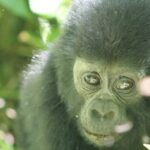
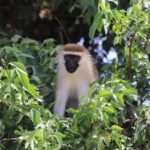
Price and value: how $1,860 adds up for a gorilla permit plus logistics
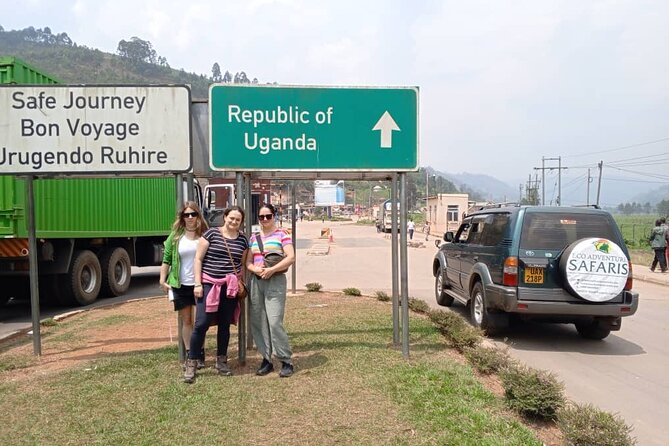
At $1,860 per person, this is not a budget trip. But the price becomes easier to judge when you break out the big fixed cost: the gorilla trekking permit is listed at $800 per person per trek and is included.
So you’re not paying the permit on top of everything else. You’re paying for the permit plus the whole machine that makes the trek possible: private transportation, accommodation, guiding and park-day support, and meals.
When you’re doing gorilla trekking, transport and coordination are not small expenses. Getting from Kampala/Entebbe to the Bwindi area and back requires a serious time commitment, and your vehicle, driver-guide, and itinerary management are part of what you’re buying. The inclusion list also covers all fees and taxes, which reduces the “surprise add-ons” problem.
The value question for you is simple: do you want a focused, express trip that prioritizes the gorilla day? If yes, this price structure fits that goal.
If you want multiple parks, long safari days, and lots of extra activities, you’d probably need a different (longer) itinerary. This one is optimized for the gorillas, not for filling every day with extra stops.
What’s included (and what you still need to budget)
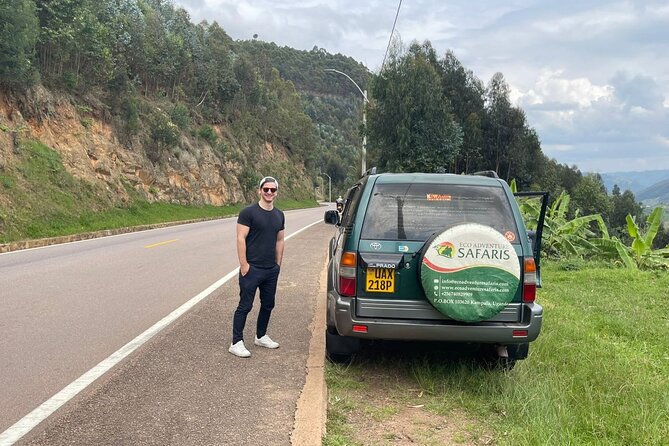
Here’s the practical list of what’s included in this experience, in plain terms:
Included:
- All fees and taxes
- Private transportation in an air-conditioned vehicle
- WiFi on board
- Gorilla Trekking Permit ($800 per person per trek)
- English-speaking driver guide
- Drinking water
- Meet-and-greet services
- Accommodation
- Meals: dinner (3), lunch (3), breakfast (2) as listed
Not included:
- Visas
- International flight fares
- Tips and personal expenses
That breakdown is actually helpful. Gorilla permits are a major factor in Uganda’s gorilla trekking costs, and this tour includes that line item. What you’re still responsible for is mostly outside the itinerary itself: visas, flights, and the human side of tipping.
Also note the tour is private, meaning it’s only your group. That tends to make planning feel less chaotic than shared transfers, especially on Day 1.
The guide and service style: why communication and driving matter on a tight schedule
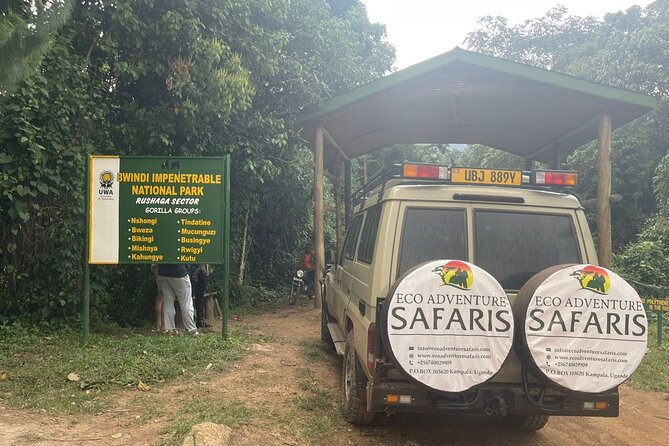
Even with a straightforward 3-day plan, Uganda travel requires good communication and dependable timing. This tour’s inclusion list points to meet-and-greet services and an English-speaking driver guide, and the broader service approach shown in past feedback emphasizes responsiveness during planning.
Names that show up in past trip experiences connected to the same safari operation include Michelle (for email coordination) and drivers such as Abdul, Patrick, Godfrey, Edgar, and Alex. You’ll also see praise for drivers being courteous, helpful, and committed to keeping things on track.
Will you get the exact same guide on your date? The information you provided doesn’t guarantee a specific person. But it does suggest the operation staffs the trek with real local driving and communication support, not just a generic transfer.
On an express itinerary, that support is more than comfort. It prevents the trip from eating itself alive with timing problems.
How fit do you need to be for mountain gorillas in Bwindi?
The tour explicitly says you should have moderate physical fitness. It also notes that the trek duration and difficulty can vary.
That’s the right kind of honesty. With gorilla trekking in Bwindi, you’re walking through forest terrain, and your pace depends on where the gorillas move and where your family is located. Even people who are in decent shape can find the hike tiring because it isn’t a flat, paved walk.
So here’s your decision rule: if you’re comfortable with a long, active hike that can vary in steepness and duration, you’re likely in the right range for this trip. If you’re not, you might want a longer or more tailored plan that gives you flexibility.
Who this 3-day Uganda gorilla trek fits best
This experience is built for travelers who want the gorillas without a long Uganda circuit. It also works well if you appreciate a structured plan with clear checkpoints: pickup and drive on Day 1, trekking with briefing and one-hour encounter on Day 2, then return to Entebbe/Kampala on Day 3.
It can also suit couples and solo travelers because it’s private for your group. Past trip stories tied to this kind of operation often mention how special it can feel when your trek group ends up very small, sometimes even exclusive in practice. That kind of situation isn’t guaranteed, but the fact that it can happen is part of what makes gorilla trekking so personal.
If you’re the type who loves downtime, Day 2’s free afternoon after the trek is a real plus.
Should you book this express gorilla trek or look elsewhere?
I’d book it if your top priority is mountain gorillas and you have limited time in Uganda. The included permit, the focused schedule, and the practical transport setup (including AC and WiFi on board) make this feel like a well-aimed plan rather than a rushed checklist.
I’d think twice if you know you struggle with uneven hiking days, or if you want a trip with lots of additional safari-style activities. This tour is designed to concentrate on the trek, so you shouldn’t expect it to function like a broader multi-park safari.
If you’re on the fence, one smart move is to ask yourself what you’ll remember most at the end of the trip. For many people, it’s not the drive, not the lodge, not the photos. It’s the one-hour moment when you finally locate the gorillas and watch them calmly do gorilla things.
FAQ
FAQ
What does the tour include besides the gorilla permit?
The tour includes all fees and taxes, private transportation in an air-conditioned vehicle, WiFi on board, meet-and-greet services, accommodation, drinking water, an English-speaking driver guide, and meals (dinner 3, lunch 3, breakfast 2 as listed).
How much is the gorilla permit, and is it included in the price?
The gorilla trekking permit is listed at $800 per person per trek, and it is included in the tour price.
Where does the trip start and end?
The tour starts in Entebbe, Uganda and ends back in Entebbe, Uganda, with the option to be dropped off in either Entebbe or Kampala at the end.
What time does the tour start?
The tour start time is listed as 7:00 am.
How long is the experience?
It runs for 3 days (approximately), with Day 1 focused on traveling to Bwindi, Day 2 on gorilla trekking, and Day 3 on returning to Entebbe or Kampala.
What is not included in the price?
Visas, international flight fares, tips, and any personal expenses are not included.
Is the trek suitable for everyone physically?
The tour notes that travelers should have a moderate physical fitness level, and it also states that trek duration and difficulty can vary.
What is the cancellation window?
You can cancel up to 6 days in advance for a full refund, with partial refunds possible for cancellations made 2–6 days before the experience starts.