REVIEW · KATHMANDU
Pokhara: 2 Day Ghorepani & Poon Hill Private Trekking
Book on GetYourGuide →Operated by Nepal Trip Creator · Bookable on GetYourGuide
Sunrise at Poon Hill is worth the climb. This quick trek from Pokhara pairs Annapurna and Dhaulagiri sunrise views with rhododendron forests and Gurung villages, and the guides can make the whole thing feel organized and calm (I like that names like Anil and Dipchandra show up in the experience). One drawback to plan for: the uphill transfer from Pokhara can be long and bumpy.
You’ll sleep in tourist-standard lodge/teahouse style comfort in Ghorepani, then head out early enough to catch the first light without feeling like you’re rushing all day. This is a private group with an English-speaking guide, so you’re not stuck in a rigid crowd pace.
A note to self-check before you book: it’s not suitable for kids under 5, pregnant women, or people with back problems, and the Poon Hill climb is demanding at dawn.
In This Review
- Key takeaways before you go
- Why Ghorepani and Poon Hill works so well for a 2-day trek
- Pokhara transfer: plan for time, not just distance
- Day 1: Tikhedhunga/Ulleri to Ghorepani (2,850 m) through villages and rhododendron paths
- Day 2: The 4 a.m. Poon Hill climb, then the downhill toward Nayapul
- Teahouse nights and meals: comfort where it counts, flexibility where it matters
- Guides, permits, and what you’re really paying for
- What to bring so you’re not cold at the top
- Who this private Ghorepani and Poon Hill trek is best for
- Price and logistics reality check: value depends on how you handle the ride
- Should you book the Pokhara Ghorepani & Poon Hill private trek?
- FAQ
- How long is the Pokhara Ghorepani and Poon Hill private trek?
- When do you start the hike to Poon Hill for sunrise?
- What altitudes will we reach during the trek?
- Are meals included in the price?
- Is hotel pickup and drop-off included?
- Can I cancel and get a full refund?
Key takeaways before you go
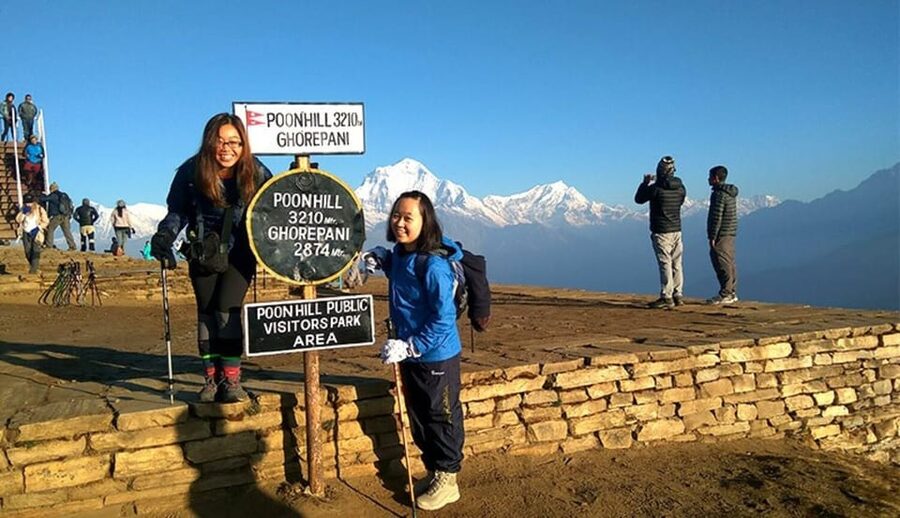
- 4 a.m. timing for Poon Hill sunrise with Annapurna and Dhaulagiri views
- Rhododendron forests plus Gurung villages on both days
- A long Pokhara-to-trail transfer that you should mentally budget time for
- Cozy teahouse-style lodging in Ghorepani with meals available to buy
- Private guiding with practical support so you can focus on the hike, not logistics
Why Ghorepani and Poon Hill works so well for a 2-day trek
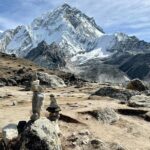
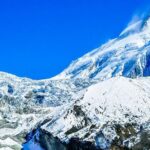
Poon Hill is popular because it delivers big views on a short timetable. In a little over 48 hours, you go from Lakeside Pokhara to a high vantage point where the morning light catches the Annapurna and Dhaulagiri mountain ranges. If you want classic “first Himalaya sunrise” energy without committing to a longer trek, this hits the sweet spot.
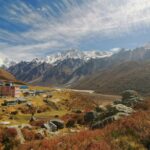
I also like that this route feels like real village trekking, not just walking between checkpoints. You pass through terraced fields, forest paths, and Gurung village areas along the way to Ghorepani, then repeat the rhythm again on day two while dropping back down toward Nayapul.
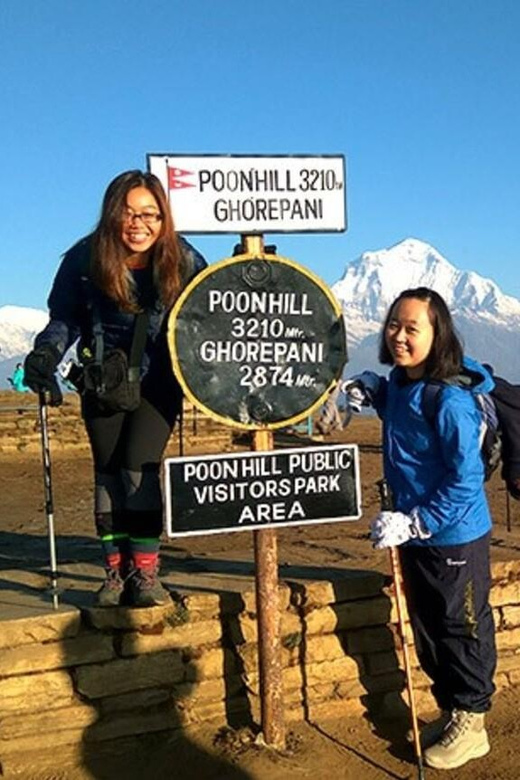
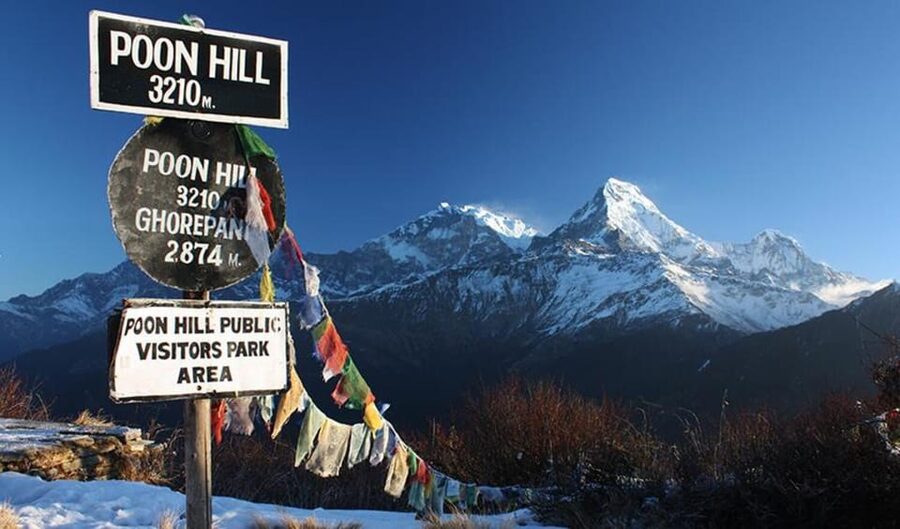
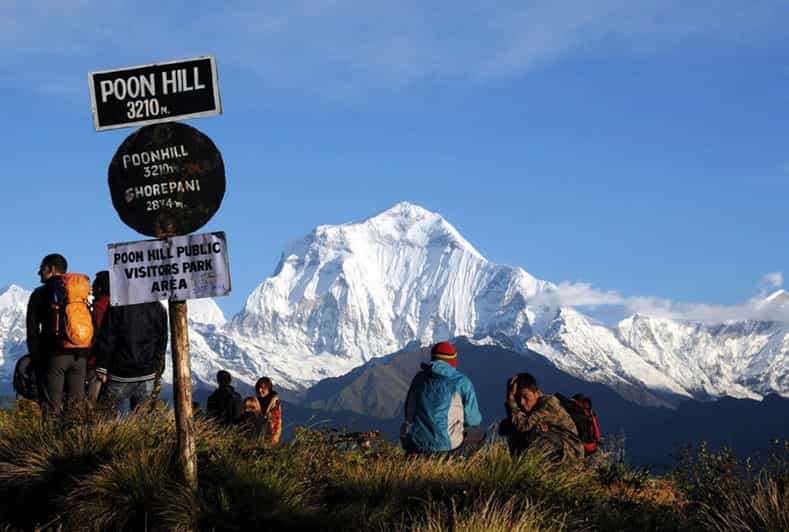
The altitudes are manageable for many people, but you still need to respect the effort. Poon Hill sits at 3,210 meters, and the early morning push is steep enough that good shoes and a steady pace matter.
You can also read our reviews of more tours and experiences in Kathmandu.
Pokhara transfer: plan for time, not just distance
Most short treks fall or succeed on transportation. Here, you’re moving between Pokhara and Tikhedhunga/Ulleri first, then later getting back down toward Nayapul and returning to Pokhara.
From the provided timing, the road ride is about 3 hours, but you should also be ready for a longer experience. One itinerary experience described a bus climb of over 5 hours, with real bouncing. That’s the key consideration: even if the route is short on paper, the ride can feel long.
Practical advice: if you’re sensitive to motion or you hate sitting upright for hours, bring a neck pillow if you use one, and dress in layers so you don’t roast or freeze in the vehicle. This is also where starting early can feel worth it later, because arriving on time helps you avoid rushing your evening and makes sunrise morning smoother.
Day 1: Tikhedhunga/Ulleri to Ghorepani (2,850 m) through villages and rhododendron paths
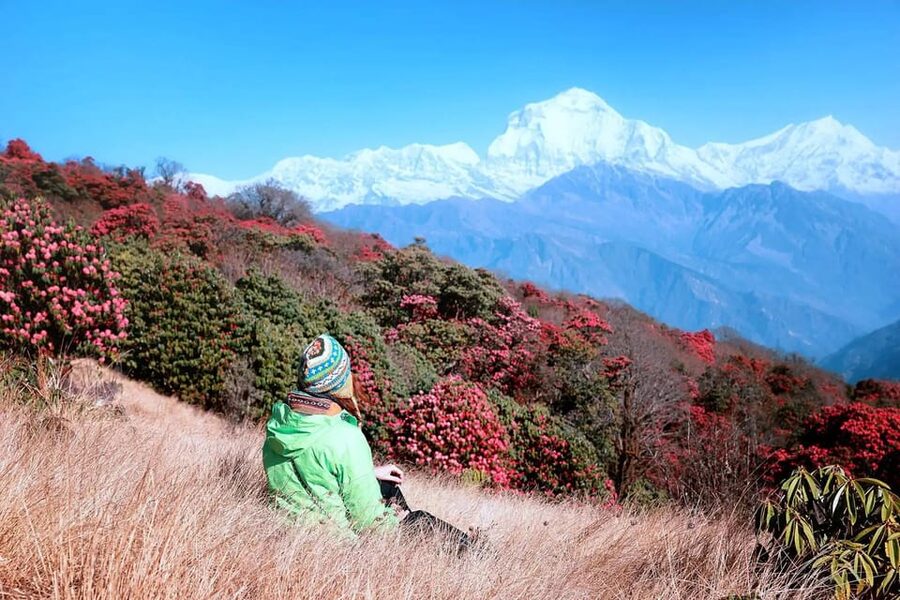
Day 1 starts with that uphill transfer to Tikhedhunga/Ulleri, then you begin trekking. The trek gradually climbs, so you’re not just jumping into a hard wall from step one. Along the way, you move past villages, terraced agricultural plots, and forest sections that include rhododendron.
What I like about this day is the pacing. You’re going uphill enough to feel you’re trekking, but the route is built to carry you toward Ghorepani without needing advanced trail skills. You also get to see how the Annapurna foothills look and function when you’re moving slowly: small settlements, everyday fields, and paths that locals clearly use often.
The plan is to reach Ghorepani (2,850 m) for the night. You’ll sleep in a tourist standard lodge/teahouse style place. That means you can keep things simple: warm layers, a quick meal when hunger hits, and an early night because day two starts at dawn.
Reality check: Ghorepani can feel chilly in the morning and evening at this altitude, so if you only packed light layers, you’ll regret it later. Warm clothing isn’t a luxury on this trek.
Day 2: The 4 a.m. Poon Hill climb, then the downhill toward Nayapul
Day 2 is all about the early start. Around 4 a.m., you head from Ghorepani toward Poon Hill (3,210 m). The ascent to the viewpoint is described as demanding because the trail is steep and you’ll be working for every step. If you’ve ever wondered how a “short hike” can still feel intense, this is the answer.
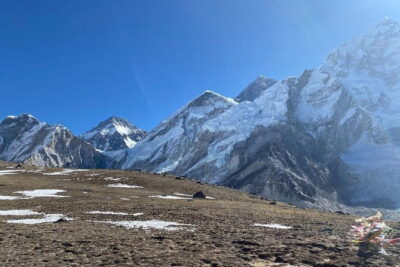
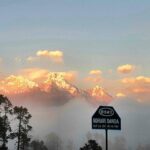
The good part is the payoff. When the first light hits, you get a sunrise show over the Annapurna and Dhaulagiri ranges. One highlight that comes up clearly is that the viewpoint is worth the stairs, even if your legs complain in the dark.
After you take in the sunrise, the day shifts into descent mode. You’ll go back down toward Ghorepani for a breather, then continue descending through tougher terrain that can include uneven ground and forest sections (including rhododendron areas again). The route continues toward Nayapul, and from there you take the drive back to Pokhara.
Practical mindset: day two is a two-part workout—up for sunrise, then down for return. You’ll want trekking poles if your knees feel sensitive on descents (and this tour can include a trekking pole or duffel if you need it).
Teahouse nights and meals: comfort where it counts, flexibility where it matters
This trek keeps the sleep portion simple. You’re included for private accommodation on a tourist standard lodge in Ghorepani. The experience also emphasizes cozy teahouses along the way, which matters because you’re not just “camping hard.” You get a warm base to reset.
Meals are not included, but they’re available for purchase. That’s actually a smart setup for many people because you can choose what you feel like eating at that moment, rather than being locked into one set menu—especially helpful after an early morning climb when appetite can be unpredictable.
Budget tip: plan for paying for meals on both days. If you like charging your phone and buying snacks, also factor in small personal expenses. The included price covers guiding, permits, and transport, but not your meals.
Guides, permits, and what you’re really paying for
At $129 per person for a 2-day private trek, you’re buying more than hiking time. You’re paying for a guided, managed experience that includes key pieces people often forget to plan: permits, registered guiding, and coordination between transport and trail timing.
Here’s what’s included in the essentials:
- Hotel pickup and drop-off from any hotel in Lakeside Pokhara or the airport
- Round-trip transportation by bus
- Government permits (including TIMS and taxes)
- A professional, government-registered trekking guide
- First-aid kit support
- Luggage storage in Pokhara during the trek
- Optional gear support like a duffel bag/trekking pole if required
The “private” part matters too. When your guide is Anil, Dipchandra, or another English-speaking guide, you get real help with pace and practical decisions during the climb. In the experiences shared, the guidance is repeatedly described as helpful and friendly, including support with what you need and explanations along the trail.
Also, you’re not managing the admin. Permits and taxes are covered, so you don’t have to worry about paperwork mid-trip. That is real value when your time is limited to only two days.
What to bring so you’re not cold at the top
The packing list is straightforward, and you should treat it seriously because the trek starts in the dark and ends in cool air.
Bring:
- Comfortable shoes (with grip for uneven ground)
- Warm clothing (especially for sunrise timing)
- Camera (because the sunrise is the main event)
- Water
If you’re thinking, I’m only going for two days, remember this: sunrise mornings at 3,210 meters can feel sharp even if daytime warms up. Layers beat one bulky item. And bring enough water to avoid feeling like you’re constantly rationing your steps.
Who this private Ghorepani and Poon Hill trek is best for
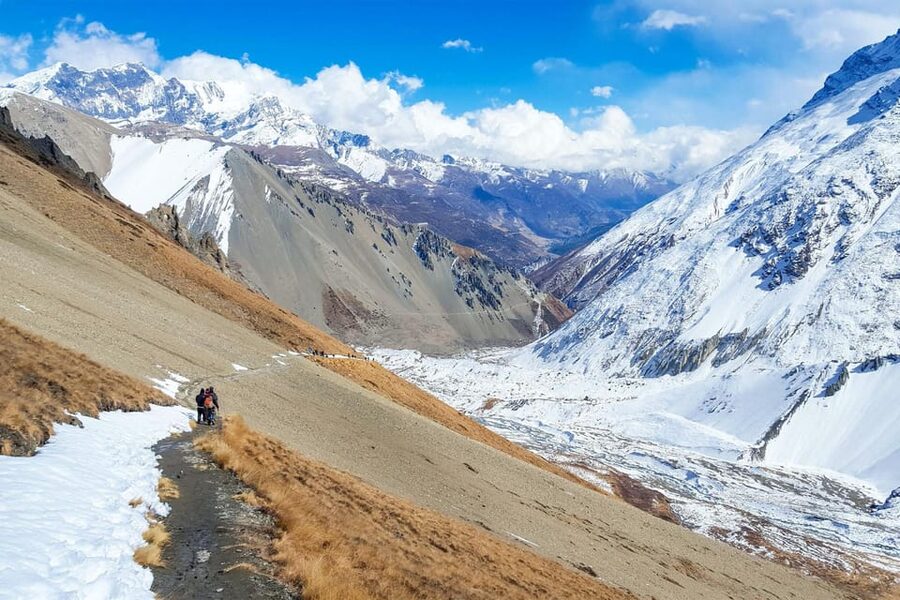
This is ideal for people who want classic Annapurna viewpoints with a manageable commitment. The trek is described as having a manageable difficulty level, and the two-day structure works well if you don’t have time for longer routes.
You’ll likely enjoy it most if:
- You like early mornings when the sky is still calm
- You want village trekking rather than only ridge-line walking
- You prefer a private group pace and an English-speaking guide
You should skip it if:
- You’re traveling with children under 5
- You’re pregnant
- You have back problems
That last point matters. The trail includes steep, stair-like effort toward Poon Hill and uneven descending sections afterward. If your back flares under strain, don’t gamble with it.
Price and logistics reality check: value depends on how you handle the ride
The $129 price tag can look like a bargain, and for many people it is. But the value depends on your tolerance for the transfer day.
Because the ride from Pokhara can range from about 3 hours to something longer and bouncier, your comfort level in a vehicle matters. If you feel rough after rides, you’ll want to manage expectations for that first day’s energy.
On the plus side, you’re not doing transport DIY. Pickup and drop-off are included, permits are handled, and the guide is there for the tricky bits. That kind of support is what turns a checklist trek into a real experience.
Should you book the Pokhara Ghorepani & Poon Hill private trek?
Book it if you want:
- The Poon Hill sunrise over Annapurna and Dhaulagiri in a tight 2-day format
- A guided private experience with permits, lodging, and transfers handled
- A route that mixes forest paths, rhododendron sections, and village life
Think twice if:
- You dread long, bumpy vehicle rides more than you dread hiking
- You don’t handle steep climbs well, especially the early morning ascent
- You’re in a situation where the trail and altitude are a concern (pregnancy, back issues, or very young children)
If you can handle the early start and the transfer ride, this is one of the most efficient ways to get a “big Himalaya sunrise” moment without turning your trip into a full-on multi-week mission.
FAQ
How long is the Pokhara Ghorepani and Poon Hill private trek?
It lasts 2 days.
When do you start the hike to Poon Hill for sunrise?
You start around 4 a.m. from Ghorepani to reach Poon Hill.
What altitudes will we reach during the trek?
Ghorepani is at about 2,850 meters, and Poon Hill is about 3,210 meters.
Are meals included in the price?
Meals are not included. You can buy meals during the trek.
Is hotel pickup and drop-off included?
Yes. Pickup and drop-off are included from any hotel in Lakeside Pokhara or from the airport.
Can I cancel and get a full refund?
Yes. You can cancel up to 24 hours in advance for a full refund.