REVIEW · LAKE SEGARA ANAK
Mount Rinjani Trek 3D-2N To Summit – Lake – Hotspring
Book on GetYourGuide →Operated by Cakrawala Rinjani Trekking · Bookable on GetYourGuide
Rinjani is one of those rare treks where the hardest part is also the best part. I like how this 3D-2N route strings together real mountain milestones: Sembalun’s savanna meadows, a steep summit night push, and then Segara Anak’s crater-lake views. I also love the payoff of soaking in the natural hot water after the descent to the lake. The main drawback is that the schedule demands fitness and grit, especially Day 2, when you start before dawn and face loose volcanic scree on the final approach.
You’ll trek with a small team (up to 8) and a guide who keeps you moving at a safe pace. Expect long, continuous walking—this is not a casual hike—so plan your trip for weather changes, slower moments, and early nights.
In This Review
- Key things you’ll remember
- Entering Rinjani Trekking Mode: What’s Included and What You Should Bring
- Day 1: Sembalun Savanna to Sembalun Crater Rim Sunset
- Day 2: The 2:00 AM Wake-Up, Summit Sunrise, and the Segara Anak Hot Springs
- Day 3: Rainforest Descent to Senaru Village (Plus a Black Monkey Chance)
- How Hard Is This Trek, Really? Fitness Tips That Match the Route
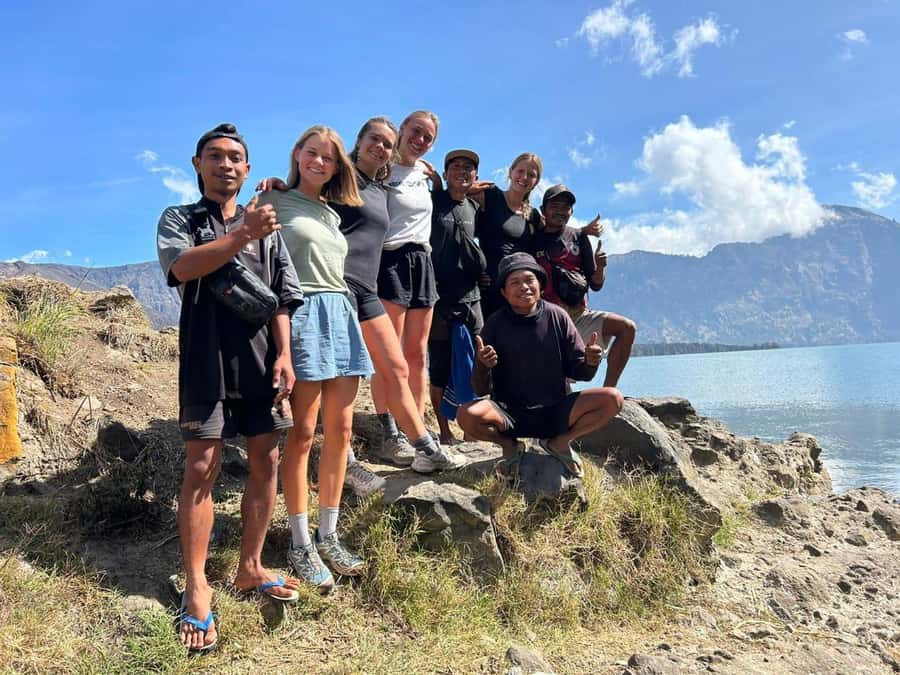
- Team Factor: Guides, Porters, and the Small-Group Advantage
- Price and Value: What $237 Buys You on Rinjani
- Should You Book This 3D-2N Rinjani to Summit + Lake + Hot Springs?
- FAQ
- Where does the trek start?
- How many people are in the group?
- What time do you start on the summit day?
- What views do you get from the summit?
- Do you go to Segara Anak Lake and hot springs?
- Where do you sleep during the trek?
- Is food included?
- What transport is included after the trek?
Key things you’ll remember
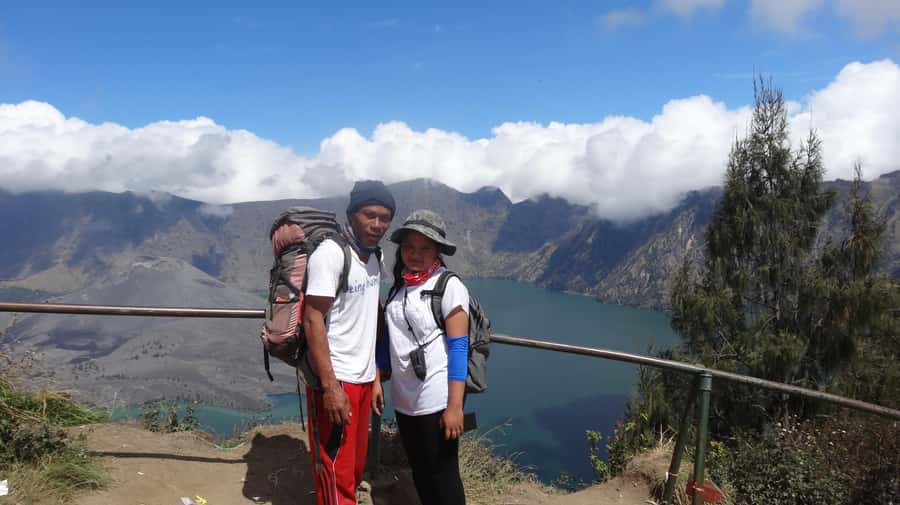
- Summit-at-sunrise timing: aim to reach the top around 6:00 am for panoramic views across Lombok, Bali, and Sumbawa.
- Sembalun Crater Rim sunset on Day 1: a first “wow” moment before the big midnight start.
- Segara Anak crater lake + hot springs: swim/rest by the lake, then warm up in natural hot water to recover.
- Senaru Crater Rim night views: an extra sunset angle, with Mount Agung in view and smoke from new volcanic activity near the lake.
- Small-group handling: smoother pace control than huge groups, especially on steep sections.
- Team support: many guides and porters in this program get named in positive feedback for staying attentive and organized.
Entering Rinjani Trekking Mode: What’s Included and What You Should Bring
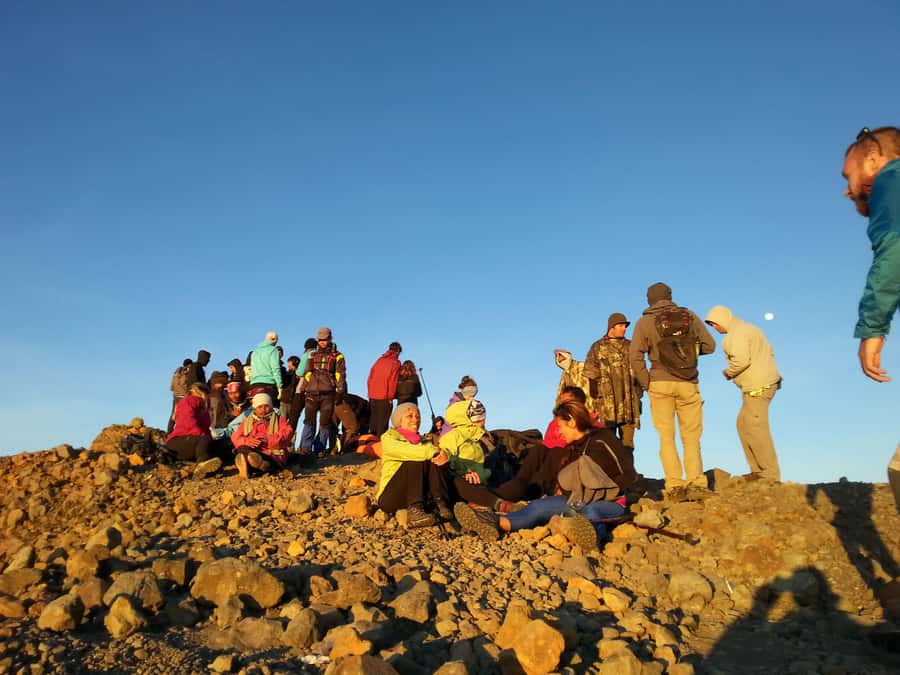
This trek is built like a “mountain package,” meaning you’re not carrying everything yourself. You’ll be picked up from your hotel area in Senaru, then transferred to the trail start. On the hike, you get a guide and porter, camping setup (tent, mattress, and a toilet tent), plus sleeping bag + mattress. Meals are included (breakfast, lunch, dinner), with small extras like fried banana and fruit dessert.
You’re also provided trail basics that matter at night: a headlamp and gloves. Water is included as mineral water and spring water for drinking during the trek. And there’s luggage storage available at the trekking office, which helps if you arrive early or need a place to stash gear.
What you still need to bring:
- Comfortable hiking shoes (and ideally proper hiking shoes)
- Warm layers (it gets cold at night and early morning)
- A camera
- Your own water bottle if you prefer one
- Trekking gear as you use it day to day
Practical tip: even with water and food organized, your comfort depends heavily on footwear and warmth. If you tend to feel cold, don’t wait until you’re shivering at night to solve it.
Day 1: Sembalun Savanna to Sembalun Crater Rim Sunset
Your day starts early. You wake up at 6:00 am for breakfast, then drive to Sembalun (around 1100 m) and register at the information center. The first trek begins at about 8:00 am.
The early miles are gentle on purpose. You start with an open-meadow climb through savanna-like terrain, which is a nice mental warm-up after the drive. The walking plan is broken into stops:
- Pos 1 (around 1300 m) after roughly 2 hours
- Pos 2 (around 1500 m) about 40 minutes later
- Pos 3 (around 1800 m) where you eat lunch and rest
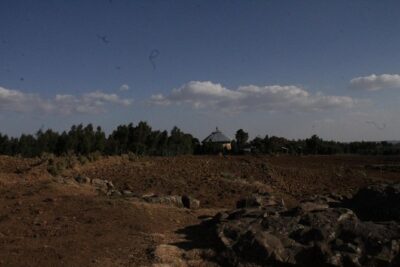
After lunch, the day shifts into the good challenge. You head toward the Sembalun crater rim (about 2639 m). This part takes about 3 hours, including a longer steep section. Once you reach the rim, you camp there and enjoy sunset.
Why this day matters: it’s not the hardest day, but it sets the rhythm. You’ll feel the altitude rising as the sky light changes fast near the rim. And sunset on the crater rim works as a preview of what Rinjani does best: big views in a tight, dramatic space.
What to watch for: once you’re climbing toward the rim, pace becomes everything. If you rush, you’ll pay for it later with fatigue on Day 2.
Day 2: The 2:00 AM Wake-Up, Summit Sunrise, and the Segara Anak Hot Springs
Day 2 is the “real trek” day.
You wake around 2:00 am under darkness with a hot drink and light breakfast. You start walking at about 3:00 am toward the summit (3726 m). The approach is described in phases:
- a moderate trek to settle into rhythm
- a fairly easy but longer section that still adds up
- and then the final push over steep volcanic scree, where footing is looser and your legs work differently
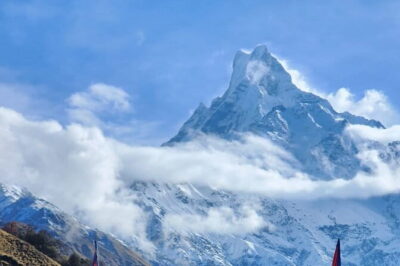
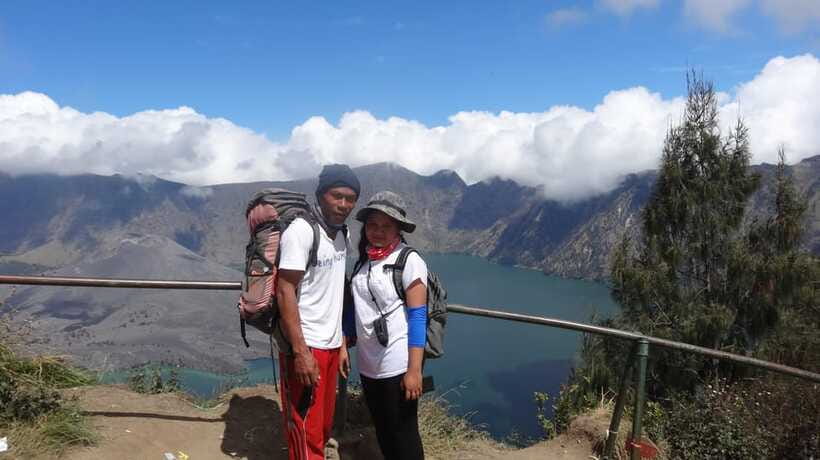
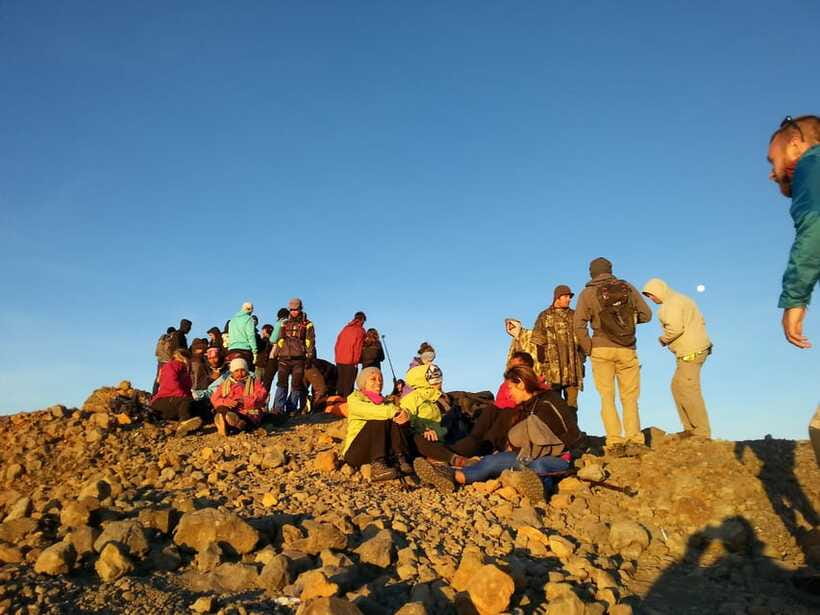
You aim to reach the summit around 6:00 am for sunrise. From the top, you get panoramic views of Lombok, Bali, Sumbawa, and Segara Anak Lake. That’s one reason people love this route: it’s not just a peak moment. It’s a viewpoint that shows you what you’ve been walking toward.
After sunrise, you descend back toward the Sembalun crater rim (about a 2-hour descent), then have breakfast. From there, the day continues down to Segara Anak Lake (about 3 hours).
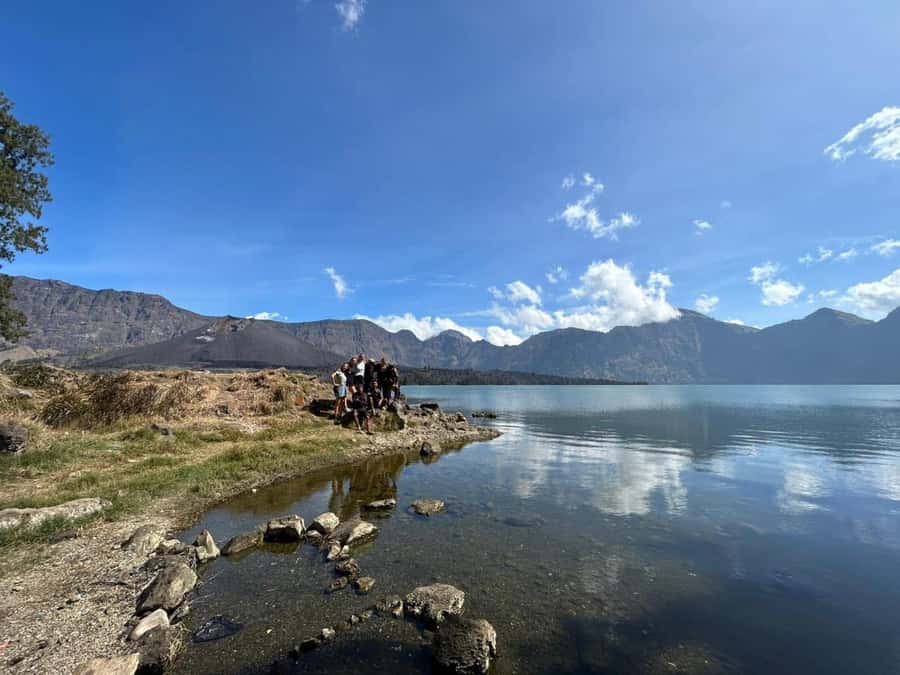
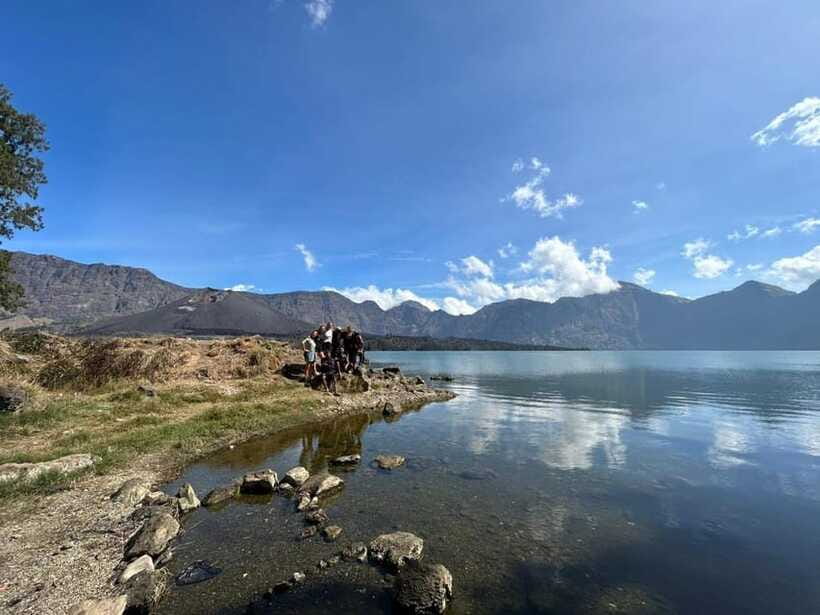
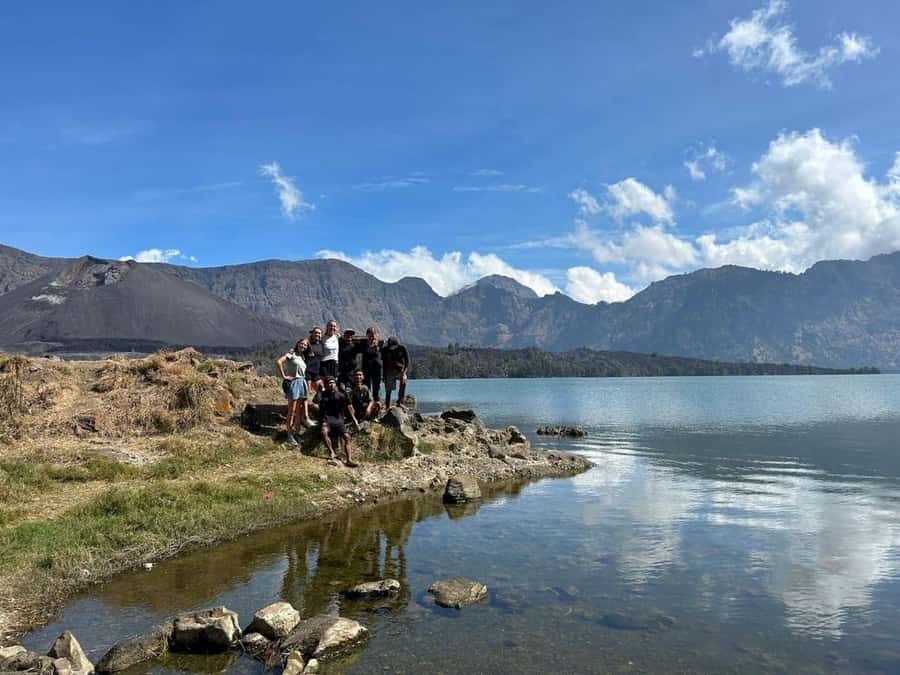
At the lake, you get a rare break. You stop alongside the water to rest and enjoy the scene, including swimming. Then you can bathe in natural hot water, which is widely known for helping soothe sore muscles after a demanding day.
Why the lake stop is more than a reward: it’s recovery time. After steep, tiring ground, your body needs warmth and stillness. That’s exactly what the hot water provides in a place that’s already impressive.
The day continues after lunch. Porters prepare your lunch at the lake area. Then you leave the lake and climb up to Senaru crater rim (around 2641 m) for the night. This campsite is known for its dramatic view, including sunset over Mount Agung in Bali and visible smoke from new volcanic activity near the lake.
What to watch for: the route is long, and the timing is compressed. If you’re prone to feeling lightheaded early in the morning, take your time on the scree section and don’t chase other walkers.
Day 3: Rainforest Descent to Senaru Village (Plus a Black Monkey Chance)
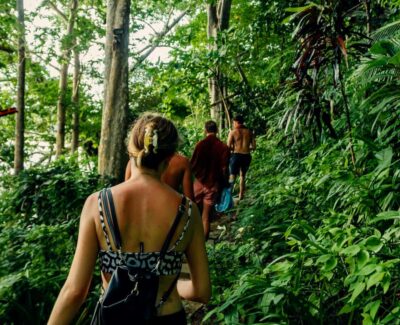
After breakfast, you descend from Rinjani toward Senaru Village through rainforest. This isn’t a flat stroll. The walk is still physical, but it often feels better because the terrain changes from high, open volcanic areas to more shaded forest.
The descent takes about 5 hours, and you’ll take lunch along the way. You finish at roughly 601 m elevation in Senaru, where the car transfers you onward to Bangsal, Senggigi, or Mataram.
A small but memorable detail: if you’re lucky, you might spot a rare black monkey during the rainforest section. It’s not guaranteed, but it adds that extra “Lombok wildlife” angle to the last day.
Why Day 3 is emotionally different: you’ve earned the end of the mountain, so the descent can feel almost like you’re exhaling. Still, don’t treat it like an easy victory lap. Your knees and ankles will still be tired.
How Hard Is This Trek, Really? Fitness Tips That Match the Route
This trek is challenging, mostly because it’s continuous ascent and descent, not because it’s technical climbing gear. The big determinants of difficulty for you will be:
- distance and elevation changes across three days
- the very early wake-up and sustained effort on Day 2
- the loose volcanic scree on the summit approach
If you can hike hills for about 1000 m of elevation change comfortably, you’ll likely handle the summit push better. If you’re new to trekking or only do short day hikes, you can still do it, but you’ll need a slower pace, more breaks, and realistic expectations about how tired you’ll feel.
A few real-world planning tips from people who’ve done this kind of route:
- Use trekking poles if you have them. They reduce strain on steep descents.
- Start slow at night. Early effort on scree burns energy fast.
- Bring warm layers and treat cold as an equipment problem, not a willpower problem.
- Don’t underestimate Day 2 even if Day 1 felt manageable.
Also: even strong hikers can struggle. Reviews and experience show that guides often help people reach their goal safely by matching the pace to each person’s stamina. That’s exactly what a good guide system should do on Rinjani.
Team Factor: Guides, Porters, and the Small-Group Advantage
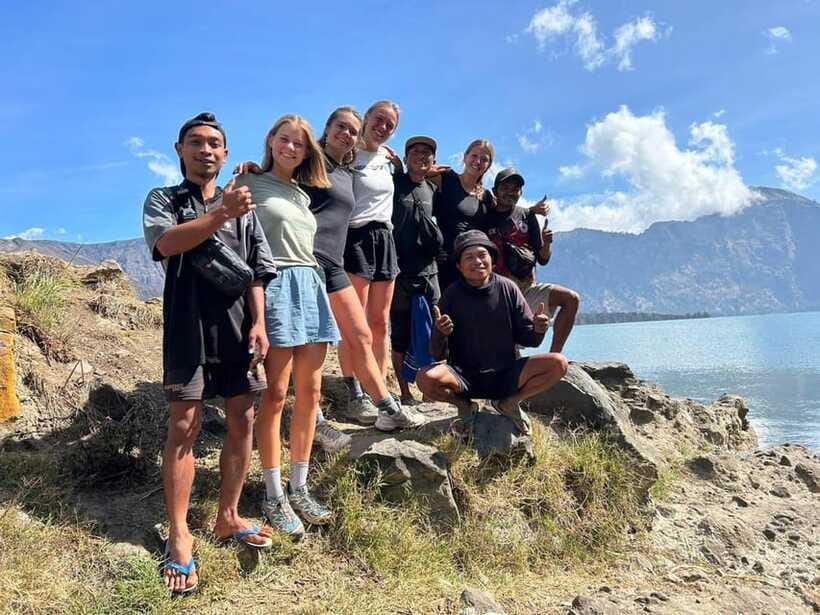
This is a small-group trek capped at 8 participants, which matters more than it sounds. On steep, narrow terrain, you want everyone spaced out enough that your guide can check in without stopping for long, and you can move without constant crowding.
Names that come up in positive feedback include guides like San, Rin, Awan, Ringo, and Sultan (often tied to organization and support). Porters are repeatedly praised for carrying camp gear and keeping the team fed and cared for.
Two practical strengths you’ll feel on the mountain:
- Food consistency and timing: you’ll have breakfast, lunch, and dinner included, plus energy snacks during the hike (fried banana and fruit dessert are part of the package). This helps keep your stamina stable even when you’re exhausted.
- Attentive pacing: guides repeatedly get credit for keeping people safe and moving at a rhythm that works for slower hikers too.
And yes, conditions can be intense. Some groups report extreme wind, and the team’s ability to keep everyone warm and moving matters. You won’t control the weather, but you can control your preparation and your attitude about slowing down when needed.
Price and Value: What $237 Buys You on Rinjani
At around $237 per person for 3 days, the value here is that many of the “hidden” costs are already handled. You’re not just paying for a guide. You’re paying for:
- park entrance fees (included)
- guide + porter support
- tent and sleeping setup (plus toilet tent)
- meals (breakfast, lunch, dinner)
- water on the mountain
- headlamp and gloves
- transport to start (from Senaru area) and transport after finishing (to Bangsal, Senggigi, or Mataram)
- trekking insurance
That package approach matters on a trek like this. If you tried to piece things together yourself, you’d likely end up paying for gear rentals, camp logistics, and food planning anyway. Here, you’re buying a system that keeps you focused on the hike, not on logistics.
The only reason the price might feel high to some people is simple: this is a demanding trek. You’ll only get true value if you show up ready for a long Day 2 and a serious total walking load.
Should You Book This 3D-2N Rinjani to Summit + Lake + Hot Springs?
Book it if:
- you want a real summit sunrise experience tied to crater-lake views
- you’re fit enough to handle a midnight start and loose scree
- you like structured trekking with camp support and included meals
- you value the hot springs recovery after the lake portion
I’d pause before booking if:
- you dislike early mornings and long days of continuous walking
- you expect a relaxing experience rather than a physically demanding one
- you don’t yet have comfortable hiking shoes and warm layers
One last decision-helper: if you’re the type who gets frustrated by pace differences, this small-group setup (max 8) is a strong sign. And if you want the best chance of feeling cared for during the hardest stretch, lean into the team aspect: guides and porters are a core part of how this trek stays safe and enjoyable.
FAQ
Where does the trek start?
You start from Sembalun on Day 1, after being driven there and registering at the Rinjani information center. The meeting point is the Cakrawala Rinjani Trekking office.
How many people are in the group?
The group is kept small, limited to up to 8 participants.
What time do you start on the summit day?
On Day 2, you wake around 2:00 am and begin walking toward the summit at about 3:00 am.
What views do you get from the summit?
From the summit (around 3726 m), you should see panoramic views of Lombok, Bali, Sumbawa, and Segara Anak Lake, typically around sunrise.
Do you go to Segara Anak Lake and hot springs?
Yes. After descending from the crater rim, you reach Segara Anak Lake, where you can rest and swim, and you can also bathe in natural hot water.
Where do you sleep during the trek?
You sleep on the crater rim on Day 1, at Sembalun crater rim, and on Day 2 at Senaru crater rim. You’ll use the provided tent and sleeping setup.
Is food included?
Yes. The package includes breakfast, lunch, and dinner, plus small extras like fried banana and fruit dessert.
What transport is included after the trek?
After you finish in Senaru village, transport is included to Bangsal, Senggigi, or Mataram.