REVIEW · KATHMANDU
Everest Base Camp Trek – 15 Days
Book on Viator →Operated by Welcome Nepal Treks P.ltd · Bookable on Viator
Everest Base Camp starts with a shaky plane ride. This 15-day Everest Base Camp trek is a lodge-to-lodge climb through the Khumbu with permits handled, a small group (max 15), and built-in breathing time at key altitudes. I particularly like the government-licensed English-speaking guide setup (plus a porter for every two clients), and how the route builds to Kala Patthar for sunrise views. The only real drawback to keep in mind is altitude: this is not a casual stroll, and you will be asked to stay smart with acclimatization even when you feel fine.
You fly into Lukla at 2,886m, then start walking along the Dudh Koshi river corridor. The trek moves through classic stops like Namche Bazaar, Tengboche (with monastery time), Dingboche, Lobuche, and finally the day(s) at Everest Base Camp and Kala Patthar before descending back toward Kathmandu.
For value, I like that the package covers the Kathmandu–Lukla–Kathmandu airfare sector, plus trekking permits and most meals during the trek. Just know the listed price is $1,600 per person, and it does not include international airfare, the Nepal visa, or travel insurance for high-altitude rescue and evacuation.
In This Review
- Key things I’d zero in on before you book
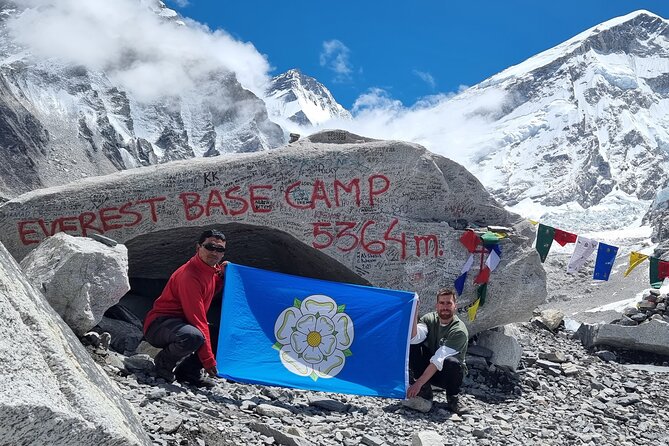
- The Real Goal: 5,364m Base Camp and 5,545m Kala Patthar
- Kathmandu in 3-star comfort: Thamel Eco Resort or The Address
- Lukla flight and the first leg to Phakding: start gently, not bravely
- Namche Bazaar at 3,440m: where acclimatization becomes a real plan
- Tengboche (Tyangaoche) and monastery time: big views with a quiet rhythm
- Dingboche and Chhukum: the altitude lesson you can’t skip
- Lobuche and Gorakshep: the rocky road to Everest Base Camp
- Kala Patthar sunrise and the descent to Pheriche, then Namche and Lukla
- Price and logistics: what $1,600 buys you (and what it doesn’t)
- Guides on this route: Padam, Pralad Simkhada, and Hari Khadka support
- Altitude sense, fitness, and safety steps that matter
- Who this trek fits best (and who should think twice)
- Should you book this Everest Base Camp trek?
- FAQ
- What time does the trek start?
- Where does the tour operate?
- Is pickup included in Kathmandu?
- Are flights to Lukla included?
- What level of accommodation can I expect?
- What’s the highest point on the trek?
- Do I need to arrange permits?
- Is travel insurance included?
- Can I cancel for a full refund?
Key things I’d zero in on before you book
- Lukla flights are included in the package, so you’re not piecing together logistics later.
- Acclimatization days are built in at Namche Bazaar and Dingboche, not just “hope you’re fine.”
- Kala Patthar is part of the arc, with an early start day to catch sunrise views.
- Guide and porter support is structured: government-licensed English-speaking guide, plus a porter for every two clients.
- You sleep in teahouse lodges (mostly twin-share, sometimes dorm-style), which keeps costs controlled.
- Medical support exists at Pheriche via an aid post run with foreign volunteer doctors.
The Real Goal: 5,364m Base Camp and 5,545m Kala Patthar
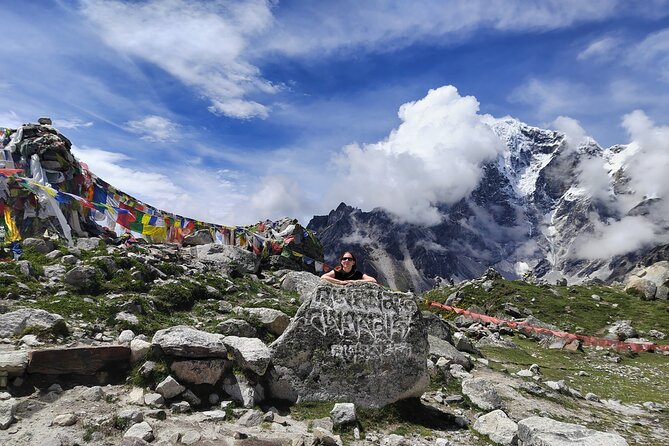
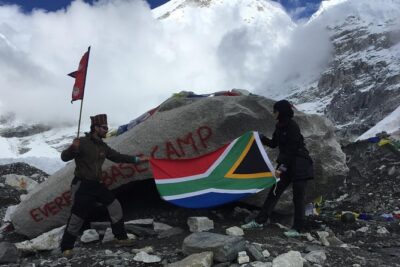
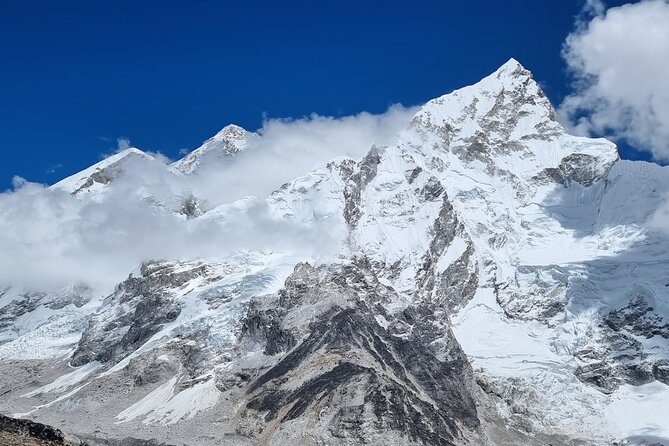
If you come for Everest, you’ll get the payoff. Everest Base Camp sits at about 5,364m (17,598 feet), and Kala Patthar rises higher at 5,545m (that’s the big photo-day goal most people plan around). What makes this trek work is the way the route stages your climb: you gain altitude gradually, then pause to let your body adapt.
I also like that the big moments are spread out instead of compressed into one exhausting day. You’re not just walking uphill until you collapse. You have time around Namche Bazaar and Dingboche to learn how your body reacts, then you push harder toward the rocky, glacier-linked zone around Gorakshep and Base Camp.
One practical note: the higher you go, the more “small” things matter—sleep, hydration, and pace. Even when the trek is labeled not extremely difficult for a lifetime goal, the altitude is the real challenge.
You can also read our reviews of more tours and experiences in Kathmandu.
Kathmandu in 3-star comfort: Thamel Eco Resort or The Address
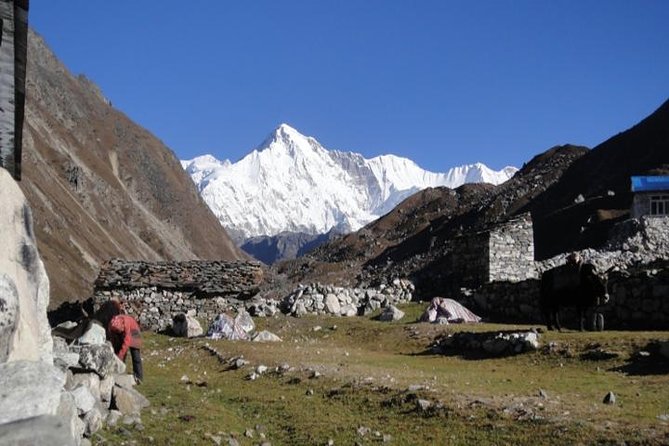
Your trip starts in Kathmandu with pickup and transfer to a 3-star hotel in Thamel. The two options listed are Thamel Eco Resort or The Address Kathmandu Hotel, with three nights in Kathmandu on this schedule.
Why this matters: Kathmandu is your buffer day. You land at Tribhuvan International Airport, get moved to your hotel, and then you’re ready to handle the next day’s Lukla flight plan. After the trekking portion, you also get time for a farewell dinner at Bhojan Ghar and some sightseeing options, including Monkey Temple, Patan Durbar Square, Boudhanath Stupa, and Pashupatinath Hindu Temple.
This is not an ultra-free sightseeing vacation. It’s a trek first. But those Kathmandu hours can help you reset before and after the mountains.
Lukla flight and the first leg to Phakding: start gently, not bravely
Day 2 is a morning fly from Kathmandu to Lukla, landing at 2,886m. Once you arrive, you refresh in a hotel and then begin trekking toward Phakding at 2,640m. This first hiking day follows a gentle climb along the left bank of the Dudh Koshi.
I like this setup because it avoids the classic mistake: rushing into big altitude gain immediately. You’re still in the high country, but the walking angle is gradual and the views start showing early. There’s also something mentally useful here—your body gets used to the effort before you ever reach Namche Bazaar.
Expect a day where pace matters more than speed. You’re building stamina for the longer, steeper sections ahead.
Namche Bazaar at 3,440m: where acclimatization becomes a real plan
Namche Bazaar is the key altitude checkpoint at about 3,440m. On this trip, you reach it after trekking from Phakding, then you return later for another walk down from higher ground. But the first time you arrive, you’re there long enough to do it properly: a full acclimatization day.
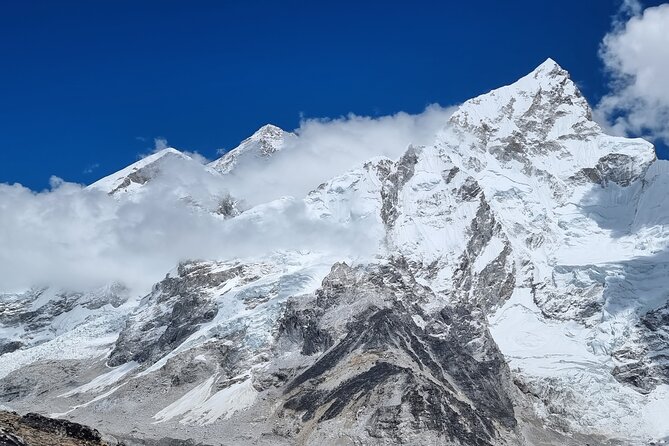
From Namche, one day includes a hike up to Khumjung monastery in the Khumjung area. From there, you get wide views in multiple directions—Everest, Ama Dablam, Thamserku, Nuptse, Lhotse, and more. You also visit a museum just above town that covers Sherpa culture. That combination matters: you’re not only climbing; you’re learning the human history that surrounds the mountains.
Then there’s the other Namche-related cultural stop on the later route back toward Lukla. You visit traditional villages like Khumjung and Khunde and see a monastery associated with Yeti scalp lore. It’s unusual, a little strange, and very local—one of those details that makes the trek feel less like a conveyor belt.
My practical takeaway: Namche is where you find out how you handle altitude. If you feel off, you don’t “push through.” You rest, eat, and follow the pace the guide sets.
Tengboche (Tyangaoche) and monastery time: big views with a quiet rhythm
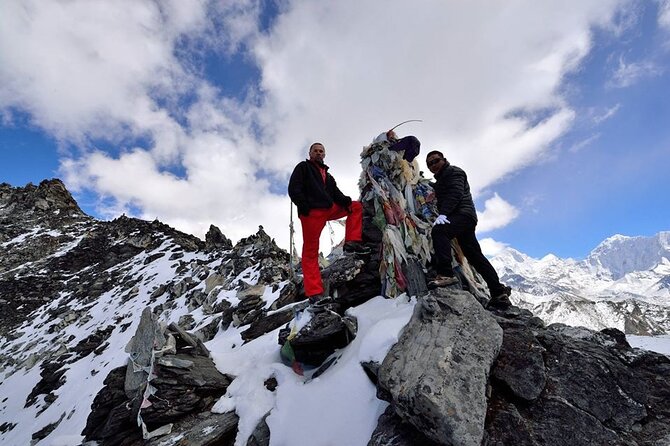
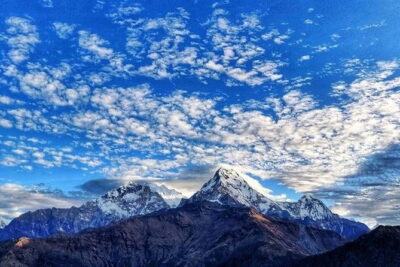
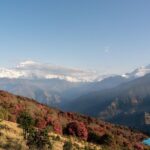
Tengboche is around 3,867m. On the way there, the trek leaves you with big panoramic sightlines over the Khumbu peaks. Ama Dablam, Everest, Lhotse, Nuptse, and Tawoche show up in clear view windows depending on the weather.
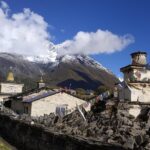
The highlight is Tengboche monastery time. This part of the trek often feels different from the harder walking days because you slow down on purpose. You’re also positioned for sunrise and sunset views of Everest and Ama Dablam, which is exactly the kind of payoff people dream about when they sign up for this route.
There’s also a sequence of stops en route, including areas like Trashinga and Phunki Tenga, as you make your way into Tengboche. The trekking hours here can feel pleasantly scenic rather than purely grindy, which helps when you’re already thinking about the next acclimatization phase at Dingboche.
Dingboche and Chhukum: the altitude lesson you can’t skip
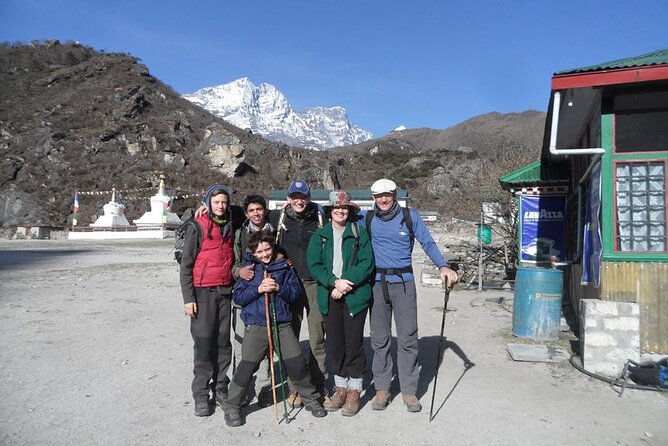
Dingboche sits higher at about 4,260m. You reach it after trekking from Tengboche and then you get a dedicated acclimatization day there too.
This is where you’ll feel the rhythm of the trek: walk a bit, pause, adjust, then walk again. The second Dingboche day includes a hike up to Chhukum, which sits in the right zone for mountain views without being the full summit push. From Chhukum, you can look toward Island peak, Ama Dablam, Makalu, Tawoche, and more.
I like Chhukum because it gives you a taste of higher-altitude effort while still staying in the acclimatization window. You’re practicing how to move at altitude and how long it takes your body to recover between activities.
You’ll sleep again in teahouse lodge settings at Dingboche, then continue onward. This whole stage is about preparing for the Base Camp day when you’ll be surrounded by rock, ice, and long walking stretches.
Lobuche and Gorakshep: the rocky road to Everest Base Camp
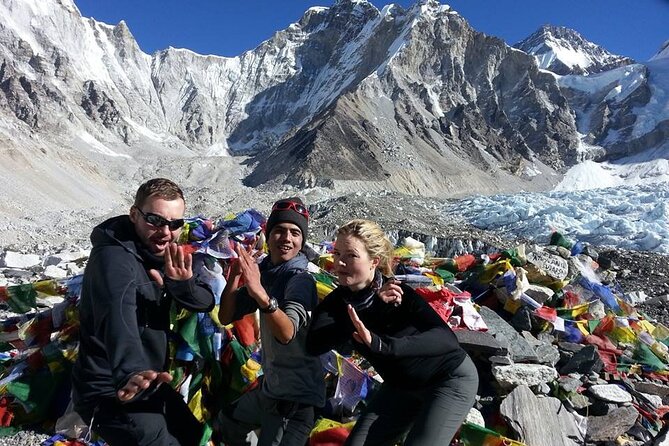
Once you leave Dingboche, you move toward Lobuche, reaching it after trekking over roughly five hours (the schedule includes a stop area like Dugla for lunch around 4,595m). Lobuche is where the scenery starts shifting from village valleys into more rugged, glacial-looking terrain.
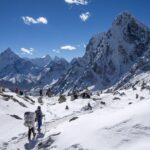
You pass through sections with sweeping views of peaks like Tawache, Ama Dablam, Pokalde, Kongma-tse, and the long wall of Nuptse. At this point, the trek feels more dramatic because the mountain shapes are louder. Even if visibility changes from day to day, the sense of scale grows.
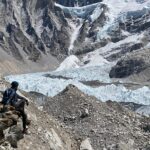
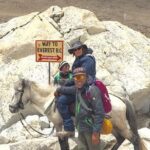
Then the real work comes: day 9 is the trek from Lobuche to Gorakshep (about 5,140m) and on to Everest Base Camp. This is described as the most rewarding part of the trek, and it fits the pattern: you’re moving through rocky paths and near the Khumbu glacier zone.
You visit Everest Base Camp and then return to Gorakshep for the night. Expect longer hours here, and expect the day to feel different. Your energy goes into movement, and your attention locks onto the views when they open up.
This is also why the acclimatization days matter. When you’ve handled those earlier checkpoints well, you’re more likely to enjoy the Base Camp day instead of just surviving it.
Kala Patthar sunrise and the descent to Pheriche, then Namche and Lukla
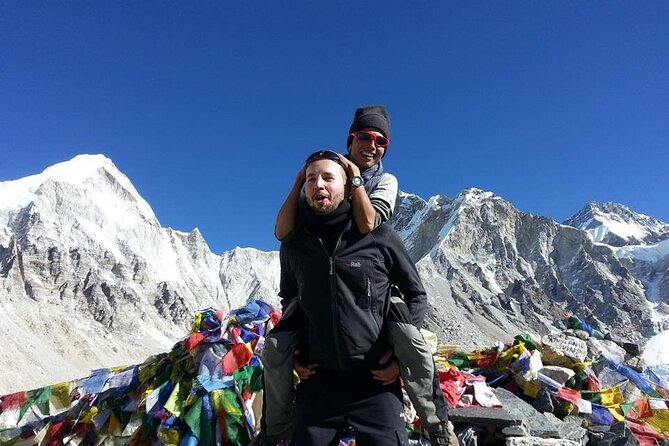
The next big day is about getting up early for sunrise at Kala Patthar (around 5,545m). From Kala Patthar, you’re positioned for wide views that can include Everest, Pumori, Lingtren, Khumbutse, Nuptse, Lhotse, Ama Dablam, Thamserku, and many others depending on conditions.
After that sunrise effort, you trek down to Pheriche (about 4,243m). The schedule also notes an aid post at Pheriche where foreign volunteer doctors provide medical treatment, which is a comforting detail to know when you’re planning a high-altitude trek.
Then you spend a longer walking day moving from Pheriche toward Namche Bazaar, including return paths that connect with traditional villages and the monastery stop with the Yeti scalp association. After that, you drop to Lukla on the last trek day.
From Lukla, you fly back to Kathmandu on an early schedule, with arrival at TIA and transfer to your hotel. The return is gradual at first (trek-wise), then it becomes a time-jump via flight—your body will feel both relief and fatigue after being at altitude.
Price and logistics: what $1,600 buys you (and what it doesn’t)
This trek is listed at $1,600 per person for about 15 days. For that price, you get a lot of the high-cost parts of Nepal trekking handled:
Included highlights:
- Air-conditioned vehicle support in Kathmandu
- 3-star twin-share accommodation in Kathmandu for three nights (Thamel Eco Resort or The Address Kathmandu Hotel)
- Teahouse lodge accommodation during the trek (mostly twin-share; occasionally dormitory-style)
- Kathmandu–Lukla–Kathmandu airfare sector, including airport departure tax
- Trekking permits and necessary paperwork
- A government licensed English-speaking guide
- Porters: one porter for every two clients
- Meals listed as 14 breakfasts, 11 lunches, and 12 dinners
- Airport pickup/transfer support in Kathmandu
- Mobile ticket and group discounts are part of the setup
- Maximum group size is 15 travelers
Not included (important):
- International airfare
- Nepal visa (you can get it on arrival, but it’s not included)
- Travel insurance covering emergency high-altitude rescue and evacuation
- Lunch and dinner in Kathmandu
- Alcoholic, hot, and cold drinks
- Personal trekking equipment
- Tips for guide and porter (tipping is expected)
My value take: $1,600 can be a strong deal if you’d otherwise have to source flights, permits, and guide/porter support yourself. The hardest-to-plan pieces on an Everest trek are the timing around Lukla and having permits plus staffing organized. This package tries to reduce that stress by handling those core parts in advance.
Guides on this route: Padam, Pralad Simkhada, and Hari Khadka support
One thing that comes up repeatedly in how people describe their experience is the human layer: the guide’s attentiveness and the way logistics get managed when conditions shift.
You’ll see guide names associated with this trek such as Padam (sometimes listed as Phadam) and Pralad Simkhada. A coordinator named Hari Khadka also appears in the context of communication before and during the trip. While the mountains are the main character, a good guide changes how safe and enjoyable the days feel—especially when weather can affect flights to and from Lukla.
On paper, the operator lists that the guide is English-speaking, first-aid trained, and government licensed. In real life, what that means for you is straightforward: someone with the right credentials is steering your pace, keeping acclimatization on track, and making sure essential checkpoints get handled.
Altitude sense, fitness, and safety steps that matter
This tour explicitly asks for strong physical fitness. That’s not marketing fluff. On a trek with stops at 3,440m, 4,260m, and then days above 5,000m, your legs and your breathing both get tested.
A few safety-related details you can lean on:
- You have structured acclimatization days at Namche Bazaar and Dingboche.
- The guide is first-aid trained and government licensed.
- An aid post at Pheriche includes foreign volunteer doctors who can provide medical treatment.
- There’s a porter system (1 porter per two clients) to reduce load.
What you should plan personally:
- Bring personal trekking equipment since it’s not included.
- Add travel insurance that covers emergency high-altitude rescue and evacuation. The operator does not include it.
I’ll also say this plainly: don’t treat acclimatization like a box to check. If you feel bad, you slow down, you communicate, and you follow your guide’s plan. Altitude can punish pride fast.
Who this trek fits best (and who should think twice)
This is a great fit if:
- You want the classic Everest Base Camp route with the essential stops like Namche Bazaar, Tengboche monastery, and Base Camp itself.
- You prefer lodge-to-lodge trekking rather than camping.
- You like the structure of acclimatization days.
- You want a small group (max 15) and a clear guide/porter setup.
You might think twice if:
- You dislike altitude exposure or you’re not confident about maintaining a steady pace over multiple long days.
- You want lots of downtime in Kathmandu. The trip is mountain-focused, with Kathmandu used mainly for start/end and light sightseeing.
Should you book this Everest Base Camp trek?
I’d book it if you want a well-structured Everest Base Camp experience where the hard parts are handled: guide credentials, permits, the Kathmandu–Lukla–Kathmandu airfare sector, and a plan that respects acclimatization. For many people, that combination is what turns a dream trip into a trip that feels manageable day by day.
But if you’re unsure about fitness or you want a softer altitude profile, you should reassess before committing. The trek goes high, including Kala Patthar and the altitude around Everest Base Camp. Go in with a calm pace, listen to your body, and you’ll stand a much better chance of enjoying the views instead of just pushing through.
FAQ
What time does the trek start?
The meeting start time is listed as 6:15 am.
Where does the tour operate?
It starts in Kathmandu, Nepal, and includes trekking in Nepal’s Everest region, along with flights to and from Lukla.
Is pickup included in Kathmandu?
Yes, pickup is offered, and you also get transfer support on arrival and departure days in Kathmandu.
Are flights to Lukla included?
Yes. The package includes airfare for the Kathmandu–Lukla–Kathmandu sector, including airport departure tax.
What level of accommodation can I expect?
In Kathmandu you stay in 3-star twin-share accommodation for three nights. During the trek you stay in guesthouses/tea house lodges, mostly twin-share, with occasional dormitory-style rooms.
What’s the highest point on the trek?
Kala Patthar is listed at about 5,545m, and Everest Base Camp is listed at about 5,364m.
Do I need to arrange permits?
No. The package includes all necessary trekking permits.
Is travel insurance included?
No. Travel insurance covering emergency high-altitude rescue and evacuation is not included.
Can I cancel for a full refund?
Yes. Free cancellation is available if you cancel at least 24 hours in advance for a full refund. If you cancel less than 24 hours before the start time, there is no refund.
If you want, tell me your walking pace and current fitness level (and whether you’re traveling solo or with friends). I can help you judge how demanding the schedule will feel for you and what to prioritize before you go.