REVIEW · KATHMANDU
From Kathmandu: 12-Day Everest Base Camp Guided Trekking
Book on GetYourGuide →Operated by Welcome Nepal Treks P.Ltd · Bookable on GetYourGuide
Lukla starts fast, and then the mountains take over. I like the experienced guides who keep you moving safely and make the trek feel organized, and I love the payoff of Everest Base Camp plus the big-picture sightlines you get along the Khumbu trail. One thing to consider: tea house comfort is basic, and in colder months the nights can feel genuinely hard.
This is a 12-day, small-group trek limited to 15 people, guided in English, with logistics handled end-to-end—pickup in Kathmandu, early flights to Lukla, park paperwork, and return to the capital. In the guide lineup, names like Padam, Nishan, and Rohan show up in past trekkers’ notes, and manager Hari is mentioned as help for trip prep. That kind of human support matters when you’re heading into high-altitude country.
In This Review
- Key highlights to know before you go
- From Kathmandu to Lukla: the start that sets your pace
- Tea houses, small-group trekking, and what a 12-day rhythm feels like
- The day-by-day Everest Base Camp route (what each stop gives you)
- Day 1: Kathmandu to Lukla, then trek to Phakding
- Day 2: Phakding to Namche Bazar (3,440 m)
- Day 3: Acclimatization day in Namche (second overnight)
- Day 4: Namche to Tyangboche (3,867 m)
- Day 5: Tyangboche through rhododendron country toward Dingboche
- Day 6: Acclimatization day in Dingboche (second overnight)
- Day 7: Dingboche to Lobuche (4,930 m)
- Day 8: Lobuche to Everest Base Camp via Gorakshep (5,364 m)
- Day 9: Gorakshep to Kala Patthar (5,545 m) and down to Pheriche (4,243 m)
- Day 10: Pheriche down to Tyangboche and then back toward Namche
- Day 11: Namche to Lukla (final night at Lukla)
- Day 12: Lukla flight back to Kathmandu, hotel transfer
- The acclimatization strategy that makes the trek more doable
- Everest Base Camp day: what the experience feels like on the trail
- Kala Patthar: the big morning climb you shouldn’t rush
- Gear, comfort, and cold-night reality
- Price and value: what $1,002 covers, and what to budget for
- Who should book this trek (and who should pass)
- Should you book this 12-day Everest Base Camp trek?
- FAQ
- How long is the Everest Base Camp trek?
- What’s the starting point and how do you get to the trail?
- What language is the guide?
- Are meals included during the trek?
- Are hot showers and internet available on the trek?
- Do I need a porter?
- Are permits included?
- What gear is provided?
- Who is this trek not suitable for?
Key highlights to know before you go
- Small-group feel (15 max): you get the structure of a guided trek without the chaos of a huge group.
- Acclimatization built in: rest and extra altitude days in Namche and Dingboche so your body has time to adjust.
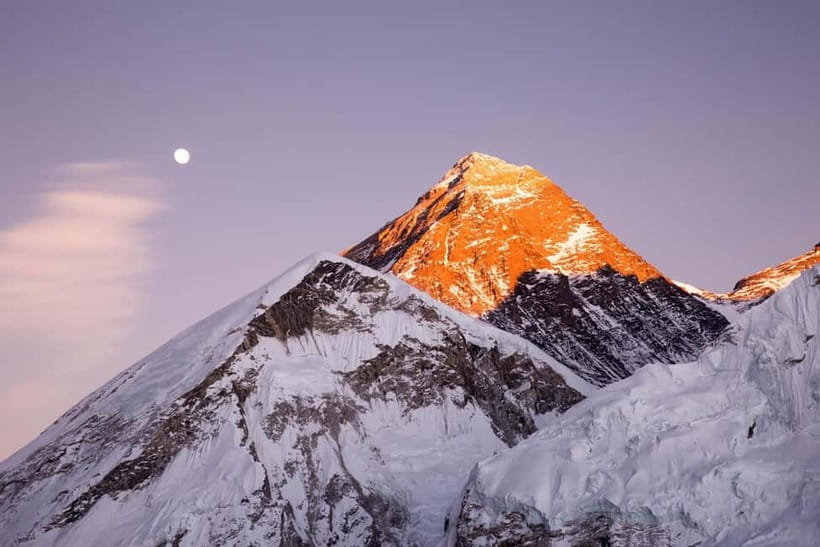
- Everest Base Camp day: a long, rewarding push via Gorakshep, reaching 5,364 meters.
- Kala Patthar for the iconic view: the highest morning sprint (to 5,545 meters) before descending toward Pheriche.
- Guide-led safety and pacing: named guides like Padam, Nishan, and Rohan emphasize route knowledge and keeping trekkers steady in tough conditions.
- Tea house lodging every night on route: real “Khumbu trail life,” not camping gear trekking.
From Kathmandu to Lukla: the start that sets your pace
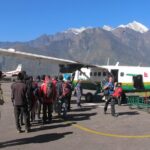
Your trip begins with pickup from your Kathmandu hotel (and also Bhaktapur or Lalitpur). Then it’s straight to Tribhuvan International Airport for an early flight to Lukla. That early timing matters: you want daylight for the first stretch, and Lukla mornings are often calmer when weather is behaving.
Once you land, you transfer to the start point and begin trekking to Phakding for your first tea house night. This first day isn’t about heroics. It’s about getting into rhythm—boots on, breathing steady, and letting your body learn the trail before altitude really starts climbing.
Practical note: the trek doesn’t allow luggage or large bags. Pack light, because you’ll live out of your duffle and (if needed) the provided gear. If you’re used to bringing a lot of “just in case” items, this is your nudge to travel smarter.
You can also read our reviews of more tours and experiences in Kathmandu.
Tea houses, small-group trekking, and what a 12-day rhythm feels like
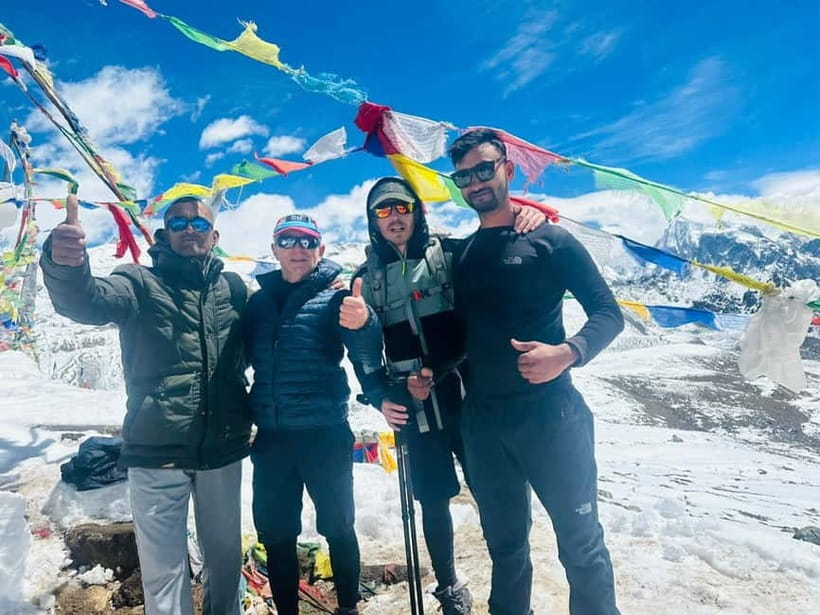
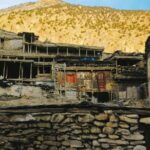
This trek uses lodges/tea houses for overnight stays throughout the route. That means you trade tents and camping systems for a simple base: shared dining rooms, small rooms, and the routine of eating early, storing your layers, and getting into bed in a cold-air altitude world.
You’ll also be in a small group (limited to 15). That changes the day-to-day feel. You can move with your guide, ask questions without getting swallowed by the crowd, and generally keep a pace that matches the terrain.
Meals are not included (more on value later), so you’ll budget for breakfast/lunch/dinner during the trek. What you gain is flexibility: you can choose what you want to eat in tea house settings, and your guide can help keep your timing realistic.
And yes, you should expect basic conditions. One of the most repeated themes is that the days are the reward, while nights—especially in December—can be tough. The good news: the itinerary is designed for sunrise-to-midday effort, then rest.
The day-by-day Everest Base Camp route (what each stop gives you)
Here’s how the trek unfolds, and what makes each stage worth paying attention to.
Day 1: Kathmandu to Lukla, then trek to Phakding
Flight to Lukla, then your first trekking day to Phakding. Think of this as “trail calibration.” You’ll get used to the steps, the air, and the way tea houses run on a daily schedule.
What to watch: keep your effort gentle. Even before big altitude gains, it’s easy to overdo it when you’re excited.
Day 2: Phakding to Namche Bazar (3,440 m)
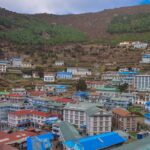
You trek up to Namche Bazar at 3,440 meters. Namche is a hub—part town, part gateway to the higher Khumbu areas. This is where your altitude reality starts to show.
Why it matters: you’re not just changing altitude; you’re changing your “day structure.” Namche gives you a place to settle, eat, and adjust.
Day 3: Acclimatization day in Namche (second overnight)
You rest in Namche to acclimatize. You stay another night, which helps your body catch up with the climb you already did.
How to use this day wisely: walk at an easy pace, don’t treat it like a sightseeing marathon, and stay hydrated. This day isn’t wasted time—it’s what makes later days more manageable.
Day 4: Namche to Tyangboche (3,867 m)
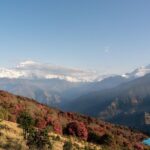
You head to Tyangboche at 3,867 meters. This is a classic segment for views and for feeling how the trail pulls you deeper into the Khumbu region.
What you’ll feel: elevation is still rising, but the trail now has that “this is serious mountain country” feel.
Day 5: Tyangboche through rhododendron country toward Dingboche
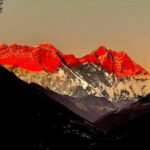
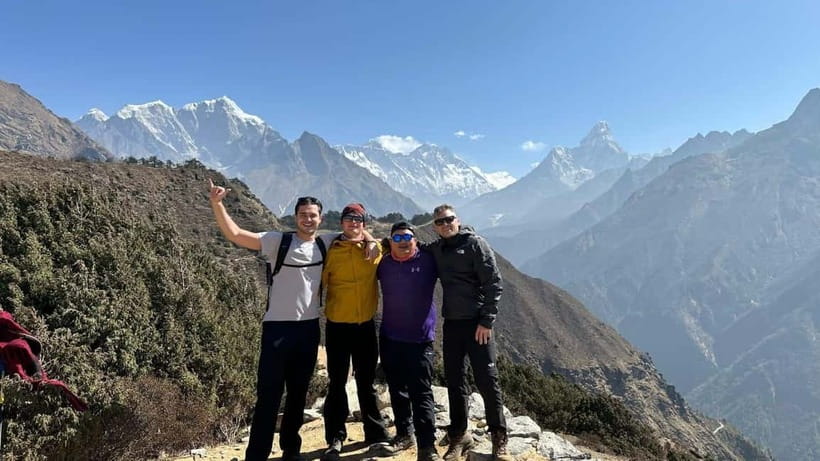
This day includes trekking through a rhododendron forest, crossing a suspension bridge over Imja Khola, and moving into the Imjatse Valley beneath major peaks like Ama Dablam, Nuptse, and Lhotse. You continue to Dingboche (4,260 m).
Why it’s memorable: you’re not only walking; you’re moving through scenery that makes the geography of the region click. And suspension bridges add a little drama—usually the fun kind.
Day 6: Acclimatization day in Dingboche (second overnight)
You stay an extra day at Dingboche to acclimatize, again with tea house lodging.
This second acclimatization block is one of the biggest “quality” elements of the itinerary. You’re not rushing to the high points; you’re giving your body time to adapt.
Tip: on acclimatization days, keep activities light and focus on sleep and steady fluids.
Day 7: Dingboche to Lobuche (4,930 m)
You trek toward Lobuche. The walk is about 5.5 hours, with a lunch stop in Dugla, then arrival at Lobuche at 4,930 meters.
At this stage, you’re moving into the final approach zone. There’s often a mental shift here: the closer you get, the more you’ll notice how weather and light affect what you see.
Day 8: Lobuche to Everest Base Camp via Gorakshep (5,364 m)
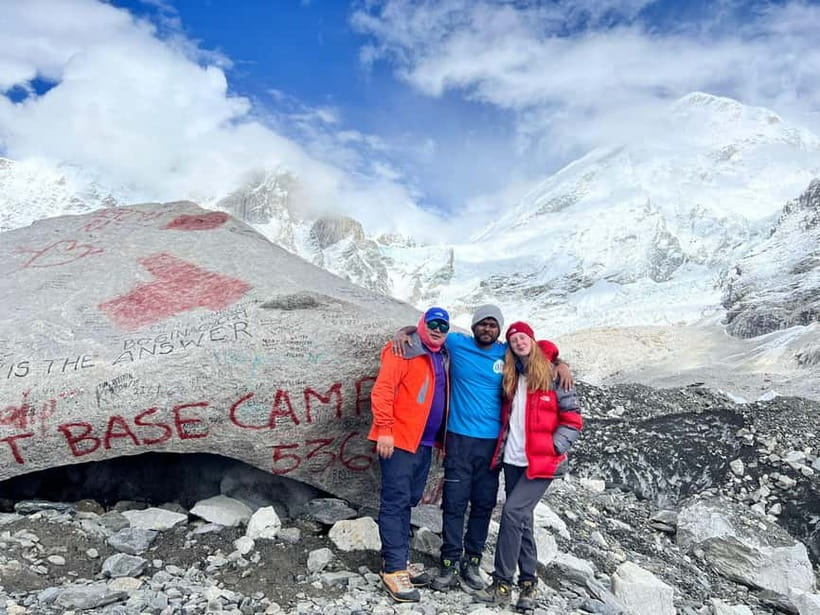
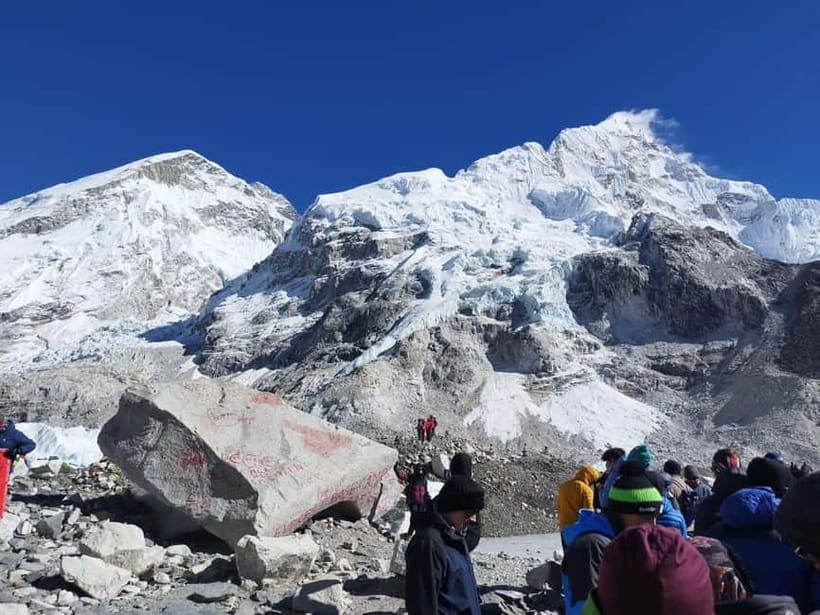
This is one of the most rewarding segments. You start from Lobuche, go through Gorakshep, and push to Everest Base Camp at 5,364 meters.
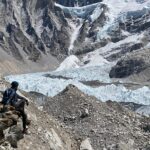
Expect rocky paths, big glacier-area views, and that very real sense of standing at the edge of the Everest world. After visiting Base Camp, you return to Gorakshep for the night.
What to keep in mind: this day is longer and more demanding than the earlier “settle-in” days. Pace yourself so you’re not drained before you reach Base Camp.
Day 9: Gorakshep to Kala Patthar (5,545 m) and down to Pheriche (4,243 m)
You hike from Gorakshep up to Kala Patthar at 5,545 meters—often the peak morning that people remember most—then continue to Pheriche (4,243 m) for the overnight.
Why Kala Patthar is worth the effort: it’s a high-altitude viewpoint moment. You’ll be working hard, but it’s the kind of view that makes your earlier climbs feel worth it.
Day 10: Pheriche down to Tyangboche and then back toward Namche
This is a descent day. You start by hiking from Pheriche back toward Tyangboche (3,867 m), then continue trekking toward Namche Bazaar for the night.
Descending still takes time, but it usually feels better on your legs than the steady uphill days.
Day 11: Namche to Lukla (final night at Lukla)
You trek down to Lukla, then spend your last night there. This is your transition back to flight mode and normal life back in Kathmandu.
Day 12: Lukla flight back to Kathmandu, hotel transfer
You board an early scenic flight back to Kathmandu. Then you’re transferred to your hotel by a tour representative, with an overnight in Kathmandu.
The acclimatization strategy that makes the trek more doable
The itinerary includes two built-in acclimatization moments:
- Namche Bazar with a rest day (Days 2–3)
- Dingboche with a second rest day (Days 5–6)
Why this matters: high altitude doesn’t just punish your body. It also messes with your decision-making. When you’re tired, you’re more likely to push too hard, eat too little, or skip hydration. These rest days help you avoid that spiral.
In plain terms, the trek’s structure gives you a chance to adapt before you go higher toward Lobuche, Gorakshep, and Base Camp.
Everest Base Camp day: what the experience feels like on the trail
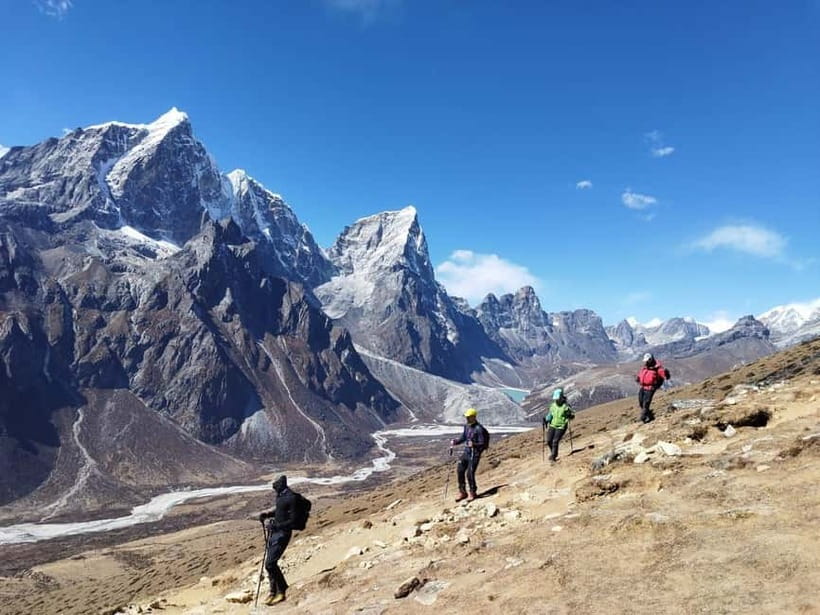
Reaching Everest Base Camp at 5,364 meters is the headline. But what you’ll likely remember just as much is the lead-up: the steady progression through Gorakshep, the changing textures of the trail, and the glacier-area views that sharpen as the day goes on.
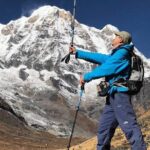
This is also the day when your guide’s pacing style really matters. People often talk about “safety” and “confidence” in these high areas, and names like Padam and Nishan come up repeatedly in past trekkers’ notes for being attentive and positive—exactly the mindset you want when conditions feel tougher.
After Base Camp, you return to Gorakshep for the night. That sets up the next morning climb to Kala Patthar—so don’t treat the day like a quick stroll. Eat, rest, and keep your layers ready.
Kala Patthar: the big morning climb you shouldn’t rush
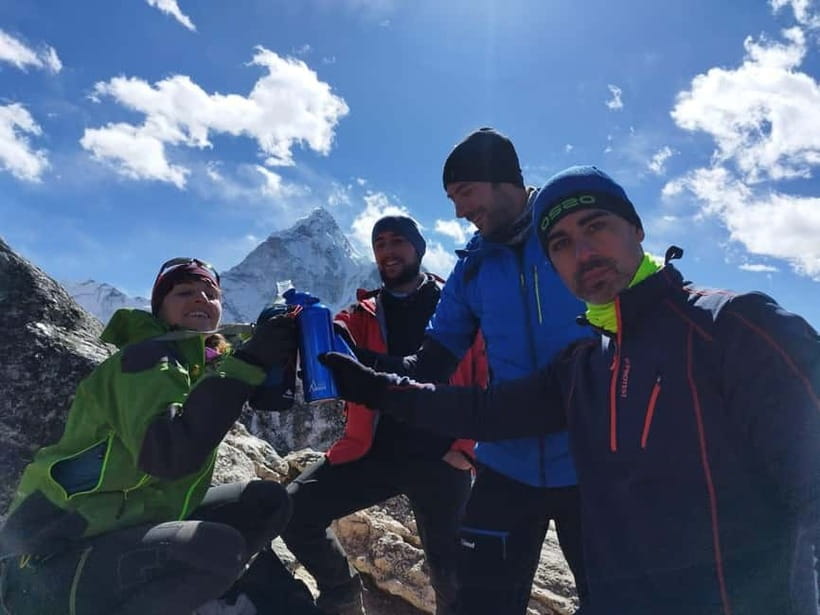
Kala Patthar (5,545 m) is the highest point on the itinerary and one of the most demanding mornings. You hike up from Gorakshep, then continue down to Pheriche.
Here’s the strategy that usually works best: controlled effort. You don’t need to sprint. You need to arrive steady enough to actually enjoy what you’re looking at.
This segment is also a useful reminder that the trek isn’t only about reaching a named place. It’s about timing, effort, and how your breath and energy change as altitude climbs.
Gear, comfort, and cold-night reality
The trip can provide a jacket, sleeping bag, and duffle bag if required/requested. That’s a meaningful value add because cold-weather trekking gear can be expensive to buy and a pain to haul.
Still, tea houses mean you’ll be living in a mix of heated dining spaces and cold sleeping rooms. One review specifically flagged that December nights can be tough. If you’re going in a colder season, plan for real insulation needs and layer management.
Also: hot showers and internet are not included during the trek. Don’t build your comfort expectations around them.
Price and value: what $1,002 covers, and what to budget for
The price is $1,002 per person for 12 days. The included items are where the value shows:
Included:
- Return domestic flight between Kathmandu and Lukla
- Airport pickup/drop-off in Kathmandu
- National park entry paperwork and permits (Sagarmatha National Park and TIMS)
- Tea house accommodations for the trek nights
- An experienced English-speaking guide
- Guide salary, food, transport, accommodation, and insurance
- Gear support (jacket/sleeping bag/duffle if needed/requested)
Not included:
- Meals (breakfast, lunch, dinner) during the trek
- Porter services (available extra; 1 porter can assist up to 25 kg for 2 guests)
- Alcoholic and non-alcoholic drinks
- Hot showers and internet during the trek
- Travel insurance
So the main “extra cost” bucket you should plan for is food and drinks, plus travel insurance. If you’d rather not carry much, consider adding a porter. The trek allows that choice, but it’s not automatic.
In other words: you’re paying for the heavy lifting—transport, permits, lodging, and guide—while you manage personal comfort and meals.
Who should book this trek (and who should pass)
This experience is a strong fit if you:
- Want a guided route with experienced leadership and structured acclimatization
- Prefer tea house lodging over camping systems
- Enjoy being part of a small group (15 max)
- Are ready for long days of walking and cold-night conditions
It’s not suitable for:
- Pregnant women
- People with heart problems
- Wheelchair users
If you’re on the fence because of fitness, be honest with yourself about pace. The itinerary climbs steadily and includes high-altitude days like Base Camp and Kala Patthar.
Should you book this 12-day Everest Base Camp trek?
I’d book it if you want an EBC trip that’s organized, guide-led, and built around acclimatization—rather than a “go-go-go” climb. The big reasons are the structure: rest days in Namche and Dingboche, tea house lodging nightly, and full logistics from Kathmandu to Lukla and back. Guides like Padam, Nishan, and Rohan show up in past trekkers’ notes for being supportive and steady, which is exactly what you want when the mountains test your patience.
I’d pause if cold nights or basic facilities will stress you out. Also plan your budget for meals, drinks, and travel insurance. And don’t plan to bring big luggage—you’ll need to pack light.
If that sounds like your style of adventure, this is a practical, value-focused way to reach Everest Base Camp and chase the view from Kala Patthar.
FAQ
How long is the Everest Base Camp trek?
It runs for 12 days, from Kathmandu to Lukla and back to Kathmandu.
What’s the starting point and how do you get to the trail?
You get hotel pickup in Kathmandu (also Bhaktapur and Lalitpur), then an early flight from Kathmandu to Lukla. After arrival in Lukla, you’re transferred to the starting point and begin trekking to Phakding.
What language is the guide?
The guide is provided in English.
Are meals included during the trek?
No. Breakfast, lunch, and dinner during the trek are not included.
Are hot showers and internet available on the trek?
Hot showers and internet are not included during the trek.
Do I need a porter?
Carrying bags by a porter isn’t included. A porter is available at an additional cost, and one porter can assist up to 25 kg weight for up to 2 guests.
Are permits included?
Yes. The package includes Sagarmatha National Park entrance permits and TIMS card fees, along with the necessary paperwork.
What gear is provided?
The trip can provide a jacket, sleeping bag, and duffle bag to use if required or requested.
Who is this trek not suitable for?
It’s not suitable for pregnant women, people with heart problems, and wheelchair users.