REVIEW · POKHARA
Poon Hill Ghandruk Circuit Trek from Pokhara 4 Days
Book on Viator →Operated by Pokhara Adventure Nepal (PAN) · Bookable on Viator
Waking up before dawn pays off fast in Nepal. This 4-day Poon Hill and Ghandruk circuit is built around that early climb to Poon Hill (3,210m), so you get big Annapurna and Dhaulagiri views—plus Mt. Machapuchare (Fishtail)—without spending an entire week on the trail. I also like how the route mixes mountain scenery with real village life in Ghandruk, where you’ll pass through Gurung culture and stone-house streets.
The main drawback to plan for is simple: the days start early and the walking is solid (roughly 6–7 hours on multiple days), so it’s not a casual stroll, even though it’s considered manageable for many fitness levels.
In This Review
- Key Points You’ll Care About
- Why This 4-Day Poon Hill and Ghandruk Circuit Feels Worth It
- Price and logistics: what $265 covers in real life
- From Pokhara to Ulleri: the Start That Sets Your Pace
- The Walk Into Ghorepani: Banthali and View-Spotting
- Poon Hill Sunrise Day: the Big Moment at 3,210m
- One consideration: clouds can affect everything
- Ghandruk Village: Gurung Hospitality You’ll Actually Notice
- Day 4 Down to Pokhara: Rhododendron Forest and a Gentle Landing
- Lodges, Food, and Hot Water Reality Checks
- The Guide Makes the Difference: Prakash and Kabi
- Who This Trek Suits Best (and Who Might Want Something Else)
- Should You Book the Poon Hill–Ghandruk Circuit from Pokhara?
- FAQ
- How long is the Poon Hill Ghandruk circuit trek from Pokhara?
- What is the starting and ending point of this trek?
- How much does the tour cost?
- Is hotel pickup and drop-off included?
- What kind of accommodation will I have during the trek?
- Are permits included?
- Do I need to provide documents for permits?
- Is there an English-speaking guide?
- Is this a private trip or a shared group?
- What is the cancellation policy?
Key Points You’ll Care About
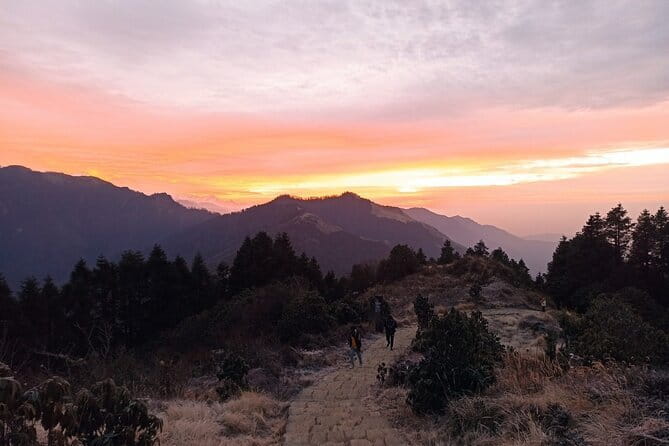
- Sunrise timing at Poon Hill means an early start and a steady push up to catch the light.
- Ghandruk Village culture gives you a different kind of “wow” beyond peaks and ridgelines.
- Teahouse/lodge trekking keeps lodging simple and built into the schedule.
- Permits included (Annapurna Conservation Area permit + TIMS), plus an English-speaking trekking guide.
- Pokhara pickup and drop-off paired with shared-bus transfers saves hassle.
- Private trip with group discounts keeps things more personal than a big mixed group.
Why This 4-Day Poon Hill and Ghandruk Circuit Feels Worth It
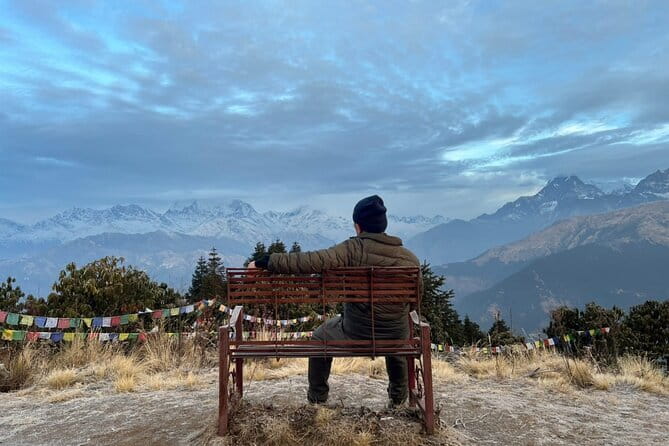
If you want one trek that hits both the famous viewpoints and a lived-in Himalayan village, this route is hard to beat. You’re trading big multi-week logistics for a tight schedule: a climb into classic Annapurna views, a sunrise mission at Poon Hill, and then a downhill run that finishes back in Pokhara Lakeside.
The “value” here isn’t just that you get scenery. You get the pieces that often slow people down: an experienced English-speaking guide, included permits, and teahouse stays that are planned into the walking rhythm. That’s why this trek works so well for first-timers and also for experienced hikers who want a shorter hit of the Annapurna region.
And you’ll notice the emotional swing of the trail. One day you’re chasing light over the high peaks. The next, you’re walking into a village where people are used to visitors and hospitality is part of daily life.
You can also read our reviews of more tours and experiences in Pokhara.
Price and logistics: what $265 covers in real life
At $265 per person, you’re not only paying for the scenery. You’re paying for:
- Hotel pickup and drop-off in Pokhara
- Round-trip transfer by sharing bus
- Teahouse (lodge) accommodation during the trek
- An experienced English-speaking trekking guide
- Permits: Annapurna Conservation Area permit + TIMS
- A private trip setup (only your group participates)
- A mobile ticket for the tour
That matters because trekking in Nepal is rarely “just walking.” Paperwork and route timing matter, and so does having someone who knows the pace, the stops, and where you’ll sleep.
From Pokhara to Ulleri: the Start That Sets Your Pace
The experience begins in Pokhara, with pickup and then a sharing bus transfer to the trekking start area. From there, you’ll head to Nayapul (about 1.5 hours by local bus), then start walking uphill toward Ulleri at around 2,070m (6,791ft).
This first day has a useful purpose: it gets you warm, sorted, and used to trail motion. You’ll also get that early Nepal rhythm—birds around the villages, a constant shift between dirt trail and steps, and views that start appearing more clearly as you gain elevation.
Practical note: even if you feel good in Pokhara, the change in altitude and walking time can surprise you. I’d treat Day 1 as your “get in the groove” day. You don’t need to race uphill to enjoy the trek.
The Walk Into Ghorepani: Banthali and View-Spotting
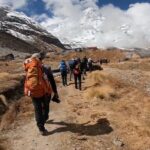
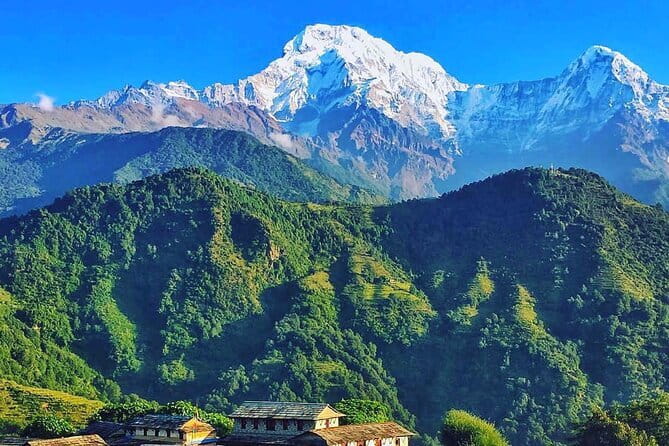
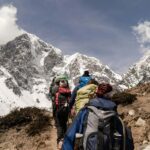
Day 2 moves you from Ulleri to Ghorepani, and along the way you pass through Banthali, a village linked with the Magar community. This is the kind of stop that makes the trek feel real, not staged. You’re walking through everyday Nepal—people living their lives while you’re passing through for the views.
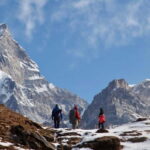
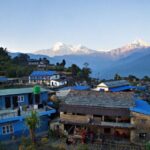
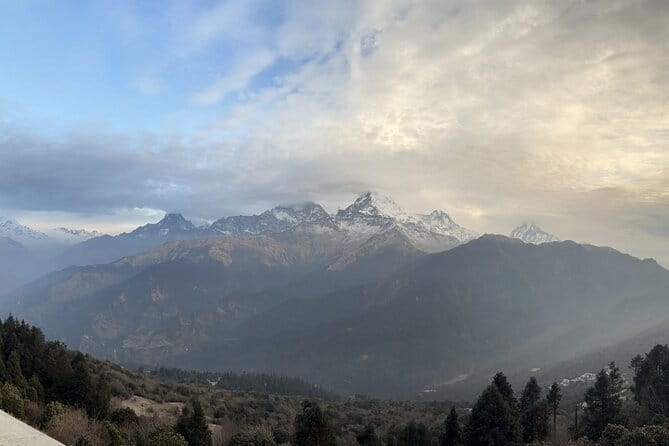
The route also builds toward big panorama payoffs. The trail passes areas with memorable sightlines toward peaks such as Annapurna South (7,219m) and Himchuli (6,441m). Even if you don’t catch every peak clearly every minute, you’ll see enough to understand why Poon Hill became famous.
How to enjoy this day:
- Keep a steady pace. You want to arrive looking forward to Poon Hill sunrise, not worn out.
- Take frequent short breaks. It helps you stay present, not just survive the climb.
Poon Hill Sunrise Day: the Big Moment at 3,210m
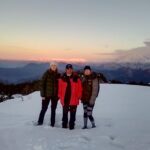
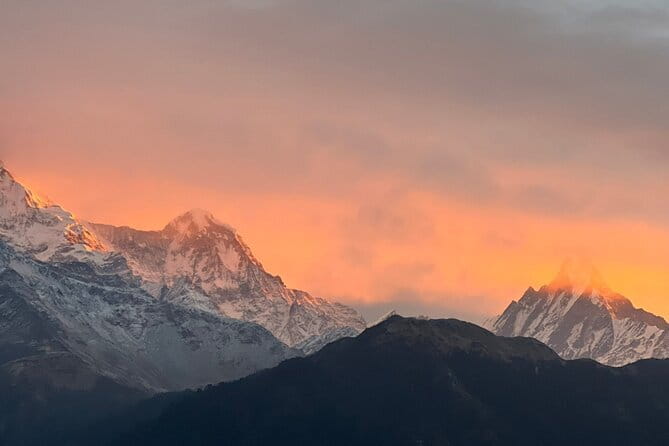
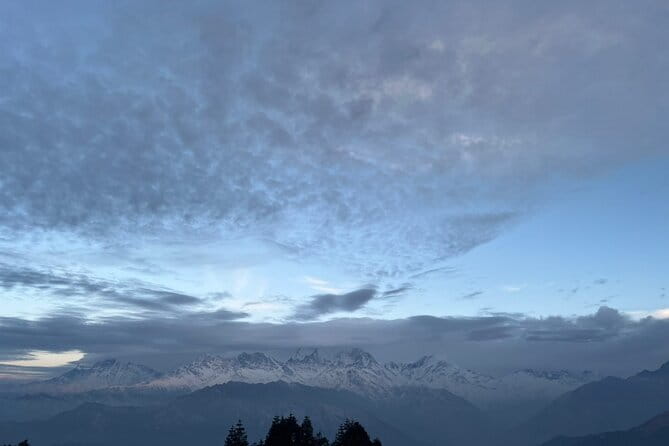
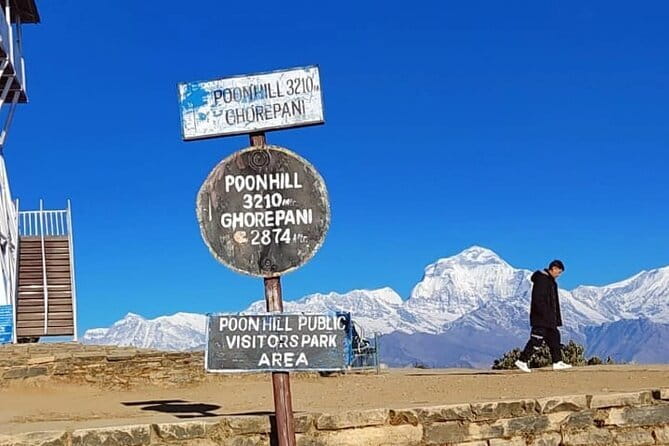
Day 3 is the headline. You’ll start before dawn, hike up toward Poon Hill, and you’ll reach the top in about one hour from the base. The goal is straightforward: don’t miss the moment when the mountains wake up.
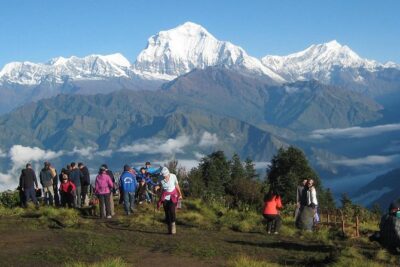
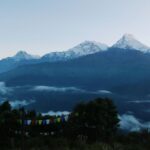
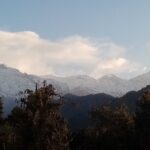
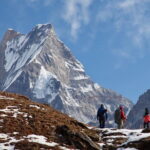
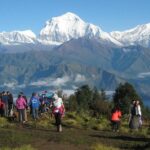
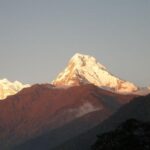
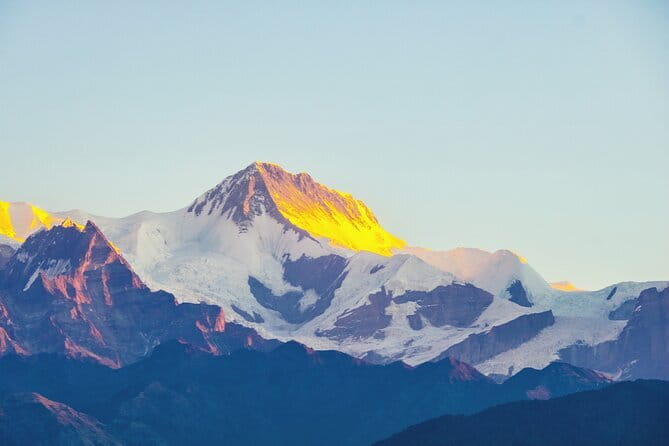
From Poon Hill (3,210m), the views are built around the Annapurna and Dhaulagiri systems. You can expect a panorama that includes Mt. Machapuchare (Fishtail), Annapurna I, and Dhaulagiri. The whole point is that sunrise changes the contrast. In early light, ridges sharpen and snow edges glow more strongly than during midday.
Then you don’t just linger and return. After breakfast and the sunrise experience, you head down toward Ghandruk, a Gurung village. This gives you a strong contrast day: first you’re in mountain-chasing mode, then you’re transitioning into village life.
One consideration: clouds can affect everything
This isn’t listed as a guarantee, and it’s worth saying plainly. If visibility is weak, sunrise can feel muted. Your best move is to accept that sunrise is weather-dependent and focus on the effort and atmosphere of the early start—then be ready to be surprised if the sky cooperates.
Ghandruk Village: Gurung Hospitality You’ll Actually Notice
Ghandruk is where the trek becomes more than photos. You’ll spend a night here, and the village is known for Gurung hospitality. This is where you slow down. You’re not just walking through scenery; you’re entering a community.
In plain terms, you’ll get:
- A chance to see how people live in a mountain settlement
- Village-style trails and streets that feel quieter than the main trail hubs
- Warm, welcoming interactions that make the stop feel human, not just scenic
It’s also a helpful “recovery” point. After a big sunrise morning and a downhill push, having a village setting for the evening makes the whole experience feel balanced.
Day 4 Down to Pokhara: Rhododendron Forest and a Gentle Landing
On the final day, you’ll hike downhill from Ghandruk toward Pokhara Lakeside via a scenic route. As you descend, you get those classic “goodbye” views—peaks like Annapurna I, Annapurna South, Dhaulagiri, Fishtail, and Himchuli—often appearing in fragments between trees and ridgelines.
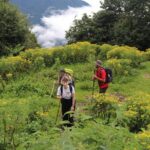
You’ll also pass through rhododendron forest, which can make the descent feel more shaded and less exposed than the higher sections. This day is long enough to matter, but it’s also the one that tends to feel best when you’re ready to reset.
Then you’ll end back at Pokhara Lakeside and feel the shift from trail mode to city comfort.
Lodges, Food, and Hot Water Reality Checks
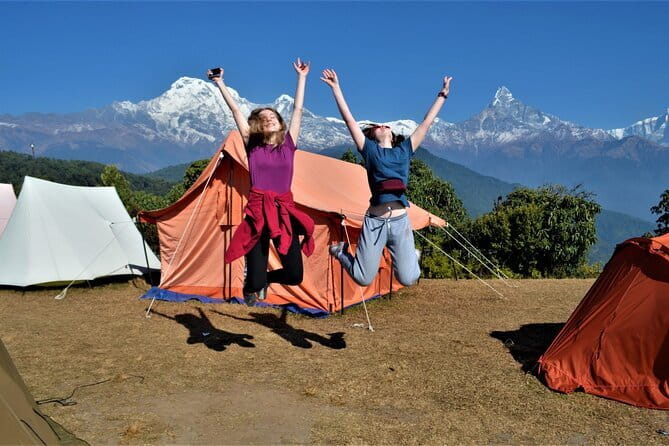
This trek uses teahouse/lodge accommodation, which keeps it realistic for a 4-day circuit. You’re not dragging camping gear. The schedule expects you to sleep and eat at established stops.
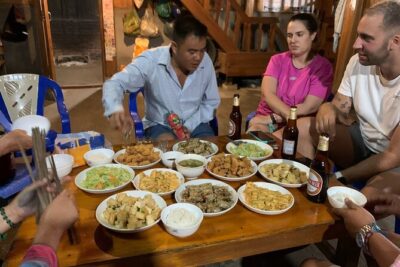
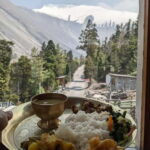
The strongest signal from past guests is that the rooms tend to be clean, and the food is good. Several people also specifically noted hot water, which is one of those small things that makes a big difference after a cold morning start.
What I’d suggest you pack for lodge life:
- A light layer for mornings and evenings (you’ll be out early)
- A small towel and basic hygiene items
- Cash for personal expenses, since not everything is listed as included
Also, keep expectations flexible. Lodge standards can vary by location and demand. You’ll likely be comfortable, but the trek is still built around mountain lodging, not hotel luxury.
The Guide Makes the Difference: Prakash and Kabi
A trekking guide can either make the trip smooth or make it stressful. Here, you’ll be with an experienced English-speaking trekking guide, and the names that stand out are Prakash and Kabi.
Guests were consistently happy with guide support—helpful direction on the trail, good arrangement planning, and quick help when needed. One of the biggest practical benefits of having a good guide is that you don’t have to think through every small decision. They manage the rhythm, the route flow, and the handoffs between days.
If you’re a first-timer, this matters even more. The trail is famous, but your comfort comes from knowing what to do next—what pace to keep, when to take breaks, and how to stay on schedule.
Who This Trek Suits Best (and Who Might Want Something Else)
This circuit is described as suitable for all levels and for most travelers, largely because the walking is manageable and the trails are well-used. That said, “for all levels” doesn’t mean “no effort.”
You’ll want to feel comfortable with:
- Walking hours that commonly land around 6–7 hours on key days
- Early starts, especially for sunrise day
- A mix of uphill climbs and downhill walking
This trek is especially good if you:
- Want Annapurna region highlights without a long trek
- Love sunrise views and want the timing built in
- Prefer a mix of mountains and real village culture
- Like the comfort of teahouse lodging and included guidance
If you want a trek that’s mostly flat, or you’re looking for a very gentle pace with no early morning, you might find this more demanding than you expect.
Should You Book the Poon Hill–Ghandruk Circuit from Pokhara?
I think you should book this trek if your priorities are clear: sunrise at Poon Hill, classic Annapurna/Dhaulagiri views, and a real village stop at Ghandruk—all in about 4 days with permits and guidance handled.
It’s also a strong value choice because $265 includes the guide, the permits (TIMS + Annapurna Conservation Area), teahouse lodging, and transport components like pickup/drop-off and sharing-bus transfers. You’re paying for the structure that makes a shorter trek feel safe and well-run.
One last decision tip: pack for early mornings and expect a real hiking pace. If you’re good with that, you’ll come back with the kind of memories that don’t need a caption.
FAQ
How long is the Poon Hill Ghandruk circuit trek from Pokhara?
The trek is about 4 days.
What is the starting and ending point of this trek?
You start trekking after traveling from Pokhara to Nayapul, and you return to Pokhara Lakeside at the end.
How much does the tour cost?
The price is $265.00 per person.
Is hotel pickup and drop-off included?
Yes. Hotel pickup and drop-off are included.
What kind of accommodation will I have during the trek?
You’ll stay in teahouses/lodges during the trekking days, and that accommodation is included.
Are permits included?
Yes. The tour includes an Annapurna Conservation Area permit and TIMS.
Do I need to provide documents for permits?
Yes. You need to send a passport copy and a selfie photo prior to the trip to issue the trekking permit.
Is there an English-speaking guide?
Yes. The tour includes an experienced English-speaking trekking guide.
Is this a private trip or a shared group?
It’s set up as a private trip, so only your group participates. Group discounts are also offered.
What is the cancellation policy?
You can cancel for a full refund up to 24 hours in advance of the experience start time. If you cancel less than 24 hours before, the amount paid is not refunded.