REVIEW · SA PA
AUTHENIC 2D1N Trek & Bungalow Retreat with Dinh Hmong Family
Book on GetYourGuide →Operated by Dinh Sapa Trekking Adventures · Bookable on GetYourGuide
A hike to rice terraces with real people. With guide Dinh leading you through Sapa’s village trails, I like how you walk among working communities while enjoying homemade meals and a real night in her family’s home. One thing to consider: the trek is about 18 km over 2 days on uneven, sometimes steep paths, so it’s not a match if you have back problems, vertigo, or fear of heights.
This tour is also built for people who want a cultural day that still feels efficient. You meet in Sapa around 9:00 AM (hotel or by the local main church), then you move through places like Y Linh Ho, Lao Chai, and Ta Van, keeping a steady rhythm with a small group.
The evening is where it turns from sightseeing to connection. You’ll eat with Dinh’s family, join an informal cooking moment, and take part in a friendly welcome that can include traditional dancing and games with local rice wine called Happy Water.
In This Review
- Key Highlights You’ll Actually Feel on This Trek
- Why This Sapa Trek Feels Personal (Not Like a Bus Tour)
- Price and Value: What $48 Really Covers
- Day 1 From Sapa to Muong Hoa Valley: Where the Walk Starts to Make Sense
- Lunch at a local family-run spot
- Lao Chai and Ta Van: older villages, different communities
- What to watch for on Day 1
- The Ta Van Homestay: Hot Shower, Cooking Time, and a Welcome Night
- Day 2 Through Bamboo and Rice: Giang Ta Chai Waterfall and Red Dao Lunch
- Giang Ta Chai Waterfall
- Red Dao area and a final family lunch
- When you’ll be back
- Trek Fitness: The Moderate Walk That Still Adds Up
- Not suitable for
- Food and Water: Simple, Included, and Mountain-Friendly
- The Buffalo and Rice Terraces Details (What They Mean for You)
- What I’d Pack (So the Hike Feels Comfortable)
- Who Should Book This Trek and Who Might Prefer Something Else
- Should You Book Dinh’s 2D1N Trek and Bungalow Retreat?
- FAQ
- How long is the trek and homestay experience?
- Where do you get picked up in Sapa?
- Is this tour private or shared with other people?
- What meals are included?
- Do I stay in a homestay?
- Is there a hot shower at the homestay?
- Is swimming in the waterfall allowed?
- What languages does the guide use?
- What should I bring for the hike?
- Who should not join this trek?
- How flexible is the booking and cancellation?
Key Highlights You’ll Actually Feel on This Trek
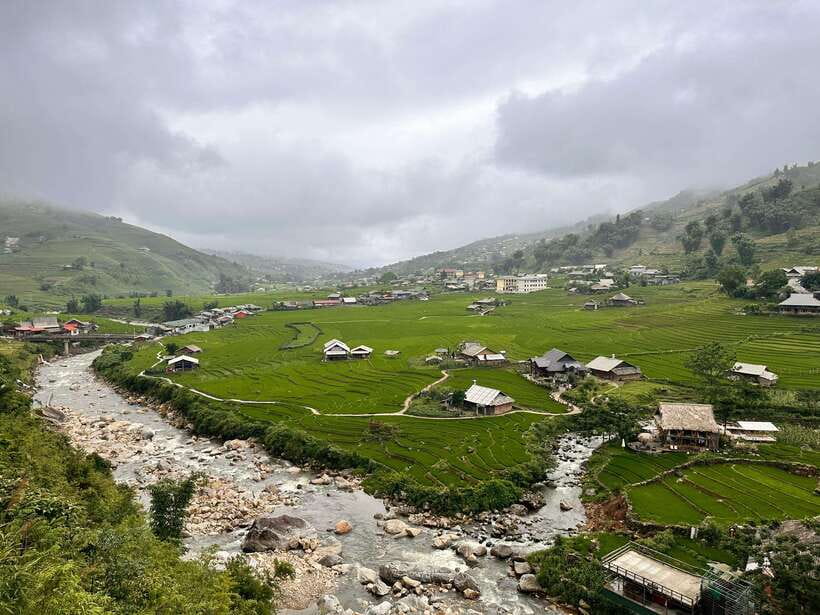
- Meet Dinh, a Hmong guide in English (plus her sister guiding you along the way)
- Muong Hoa Valley views and rice-terrace walking over two full days
- An overnight homestay in Ta Van with basic comfort and a hot shower
- Cooking and dinner with Dinh’s family, plus a cultural welcome dance
- Giang Ta Chai waterfall with an optional swim if conditions allow
- A traditional lunch with a local family before heading back to Sapa
Why This Sapa Trek Feels Personal (Not Like a Bus Tour)
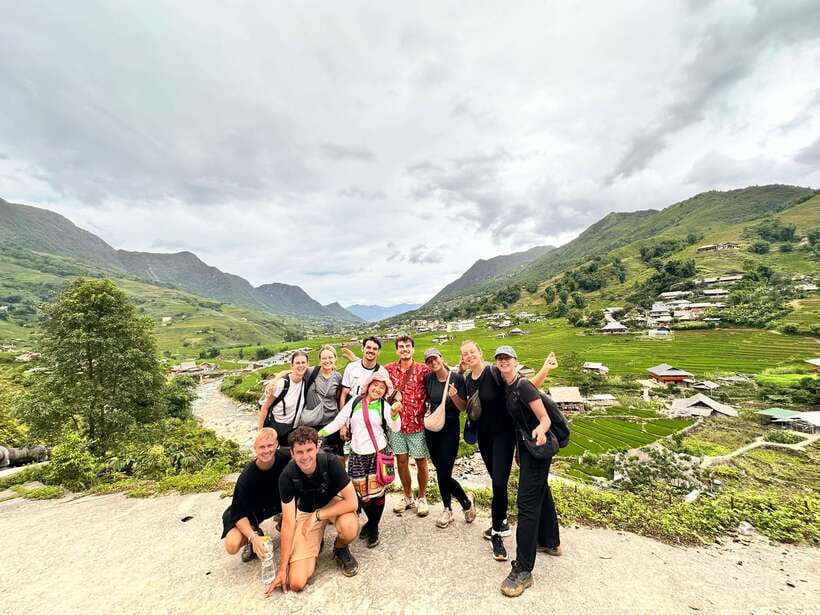
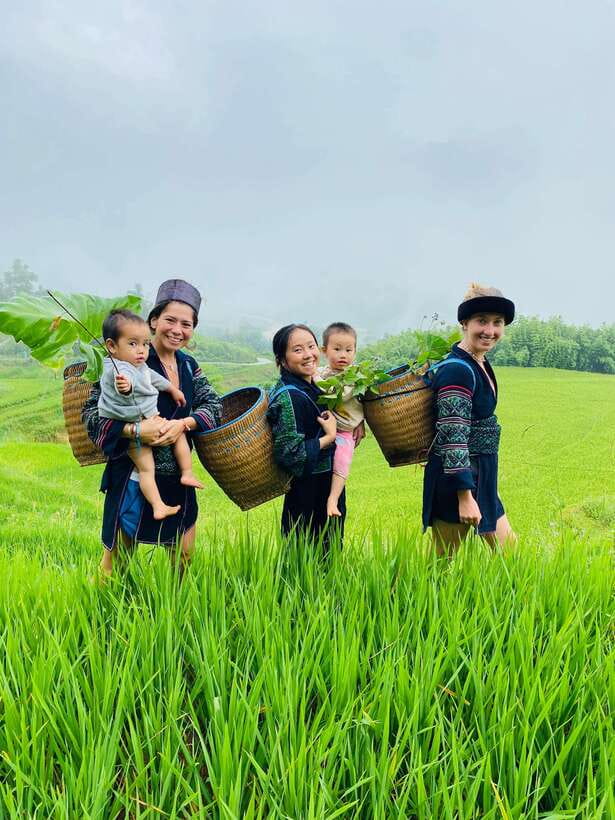
This is a 2D1N trek-and-stay experience in Northern Vietnam that centers on one thing: you’re spending time with Dinh and her Hmong family, not just passing through villages.
You’ll notice it in the pace. Instead of racing between photo stops, the day includes breaks, village transitions, and meals that feel like part of daily life in the mountains. Dinh’s role as a local guide also matters. She’s not trying to sound like a museum label; she explains what you’re seeing in plain terms, and you’ll often learn the reasons behind farming routines and village life.
If you’re the type of traveler who likes getting your bearings fast, this works well. You get set up in Sapa in the morning, then you’re outdoors and learning as you go.
You can also read our reviews of more tours and experiences in Sa Pa.
Price and Value: What $48 Really Covers
At $48 per person, the best value here is not the cheap price tag. It’s what you’re getting for it:
- A local English-speaking guide for two days (Dinh and her team)
- Village entry fees for multiple stops (you’re not expected to figure this out)
- Meals included: 2 lunches, 1 dinner, and 1 breakfast
- 1-night homestay stay with basic amenities
- Drinking water (one big bottle per person per day)
- Transportation back to Sapa after the tour ends
If you’ve done Sapa day tours before, you know how often the hidden costs add up. Here, the structure is upfront: guide time, food, and the homestay night are part of the package. That said, you still need to budget for personal snacks, souvenirs, and any drinks beyond the provided water.
Day 1 From Sapa to Muong Hoa Valley: Where the Walk Starts to Make Sense
The tour starts at 9:00 AM. Dinh meets you in Sapa Town at your hotel or in front of the local main church. That makes it easier to get ready the night before, because you’re not hunting down a meeting point at dawn.
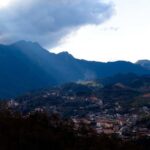
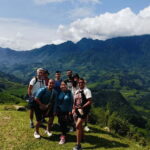
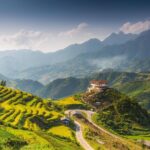
From there, you head out on foot and begin descending toward village areas. Early on, you’ll pass spots like Y Linh Ho, where the views and terraced farming give you a quick sense of why people choose Sapa trails in the first place: the geography is doing the heavy lifting, and the villages are shaped by it.
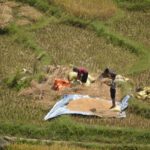
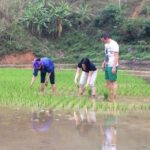
You’ll walk through sections where rice is planted or harvested depending on season. That detail matters because you’re not just seeing fields as scenery—you’re seeing them as a working system.
Lunch at a local family-run spot
You stop for lunch at a small traditional restaurant run by a local Hmong family. This is one of the best parts of the first day because it breaks the hike rhythm and keeps you connected to local routines rather than eating at a tourist-style pit stop.
Lao Chai and Ta Van: older villages, different communities
After lunch, the route continues toward Lao Chai, described as one of the oldest and largest Hmong villages in the Sapa area. Then you trek onward to Ta Van, which is associated with the Giay and Hmong ethnic minorities.
Dinh shares cultural differences between ethnic groups along the way, which helps the villages feel more than names on a map. You’ll also start noticing small shifts in how people live and how the terrain influences homes and fields.

What to watch for on Day 1
- Terrain can be uneven and steep in spots, so comfortable shoes are not optional.
- You’re hiking for about 9–12 km and roughly 5.5 hours, with stops built in.
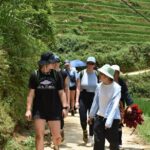
- Since it’s a group tour, you’ll keep a consistent pace with other travelers rather than walking solo.
The Ta Van Homestay: Hot Shower, Cooking Time, and a Welcome Night
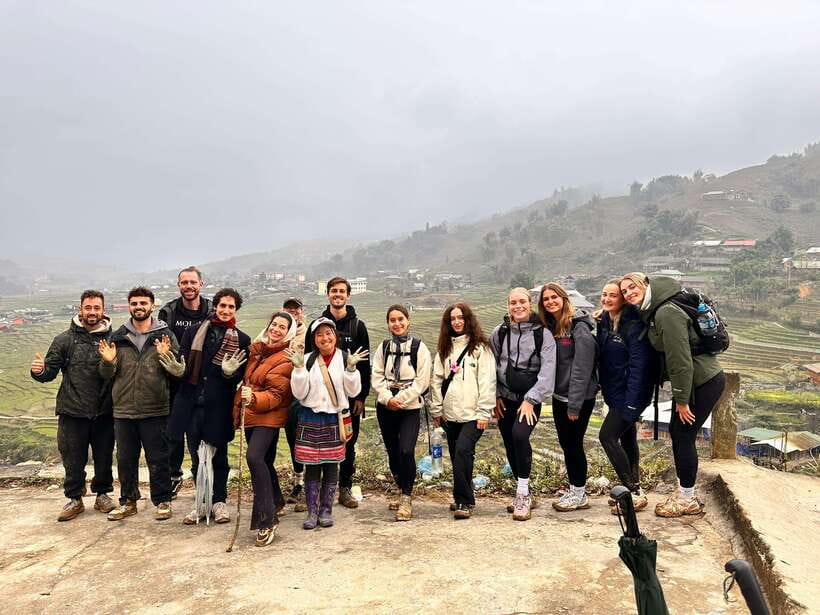
By the time you reach Dinh’s family homestay in Ta Van, the day shifts from “walk mode” to “live mode.”
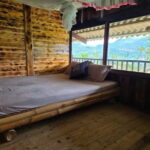
You’ll have time to rest and take a hot shower, then settle in. The homestay is described as simple, authentic, and cozy with basic amenities. In other words: it’s not a resort, but it’s clean and comfortable enough to reset your legs.
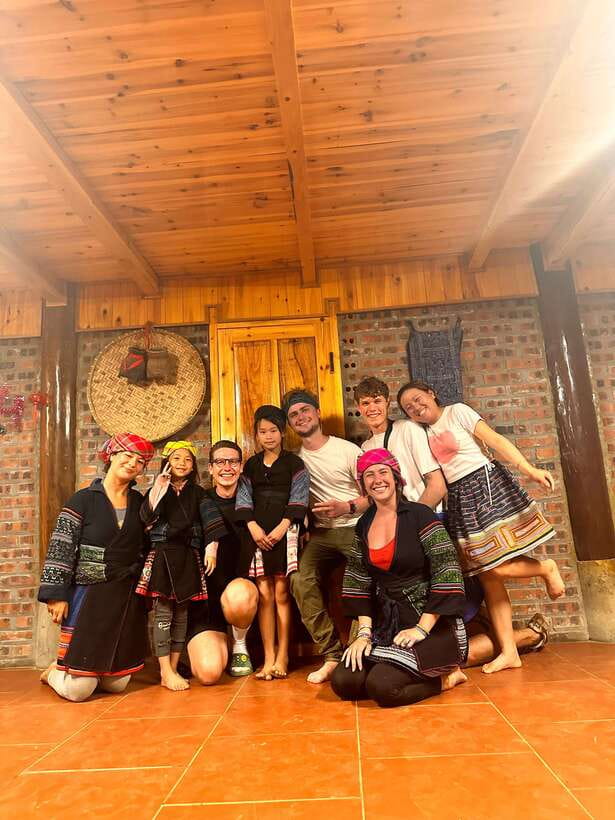
In the evening, you get an informal cooking class with Dinh’s family to prepare a traditional dinner. This is where the tour feels unusually worth it for a 2-day format. Cooking ties culture to action, and you also get to see how ingredients and routines become meals.
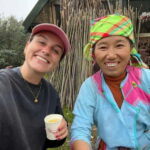
Then comes the welcome. During dinner, Dinh talks about supporting 10 local children’s education, and her students may perform a traditional dance to welcome you. You can also expect interaction: playing with the kids and joining fun drinking games with Happy Water.
Even if you don’t drink, the key value is the social side. You’re not standing at a distance. You’re sharing the evening with a family that’s used to receiving visitors, and that changes the mood from performance to conversation.
Day 2 Through Bamboo and Rice: Giang Ta Chai Waterfall and Red Dao Lunch
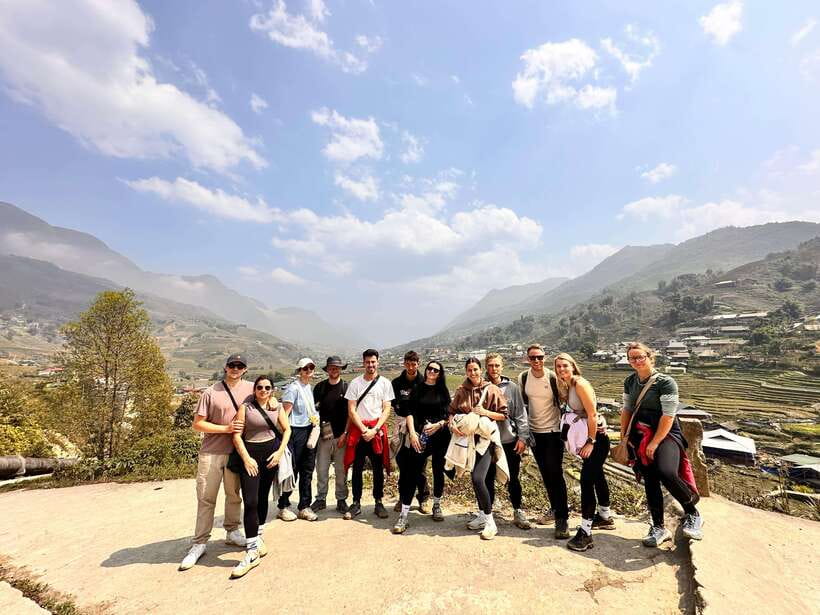
Day 2 starts gently. You begin with a cup of hot coffee or tea while enjoying the quiet of the homestay surroundings.
After breakfast, you trek through bamboo forests and terraced rice fields. This part is often a favorite because it mixes texture—bamboo trails, open field lines, and changes in light—without requiring extreme effort beyond steady walking.
Giang Ta Chai Waterfall
You’ll reach the waterfalls of Giang Ta Chai, and you can swim in the cool water if you want and conditions allow. Even a quick dip can feel like a reward after two days in mountain air.
Just remember: swimming is optional and depends on safety and water conditions. If you’re not comfortable, you’ll still get the payoff of being at a real waterfall, not just viewing it from a crowded platform.
Red Dao area and a final family lunch
After the waterfall, you move into the Red Dao ethnic area, then return toward the main road for lunch with local family.
This lunch matters because it’s another shift in rhythm. You’re not rushing the day to meet a bus schedule. You’re eating locally and finishing with enough time to get back to Sapa without feeling wrecked.
When you’ll be back
The tour ends with a taxi back to Sapa, typically finishing between 2:00–3:30 PM. That makes it easier to plan your next steps the same afternoon.
Trek Fitness: The Moderate Walk That Still Adds Up
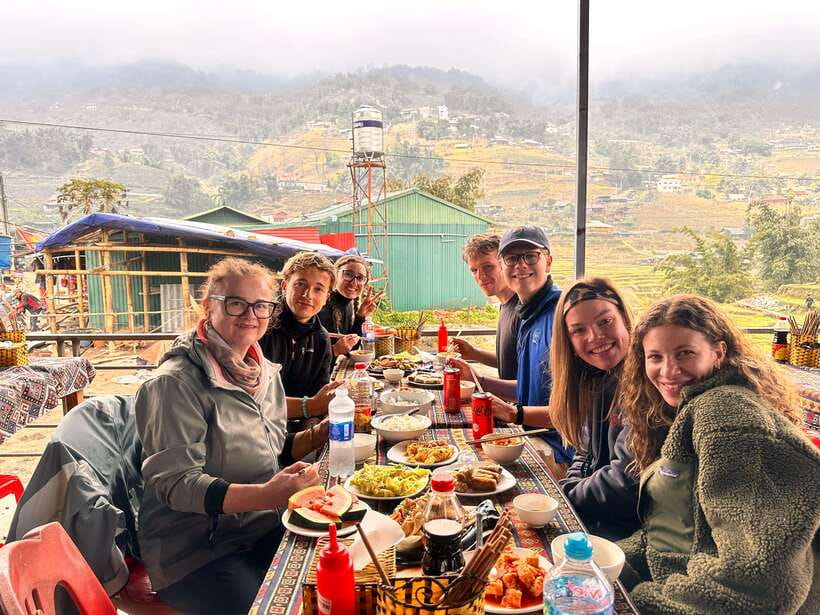
The tour is rated moderate, but “moderate” doesn’t mean “easy.” Over two days you cover about 18 km total, including steep and uneven terrain.
This matters for real-world packing and energy management. You’ll want to treat Day 1 as your conditioning day and Day 2 as your scenic payoff day. In plain terms: don’t show up with brand-new shoes or you’ll feel it later.
Not suitable for
This experience is not suitable for pregnant women, people with back problems, mobility impairments, vertigo, or people over 70, or those afraid of heights. If you’re in any of these categories, there are safer ways to enjoy Sapa that don’t put you on rough trails.
Food and Water: Simple, Included, and Mountain-Friendly
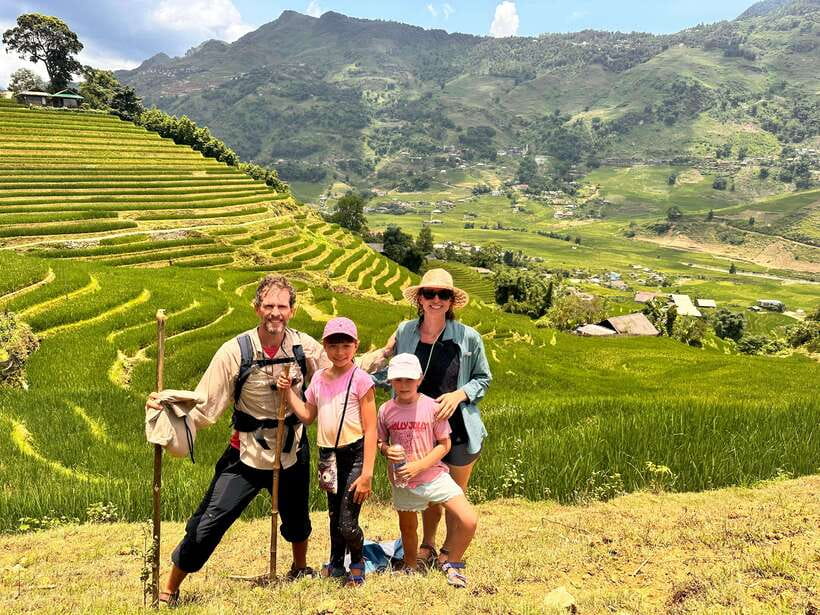
Meals are included: 2 lunches, 1 dinner, and 1 breakfast.
What you should expect from the included meals is homemade mountain cooking rather than a buffet scene. The lunch stops are run by local families, and the dinner is prepared with Dinh’s family as part of the evening program. The result is food that ties directly to where you are—farming villages, not city kitchens.
Water is also handled for you: one big bottle per person per day is included. You’ll still want to bring snacks if you know you get hungry between stops, but you won’t be completely on your own for hydration.
The Buffalo and Rice Terraces Details (What They Mean for You)
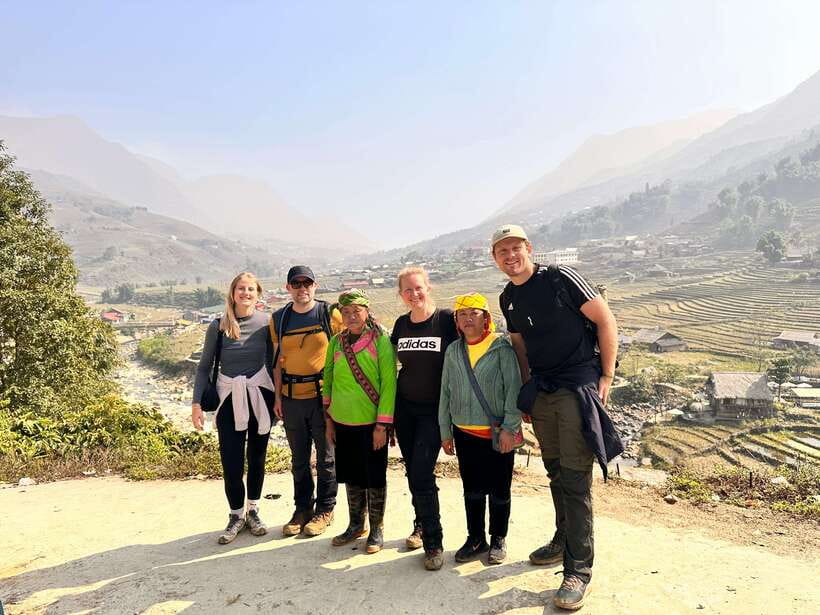
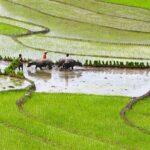
The highlights mention buffalo, and you may spot them while moving through Muong Hoa Valley and around the farming areas. If you like animals in the field setting, this is one of those small details that can make the walk feel alive.
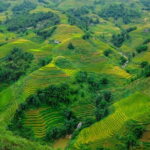
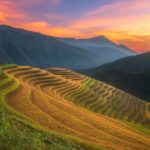
The rice terraces are more than a photo opportunity. They’re part of the local work calendar, and the walking routes pass viewpoints where you can see how terracing shapes both water flow and farming life. When Dinh points out what’s happening in the fields (planting or harvesting, depending on the season), you’ll get a clearer sense of why these villages exist where they do.
What I’d Pack (So the Hike Feels Comfortable)
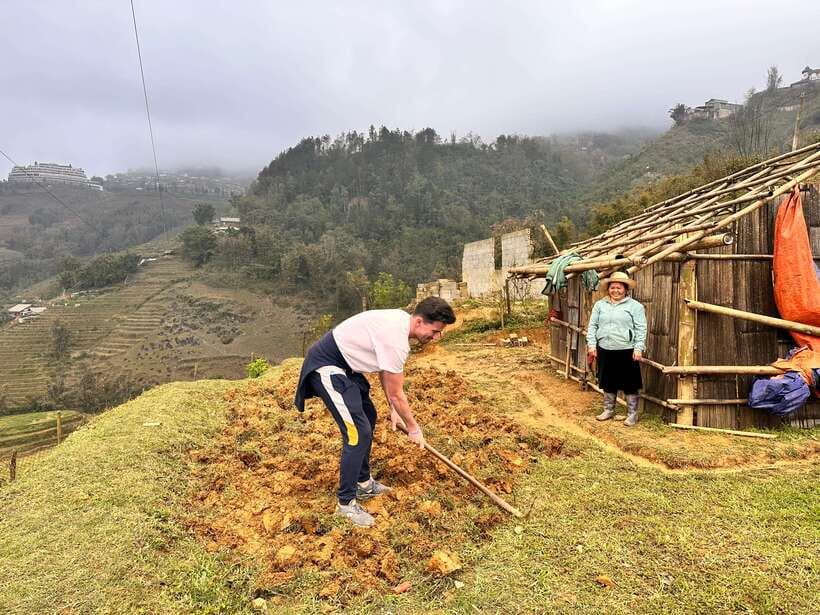
Bring what helps you stay dry, warm enough, and unbothered by the sun.
- Comfortable shoes with grip for uneven ground
- Hat
- Sunscreen
- Camera (you’ll want it for terraces and bamboo paths)
- Snacks for between-meal energy
- Water (you’ll get water included, but personal refills help)
- Any personal medication you rely on, since basic amenities are just that: basic
Also, think about layers. Even if the hike is moderate, mountain weather can shift across a long day.
Who Should Book This Trek and Who Might Prefer Something Else
This is a great fit if you:
- want a real cultural connection in Sapa rather than a fast drive-through tour
- enjoy walking through villages and seeing farming life up close
- like spending time in a family home for one night
- want to combine nature with people-centered evenings (cooking, dancing, kids’ games)
It may not be the best fit if you:
- want a guaranteed luxury stay (homestay is simple and basic)
- need fully flat walking paths (terrain is uneven)
- need a private itinerary (this is a group tour)
Should You Book Dinh’s 2D1N Trek and Bungalow Retreat?
I think you should book it if you’re after the kind of Sapa experience that feels like it has a pulse. The value isn’t only the price. It’s the package: guided village trekking, multiple included meals, one homestay night, and a meaningful family evening—all within a tight 2-day window.
You might skip or look for an easier option if you’re sensitive to steep uneven terrain, have vertigo, or need accessibility-friendly routes. And if you hate the idea of group pacing or basic accommodations, this won’t be your style.
If you’re flexible, bring good shoes, and show up with curiosity, this tour has the right ingredients for a trip that stays with you longer than a folder of photos.
FAQ
How long is the trek and homestay experience?
It runs for 2 days and 1 night. The hiking distance totals about 18 km over both days, and the day ends with a taxi back to Sapa, typically between 2:00 and 3:30 PM on Day 2.
Where do you get picked up in Sapa?
You’re picked up in Sapa Town at around 9:00 AM at your hotel or in front of the local main church.
Is this tour private or shared with other people?
This is a group tour, so you’ll trek with other travelers.
What meals are included?
You get 2 lunches, 1 dinner, and 1 breakfast. Water is also included.
Do I stay in a homestay?
Yes. You stay for 1 night with Dinh’s family in Ta Van. The accommodation is described as simple, authentic, and cozy with basic amenities.
Is there a hot shower at the homestay?
Yes, you’ll have time to rest and take a hot shower when you arrive at the homestay.
Is swimming in the waterfall allowed?
There is an option to swim at the Giang Ta Chai waterfalls if you want. The tour also includes time to enjoy the area even if you prefer not to swim.
What languages does the guide use?
Dinh provides guidance in English and Vietnamese.
What should I bring for the hike?
Bring comfortable shoes, a hat, sunscreen, a camera, snacks, and water.
Who should not join this trek?
It’s not suitable for pregnant women, people with back problems, people with mobility impairments, people with vertigo, people afraid of heights, and people over 70.
How flexible is the booking and cancellation?
You can cancel up to 24 hours in advance for a full refund. You’re advised to book before 1 PM on Day 1 to enjoy the full itinerary.