REVIEW · KATHMANDU
Annapurna base Camp trek 10 Days
Book on Viator →Operated by Nepal Himalayan Hiker (P) Ltd. · Bookable on Viator
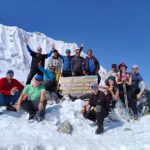
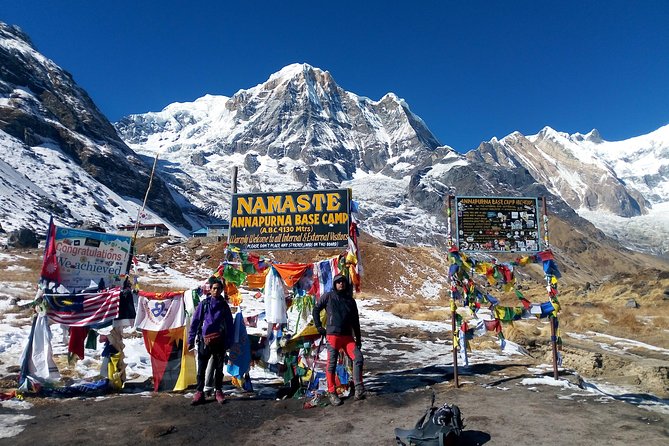
10 days in the Annapurnas starts early. This Annapurna Base Camp trek weaves Gurung villages with a dramatic payoff at Annapurna Base Camp (4,130m), in a natural amphitheatre of huge peaks. The route is built around two core moments: morning viewpoints (including Poon Hill) and then the final bowl of mountains around Machhapuchhre, which is considered sacred and off-limits for climbing.
I love the way the trek is paced through real stopping points—each village and ridge adds a new view without rushing you straight to the highest altitude. I also like the people behind it: guides and support teams you’ll actually rely on, including Prakash, who gets praised for being attentive and making the plan feel doable even when you’re nervous.
One consideration: you’re starting at 5:00 am and walking most days for about 5 to 7 hours, with a big altitude jump toward Deurali and then ABC. If you’re sensitive to altitude or you hate early mornings, you’ll want to go in with a calm mindset and take the slower rhythm when your body asks.
In This Review
- Key highlights worth knowing
- Kathmandu to Pokhara, then the trek gets real
- Ghandruk day: classic village trekking at 1,940m
- Sinuwa to Deurali: building altitude without pretending it’s easy
- Poon Hill and the Annapurna range: big views, sacred rules
- Deurali to Annapurna Base Camp: the amphitheatre moment at 4,130m
- Bamboo to Jhinu Hot Spring: your reward at 1,780m
- Private group logistics: Thamel to the trail, without extra chaos
- Price and value: what $853.34 is buying you
- Who this trek suits best
- Should you book this Annapurna Base Camp trek?
- FAQ
- How long is the Annapurna Base Camp trek?
- Where does the tour start?
- What time does it start?
- Is this a private trek?
- What is the trekking high point?
- Do I need mountaineering experience?
- Are there ticket items included?
- How do I get confirmation after booking?
- What is the cancellation policy?
Key highlights worth knowing

- Poon Hill viewpoints plus the Annapurna amphitheatre: morning scenery, then the final mountain bowl at 4,130m
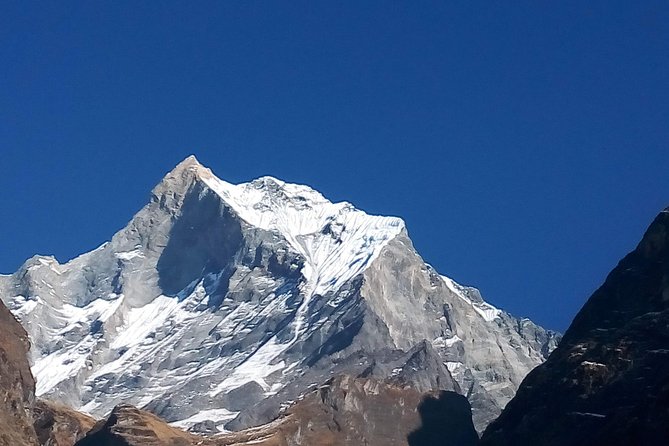
- Machhapuchhre rules you’ll hear about: sacred Fishtail Mountain is off-limits for climbing
- A village-forward trek: Gurung settlements and daily life along the way
- Real altitude steps: Ghandruk to Sinuwa to Deurali, then the push to ABC
- Recovery lower down at Jhinu Hot Spring: long day, then relax in hot water at 1,780m
Kathmandu to Pokhara, then the trek gets real
The plan starts in Thamel, Kathmandu (meeting point: Thamel, Kathmandu 44600), with the tour set to begin at 5:00 am and end back at the meeting spot. The early start matters because these treks often connect the day’s logistics before you ever think about your boots.
You’ll have a land-in Kathmandu day plus a free arrangement day to get settled and ready. Then you’ll transfer to Pokhara by car for about 6–7 hours (Pokhara sits around 820m), which is the practical hinge that turns a city trip into a mountain trek. If you’re the kind of traveler who likes structure, you’ll appreciate that the long drive is handled for you—so when trekking starts, you’re focused.
What you’ll feel: going from street life to the quieter rhythm of the Annapurna region doesn’t happen in one leap. It happens across that Kathmandu-to-Pokhara stretch, then again when you move from driving into walking between towns.
You can also read our reviews of more tours and experiences in Kathmandu.
Ghandruk day: classic village trekking at 1,940m
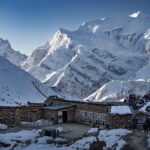
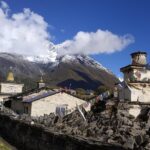
Your first proper trekking segment is after the drive from Pokhara to Nayapul, then hiking to Ghandruk (1,940m) for about 5–6 hours. Ghandruk is the kind of place that helps you calibrate: you’re still gaining altitude, but the route feels like a journey through inhabited terrain, not just climbing into emptiness.
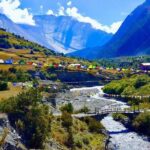
This is also where the trek’s cultural side starts to show up. The route is described as passing through local Gurung villages, and that’s exactly what you’ll want: less tourism theater, more everyday scenery—houses, trails, and that sense that you’re moving through someone’s home ground.
A practical tip for you: on this type of first trekking day, keep your early pace gentle. Your first day is for getting your legs used to the walking rhythm, not for finishing like a race.
Sinuwa to Deurali: building altitude without pretending it’s easy
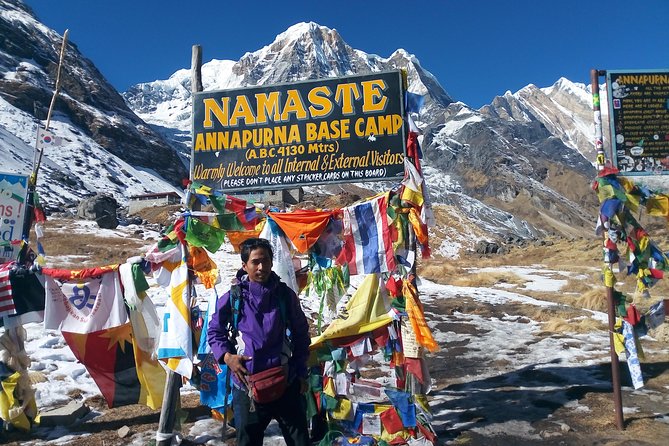
Day to day, you’ll keep climbing in steps. From Ghandruk to Sinuwa (2,360m) takes about 5–6 hours. Then Sinuwa to Deurali (3,230m) is listed as around 6 hours, and this is where altitude starts to feel more noticeable.
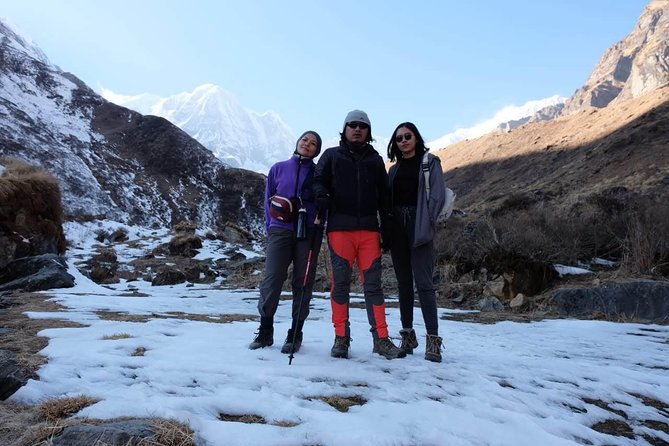
Deurali is a turning point in your mental game. You’re no longer just walking through villages; you’re moving into a more mountain-centered landscape, with colder air and shorter windows of comfort. The trek’s value here is pacing: it gives you a chance to acclimatize by earning the next altitude level instead of jumping straight to the top.
What can be hard: the trek times are real. You’ll be walking for hours even if you’re stopping often. If you’re planning your hydration and snacks like a normal day, adjust—mountain trekking changes how you feel hunger and thirst.
Poon Hill and the Annapurna range: big views, sacred rules
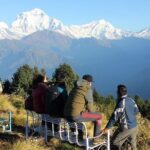
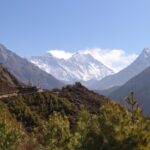
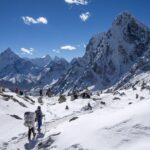
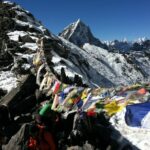
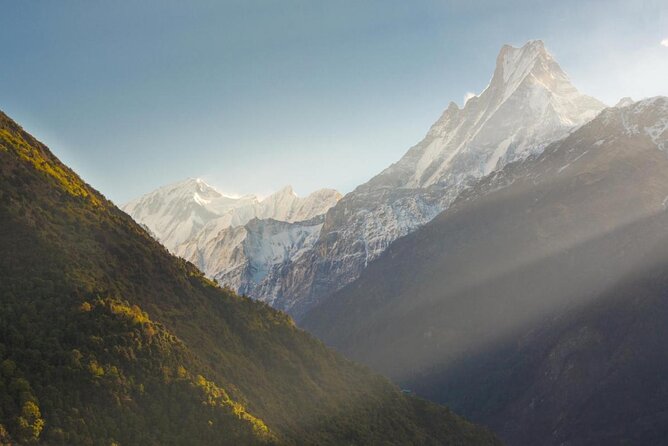
Some of the most memorable moments come from viewpoint time. Poon Hill is specifically mentioned as a place where you can see peaks like Annapurna South (7,219m), Hiunchuli (6,441m), Nilgiri (7,060m), and Machhapuchhre (Fishtail Mountain). Machhapuchhre is revered as sacred to Shiva and is therefore off-limits for climbing—and you’ll hear that kind of cultural context along the way, not just peak stats.
If you like mountain photography, you’ll understand why this matters. You’re not waiting until the last day to see the dramatic silhouettes. You get guided perspective earlier so the final altitude doesn’t feel like a surprise jump—it feels like a payoff you worked toward.
What you’ll love: the views are framed by a clear sense of which peaks are reachable, which are sacred, and which ones shape how locals think about the mountains.
Deurali to Annapurna Base Camp: the amphitheatre moment at 4,130m
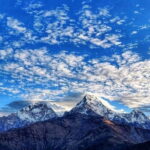
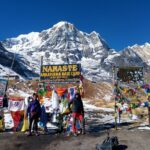
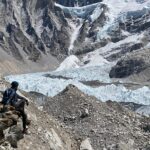
The big finish is the push from Deurali to Annapurna Base Camp (4,130m), about 5 hours. This is where the trek narrative clicks: you’ve been building height, and then you reach the destination described as a natural amphitheatre, surrounded by pristine peaks.
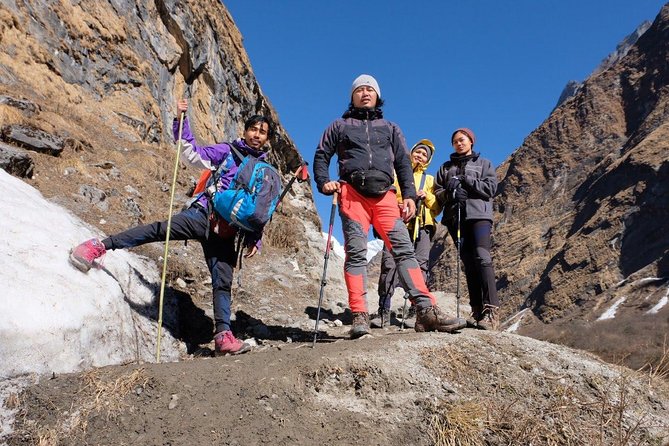
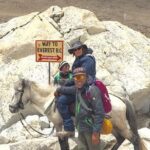
This is also the part where your guide’s role becomes more than schedule management. In the feedback you can see why: Prakash is praised for being professional, funny, and relaxed, but most importantly for being attentive and reassuring—helpful when your brain starts bargaining with the altitude.
What the day feels like: the closer you get to ABC, the more the mountains stop being background and start being the whole room. Even if you’ve seen photos, the amphitheatre feeling is the kind that makes you understand why people trek here.
A consideration: at 4,130m, you’ll want to be sensible with exertion. If you feel off, it’s not the time to prove toughness. A good plan lets you keep moving without panicking.
Bamboo to Jhinu Hot Spring: your reward at 1,780m
After Annapurna Base Camp, the route starts getting your legs ready for normal life again. You’ll go to Bamboo (2,340m) for about 6 hours, then Bamboo to Jhinu Hot Spring (1,780m) for about 5 hours.
This is a smart design: you’re descending, but still walking. That combination helps recovery without turning the next days into a full stop. And Jhinu Hot Spring is listed as a key segment—so this isn’t just another destination. It’s your downshift day.
Why this matters for you: after days of steady effort, hot water is more than comfort. It’s part of the trek’s satisfaction. You’ll feel like the whole trip has a beginning, middle, and finish, not just a long climb.
Private group logistics: Thamel to the trail, without extra chaos
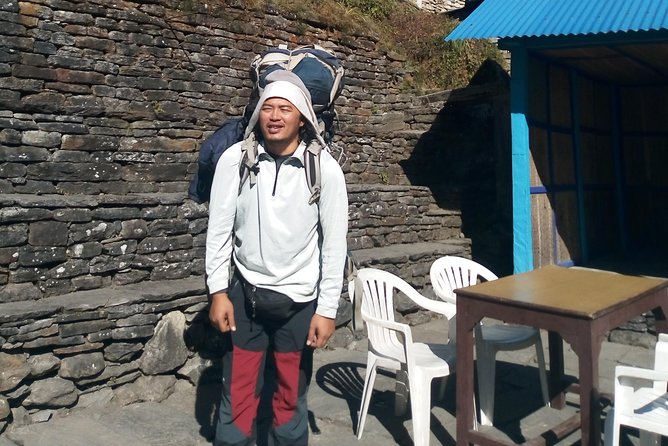
This is listed as a private tour/activity, meaning only your group participates. For many hikers, that’s a quiet advantage: you’re not squeezed into someone else’s pace, and your guide can respond more directly to how your group is doing.
You’re also near public transportation in Kathmandu, which helps if you want to add a little time in the city before or after. And the tour uses a mobile ticket, which keeps the admin side simple once you’re already in Nepal.
From the feedback, the human factor matters. Prakash appears in multiple comments as the kind of guide who checks in, keeps things organized, and stays calm. Raj is also mentioned as joining for some parts at the beginning and end, which suggests you might get a more flexible support team rather than one person disappearing mid-route.
What to expect in practice: you’ll still do the walking. But you won’t be managing route coordination, transfers, and day-to-day guiding alone.
Price and value: what $853.34 is buying you
The price is listed at $853.34 per person. On paper, that’s not “cheap,” but this kind of trek isn’t just a walk—it’s transportation, multi-day planning, and on-trail guidance built around changing altitudes.
Here’s what you can ground yourself in from the info you have:
- The itinerary includes major transfers like Kathmandu to Pokhara (6–7 hours) and the driving to Nayapul, plus the trek segments between villages.
- There are mentions of admission/ticket handling in the day segments (one marked as Admission Ticket Included, and another marked as Admission Ticket Free).
- It’s a private setup, which usually costs more than joining a large shared group.
What isn’t spelled out here is the exact list of inclusions down to gear or personal costs. So my advice is simple: before you lock it in, ask what’s included in that price for your comfort needs (things like meals, sleeping arrangements, and any trekking essentials). That’s how you keep the trip feeling like value, not mystery.
Also, go into it knowing the start is early and the days can be long. The best “value” comes when you match expectations to effort.
Who this trek suits best
This Annapurna Base Camp trek is described as something most travelers can participate in, and the feedback you’ll see points to it being doable even if you don’t have mountaineering experience. If you’ve trekked before, you’ll appreciate the structure. If you haven’t, you’ll want to lean on your guide, pace conservatively, and treat each day’s climb as acclimatization work.
You’d especially like this if:
- You want culture as part of the trek, not just scenery
- You care about big viewpoint moments like Poon Hill
- You want a clear, day-by-day route with defined stops (Ghandruk, Sinuwa, Deurali, ABC, Bamboo, Jhinu)
It may be less ideal if:
- You hate early starts like 5:00 am
- Long hiking days around 5–7 hours sound exhausting rather than motivating
- You’re extremely altitude-sensitive and haven’t planned carefully for acclimatization
Should you book this Annapurna Base Camp trek?
If you want an organized, village-to-village route with serious mountain payoff, I’d say it’s a strong candidate. The combination of Poon Hill views, the cultural pass-through (Gurung villages), and the final bowl at 4,130m makes the trip feel like more than just a workout.
I’d book if you’re comfortable hiking most days and you value having an attentive guide like Prakash guiding the rhythm. I’d think twice if you want a slower itinerary with late starts or if you know you struggle with high altitude—then confirm your fit and ask very direct questions before committing.
If you want my practical checklist: confirm the exact 10-day schedule details with the provider, ask what the $853.34 includes, and be honest with yourself about early mornings and time on your feet. Do those, and you’re set up for a genuinely memorable Annapurna experience.
FAQ
How long is the Annapurna Base Camp trek?
The day-by-day route is laid out as 10 days in the itinerary. The overview also lists duration as 2 days approx, so it’s worth confirming the exact schedule details with the provider.
Where does the tour start?
It starts in Thamel, Kathmandu 44600, Nepal.
What time does it start?
The listed start time is 5:00 am.
Is this a private trek?
Yes. It’s listed as a private tour/activity, so only your group will participate.
What is the trekking high point?
Annapurna Base Camp is listed at 4,130 meters.
Do I need mountaineering experience?
The available feedback highlights that the plan suits people even with no experience of mountaineering or trekking, as long as you follow the guide and take the trek seriously.
Are there ticket items included?
The itinerary segments show Admission Ticket Included for one part and Admission Ticket Free for another. If you want clarity, ask the provider what those tickets cover.
How do I get confirmation after booking?
Confirmation will be received at the time of booking.
What is the cancellation policy?
You can cancel up to 3 days in advance for a full refund. Within 3 days of the experience start time, the amount paid is not refundable.