REVIEW · MARRAKECH
2-Days Trek to Berber villages in the Atlas Mountains
Book on Viator →Operated by Trek in Atlas · Bookable on Viator
Atlas Mountains air changes your pace fast. This 2-day trek is built for your fitness and the season, with a guided start from Marrakech into the Imlil Valley world. You get an easy-to-follow flow: tea with your guide, then a real day on foot through mountain scenery and waterfall country near the Azadeh Valley.
I love the human rhythm of the trip: hike, then slow down. The planned break at Iklil by the river, with lunch under walnut groves, gives your legs time to cool off while the valley keeps moving in the background. I also like that the overnight is in a real community setting, with a guesthouse stay in Tizi Aussem, plus dinner included.
One consideration: it’s a full schedule. Between the long drive, the hike blocks, and the peak day up to Tawdja (2700m), expect it to feel like a workout, not a stroll—so wear sturdy boots and come rain-ready with waterproof clothes.
In This Review
- Key Points You’ll Care About
- Why This Trek Feels Authentic (Not Just a Walk)
- Starting from Marrakech at 9:00 AM: What the First Day Sets Up
- Imlil Valley Hiking and Waterfalls: The Part You’ll Remember
- Iklil Lunch Under Walnut Groves: Where the Trip Slows Down
- Overnight in Tizi Aussem: The Berber Guesthouse Experience
- Day Two on Tawdja Peak (2700m): The Summit Day Plan
- The Guide Makes or Breaks It
- What to Pack: Boots and Waterproofs Are Non-Negotiable
- Price and Value: Why $68.56 Can Be a Good Deal
- Who Should Book This Trek
- Should You Book It?
- FAQ
- How long is the 2-day trek?
- Where does the trek start?
- What happens on day one?
- How high do you hike on day two?
- Is there a lunch stop during the summit day?
- How big is the group?
- What should I bring?
- Is free cancellation available?
Key Points You’ll Care About
- Small group feel (max 25) with guiding that keeps the hike on track
- Waterfalls near Azadeh Valley plus classic valley hiking around Imlil
- Iklil lunch by the river under walnut groves as a true reset moment
- Overnight in a guesthouse at Tizi Aussem with dinner on day one
- Tawdja peak day to 2700m, with a planned lunch stop at 2279m
- Built to match your season and fitness with options for lighter or tougher effort
Why This Trek Feels Authentic (Not Just a Walk)
This is the kind of Atlas trip that makes sense if you want more than a photo line. The format is simple: you drive in from Marrakech, hike with an expert guide, eat along the way, then sleep in a Berber guesthouse setting. That rhythm matters because you’re not racing through villages from a bus window.
Also, the hikes are designed around real constraints: time, weather, and how your body handles altitude and slope. The trip is described as tailored to your fitness level and the season, which is exactly what you want in the Atlas Mountains. If you’re not aiming for a hard push every step, you can still get the experience without feeling punished by someone else’s schedule.
Finally, I like that the tour doesn’t hide the effort. You’re set up for a proper hike day, not a casual meadow stroll. The second day includes a summit-style climb, so your guide’s pace and route choices become a big part of whether you feel confident or stressed.
You can also read our reviews of more tours and experiences in Marrakech.
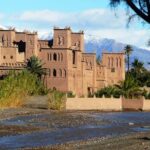

Starting from Marrakech at 9:00 AM: What the First Day Sets Up
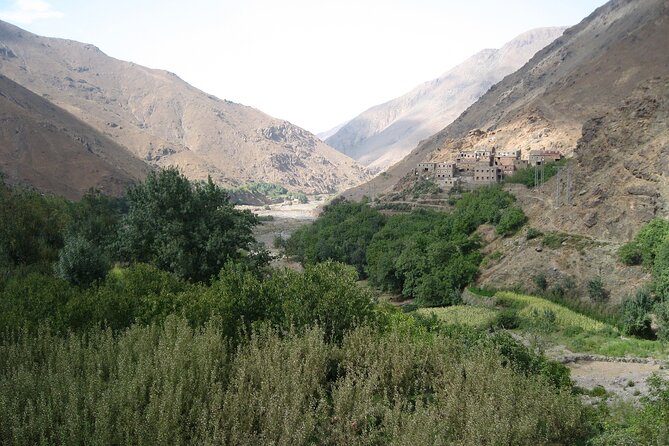
The day begins with a 9:00 AM start and pickup offered. That early timing is practical. It gets you out of the city while your energy is high and before the drive gets distracting.
You’ll head to Imlil Valley with about a 1.5-hour drive. Once you arrive, you meet your guide at the designated meeting point and get a brief over a warm cup of tea. That tea stop might sound like a small detail, but it does two useful things: it helps you understand the plan, and it gives you a gentle off-ramp from Marrakech traffic and noise into mountain mode.
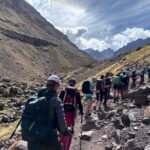
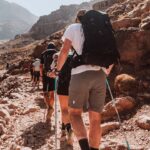
From there, the first hike block is about 3 hours. This is where the trip starts to feel like Atlas travel rather than a tour. You’re walking through valley terrain where waterfalls show up as part of the scenery, not a single distant landmark.
What to watch for: you’re already transitioning from road time to hike time. If you tend to get stiff quickly, plan to move slowly for the first part of the trail and let your body warm up before you settle into a steady pace.
Imlil Valley Hiking and Waterfalls: The Part You’ll Remember
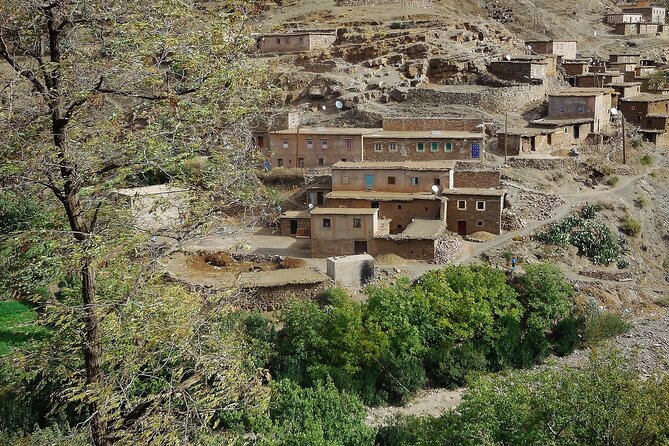
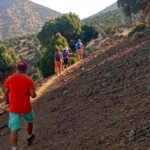
Day one is built around the Imlil area with a focus on scenery and waterfalls near Azadeh Valley. The hike is described as 3 hours through the valley, then lunch, then another 1 to 2 hours.
That structure is smart. The first 3-hour stretch gives you a long enough walk to feel you’ve earned the valley views. Then the 1-hour lunch break functions like a mid-hike reset so you don’t burn out before the evening.
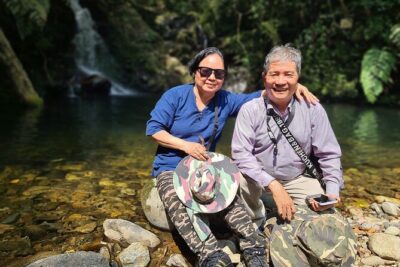
You’re also given time for the waterfalls and the valley rhythm rather than just moving point-to-point. When a trip includes a sustained hike block, you typically get more variety in what you see—changes in water flow, bends in the trail, and new sightlines as the valley narrows or opens.
One more detail I appreciate: the pace is guided, not solo. You’re not trying to interpret a route while managing fatigue. The guide keeps you oriented and helps you enjoy the scenery without always checking your bearings.
Iklil Lunch Under Walnut Groves: Where the Trip Slows Down
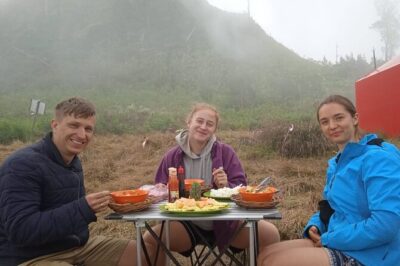
One of the standout elements is the planned lunch time in Iklil, described as relaxing by a river with lunch under walnut groves. This is the kind of stop that improves the whole experience because it breaks up the walking day.
Walnut groves matter here for comfort and mood. Even if you’re not thinking about shade consciously, you’ll feel it once you’re seated. And sitting by a river gives your brain a softer input than trail-slope scanning.
From a value standpoint, this kind of included-or-planned pause is important. A lot of trekking trips either rush the meal or make you treat eating as a chore. Here, the meal is part of the route’s story: hike, stop, recharge, then continue.
Potential drawback: if you’re the type who gets impatient waiting during breaks, you might wish for a shorter lunch stop. But for most people, the time to slow down is what makes the second day feel doable.
Overnight in Tizi Aussem: The Berber Guesthouse Experience
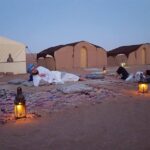
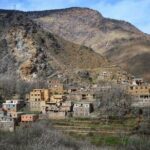
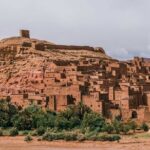
After day one hiking, you arrive for an overnight stay at a cozy riad/guesthouse setting in the area of Tizi Aussem Village. Dinner is served at the guesthouse.
This is one of the best parts of the trek for cultural texture without forcing a “performance.” You’re not just driving past villages. You sleep there. You’re close enough to feel the rhythm shift from mountain trail to community life.
Why that matters: trekking fatigue can make you less curious in the afternoon. But once you’ve eaten and settled in, the evening becomes the moment when you can actually notice how locals live around the valley. It’s not about a staged show; it’s about being in the right place at the right time.
What I’d suggest: if you arrive feeling tired, don’t try to squeeze in extra sightseeing. Use the evening to rest your feet and plan your mindset for day two. The summit-style day needs a clear head.

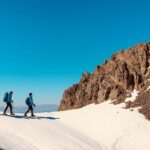
Day Two on Tawdja Peak (2700m): The Summit Day Plan
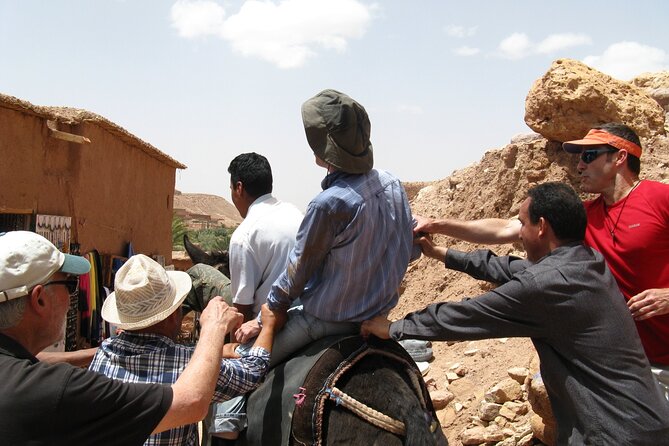
Day two starts with breakfast at 8:30 AM, then departure at 9:00 AM. That’s an efficient start that still leaves time to eat before you climb.
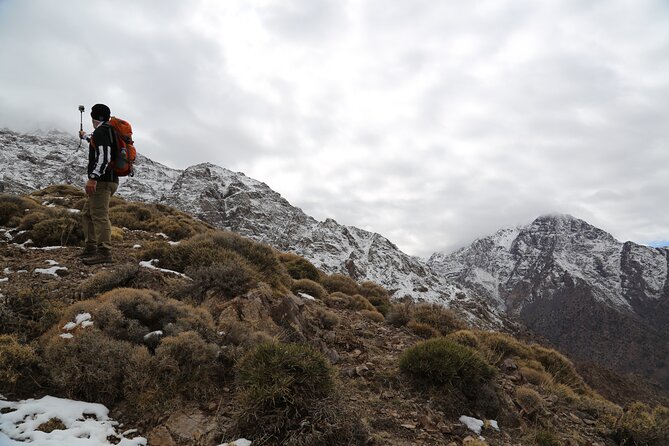
The hike to Tawdja (2700m) is described as a 5-hour adventure, with about 2.5 to 3 hours of hiking through stunning terrain before lunch. Lunch is planned at 2279m, which is a key detail: you’re not eating at the base and then hoping the top will be easy. You’re eating after a real climb, giving you a stronger chance to finish the summit push.
After lunch, your expert guide leads you to the summit for breathtaking views, then you descend for about 1.5 hours back to the car.
This day is where the “tailored to your fitness level and the season” part matters most. A summit day can feel very different depending on weather and your comfort on steep sections. If conditions are tougher—wind, rain, or slippery footing—your guide’s judgment becomes the difference between a confident finish and a stressful grind.
I’ve also seen evidence that this operator handles real weather changes with flexibility. People have credited organizers like Hassan for taking care of the details, and guides such as Mohammed for running the top day smoothly, including adjusting pace when conditions were not ideal.
Your practical takeaway: plan for an effort day. Don’t schedule anything right after this trek. Your legs will need time.
The Guide Makes or Breaks It
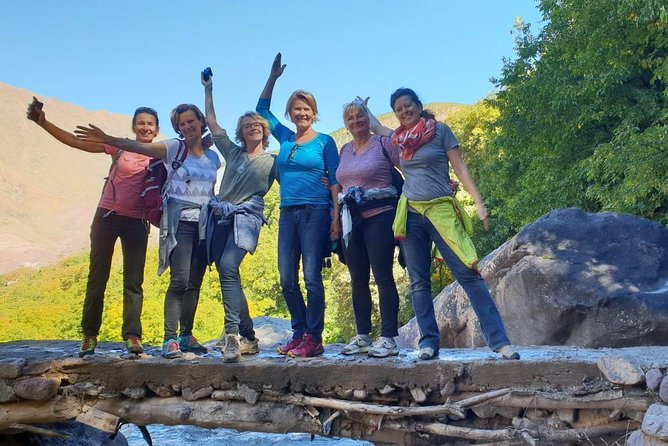
This isn’t a self-guided trek. The experience centers on your guide’s plan and timing, and you’ll feel that on both days.
A couple of guide-related strengths show up clearly. First, the trip emphasizes meeting your expert guide early with a short brief over tea. That helps you understand what you’re doing and why. Second, the guides are described as taking care of needs throughout the trip, including keeping food a focus. When the meal quality is good, it makes the hike feel less like “endure and survive.”
There’s also a theme of smooth handling, even when plans aren’t perfect. People have said Hassan arranged the two days at short notice and kept things flexible when weather slowed progress. That matters because mountains don’t follow spreadsheets. Good guides do.
If you care about value, look for the fact that you’re not just paying for hiking—you’re paying for coordination: route timing, pacing, and a safe structure for your day.
What to Pack: Boots and Waterproofs Are Non-Negotiable
The tour guidance is clear on two items: bring sturdy walking boots and waterproof clothes.
Do not treat those as optional suggestions. In mountainous terrain, rain can turn normal ground into a slip hazard. And the summit day includes a descent, which is where bad footwear usually punishes you.
If you’re visiting in a colder season, people have described winter trekking where weather affected pace. That’s another reason to prioritize protection and traction. You can be fit and still feel miserable if you’re wet and slipping.
Simple rule: if your shoes are fine for city sidewalks, they’re probably not fine for this trek.
Price and Value: Why $68.56 Can Be a Good Deal
At $68.56 per person, this trek is priced in a way that can feel surprising for two full days with guiding, pickup/transport from Marrakech, and an overnight guesthouse dinner setting.
Here’s the value math that matters:
- Trekking costs often rise when you have to pay separately for logistics, guides, and mountain coordination. This trip bundles guiding and mountain routing into the price.
- One night in the Tizi Aussem guesthouse with dinner is a big component. A lot of day hikes are cheap because they don’t include that overnight element.
- The peak day to Tawdja adds real effort and time. You’re paying for a structured summit plan with lunch at altitude and a guided descent.
Could it feel expensive if you expect a light walk? Yes. This is not a slow promenade. But if you’re ready for a hike with proper footwear and you want the Atlas Mountains experience without spending a fortune, the price looks like strong value.
Who Should Book This Trek
This trek fits best if you want:
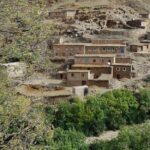
- guided hikes that take you from Imlil into Berber village country
- a planned break at Iklil by the river under walnut groves
- an overnight in a guesthouse setting in Tizi Aussem
- a second day with a summit-style climb to Tawdja (2700m)
It’s also a good choice if you prefer structure. You’ll have start times, hike blocks, and guided pacing rather than trying to plan everything alone.
If you’re hiking regularly and comfortable with elevation and slopes, you’ll likely feel rewarded by day two. If you’re newer to hiking, the tour’s tailoring to fitness and season can help—just be honest with your guide about your comfort level.
Should You Book It?
If you want a real Atlas Mountains trek with Berber villages, waterfalls near Azadeh Valley, a calm lunch stop at Iklil, and an overnight guesthouse in Tizi Aussem, then yes, this is worth booking.
I’d only hesitate if you know you hate long days on your feet or if you don’t own proper hiking footwear. With boots and waterproofs covered, you’ll be set up for the kind of day two summit views that you’ll remember long after the trail dust is gone.
FAQ
How long is the 2-day trek?
The experience runs about 12 to 13 hours in total, spread across two days.
Where does the trek start?
It starts in Marrakech, with pickup offered and a 9:00 AM meeting/start time.
What happens on day one?
You drive to Imlil Valley, meet your guide with tea, then hike through the valley with a lunch break, continuing for another 1 to 2 hours before an overnight stay with dinner.
How high do you hike on day two?
Day two includes a hike to the peak of Tawdja (2700m).
Is there a lunch stop during the summit day?
Yes. Lunch is planned during the hike at 2279m before the summit push.
How big is the group?
The tour has a maximum size of 25 travelers.
What should I bring?
Bring sturdy walking boots and waterproof clothes.
Is free cancellation available?
Yes. You can cancel for a full refund if you cancel at least 24 hours before the experience start time.