REVIEW · KATHMANDU
Langtang Trekking
Book on Viator →Operated by Trek Mania Nepal · Bookable on Viator
Turquoise lakes and old monasteries come fast. I love the Langtang mountain views packed into a single route, and I also love how the trip leans hard into Tibetan Buddhism with monastery stops you’ll actually have time to notice. One consideration: the tour price includes key logistics, but meals and trek accommodation are not listed as included, so your total budget will be higher once you add basics.
This private 13-day trek starts in Kathmandu (with pickup offered) and runs on a set schedule, with a 7:15 am start time. You’ll hike with an English-speaking guide licensed by the government, plus you get permits and an air-conditioned vehicle, which is a big help when you’re trying to get moving without stress. The trek is doable in any season except winter, with spring and autumn generally the best rhythm; monsoon can work but you should expect less ideal walking conditions.
In This Review
- Key things that make this Langtang trek different
- Why Langtang, Gosainkunda, and Chisopani is a smart trek combo
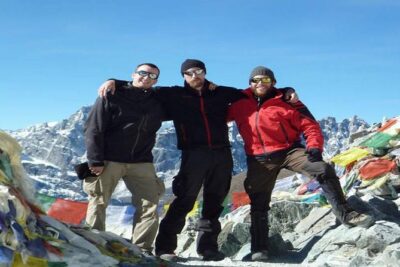
- Kyanjin Ri and the Langtang peaks: what you’re actually hiking for
- Kyanjin Gompa, Shin Gompa, and Sherpa Gaon: culture you can see and walk through
- Gosainkunda: the turquoise lakes and the cold-air day
- Chisopani finish: closing the trek with a calmer rhythm
- Guides, permits, and the real meaning of included value
- Price, food, and the budget reality you should plan for
- Picking your season: when Langtang and Gosainkunda feel easiest
- How to pack and pace for a trek with cold lake air
- Who this trek suits best (and who should rethink it)
- Should you book this Langtang trekking package?
- FAQ
- How long is the Langtang and Gosainkunda trek?
- Where is the trip based, and what time does it start?
- What’s included in the $699 price?
- What is not included?
- What seasons are best for this trek?
- Is this a private tour?
Key things that make this Langtang trek different
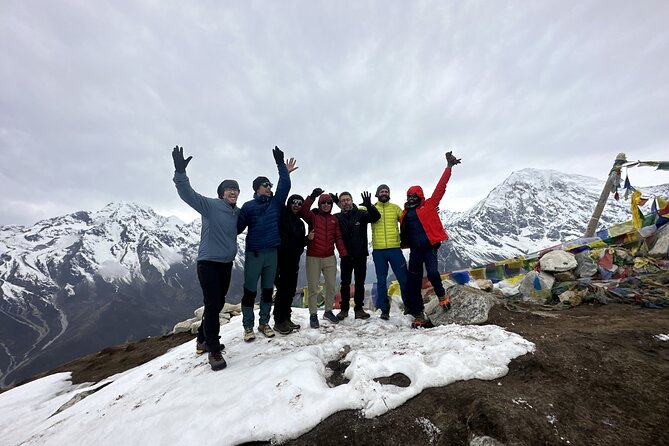
- Kyanjin Ri viewpoint: expect big “northern Himalayas” views rather than a bunch of walking with nothing to show for it
- Kyanjin Gompa: the largest monastery of the Langtang valley, with a feel that’s both spiritual and practical for trekkers
- Gosainkunda lakes: the turquoise lake focus makes this trek feel like more than just a valley hike
- Gosainkunda cold-air payoff: the high, icy air around the lakes is part of the experience (and part of the challenge)
- Sherpa Gaon, Shin Gompa, and small stops: you’ll move through settlements where people actually live the traditions you came to see
Why Langtang, Gosainkunda, and Chisopani is a smart trek combo
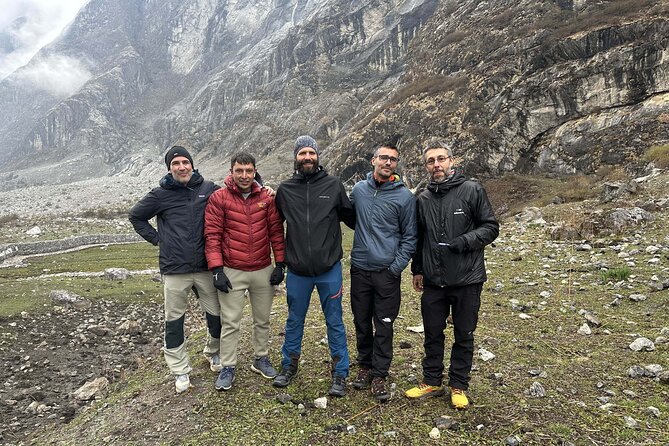
Most treks in Nepal force you to choose: either mountains and valleys, or cultural monasteries and sacred lakes. This one stacks both. You start in the Langtang valley side for scenery and monasteries, then you shift to Gosainkunda for the lake highlight, and finish with Chisopani for a calmer end-of-trek vibe.
That structure matters because it breaks up the effort. Instead of trudging for 13 days with the same feel, you get “why am I doing this” moments that keep motivation high. The route also threads through Tibetan Buddhist culture in multiple places, not just one token stop.
You can also read our reviews of more tours and experiences in Kathmandu.
Kyanjin Ri and the Langtang peaks: what you’re actually hiking for
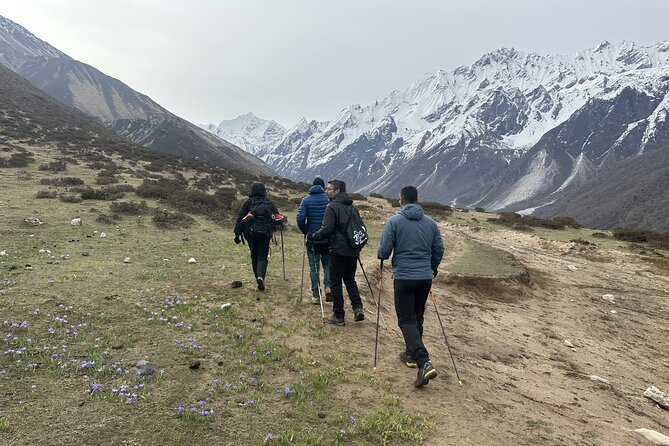
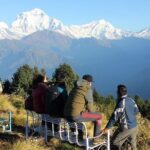
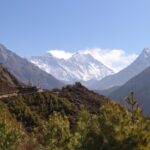
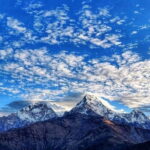
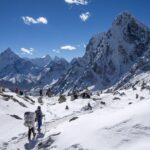
The heart of the view payoff is the Kyanjin Ri viewpoint. You’re hiking toward a high “look around” moment where the Langtang range takes center stage, and you also get sightlines that connect to bigger mountain names in the region, including Ganesh Himal and the Annapurna range.
Here’s the practical part: viewpoints like this change with cloud cover. If weather is clear, the hike feels like it was made for photographs. If clouds roll in, you’ll still get an impressive sense of scale, but your “crystal clear” photos may take some patience.
Even without perfect skies, the value is in the contrast. You go from village paths and monastery areas to big, open mountain views. That shift is what makes the effort feel worth it.
Kyanjin Gompa, Shin Gompa, and Sherpa Gaon: culture you can see and walk through
This trek isn’t just scenery. It’s also Tibetan Buddhism in action, with monastery visits that make the religion feel grounded instead of abstract.
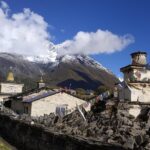
Kyanjin Gompa is the standout. It’s the largest monastery of the Langtang valley, so it has weight: more buildings, more pilgrims and trekkers around, and more opportunities to notice how people live their faith in daily routines. You also pass through Sherpa Gaon, which gives you a village rhythm between big climbs and big lake days.
Then you’ll meet Shin Gompa, another monastery stop that helps you see how the valley’s religious sites connect. These are not the kind of stops where you glance, snap a photo, and move on. You’ll have time to slow down, watch how visitors and locals move through the space, and ask questions with your guide.
And that’s where your guide makes a difference. In feedback, guides like Kumar and Pradip were specifically praised for explaining what you’re seeing—landscape and cultural sites along the way—and for keeping the trek fun and flexible when the day changes.
Gosainkunda: the turquoise lakes and the cold-air day
Gosainkunda is the big sacred-lake moment, and it shapes the whole feel of the trek. The headline is the turquoise lake scenery, but the real “wow” is how different this part feels compared with the Langtang valley village sections.
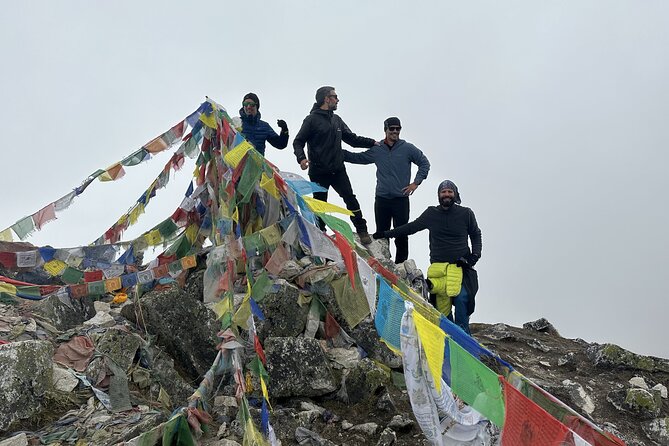
The air is colder, and the higher feel gets into your bones. Even if you’ve hiked in mountains before, expect this section to remind you that weather is part of the itinerary here. The trek description points to icy conditions around Gosainkunda Lake, and that matters for your packing and pacing.
You’ll also visit Gosainkunda and its siblings, plus in-between stops like Mangengoth and Mul Kharka along the route. Those are useful because they prevent the lake day from being only a single long slog. You’ll have checkpoints that keep the effort organized, and they also help you see how the terrain changes as you approach the lakes.
For many hikers, this is the day that turns the trek from “nice hike” into “I’ll remember this for years.”
Chisopani finish: closing the trek with a calmer rhythm
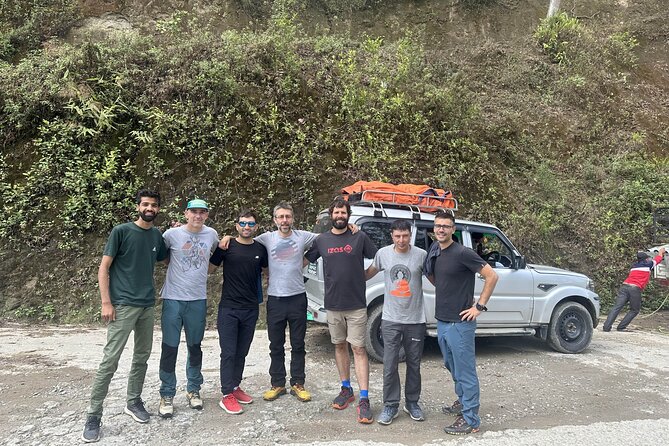
Chisopani is a good ending point because it’s a softer landing after the intensity of the lake area. You’re still hiking, but the tone shifts toward getting your legs back and taking in the final mountain-and-village mix.
Finishing with a place like Chisopani also helps you digest the whole trip. You’ll have spent time with monasteries and lake scenery; now you get a last stretch where you can focus on comfort, views, and the simple satisfaction of reaching the end feeling in control.
If you’re the type who likes to end a trek with a bit less pressure, Chisopani is exactly that.
Guides, permits, and the real meaning of included value
At $699 per person, the big question is what you’re paying for beyond the walking. Here’s what’s clearly included: an English-speaking trekking guide licensed by the government, permits, and an air-conditioned vehicle, plus pickup offered. For a trek that involves both culture stops and higher mountain travel, those inclusions reduce hassle fast.
The permits piece is especially important in Nepal trekking. You don’t want to spend vacation time chasing paperwork. Having that handled means you can focus on hiking and learning, not administrative tasks.
The guide matters as much as the itinerary. In feedback, Kumar was called out for being consistent, funny, and very quick to answer questions. Pradip was praised for being experienced and friendly, for explaining cultural and landscape context, and for taking good pictures. Those are the kinds of guide skills that change a trek from exhausting to enjoyable.
One extra note: your package list says accommodation during the trek is not included. That means you should budget for your own trek-time stays and meals unless the operator confirms something different for your specific dates. At the same time, at least one traveler highlighted Hotel Chimeki as an accommodation stop tied to their Trek Mania Nepal experience and praised food quality—so it may be part of how they arrange lodging on some routes. The safest move: ask what lodging is included for your exact departure.
Price, food, and the budget reality you should plan for
The headline price looks straightforward, but the practical budget is broader. Meals (breakfast, lunch, dinner) are not listed as included, and neither are snacks or bottled water. Coffee and/or tea and alcoholic beverages are also not included. Even porters and travel insurance aren’t included, and tips for guide/porters are not included either.
So where does that leave you?
- You’ll want to carry snacks or plan to buy them along the way.
- You’ll likely pay for bottled water or handle water safely through whatever method you’re comfortable with.
- You’ll need to budget for trek-time accommodation and daily meals.
The upside is that included items are the high-friction parts: permits and getting you set up with the right guide and vehicle support. If you want a trek that feels organized from the start, this structure is a good sign.
Picking your season: when Langtang and Gosainkunda feel easiest
This trek can be done in any season except winter. Monsoon is not so good, though trekking is possible. Spring and autumn are best.
That’s exactly what you’d expect on a route that includes high, cold-air lake areas. Spring and autumn tend to offer more stable walking and clearer visibility for those Kyanjin Ri-style viewpoint moments. Monsoon can bring slippery trails and less predictable conditions, so if you’re sensitive to rain and mud, you might want to avoid that window.
Also, your fitness matters. The trek description frames it as possible for anyone who is at least fit to walk for long hours. That means you don’t need to be a mountaineer, but you should be ready for sustained hiking time with changing weather.
How to pack and pace for a trek with cold lake air
The trek calls out extreme climate and terrain endurance, so you’ll want to think like a mountain hiker, not a city walker.
For your pacing:
- Don’t sprint early days. You’re working toward viewpoint payoffs and lake altitude cold.
- Keep a steady rhythm when the terrain steepens, especially as you move toward Gosainkunda and its sibling lakes.
- Build in rest moments during monastery village sections. They’re not just cultural stops; they help you regulate your energy.
For your packing:
- Expect cold around the lakes. Plan for layered warmth even if the day starts mild.
- Bring a way to handle hot drinks and basic comfort, since coffee/tea is not included.
- Expect that you’ll need snacks and water planning on your own.
If you handle cold and long walking well, the trip feels like a rewarding challenge. If you hate being uncomfortable outdoors for hours, the lake day will test you.
Who this trek suits best (and who should rethink it)
This is a good fit if you want a mix of big mountain views and real cultural time, and you prefer having an organized guide. It’s also private, so it’s only your group, which usually means less waiting around and more flexibility if conditions shift.
It’s ideal for:
- Hikers who enjoy both scenery and learning moments
- People who like Tibetan Buddhist sites enough to slow down at monasteries
- Travelers who want a clear highlight arc: Langtang valley → Kyanjin Ri → Gosainkunda lakes → Chisopani finish
It may be a tougher choice if:
- You’re only comfortable with easy walking and minimal cold exposure
- You’re counting on the operator to cover all meals and trek lodging automatically
Should you book this Langtang trekking package?
I’d book it if your main goal is a single route that combines Kyanjin Ri views, major monastery experiences like Kyanjin Gompa, and the Gosainkunda turquoise lake day. It’s the kind of trek where the effort has obvious payoff, and the included guide and permits make the setup feel solid.
I’d pause and ask questions first if you’re trying to keep a tight total budget, because meals, bottled water, snacks, and trek accommodation are not listed as included. Also ask what lodging is used for your specific dates, since feedback mentions Hotel Chimeki for some experiences, but the package details don’t promise trek-time accommodation.
If you want a trek that feels organized, culturally meaningful, and built around real mountain moments, this one makes sense.
FAQ
How long is the Langtang and Gosainkunda trek?
It’s listed as 13 days approximately.
Where is the trip based, and what time does it start?
It’s based in Kathmandu, with a start time of 7:15 am.
What’s included in the $699 price?
Included items are an English speaking trekking guide licensed by the Government, permits, and an air-conditioned vehicle (with pickup offered).
What is not included?
Not included are meals (breakfast, lunch, dinner), accommodation during the trek, snacks, bottled water, alcoholic beverages, coffee and/or tea, visa fee to enter Nepal, international flight tickets, travel insurance, and tips for guide and porters.
What seasons are best for this trek?
It can be done in any season except winter. Spring and autumn are best, while monsoon is not so good but trekking is possible.
Is this a private tour?
Yes, it’s a private tour/activity, meaning only your group participates.