REVIEW · KAMPALA
4 Day Uganda Gorilla Trekking Safari with Lake Bunyonyi
Book on Viator →Operated by Bamboo Ecotours · Bookable on Viator
Gorillas in the mist change your plans. This 4-day Uganda safari pairs Bwindi Impenetrable National Park gorilla trekking with a slower finish by Lake Bunyonyi, plus side trips around Mgahinga and Lake Mutanda. It’s built for people who want the big wildlife moment, but also care about how the day is managed.
I especially like two things: the trip handles the long land travel with smart stopovers and a 4×4 vehicle, so you’re not just stuck in a van for hours. And you get solid structure around the gorilla day, including a park briefing and gorilla-family assignment, supported by guides such as Jackson, Amanya, Manya, Chance, and Herbert—names that come up again and again for being friendly, professional, and focused on doing the job well.
The main drawback to consider is the pace: you’ll do long transfers on both the entry and exit days (about 8–9 hours on Day 1 and around 7 hours on Day 4), plus a trek that can take from a few hours to longer depending on where the gorillas are.
In This Review
- Key highlights worth knowing
- Bwindi gorilla trekking: what the permit inclusion really does for you
- Day 1 from Entebbe to Bwindi: 8–9 hours with two useful stopovers
- Day 2 at the park gate: briefing, gorilla-family assignment, and forest timing
- Day 3 in Mgahinga and Lake Mutanda: golden monkeys, Batwa culture, coffee, and canoe time
- Day 4 from Lake Bunyonyi back to Entebbe or Kampala: leaving with daylight
- Price and value: what you’re paying for at $2,089.24 per person
- Guides and planning: why professionalism shows up in the details
- What to pack, and the fitness reality check
- Who this safari suits best
- Should you book this 4-day Uganda gorilla trek with Lake Bunyonyi?
- FAQ
- How long does the drive take on Day 1?
- Where do I get picked up?
- Are gorilla permits included?
- What happens on the gorilla trekking day?
- What activities are included on Day 3?
- Is Lake Bunyonyi time included?
- Are meals included?
- What is not included in the price?
- Book it or not?
Key highlights worth knowing
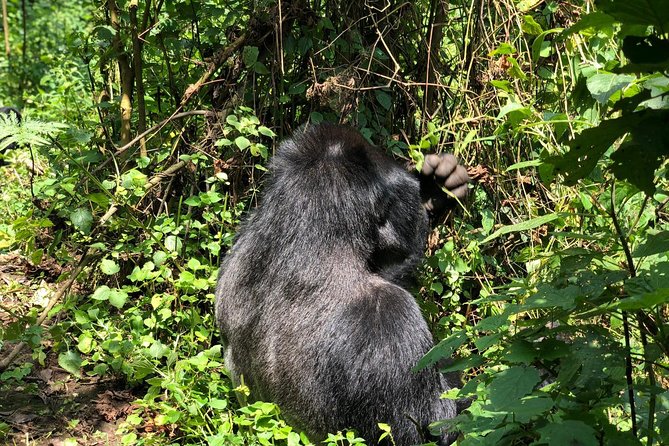
- Gorilla permits and park fees included so you’re not chasing paperwork on arrival
- 4×4 transport over long distances with scheduled breaks (Equator area coffee and crafts, then lunch at Igongo Cultural Centre)
- A real briefing before the trek, with your gorilla family assigned by the park team
- Day 3 mixes wildlife and culture, with golden monkeys, Batwa experience, coffee making, and canoe trekking at Lake Mutanda
- Lake Bunyonyi is the decompression day, giving you time to slow down after the forest
Bwindi gorilla trekking: what the permit inclusion really does for you
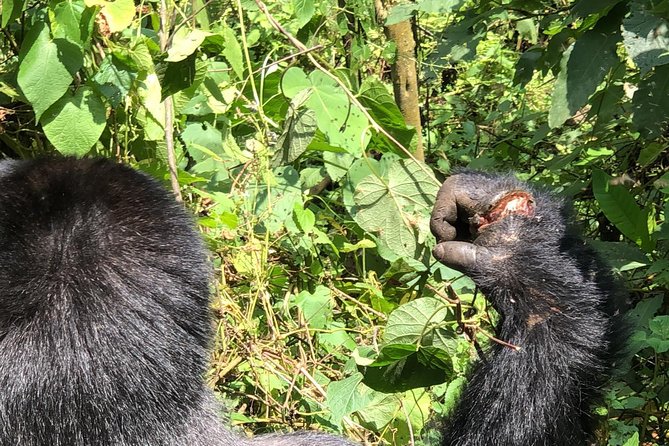
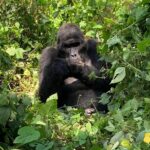
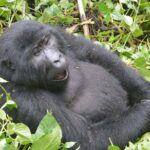
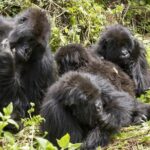
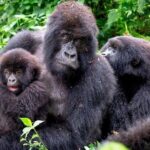
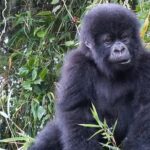
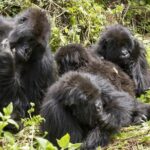
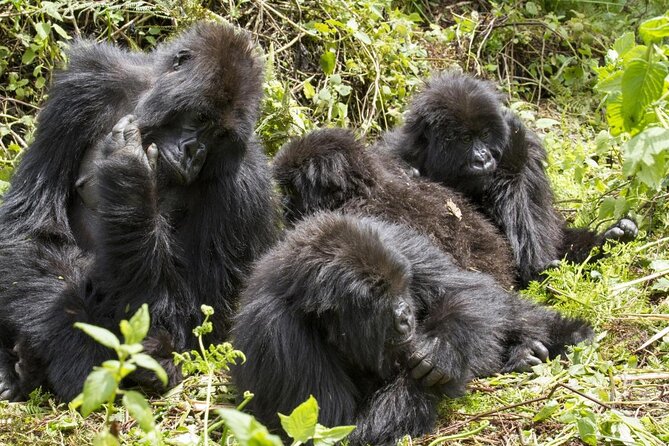
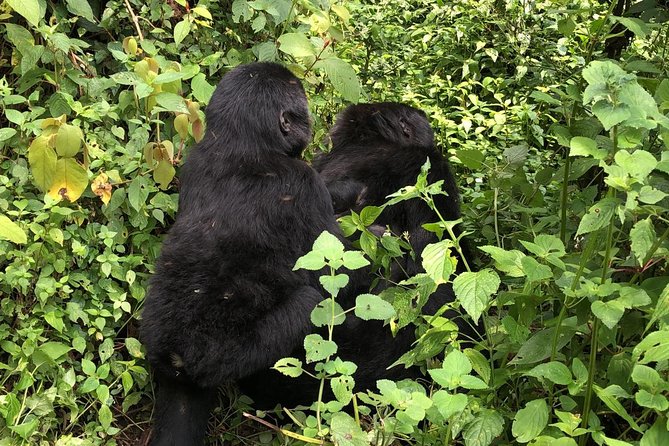
This safari is built around Bwindi gorilla trekking, and the best part is that the essential pieces are wrapped up for you. Gorilla permits, park entry fees, and the services of a driver/guide plus a 4×4 are included, which matters because permits aren’t a small detail in Uganda. They’re the difference between hoping for the best and actually having a confirmed ticket to trek.
You also start your gorilla day with a briefing at the park gate. That may sound like a standard step, but it’s one of the most important moments of the whole trip. It helps you understand the rules of movement in the forest, what to expect in terms of timing, and how the team will handle assigning you to a gorilla family. On trek day, that briefing is what helps you feel less like you’re wandering and more like you’ve got a plan.
One more practical point: the trek itself can last from a few hours to longer. That range is normal in Bwindi. The forest decides the pace, not your schedule. The benefit here is that the tour is designed to work with that reality instead of pretending every trek will be quick.
You can also read our reviews of more tours and experiences in Kampala.
Day 1 from Entebbe to Bwindi: 8–9 hours with two useful stopovers
Day 1 is a real travel day. You’ll be picked up in the morning at Entebbe International Airport or Entebbe town, then driven to Bwindi National Park. Expect about 8–9 hours on the road, crossing western Uganda through towns such as Masaka, Mbarara, and Kabale.
The itinerary includes two planned stopovers that make a long drive feel more human:
- Near the Equator crossing near Masaka: there’s time for a coffee break and some handicraft shopping. It’s not a museum stop. It’s more like a chance to reset your body before the final push into the park area.
- Mbarara city at Igongo Cultural Centre: lunch is included here, which helps break up the day with food that’s part of the schedule rather than something you improvise while tired.
Here’s the value: if you’re arriving to Uganda for the first time, these stopovers reduce the “lost in transit” feeling. You get a couple of anchor points where the day is predictable—then you can focus on what’s coming next: the gorilla trek area.
Main consideration: you’re starting early and you’ll likely feel it by afternoon. Bring layers. Even if the sun is out, you’ll be better off with a jacket or sweater for the longer hours in a vehicle.
Day 2 at the park gate: briefing, gorilla-family assignment, and forest timing
The day starts with breakfast, then straight to the Bwindi National Park gate for your gorilla trek briefing. This isn’t a vague pep talk. You’ll be guided through what to expect, and then the park team will tell you which gorilla family you’ll trek.
At that moment, the day changes from theory to reality. Up to then, you’ve been traveling to get to Bwindi. After the briefing, you’re stepping into a specific family’s neighborhood, and the timing depends on where that group is inside the forest.
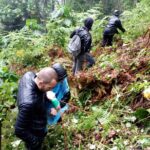
The gorilla trek can take anywhere from a few hours to longer depending on distance and conditions. This is where planning matters. You’ll want comfortable clothing you can move in, plus good footwear because the trek is real walking, not a casual stroll.
Another small but important detail: while this is arranged around your group, you might be joined by other visitors during the trek. That’s normal. The park manages encounters, and it means you’ll hear other groups calling out their sightings or moving at similar times. Don’t worry—this is part of the experience. It also means you can compare notes afterward with people who are experiencing the same moment in the same ecosystem.
Day 3 in Mgahinga and Lake Mutanda: golden monkeys, Batwa culture, coffee, and canoe time
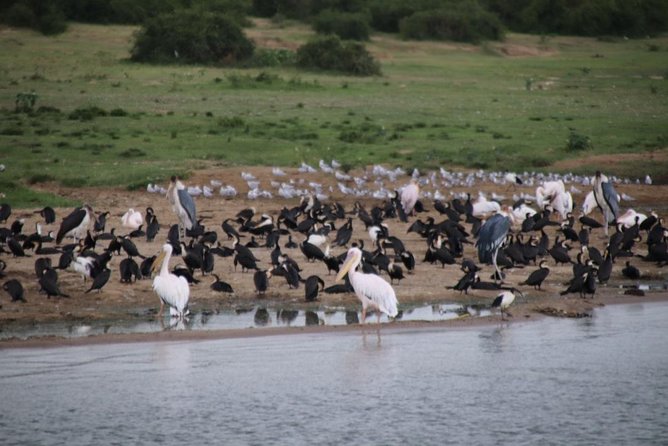
Day 3 is the most varied day on the trip. You begin at Mgahinga Gorilla National Park, then spend time on multiple activities that balance animals with human stories and local skills.
Here’s what’s included:
- Golden monkey trekking
- Batwa cultural experience
- Coffee making experience
- Canoe trekking at Lake Mutanda
That mix is a smart choice for this region. Mgahinga is not just about animals you see briefly. It’s about understanding how people and nature fit together in the same geography. Even if you’re focused on gorillas, this day adds layers: you’re learning, tasting, and moving through the area in a different way than the forest walk to Bwindi gorillas.
One note from the way this itinerary is structured: you may have the chance to go to Lake Bunyonyi early and do local activities there instead of some time in the morning. The tour is flexible in that sense, and that flexibility matters if you like a slower start or you want more lake time before the final day of driving.
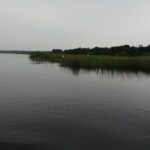
After the morning activities, you transfer to Lake Bunyonyi. That change of scenery is intentional. After two days of intense nature time, the lake gives you a chance to breathe, take photos without sprinting, and enjoy slower meals and conversation.
Day 4 from Lake Bunyonyi back to Entebbe or Kampala: leaving with daylight
Day 4 is a transfer out. You’ll have a morning departure from Lake Bunyonyi with enough time to drive back to Entebbe or Kampala. The travel time is listed as about 7 hours, which helps if you’re trying to line up your onward plans.
This is also the day when the tour’s pacing shows its logic. The earlier part of the trip gives you the big action—gorillas, golden monkeys, culture, and canoeing. Then the ending gives you time to look out at the water before you return to roads and schedules.
If you’re someone who hates rushed check-outs, Lake Bunyonyi is the kind of place that makes those final hours less stressful. It’s a good finish after the physical and emotional energy of trek days.
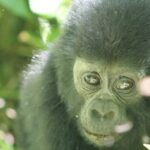
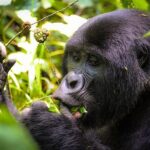
Price and value: what you’re paying for at $2,089.24 per person
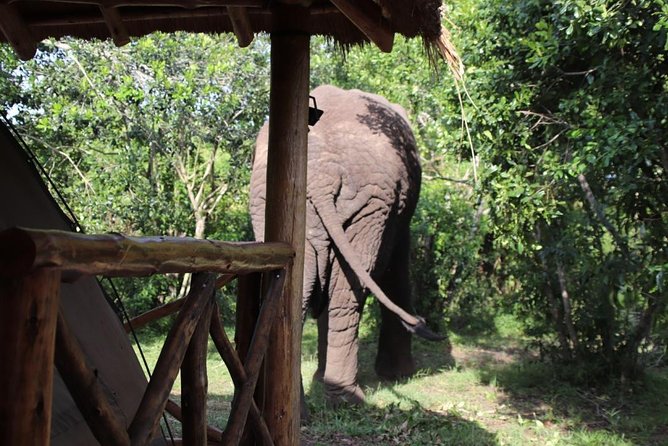
At $2,089.24 per person for this 4-day safari, the big value question is: what does that money actually cover? Here’s what’s included:
- Gorilla permits
- Park entry fees
- Driver/guide
- 4×4 vehicle
- Meals: 3 dinners, 3 breakfasts, and 2 lunches
What’s not included:
- Flights
- Travel insurance
- Personal costs
From a value standpoint, this pricing makes sense because gorilla trekking is expensive by nature. The permit is the key driver. Transport inside Uganda also adds up fast because you’re not doing quick hop-on-hop-off transfers—you’re covering long stretches in a vehicle that can handle the roads to the park areas.
Also, the itinerary’s structure reduces hidden costs. You get meals during the days you’re traveling and trekking, and you don’t have to figure out every meal stop yourself. That’s one of those boring but real value points that makes the trip feel smoother.
The only cost surprise to watch for is your own personal spending, plus flights and insurance. Plan those early and your trip budget will feel calm instead of stressful.
Guides and planning: why professionalism shows up in the details
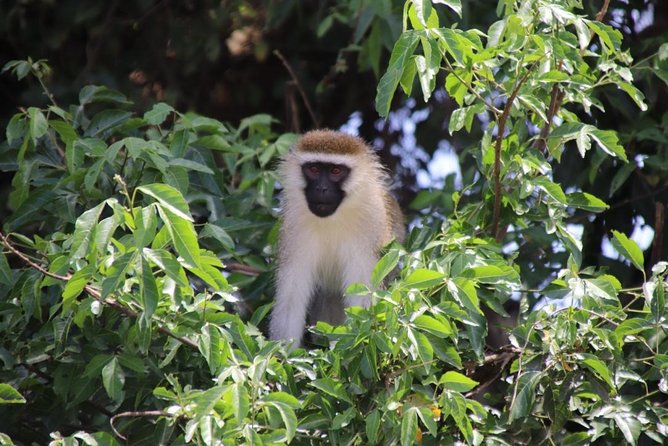
The company’s approach to planning is one of the strongest parts of this safari. Multiple guides are associated with smooth operations and friendly interaction—names like Jackson, Amanya, Manya, Herbert, and planning support linked to Edison and Chance show up as examples of professionalism.
Here’s what I think that means in real life for you:
- You’re more likely to get clear answers before you depart.
- The day-to-day schedule tends to run on time, with fewer awkward delays.
- When you’re out in nature, you’re not just watching. You’re getting guided attention, including spotting wildlife and nature details you might miss on your own.
For many first-time visitors, that’s the difference between a good trip and a confident trip. Gorilla trekking already comes with a lot of emotion. If the logistics are handled well, you’re freer to pay attention to the forest and the animals.
What to pack, and the fitness reality check
This safari is listed for travelers with moderate physical fitness. That doesn’t mean you need to be an athlete. It does mean you should expect active walking—especially on the trek day in Bwindi where the gorillas’ location influences your route and duration.
I suggest you pack for comfort and function:
- Good walking shoes or boots with grip
- Long sleeves and long pants suitable for forest trekking
- A light rain layer, since weather can change
- A small day bag for water and essentials
Also, remember that Day 1 and Day 4 are long drives. Bring something that helps you settle in—like a light sweater for temperature shifts or a neck pillow if that’s your thing. You’ll feel better when the big day (Day 2) arrives.
One more practical tip: keep your phone power strategy simple. Bring a charger or extra battery if you rely on photos, because you’ll want to document the moments without constantly worrying about power.
Who this safari suits best
This tour fits you if:
- You want Bwindi gorilla trekking as the main event
- You also want variety beyond gorillas—golden monkeys, culture, coffee making, and a canoe segment at Lake Mutanda
- You’re okay with long drive days, since the park areas are far from Entebbe
- You’d like a trip that’s structured enough to feel smooth, without turning into an exhausting nonstop schedule
It may be less ideal if you hate travel days or you strongly prefer short transfers. This itinerary includes full driving blocks on both ends, and the forest trekking day can also run longer than you’d guess.
Should you book this 4-day Uganda gorilla trek with Lake Bunyonyi?
I’d book it if you want a balanced package: the gorilla encounter in Bwindi, extra wildlife time at Mgahinga, and a calm, scenic ending at Lake Bunyonyi. The inclusion of gorilla permits, park fees, and meals is a big reason this feels like solid value instead of a “pay later” situation.
I’d hesitate if you’re sensitive to long road hours or if you know you’ll struggle with moderate trekking. This safari asks your legs to do some work, and it asks your schedule to be flexible, especially for the gorilla trek timing.
If you do book, make sure you’re honest about your fitness, and plan your flights and insurance separately. Then you’ll show up with fewer headaches and more energy for the part you came for.
FAQ
How long does the drive take on Day 1?
Day 1 is about 8–9 hours of driving from Entebbe to Bwindi National Park, with two scheduled stopovers along the way.
Where do I get picked up?
You can be picked up at Entebbe International Airport or Entebbe town in the morning.
Are gorilla permits included?
Yes. Gorilla permits and park entry fees are included in the tour price.
What happens on the gorilla trekking day?
After breakfast, you go to the Bwindi National Park gate for a briefing. You’ll then be told which gorilla family to trek, and the trek can take from a few hours to longer depending on distance in the forest.
What activities are included on Day 3?
Day 3 includes golden monkey trekking at Mgahinga Gorilla National Park, a Batwa cultural experience, a coffee making experience, and canoe trekking at Lake Mutanda. There may also be an option to go to Lake Bunyonyi early for local activities.
Is Lake Bunyonyi time included?
You transfer to Lake Bunyonyi after the morning activities on Day 3, and you depart in the morning on Day 4 for Entebbe or Kampala.
Are meals included?
Yes. The tour includes 3 dinners, 3 breakfasts, and 2 lunches.
What is not included in the price?
Flights, travel insurance, and personal costs are not included.
Book it or not?
If you want one trip that hits the big gorilla moment and also gives you culture and lake time, this itinerary is built for that. Just be ready for the long transfers and the real trekking day, and you’ll get a trip that feels both efficient and thoughtfully paced.