REVIEW · POKHARA
4-Day Private Trekking Experience to Poon Hill and Ghandruk
Book on Viator →Operated by North Nepal Treks · Bookable on Viator
Sunrise here hits like a reset button. This private trek through Poon Hill and Ghandruk is built around big mountain viewpoints, plus the everyday feel of village life in Nepal. You get dense forest walks, rhododendron color, and that classic Annapurna-region drama in a short, manageable time.
What I love most is the way the route gives you more than one shot at sunrise views: Poon Hill for the golden peaks, then Tadapani as your backup. I also like the human side of it in Ghandruk, where you’ll see Gurung village life and step into the Old Gurung Museum to connect the scenery to real local tools and tradition.
One drawback to plan for: the experience depends heavily on weather. If skies turn cloudy or visibility drops, those mountain views can be muted even though the itinerary still moves forward.
In This Review
- Key things that make this trek worth your time
- From Pokhara to the trail: Sarangkot sets the mood fast
- Day 2 in Ghorepani: rhododendron walks and overnight mountain views
- Poon Hill Marga: golden light on Dhaulagiri, Annapurna, and Fishtail
- Tadapani as your weather backup and your second view day
- Arriving in Ghandruk: Gurung culture, mountain views, and the Old Gurung Museum
- Guides, safety, and why the team makes a difference
- Price and value: what $350 covers (and what it doesn’t)
- Who should book this trek from Pokhara
- Should you book the Poon Hill and Ghandruk private trek?
- FAQ
- Is this a private trek or shared?
- How long is the trek?
- What’s included in the $350 price?
- What’s not included?
- Where does the trek start and end?
- Do I get free cancellation?
Key things that make this trek worth your time
- Two sunrise windows: Poon Hill hits first, then Tadapani gives you a second chance.
- Rhododendron season energy: you walk through flower-heavy forest on the way to Ghorepani.
- Sleep to mountain views: Ghorepani teahouses can show major peaks right from where you rest.
- Culture with context: Ghandruk village time includes Gurung customs and local food.
- Museum stop is short and included: Old Gurung Museum entry is part of the plan.
From Pokhara to the trail: Sarangkot sets the mood fast
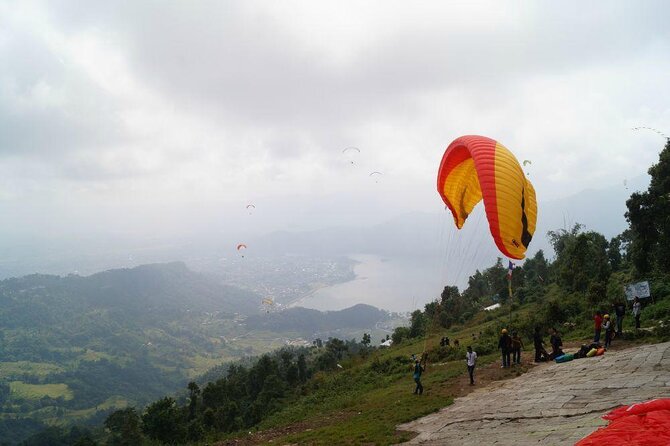
Day one starts with a scenic drive through Sarangkot village. You’ll get a viewpoint over Phewa Lake, the Pokhara valley, and a span of the Himalayas range before your trekking days even begin. It is a smart warm-up because you’re not just going to the trailhead and hoping for the best. You’re already seeing why people come here.
After that, it’s time to start the trek. This matters for your pacing. A short drive + immediate trail start helps you settle into the rhythm instead of spending your first morning commuting and organizing. The tour also includes private transportation, so you’re not stuck hunting for buses or sharing rides with strangers while your legs are fresh.
Since this is a private experience, you should expect flexibility around timing that public-group treks don’t offer. That said, the drive and the trek are both subject to local conditions, like traffic and weather. If you’re the type who likes everything tight to the minute, I’d still keep a little buffer in your day plan.
You can also read our reviews of more tours and experiences in Pokhara.
Day 2 in Ghorepani: rhododendron walks and overnight mountain views
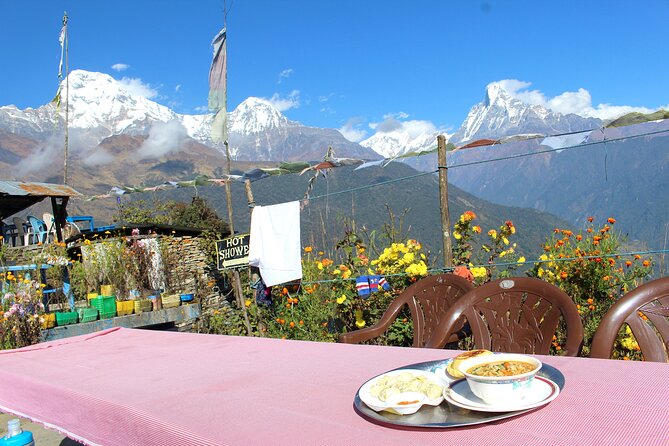
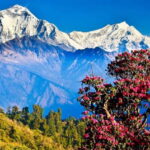
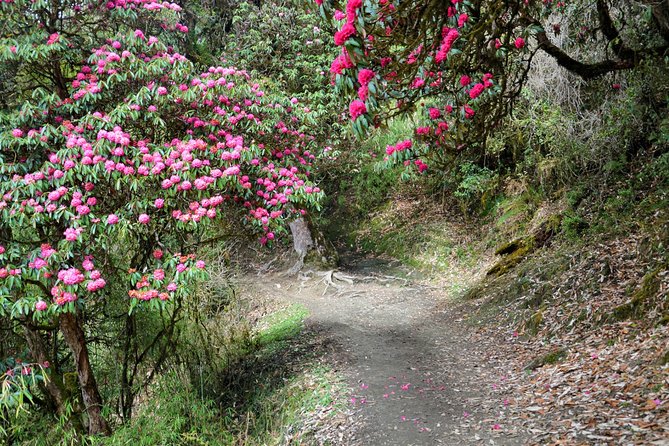
On day two, the vibe shifts into forest and fields. You’ll enjoy dense rhododendrons, colorful flowers, and open countryside as the trail moves you toward Ghorepani. This is a great day if you like variety: not just steep climbs and stone paths, but also greenery and birdlife energy through the trees.
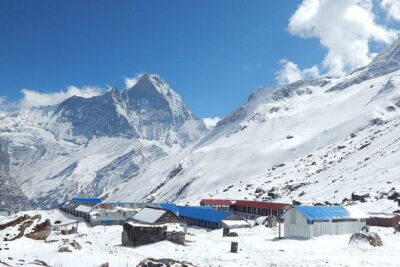
Ghorepani is also where the trek turns into a view-focused stay. You’ll sleep in comfortable teahouses, and the plan calls out impressive mountain names visible from your room area. Among them are Dhaulagiri I (8167m), Annapurna I (8091m), Annapurna South (7219m), Machhapuchhre (6997m), plus peaks like Hiunchuli (6441m), Tukche peak (6920m), and Nilgiri (6940m). That list is part of the appeal: you’re not hiking all day just to stare at the same hill at sunset.
A practical note: teahouses are a real part of the Annapurna trekking system. You’ll typically trade space and luxury for warmth, convenience, and location. The good news here is that the tour specifically frames the teahouse stay as comfortable, and meals are included later in the itinerary.
One more detail that helps: no extra entry fee is listed for this portion. That means you can focus on the walking and the views, not on surprise costs.
The only thing to watch is altitude and sunrise ambition. Even if you’re not going for long daily mileage, the early mornings that come next can feel harder than day two’s steady rhythm.
Poon Hill Marga: golden light on Dhaulagiri, Annapurna, and Fishtail
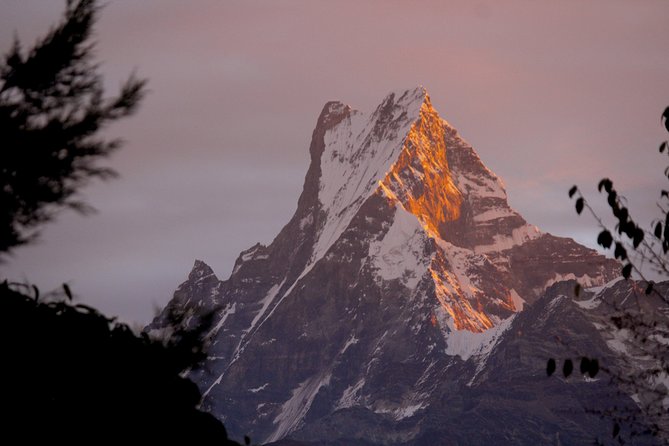
If you’re doing a short trek, Poon Hill is the reason many people keep the trip short. On day three, you’ll head to Poon Hill Marga, a route segment planned for about two hours. This is where the Himalayas steal the show.
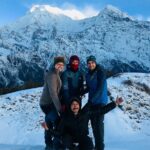
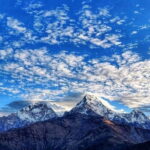
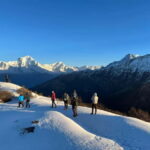
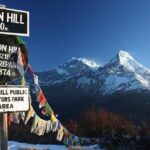
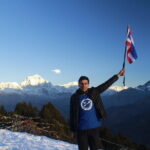
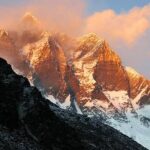
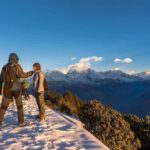
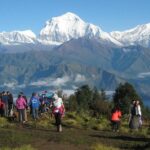
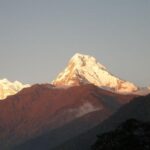
The key moment is sunrise. The plan specifically calls out the effect of rising sun casting golden light on nearby snow-covered peaks like Dhaulagiri, Annapurna South, Fishtail, and Singa Chuli. Even if the exact color depends on cloud cover and timing, the structure is strong: you’re not wandering randomly at dawn. You’re going to a known viewpoint timing-wise, so you can actually benefit from the light.
For photographers, this part makes the whole trek click. For hikers who just want to feel the place, it’s the moment that turns effort into payoff. It’s also a good length. Two hours isn’t a full day, so you still have time afterward to enjoy the route rather than being stuck in cold, standing-in-place mode the whole morning.
Still, remember the weather reality. This trek requires good weather for the best views. If clouds hang around, you might get partial scenes instead of crisp peaks. That’s exactly why the itinerary keeps you moving to Tadapani afterward.
Tadapani as your weather backup and your second view day
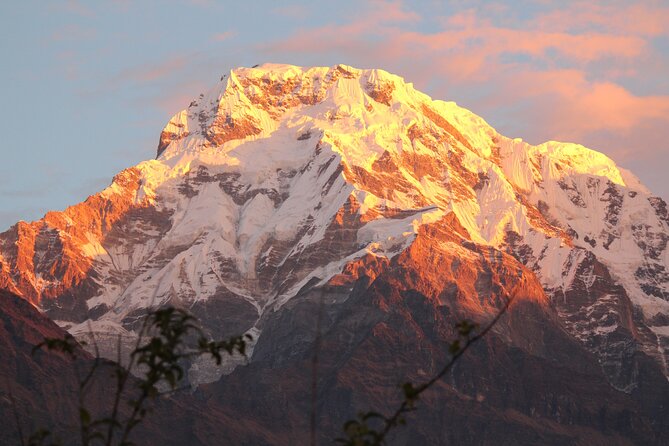
Tadapani is a smart piece of design. The plan gives you views of Annapurna South and Fishtail, but the bigger value is what comes with it: it’s your second chance if Poon Hill doesn’t deliver.
The trek notes that you’ll get another opportunity the next morning if you missed the view at Poon Hill. That single sentence is more important than it looks. It turns the trek from one big gamble into a flexible experience. If the first sunrise is poor, the schedule still offers you a shot at improvement.
Tadapani also works as a more relaxed day in the middle of your trip. After the effort of reaching viewpoints early, you’ll likely appreciate the chance to balance walking with scenery. It’s also a day where you can get a feel for the trail communities along the way, even if the focus isn’t on a formal cultural stop.
Entry fees are listed as free for this segment as well. So again, you can keep your attention on what you came for: mountains, forest, and the slow shift of the region from forested hills toward the thicker settlement atmosphere of Ghandruk.
If you’re prone to getting frustrated by fog or rain, I’d still go in with patience. The itinerary structure helps, but it can’t control the sky.
Arriving in Ghandruk: Gurung culture, mountain views, and the Old Gurung Museum
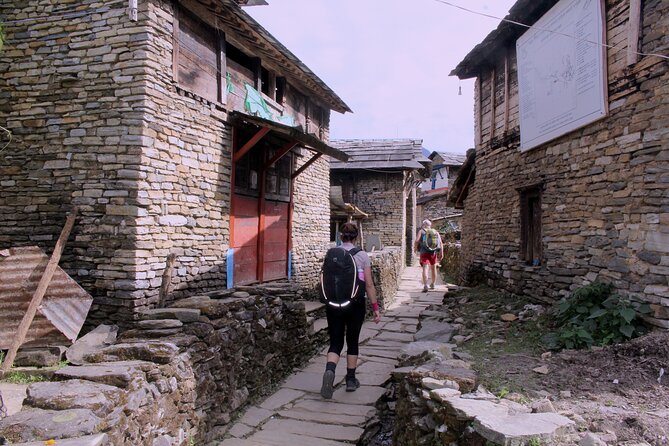
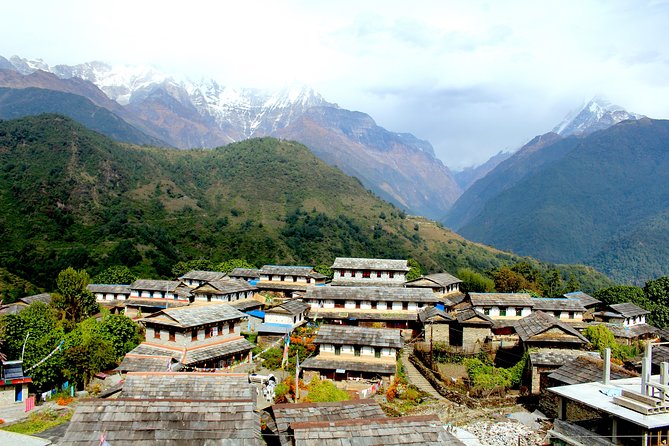
Ghandruk is where the trek becomes something more than views. You spend time learning Gurung culture and customs, including the way people live in large settlements. You’ll also get local food, and the scenery is framed with slate-roofed houses sitting beside paddy fields, with mountain views in the background.
This is a good day for grounding yourself. In the morning, you’re hunting dawn light on peaks. In Ghandruk, you slow down and understand what the mountains mean to people who live with them every day. The village atmosphere is the reason many hikers feel a difference between simply visiting viewpoints and actually connecting the region’s human story to the scenery.
Then there’s the museum. The Old Gurung Museum stop is short (about 30 minutes), and admission is included. It’s described as a place showcasing traditional Gurung equipment, tools, and weapons. That detail matters because it makes cultural learning less abstract. You’re seeing practical items tied to work and identity, not just listening to a general explanation.
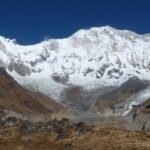
The itinerary also emphasizes panoramic views around Ghandruk, including Mount Annapurna and Machhapuchhre. That mix—culture plus major icons—keeps the day from feeling one-note.
One more practical point: you’ll likely want to pace yourself in the village. It’s tempting to keep moving nonstop for photos. If you can, build in a quiet pause with your guide and ask questions while you’re there. This is the kind of place where the best moments happen between photo stops.
Guides, safety, and why the team makes a difference
In this trek, the guide experience is a headline, and it shows up in the patterns from named guides. I’ve seen how guides like Gopal Tamang, Niraz, Raj, Mahendra, and Jeewan/Zeewan get described in very human terms: caring, patient pacing, and a focus on safety and good logistics.
That matters because Poon Hill treks are short but not trivial. If you’re new to trekking or you have a lower fitness level, you’ll want someone who can keep the pace realistic and still help you reach viewpoints when it counts. One guide is specifically associated with being patient with a low-fitness, no-experience situation, and that’s a big deal for comfort and confidence.
I’d also watch for how your guide handles visibility and rain. One review mentioned rains and bad visibility, but the trek still felt rewarding thanks to the guide’s approach. A capable mountain guide also helps with practical things like timing for sunrise and making sure you’re fed and looked after during the day.
Even small things can improve the trek day-to-day: photo timing, trail flexibility, and managing hotel/teahouse choices so you’re not stuck in a low-view location. The tour frames the team as professional, and the consistent theme in the feedback is attention to details.
So, when you book, don’t treat the guide as a footnote. Ask questions before you start the trek. Tell them your comfort level. With a private group, that conversation can shape the whole experience.
Price and value: what $350 covers (and what it doesn’t)
At $350 per person for about four days, this trek is positioned as a full-service private experience rather than a bare-bones hike. Here’s the value breakdown based on what’s included:
- Private transportation during the trek approach and transfer back
- Legal permits and documents handled by the operator, including ACAP and TIMS (and other permits noted)
- A professional mountain guide
- Meals: 3 breakfasts, 4 lunches, and 3 dinners
That meal plan is not just convenience. It also keeps your trek schedule clean. When you don’t have to hunt for food between viewpoints and villages, you arrive less tired and more ready for sunrise efforts.
The tour also uses a mobile ticket, which is handy if you don’t want to manage paperwork in a busy Pokhara schedule.
What’s not included is where you should budget your extras: personal expenses like laundry, boiled water, bottle water, and bar bills. That’s normal on trek circuits, but it’s still worth planning for, especially for water and snacks. Also, if you drink more than average or you tend to buy small items on the trail, costs can creep up fast.
If you want an honest take on value: paying for a private guide plus permits plus most meals is what makes this feel like a tidy package, not a DIY project.
Who should book this trek from Pokhara
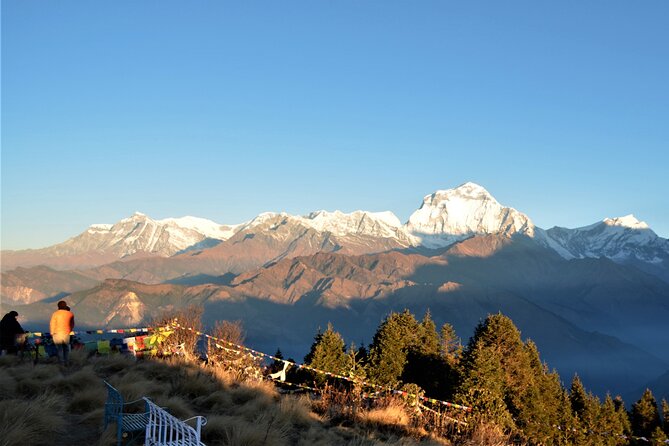
This trek fits best if you want a short itinerary with big payoff: sunrise at Poon Hill, another mountain-view window at Tadapani, and a cultural stop in Ghandruk that includes both village life and the Old Gurung Museum.
It also fits first-timers and mixed-experience groups. The tour notes that most travelers can participate, and the guide feedback includes examples of patience for someone with low fitness and no trekking background. That doesn’t mean it’s effortless, but it suggests you’ll get pacing support.
You’ll enjoy it most if you like:
- sunrise planning and photo stops with real scenery stakes
- trekking through rhododendron forest and flower-heavy sections
- village culture that includes Gurung customs and local food
If your main goal is a hardcore off-trail challenge or long daily climbs, you might find this trek too short. But if your goal is a focused Annapurna-region experience without spending weeks on the trail, this is a strong match.
Should you book the Poon Hill and Ghandruk private trek?
Yes, you should book if you want the classic Annapurna sunrise experience without turning your vacation into a logistics puzzle. The included permits, private guide, and meal plan make it feel organized, and the itinerary’s built-in second chance at views (Poon Hill then Tadapani) is the kind of planning detail that improves odds.
Don’t book if weather risk would stress you out. The trek requires good weather for the best mountain views, and visibility can drop in rainier conditions. If you can handle that, bring patience, and let the day’s light and clouds decide the final look, you’ll likely come away happy.
FAQ
Is this a private trek or shared?
It’s a private tour/activity, so only your group participates.
How long is the trek?
The duration is about 4 days.
What’s included in the $350 price?
The price includes private transportation, legal documents (ACAP TIMS and other permits), a professional mountain guide, and meals: 3 breakfasts, 4 lunches, and 3 dinners.
What’s not included?
Personal expenses like laundry, boiled water, bottle water, and bar bills are not included.
Where does the trek start and end?
It starts at North Nepal Travel & Trek Pvt. Ltd (Pokhara) and ends back at the same meeting point.
Do I get free cancellation?
Yes. There is free cancellation up to 24 hours in advance for a full refund, and if poor weather cancels the experience, you’ll be offered a different date or a full refund.