REVIEW · KATHMANDU
Ghorepani Poonhill Trek
Book on Viator →Operated by Luxury Holidays Nepal Pvt. Ltd. · Bookable on Viator
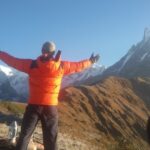
That first look from Poon Hill is unreal.
This Ghorepani–Poon Hill trek pairs classic Annapurna foothills walking with a real mountain-sunrise payoff, plus Kathmandu Valley UNESCO sightseeing and a full Pokhara day so you’re not only living in hiking boots. I like the way the trip mixes cultural stops with nature—Gurung settlements, teahouse stays, and rhododendron trail days—while keeping logistics handled. One thing to think about: lunch and some dinners are not included, so you’ll want to budget for daily meal choices.
You also get a lot of “support” without feeling babysat. The package includes an experienced guide and porters (1 porter for 2 people), private hotel/airport transfers, and bus/vehicle transport for the city-to-trail jump. Based on past trip feedback, the guide guidance can genuinely shape your experience—route direction, where to stand for the best mountain views, and cultural context can make the hours feel easier.
In This Review
- Key points worth knowing before you go
- What this trek gives you, beyond the brochure promises
- Kathmandu and Pokhara: using the first days to get your bearings
- Pokhara to Tikhedunga: the “stair test” day
- Tikhedunga to Ghorepani: rhododendron country and village rhythm
- Poon Hill sunrise and the run to Tadapani
- Ghandruk: Gurung culture, classic views, and an easier finish
- Teahouses, food, and what you should budget each day
- Guides and porters: where the trip quality really shows
- Price and logistics: does $299 actually feel fair?
- Who this trek suits best (and who should rethink it)
- Should you book the Ghorepani Poon Hill trek?
- FAQ
- What time does the experience start?
- How long is the Ghorepani Poon Hill trek?
- What does the price include?
- Are vegetarian meals available?
- What meals are not included?
- What is the highest point on the trek?
- Can I cancel for a full refund?
Key points worth knowing before you go
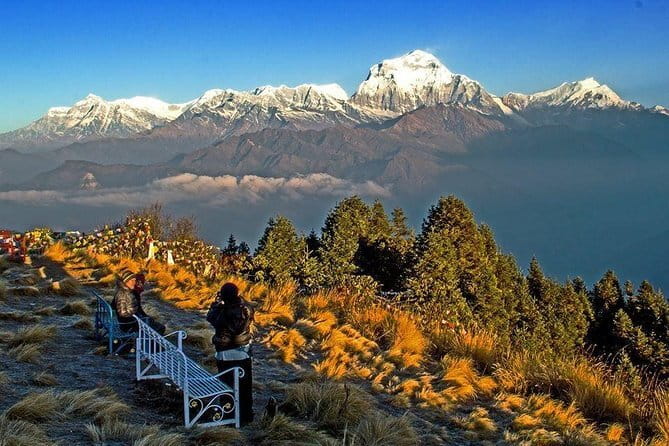
- Poon Hill sunrise at 3,210m is the main event, with a day built around reaching it and then continuing on to lower villages.
- Rhododendron trail days plus stone-step style uphill walking give you classic Annapurna foothills scenery.
- Teahouses and local organic food keep the trek authentic and practical, with cozy overnight stops in villages.
- 1 porter for 2 people helps you hike with less weight, especially on longer uphill sections.
- Kathmandu + Pokhara sightseeing turns this into more than a “just trekking” holiday.
- Dinner is included, but lunch and some meals cost extra, so your budget needs to cover that.
What this trek gives you, beyond the brochure promises
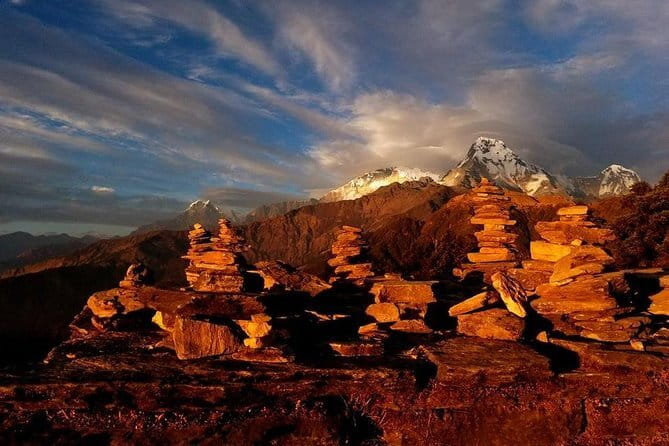
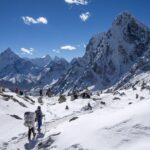
This is a foothills trek that aims for big views without the grind of going extremely high. You’ll hike through settlements and along wooded paths, and then you’ll finish the day with village life—small guesthouses, hot meals, and the steady rhythm of other walkers moving through the same valleys.
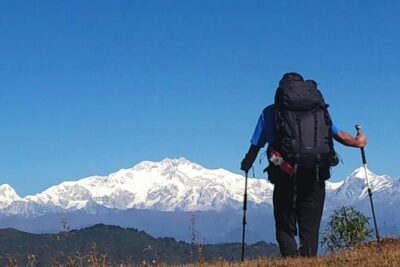
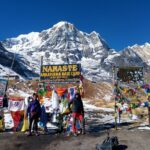
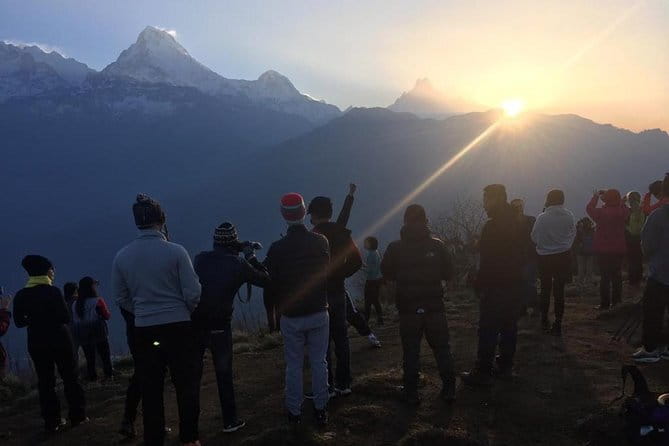
The big draw here is the timing around Poon Hill. At 3,210m, the sunrise moment is the climax: you get front-row access to a panorama that includes the Annapurna massif and other major peaks listed for the region, like Gangapurna, Himchuli, Dhaulagiri, Manaslu, and Ganesh Himal.
Still, this isn’t a “flat stroll” holiday. Even with moderate fitness being enough for many people, you should expect uphill effort—especially around the classic stair climbing areas.
You can also read our reviews of more tours and experiences in Kathmandu.
Kathmandu and Pokhara: using the first days to get your bearings
Most people picture Nepal as mountains first, cities second. This itinerary flips it in a smart way: you start in Kathmandu, then head to Pokhara before trekking begins.
In Kathmandu you get a full day recreational tour focused on temples and the Kathmandu Valley UNESCO World Heritage Sites. That matters because it gives you cultural context before you step into Gurung villages later on the trail. It also helps you shake off the travel day with an easier pace than jumping straight into hiking.
Then you move to Pokhara by road, and later you get a full Pokhara sightseeing day (city of lakes). Pokhara is the practical hub for this trekking route. It’s also where you can reset your routine—eat a proper meal, plan your layers, and get sleep that isn’t interrupted by trekking-water-and-battery logistics.
Pokhara to Tikhedunga: the “stair test” day
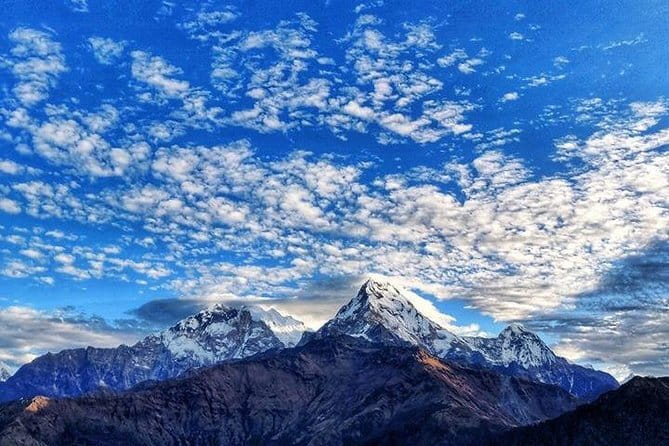
Your trek starts after a drive from Pokhara to Nayapul, then you hike toward Tikhedunga. On paper it’s a shorter hiking block, but it’s often a psychological warm-up: you’re trading engine time for foot time, and your legs get the first taste of steady uphill walking.
Expect the trail to feel like a patchwork—short transitions from village to trail, then more footpath and stone-step style movement. The good news is that this is the kind of effort that builds confidence quickly. If you can manage the first uphill day without pushing too hard, the rest of the trek tends to feel more “reasonable” because you’ll know what your body is dealing with.
One practical note: this is also a day where you’ll want to pace yourself. Don’t sprint the early climbs. Save energy for the higher, colder-feeling sections later.
Tikhedunga to Ghorepani: rhododendron country and village rhythm
On the next stretch, you hike from Tikhedunga to Ghorepani over about 5–6 hours. This is where the route leans into what people love about the Annapurna foothills: lush greenery and the sense that you’re moving through older Nepal, not just walking past scenery.
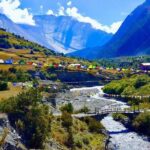
Rhododendron forests are part of the highlight here. Even if flower timing varies by season, you still get that wooded, hillside feeling where birdsong and shade show up often. And because Ghorepani is a trekking hub, the village “settles” into your routine fast: guesthouse arrival, tea, and the quiet hum of hikers planning the next day.
This is also a helpful day for your acclimatization, even if the trek stays within “moderate” altitude demands overall. You’re gaining elevation gradually, and you’ll have time to adjust how fast you walk.
Poon Hill sunrise and the run to Tadapani
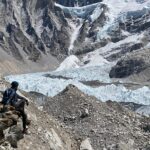
Day 6 is the reason this trek exists: you hike to Poon Hill (3,210m) and then continue to Tadapani (2,675m). The hiking time listed is about 5–6 hours, so it’s not a short “one lookout and done” day. You’ll do the big moment and then keep moving.
Here’s how I’d frame the day: Poon Hill gives you the payoff. Tadapani gives you the momentum. After the sunrise experience, continuing to Tadapani helps you avoid the temptation to treat the whole trek like one photo stop. It turns the day into a full trekking arc instead of a detour.
Tadapani is where you settle into another teahouse night. That matters because the comfort of your lodging and meals is part of what makes the overall experience feel rewarding rather than exhausting. If you’re someone who hates “show up, freeze, eat whatever” travel moments, the teahouse rhythm is the antidote.
Ghandruk: Gurung culture, classic views, and an easier finish
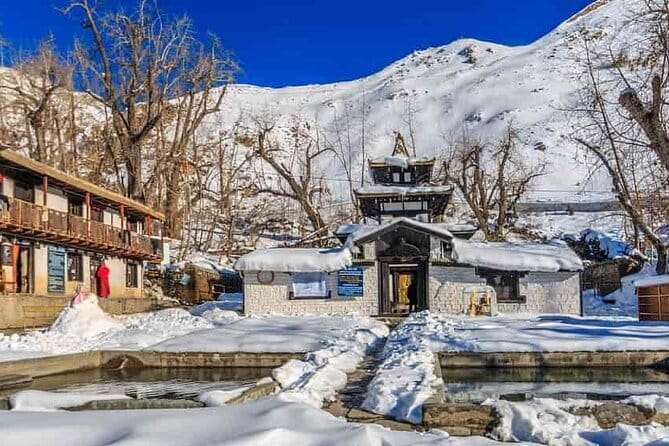
On Day 7 you trek from Tadapani to Ghandruk (about 3–4 hours). Ghandruk is a well-known settlement in this region, and this trek specifically highlights meeting friendly and hospitable Gurung people and learning about their culture.
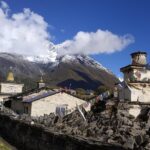
That cultural component is more than a box to tick. In plain terms, it’s how the trail stays human-scale. You’re not only counting kilometers; you’re seeing how people live near the Annapurna foothills and how the villages support trekking.
Then Day 8 brings you back toward the road: hike from Ghandruk to Nayapul, then drive back to Pokhara. This is a satisfying finish because it gives you a clear endpoint—your final village-to-car transition—without turning the last day into a disaster march.
Teahouses, food, and what you should budget each day
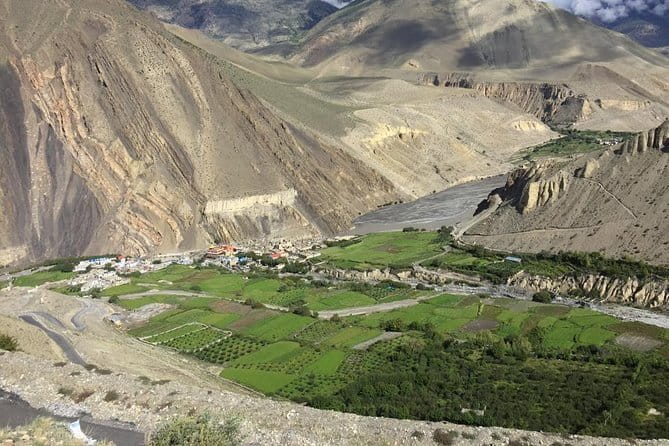
The trek includes cozy local teahouse accommodation and local organic food during the trek. That’s exactly the style of travel where you learn to accept simple comforts: warm rooms, shared dining spaces, and meals that are filling and familiar to locals.
Now the money math. The package includes dinner and it lists breakfast (10), plus accommodation with breakfast basis during the itinerary days tied to the trek and cities. But it also clearly states that lunch and dinner in Kathmandu, Pokhara, and trekking days are not included. It gives a rough meal cost range: about $3–$7 per item, depending on where you eat.
So, I’d plan your spending like this:
- Assume you’ll pay extra for at least one meal each day (often lunch).
- Have small cash ready for teahouse add-ons (hot drinks, snacks).
- If you’re vegetarian, you can request a vegetarian option, but tell your operator ahead of time.
Also remember that monument entrance fees are not included. Kathmandu and other stops may involve ticketed sites, so keep a little buffer even though you’re not paying for transport like on a DIY trip.
Guides and porters: where the trip quality really shows
This type of trek rises or falls on human support. Here you get an experienced, helpful and friendly guide and porters—1 porter for 2 people—with their salary, food, drinks, accommodation, transportation, and insurance included.
Why that matters: porters aren’t just carrying bags. They help your pace feel steadier and reduce the “I’m strong enough” mistake of carrying too much yourself. You end up spending more energy on hiking well and less energy on managing discomfort.
You also benefit if your guide is strong with route choices and mountain-view guidance. In past Annapurna trekking feedback tied to this company, guides such as Mountain Ram and Niraj were praised for smooth organization and direction on where to view the mountains best. Others highlighted Pradip as a skilled guide who helped set a good pace, and Rupak Kadel for being attentive and cheerful—one trekker described him as quickly becoming a friend.
So, when you think about “value,” don’t just focus on price. Focus on how likely you are to get good guidance day after day.
Price and logistics: does $299 actually feel fair?
At $299 per person for an 11-day package, the value is mostly in the structure. You’re paying for:
- Private hotel and airport transfers
- Kathmandu–Pokhara–Kathmandu transportation (including bus)
- Vehicle support for Pokhara to the trail start/end
- A guide plus porters
- Lodging in twin/double rooms with breakfast
- Maps and trekking gear support like down jackets and duffle bags (if necessary)
- A farewell dinner in Kathmandu with a cultural dance program
This can be a smart deal compared to trying to piece together guides, transport, and teahouse logistics yourself—especially if you want the route handled and you’d rather spend your time hiking than negotiating.
Two things to watch:
- Single travelers: there’s a $300 extra single supplement.
- The trip lists several meals as not included, so your total cost isn’t just the base price.
If you plan meals ahead and treat the included support as the main perk, the $299 feels like you’re buying peace of mind, not luxury.
Who this trek suits best (and who should rethink it)
This trek is a good match if you want:
- A week-ish style trek on Annapurna foothills
- The famous Poon Hill sunrise
- Teahouse nights and local meals
- Cultural context through Gurung settlements plus Kathmandu and Pokhara sightseeing
- A guided experience where route planning isn’t on you
It might be less ideal if you dislike early-morning days. Poon Hill is sunrise-focused, and the whole trek is built around that “get there and witness it” plan. Also, if you’re very sensitive to paying for multiple meals separately, the lunch/dinner exclusions could annoy you.
On fitness: it asks for moderate physical fitness. You don’t need to be a marathon runner, but you should be comfortable with hills, steady walking, and stair-heavy sections.
Should you book the Ghorepani Poon Hill trek?
I think this is a strong booking choice if you want classic Nepal trekking with enough structure to feel smooth. The combination of Poon Hill sunrise, rhododendron scenery, and Gurung cultural connection gives you more than one kind of reward. And the extra time in Kathmandu and Pokhara means you can enjoy the country without feeling like you only arrived to walk uphill.
I’d book it if you’re okay budgeting for lunch and some dinners and you’re comfortable with a moderate fitness requirement. If you’re traveling solo, also factor the single supplement into your decision.
If that all sounds like your style, you’ll likely come home with a rare mix: a mountain memory, village encounters, and cities you actually got to enjoy.
FAQ
What time does the experience start?
The start time is 9:00 am.
How long is the Ghorepani Poon Hill trek?
The duration is 11 days (approx.).
What does the price include?
The package includes pickup and drop-off from the hotel and airport, accommodation (twin/double with breakfast basis as per the itinerary), an experienced guide and porters (1 porter for 2 people), transportation between Kathmandu and Pokhara and for the trek start/end, dinner plus breakfast (10), a farewell dinner with cultural dance in Kathmandu, and down jackets, duffle bags, and trekking route maps if necessary.
Are vegetarian meals available?
Yes. A vegetarian option is available, but you should advise your needs at the time of booking.
What meals are not included?
The tour does not include lunch and dinner in Kathmandu, Pokhara, and during trekking days. Meal costs are listed as about $3–$7 per item depending on where you eat.
What is the highest point on the trek?
You’ll hike to Poon Hill at 3,210 meters (10,530 ft).
Can I cancel for a full refund?
Yes. You can cancel up to 24 hours in advance for a full refund. If you cancel less than 24 hours before the start time, the amount paid is not refunded.