REVIEW · CHIANG MAI
3-Day Chiang Dao Mountain Trek
Book on Viator →Operated by ActiveThailand · Bookable on Viator
Jungle trails beat the city every time. This 3-day Chiang Dao trek turns Chiang Mai into a launch point for remote ridges, bamboo and jungle paths, and hill-tribe homestays with home-cooked food. It’s the kind of trip where the day feels like a living map, not a schedule.
I love the small-group pacing and the way the guides bring the trail to life, including plant tastings and real explanations of village life. I also love the hassle-free part: pickup in Chiang Mai and round-trip transport make it easier to focus on hiking instead of logistics.
The one drawback to respect up front: this is not a gentle stroll. You should be ready for a challenging hike (expect 5 to 6 hours of walking on uneven ground) and for village nights that can get noisy.
In This Review
- Key things that make this trek click
- Leaving Chiang Mai for the Chiang Dao Mountains (Without the Tourist Detour)
- Day 1: Pickup, a Market Stop, and the First Steps Into Ridge Country
- Day 2: Jungle Trails, Mountain Ridges, and Plant Lessons That Aren’t Staged
- Day 3: Descent to the Maetang River Valley, Waterfall Break, and Riverside Lunch
- Homestays and Meals: Local Cooking, Basic Comfort, and Night Sounds
- Price and Value: What $256 Really Buys You
- Packing, Fitness, and the Stuff You’ll Actually Use
- Who This Trek Suits Best (And Who Should Skip It)
- Should You Book the 3-Day Chiang Dao Mountain Trek?
- FAQ
- Where does the trek start, and what time does it begin?
- Is hotel pickup included?
- How large is the group?
- What meals are included during the 3 days?
- Are vegetarian meals available?
- What should I pack, and how big can my backpack be?
- What kind of hiking fitness do I need?
- Is this trek suitable for children?
- What happens if weather is poor?
- How late can I cancel for a full refund?
Key things that make this trek click
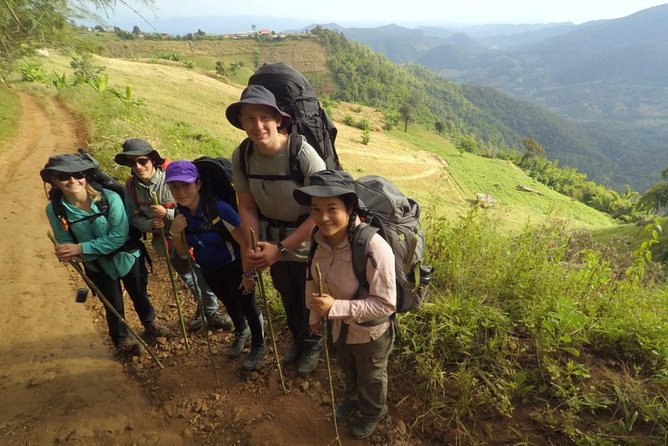
- Small group, hands-on guiding: typically up to 10 people, with a stated maximum of 12 travelers.
- Guides who teach as you walk: hikes include trail talks and plant tasting along the way.
- Meals mostly handled for you: 2 breakfasts, 3 lunches, and 2 dinners are included.
- Real village rhythm: expect basic homestay stays and sounds at night—earplugs help.
- Pack light, carry it all: you’ll limit your gear to a 45L backpack you hike with.
Leaving Chiang Mai for the Chiang Dao Mountains (Without the Tourist Detour)
This trek lives in the north-country of Chiang Mai, in the Chiang Dao mountains—an area known for ridge walks, bamboo/jungle trails, and traditional village life. What I like is how quickly the trip pulls you away from the city feel. You start with morning pickup, then you’re driving north early enough that the day starts to feel like you’re already out there, not just heading out.
The best part for most people is that it stays grounded. You’re hiking with a local guide, staying in a homestay setting, and eating Thai meals that the guide helps prepare. In the reviews, guides like Tan and Sap come up again and again. One of the most consistent themes is that they don’t just point at plants—they explain them, and in some cases even let you taste certain cool trail finds.
You’ll also feel the structure of a proper trek. It’s not just a walk in the park; it’s a 3-day route that includes uphill sections, ridge travel, and a final descent that changes the scenery into the Maetang River valley.
You can also read our reviews of more tours and experiences in Chiang Mai.

Day 1: Pickup, a Market Stop, and the First Steps Into Ridge Country
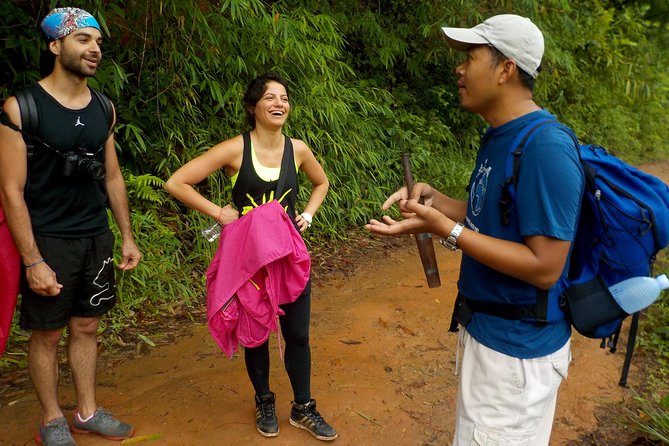
Day 1 starts with hotel pickup in Chiang Mai city within the second ring road radius. The timing is listed as pickup around 8:30am, and the activity start time shows 9:00am, so expect a morning start and confirm your exact pickup details when you get confirmation.
After pickup, the group drives north to escape the city and reach the Chiang Dao area. On the way, there’s a stop at a local market. This isn’t just a quick photo stop; it’s a chance for your guide to introduce ingredients and how they’re used in local cooking. It’s a nice way to set context before you see villages and eat homestyle food later.
From there, your day shifts into the trekking rhythm: walking, stopping, learning, and gradually moving away from the main tourist routes. Even the first day sets expectations for clothing and pacing—this tour assumes you can hike comfortably for hours over uneven ground.
Day 2: Jungle Trails, Mountain Ridges, and Plant Lessons That Aren’t Staged
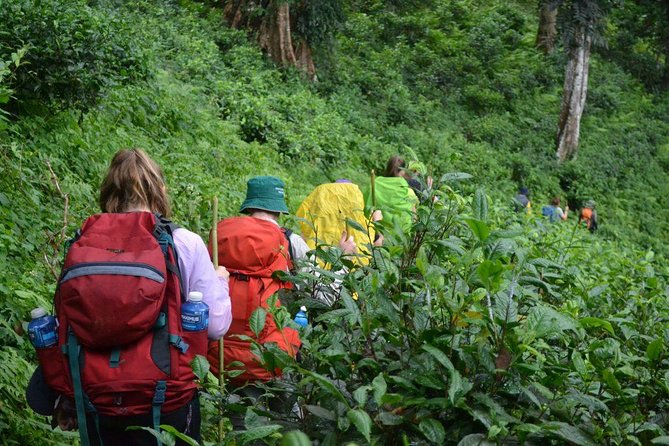
If Day 1 is you settling in, Day 2 is the day you feel the trek. Breakfast happens in the mountains area with locally grown tea or coffee from the surrounding plantation. The morning vibe is part of the charm—think mountain sounds and a proper start, not a rushed snack.
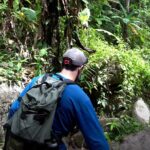
Then it’s on to a challenging route through jungle trails and criss-crossing paths, with time spent following mountain ridges. In plain terms: you’ll be hiking enough that you’ll notice your legs, your breathing, and the terrain. Multiple guides in the reviews—especially Sap and Tan—are described as patient, friendly, and good at reading the group pace. One review also mentions that guides sometimes have to cut a path through overgrown trail sections with a knife, which tells you this is “real trail” hiking, not a groomed sidewalk.
This is also when the guide storytelling tends to shine. Several reviews mention learning about plants along the way and even trying some. That’s not a gimmick; it’s a hands-on way to understand what grows in the area and why it matters to local life.
Practical reality check: if you’ve never done multi-hour hikes with uneven footing, Day 2 is where you’ll want to pay extra attention to your step choices and water intake.
Day 3: Descent to the Maetang River Valley, Waterfall Break, and Riverside Lunch
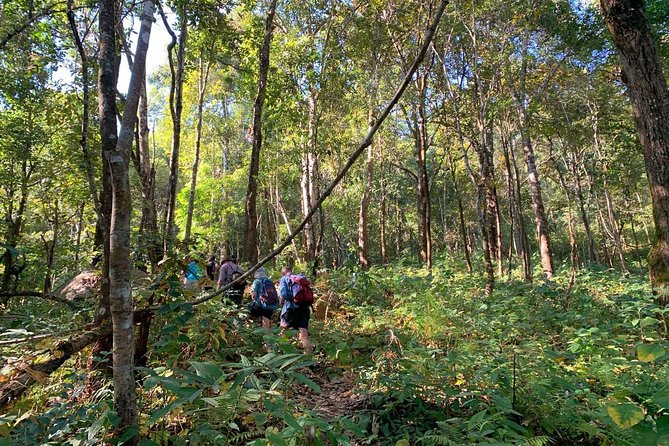
Day 3 begins with breakfast on the mountain before the route turns into a descent. The itinerary calls for about a three-hour descent down to the Maetang River valley. This is where the scenery shifts from higher ridge/forest walking to a more valley feel—often greener, quieter, and a little more open.
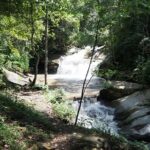
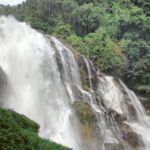
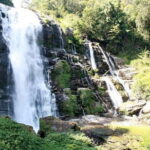
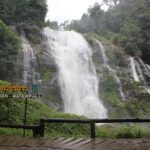
There’s time for a break at a waterfall, which is a welcome reset point after steep walking. Then you’ll enjoy lunch in a tranquil riverside setting before heading back by vehicle toward Chiang Mai.
The descent timing matters because going downhill can be harder than it looks. Your knees take the hit even when your heart rate drops. If your knees get cranky easily, hiking poles can be a lifesaver, and you’ll want good footwear with grip.
Homestays and Meals: Local Cooking, Basic Comfort, and Night Sounds
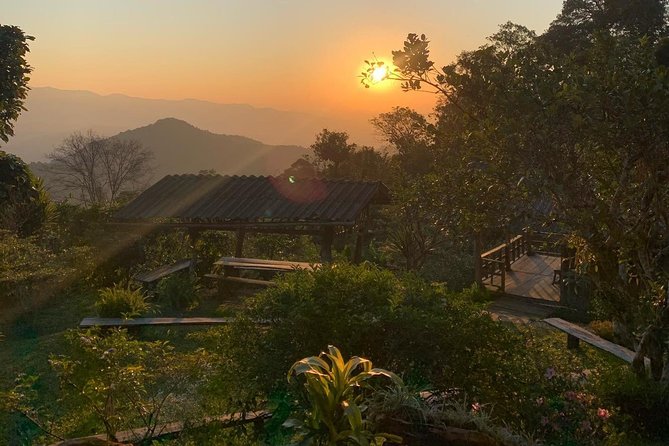
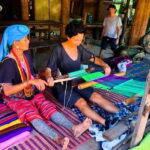
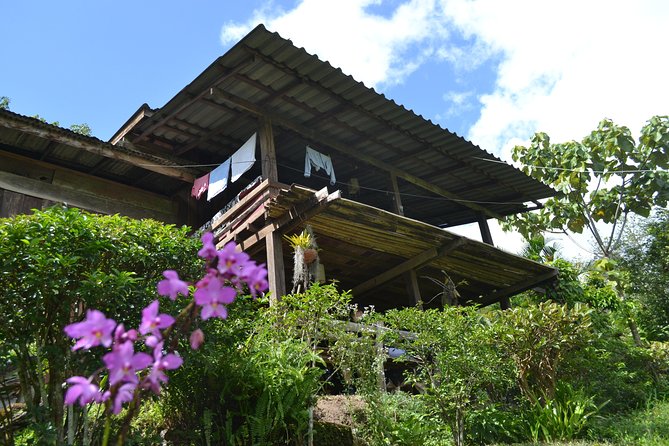
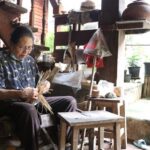
The heart of this trek is the combination of walking and staying local. You’re looking at homestay accommodation in village areas—clean enough and comfortable enough for a trek, but not hotel-level. In the reviews, the common tone is “basic but well done,” with some homestays described as very clean and some adding extra touches like electricity from solar power.
Meals are a major highlight. This is one of those trips where the guide often plays a cooking role, and you get home-cooked Thai food along the route. Reviews repeatedly call out food as excellent, with one person saying the meals were fantastic and another pointing out the guide cooked directly for the group.
Beverages are not included at homestays and restaurants, so plan to pay separately for drinks if you want more than water or what’s provided. Also note that vegetarian meals need to be planned in advance—tell the operator when you reserve.
Now for the honest homestay part: village nights can be loud. One review flat-out recommends earplugs, saying the second overnight can include dogs barking and roosters singing. Another described a peaceful first night and then more noise later. That’s normal village life in many rural areas, but it still affects your sleep. Bring earplugs unless you’re a heavy sleeper.

Price and Value: What $256 Really Buys You
At $256 for about 3 days, you’re paying for more than just the trek. What stands out is that you’re getting:
- Pickup and round-trip transport from Chiang Mai (where many similar treks make you handle the hard part)
- A small-group guided hike with a guide who teaches along the way
- Most meals included: 2 breakfasts, 3 lunches, and 2 dinners
- Homestay accommodation for two nights
For trekking in northern Thailand, this can be good value if you compare it to tours where you still have to pay for meals and transport separately. The price also makes sense because the operation runs with local guide time and village logistics, which costs more than a day hike.
The value equation changes if you want to add lots of extras (drinks, snacks, souvenirs). But if you keep it simple—hike, eat included meals, and drink what you need—you’ll feel like the trip covers the big essentials.
Packing, Fitness, and the Stuff You’ll Actually Use
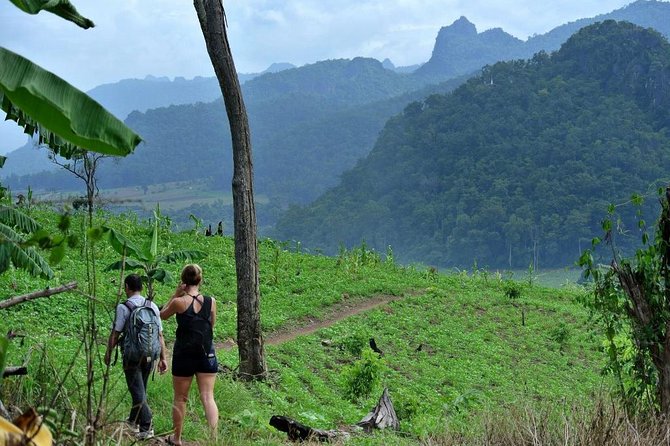
This trek asks for moderate physical fitness. You should be able to hike 5 to 6 hours on undulating terrain. You’re also advised to wear suitable outdoor clothing and hiking footwear—hiking boots or runners with grip.
A big practical point: keep your personal effects limited so they fit in a 45L backpack, and you carry that pack through the trek. This is not the time for a 70L pack and a second set of shoes you won’t wear.
The operator says they provide a kit list based on the season, which is useful because Chiang Dao conditions shift through the year.
Two more practical tips based on repeated review details:
- Bring earplugs for the homestay nights. People explicitly flagged noise (dogs/roosters).
- If you go in cooler months, you might get comfortable trekking weather; one review mentioned no mosquitoes in January. Still, mosquito levels vary, so I wouldn’t treat that as guaranteed.
Finally: if you’re taking medication or have conditions that affect exertion, plan for extra water and slower pacing. This is a guided trek, but you’re the one walking.
Who This Trek Suits Best (And Who Should Skip It)
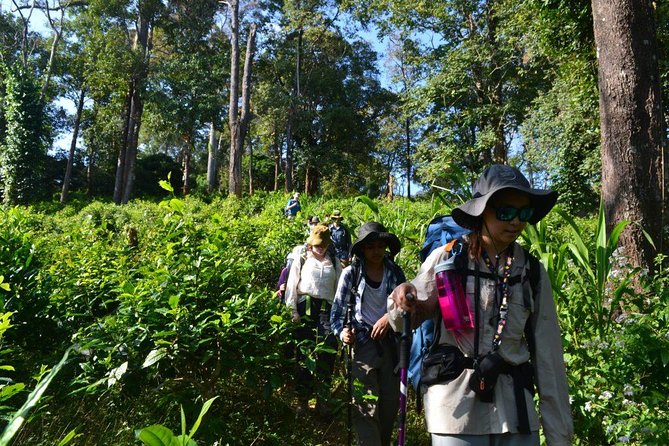
This is a good match if you want an off-the-beaten-track Chiang Dao experience with real village interaction and guided nature learning. It’s also a strong choice for groups that like a moderate adventure rather than a comfort-first itinerary.
You’ll probably love it if:
- You enjoy hiking and want a true multi-day trek feel
- You like nature talks and hands-on learning (plants, local life, walking stories)
- You’re okay with basic accommodation and learning how village nights work
You should think twice if:
- You want low-effort walking (this is challenging at times)
- You’re sensitive to noise at night (homestay sound is a real factor)
- You’re traveling with kids under 10; the trek is not suitable for children under 10 unless they’re used to multiple hours of hiking
The nice part is the group size. With a stated maximum of 10 people (and an overall cap noted as 12), you’re not swallowed by a huge crowd. That helps keep the hike more personal and manageable.
Should You Book the 3-Day Chiang Dao Mountain Trek?
Book it if you’re aiming for a trekking-based Chiang Mai trip that mixes guided jungle/ridge hiking with a real homestay feel and genuinely local food. If you can handle uneven walking and you’re open to sleeping in a village setting with night sounds, this is a high-value way to experience northern Thailand beyond day tours.
Skip it (or pick a gentler option) if you’re not comfortable with a workout, you have knee issues on descents, or you need hotel-level quiet and sleep. Bring earplugs, pack light, and keep your expectations aligned with a guided expedition in the mountains.
FAQ
Where does the trek start, and what time does it begin?
The meeting point is listed as Le Dta’ Wan Food Market (QXJX+9QW, Chang Khlan Sub-district, Mueang Chiang Mai District). The start time is listed as 9:00am, and pickup from your accommodation is also offered in the Chiang Mai city area within the second ring road radius.
Is hotel pickup included?
Yes. Pickup is offered from hotels/accommodations in Chiang Mai city within the second ring road radius.
How large is the group?
The tour is described as a small-group experience with a maximum of 10 people, and the activity info also states a maximum of 12 travelers.
What meals are included during the 3 days?
The tour includes 2 breakfasts, 3 lunches, and 2 dinners.
Are vegetarian meals available?
Vegetarian meals need to be planned in advance. You should advise the operator at time of reservation.
What should I pack, and how big can my backpack be?
You’re advised to limit personal effects to fit in a 45L backpack, which you carry through the trek. You’ll also receive a kit list according to the season.
What kind of hiking fitness do I need?
You should have moderate physical fitness and be able to hike about 5 to 6 hours on undulating landscapes.
Is this trek suitable for children?
It is not suitable for children under 10 years old unless they are used to multiple hours of hiking.
What happens if weather is poor?
The experience requires good weather. If it’s canceled due to poor weather, you’ll be offered a different date or a full refund.
How late can I cancel for a full refund?
You can cancel up to 3 days in advance for a full refund. A full refund requires canceling at least 3 full days before the experience’s start time.