REVIEW · POKHARA
Pokhara: 7-Day Annapurna Base Camp Trek via Ghandruk
Book on GetYourGuide →Operated by Snow Peak Tours and Travels pvt. ltd. · Bookable on GetYourGuide
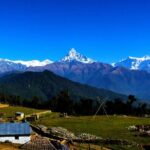
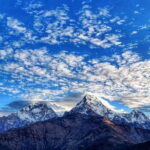
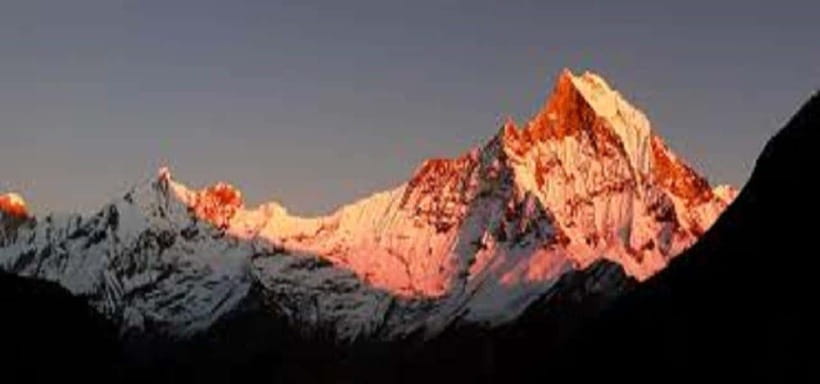
Annapurna sunrise hits different. On this 7-day trek from Pokhara to Annapurna Base Camp (ABC) through forests and mountain villages, you get big Himalayan drama in a tight schedule. I especially like the sunrise in the Annapurna Sanctuary amphitheater and the chance for close-up views of Annapurna I, Machapuchare, and Hiunchuli. One thing to think about: the experience can feel let down if logistics aren’t crystal clear, including what you might pay for along the way.
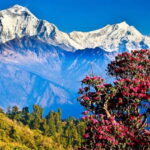
I also like the way the route keeps changing texture. You move through Gurung villages, terraced fields, and then climb into bamboo and rhododendron forest before the terrain turns alpine near Deurali and Machapuchare Base Camp. It’s not just “walk up a mountain”—it’s a day-to-day mix of culture and altitude.
The main drawback is practical, not scenic. Some travelers report extra charges for basic items at guest houses (like wifi and drinking water), and they suggest pushing your operator—Snow Peak Tours and Travels—for clear transport plans on the return route. If you hate surprises, bring cash and ask direct questions before you leave Pokhara.
In This Review
- Key highlights worth planning around
- Why this 7-day ABC trek works (and who it fits)
- Pokhara to Kande: the warm-up you actually need
- Landruk to Sinuwa: stairways, river crossings, and village texture
- The bamboo and rhododendron climb to Deurali (3,230 m)
- Deurali to Machapuchare Base Camp and ABC: the amphitheater day
- Sunrise at ABC: plan for cold, not just beauty
- The return descent: from Sinuwa back to Ghandruk
- Ghandruk to Pokhara: a final walk and an easier ride
- Price and logistics: where $179 can feel like a deal—or not
- What’s included (and what you should plan to pay for)
- Fitness, altitude, and packing: keep it practical
- Who should choose this trek, and who should skip it
- Should you book this 7-day Annapurna Base Camp trek via Ghandruk?
- FAQ
- How long is the trek?
- What altitude do you reach at Annapurna Base Camp?
- Do you get sunrise at Annapurna Base Camp?
- How do you get from Pokhara to the start of the trek?
- Is this a private group?
- What languages does the guide speak?
- Are meals included in the price?
- Are permits included?
- Do I need travel insurance?
- Do I need to bring my passport?
Key highlights worth planning around
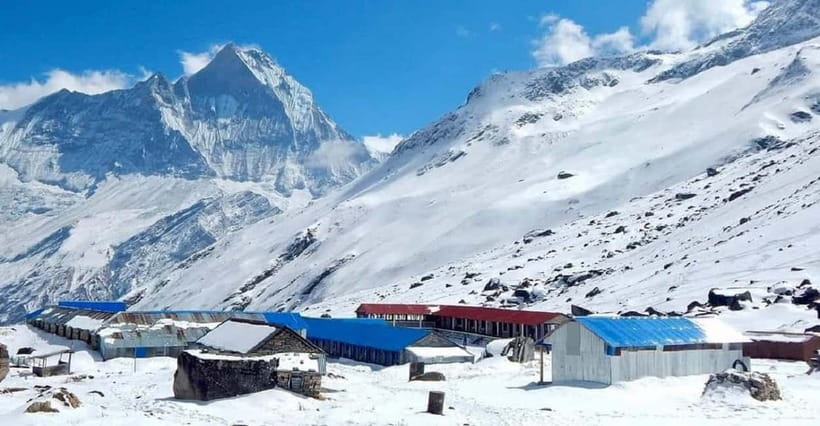
- Sunrise at ABC: you’re up early enough to watch the sanctuary light up around 4,130 m.
- Gurung culture on the exit: the return via Ghandruk gives you village life plus mountain panoramas.
- Forest-to-alpine progression: bamboo/rhododendron on the climb, glacier-and-peak views near Deurali/MBC.
- A route that actually feels varied: ridge walking through Australian Camp area, then terraces and stone stairways.
- Private guiding and permits handled: permits and a registered guide are part of the package.
Why this 7-day ABC trek works (and who it fits)
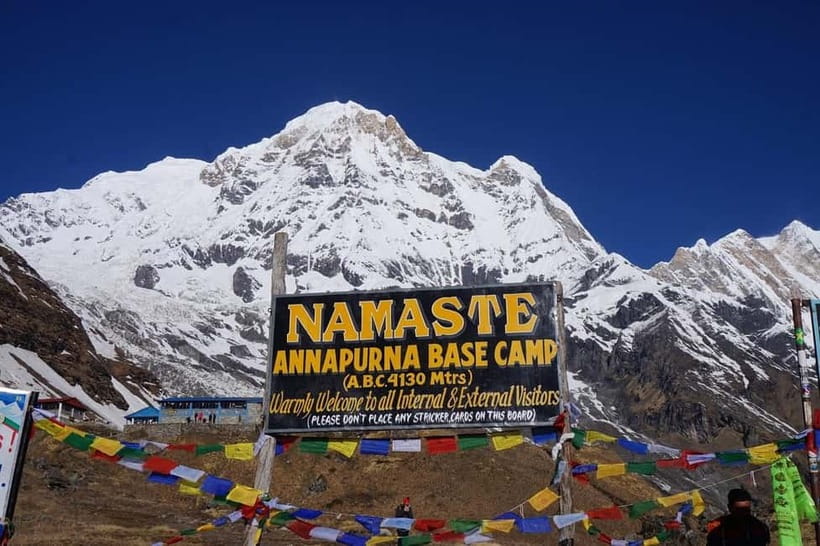
This is a classic Annapurna Base Camp trek, designed for maximum views without spreading the hike into a longer multi-week adventure. You get the full “walk up, open up, then open wider” feeling: forest trails and village lanes early, alpine terrain higher up, and a true amphitheater moment at ABC.
You’ll likely enjoy it most if you want a compact itinerary that still hits the emotional big stuff—especially sunrise in the sanctuary and the Annapurna-region panorama. It’s also a good match if you prefer route variety: terraced fields, riverside crossings, stone stairways, and then high-altitude quiet.
If you want a fully hands-off experience with zero friction, I’d still be cautious. When a trek is busy or tight on timing, it’s the small operational details—transport back to Pokhara, what’s included with meals, what costs extra in tea houses—that can make or break the mood.
You can also read our reviews of more tours and experiences in Pokhara.
Pokhara to Kande: the warm-up you actually need
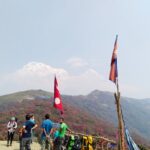
Day 1 starts with a short drive from Pokhara to Kande (about 1 hour), at roughly 1,770 m. From there you begin walking via the Australian Camp and Pothana area with mountain views, then descend toward Landruk, ending at about 1,565 m.
I like Day 1 because it’s a realistic on-ramp. It gets your legs moving without dropping you into a huge altitude jump on day one. The Landruk overnight also places you well for the next day’s climb and stair sections.
Hike time is about 4–5 hours, so you’ll have room to settle in, eat well, and adjust to the pace. You’ll also want to keep your hydration steady early—muddy or slippery trails can happen in forested sections, and you’ll be walking for days.
Landruk to Sinuwa: stairways, river crossings, and village texture
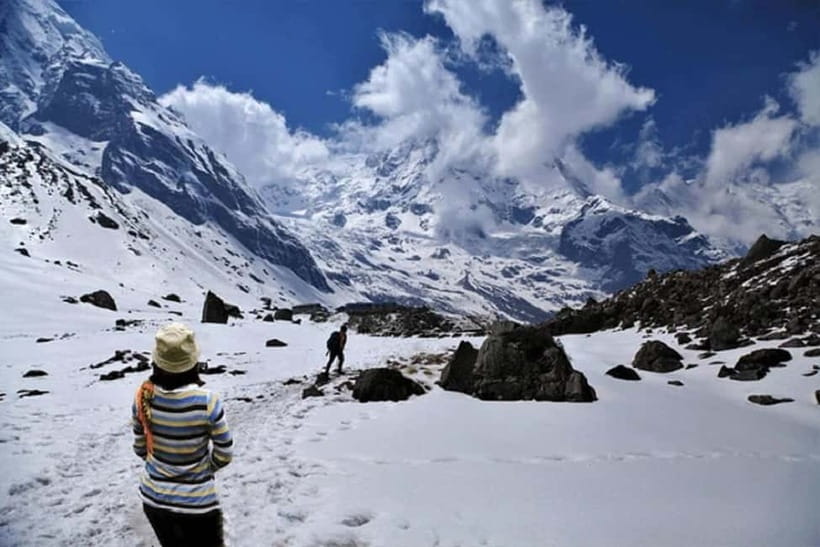
Day 2 is longer: about 6–7 hours. You descend to a river, climb to Chhomrong, then continue through forested trails and stone steps to Sinuwa (about 2,340 m).
This is where the trek starts to feel like Nepal walking—stone stairways, narrow paths, and frequent “turn your head, the view changed again” moments. Chhomrong is a key checkpoint area, and Sinuwa is a practical place to sleep because it keeps you climbing toward the bamboo/rhododendron corridor the next day.
For you, the best part is the transition. You’re leaving the lower village feel and getting pulled toward higher, greener climbing—where breath control matters more than speed. Go slow, especially on the stairs. Your reward comes later.
The bamboo and rhododendron climb to Deurali (3,230 m)
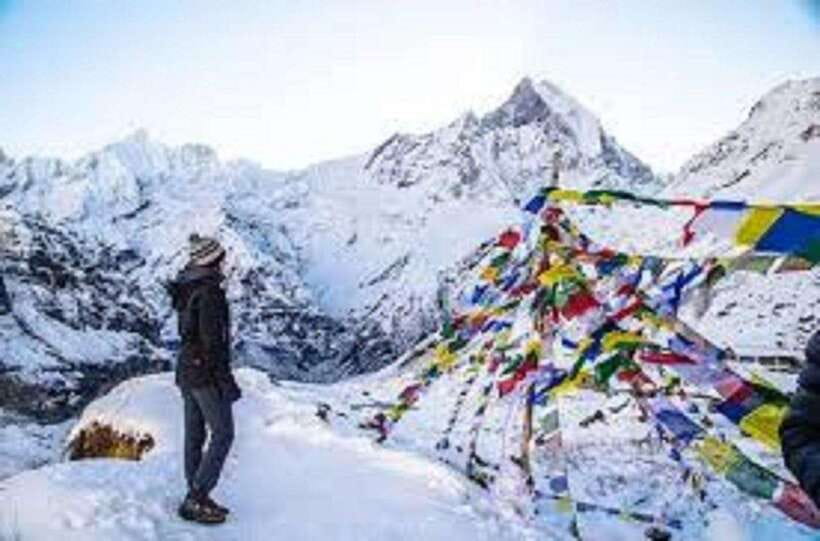
Day 3 is about 6–7 hours and follows the Modi Khola valley. You’ll hike through bamboo and rhododendron forests, passing Bamboo and Dovan along the way, and then reach Deurali at about 3,230 m.
I like this day because it’s not just pretty—it changes how the trek feels. In forest and bamboo sections, you get more shade, more cover from wind, and a more controlled walking rhythm. That can make the altitude feel less harsh than the fully exposed alpine segments.
Still, Deurali is real altitude. You’ll want warm layers ready for the evening, especially because cold nights can sneak up on you. If you’re prone to feeling chilly at elevation, plan to wear more than you think you need, then adjust in the morning.
Deurali to Machapuchare Base Camp and ABC: the amphitheater day
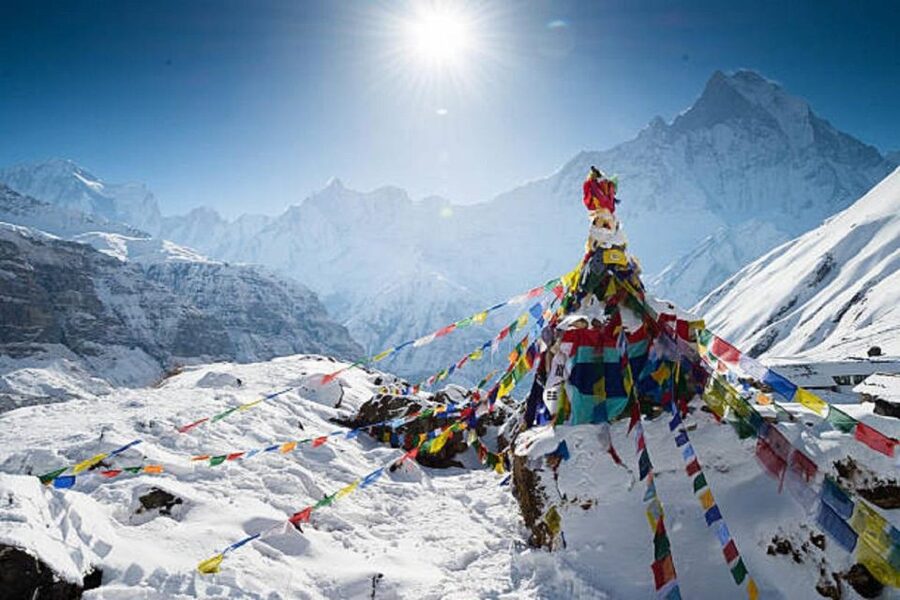
Day 4 is your big “move into the high show” day: about 5–6 hours. You trek from Deurali to Machapuchare Base Camp (MBC) at around 3,700 m, then continue up to Annapurna Base Camp at about 4,130 m.
This is where the scenery turns from forests-and-villages to glaciers-and-peak drama. The route passing MBC matters because it helps you feel the shift: the air gets thinner, the terrain gets more alpine, and the peak views become more consistent.
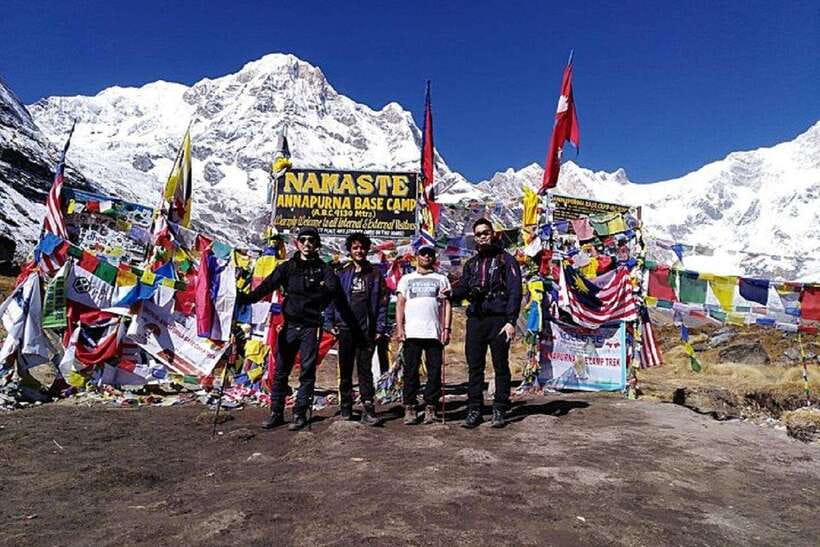
Then you reach ABC and stand in a natural amphitheater of snow-covered giants. You’re not just looking at distant mountains—you’re surrounded by them, and the space makes the moment feel louder than a postcard. If you like photography, you’ll understand why people get a little emotional here.
Overnight at ABC is also a strategic move. It sets you up for sunrise without having to race the next morning from a lower lodge.
Sunrise at ABC: plan for cold, not just beauty
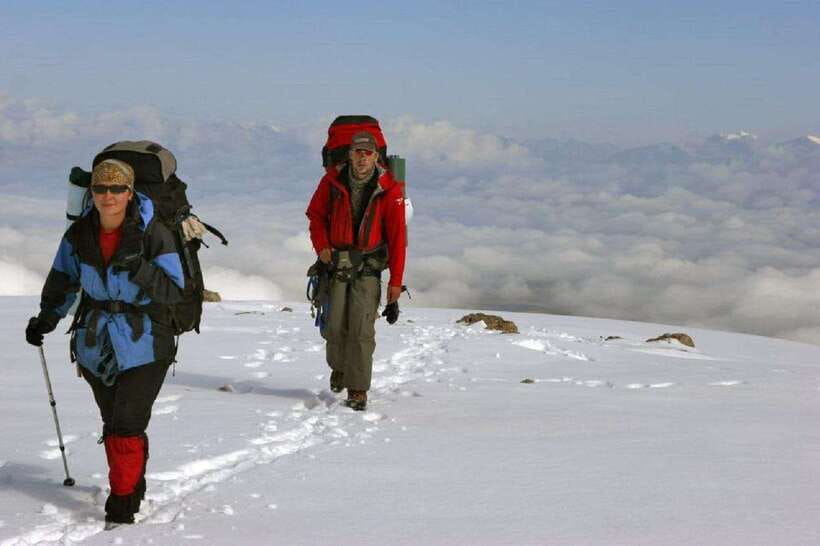
Day 5 starts with sunrise at ABC, then descent toward Bamboo or Sinuwa (around 2,340 m) depending on pace. Hike time is about 6–7 hours.
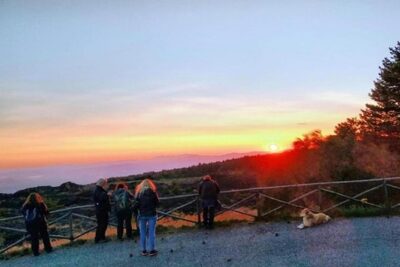
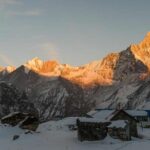
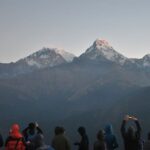
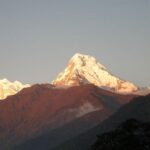
I love sunrise at ABC because it’s a full experience, not just a photo moment. The sanctuary’s amphitheater shape helps light travel across the peaks in a way you just don’t get from lower viewpoints. You’ll also likely see Annapurna I and Machapuchare look completely different from the afternoon view.
Practical tip: sunrise usually means cold. Bring warm clothing you can actually walk in, not just a “pretty” jacket. And keep your headlamp or flashlight handy for early morning movement, since you’ll be walking before proper daylight.
The return descent: from Sinuwa back to Ghandruk
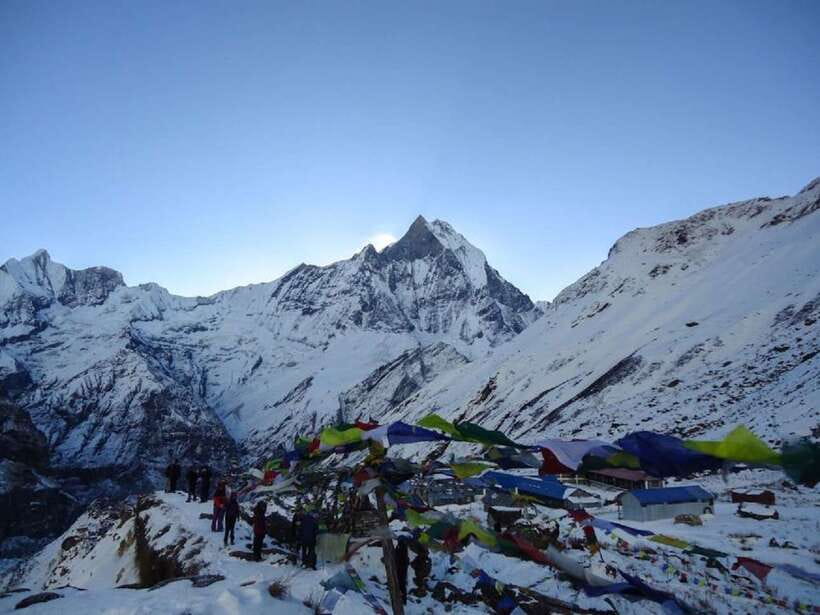
Day 6 is about 5–6 hours. You trek from Sinuwa to Chhomrong and then take the scenic village route to Ghandruk, around 1,940 m.
This day is important because descending can feel easier, but your legs still take a hit on stone steps and downhill stretches. It’s a smart time to slow down and manage your pace so you don’t arrive beat up.
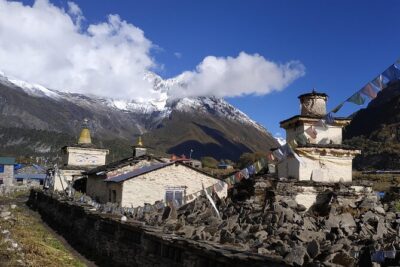
Ghandruk is a great choice for the finish because it’s cultural, not just functional. You get traditional village life and mountain panoramas while you’re already tired enough to appreciate the calmer rhythm. If you want one place to remember from the trek’s cultural side, this is often it.
Ghandruk to Pokhara: a final walk and an easier ride
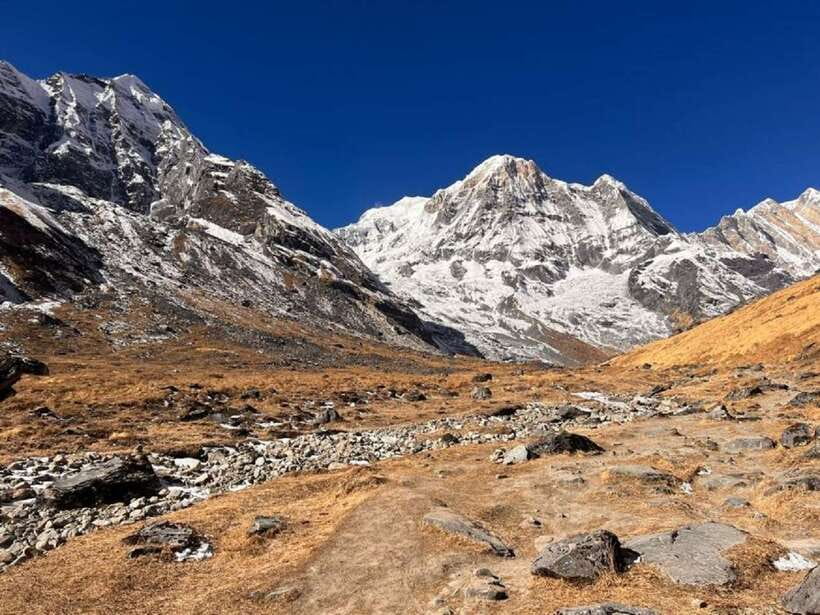
Day 7 is about 3–4 hours of trekking from Ghandruk to Birethanti (about 1,025 m), followed by a drive back to Pokhara (around 1 hour).
This is a satisfying “close the loop” day. You come down through villages and farmland, which feels like a natural decompression after ABC altitude. The lower elevation makes the air feel normal again, and that alone can make the end of the trek feel like a celebration.
One thing to watch: transport timing and vehicle type. Some people report issues with the return jeep planning, so I’d confirm your pickup vehicle and routing clearly before you start the descent.
Price and logistics: where $179 can feel like a deal—or not
At $179 per person for a 7-day private trek, you’re paying for a real package: permits and fees, an experienced guide (government registered), meals (depending on option), tea house/lodge nights, and basic support like a first aid kit. The trek also includes round-trip transportation between your hotel and the trek starting area.
That’s strong value on paper, especially for a route that climbs to 4,130 m and includes sunrise at ABC. The catch is the “while you’re there” costs. Some travelers report you may still need to pay separately for things like wifi and drinking water at guest houses.
So here’s what I’d do to protect your budget and mood:
- Ask upfront whether meals cover what you consider normal drinking water needs.
- Bring extra cash for personal items, since guest house extras can vary.
- Confirm transport arrangements for the return day, including the vehicle type.
Travel insurance is also mandatory for your safety, and it isn’t included. If you’re already paying for insurance and the trekking package covers the big essentials, the value can still be excellent. Just don’t assume every day’s extras are covered.
What’s included (and what you should plan to pay for)
Included features you’ll care about:
- Permits and fees for the trek
- All meals during the trek, depending on the chosen option
- Basic tea houses/lodges for overnight stays
- Government registered guide plus guide/porter support (with porter specifics handled in the package)
- Trekking gear support like trekking stick and sleeping bag as needed
- First aid kit
- Round-trip transportation between your hotel and the trek start point
Not included (so budget for it):
- Travel insurance (mandatory)
- Personal expenses such as snacks and beverages
- Emergency rescue services
- Porter, if you want one: $20 per day
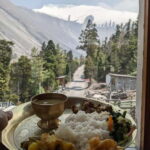
Also, expect basic lodging. Tea houses can be simple—this is part of the trekking tradeoff. If you’re looking for hotel-style comfort, consider a longer trek or a higher-end trekking package. For this one, your “comfort strategy” is clothing layers, a good sleeping setup, and a positive attitude.
Fitness, altitude, and packing: keep it practical
This trek is physically demanding. The good news is the itinerary spreads effort across multiple days rather than making one monster day. The tricky part is altitude: you’ll sleep at Sinuwa (2,340 m), Deurali (3,230 m), and ABC (4,130 m), and you’ll be out in colder air near the higher points.
What to bring (based on the trip requirements):
- Comfortable shoes plus hiking shoes (bring the ones you trust on stairs)
- Warm clothing, hat, and a jacket for cold mornings
- Change of clothes
- Camera
- Cash
- Flashlight or headlamp
- Hair tie if you get hot or sweaty easily
- Hiking pants
- Hand sanitizer or tissues
- Passport or ID card, and a copy is accepted
- Trekking gear if you have it (plus anything your operator says you still need)
One admin thing matters: submit a copy of your passport at least one day before the trek so permits can be arranged. If you show up without that, you can cause delays. Also, keep a small amount of flexibility for weather—temperature shifts can be dramatic at altitude.
Who should choose this trek, and who should skip it
You should strongly consider this if you want:
- The ABC goal with sunrise inside the sanctuary amphitheater
- A route through Gurung villages and forested climbing
- A clear, structured 7-day plan with a private guide
- The experience of close-up Annapurna-region peaks, including Machapuchare and Hiunchuli
You might skip it if:
- You hate operational risk (transport issues, surprise extra charges)
- You’re extremely sensitive to cold and don’t want to prepare for early mornings
- You need a very predictable “luxury comfort” standard in tea houses
This is a classic adventure trek. It rewards preparation.
Should you book this 7-day Annapurna Base Camp trek via Ghandruk?
If your priority is the Annapurna Base Camp sunrise plus a culturally grounded route that ends in Ghandruk, this itinerary makes a lot of sense. The price can be a great value for what’s included, and the day-by-day progression keeps the hike varied.
But before you hit confirm, do two things. First, ask your operator to spell out what you’ll pay for at tea houses (especially water and wifi-style extras). Second, confirm the return transport plan so you don’t end up with a vehicle you didn’t expect on Nepal’s roads.
If you can handle a few real-world trekking details—and you prepare for cold early mornings—this trek is one of the more rewarding ways to do ABC in a single week.
FAQ
How long is the trek?
The trek lasts 7 days, with a drive into the trekking area on day 1 and a drive back to Pokhara on day 7.
What altitude do you reach at Annapurna Base Camp?
Annapurna Base Camp is about 4,130 m.
Do you get sunrise at Annapurna Base Camp?
Yes. Sunrise is part of the schedule at Annapurna Base Camp on day 5.
How do you get from Pokhara to the start of the trek?
You drive from Pokhara to Kande, which takes about 1 hour, and then you begin trekking from there.
Is this a private group?
Yes, it is listed as a private group.
What languages does the guide speak?
The guide can help in English, Hindi, and Nepali.
Are meals included in the price?
Meals are included during the trek, but it depends on the option you choose.
Are permits included?
Yes. Necessary permits and fees for the trek are included.
Do I need travel insurance?
Yes. Travel insurance is mandatory, and it is not included in the price.
Do I need to bring my passport?
You should submit a copy of your passport at least one day before the trek so permits can be arranged. A passport or ID card copy is accepted.