REVIEW · KATHMANDU
Langtang Valley Trekking
Book on Viator →Operated by The Great Adventure Treks & Expedition - Private Day Tours · Bookable on Viator
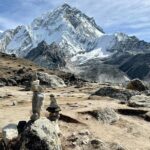
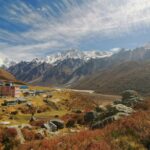
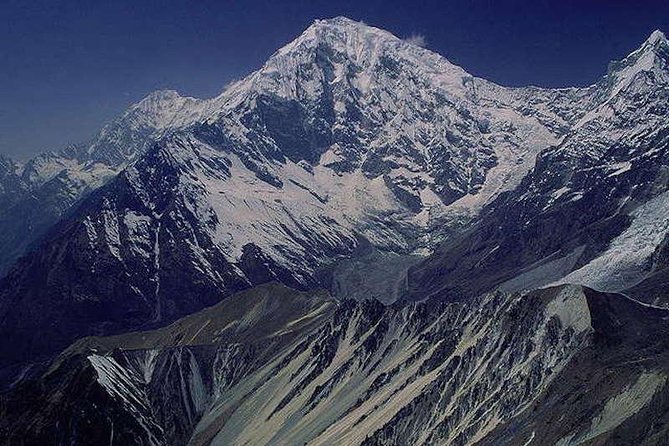
Langtang Valley feels like Nepal’s quiet Himalayas. This trek runs inside Langtang National Park (about 150 km north of Kathmandu), where you hike through rhododendron and pine forests and pass Tibetan-Buddhist-style prayer spots. I love the mix of mountain views plus the chance to spot animals like monkeys and pika. I also love the culture details that make the trail feel lived-in, from gompas to mani walls. One thing to plan for: the altitude can feel hard, even when the scenery is gorgeous.
You’ll do this as a private tour, with pickup offered and private transportation included, starting around 9:15 am. Lodging tends to be simple (tea houses/guest-style stays), and meals aren’t included—so you’ll want to budget time and energy for straightforward food along the way.
In This Review
- Key highlights I’d bet on
- Langtang National Park: why this trek feels different from other Nepal routes
- What you’re really hiking through: rhododendron, orchids, and pine
- Tamang villages, gompas, and prayer flags you can actually notice
- Wildlife moments: monkeys, musk deer, pika, and the Danphe
- Guides who make the trek feel personal: JayRam K.C, Pasang, Ganesh, Indra, Sundeep, Shubham
- Tea houses, simple stays, and how meals work when lunch/dinner aren’t included
- Altitude, weather, and the Dhunche road reality
- Price and value of a private Langtang Valley trek at $2,102.57
- Who this trek suits best
- Should you book the Langtang Valley Trek?
- FAQ
- What is the location for the Langtang Valley Trek?
- How long is the trek?
- What time does the experience start?
- Does the tour offer pickup?
- What’s included in the price?
- Are lunch and dinner included?
- Is this a private tour?
- What happens if weather is poor?
- Can I bring a service animal?
- What is the cancellation window for a full refund?
Key highlights I’d bet on
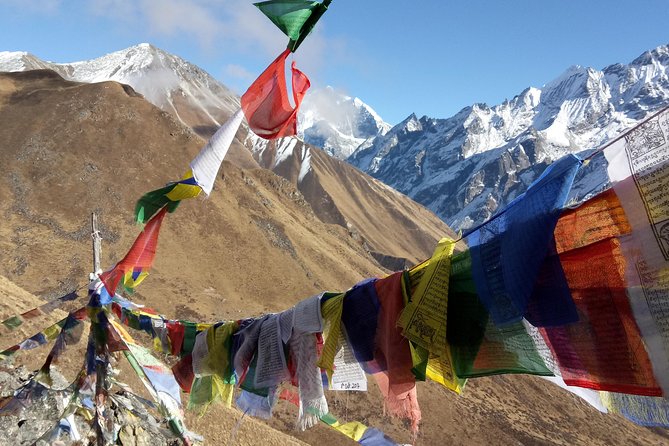
Tamang culture in real places: gompas, mani walls, and prayer flags show up throughout the trek.
Forest variety that keeps changing: rhododendron, pine, and even orchid-type growth zones.
Wildlife odds can be good: monkeys, pika, musk deer, and the Danphe (Nepal’s national bird).
Guides who adjust pace: names like JayRam K.C, Pasang, Ganesh, Indra, Sundeep, and Shubham come up for their care and professionalism.
A big viewpoint payoff: people specifically mention Tserko Ri as an unforgettable summit-style moment.
Less-crowded feel: the route is often described as quieter than other parts of Nepal.
Langtang National Park: why this trek feels different from other Nepal routes
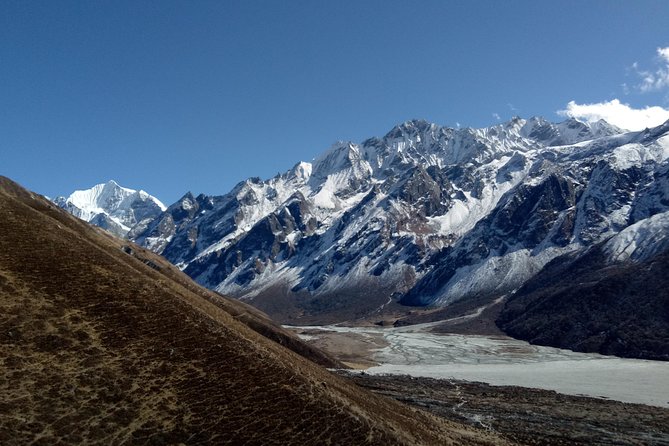
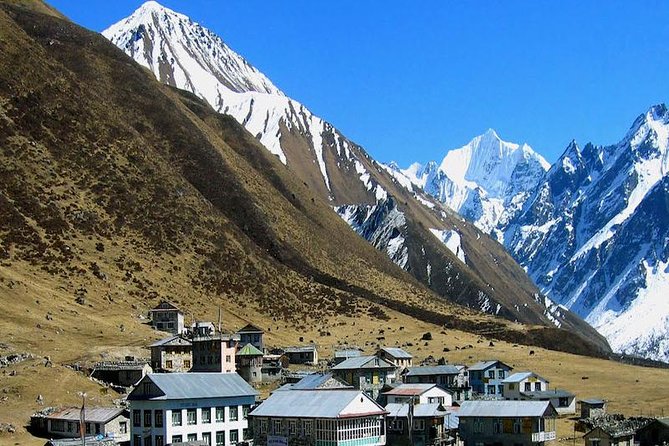
Most treks in Nepal sell you on one thing: high views. Langtang sells you on layered experience—nature plus culture, packed into a valley that sits close to the Tibetan world. That border influence isn’t just a cultural fact on paper. You’ll see it on the trail in the rhythm of monasteries (gompas), carved prayer stones, and prayer flags tied to everyday life.
Langtang National Park is also a serious ecology zone. The park includes multiple vegetation types—think rhododendron, orchids, and pine forests—so your “what will we see today?” question stays interesting. And because it’s a national park, the animal chatter is real: monkeys, musk deer, pika, and the Danphe are all part of what the area is known for.
If you care about getting away from the most crowded trail patterns, this is one of the reasons Langtang works. People often describe it as quieter, with the mountains feeling close without the same crush you might see elsewhere.
You can also read our reviews of more tours and experiences in Kathmandu.
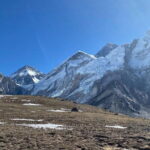
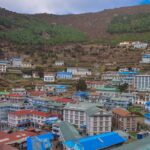
What you’re really hiking through: rhododendron, orchids, and pine
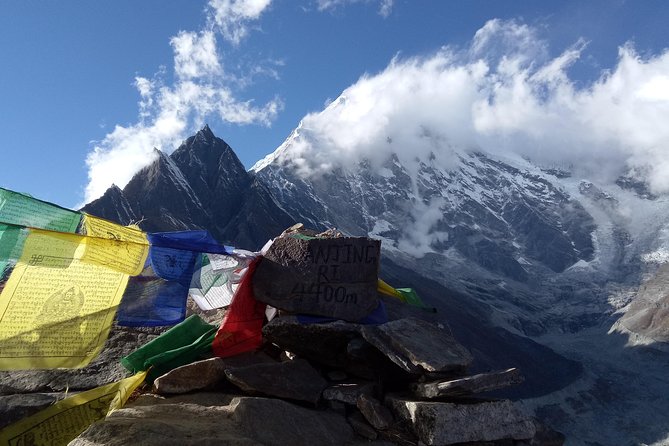
The big practical takeaway: your hikes aren’t just about altitude gain. They’re about moving through different “green worlds.”
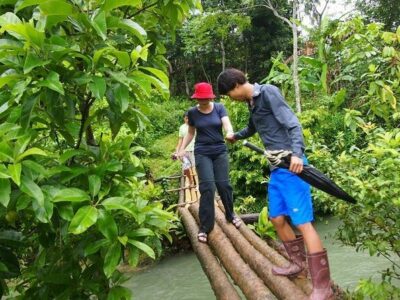
- Rhododendron backwoods (forest routes) tend to feel alive in different seasons, with that thick Himalayan plant texture that makes every bend look new.
- Pine areas can feel calmer and steadier underfoot, and that matters when you’re tired.
- The park’s mention of orchids signals you’re not walking in a single boring biome. Even if you don’t spot a rare bloom, the vegetation variety is part of the charm.
This matters because it changes how you enjoy the trek on low-energy days. When you’re tempted to think only about the end goal, the forest mix gives you something smaller to look forward to—color, smells, and the way the light hits the trail.
Tamang villages, gompas, and prayer flags you can actually notice
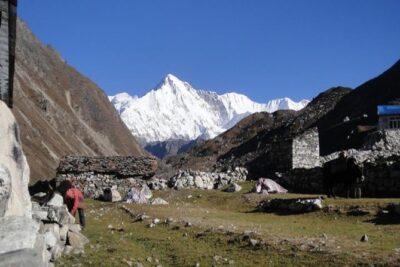
Langtang Valley has strong Tamang roots. The Tamang community’s origins are linked to Tibet, and it shows up in daily visuals: mani dividers (prayer stone lines), gompas, and colorful prayer hails you’ll pass en route.
This is one of those things that can feel decorative if you don’t slow down. The good news is that many guides in this trekking circuit are focused on explaining what you’re seeing. People mention guides like JayRam K.C (JD DAI) for sharing mountain context, and others named Ganesh and Pasang for local culture talk. When the guide points out a gompa’s role or explains why prayer stones are everywhere, the trek stops being a “walk to views” and becomes a moving cultural walk.
Practical tip: when you reach a mani wall or a gompa area, take 2 minutes to step aside. It’s easy to miss details if you keep moving fast. This is also where your photos usually look more meaningful than generic summit shots.
Wildlife moments: monkeys, musk deer, pika, and the Danphe
Wildlife spotting is never guaranteed. Still, Langtang is known for animal life, and the park setting gives you real odds of seeing movement in the trees.
From the information here, Langtang is associated with:
- Monkeys
- Musk deer
- Pika
- Danphe (Nepal’s national bird)
What I like about this is how it affects your attention level. If you’re hiking all day and only watching your boots, you miss wildlife chances. But if you lift your head regularly—especially during calmer moments near villages or forest edges—you’ll catch small surprises.
Also, wildlife talk ties into a bigger trekking skill: pacing. When you stop too long to stare, you cook your energy for the next leg. When you never stop, you miss the fun stuff. The sweet spot is short pauses, quick checks, and then back on the trail.
Guides who make the trek feel personal: JayRam K.C, Pasang, Ganesh, Indra, Sundeep, Shubham
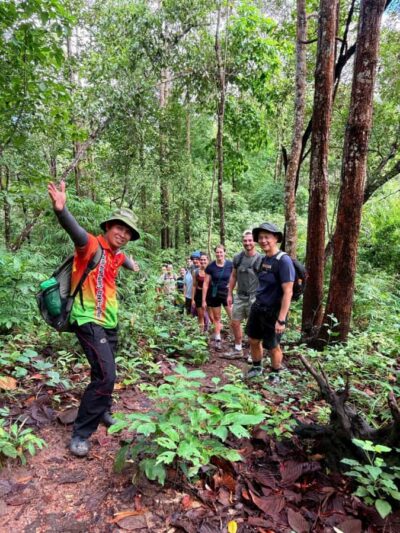
In a private trek, your guide isn’t a background figure. They set the tempo, help with small route decisions, and can turn “same view again” into “now I understand the valley.”
The strongest praise in the feedback centers on guide personality and competence:
- People describe professional, friendly guides who explain the trail and local culture.
- Guides are praised for safety and comfort, and for going out of their way when hikers needed adjustments.
- Porters are mentioned as very helpful, including one story about a porter carrying heavy loads while still moving quickly.
Names that come up again and again include:
- Mr Mani (planning and coordination, plus being part of the welcome in Kathmandu)
- Jai Ram K.C (JD DAI)
- Ganesh
- Pasang
- Indra
- Sundeep
- Shubham
There’s one detail I really like: patience. One review highlighted a guide who adjusted to a father needing more time. That’s the kind of practical care you want on an altitude trek. It’s not about speed; it’s about staying steady enough that you enjoy the day instead of fighting your schedule.
If you’re booking and you have a concern—pace, a past injury, or a fear of heights—this is the moment to ask questions. In a private setting, you should be able to set expectations early and match the plan to your needs.
Tea houses, simple stays, and how meals work when lunch/dinner aren’t included
Meals matter on a trekking holiday, and here you’ll need to plan around what’s included versus not.
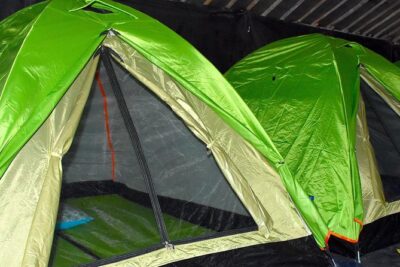
The tour info is clear that lunch and dinner aren’t included. That means you’re likely buying meals at your tea house or lodge, day by day. A review also notes food is simple and guest house stays are basic. Translation: don’t expect restaurant comfort. Expect reliable, filling fuel—plus some variety if the menu is available at that stop.
What I’d do before you go:
- Pack snacks you actually like (the kind you can eat when you don’t want to negotiate with a limited menu).
- Stay flexible with meal timing. On trek days, hunger often hits at irregular moments.
- Bring a water plan. The trek setting strongly suggests you’ll be managing hydration, even if the exact water setup isn’t described here.
Also, remember that “simple” doesn’t mean bad. In the Himalayas, basic can be part of the charm—quiet evenings, early starts, and a feeling that you’re living the route rather than consuming it.
Altitude, weather, and the Dhunche road reality
Two realities show up in the feedback and tour requirements:
1) Altitude can be a challenge. At least one review calls out the altitude difficulty directly, and that’s not surprising for a Himalayan valley trek.
2) Weather can drive changes. This experience requires good weather, and if conditions are poor, you’ll be offered a different date or a full refund.
There’s also a very practical heads-up from the reviews: the road from Kathmandu toward Dhunche can feel a little difficult. If you’re sensitive to rough rides, consider preparing for that day before the trekking really gets going.
How you protect your trip:
- Take acclimatization seriously. Even if the trek is “only” nine days, don’t rush your body.
- Move steadily. If you can, use short breaks that let you catch your breath rather than stopping too long.
- If you feel unwell at altitude, tell your guide early. Private trekking is the right setting for getting quick help.
Price and value of a private Langtang Valley trek at $2,102.57
At $2,102.57 per person for an approx. 9-day trek, this isn’t a budget casual holiday. So the question is: what do you get for the money?
What’s clearly included:
- Private transportation
- Pickup is offered
- You have a private tour/activity, meaning you’re not lumped into a mixed group
What the experience seems to deliver in practice (based on consistent praise):
- Guides who are actively involved—people specifically name guides and describe them as attentive, caring, and professional.
- A pace that can match different hikers, including slower walkers.
So you’re paying for reduced hassle and better human support. That’s valuable when you’re in the Himalayas, where weather shifts and altitude management matter more than on city days.
If you’re the kind of traveler who likes quiet trails, culture details, and a guide who explains what you’re seeing, the price starts to make more sense. If you want luxury lodges and gourmet food, you may feel less satisfied—because the trek style here leans toward simple stays and basic meals.
Who this trek suits best
This trekking experience is listed as something most travelers can participate in, and it’s described as a private group setup. Based on the feedback patterns, it suits:
- People who want Tamang culture plus nature, not only scenery.
- Hikers who appreciate guidance and want help with pace and comfort.
- Anyone who wants a calmer trail environment compared to more famous trekking corridors.
It may be less ideal if you:
- Want a fully hands-off luxury itinerary (meals aren’t included and lodging is basic).
- Get frustrated when altitude forces slower days. The trek can still be great, but you need patience with yourself.
If service animals are part of your plan, the experience notes that service animals are allowed.
Should you book the Langtang Valley Trek?
I’d book it if you want a Himalayan trek where the best moments aren’t only at the top of a pass. Here, you’re looking at forests with real plant variety, cultural stops with prayer stones and gompas, and a mountain setting that feels close to Tibet without being touristy.
Do it especially if you care about the human side of trekking. The names that show up—JayRam K.C, Pasang, Ganesh, Indra, Sundeep, Shubham—point to a support team that takes care of pacing and comfort. And if a viewpoint like Tserko Ri is on your list, this area is known for that kind of payoff.
Skip it or ask a lot of questions first if you need guaranteed luxury meals and stays, or if altitude worries you without a strong plan to go slow. This trek can be rewarding, but it’s built for steady hikers and good weather days.
FAQ
What is the location for the Langtang Valley Trek?
The trek takes place in Kathmandu, Nepal, and it happens inside Langtang National Park, about 150 kilometers north of Kathmandu.
How long is the trek?
The duration is listed as 9 days (approx.).
What time does the experience start?
Start time is listed as 9:15 am.
Does the tour offer pickup?
Yes. Pickup is offered.
What’s included in the price?
Private transportation is included.
Are lunch and dinner included?
No. Lunch and dinner are not included.
Is this a private tour?
Yes. It’s described as a private tour/activity, with only your group participating.
What happens if weather is poor?
This experience requires good weather. If it’s canceled due to poor weather, you’ll be offered a different date or a full refund.
Can I bring a service animal?
Yes. Service animals are allowed.
What is the cancellation window for a full refund?
You can cancel up to 24 hours in advance for a full refund. If you cancel less than 24 hours before the start time, the amount paid won’t be refunded.