REVIEW · KATHMANDU
Mardi Himal Base Camp Trek -9 Days
Book on Viator →Operated by Himalayan Adventure Treks and Tours Pvt Ltd · Bookable on Viator
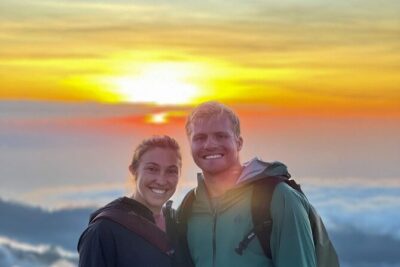
A short trek with high payoffs: Mardi Himal Base Camp. This 9-day route in Nepal’s Annapurna region takes you to 14,600 feet with a climb that feels manageable, plus clear views of Machhapuchhre and Annapurna peaks.
I like two things a lot. First, the pacing is friendly: you gradually step up from forest country into alpine meadows, with lodge nights the whole way. Second, the people matter here, and I’m seeing strong guide-and-porter support in past trips, including names like Prakash, Lakpa, and Ang Gombu Sherpa.
One thing to consider: the trek does include some steep, rugged sections, especially the day that climbs from High Camp to base camp and the long downhill afterward. If you’re not comfortable with elevation or uneven trail, you’ll want to take it very slow and follow your guide’s pace.
In This Review
- Key things I found most useful
- Mardi Himal Base Camp: Why This Trek Gets Chosen So Often
- Kathmandu Arrival Day: Hotel, Rest, and Meeting Your Team
- The Kathmandu to Pokhara Drive: Getting Your Bearings Fast
- Day 3: Kande to Pitam Deurali—Forest Start and First Real Climb
- Day 4: Pitam Deurali to Forest Camp—Rhododendron and Quiet Trail Energy
- Day 5: Kokar Forest Camp to High Camp—Alpine Transition and the Steeper Feeling
- Day 6: High Camp to Mardi Himal Base Camp—The Toughest Reward Day
- Day 7: Badal Danda Down to Siding Village—Forest, Farms, and a Culture Finish
- Day 8: The Pokhara to Kathmandu Return—Road Trip Wind-Down
- Day 9: Departure Day, Plus a Friendly Farewell Buffer
- Price and Value: Is $900 Actually Reasonable Here?
- Lodges, Meals, and the Reality of Teahouse Trekking
- The Trek Team: What Support Looks Like in Practice
- Season Choice: October Clarity vs. Monsoon Reality
- Who This Trek Suits Best
- Should You Book Mardi Himal Base Camp?
- FAQ
- Where does this trek start?
- How long is the Mardi Himal Base Camp trek?
- Is this tour private?
- What permits are included?
- Are vegetarian meals available?
- How are guide and porter arrangements handled?
- What’s included in the price?
- What is not included?
- What are the highest and key altitude points?
- Can I cancel and get a full refund?
Key things I found most useful
- Short overall duration, big summit-style reward with nights in teahouses and a final push to base camp
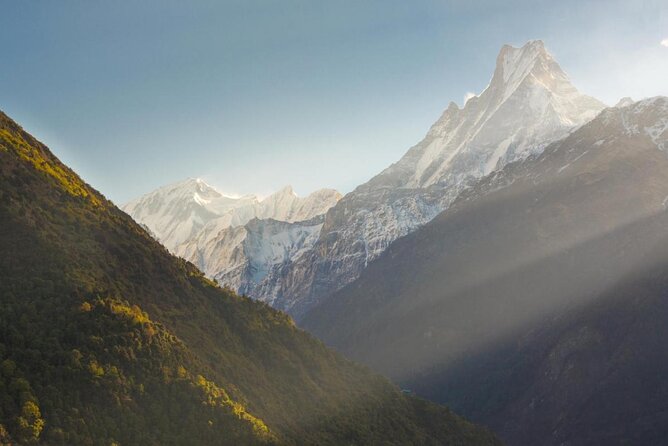
- Machhapuchhre and Mardi Himal viewpoints show up repeatedly, not just on one photo day
- A clear support setup: one porter for every two clients, plus an experienced guide
- Gurung culture at the finish with a descent into Siding village life
- Season choice matters: October gets praised for clearer skies, while monsoon travel is still possible
Mardi Himal Base Camp: Why This Trek Gets Chosen So Often
If you want the Annapurna feeling without committing to a long, multi-week expedition, Mardi Himal Base Camp is one of the cleanest options. It sits to the east of the Annapurna range, and the trail is built around a steady climb that moves you from green forests into harsher high-country terrain.
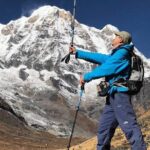
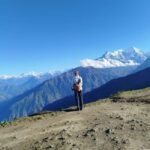
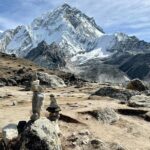
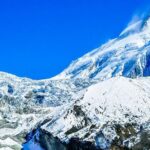
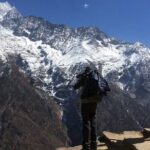
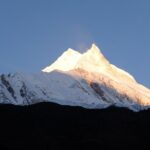
The real draw is how often you get meaningful mountain views. You’re not waiting days for the first big look. As you climb, you start seeing Machhapuchhre (Fishtail) and Mardi Himal more clearly, and the final payoff is a dramatic panorama that includes Annapurna South, Machhapuchhre, and Annapurna I.
This trek also fits well if you care about culture, not just photos. The finish down in Siding village gives you an actual look at daily life and Gurung culture, rather than ending in a random roadside stop.
You can also read our reviews of more tours and experiences in Kathmandu.
Kathmandu Arrival Day: Hotel, Rest, and Meeting Your Team
Day 1 is simple and practical. You land at Tribhuvan International Airport, and a company representative meets you and drives you to your Kathmandu hotel. Then you meet your trek group and staff in the evening.
This matters because trekking logistics start feeling real fast the next day. Having an organized pickup and a proper hotel night helps you reset after the flight and reduces the early-stress tax.
The Kathmandu to Pokhara Drive: Getting Your Bearings Fast
Day 2 is the long scenic transfer. You ride from Kathmandu to Pokhara, around 6–7 hours and roughly 200 kilometers. The road passes terraced fields, villages, and countryside views, with opportunities to stop and stretch.
Pokhara isn’t the end goal, but it’s where your trip switches gears. You’ll spend nights there in a 3-star hotel with breakfast, which is a nice buffer before the trekking food and higher-altitude sleeping routine begins.
Day 3: Kande to Pitam Deurali—Forest Start and First Real Climb
Day 3 is where your trek officially begins. You drive from Pokhara up to Kande (about 1,750 meters / 5,740 feet), then trek from there to Pitam Deurali.
The walking segment is roughly 5.6 km (about 3.5 miles) and usually takes 3–4 hours. You climb to around 2,100 meters / 6,890 feet. The trail rises gradually through dense forests with occasional openings to mountain views.
Why this day works: it’s a warm-up climb that gets your legs moving without jumping to the most intense altitudes right away. It’s also your first taste of the Annapurna region’s biodiversity vibe—mostly trees, shade, and a steady rhythm.
Day 4: Pitam Deurali to Forest Camp—Rhododendron and Quiet Trail Energy
Day 4 hikes from Pitam Deurali (~2,100 m / 6,890 ft) up to Forest Camp (~2,500 m / 8,202 ft). Expect a longer push, around 6.4 km (4 miles) and 5–6 hours.
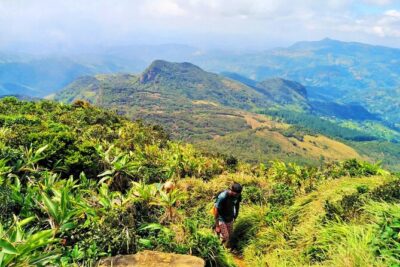
This section is typically steeper than Day 3. It also gets more interesting visually: you pass through rhododendron and oak forests, and you may catch glimpses of peaks such as Machhapuchhre and Annapurna South from clearings.
The potential drawback here is simple: the walk length plus forest trail can mean you’ll be working longer than you expected from a “relatively easy trek” description. If you’re sensitive to fatigue, go slow on the uphill pace and save energy for the higher days.
Day 5: Kokar Forest Camp to High Camp—Alpine Transition and the Steeper Feeling
Day 5 climbs from Forest Camp (~2,500 m / 8,202 ft) to High Camp (~3,600 m / 11,800 ft). The distance is about 7.2 km (4.5 miles) and 5–6 hours.
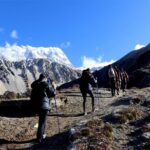
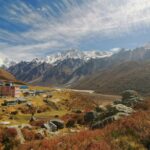
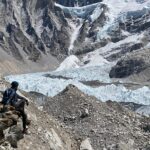
This leg is where the trail starts to change character. Early on, you still see forest cover, then it thins as you gain altitude into more rugged terrain, with plants like dwarf bamboo and juniper showing up.
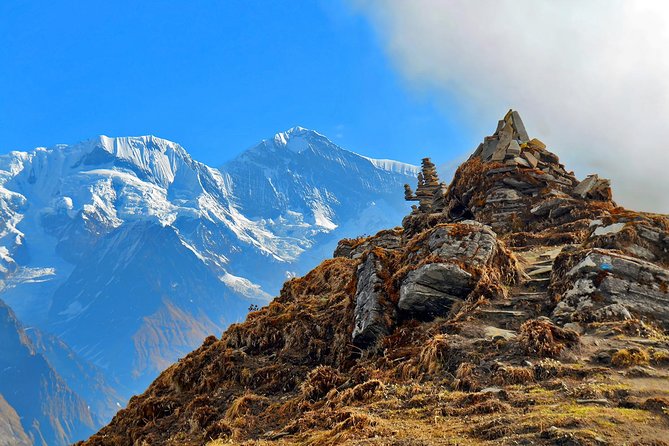
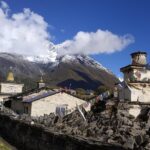
The payoff is the kind of mountain viewing that makes people forget the sore calves for a moment. You can get sharp views of Machhapuchhre, Mardi Himal, and Annapurna South along the way.
Practical tip: this day is a great example of why “moderate fitness” is the right frame. You don’t need to be an ultra-runner, but you do need to keep steady effort for hours.
Day 6: High Camp to Mardi Himal Base Camp—The Toughest Reward Day
Day 6 is the one you’ll remember. It runs from High Camp (~3,600 m / 11,800 ft) up to Mardi Himal Base Camp (~4,450 m / 14,600 ft). The one-way distance is about 4 km (2.5 miles) and the walk time is 3–4 hours.
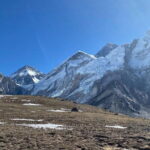
Shorter distance, steeper grind. The trail transitions from higher meadows toward rocky ground near the snowline, and you get sweeping views of Annapurna South, Hiunchuli, and Machhapuchhre right in front.
This is also the day where your mindset matters. Don’t chase speed. Chase breathing and steady steps. Base camp at this altitude is where you’ll feel the thin air, so your guide’s pacing is crucial.
Day 7: Badal Danda Down to Siding Village—Forest, Farms, and a Culture Finish
After base camp, you move through the descent to end near Siding village. Day 7 focuses on dropping from Badal Danda (~3,200 m / 10,500 ft) down to Siding village (~1,600 m / 5,250 ft).
This is a big descent: about 1,500 meters (4,920 feet) over roughly 7 km (4.3 miles) and 4–5 hours. The trail is mostly downhill through forests, terraced farms, and traditional village areas.
Why this day feels like more than just travel: it’s where you get a real sense of how people live around the trekking routes. The trek ends with Gurung culture and lifestyle in Siding village, which is one of the reasons this route is popular for first-time trekkers who still want something authentic.
Day 8: The Pokhara to Kathmandu Return—Road Trip Wind-Down
Day 8 is your long return drive from Pokhara back to Kathmandu. It’s about 6–8 hours (around 200 km / 125 miles) via the Prithvi Highway, with views of valleys, rivers, terraced fields, and occasional Himalayan sightings.
This is a “use your downtime wisely” day. You’ll likely be more tired than you think, so keep plans light in Kathmandu after arrival.
Day 9: Departure Day, Plus a Friendly Farewell Buffer
On day 9, you get a representative to accompany you to the airport with a recommendation to arrive about 3 hours before your flight. It’s a small thing that makes a difference if you want to avoid stress at check-in and security.
You also get a last-night farewell dinner at an authentic Nepalese restaurant with cultural performance during the trip, which is a nice closure after days of lodge life.
Price and Value: Is $900 Actually Reasonable Here?
At $900 per person, this trek prices as a middle-of-the-road option for the Annapurna region, especially because a lot is included. You’re paying for the main costs that usually get added later on other trips: guide, porter support, lodge-based meals, permits, and intercity transport.
Here’s what stands out as value:
- Hotels in Kathmandu and Pokhara: two nights each at 3-star properties with breakfast
- Meals during trekking: lunch, dinner, and breakfast while on the trail
- Permits handled: TIMS and ACAP permits
- Support: an experienced guide and porter (1 porter for 2 clients)
- Duffle bag provided and returned after the trek
- A cultural farewell dinner included
- Government taxes included
What can surprise you later is what’s not in the price. You’ll still handle the Nepal visa fee, your international flights, travel and rescue insurance, personal expenses (phone/laundry/bar bills, battery recharge, bottled or boiled water), and tips for guide and porter.
My take: this is good value if you want less mental work and more predictable trekking logistics. If you already know you’ll bring your own guide, want to manage permits yourself, and prefer to DIY lodge bookings, then the cost could feel less justified. For most people, the included structure is the point.
Lodges, Meals, and the Reality of Teahouse Trekking
Your trek nights are in lodges/tea houses. That means you’re not camping in the wild, and you get a consistent routine each evening: eat, rest, repeat. The trip includes breakfast, lunch, and dinner during trekking, so you’re not spending every stop figuring out where to buy food.
Vegetarian options are available, and you can request dietary needs at booking. That’s important because many trekking menus are limited, and having a plan reduces decision fatigue.
One more practical note: you’ll get a first-aid kit included. It’s not a guarantee you’ll never feel rough, but it does signal the operator has basic safety readiness.
The Trek Team: What Support Looks Like in Practice
This is a private tour/activity, meaning only your group participates. That can help you keep a steady pace without negotiating with random strangers for timing.
You’ll travel with:
- An experienced guide
- A porter support ratio of 1 porter for 2 clients
- Paperwork handled, including permits
- A T-shirt from the company
- Duffle bag support
From the names that show up in past experiences—Prakash, Lakpa, and Ang Gombu Sherpa—you can expect a guide who’s comfortable managing first-timers and keeping the group on track. Humor and patience show up in this operator’s feedback pattern too, which matters when someone’s legs decide to complain.
Season Choice: October Clarity vs. Monsoon Reality
You can trek during different seasons, but the vibe changes. October gets praised for bright, clear horizons and sunny days with fewer clouds. That’s when you’ll maximize your chance of crisp mountain visibility.
Monsoon season is also possible, and you might find the team still delivers a solid experience during wet conditions. Just know the trail can feel slower and more slippery, and you’ll likely spend more time in misty or cloud-prone views.
If you’re chasing the clearest photos and maximum visibility, lean toward October. If you’re flexible and fine with wetter days, monsoon can work.
Who This Trek Suits Best
This trek is aimed at people with moderate physical fitness and a willingness to walk uphill for hours. It’s also a good match for first-time trekkers who want a shorter timeline but still want real high-altitude mountain scenery.
You’ll especially like this if:
- You want Machhapuchhre views without a long, hardcore schedule
- You prefer lodge nights instead of camping
- You care about culture, ending in Siding village
Should You Book Mardi Himal Base Camp?
Book it if you want the Annapurna region experience with a smart balance of effort and payoff. The route makes sense: forests first, then alpine terrain, then a base-camp day with big panoramas, followed by a rewarding descent into village life.
Skip it or reconsider if you know you struggle with steep climbs or long downhill days. The base-camp push is steep even though it’s short on paper, and the descent into Siding village is long on tired legs.
If you’re unsure, ask yourself this: do you want mountains that feel close, without planning a multi-week trek? If yes, this is a strong choice.
FAQ
Where does this trek start?
The experience starts at Tribhuvan International Airport on Ring Rd, Kathmandu, Nepal, with a start time of 7:00 am.
How long is the Mardi Himal Base Camp trek?
It’s listed as 9 days approximately.
Is this tour private?
Yes. It’s a private tour/activity, and only your group participates.
What permits are included?
You get TIMS Permit and ACAP Permit included as part of the trek.
Are vegetarian meals available?
Yes. A vegetarian option is available if you advise the company at booking time.
How are guide and porter arrangements handled?
You travel with an experienced guide and a porter. The listed ratio is 1 porter for 2 clients.
What’s included in the price?
Included items cover airport pickup and transfers, Kathmandu and Pokhara 3-star hotels with breakfast, trekking meals (breakfast, lunch, dinner), guide and porter support, permits, lodge accommodations, medical first aid kit, local transport by tourist bus and private vehicle as listed, duffle bag, a company T-shirt, and a farewell dinner with cultural performance.
What is not included?
Not included are the Nepal visa fee, international airfare, travel and rescue insurance, personal expenses (like phone calls, laundry, bar bills, battery recharge, extra porters, water, shower items), and tips for the guide and porter.
What are the highest and key altitude points?
The itinerary lists Mardi Himal Base Camp at about 14,600 feet (4,450 meters), with High Camp at about 11,800 feet (3,600 meters).
Can I cancel and get a full refund?
Yes. The policy states you can cancel up to 24 hours in advance for a full refund. If you cancel less than 24 hours before the start time, no refund is provided.