REVIEW · SAPA
Daily Tour: Sapa Trekking in Muong Hoa valley, Bamboo forest
Book on Viator →Operated by Vietnam Nomad Trails · Bookable on Viator
One hour into the walk, you start earning those views. This Sapa trek through Muong Hoa Valley mixes village paths with a bamboo forest stretch, and it’s set up well for first-timers because you’re not figuring things out on your own. I like that the route is guided end-to-end, and I especially like the small-group feel: max 14 people means you actually get your guide’s attention.
Two more things I like: lunch in Ta Van Village is included, and you’re given enough structure (guide, water, pickup) that you can focus on walking and looking. The main drawback to plan for is that the day can feel tough if the weather turns: one review noted muddy, slippery sections after rain, so this isn’t the kind of stroll you do in sneakers with zero grip.
In This Review
- Key highlights you should know
- Where the day starts: Sapa Church, hotel pickup, and a 9:00 am launch
- Muong Hoa Valley walking with a bamboo-forest payoff
- Lao Chai on the route: village context, not a long bus stop
- Ta Van Village lunch: where the day slows down
- Giang Ta Chai and the return: finishing with the valley in your head
- English guide + small-group pacing: the real value in the details
- Price and value: what $29.90 really buys you in Sapa
- How hard is it? Mud happens, and the pace matters
- What to pack for Sa Pa: warm layers, sun, and bug defense
- Respecting the people and keeping the trail clean
- Who this trek fits best (and who should skip it)
- Should you book this Muong Hoa bamboo trek?
- FAQ
- How long is the Sapa trekking tour?
- Where does the tour start, and what time?
- Is hotel pickup included?
- What does the tour include?
- How many people are in the group?
- Do I need a passport?
- What should I bring for the trek?
- Is free cancellation available?
Key highlights you should know
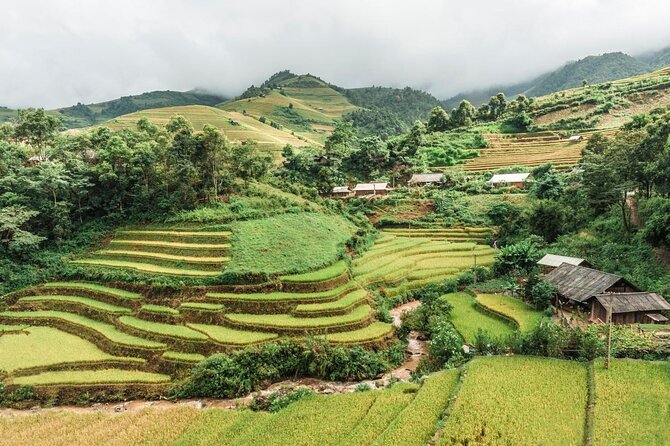
- Muong Hoa Valley viewpoints without getting lost, thanks to a guide and a clear route
- Bamboo forest walking as part of the scenery (not just a vague brochure promise)
- Small group size (up to 14) for a more personal pace and Q&A
- Lunch in Ta Van Village plus mineral water and bottled water included
- Guide support you can trust, including local helpers who may assist with the tougher bits
Where the day starts: Sapa Church, hotel pickup, and a 9:00 am launch
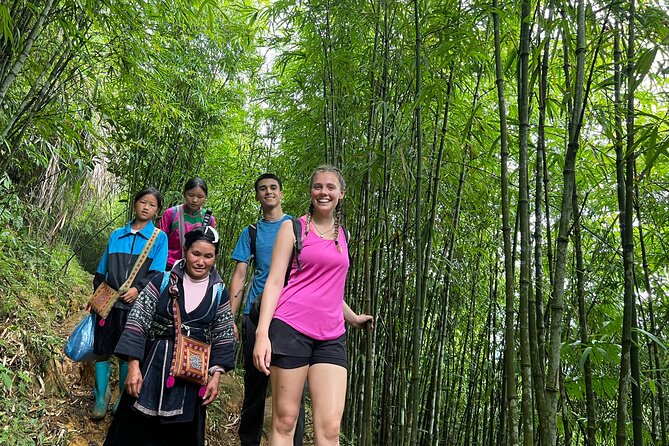
Your morning kicks off at 9:00 am at Sapa Church on P. Hàm Rồng. If you’re staying in the Sapa center, you may also get pickup from your hotel, or you’ll meet at the operator’s office address at 13 Tue Tinh str. Either way, build in a little buffer. The tour asks you to arrive 15 minutes early, which is smart here because Sapa mornings can start cool and busy.
This is a 5-hour trek in total (approx.), and that time includes the walking, lunch break, and getting back to Sapa by bus. That matters because Muong Hoa Valley looks close on a map, but in real life you’re doing a guided route through multiple village areas, not just photographing one spot and calling it a day.
Muong Hoa Valley walking with a bamboo-forest payoff
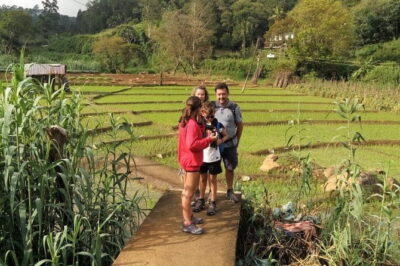
The core promise of this tour is simple: you get the best views of Muong Hoa Valley while someone else handles the route. On a guided walk like this, the difference is how the scenery starts to connect. Instead of random photo stops, you’re moving through the valley in a way that makes the terrain and village layout make sense.
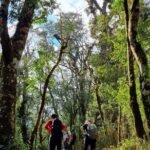
And then there’s the bamboo forest piece. Bamboo areas in this region tend to change the sound and feel of the walk: cooler air under the canopy, softer footing, and a more enclosed “walking tunnel” vibe compared with open stretches. Even when you’re not stopping constantly, it breaks up the trek into sections—useful if you’re trying to manage energy.
The best advice I can give: go into this expecting a mix of terrain. One review mentioned the night before being rainy, which meant muddy parts and a more challenging feel. That’s not a scare tactic; it’s reality. If you bring good shoes and walk with a steady pace, you’ll be fine. But if you hate slippery ground, you’ll want to plan your footwear accordingly.
Lao Chai on the route: village context, not a long bus stop
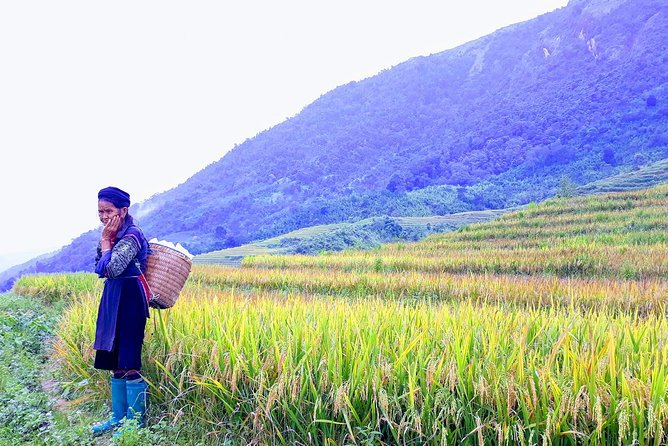
You’ll trek through the Lao Chai area on the way from Sapa toward Ta Van. The tour is not built around a long sit-down visit with a massive schedule. Instead, Lao Chai functions like an early “connect-the-dots” moment: you start seeing how these communities sit along the valley and how paths thread between settlements and fields.
One of the most praised parts of this experience is the guide’s explanations. People highlighted that the guide shared information about plants, villages, and culture. Even if you only catch part of it while walking, those small bits help you read what you’re seeing. You start to notice patterns—what people grow, how the path bends around terrain, and why the valley layout matters.
If you like a guided day where you learn while you move, this is a good match. If you prefer slow, museum-style wandering, you may wish the stops were longer. But for a 5-hour day, this route hits a solid balance.
Ta Van Village lunch: where the day slows down
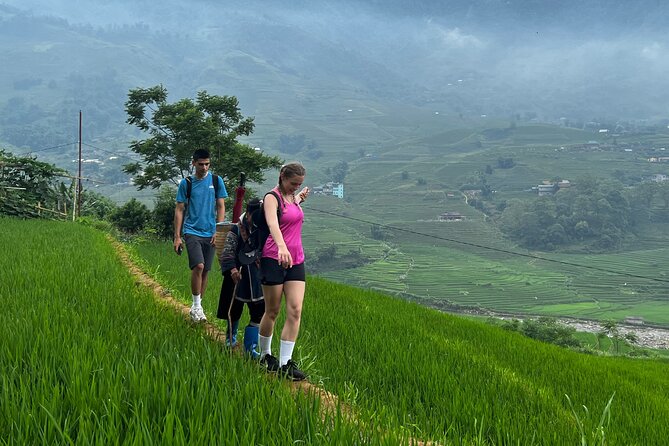
Ta Van Village is where you get a real break. Lunch is included, and you’ll have about 1 hour here. In practical terms, it’s the pivot point of the trek: you shift from “walking effort” to “fuel and people time.”
Many tours say lunch is included. This one actually builds it into the flow instead of turning it into a rushed handoff. One review specifically called out the meal at a homestay as delicious, which lines up with the idea that Ta Van is not just a scenery backdrop—it’s a lived-in village where people host visitors.
A couple of tips for making this meal time work for you:
- Eat like you’ll need energy for the rest of the walk. This is not a snack stop.
- If you have dietary needs, advise them at booking. The tour notes you should share specific requirements in advance, so your meal plan isn’t left to luck.
Lunch also comes with mineral water and bottled water. That’s a real value point in Sapa because you don’t want to spend energy (or money) hunting for drinks mid-trek.
Giang Ta Chai and the return: finishing with the valley in your head
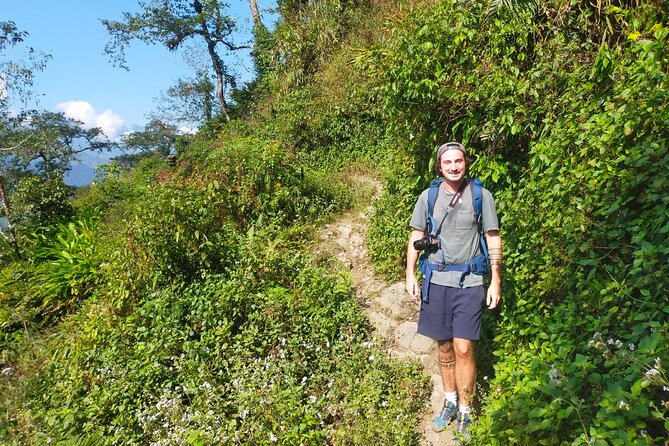
After lunch, you continue toward Giang Ta Chai. This is where the day starts to feel like it’s turning the corner: you’ve seen enough of the valley to understand it, and the walking starts to feel more like a connected storyline than a series of random turns.
Then comes the payoff of being done efficiently. You’ll move back toward Sapa and get bus return to Sa Pa. The tour ends back at the meeting point area, so you’re not stuck trying to solve transport after your legs are tired.
One thing I like about this kind of route is that it prevents the classic travel mistake: spending all your energy on logistics and then having nothing left for the actual experience. Here, the structure is doing you a favor. You just show up, walk, eat, learn, and get back.
English guide + small-group pacing: the real value in the details
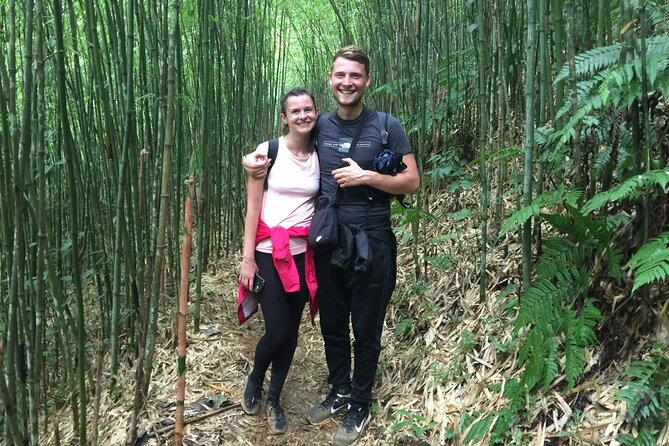
This tour includes an English-speaking guide, and group size is limited to 14. That limit isn’t just a comfort perk. It changes the day. In a big group, you end up waiting, losing your place, and missing explanations. In a small group, you can ask questions and get answers that actually fit what you’re seeing right now.
One review name-dropped the guide: Lang. People also mentioned that the guide was helpful when conditions got tough, and that additional local helpers (the review used the phrase hanger on-ers) assisted during more challenging sections. That usually translates to smoother pacing—especially if paths get uneven or slippery.
Here’s the practical takeaway: if you want a guided day that feels human and responsive, this is the right setup. If you want total independence, you’d probably choose a DIY route instead. But if you’re visiting Sapa for the first time, a guided route saves you stress and helps you get better views with less guesswork.
Price and value: what $29.90 really buys you in Sapa
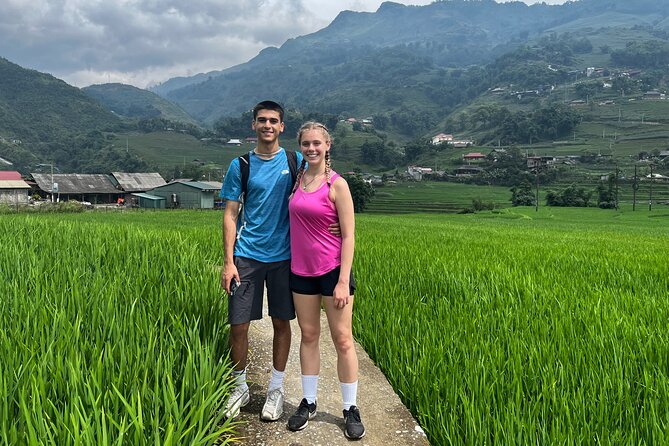
At $29.90 per person, this trek is priced for accessibility, and it’s not just about the number. It includes the items that usually add up if you plan on your own:
- English-speaking guide
- Lunch
- Water (mineral water plus bottled water)
- Transport back to Sa Pa
- Hotel pickup/drop-off options (if you’re in Sapa center)
- A small-group format (max 14)
- An admission ticket is marked as included
If you’ve ever tried to build a guided half-day in a place like Sapa by piecing together transportation, a local guide, and a meal stop, you know the admin time and extra costs can jump quickly. This tour wraps those parts into one price.
The main “cost” is your effort: you’ll do real walking for about 5 hours. But you’re paying for that energy to turn into a structured route and a calm experience, not a confusing string of directions.
How hard is it? Mud happens, and the pace matters
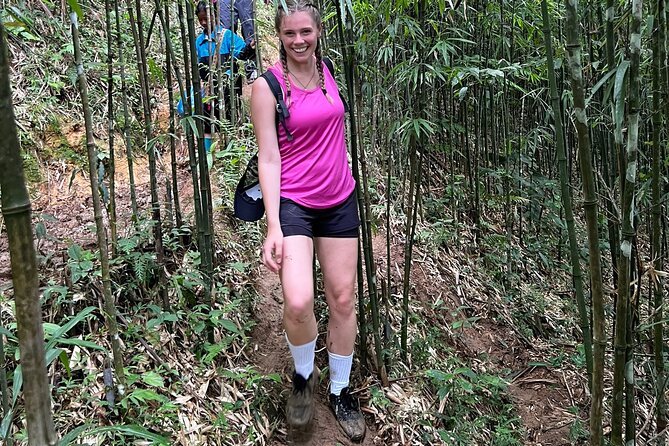
Sapa trek difficulty is seasonal. The tour doesn’t claim it’s flat, and your own shoes and fitness level matter. The tour notes you should have moderate physical fitness.
One review flagged the experience as more challenging when it rained the night before. Mud made some sections harder, but the guide and local helpers helped with footing, and the group still moved at a good pace. Another review praised how fun and sometimes challenging the trek felt, and said the guide explained plants and village culture along the way.
So what should you do with that information?
- Wear trekking shoes with real grip.
- Expect the ground to be uneven in places.
- Keep your pace steady. A guided trek is less about speed and more about flow.
- If you need reassurance, ask your guide. That’s what they’re there for.
Also, bring a small amount of cash. One review suggested taking small notes because tipping local helpers can feel appreciated. The tour doesn’t require it, but it’s a good habit when extra locals assist you on the route.
What to pack for Sa Pa: warm layers, sun, and bug defense
Sapa weather can swing, especially in the October–March range. The tour explicitly recommends warm clothes for that period. Even if the day starts bright, the shade on valley paths and bamboo sections can feel cooler.
Here’s what the tour tells you to bring:
- Trekking shoes
- Sunglasses
- Sun cream
- Insect repellent
That list is practical and worth trusting. It’s the kind of kit that keeps a good day from turning into a cranky one. You’ll also be moving through village edges where insects can show up, and the sun can reflect off surfaces and feel stronger than you expect.
Respecting the people and keeping the trail clean
This is a cultural valley, not a theme park. The tour asks you to respect local culture in Sapa, and that’s easy to do if you follow a few basic habits:
- Walk respectfully and keep noise down in village areas.
- Don’t treat people’s homes and daily routines like backdrops.
- Ask before photographing close-up details.
There’s also an environmental reality in this region. One review criticized the amount of plastic trash visible in nature. You don’t have to solve the world, but you can do your part: don’t drop wrappers, and if you can, carry a small bag for your trash until you find a proper spot.
Who this trek fits best (and who should skip it)
This tour is an excellent fit if you:
- Want an introduction to the region without getting lost
- Like learning from a guide as you walk
- Prefer a small group pace
- Enjoy village culture and the chance to meet locals during a village day
- Are visiting Sapa for the first time and want a route that’s set up for you
You might not love it if you:
- Want an easy, flat stroll
- Dislike muddy conditions or wet footing (just wear the right shoes)
- Prefer long stays in one place instead of a connected circuit
Should you book this Muong Hoa bamboo trek?
I’d book it if you want a guided, good-value half-day that turns Muong Hoa Valley into a story you can actually understand. The combination of bamboo forest walking, village segments like Lao Chai and Ta Van, and a built-in lunch break makes it feel efficient in the best way. And with pickup options, English guidance, and a group cap at 14, you’re not getting stuck in the chaos that can happen with larger tours.
If you’re sensitive to uneven ground, focus on footwear and expect some rougher sections if weather has been wet. With that handled, this is the kind of trek that leaves you tired in a satisfying way, with the valley views still fresh when you’re back in town.
FAQ
How long is the Sapa trekking tour?
It runs for about 5 hours (approx.).
Where does the tour start, and what time?
The tour starts at Sapa Church at 9:00 am. You should arrive 15 minutes before departure.
Is hotel pickup included?
Pickup is offered from the office in Sapa center or from your hotel in Sapa center (based on the meeting arrangement).
What does the tour include?
Included items are an English-speaking guide, lunch, mineral water, bottled water, and bus return to Sa Pa. Admission ticket is also marked as included.
How many people are in the group?
The group is limited to a maximum of 14 travelers.
Do I need a passport?
Yes, a current valid passport is required on the day of travel.
What should I bring for the trek?
Bring trekking shoes, sunglasses, sun cream, and insect repellent. Warm clothes are recommended for Sa Pa from October to March.
Is free cancellation available?
Yes. You can cancel up to 24 hours in advance for a full refund.