REVIEW · SAPA
Sapa Trekking / Hiking through Sapa Valley with native Hmong
Book on Viator →Operated by Indigo Trekking Tour Sapa · Bookable on Viator
Hmong villages meet big mountain trails here. This 2-day Sapa Valley trek led by native Hmong guides pairs village walks with real overnight life in Ta Van.
I love the hands-on cultural side, from learning rice-field rhythms to meeting people in hill-tribe villages. I also like how the route is customizable for different ages and fitness levels. One thing to consider: visibility and trail comfort can take a hit when Sapa weather is cold and cloudy.
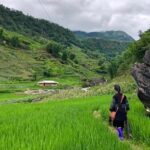
If you want scenery, you’ll get it: rice terraces (seasonal), jungle edges, bamboo forests, and waterfalls. But what makes this experience work is the human scale—guides like Sue, and often her daughter Mai, guide you with strong English and lots of conversation, not a stiff script. I also like that you start in Sapa, walk into villages like Y Linh Ho and Lao Chai, then sleep in Ta Van with your host family.
The possible drawback is practical: Sapa mountain weather can be rough, especially in cooler months, and you should be comfortable with a moderate walking pace for long stretches. If you’re expecting guaranteed clear views, plan for the weather to influence what you see.
In This Review
- Key Things That Make This Trek Worth It
- Two Days Between Ta Van and Hoang Lien: How the Value Works
- Starting at Sapa Church at 8:30: Your First Taste of the Valley
- Day 1: Y Linh Ho, Lao Chai, Then the Walk Into Ta Van
- Ta Van Homestay With Hot Shower: What You’re Actually Sleeping In
- Day 2 in Hoang Lien National Park: Trails, Waterfalls, Bamboo Forest
- Guides Like Sue, Mai, Miy, and Bao: Why the Conversations Matter
- Weather, Pace, and What You Should Prepare For
- Price Check: Why $110 Makes Sense for This Mix
- Who This Private Hmong Trek Fits Best (And Who Might Struggle)
- Should You Book Indigo Trekking Tour Sapa?
- FAQ
- How long is the trek?
- Where do we meet and where does the tour end?
- Is pickup included?
- Is this a private tour?
- What fitness level do I need?
- What’s included with the homestay in Ta Van?
- What happens if weather is poor?
Key Things That Make This Trek Worth It
- Native Hmong guidance (Sue and family connections) for local context you can’t copy from a brochure
- Ta Van homestay with hot shower and a private room setup (bathroom + double bed)
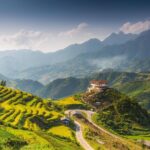
- Seasonal rice-field scenery plus the chance to see how rice is planted/harvested
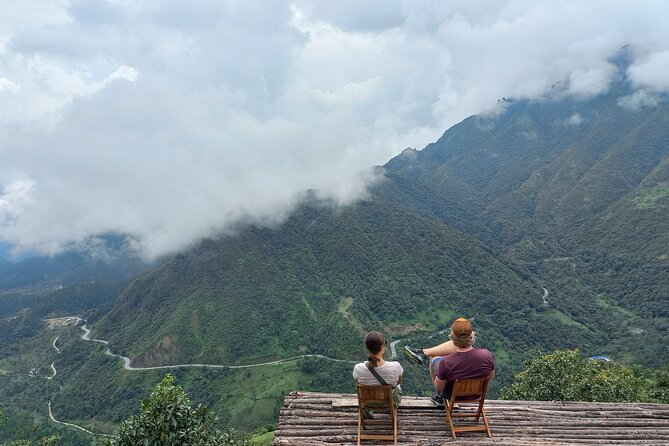
- Hoang Lien National Park trails with forests, waterfalls, and bamboo
- Real route flexibility based on your interests and ability level
- Private experience where it’s just your group, with pickup available
Two Days Between Ta Van and Hoang Lien: How the Value Works
At $110 for about two days, this trek isn’t trying to sell you luxury. It’s priced like a guided cultural experience: someone takes ownership of your route, handles the homestay, and brings you into the daily rhythm of the valley. That matters in Sapa, because the best parts aren’t just the views—they’re the people and the explanations.
The trip is built in two distinct “moods.” First comes the village-and-rice side around Ta Van, where you can get close to Hmong life and landscape details like cultivation work. Then you shift to Hoang Lien National Park, where the walking turns more into forest trail time: bamboo areas, waterfall routes, and the wider Sapa mountain setting.
This is also one of the few Sapa experiences that feels flexible. The guide will adjust what you do based on what you care about most, and it can fit different athletic levels. That’s a big deal if you’re traveling with a mix of ages or if you want more village time instead of nonstop hiking.
If you’re the type who likes a plan, that can be a plus. But it’s not a rigid factory tour. Your guide’s local knowledge is the product here, not just the itinerary.
Starting at Sapa Church at 8:30: Your First Taste of the Valley
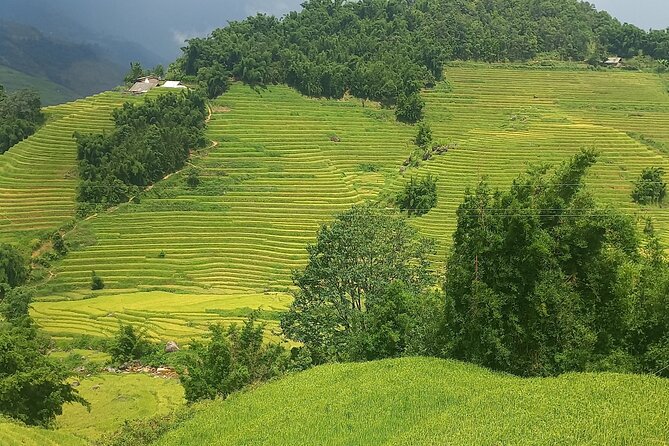
You’ll meet back at the main area around Sapa Church (P. Hàm Rồng, TT. Sa Pa). Start time is 8:30 am, and the tour ends back at the same meeting point. Pickup is offered, and the meeting area is near public transportation, so you’re not stuck in a remote starting situation.
Why start at 8:30? In Sapa, early timing helps. Mornings can be calmer for travel logistics, and it gives you more usable daylight before weather and cloud cover tighten up. If you’ve got any photo goals, going earlier tends to improve your odds, even when conditions stay cool.
You’re not trekking alone, though. This is a private tour/activity, meaning it’s only your group. That usually makes the pace and conversation easier to manage—you can ask questions without feeling like you’re interrupting a crowded schedule.
Also, because the route is customizable, your guide can shape your day around what you want most—rice fields, specific villages, waterfalls, or just a comfortable pace through the valley.
Day 1: Y Linh Ho, Lao Chai, Then the Walk Into Ta Van
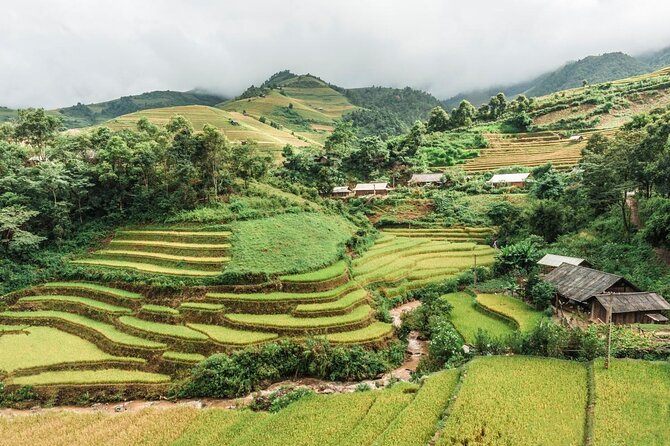
Day 1 is where the valley starts talking. After meeting in Sapa, you’ll go to Y Linh Ho village, then walk toward Lao Chai for lunch. These village stops aren’t just “photo points.” They help set context for the rest of the trek, including how different communities fit into the hills, trails, and farming routines.
From Lao Chai, you continue onward to Ta Van, which is the guide’s hometown area. This is the key shift in the experience: you’re moving from village-to-village walking into the place where you’ll actually stay overnight.
What I like about this pacing is that it gives you multiple layers of Sapa without trying to cram everything into one exhausting day. If you only did one village and then went straight to the park, you’d miss the day-to-day cultural texture. Here, the walking gradually builds toward the homestay.
A practical note: even with customization, day 1 still includes real hiking time. Wear shoes that handle uneven paths and possibly wet sections. If you’re traveling in colder months, plan for cool starts and the possibility that the afternoon hike feels sharper than you expected.
Ta Van Homestay With Hot Shower: What You’re Actually Sleeping In
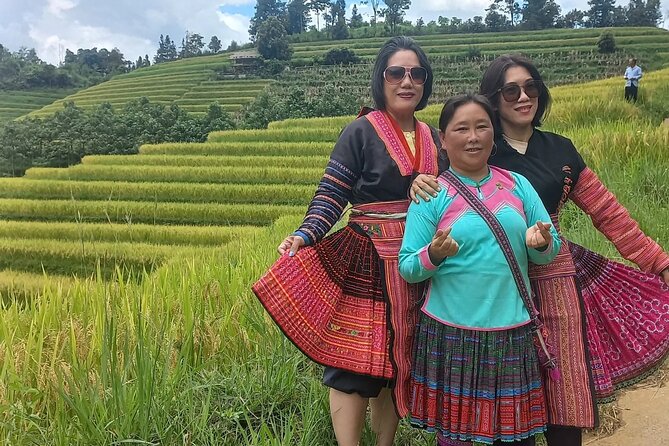
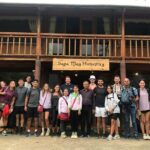
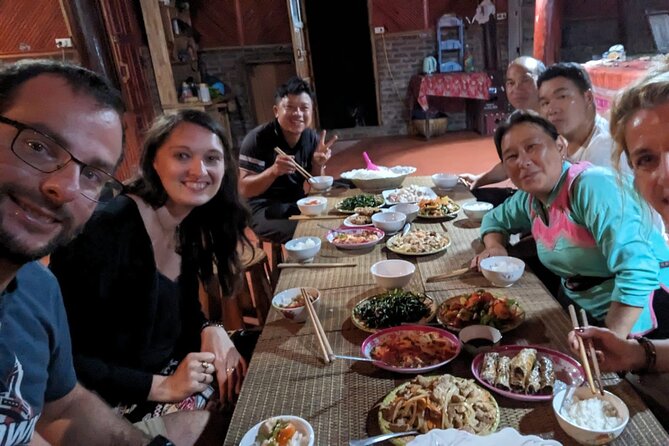
In Ta Van, you’ll get a 2 days and 1 night homestay (within the overall ~2-day experience). Dinner is provided with the family, and the room setup is described as a private suite with a bathroom and double bed, plus hot shower.
That mix is important. Homestays in the mountains can be hit-or-miss for comfort. Here, the goal is cultural access without leaving you shivering in basic conditions. You get time to talk, eat with your hosts, and experience the rhythms of the household—not just the moment you pass by the gate.
Your guide may also tailor what you see in the rice fields. Depending on season and timing, you might be shown family rice plots and how rice is planted or harvested. Even if you don’t get the farming action at the exact moment, the guide can explain what you’re looking at: the terraces, the timing, and how the whole valley ties together.
The strongest part isn’t the bed or the bathroom—it’s the way your host family helps you understand daily life. You’ll likely spend more time asking questions than snapping pictures, and that’s where the trip becomes memorable.
Day 2 in Hoang Lien National Park: Trails, Waterfalls, Bamboo Forest
After breakfast, the walk moves into Hoang Lien National Park area trails. This segment is about 7 hours, focused on paths through forests, around waterfalls, and through bamboo forests.
This part is for people who want their second day to feel like a real mountain trek. You’ll be seeing the Sapa region as more than village settings—you’ll get the broader natural environment: misty air pockets, shaded trail stretches, and the kind of scenery that’s hard to recreate on a short sightseeing route.
Waterfall routes in particular can be affected by season and weather. In cold months, you may get less spectacle if clouds and low visibility limit the view. But even when the weather isn’t cooperating, the bamboo forest portion can still feel special because it changes the walk’s mood—cooler, quieter, and more shaded.
Also, park-related admission is handled here: it’s listed as included for this second stop. That saves you from tracking down ticket requirements mid-trip.
Plan for a longer walking day than you might expect, even if the pace feels manageable. Bring water, pace yourself early, and let your guide decide the exact route based on trail conditions and your interests.
Guides Like Sue, Mai, Miy, and Bao: Why the Conversations Matter
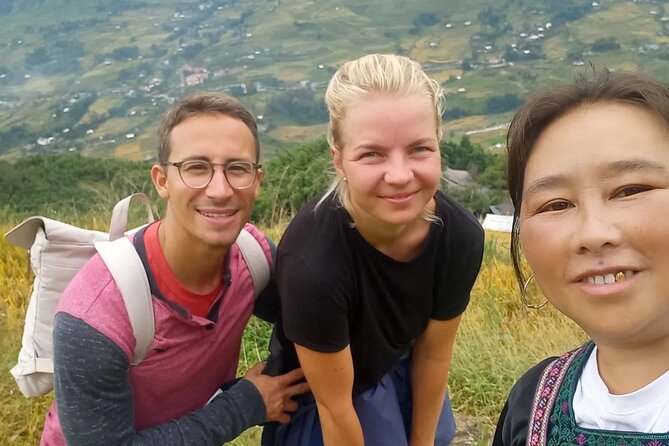
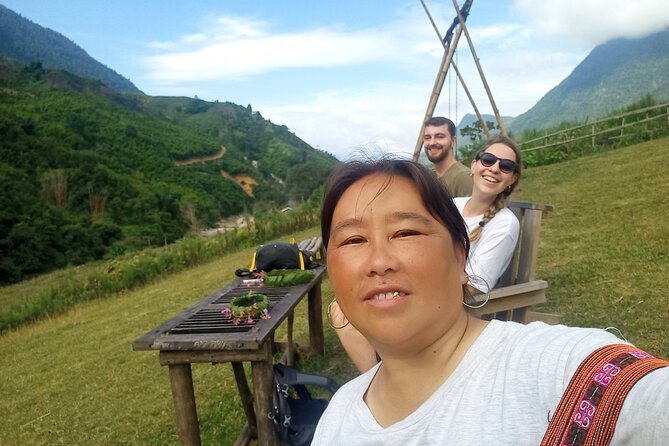
This tour is led through native Hmong expertise, and your guide identity can change depending on the day and scheduling. Common names you may encounter include Sue, and her daughter Mai (often guiding), plus Miy in some cases. You might also see Bao referenced as part of the guiding/support team.
What I think is most valuable: your guide doesn’t just translate. The experience includes ongoing conversation and local explanation—how generations have lived in the valley, how villages relate to each other, and what plants and animals mean for daily life.
From the way guides are described, English ability is strong for communication. That means you’re not stuck with vague answers. You can ask specific questions like why certain crops matter, what a particular village practice is for, or how people choose where to live on the slopes.
If you want a trekking partner who also becomes a friend, this is the style you’re looking for. The tone tends to be warm and social while still keeping you moving safely along the trails.
Weather, Pace, and What You Should Prepare For
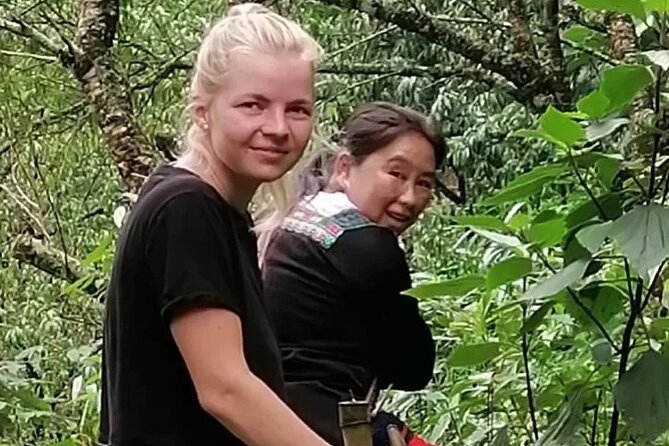
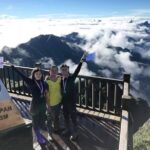
Sapa can be cold fast, especially when skies turn cloudy. One of the most consistent cautions with mountain trekking here is simple: you’re not controlling the weather, and it can change what you see. In colder, overcast conditions, you might get fewer wide views. You’ll still walk forests and bamboo trails, and you may still enjoy the village experience, but the “big panorama” factor can drop.
The route is described as suitable for moderate physical fitness. That’s a useful phrase, because it means you don’t need to be a marathon climber. But you should be comfortable with continuous walking, uneven ground, and the kind of tired that builds in your legs over hours.
For comfort, plan around:
- solid footwear for muddy or uneven trail surfaces
- layers for cold mornings and warming midday
- a flexible attitude about rain or cloud cover affecting photos
And remember: the tour notes it requires good weather, so your guide isn’t pushing you into unsafe conditions.
Price Check: Why $110 Makes Sense for This Mix
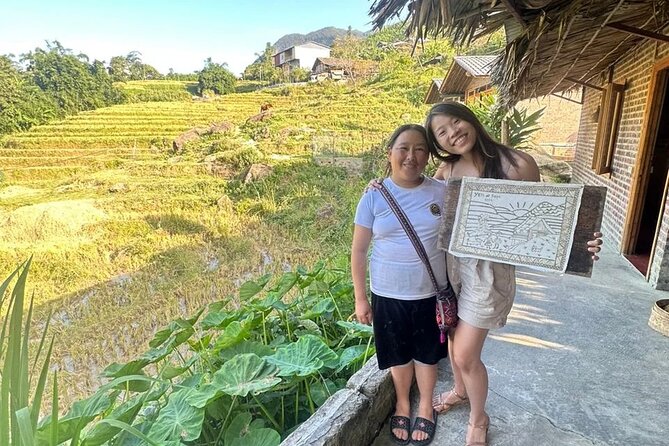
Let’s talk money without the fluff. The listed price is $110 for a private 2-day experience with homestay. You also get pickup offered and a mobile ticket, which reduces admin stress before you even start walking.
What makes it feel like value is the combination:
- local Hmong guidance that shapes what you see
- a full overnight homestay component with dinner
- park-area walking in Hoang Lien National Park
- park admission listed as included for the second stop, and admission listed as free for the Ta Van portion
If you were paying for those parts separately—guide time, overnight host arrangement, and park access—your costs could climb quickly. Here, the price bundles them into one plan.
The trade-off is that you’re not getting a “luxury tour” vibe. This is rustic mountain travel with real walking and real mountain weather possibilities. If that’s not your style, you might find a gentler day tour better.
Who This Private Hmong Trek Fits Best (And Who Might Struggle)
This works especially well for you if:
- you want a Hmong-led cultural experience, not just a scenic hike
- you enjoy conversation and learning from local life
- you’re okay with a moderate trekking pace for about two days
- you value homestay time with a real family routine
It might be less ideal if:
- you strongly prefer predictable, clear-weather sightseeing
- you need a very low walking effort or frequent, short breaks
- you want a high-comfort, low-effort itinerary
One nice detail: the route is customizable to fit all ages and athletic abilities. That doesn’t mean there’s zero walking, but it does mean your guide should adjust the experience rather than forcing the same route on everyone.
Because it’s private, it’s also a good choice for couples, friends, and small groups who want their own pace and more questions answered in plain language.
Should You Book Indigo Trekking Tour Sapa?
I’d book this if you want Sapa to feel human and local, with a guide who knows the valley and can explain what you’re walking through. The Ta Van homestay setup—especially the hot shower and private room with bathroom—makes the cultural side easier to enjoy without sacrificing basic comfort. Then Hoang Lien National Park gives you a second-day trek that feels like the mountains instead of repeating village streets.
I’d think twice if weather resilience is your biggest concern. In cold, cloudy conditions, visibility can disappoint. Still, the walk through bamboo forest and the homestay experience can keep the trip worthwhile, just with different expectations for views.
If you’re ready for a moderate trekking rhythm and you want genuine connection over checkbox tourism, this is a strong pick.
FAQ
How long is the trek?
It’s listed as about 2 days, including a 1-night homestay in Ta Van and a full day walk that includes Hoang Lien National Park.
Where do we meet and where does the tour end?
You meet at Sapa Church on P. Hàm Rồng, TT. Sa Pa, Sa Pa, Lào Cai 333100, Vietnam, and the activity ends back at the same meeting point.
Is pickup included?
Pickup is offered.
Is this a private tour?
Yes. It’s a private tour/activity, so only your group participates.
What fitness level do I need?
It’s described for travelers with a moderate physical fitness level.
What’s included with the homestay in Ta Van?
Dinner is provided with the family, and the homestay is described as a 1-night stay with hot shower and a private suite with bathroom and a double bed.
What happens if weather is poor?
The experience requires good weather. If it’s canceled due to poor weather, you’ll be offered a different date or a full refund.