REVIEW · KATHMANDU
Annapurna Base Camp Trek – 10 Days
Book on Viator →Operated by Himalayan Recreation Treks & Expedition Pvt.Ltd · Bookable on Viator
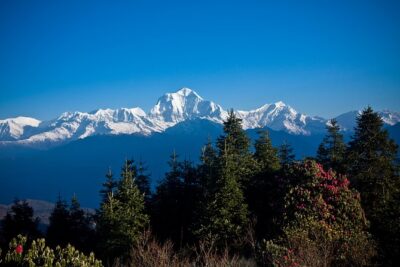
That first look at the mountains hits fast. This 10-day Annapurna Base Camp trek pairs great value with real on-the-ground support, from airport pickup in Kathmandu to tea-house sleeping during the hike. I especially like the way the pace gives you time to adjust while still pushing toward 4,130m Annapurna Base Camp, and I like that you’re not just dropped at a trailhead—you get a professional, government-licensed guide and local helpers (including support praised for Santosh, Asok, Raju Simkhada, and porters like Dibo and Varat). One consideration: the altitude can hit anyone, so you’ll want solid health plans and realistic expectations about weather and cold.
Pokhara and Kathmandu add meaningful context. You’ll get Nepal’s big-city highlights like Kathmandu Durbar Square and Pashupatinath, plus lakeside decompression before the trail. Then the trek days connect small villages, steep step climbs, rhododendron trails, and the huge reward of standing at base camp in the heart of the Annapurna region.
The main drawback is simply the workload. This isn’t a stroll: you’re walking demanding days at altitudes up to 4,130m, with possible extreme weather. If you’re not used to hiking or you rush acclimatization, you’ll feel it.
In This Review
- Key things that make this Annapurna Base Camp trip special
- Price and what you actually get for $699 in Nepal
- Day 1 in Kathmandu: Durbar Square, Pashupatinath, and Thamel logistics
- Day 2: From Kathmandu viewpoints to Pokhara Lakeside
- Day 3: Chhomrong and Poon Hill—two different kinds of payoff
- Day 4: Sinuwa and the 2,500-step challenge
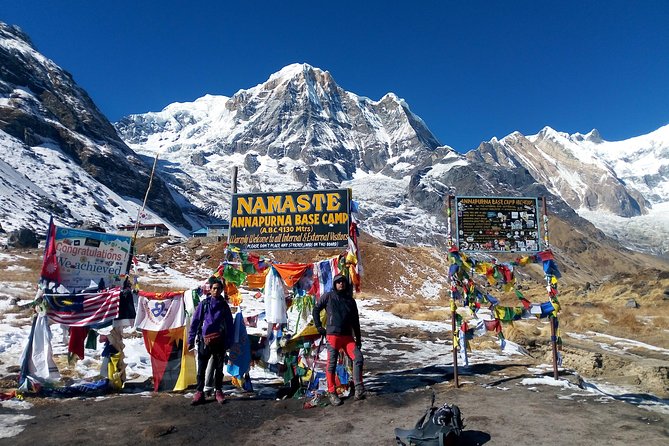
- Day 5: The climb to Annapurna Base Camp at 4,130m
- Day 6: Retracing to Sinuwa through bamboo and wetland-feel trails
- Day 7: Jhinu Danda return loop—stone steps, Kuldighar, and the Chhomrong cycle
- Day 8: Back to Pokhara, plus Phewa Tal and Sarangkot
- Day 9 in Kathmandu Valley: Patan Durbar Square
- Day 10: Garden of Dreams, Narayanhiti Palace Museum, and the airport run
- Guides, porters, and why the support quality can make or break ABC
- How hard is Annapurna Base Camp really, and how to pack smart
- Should you book this Annapurna Base Camp trek?
- FAQ
- What altitude does Annapurna Base Camp reach on this trek?
- Are airport transfers included?
- What meals are included, and what should I budget for in Kathmandu and Pokhara?
- How many nights do you stay in tea houses during the trek?
- Do I need travel insurance?
- What’s the cancellation window for a full refund?
Key things that make this Annapurna Base Camp trip special

- Licensed guide + local support: You get a government license holder and first-aid trained leadership, plus porters who’ve been praised for guidance and care.
- Altitude up to 4,130m with sensible pacing: The route climbs gradually to base camp, then brings you back down with time on the return.
- Tea-house nights included for 6 trekking days: You sleep in the standard mountain way, but with organized comfort and good meals for this region.
- Value-packed price: Multiple transfers, Kathmandu and Pokhara hotels, dinners, a farewell cultural show, and taxes are part of what you pay.
- Small group size (max 12): Limited numbers make it easier to keep the trip human-sized and more adjustable.
- Clear city-to-trail rhythm: Kathmandu sightseeing, Pokhara lakeside, then the trek loop back through places like Chhomrong, Sinuwa, and Jhinu Danda.
Price and what you actually get for $699 in Nepal
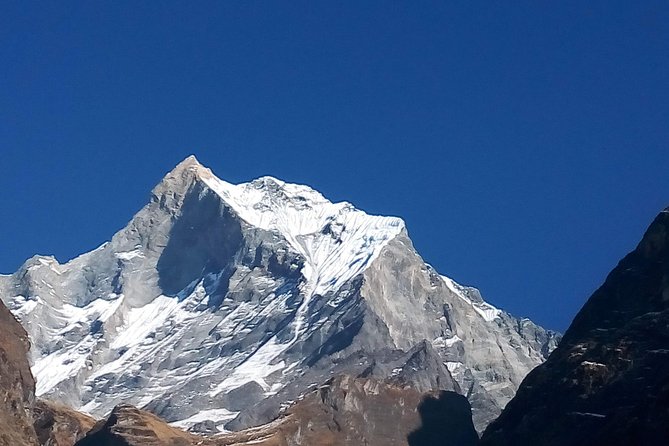
At $699 per person for a 10-day Annapurna Base Camp experience, the smart way to judge value is not the headline price—it’s what’s included that would cost you extra if you traveled independently.
In this package, you get:
- Airport transfers from and back to Tribhuvan International Airport
- 2 nights in Kathmandu and 2 nights in Pokhara with breakfast (3-star start hotel)
- 6 night tea-house accommodation during the trek
- Kathmandu–Pokhara–Kathmandu by tourist bus, plus Pokhara–Nayapul–Pokhara by private car
- A government-licensed guide (with insurance, salary, equipment, food/drinks arrangement, and local taxes included in the tour package)
- Dinner included (and breakfast counts for multiple days, including 9 breakfasts)
- A farewell dinner with a cultural show
- Extras like a first aid kit and a Himalayas Recreation T-shirt
What’s not included is also spelled out:
- Lunch and dinner in Kathmandu and Pokhara cost extra ($150 per person)
- Gratuities ($50 per person)
So for you, the “value math” is this: the trek itself is the expensive part when you hire a guide, arrange transfers, and handle lodging logistics. This trip folds in the biggest moving pieces—so your time goes toward hiking, not paperwork.
You can also read our reviews of more tours and experiences in Kathmandu.
Day 1 in Kathmandu: Durbar Square, Pashupatinath, and Thamel logistics
Kathmandu starts with a real-world welcome. When you land at Tribhuvan International Airport, a staff member meets you and helps you get to your hotel. You’ll also meet your guide, which matters because Kathmandu can feel chaotic fast; having someone orient you early helps you move with less stress.
Then you’ll explore:
- Thamel, the main tourist area where you’ll find trekking gear options, snack stops, and places to organize last-minute needs.
- Kathmandu Durbar Square, a classic power-and-temple zone that gives you a feel for the city’s heritage.
- Pashupatinath Temple, where the riverbank setting and deep religious atmosphere are unmistakable.
Why this day is useful (even if you’re tired): you get your bearings. You’ll learn where to buy or adjust gear, how the city flows, and how your guide communicates your next-day plan. That’s a big deal when you’re about to head into the mountains.
A small caution: Kathmandu traffic can mess with your timing, so build a little buffer into any museum or shopping mission.
Day 2: From Kathmandu viewpoints to Pokhara Lakeside
The trip then shifts gears toward the hills. You’ll travel from Kathmandu toward Pokhara, and on the Kathmandu side the schedule includes time around:
- Swayambhunath (the Monkey Temple area)
- Chandragiri Hills (another viewpoint option)
From there, you go to Pokhara Lakeside, where your brain can finally exhale. The Annapurna region trek feels real once you’re in the lakeside rhythm—calmer streets, mountain air, and an easier pace for your last big rest day.
You’ll also do the major transport leg toward your trek route: a bus drive linked to Nayapul, which is the common gateway area for Annapurna trails.
Why Pokhara matters before you hike: it’s where you can manage your hydration, swap gear if you need something specific, and sleep in a way that supports the climb. You’ll feel the difference on walking day.
Day 3: Chhomrong and Poon Hill—two different kinds of payoff
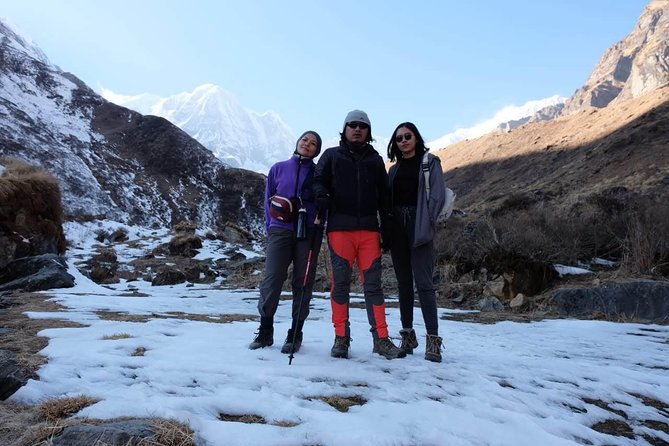
Day 3 moves into the heart of the trekking experience, and it includes two major mental milestones.
First, you’ll work toward Chhomrong. The approach is described as a steady uphill-and-downhill climb through lush woodlands and rhododendron-heavy trails from the Ghandruk area. That’s a classic Annapurna mix: gentle enough to keep going, but uneven enough to remind you that your legs are learning a new rhythm.
Second, your plan includes Poon Hill. Poon Hill is famous for viewpoints, and including it in the loop is a smart move because it gives you a high-reward lookout moment without needing a base-camp-level altitude push.
What you’ll likely feel on this day: the emotional transition from city sightseeing to mountain effort. You go from temples and streets to breathing harder, slower footsteps, and the excitement of seeing peaks you can’t quite believe are that close.
Practical drawback: this is not the day to ignore footwear fit. Uneven trail and repeated step-ups can create hot spots fast.
Day 4: Sinuwa and the 2,500-step challenge
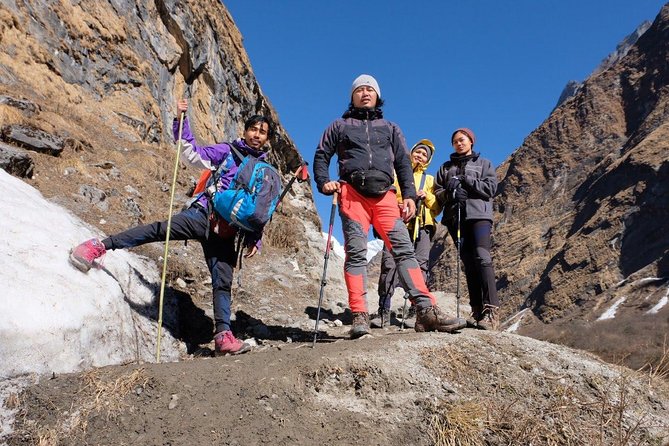
By the time you reach Sinuwa, you’ve already built some trekking legs, and Day 4 leans into the steep side of Annapurna.
You’ll cross the river and then ascend about 2,500 stone steps carved into the hillside. That’s the kind of climbing that forces good form: short steps, steady breathing, and not trying to win the day.
Sinuwa is also a taste of what tea-house trekking really feels like. You’re not in a resort; you’re moving through a working mountain valley system where simple lodging and meals keep you going.
Value for you: this kind of day is a good acclimatization bridge. You climb, you work, you sleep at altitude, and you’re ready for the bigger push ahead without jumping straight to the toughest segment.
Day 5: The climb to Annapurna Base Camp at 4,130m
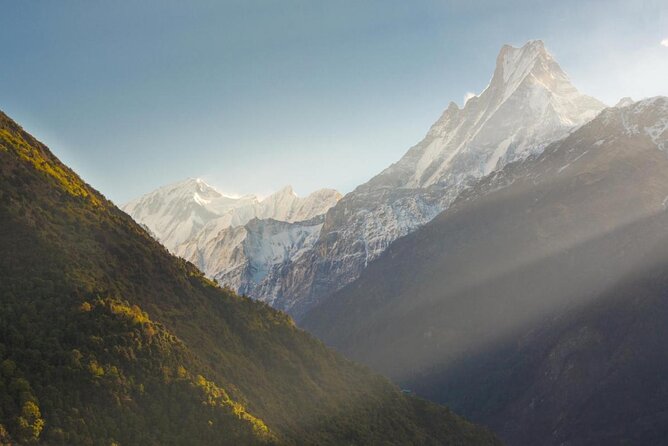
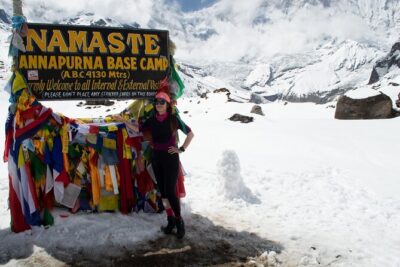
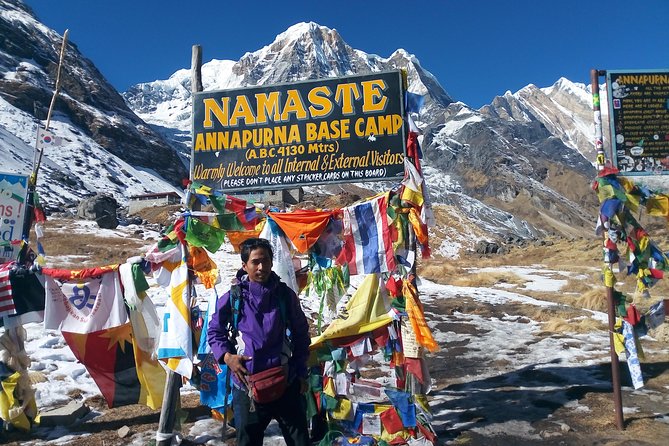
This is the headline day: Annapurna Base Camp (ABC) at 4,130m. The program includes climbing gently alongside a riverbed, then working your way over mountainside toward Bagar, with the day also linked to the Machhapuchhre Base Camp area.
Even when the trail is described as gentle, ABC is still ABC. You’ll feel the altitude shift in your breathing and in how quickly you get tired. This is the day where your mental game matters as much as your legs.
Weather reality you should plan for: at this height, it can change quickly, and the tour info explicitly flags extreme variations in conditions. That’s why the trip stresses health planning and why you should take the altitude notes seriously.
The payoff, though, is enormous: ABC is a place where Annapurna’s scale becomes real, not just something you’ve seen in photos.
One consideration: if you’re prone to altitude sickness, you may need to follow your guide’s advice closely and not treat symptoms lightly.
Day 6: Retracing to Sinuwa through bamboo and wetland-feel trails
After reaching base camp, the next move is about recovery and controlled descent. You head back toward the bamboo area, trekking through the sanctuary. The description includes a moist, wetland-like feel where the trail passes over smaller, water-rich passages.
For you, this day is useful because it’s a breather without fully turning into an easy walk. You still get mountain time, still keep blood moving, but you’re not pushing toward the highest point again.
This matters because the body after base camp needs time to reset. Good leaders manage the mental and physical drop-off so it stays safe and steady.
Day 7: Jhinu Danda return loop—stone steps, Kuldighar, and the Chhomrong cycle
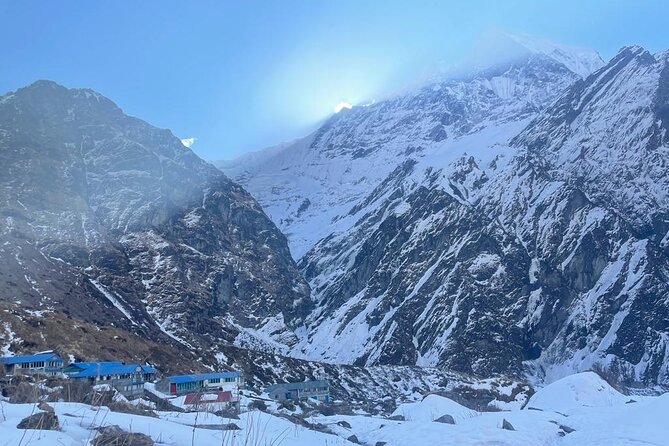
Day 7 is built around a familiar trekking loop: upward effort, then descent, then climbing steps again.
The plan includes Jhinu Danda, which is known in the area for hot-spring style relief along the trek (exact soaking details aren’t listed here, but the location itself is the point). You’ll trek uphill from bamboo toward Kuldighar, then descend back toward Chhomrong Khola, and climb the stone steps again to Chhomrong.
The emotional feel of this day: you’re closing the loop. You’re seeing the trail sections again with different eyes—less like an unknown and more like a path you’ve already survived.
Practical caution: repeated step climbing can fatigue your knees. Take breaks sooner rather than later.
Day 8: Back to Pokhara, plus Phewa Tal and Sarangkot
The trek’s final walking day brings you from Jhinu toward Nayapul, then over to Pokhara. The route passes countryside with views of the Annapurna range and rice plantations—a softer, flatter-feeling end-of-trek scene after high altitude.
Once you reach Pokhara, the fun shifts from trekking rhythm to lake time:
- Phewa Tal (the big lake)
- Sarangkot (a viewpoint stop, typically where people chase mountain sunset light)
This is a great day for photos and for doing the “I can’t believe I did that” moment. It’s also when you’ll notice how much better sleep feels when you’re no longer at altitude.
Day 9 in Kathmandu Valley: Patan Durbar Square
You return from Pokhara to Kathmandu Valley, with a stop at Patan Durbar Square in Lalitpur.
Patan is a strong choice because it’s different from Kathmandu Durbar Square—more focused in its craft and temple details. It gives you a last cultural hit before you fly.
If you’re thinking about buying handicrafts or gifts, this is the kind of day where you can do it without rushing.
Day 10: Garden of Dreams, Narayanhiti Palace Museum, and the airport run
Your final day is a gentle wrap-up:
- Garden of Dreams, a peaceful reset after busy city blocks
- Narayanhiti Palace Museum, a history-heavy stop that adds context to modern Nepal
Then your team drops you at Tribhuvan International Airport. The key here is that the trek experience ends with support, not chaos. After days in the mountains, you’ll appreciate someone handling the timing and flow.
Guides, porters, and why the support quality can make or break ABC
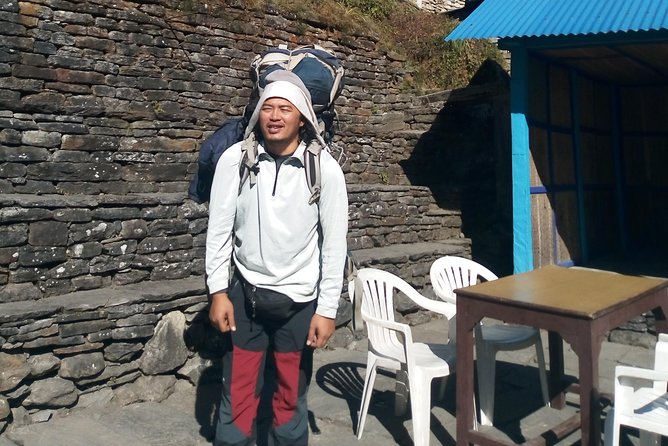
The trip’s biggest praise point is the human side. Multiple positive experiences mention guides and porter teamwork, including names like Santosh, Asok, and Raju Simkhada (Rash), with additional local support referenced through people such as Dibo and Varat.
Why this matters for you: ABC is demanding, and the trail has moments where good guidance keeps you calmer. A strong guide doesn’t just know the route. They manage pacing, watch for altitude issues, and keep you focused on safe progress.
This company also states that leaders have basic first aid training and know the closest medical facilities. That’s not a guarantee against altitude problems—but it does mean the response system is in place.
I also like that the trip is set up for groups up to 12 people and described as a private tour/activity for your group. Smaller numbers tend to make communication better, especially when conditions turn cold or visibility drops.
How hard is Annapurna Base Camp really, and how to pack smart
The big truth: you’re walking at demanding altitudes up to 4,130m with the possibility of extreme weather. The trip explicitly recommends talking with your doctor before departure, and it also requires travel insurance that covers medical expenses and emergency repatriation. You must show proof of insurance to the tour leader on the first day.
That’s a serious setup, and you should treat it like a checklist, not paperwork.
Fitness level: the tour says moderate physical fitness is expected. For you, that means you should be comfortable with multi-hour hiking days and uneven footing.
What to do in Kathmandu for gear:
- The program states that trekking gear can be bought or rented in Kathmandu
- Your guide helps arrange it
- You can leave extra luggage at the office or hotel and collect it on return
In other words: don’t carry everything from home. Bring the essentials you know you’ll use, then let your guide help you dial in the rest in Kathmandu.
Should you book this Annapurna Base Camp trek?
I think this is a strong choice if you want:
- A guided, structured ABC experience with real logistical coverage
- Tea-house trekking for 6 nights without you managing bookings yourself
- A trip that mixes culture time in Kathmandu and Pokhara with the main mountain goal
- A group size that stays small enough to feel personal
I’d hesitate if:
- You’re not ready for altitude risk and don’t plan to follow medical guidance
- You hate cold, variable weather, and long walking days
- You’d rather pay extra to control every meal and stop on your own schedule
If you’re the kind of traveler who likes clear support, steady pacing, and big mountain rewards, this one fits well.
FAQ
What altitude does Annapurna Base Camp reach on this trek?
Annapurna Base Camp in this program sits at about 4,130m (13,550 feet).
Are airport transfers included?
Yes. The tour includes transfers from and to Tribhuvan International Airport, and you need to send your Nepal arrival details so pickup can be arranged.
What meals are included, and what should I budget for in Kathmandu and Pokhara?
Dinner is included, and breakfast is included as well. Lunch and dinner in Kathmandu and Pokhara are not included and cost $150 per person.
How many nights do you stay in tea houses during the trek?
You get 6 nights of accommodation in tea houses during the trekking portion.
Do I need travel insurance?
Yes. Travel insurance that covers medical expenses and emergency repatriation is required, and proof must be shown to the tour leader on the first day.
What’s the cancellation window for a full refund?
You can cancel up to 24 hours in advance for a full refund. If you cancel less than 24 hours before the experience starts, there’s no refund.