REVIEW · KATHMANDU
Private 8 – Day Langtang Trekking
Book on Viator →Operated by Nepal Alternative Treks & Expeditions Pvt. Ltd. · Bookable on Viator
A long walk toward glacier country.
This private Langtang trek is a smart mix of forest trail time and village culture, finishing at Kyanjin Gompa, the oldest monastery in the valley. I also like that you’re not left to figure things out alone: the trekking team includes a government-authorized guide and porters, and recent feedback highlights names like Dhan, Tek, and Ritika leading groups with real care.
I like the small safety and comfort touches that make a difference on a mountain trek. You get oxygen saturation checks every day, a trekking map, a duffle bag, and a completion certificate, plus the practical stuff like lodge accommodation and daily meals on the trek.
One thing to keep in mind: this is still a real trek. You’ll be walking mostly on foot in changing weather, and the route needs good weather to deliver the views (and keep everything comfortable).
In This Review
- Key highlights that make this Langtang trip worth your time
- A Private Langtang Trek That Feels Less Like a Product
- Day 1: The Kathmandu to Syabrubensi Drive That Gets You in Trek Mode
- Day 2: Lama Hotel and Bamboo Through Langtang National Park Forests
- Day 3: From Lama Hotel to Langtang Village—Where the Valley Starts to Feel Human
- Day 4: Kyanjin Gompa Day—Shorter Walking, Steeper Meaning
- Day 5: Kyanjin Village and the Kyanjin Ri Climb (4884 m)
- Day 6: Returning Toward Lama Hotel—Rhododendron Forest on the Down-Route
- Day 7: Syabrubensi Again—Dense Forests and That Last-Day Letdown
- Day 8: The Long Return to Kathmandu After Breakfast
- What’s Included (And Why It Matters on a Mountain Trek)
- Price and Value at $584.22: What You’re Really Getting
- Who This Trek Fits Best (And What to Consider Before Booking)
- Should You Book This Private 8-Day Langtang Trek?
- FAQ
- Where does the trek start and end?
- What time does the tour start?
- Is this a private tour?
- How long is the trek?
- What meals are included on the trek?
- Are permits and Langtang National Park fees included?
- Is a guide and porter provided?
- Do I get checked for altitude?
- What type of lodging is included?
- Is free cancellation available?
Key highlights that make this Langtang trip worth your time
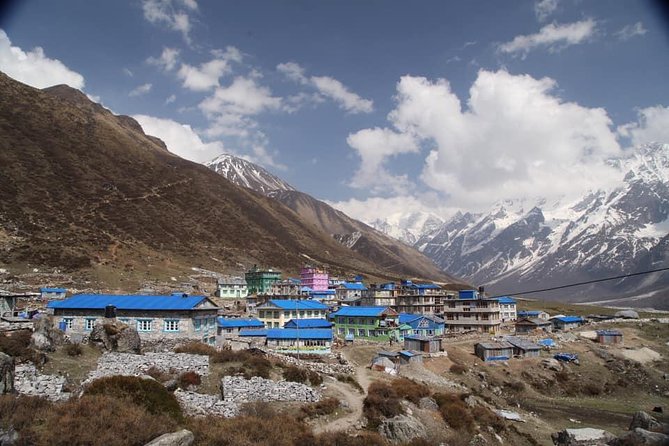
- Kyanjin Gompa finale: the oldest monastery in the valley, reached after a mix of villages and prayer-flag climbs
- Daily oxygen saturation check: a simple metric that helps your team monitor how your body is handling altitude
- Forest-heavy trekking: dense subtropical woods early on, then rhododendron forest on the way back down
- Cultural stops with Tamang and Tibetan heritage: stone-walled villages, prayer flags, and monastery life in action
- Strong team support: repeated praise for guides and porters (from Dhan and Tek to Ajay and Ram) and for professional communication
- Value-packed inclusions: permits, Langtang National Park fees, meals on the trail, and emergency rescue evacuation assistance
A Private Langtang Trek That Feels Less Like a Product
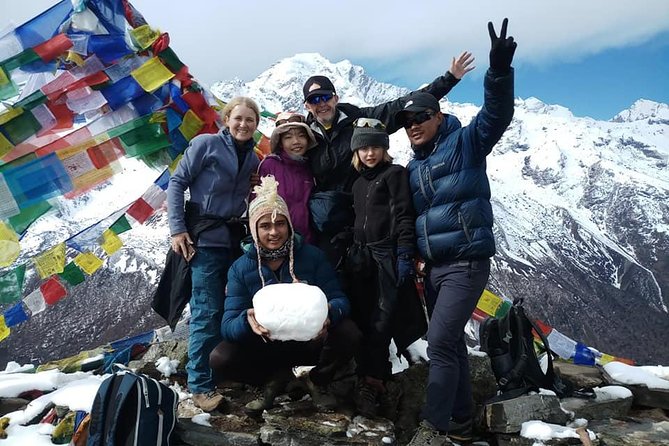
Langtang is the kind of destination that rewards slower attention. This trek runs as a private experience, so your group controls the pace instead of getting herded. And the itinerary keeps you in the Langtang Valley rhythm: forests, villages, then a monastery finish at Kyanjin Gompa.
The other thing I appreciate is how the service model supports real trekking. You’re assigned one government-authorized guide plus porters, and their expenses are covered. That matters because porters change the whole feel of the hike—less stress, more consistency, and better ability to enjoy the walk.
A lot of the praise you’ll see centers on communication and care. The operator’s name that comes up often is Tej, and guides such as Dhan, Amar, Tek, Kumar, Jangbu, Saroj, and Laxman show up in feedback tied to good English and day-to-day attention.
You can also read our reviews of more tours and experiences in Kathmandu.
Day 1: The Kathmandu to Syabrubensi Drive That Gets You in Trek Mode
Your trip starts early—7:15 am—with pickup offered and a meeting point near public transportation. Day 1 is mostly road time, about 6 hours, heading out from Kathmandu toward Syafru bensi.
That drive is more than logistics. It’s your first exposure to the hills-and-forest feel of the region, which helps you mentally shift from city mode to mountain mode. When you finally step into the trail days ahead, it doesn’t feel like you woke up and suddenly got altitude thrown at you.
There’s also an included admission ticket listed for this day. The specific stop isn’t spelled out in the details you have, but the important bit for you is this: your first day isn’t just a bare transfer. It’s part of the organized flow.
Day 2: Lama Hotel and Bamboo Through Langtang National Park Forests
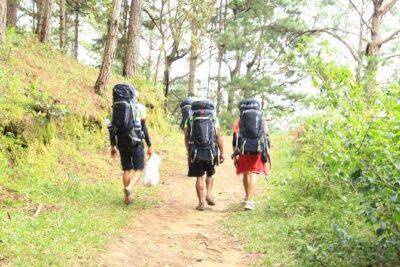
After breakfast, you start trekking toward Lama Hotel. This is the first big “walk-and-breathe” day at around 5 hours, and it’s heavily subtropical forest.
This is where Langtang can surprise first-timers. Instead of immediately going for dramatic peaks, you get hours of living green—trees, shade, and that steady rhythm where time passes on your own terms. The trail to Bamboo is a popular stop for trekkers, and it’s also a useful pacing checkpoint. If your legs are fresh, you’ll feel good. If not, you still have an easy way to reset without losing the day.
You’ll also notice the park presence early. The day is tied to Langtang National Park, and the park fee is included as part of your overall trek permits.
Day 3: From Lama Hotel to Langtang Village—Where the Valley Starts to Feel Human
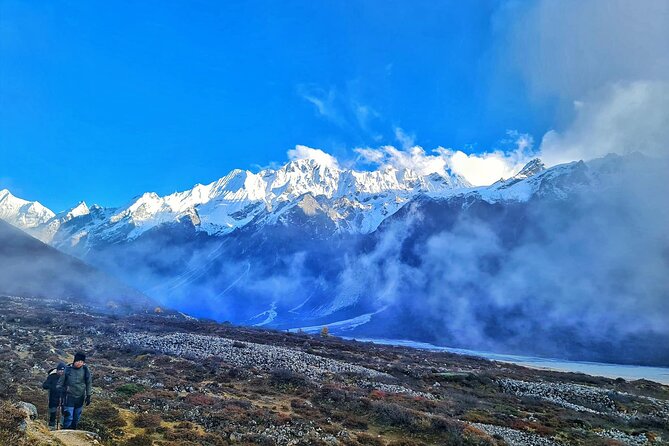
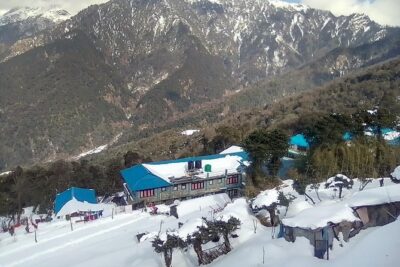
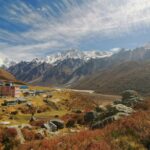
Today’s trek runs about 5 hours to Langtang village. The route starts slightly steep and then gradually gets tougher, moving from dense forests into a more settled valley atmosphere.
I love days like this because they’re a bridge between “nature trekking” and “cultural trekking.” You’re still working your legs, but you’re no longer just passing through trees. You start seeing that Langtang is a real home for people—especially with Tamang and ancient Tibetan ethnic settlements in the mix.
If you’re the type who likes to understand what you’re walking through, this is the day to slow down during breaks. Look at how communities are arranged, notice prayer-flag textures, and notice how the trail threads through everyday life rather than only around monuments.
Day 4: Kyanjin Gompa Day—Shorter Walking, Steeper Meaning
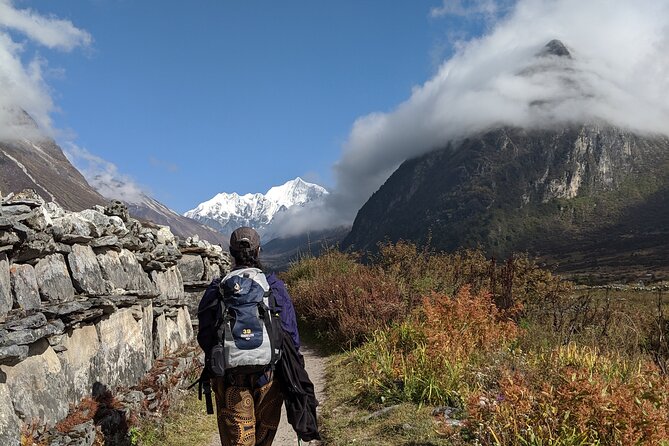
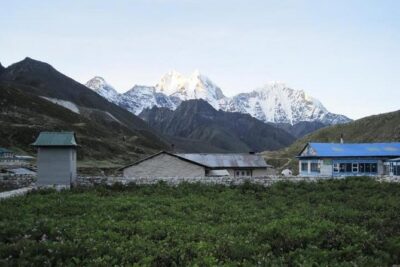
Day 4 is about 3 hours of trekking to Kyanjin after breakfast in Langtang village. This is one of the shorter walking days on the schedule, which is a good thing. It gives you energy to pay attention.
You’ll trek through a small village with stone walls and prayer flags as you ascend. These details matter because they’re not stage props. They’re how you read the valley—daily religious practice showing up in the architecture and trail-side views.
And then there’s the payoff: you’re headed toward Kyanjin Gompa, described as the oldest monastery in the valley. Even if you don’t fully process it on day 4, you’ll feel it building, like the trek is turning a corner from scenery into spirit.
Day 5: Kyanjin Village and the Kyanjin Ri Climb (4884 m)
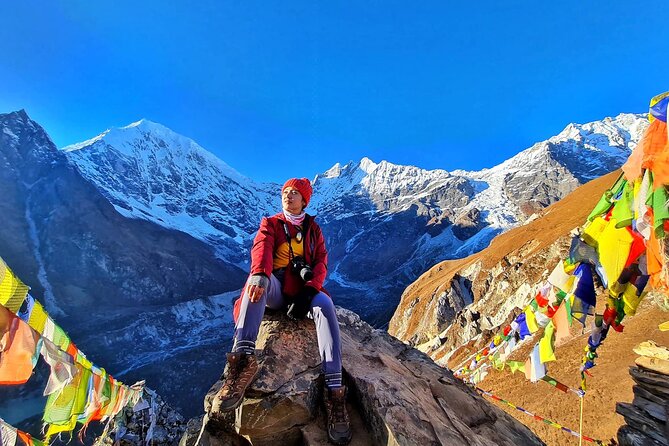
This is your full exploration day in the Kyanjin area, with about 4 hours of hiking time built in for the viewpoints. You can explore Kyanjin village and visit Kyanjin Gompa, then hike up toward Kyanjin Ri (4884 m) for valley views.
This is the kind of day that rewards smart effort. The best plan is to go steady, breathe, and avoid treating the climb like a sprint. At these elevations, your body will negotiate with you. Your guide’s job is to manage pacing, and the oxygen saturation checks being done daily (included) helps the team stay alert to how you’re handling altitude.
If your group wants extra perspective beyond Kyanjin Ri, it’s worth asking your guide what’s realistic for your timeframe and conditions. In recent feedback, people have mentioned successful extra ridge attempts such as Tserku Ri, which suggests the team can sometimes support additional viewpoints when conditions allow. Just don’t force it if your day needs to breathe.
Day 6: Returning Toward Lama Hotel—Rhododendron Forest on the Down-Route
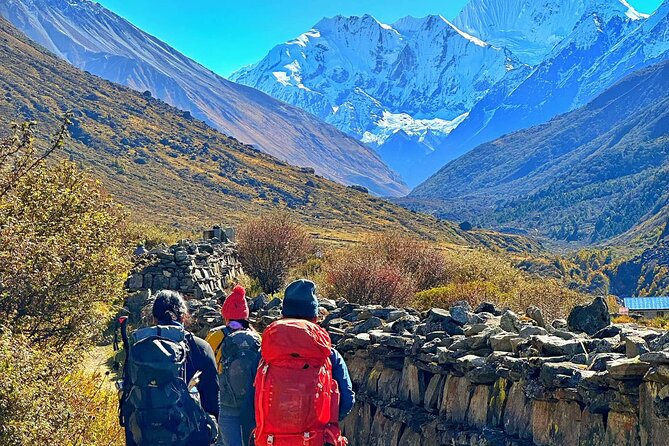
After breakfast, you retrace the same general route back toward Lama Hotel. The trek time is about 6 hours, and it’s described as easier than earlier days.
That “easier” label is relative. You’re still walking downhill and through forest trail, and your knees will still vote in the group meeting. But the route shift is nice: you descend through rhododendron forest, which gives the day a different feel from the earlier subtropical woods.
Down days are also your mental reset. You can spend more time watching the details on the trail—tree shapes, small side paths, and the way weather light hits the valley when you’re not constantly fighting the climb.
Day 7: Syabrubensi Again—Dense Forests and That Last-Day Letdown
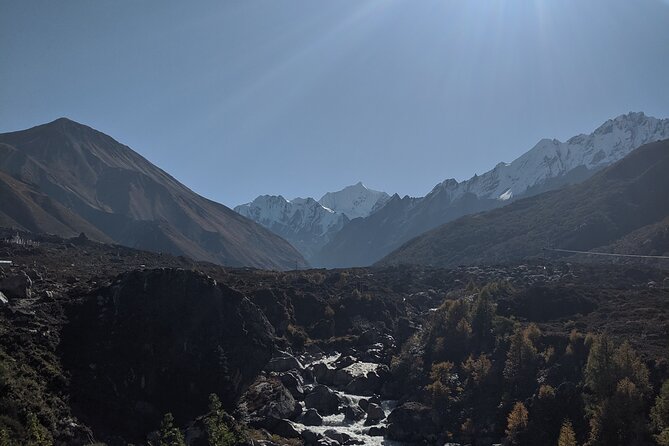
Day 7 takes you back down toward Syabrubensi for about 5 hours. It’s a descent day, moving through dense forests with views that feel more immediate than on the upward route because you’re traveling faster and noticing more of the valley floor.
This is often the hardest “easy day” emotionally. You’re not struggling as much physically as you did on the climb days, but you’re close to the end. I recommend using this day to be present: stop at viewpoints when the light is right, and don’t rush just because it’s the final trek leg.
Day 8: The Long Return to Kathmandu After Breakfast
Your last day is about 6 hours of driving back to Kathmandu after breakfast. The route is described as going back along the Pashang Lhamu Highway, passing terraced fields and small settlements, and then along the Trisuli Highway corridor.
The drive can feel like the trek is still rolling, especially when you’re watching rural life change through the windows. You started with green hills near Kathmandu; now you’re coming back through working farmland and settlement patterns that help you understand what mountain valleys really run on.
The activity ends back at the meeting point, so you’re not left guessing where to go next.
What’s Included (And Why It Matters on a Mountain Trek)
This is not just a “guide + a trail” package. The inclusions are set up to reduce friction, and that’s the real value.
You get:
- Langtang National Park fee and necessary permits (TIMS)
- One government-authorized guide and porters, with their expenses covered
- Lodge accommodation during the trek
- Daily meals on the trail: 7 breakfasts, 8 lunches, 7 dinners
- An included trekking map, a duffle bag, and a trekking completion certificate
- Oxygen saturation check everyday
- Assistance for emergency rescue evacuation
- Public liability insurance, plus government tax and service charge
- A mobile ticket
For you, the practical effect is this: you can focus on the walk. You’re not managing paperwork, or hunting meals after a long day, or wondering whether your team has a basic system for monitoring altitude.
Price and Value at $584.22: What You’re Really Getting
At $584.22 per person for a private 8-day trekking experience, this sits in a mid-range zone for Nepal private treks. The key question is: does it come with the things that actually cost time and money for independent planning?
Here, the value is in the combined package:
- guide and porter support (with porter labor included, not just a name)
- lodge stays during the trek
- park fees and TIMS permits handled
- most of your food handled on the trail (breakfast/lunch/dinner counts)
- day-to-day altitude monitoring through oxygen saturation checks
- basic gear support like a trekking map and duffle bag
If you tried to stitch this together yourself—guides, permits, and porter logistics—you’d likely spend time and stress, even if the math sometimes looks tempting. The best way to think about it is not just cost per day, but cost per avoided hassle. For many people, that’s where the value lives.
Who This Trek Fits Best (And What to Consider Before Booking)
This is a good choice if you:
- want a private trekking experience from Kathmandu with real team support
- like a mix of forests, valley villages, and monastery culture
- prefer a route that’s not only about altitude big days, but also about daily rhythm
- want the trek’s core logistics handled: permits, meals, and lodge stays
The pace feels doable for most people because the route is structured by daily walking blocks and includes oxygen saturation checks. Still, don’t treat it as an easy stroll. You’ll be walking multiple days in elevation terrain, and weather matters.
If you’re prone to altitude issues, plan on taking extra time on breaks and listening closely to your guide. If you’re short on time or want a lighter hike, you might want to compare against shorter Langtang options—because this one gives you the full Kyanjin experience, including Kyanjin Ri.
Should You Book This Private 8-Day Langtang Trek?
If you want Langtang Valley without running the logistics yourself, I’d book it. The strongest reasons are practical: private group comfort, permits and park fees handled, most meals covered, and the daily oxygen saturation checks. Add in the Kyanjin Gompa ending, and you get a trek that feels like more than just another route on a map.
I’d hesitate only if you’re very uncertain about altitude, or if you know you’re sensitive to weather-driven schedule shifts. This trek requires good conditions to deliver the best experience, and you’ll feel the altitude on viewpoint time like Kyanjin Ri.
FAQ
Where does the trek start and end?
The trek starts at Nepal Alternative Treks & Expeditions (Post Box No: 8169, House, Raniban Marg 136/205, Nagarjun, Kathmandu) and ends back at the same meeting point.
What time does the tour start?
Start time is 7:15 am.
Is this a private tour?
Yes. It’s a private tour/activity, so only your group participates.
How long is the trek?
It’s listed as 8 days (approx.).
What meals are included on the trek?
Dinner (7), breakfast (7), and lunch (8) are included during the trekking days.
Are permits and Langtang National Park fees included?
Yes. Langtang National Park fees and necessary permits (TIMS) are included.
Is a guide and porter provided?
Yes. The package includes one government-authorized trekking guide and porters, and their expenses are covered.
Do I get checked for altitude?
Yes. There is an oxygen saturation check every day.
What type of lodging is included?
Lodge accommodation during the trek is included.
Is free cancellation available?
Yes. You can cancel up to 24 hours in advance for a full refund.
If you want, tell me your fitness level and your travel month, and I’ll suggest a realistic pacing plan for Kyanjin Ri and what to pack for cold mornings and wet forest days.