REVIEW · KATHMANDU
2 Days Ghorepani Poonhill Trek from Pokhara
Book on Viator →Operated by Happy Mountain Nepal · Bookable on Viator
Two days, one unforgettable sunrise. This short Annapurna trek is built around the Poon Hill sunrise panorama and a smooth, well-run pace thanks to a professional English-speaking guide. The main thing to plan for is effort: you’ll handle an early start and about a 1-hour uphill hike to the viewpoint.
If you’re short on time but still want real mountain scenery, this is a smart fit. You get a proper taste of the Annapurna region—tea-house trekking, village paths, and classic Himalayan sightlines—without signing up for a week-long commitment.
In This Review
- Key highlights at a glance
- Why the Ghorepani Poonhill trek fits into two days
- Pokhara to Banthanti: the 3.5–4 hour 4WD transfer that sets the tone
- Day 1: arriving in Ghorepani and settling into tea-house trekking
- Day 2: the Poon Hill sunrise hike, plus the views you actually came for
- What the guide adds (and why Santosh’s name shows up)
- Permits, taxes, and meals: the value math behind $220
- Group size, privacy, and how that affects your trekking experience
- Where the scenery comes from: forests, villages, and classic Annapurna routes
- Who should book this trek (and who might want a longer itinerary)
- Quick planning tips so day 1 feels easier and day 2 feels fun
- Should you book the 2 Days Ghorepani Poonhill Trek?
- FAQ
- What time does the tour start?
- How long is the trek?
- Where does the trek start from?
- Is transportation included?
- How long is the drive from Pokhara to Banthanti?
- Is a guide included?
- Are permits included?
- What meals are included?
- What is the hardest part of the trek?
- Can I cancel for a full refund?
Key highlights at a glance
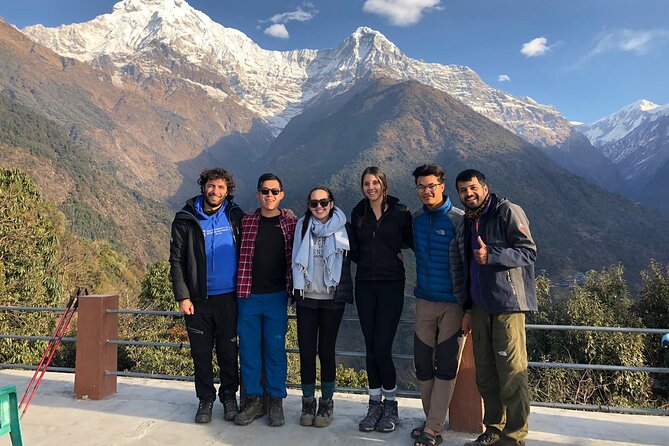
- Poon Hill sunrise: the early-morning hike to the viewpoint is the star of the show
- Professional English guide: strong on-the-ground info and clear guidance keeps things easy
- Pokhara-to-trek 4WD transfer: you spend less time figuring out logistics
- Permits included: ACAP and TIMS paperwork is handled for you
- Meals and guide service: breakfast, lunch, dinner, plus a guide, are part of the package
- Private group option: only your group participates
Why the Ghorepani Poonhill trek fits into two days
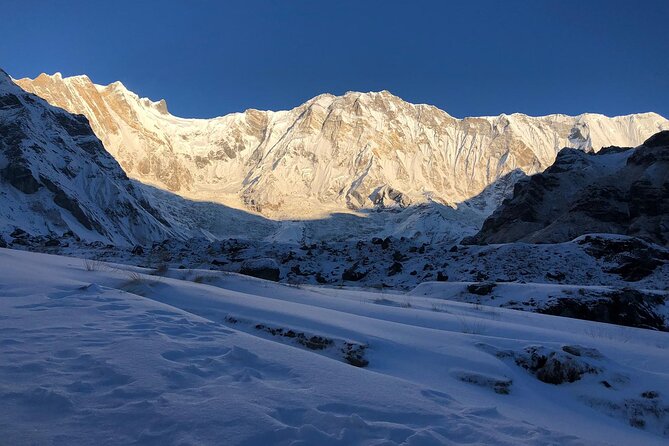
The Ghorepani Poonhill Trek is one of Nepal’s classic “short trek, big views” setups. You’re not spending days and days grinding out distance. You’re spending early hours chasing light on snow-capped peaks, then living the slow rhythm of tea houses and village paths.
What makes it especially workable is that the trek is positioned for beginners and limited-time schedules. The walking is paced to be manageable, while still feeling like a real trek instead of a quick photo stop. In the Annapurna region, timing matters: sunrise at Poon Hill is when the mountains often look their clearest, and that’s the whole point of the early wake-up.
My practical advice: if you’re the type who likes a plan you can understand, this works well. You know when the day starts, what you’re walking toward, and how the route pays you back with panoramic views.
You can also read our reviews of more tours and experiences in Kathmandu.
Pokhara to Banthanti: the 3.5–4 hour 4WD transfer that sets the tone
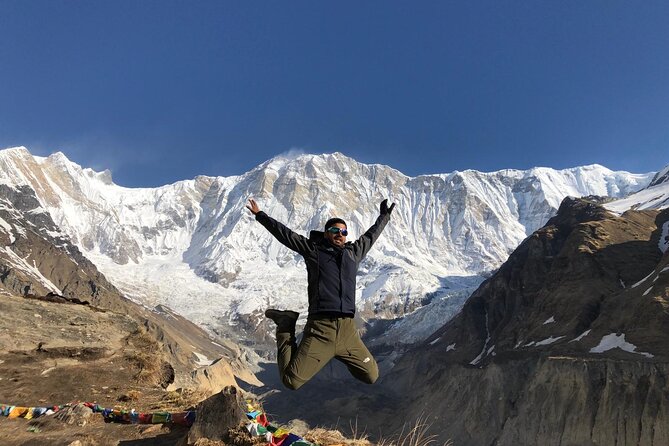
Your day starts in Pokhara. After breakfast, you’re picked up from your hotel, then you head out by scenic 4WD. The drive to Banthanti takes roughly 3.5–4 hours, and it’s not just travel—it’s part of the experience.
Why this matters for value: it removes the biggest headache most first-timers face in Nepal. You don’t have to arrange a connection, bargain over vehicles, or worry about whether you’re starting from the right place. The tour includes both-way transportation from Pokhara to Banthanti and back again, so your brain can stay on trekking.
One consideration: that long drive means you should travel with comfort in mind. Bring what you need for a bumpy road day—because your legs will be doing their own work later. If you’re sensitive to early starts or long transfers, this is the moment that tests patience.
Day 1: arriving in Ghorepani and settling into tea-house trekking
Day 1 is all about getting into trekking mode and reaching Ghorepani. You’ll leave Banthanti and start walking with your guide toward Ghorepani, then end the day at the trek settlement where the next morning’s sunrise hike begins.
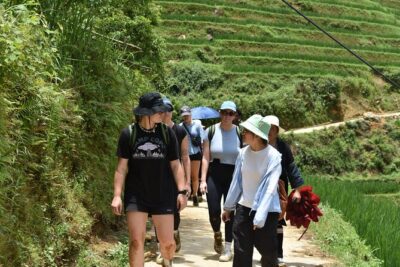
This part of the trek is important because it balances effort and payoff. You’re not jumping straight into the steepest part right away. Instead, you ease into altitude and trail time while passing through the kinds of scenery that make the Annapurna region famous: village life, terraced hillsides, and lush forest sections along the way.
It’s also where your logistics get handled for you. The package includes dinner and breakfast during the trek, which means you’re not hunting for meals after a long day of walking. Add the fact that your guide is there to keep everything organized, and Day 1 becomes the “get settled” chapter instead of an exhausting scramble.
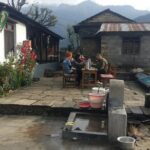
A small reality check: tea-house trekking can feel simpler than “hotel trekking,” so expect basic rooms and communal rhythms. That’s part of why it feels authentic.
Day 2: the Poon Hill sunrise hike, plus the views you actually came for
Day 2 starts early for sunrise from Poon Hill. The hike begins from the tea-house area and takes about 1 hour uphill to reach the viewpoint. That climb is short, but it’s uphill, so bring steady pacing and don’t treat it like a race.
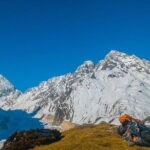
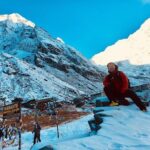
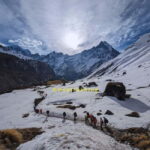
Then comes the payoff. From Poon Hill, you can see wide Himalayan panoramas—peaks across the Annapurna range, the Dhaulagiri range, and even views that include Manaslu, along with other mountain scenery depending on conditions. It’s the kind of viewpoint that gives you context fast: you stop thinking about the trek as separate stages and start seeing how everything connects across the region.
Practical tip from a pacing mindset: treat the climb as warm-up, not cardio. Once you’re at the viewpoint, take your time. Sunrise can be a little slow to build, and being rushed makes you miss the best light.
After the viewpoint, you return from the trek to Pokhara via included 4WD transport. This is one of the best parts of booking a package like this: you don’t have to plan the end-of-trek scramble.
What the guide adds (and why Santosh’s name shows up)
This trek is only two days, so the guide’s role matters a lot. A good guide does more than point the route. They keep the day organized, manage timing, and help you interpret what you’re seeing.
In the feedback this experience has received, a guide named Santosh is specifically praised for being brilliant and very knowledgeable about mountains and the area. People also mention the trip felt organized and smooth, with guidance that reduced stress.
Even if you don’t meet your guide early on by name, the key point is the service style: the trek includes a professional English-speaking trek guide, plus permits that you’re expected to carry through Nepal’s regulated trekking zones.
My take: for short treks, a strong guide is worth it. You’re paying to protect your time and lower your uncertainty. When the whole trip is only 2 days, that’s not an optional luxury.
Permits, taxes, and meals: the value math behind $220
Let’s talk about the price in the way that actually matters: what’s included versus what you’d likely spend on your own.
At $220 per person, this trek package covers:
- Dinner, lunch, and breakfast during the trek days
- A professional English-speaking guide
- ACAP (Annapurna Conservation Area Project) permit and TIMS permit
- Both-way 4WD transport between Pokhara and Banthanti
- All taxes and service charges
That’s a lot of the “small costs” that quietly add up when you plan independently—permits, transport coordination, and meals at the right times.
What’s not included:
- Personal expenses
- Hard and soft drinks during the trek
- Tip/gratitude
So here’s the honest way to look at it: if you’d rather spend your effort on the trail than on admin, this price can feel fair. If you’re the type who likes booking everything separately and you already know the permit process and transportation options, the value shifts. But for a first short trek, the included logistics are often what makes the whole plan feel easy.
Also note the “group discount” feature. If you’re booking with others, you may get better value than traveling completely solo.
Group size, privacy, and how that affects your trekking experience
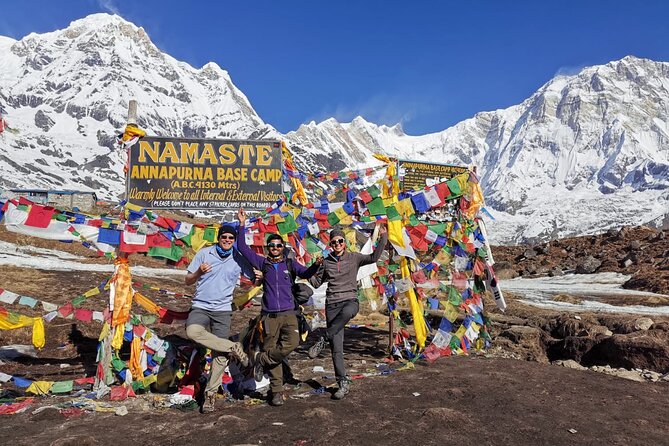
This is set up as a private tour/activity, meaning only your group participates. That tends to matter more than people expect on short trekking itineraries.
With a private group, you’re less likely to feel stuck waiting for random pacing differences. You’re also better able to keep your day aligned with sunrise timing. With just your group, your guide can adjust pace and explanations without having to manage multiple clusters.
The other factor is “moderate physical fitness level” being recommended. That’s your cue that this isn’t a couch-to-trail fantasy. You don’t need mountain-training levels, but you do need to be comfortable walking uphill and being outdoors early in the morning.
Where the scenery comes from: forests, villages, and classic Annapurna routes
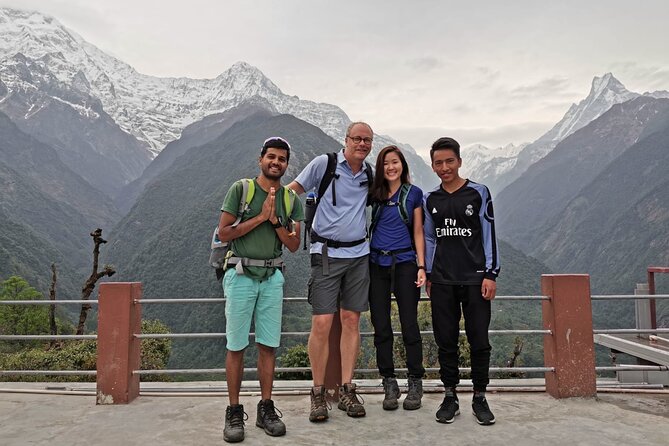
This trek’s appeal is more than a single viewpoint. Even on a short timetable, the path typically includes the ingredients that make the Annapurna region memorable.
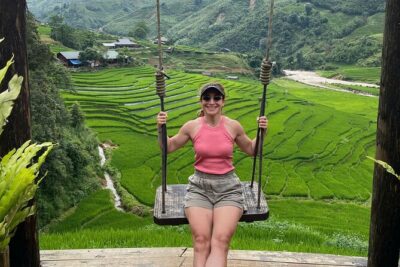
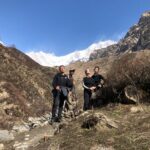
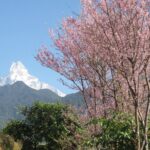
You’ll spend time trekking through areas that are known for rhododendron forests and village life—places with Gurung and Magar communities, plus terraced hillsides and local trails. It’s the blend that makes Poon Hill more satisfying: you don’t just arrive at a mountain photo. You feel like you traveled through the region that created the view.
If you like authenticity, this style of trekking matters. Tea houses and village steps are where the experience becomes real, not just scenic.
One practical consideration: forest and valley conditions change with season. That can affect how clear the sunrise viewpoints are. If the weather doesn’t fully cooperate, the trek still gives you trail time and village atmosphere.
Who should book this trek (and who might want a longer itinerary)
This is a good match if:
- You want a beginner-friendly introduction to Annapurna trekking
- You only have around 2 days and still want big Himalayan views
- You prefer a guided plan with transport, permits, and meals taken care of
You might consider a longer itinerary instead if:
- You want more gradual walking days and less intense early timing
- You’re aiming for deeper culture and more varied trekking stages beyond the classic Poon Hill structure
Think of this trek like a concentrated sample. It won’t replace a week-long Annapurna loop, but it can be the perfect first chapter—or a quick return ticket if Nepal is already in your travel plans.
Quick planning tips so day 1 feels easier and day 2 feels fun
The itinerary is short, so your comfort decisions matter.
Plan for:
- Early mornings: sunrise hikes require you to be ready before you’re fully awake
- Uphill effort: that 1-hour climb to Poon Hill is the main physical challenge
- Comfort during the drive: you’ll sit for about 3.5–4 hours by 4WD before walking begins
- Cash and small extras: personal expenses and drinks are not included
And one more: go in expecting basics. Tea-house trekking is meant to be simple. If you treat it like a trail adventure rather than a hotel experience, you’ll enjoy it more.
Should you book the 2 Days Ghorepani Poonhill Trek?
I’d say yes if you want the classic Annapurna sunrise experience with the hard parts handled—permits, guide, meals, and transportation—and you’re okay with a short, uphill-focused schedule.
Book this trek if:
- You value ease and organization on a tight timeline
- You’re happy with a guided plan that starts with pickup in Pokhara and ends with return transport
- You want to see multiple mountain ranges from Poon Hill without a multi-day commitment
Skip it (or choose a longer trek) if:
- You’d rather avoid early starts and uphill climbs entirely
- You want to spend more days gradually moving through the Annapurna region rather than compressing it into 2 days
FAQ
What time does the tour start?
The start time is 7:45 am.
How long is the trek?
It’s approximately 2 days.
Where does the trek start from?
It starts with pickup from your hotel in Pokhara, then you travel to Banthanti by 4WD.
Is transportation included?
Yes. Both-way 4WD transportation from Pokhara to Banthanti and back to Pokhara is included.
How long is the drive from Pokhara to Banthanti?
The drive takes about 3.5 to 4 hours.
Is a guide included?
Yes. You get a professional English-speaking trek guide.
Are permits included?
Yes. The ACAP permit and TIMS permit are included.
What meals are included?
Dinner, lunch, and breakfast are included.
What is the hardest part of the trek?
The main uphill effort is the hike to Poon Hill for sunrise, which takes about 1 hour uphill.
Can I cancel for a full refund?
Yes. You can cancel up to 24 hours in advance for a full refund. If you cancel less than 24 hours before the start time, the amount paid is not refunded.