REVIEW · SAPA
Mountain views and villages trek – 1 Day
Book on Viator →Operated by Trekking Tour Sapa · Bookable on Viator
Sapa in one day: that’s the pitch, and it works. This private trek packs Fansipan viewpoints, Muong Hoa rice terraces, and a close look at Black Hmong village life into about 5.5 hours. I love how the walking is short but scenic, and I also love the cultural focus—Hmong marriage, farming, and house-building lessons come with real-world context. The one drawback to plan for: you’ll want solid moderate fitness for the uphill trail and mountain footing, especially if you’re not used to hiking steps.
A big practical plus is that lunch is included, so you don’t have to calculate food logistics mid-trek. The tour is capped at just two people, so you’ll get a more personal pace with your guide (people highlight guides like Zhu for English and warmth). If you’re hoping for a fully level stroll with zero effort, this isn’t that kind of day.
In This Review
- Key highlights worth planning around
- Fansipan viewpoints in just 5.5 hours
- Where you start: Sapa Church and a 9:00 am kickoff
- Hau Thao climb: the short hike that pays off
- Ham Da Black Hmong village: marriage, farming, and homes
- Giang Ta Chai stop: a second chance to look closer
- Lunch that removes the stress (and what you’ll still pay for)
- Price and logistics: is $45 actually good value?
- Fitness, footwear, and the weather reality in Sapa
- What you walk away with (beyond photos)
- Should you book this Sapa mountain views and villages trek?
- FAQ
- How long is the Mountain views and villages trek?
- What time does the tour start, and where do we meet?
- Is pickup available?
- Is lunch included?
- Do I need to bring my own drinks?
- What happens if weather is poor?
Key highlights worth planning around
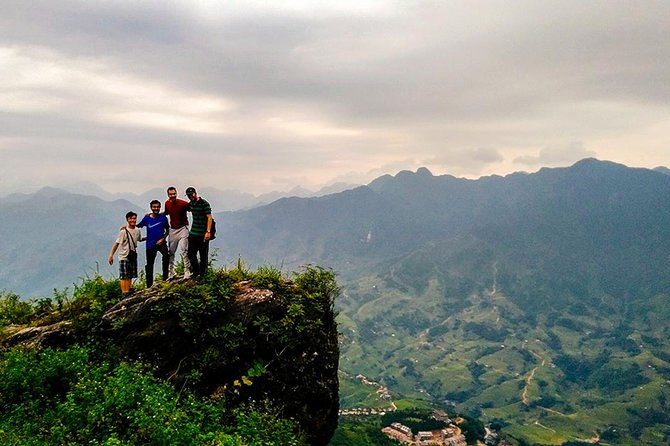
- A quick uphill pull: around 1 km to viewpoint stairs/trail near Hau Thao
- Fansipan and Sapa Town in one sightline: big mountain drama without a multi-day climb
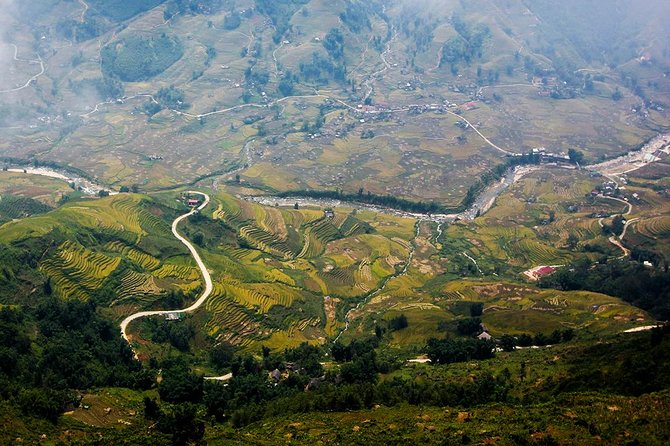
- Muong Hoa Valley rice terraces: famous farmland views timed with the hike
- Ham Da Black Hmong visit: learn wedding traditions, farming methods, and house-building
- Vegetarian lunch included: food handled, with drinks at extra cost
- Private max of 2: easier questions, slower moments, fewer crowd interruptions
Fansipan viewpoints in just 5.5 hours
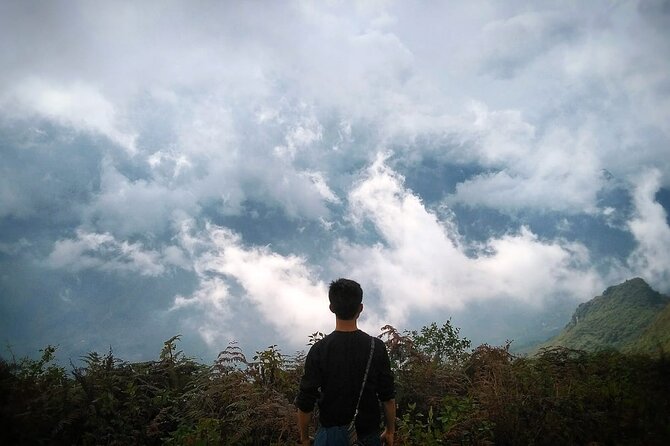
You’re doing a lot of Sapa in one day, but the route is built around two simple ideas: get the best big views early enough to enjoy them, then spend the rest of the time on village learning and quiet moments. You’ll start in Sapa, work your way uphill for the panoramic look, then shift to village time where you’ll hear how people live and work on these slopes.
What makes this tour feel efficient (and not rushed in a stressful way) is that the walking segment is short, and the “main event” is the viewpoint plus the Ham Da cultural stop. That’s a smart match for people with limited time in northern Vietnam but still want more than just a bus-and-picture day.
Where you start: Sapa Church and a 9:00 am kickoff
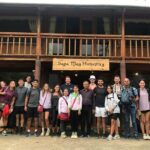
Your day begins at Sapa Church (P. Hàm Rồng) with a 9:00 am start. Pickup is also offered, so if you’re staying around central Sapa, you can usually skip the hassle of getting to the church area yourself.
Why this start time matters: Sapa mornings tend to be when the views have the best chance of clarity. If clouds roll in, you’ll at least have an early shot. Your guide meets you, gives a quick intro, and then you move into the hike phase with that “let’s get you oriented fast” energy.
This also means you’re done in time for the rest of your day—dinner plans, a hot shower, and maybe a low-stakes wander through Sapa town.
Hau Thao climb: the short hike that pays off
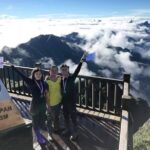
The hike phase centers on Hau Thao. After meeting your guide, you take about 1 km uphill on a smaller trail to a viewpoint area. It’s not a long trek, but it does involve elevation gain, which is why the tour asks for moderate fitness.
From the viewpoint, you’re looking for three things:
- Fansipan (3,143 m), which is the highest mountain in Asia
- Sapa town spread below so you get a sense of where you’re actually staying
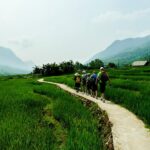
- Muong Hoa Valley rice terraces, which are famous in Vietnam and look especially dramatic from above
You’ll also be able to see the biggest river and valley in the Sapa region. That combination is what makes the climb worth it: it’s not just one angle, it’s a layered view of mountain, settlement, and farming.
A small but important consideration: if you’re not used to uneven mountain paths, take it steady. Reviews point out this is for people with solid fitness levels and accustomed to hiking—so don’t treat it like a casual walk on flat ground.
Ham Da Black Hmong village: marriage, farming, and homes
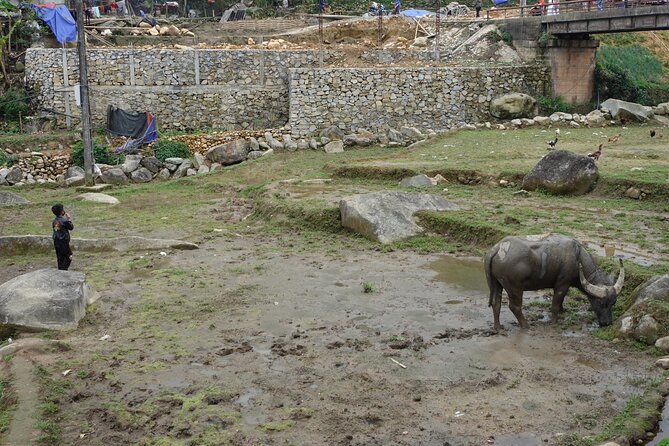
After the viewpoint, you’ll head down toward Ham Da, a village of the Black Hmong ethnic minority. This is the cultural core of the day.
You’re not just looking at houses from the outside. The point here is conversation: you’ll learn about Hmong marriage traditions, how farming works in this terrain, and how houses are built. You’ll also see farm animals as part of daily life, which helps connect the “how they live” lesson to what you can visually understand.
Why this is valuable: Sapa can become a blur of “see the view, take the photo, move on.” Ham Da slows you down just enough to understand the logic of the place—why farming looks the way it does on slopes, and how community traditions shape life beyond the rice terraces.
This part is also where a good guide makes a noticeable difference. One guide name that comes up is Zhu, praised for speaking well English and being sympathetic. If language matters to you (it usually does for cultural learning), that’s a strong signal to look for a guide who can translate details without flattening them.
Giang Ta Chai stop: a second chance to look closer
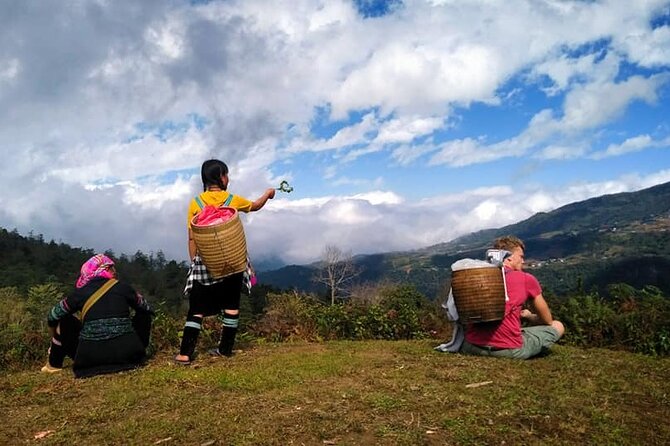
Your route continues beyond Ham Da to areas including Giang Ta Chai before returning to Sapa. The day is designed to give you more than a single village “snapshot,” which is helpful if you want to compare what you see in different spots around the valley.
Because the core educational content is explicitly tied to the Ham Da Black Hmong visit, the Giang Ta Chai portion is more about adding extra village context and time to absorb what’s around you rather than delivering one specific new lesson topic.
In plain terms: it’s the “keep noticing” part of the itinerary. You’ll likely have more chances to ask questions, look at how paths and homes fit into the mountain terrain, and adjust your pace based on how your legs feel.
Lunch that removes the stress (and what you’ll still pay for)
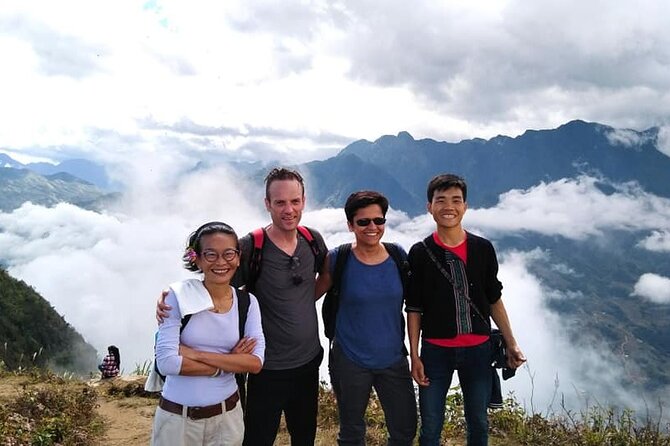
Lunch is included, and it’s vegetarian. That’s a relief in Sapa, where food options are plentiful but planning can get annoying when your day already involves hiking and village stops.
The trade-off to know upfront: while lunch is covered, drinks are not. The tour notes that drinks aren’t included in the restaurant and at the homestay/lodge context (if drinks are offered there). It also includes one small bottle of water, but if you’re the type who wants extra water during breaks, you’ll probably want to budget a bit for that.
Practical advice: eat a normal breakfast before you go. Even though the hike isn’t long, you’ll feel it if you start the day hungry.
Price and logistics: is $45 actually good value?
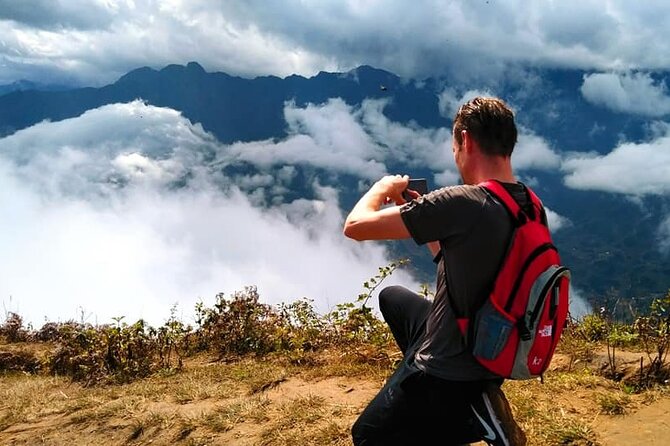
At $45 per person, this is priced like a focused private day rather than a cheap group shuttle. The value comes from a few specific things you’re getting at once:
- A private tour (max 2 travelers) with a local guide
- Transport back to Sapa included
- Village entry fees included
- Lunch included (vegetarian)
- A guided viewpoint hike tied to major Sapa sights (Fansipan and Muong Hoa)
If you tried to DIY this on your own, you’d spend time lining up transport, negotiating entry costs, and figuring out a route that’s actually worth walking. Here, the schedule is already assembled around the best “one-day hits.”
One more detail that affects value: the tour is typically booked about 20 days in advance on average. That can be a sign it fills in certain periods, so if your dates are fixed, don’t leave it to the last moment.
Fitness, footwear, and the weather reality in Sapa
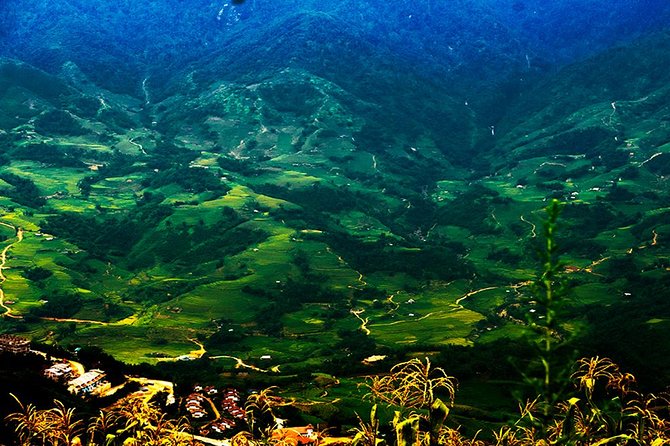
This tour asks for moderate physical fitness. The uphill hike is only about 1 km, but mountain trails can be steeper and uneven. If you’re prone to sore knees or you don’t like stepping on rocks or dirt, bring trekking shoes and take your time.
Also keep in mind Sapa weather is changeable. This experience requires good weather, and if it gets canceled due to poor conditions, you’ll be offered a different date or a full refund. The key word is good weather—so don’t schedule this on the one day you’re least able to adjust.
Packing tip that’s worth its weight: wear footwear with grip and plan for cool air at elevation. Even if the day is sunny in town, the hike can feel different once you climb.
What you walk away with (beyond photos)
The best souvenir from this tour isn’t a single picture of Fansipan. It’s understanding how these views connect to how people live.
You’ll come away with:
- A mental map of Sapa and how the Muong Hoa Valley rice terraces fit into the region
- A clearer picture of Black Hmong daily life in Ham Da
- A firsthand sense of how traditions like marriage connect to community and household life
- Knowledge of farming and house-building practices in a mountainous setting
That’s the kind of learning that makes the rest of Sapa feel more meaningful—because you’re no longer just looking at villages from a distance.
Should you book this Sapa mountain views and villages trek?
Book it if:
- You have limited time and want Fansipan viewpoint + rice terraces + village learning in one day
- You like guided cultural explanations (especially around Hmong marriage, farming, and house-building)
- You prefer a small private group so you can ask questions and move at a comfortable pace
- You’re okay with moderate hiking on uneven trails
Skip or reconsider if:
- You want an easy flat walk with minimal uphill effort
- You’re traveling with someone who struggles with steep, slippery mountain paths
- You’re not prepared for weather-dependent changes (this tour needs good conditions)
If you match those first set of points, this is one of the better ways to spend a day in Sapa without losing the heart of the place.
FAQ
How long is the Mountain views and villages trek?
The duration is about 5 hours 30 minutes.
What time does the tour start, and where do we meet?
It starts at 9:00 am. The meeting point is Sapa Church (P. Hàm Rồng, TT. Sa Pa).
Is pickup available?
Yes, pickup is offered.
Is lunch included?
Yes. Lunch is included, and vegetarian food is provided.
Do I need to bring my own drinks?
A small bottle of water is included, but drinks (like bottled water or beer) are not included at the restaurant and homestay, so you should plan to buy additional drinks.
What happens if weather is poor?
This experience requires good weather. If it’s canceled due to poor weather, you’ll be offered a different date or a full refund.