REVIEW · MARRAKECH
2-Day Guided Trek of the Atlas Mountains and Berber Villages
Book on Viator →Operated by astara tours · Bookable on Viator
A High Atlas hike beats Marrakech every time. This 2-day small-group trek trades city noise for real mountain walking, with guided passes, waterfalls, and Berber village stops. I like that the trip stays low-stress and all-inclusive, with a guide, mule for luggage, and meals handled for you. One thing to think about: the overnight in Tizi Oussem is basic, so plan for simple bedding and bring the right sleep gear.
The second day is where the human scale really shows. You’ll walk through villages, forests, and along rivers with time for views and a relaxed start (breakfast, then time soaking in the valley sights). The only real drawback I’d flag is effort: the routes can be narrow with steep drop-offs in places, and you’ll want proper waterproof hiking shoes and a moderate fitness level.
In This Review
- Key points to know before you go
- How the 2-day trek actually works: Marrakech pickup to Tizi Oussem
- Day 1: Tizi Mzik Pass (2684m), Imlil views, and the 100m waterfall run
- What to watch for on Day 1
- Day 1 night in Tizi Oussem: basic guest house, hot shower, and real sleep tips
- Day 2: Berber villages, colorful valley views, and river walking back toward Marrakech
- Why Day 2 is worth showing up for
- Guides make the experience: friendly, funny, and safety-minded
- Small group size (up to 6): what that changes on the trail
- Price and value: what $197.45 covers in real terms
- What to pack: shoes, rain readiness, and sleep comfort
- Who this trek suits best (and who should consider another option)
- Should you book this Atlas trek from Marrakech?
- FAQ
- Is pickup from Marrakech included?
- How long is the trek?
- What do I do about luggage on the hike?
- Where do we sleep overnight?
- Is food included?
- Can I get vegetarian or vegan meals?
- Is bottled water included?
- What should I wear or bring for hiking?
- What happens if the weather is bad?
Key points to know before you go
- Max 6 travelers means the day feels personal, not crowded.
- 6-hour day 1 hike includes Tizi Mzik Pass (2684m) plus big waterfall country.
- Mule for luggage keeps the pack light so you can focus on walking and photos.
- Overnight in Tizi Oussem comes with a hot shower, but the guest house is basic.
- Vegetarian and vegan options are available if you plan ahead.
- Bring waterproof footwear because mountain paths can be slick and boots matter.
How the 2-day trek actually works: Marrakech pickup to Tizi Oussem
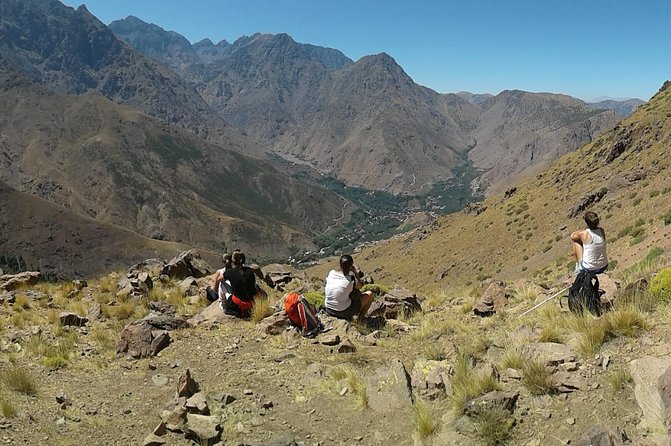
This tour is built around one simple idea: let someone else handle the logistics while you get the best parts of the High Atlas on foot. After breakfast in Marrakech, you’ll be picked up by a professional driver and taken toward the Imlil area, passing through Ghighaya and Asni valleys along the way. The ride matters here because it puts you in hiking country without wasting half a day on transit stress.
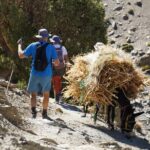
Once you reach the Imlil start area, you meet your local mountain guide and muleteer. From there, the walking days do what they’re supposed to: Day 1 gets you to a mountain viewpoint, Day 2 connects you with villages and rivers on the way back. Your luggage isn’t your problem—there’s a mule carrying food and gear—so you can keep your hands free for photos and your day bag for water and layers.
The trip is also flexible, which helps if weather or trail conditions shift. And with a maximum of 6 travelers, you’re less likely to feel like you’re part of a moving parade.
You can also read our reviews of more tours and experiences in Marrakech.
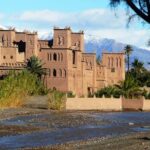

Day 1: Tizi Mzik Pass (2684m), Imlil views, and the 100m waterfall run
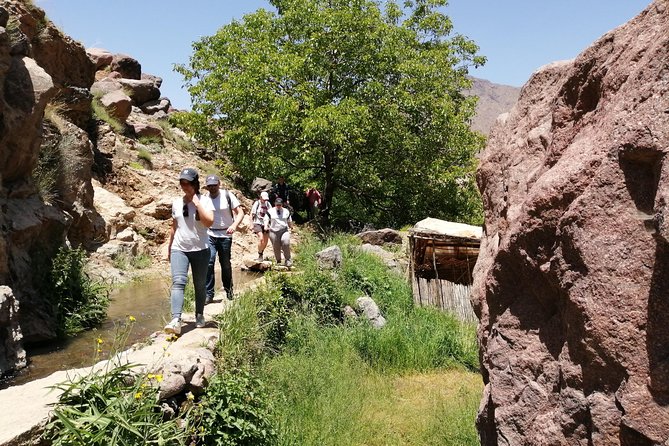
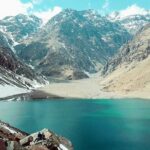
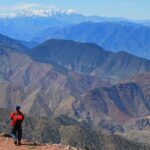
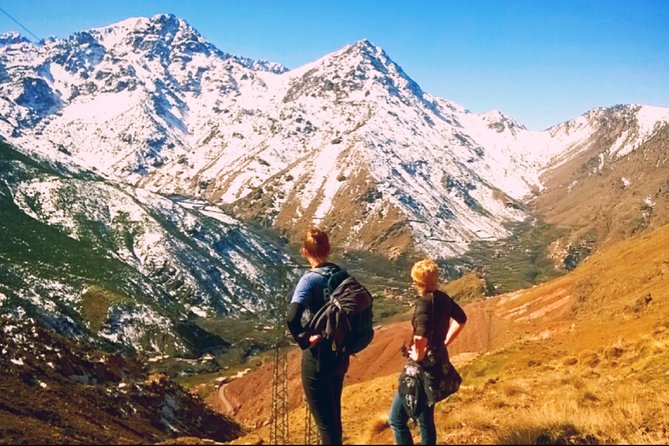
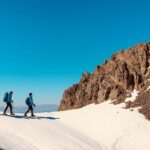
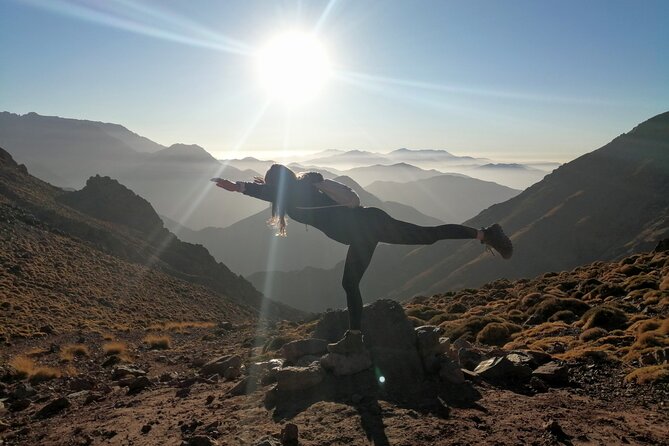
Day 1 is the main “wow” day, and it’s paced like a classic mountain morning followed by a steady route through greener valleys. Your trek starts with a climb to Tizi Mzik Pass (2684m). From up there, you’ll look out over the Imlil Valley and toward Mount Toubkal, the highest peak in North Africa. It’s the kind of view that makes you forget the steep parts for a moment.
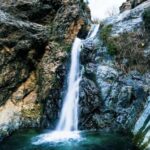
After the pass, you continue toward Tamsoulte, where you’ll visit the region’s standout waterfalls—around 100 meters high. This is one of those stops that’s easy to understand on the spot: you hear the water long before you fully see it, and then the trail brings you close enough for the misty, cool air effect.
From there, you descend toward the Azzaden Valley through a juniper forest. Juniper matters because it changes how the hike feels—more shade and more “mountain air” instead of open exposure. The day ends by reaching Tizi Oussem, where you spend the night in a guest house.
What to watch for on Day 1
You’re looking at roughly a full hiking day (about 6 hours). That doesn’t automatically mean slow, but it does mean you should dress like you’ll be moving for hours. The big practical tip from the guide-style reviews: check the weather. You might expect sunny T-shirt conditions, but you could also hit cold snaps depending on the season.
Day 1 night in Tizi Oussem: basic guest house, hot shower, and real sleep tips
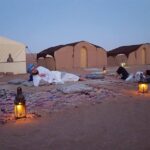
Tizi Oussem is not a hotel town. The accommodation is described as basic, with mattress and blankets provided. That’s not bad—it’s just honest. Think simple mountain lodging where you’re mostly there for warmth, rest, and getting ready for the next day.
Good news: you don’t have to guess whether you’ll get clean. A hot shower is available, which makes the end of Day 1 feel human again—especially after a long descent and waterfall air.
One practical sleep tip that comes up in real feedback: bring a sleeping bag liner or a sheet. Even with clean bedding, liners help you get more comfortable faster and keep the experience more hygienic and cozy.
And yes, you’ll be eating during this trek. Meals are included, and you’ll also get mint tea and coffee during the day. Food is part of the pacing on hikes like this—strong enough to keep you moving, simple enough to work with a mountain schedule.
Day 2: Berber villages, colorful valley views, and river walking back toward Marrakech
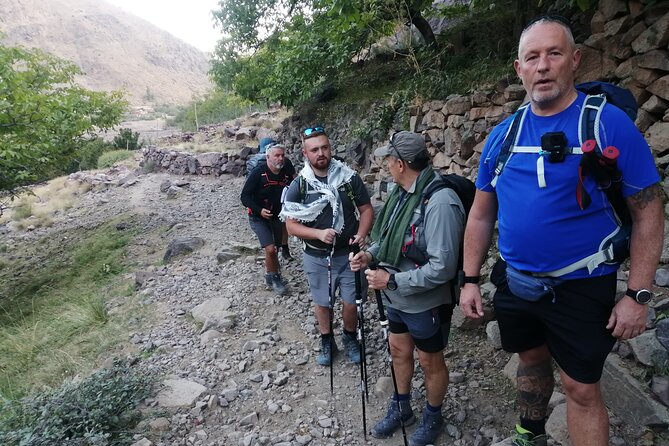
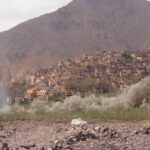
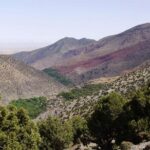
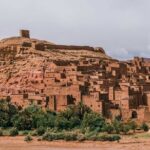
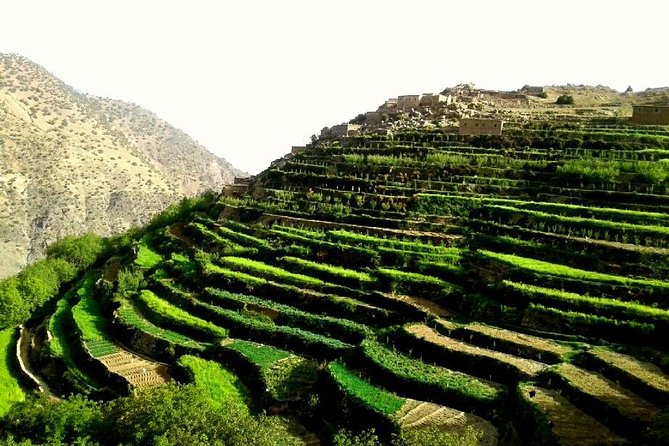
Day 2 starts with breakfast and a slower feel. You’ll have time for a kind of “valley pause,” with views over a colorful setting and typical Berber villages. Then you set off again, hiking through villages, forests, and past rivers before returning to Marrakech.
This day is less about a single summit moment and more about connection. You see how people live where the trails pass, you move through shaded areas, and you pick up the rhythm of walking alongside water. If Day 1 feels like a climbing-and-view day, Day 2 feels like the “living Atlas” day.
Why Day 2 is worth showing up for
A lot of mountain trips end with a hotel ride after the big point. This one brings you back by foot in a more village-and-water way, so you get more than scenery. You get the sense of place—how the path threads through real community areas rather than only open mountain viewpoints.
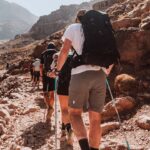
Keep your energy for the return. The terrain can still be demanding even if it’s not “pass climbing” style. The paths can be narrow, and in some spots the drop can feel steep, so keep your footing steady and don’t rush.
Guides make the experience: friendly, funny, and safety-minded
This is one of the tours where the guide can make or break the mood, and the guide reputation here is strong. You’ll have a local friendly guide, and the best part is how they show up as people—not just tour managers.
Names that have come up in strong feedback include Rashid, Ibrahim, Mohammed, Houssain, Nassim, and Abdulrahman. A recurring theme: they’re friendly, attentive, and genuinely happy to explain what you’re seeing. That matters because the High Atlas isn’t just dramatic views—it’s also a working landscape. When your guide talks local life and answers questions, your hike feels less like “scenic exercise” and more like understanding.
Safety also shows up in the way they lead. Reviews point to narrow paths and steep sections, and the guides consistently emphasized putting your footing and comfort first. In practice, that means you’ll get reminders on how to handle tricky ground and pacing that doesn’t leave people behind.
And food isn’t an afterthought. A standout mention: Abdulrahman’s lamb tagine was singled out as the best some people had in Morocco. That doesn’t mean every meal will be a culinary award—but it does mean cooking quality is taken seriously.
Small group size (up to 6): what that changes on the trail
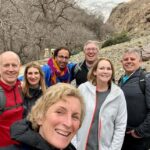
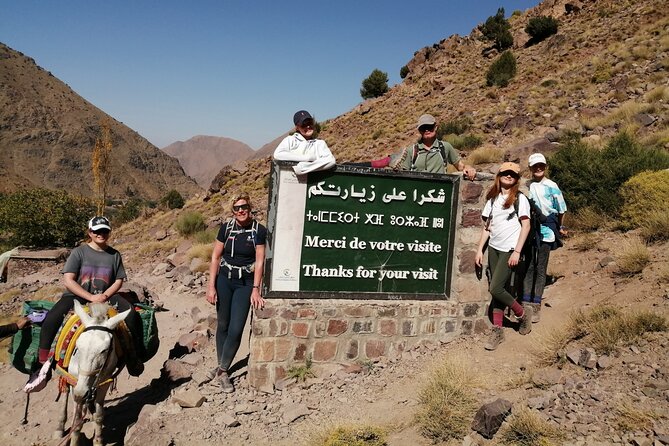
A maximum of 6 travelers sounds like a minor detail until you’re on the trail. Then it changes everything: fewer people means less bottlenecking on narrow stretches, more chance to ask your guide questions without feeling rushed, and a better shot at a relaxed pace.
For photos, it helps too. You can pause, step aside, and take your time without waiting for a whole line behind you. For the walk itself, it also means the guide can pay close attention to how you’re doing.
If you hate the feeling of a mass-market tour crowd, this small group size is a big reason to choose this trek instead of a bigger day trip.
Price and value: what $197.45 covers in real terms
At $197.45 per person for roughly 2 days, this trek isn’t trying to be “cheap.” It’s priced more like a properly organized mountain experience, and you should evaluate it based on what’s included.
What you’re getting for that money:
- Hotel pickup and drop-off (plus ground transfer)
- Mule to carry your food and luggage
- All meals, plus mint tea and coffee
- Accommodation for the night in Tizi Oussem
- Local guide and the hiking support that comes with it
What you’re not paying for (and should budget for yourself):
- Personal expenses
- Bottled water (but there are water points where you can get water)
So the value equation is pretty clear. You’re not just paying for a “walk.” You’re paying for transport out of Marrakech, trained local leadership, food and shelter, and the mule support that lets you travel lighter. If you were to piece all that together alone, the effort and coordination would likely cost you time and money.
What to pack: shoes, rain readiness, and sleep comfort
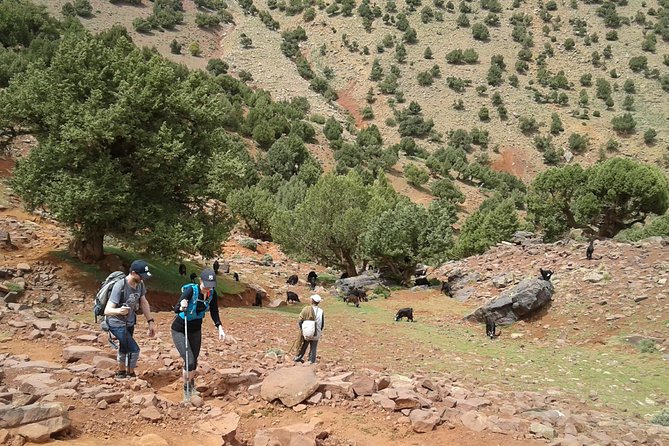
Based on the requirements and the way the routes can behave, packing right matters. You’ll want:
- Comfortable walking shoes
- Waterproof footwear (recommended)
- Something warm enough for mountain weather shifts, since conditions can change
It helps to think in layers. Even when the day feels warm, mountain hikes can cool off quickly, especially near passes and at night.
For sleeping: bedding is provided, but consider a sleeping bag liner or sheet for comfort.
For water: bottled water isn’t included, though there are points where you can access water during the trek. Still, I’d plan to carry a refillable bottle so you’re not scrambling at the wrong time.
Who this trek suits best (and who should consider another option)
This is a good fit if you want:
- A structured guided hike that feels organized, not complicated
- High Atlas scenery without planning permits, logistics, or transport on your own
- A small group experience that still feels personal
- A mix of big moments (pass and waterfall) plus everyday mountain village walking
You should think carefully if you:
- Don’t handle steep terrain well. The trails can be narrow with steep drop-offs in places.
- Want a “hotel-standard” overnight. The guest house in Tizi Oussem is basic, even with a hot shower.
Moderate physical fitness is the target. This isn’t an extreme expedition, but it is a real two-day hike.
Should you book this Atlas trek from Marrakech?
I’d book it if you’re looking for an easy way to get into High Atlas hiking—without spending your vacation coordinating guides, meals, and baggage. The combination of a pass viewpoint, a major waterfall stop, Berber village walking, and a supported overnight adds up to a lot of “real Morocco” time in just two days.
Do it with a couple practical expectations:
- Bring proper waterproof boots and dress for weather swings.
- Treat the overnight as simple mountain lodging, then enjoy the hot shower and warm sleep.
- If you care about vegetarian or vegan meals, confirm that need early since options are available.
If those fit your travel style, this trek is an efficient, scenic, and genuinely guided way to experience the High Atlas beyond Marrakech.
FAQ
Is pickup from Marrakech included?
Yes. The tour includes hotel pickup and drop-off and a ground transfer as part of the experience.
How long is the trek?
The tour runs for 2 days (approx.). Day 1 includes a hike of about 6 hours.
What do I do about luggage on the hike?
A mule carries your food and luggage, so you don’t need to carry everything yourself.
Where do we sleep overnight?
You stay overnight in a guest house in Tizi Oussem village.
Is food included?
Yes. All meals are included, along with mint tea and coffee.
Can I get vegetarian or vegan meals?
Yes. Vegetarian and vegan options are available.
Is bottled water included?
No. Bottled water is not included, but there are many points where you can get water during the trek.
What should I wear or bring for hiking?
You’ll want comfortable walking shoes and waterproof footwear. The tour also notes hot shower availability, and the guest house provides mattress and blankets.
What happens if the weather is bad?
This experience requires good weather. If it’s canceled due to poor weather, you’ll be offered a different date or a full refund.