REVIEW · KATHMANDU
Everest View Trek – 7 Days
Book on Viator →Operated by Breeze Adventure Pvt Ltd · Bookable on Viator
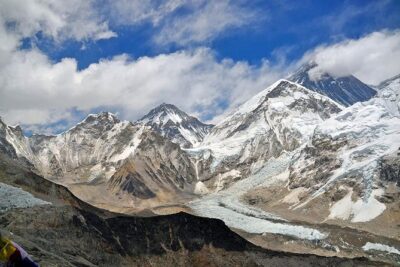
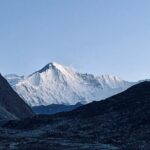
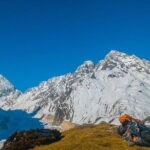
Everest dreams get real fast here. I love the Kathmandu to Lukla flight because it drops you right into the Khumbu story without spending extra days grinding uphill. I also like the panoramic Everest-region views built into the route—plus time with Sherpa villages and monasteries.
One key consideration: this trek lives or dies by weather, especially the Lukla flying. If conditions are rough, plans can shift, dates can change, or you may be offered a full refund.
In This Review
- Key takeaways before you go
- Flying Into Lukla: The Shortcut That Changes Everything
- Day-by-Day Route Sense: What Each Stage Is Really Doing
- Namche Bazaar: The Sherpa Hub That Gives Context
- Khumjung Monastery and the Yeti Story: Culture on the Walk
- Sagarmatha National Park: Why the Entry Fee Matters
- What’s Included (and Why You’ll Feel the Difference)
- Included during the trek
- Kathmandu basics are covered, too
- The Human Side: Guides, Porters, and Real Service
- Weather Is the Main Boss: How to Think About Flexibility
- Price and Value: What You’re Paying For
- Who This Trek Suits Best (and Who Should Rethink It)
- After the Trek: Kathmandu, Then the World Moves On
- Should You Book This Everest View Trek?
- FAQ
- What’s the highest altitude on this trek?
- How many days do I actually trek?
- Is sleeping gear included?
- What’s included for meals during the trek?
- Do I need to be very athletic to do this?
- What happens if weather cancels the experience?
Key takeaways before you go
- Short trekking window: about 5 days on foot, with flights as the big travel links
- Sherpa culture, not just scenery: Namche Bazaar and Khumjung Monastery are the cultural anchors
- Big altitude moments: highest point listed is Khumjung at 3,790m
- Guided small group: maximum of 10 travelers, with a government-authorized guide and porters
- Gear and meals covered during the trek: sleeping bag and warm layers are included, plus breakfast/lunch/dinner on trail
- Kathmandu finishing dinner: a post-trek celebration meal is part of the package
Flying Into Lukla: The Shortcut That Changes Everything
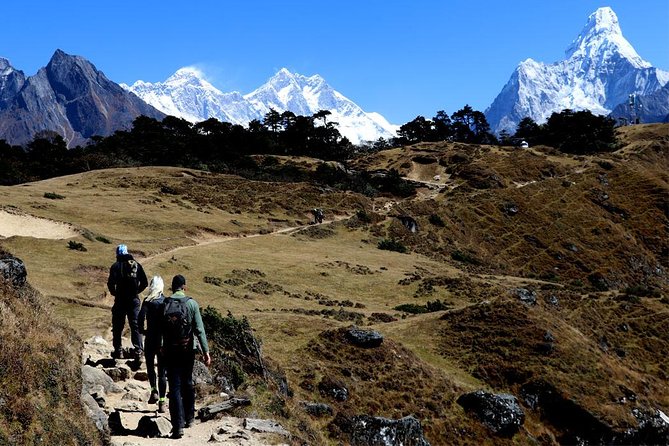
The Everest region is famous, but most people don’t love the long approach. This trek smartly starts with the thrill of flying from Kathmandu to Lukla—about a 30-minute hop—so you’re already at trekking altitude when you land.
Then you ease into the route with a downhill-to-flat feel at first: Lukla (2,860m) connects to Phakding (2,610m). That matters because you’re not immediately hit with a wall of climbing on Day 2. You’ve got time for your legs to wake up and for your body to accept the air.
I also appreciate how the trip sets expectations early: the final flight back to Kathmandu happens on Day 7, also about 30 minutes. That means your last day is more about wrapping things up than pushing for one more summit-style effort.
You can also read our reviews of more tours and experiences in Kathmandu.
Day-by-Day Route Sense: What Each Stage Is Really Doing
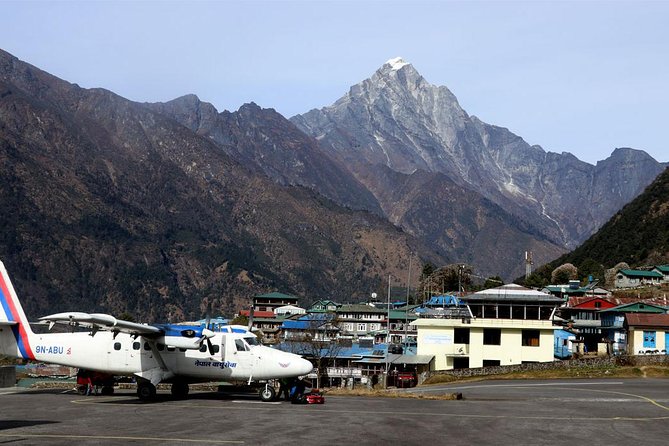
This itinerary is built like a “choose your effort” plan. You still get the Everest-region classics—just in a tighter package.
Day 1: Kathmandu arrival + hotel
You land in Kathmandu and get transferred to a 2–3 star hotel for two nights, with breakfast included. It’s not fancy-luxury style, but it’s practical: you need sleep, not a spa.
Also, this is where you’ll likely meet your guide and get the basics—what to carry, what the schedule looks like, and how the team handles trekking pace.
Day 2: Lukla to Phakding (short trek day, 2–3 hours)
After the flight, you trek from Lukla to Phakding. The walking time is modest, and the elevation change is gentle enough to keep you from feeling wrecked before the real altitude days.
If you’re the type who gets anxious about long travel days, this leg helps calm the nervous system. You get outdoors quickly, then you settle into your rhythm.
Day 3: Phakding to Namche Bazaar (big climb day)
Namche Bazaar is the major Sherpa hub in Khumbu, and reaching it is a turning point. The trek is listed at about 6–7 hours, moving you from Phakding (2,610m) up to Namche (3,440m).
This is the day you’ll feel the air change. Even if you’re fit, the altitude does its own thing—so the value here is timing. You get to Namche early enough to explore and get bearings, instead of just arriving and immediately hauling yourself back out.
Day 4: Namche to Khumjung + monastery time (culture day with altitude)
You trek from Namche to Khumjung (3790m) for about 3 hours, then spend time around Khumjung Monastery.
This is where the trek becomes more than a photo stop. You’re going beyond viewpoints into a place that helps explain how Sherpa culture sits in the mountains—religion, community life, and the old stories locals still share.
One small detail I found especially memorable is the mention of the fabled Yeti scalp, which is connected to Khumjung’s lore. Even if you approach it with healthy skepticism, it’s still a chance to hear the story as people in the region tell it.
Day 5: Khumjung back to Phakding (reset day)
You go down to Phakding for about 4–5 hours. This “down day” matters. It gives your body a breather and gives you a chance to re-check your gear and packing choices before the final push.
It also helps you enjoy Namche’s world without rushing. Once you know you’re not climbing to the ceiling every single day, the experience feels more doable.
Day 6: Phakding to Lukla (finish on foot)
This is a shorter day (3–4 hours) that sets you up for your flight home the next morning. You’ll likely notice how the trail feels different when you know you’re trending back toward Lukla.
For many people, this is the day where the trek turns into a celebration—because the end feels real, not theoretical.
Day 7: Lukla to Kathmandu (fly back in the morning)
You fly back about 30 minutes. Your “mountain day” becomes a travel day, so plan to take it easy in Kathmandu afterward.
Day 8: transfer to Tribhuvan Airport
You’re transported from your hotel to Tribhuvan Airport for departure. It keeps the stress level low.
Namche Bazaar: The Sherpa Hub That Gives Context
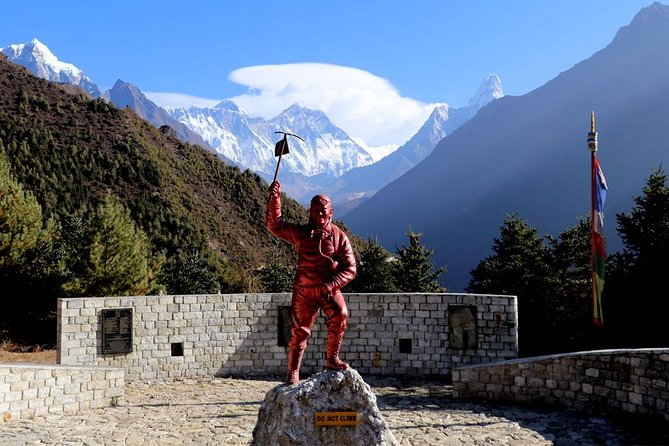
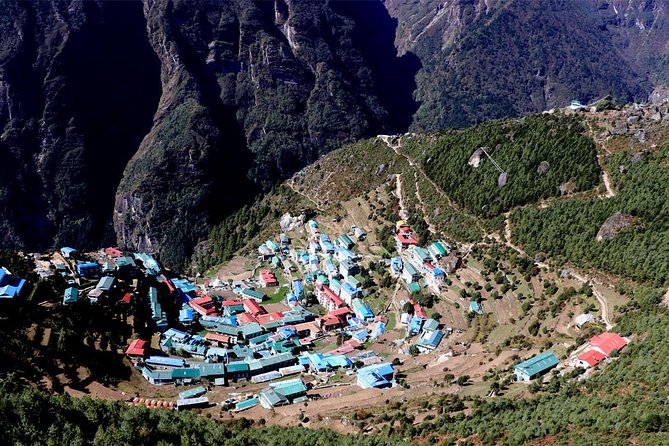
Namche isn’t just a town. It’s the social engine of the Khumbu region. When you reach it (3,440m), you’re in a place with everyday life that revolves around trekking, trade, and Sherpa culture.
This is also where the trek gives you a chance to slow down. You don’t just pass through. You explore Namche before moving on toward Khumjung.
Even if you’re mostly there for views of Everest, I’d treat Namche as your “context stop.” It helps you understand what you’re actually seeing: villages and monasteries don’t sit in a vacuum. They live inside a real community.
Khumjung Monastery and the Yeti Story: Culture on the Walk
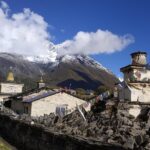
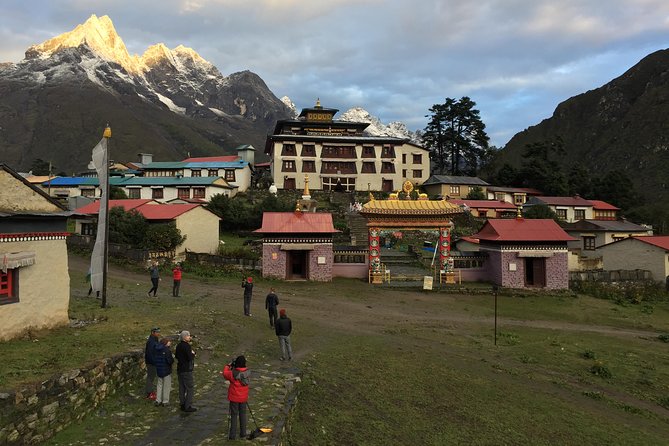
Khumjung Monastery is one of the route’s defining moments. You reach it from Namche and you’re at the highest point listed on this plan (3,790m).
The monastery itself is the reason this trek feels distinct from a pure viewpoint circuit. Instead of moving fast from one overlook to another, you get a place where people gather, where local traditions remain visible, and where stories still matter.
The trek specifically calls out the Yeti scalp legend. Whether you treat it as folklore or as cultural artifact, it’s a memorable way to connect trekking to belief systems—and to learn how the mountains shape imagination.
Sagarmatha National Park: Why the Entry Fee Matters
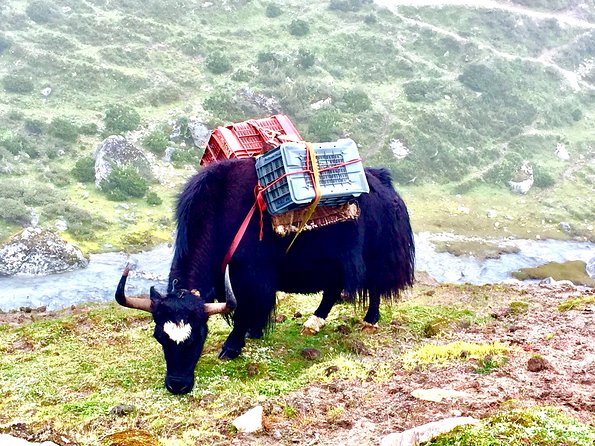
This trek includes Sagarmatha National Park entry fees and Khumbu village entry fees. That might sound like paperwork, but it’s actually a signal: you’re operating inside protected mountain territory that has rules and limits.
Practically, it means your guide and the team are handling the required access for the areas you walk through. You’re not scrambling at the last second for permissions, and it supports the protected area system tied to Nepal’s natural heritage.
This is one of those “quiet” inclusions that saves headaches and keeps the trek running smoothly.
What’s Included (and Why You’ll Feel the Difference)
This package is unusually helpful on the logistics side. You’re not left to cobble together key items on your own.
Included during the trek
- Local guest house accommodation
- Government-authorized experienced guide and porters
- Meals: breakfast, lunch, dinner during trekking
- All equipment: including sleeping bag and warm layers
- First aid kit, plus a map of the Everest region
- Insurance, guide/porter wages, service charge, and government taxes
That equipment line is a big deal for value. Buying or renting a sleeping bag and staying warm gear can add up fast, especially if you’re traveling from abroad and don’t already own the right stuff.
Kathmandu basics are covered, too
You get two nights in a 2–3 star hotel with breakfast included. Meals in Kathmandu are not included beyond breakfast, so you’ll want to budget for dinners and any lunches you choose to eat out.
Also note: shower and electronic charging fees at guest houses are not included. That’s common on mountain routes, but it’s worth planning around so you don’t get hit by surprise costs.
The Human Side: Guides, Porters, and Real Service
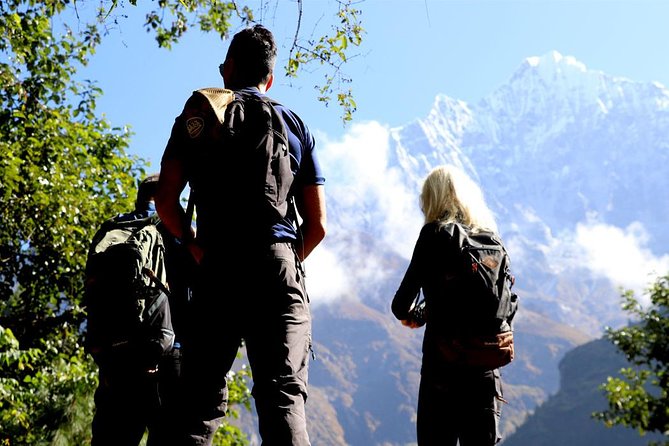
One of the strongest themes from Breeze Adventure’s past operations is service quality and good communication. The company’s approach shows up in small things: quick answers before you go, and guidance that helps you choose the right trek for your time and comfort level.
When it comes to guides, I’m glad the trek is led by an experienced team. On similar Everest-area treks run by Breeze, Lakpha has been highlighted as a steady presence—helpful with organization and pacing, and ready to collaborate if conditions get tricky. That kind of flexibility matters on weather-dependent routes like this.
Porters also deserve real respect. On Breeze trips, porters have been praised for heavy loads—around 30kg in some cases, carried on back and head. Even if your specific porter situation varies, it’s a reminder to pack smart and keep what you carry truly necessary.
If you want a smoother experience, treat your porter support like a partnership: pack tightly, keep items easy to access, and don’t add unnecessary weight just because it’s tempting.
Weather Is the Main Boss: How to Think About Flexibility
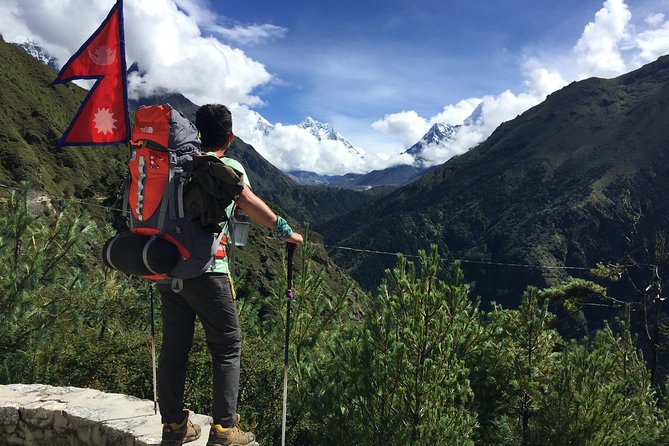
The trek requires good weather for the Lukla flights. That’s not just a tagline—it’s the reality of the region.
The cancellation policy also makes the weather risk explicit: if the experience gets canceled due to poor weather, you’ll be offered another date or a full refund. For many people, that’s the peace-of-mind piece that makes this kind of trek feel safer.
My practical advice: keep your schedule flexible if you can. If you’re flying in and out tightly on a fixed date, you may feel more stress when you hear about forecast changes.
Price and Value: What You’re Paying For
At about $1,324.62 per person, this trek is not a bargain, but it is also not “just a walk to a viewpoint.” You’re paying for a package that stitches together the biggest expensive parts of the Everest region:
- Flights (Kathmandu–Lukla and back)
- Guide and porter staffing
- Meals during trekking
- Accommodation
- Gear (sleeping bag and warm layers)
- Park and village access fees
- Insurance
- First aid kit and basic support systems
So the value isn’t only the trek itself. It’s the reduced hassle. Buying gear, arranging transport, securing permits, and managing daily logistics on your own would add both cost and stress.
If you want a shorter, more affordable-than-base-camp plan, this works because it focuses on major Everest-region icons—Namche and Khumjung—without forcing you into the full intensity of longer classic routes.
Who This Trek Suits Best (and Who Should Rethink It)
This is listed for travelers with moderate physical fitness. That suggests it’s not a casual stroll, but it’s also not pitched as a technical mountaineering mission.
You’ll likely enjoy it most if:
- you dream of the Khumbu region but want to skip the longest, most demanding Everest itineraries
- you like a mix of views plus culture, not just altitude and air-blown photos
- you value organized logistics (including gear and meals) more than full DIY adventure
You might reconsider if:
- you know you struggle with altitude or unpredictable weather
- you hate flight-based plans where conditions can force changes
- you’re expecting luxury hotel comfort every night—this route uses mountain guest houses
After the Trek: Kathmandu, Then the World Moves On
By Day 7 you’re back in Kathmandu via a morning flight, and you’ll have a final transfer out on Day 8. The trek includes a post-trek celebration dinner in Kathmandu, which is a nice way to close the loop while your legs still remember the path.
This dinner also gives you time to decompress and share the week’s highlights—especially with your guide and the small group (maximum 10 travelers).
If you’re the type who likes to keep momentum, add at least a light plan for Kathmandu the next day: a slow meal, a short walk around Thamel, and time to download photos.
Should You Book This Everest View Trek?
If you want Everest-region magic without signing up for the toughest end of the spectrum, I’d say this is a strong match. You get the core experiences: Lukla flights, Namche Bazaar’s Sherpa hub energy, Khumjung Monastery, and UNESCO-protected park walking—wrapped in a shorter trekking schedule with solid support.
Book it if you can handle weather uncertainty and you’re honest with yourself about moderate fitness. Skip it if you need a rigid schedule or you’re expecting a stress-free flight promise regardless of conditions.
FAQ
What’s the highest altitude on this trek?
Khumjung is listed at 3,790m, which is the highest altitude mentioned on the route.
How many days do I actually trek?
The plan includes about 5 days of trekking, plus travel and sightseeing days for a total duration listed at around 8 days.
Is sleeping gear included?
Yes. Sleeping bag and warm layers are included as part of the equipment provided.
What’s included for meals during the trek?
During the trekking days, breakfast, lunch, and dinner are included. Meals in Kathmandu are only included as breakfast (other meals in Kathmandu are not included).
Do I need to be very athletic to do this?
The tour notes a moderate physical fitness level. It’s designed for travelers who can comfortably handle the listed trekking days and elevation.
What happens if weather cancels the experience?
This experience requires good weather. If it’s canceled due to poor weather, you’ll be offered a different date or a full refund.