REVIEW · KATHMANDU
Everest Three Pass Trek
Book on Viator →Operated by Adventure Bound · Bookable on Viator
Three passes above 5,000m means real work. This Everest Three Pass trek strings together Khongma La, Cho La, and Renjo La for a hard-core Khumbu challenge, with support that aims to keep you steady at altitude. I like that the trip is built around clear high-pass goals, and I also like the human side: licensed English-speaking guides (people mention guides like Jiban, Raman, Rabin, Raj, and Raji) who help with questions, pace, and communication. One key consideration: you need strong fitness, and travel insurance is required but not included, so plan that before you go.
The structure is also travel-friendly for a difficult trip. You get two Kathmandu hotel nights with breakfast, Lukla airfare, and full-board meals during the trek, plus lodge sleeping with twin sharing. That’s the kind of logistics that matters when your schedule is controlled by weather and altitude, not by your phone battery.
In This Review
- Key Highlights of the Everest Three Pass Trek
- Why the Everest Three Pass Trek Feels Like a Real Mountaineering-Style Challenge
- Kathmandu Setup and the Two Hotel Nights That Make Altitude Less Scary
- Lukla Flights: Fast Access to the Khumbu, With Weather as the Boss
- Lodges, Twin Sharing, and the Comfort of Full-Board Meals
- Crossing Khongma La: The High Pass Day Mental Game
- Cho La Pass: When the Trek Becomes Snow Travel
- Renjo La Pass: A Second Big Step Into the Cold
- Off the Main Everest Track: Why These Passes Change the Views and the Feel
- Permits, TIMS, and Sagarmatha National Park Fees: Less Paper, More Trek
- Guides and Porters: The Real Difference on a Hard Trek
- What the $2,200 Price Actually Covers (and Why It Adds Up)
- Who Should Book This Trek (and Who Should Sit This One Out)
- Should You Book Adventure Bound’s Everest Three Pass Trek?
- FAQ
- How long is the Everest Three Pass Trek?
- What high passes are included?
- Does the tour include flights to Lukla?
- What kind of accommodation do I get?
- Are meals included?
- Is travel or rescue insurance included?
Key Highlights of the Everest Three Pass Trek
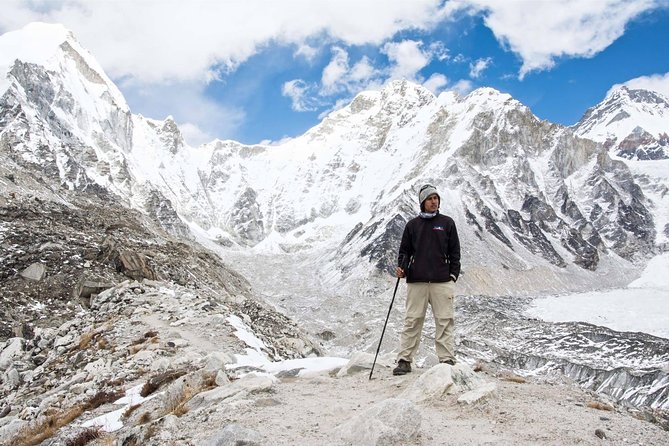
- Three snow passes above 5,300m in one itinerary: Khongma La, Cho La, and Renjo La
- Flights and ground transport handled: Kathmandu–Lukla–Kathmandu plus private vehicle transfers
- Full-board meals while trekking: breakfast, lunch, and dinner included during the trek
- Fees and permits included: Sagarmatha National Park fees, TIMS card, and local government tourism fees
- Gear support included if needed: down jacket and sleeping bag included
- Guides who connect with you: English support is standard, and some guides are described as able to work smoothly with Japanese speakers too
Why the Everest Three Pass Trek Feels Like a Real Mountaineering-Style Challenge
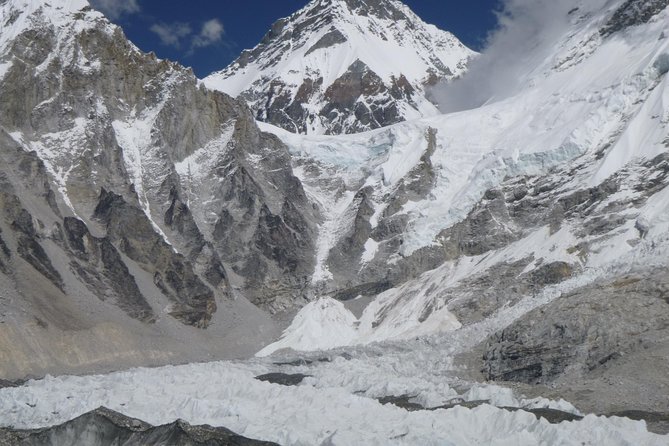
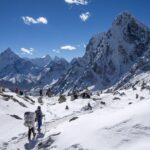
This trek earns its reputation because it is not just one big hike. You’re crossing three high passes in the Khumbu region, all above 5,000 meters, with snow-covered terrain and thin air doing their best to slow you down. It’s a different kind of experience than the classic Everest Base Camp route because you’re constantly switching from “walk mode” to “pass mode.”
What I like most is that the challenge is spelled out clearly. You’re dealing with three named passes—Khongma La, Cho La, and Renjo La—so you can gauge the commitment before you sign up. If you’re the type who wants your adventure to feel earned and measurable, this fits.
The other thing that matters is that this is not a casual trek with optional detours. It’s a 17-day plan built for people who want a full-on high-altitude experience, not just a few scenic days.
You can also read our reviews of more tours and experiences in Kathmandu.
Kathmandu Setup and the Two Hotel Nights That Make Altitude Less Scary
You start in Kathmandu, and you don’t start with pressure. The plan includes two nights of standard hotel accommodation with breakfast, which gives you time to settle, sort out your gear, and sleep like a normal person before the mountains take over. You’ll also get airport pickup and drop, plus private-vehicle ground transport.
This may sound like basic travel comfort, but it’s actually high-value. When you’re heading to Lukla, the day you fly can hinge on weather, and it helps to arrive with calm energy. Hotel breakfasts also matter more than you’d think when you’re about to switch to simpler lodge meals up the trail.
If you’re traveling solo, this Kathmandu buffer can be a relief. People have highlighted how guides and porters help with questions and pacing. That early guidance often reduces the stress that comes from not knowing what to pack or what to expect.
Lukla Flights: Fast Access to the Khumbu, With Weather as the Boss
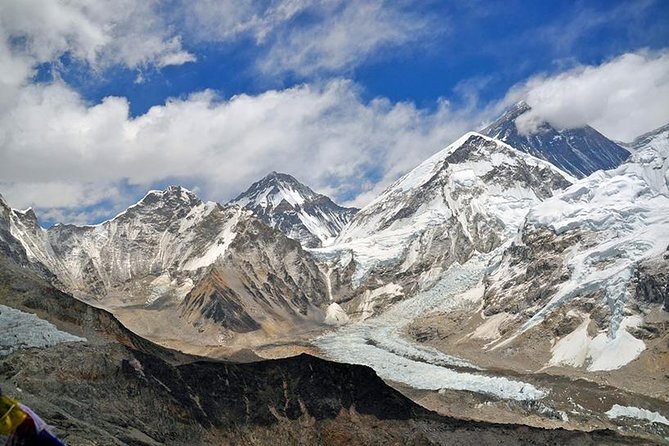
A big line item in many Everest-region trips is getting to the mountains in time. Here, airfare Kathmandu–Lukla–Kathmandu is included, which saves you from stitching together flight options on your own. You also get pickup and ground transport by private vehicle, so your travel day stays controlled.
Lukla flight days are one of those moments where you’ll feel how this trek works in real life. Weather can delay plans, and the whole schedule is designed for the reality of mountain travel. Because this is a multi-day high-pass trek, having the airfare handled as part of the package reduces the “what if” stress.
One practical tip: treat your Lukla day like a reset day. You don’t need heroics before you land; you need calm and the mental space to adjust to altitude and cold the moment you’re moving again.
Lodges, Twin Sharing, and the Comfort of Full-Board Meals
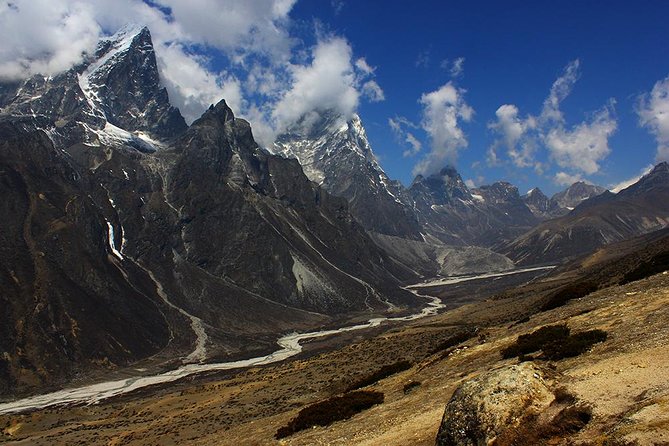
On the trek itself, accommodation is twin sharing lodge accommodation. That usually means basic rooms, shared facilities, and a simple rhythm that matches the altitude. It’s not a hotel vibe, but it is a workable system that keeps you moving without hauling heavy gear.
What I really like is the food setup: full board meals (breakfast, lunch, and dinner) are included during the trekking days. In high-altitude trekking, consistent meals matter. It helps you plan your energy instead of gambling on what a kitchen might have that day.
There’s also a smart practicality in what’s included for you to stay warm. The trek includes a down jacket and sleeping bag (if needed). If you’re traveling from abroad, that can save money and hassle. Even if you bring your own kit, it’s a comfort to know this trip is built with cold-weather reality in mind.
And yes, there’s a first-aid medical kit included. You’re still responsible for your own health and altitude response, but the presence of a kit signals that the organizer takes safety seriously.
Crossing Khongma La: The High Pass Day Mental Game
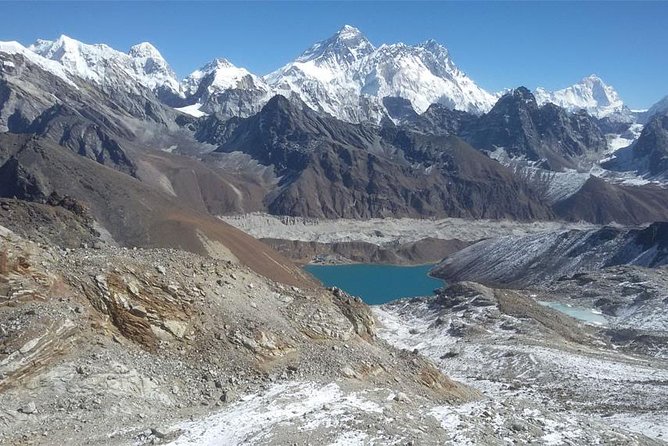
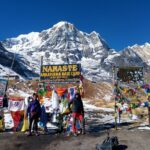
Khongma La is the highest of the three in the information you’re given. You’ll see it listed at 5555 m in the overview, and also around 5535 m in the detailed “what to expect” description. Either way, you’re in the realm where altitude starts to feel personal.
Crossing a pass like this is about more than strength. It’s about pacing, staying warm, and not trying to “win” the mountain. The thin air turns normal steps into careful steps, and that can frustrate people who set off too fast.
The upside is what the pass crossing represents. A trek with one high point is exciting; three high passes above 5,000 meters are transformational. Khongma La is one of the reasons this trek is recognized as an adventurous trekking challenge.
Practical consideration: be ready for snow conditions. The trip is described as involving three snow-covered passes, which means cold, wind, and slippery footing are part of the package. Strong trekking boots and layered clothing aren’t optional if you want the day to feel manageable.
Cho La Pass: When the Trek Becomes Snow Travel
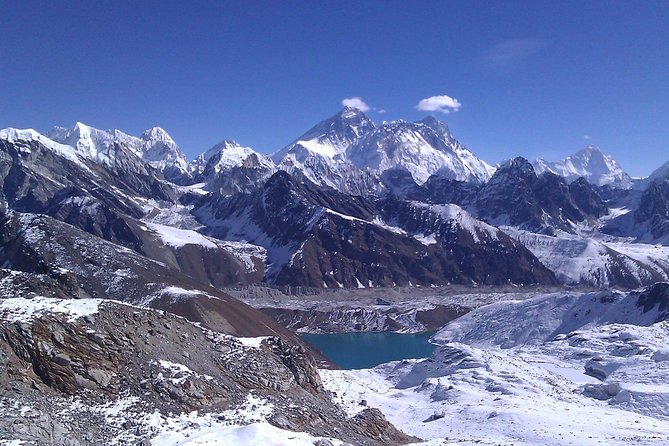
Cho La is listed around 5330 m in the overview and around 5420 m in the “what to expect” details. Those numbers differ, but the message is consistent: this is another high, cold pass day.
This is the kind of pass that can feel mentally tough because you may not know exactly how conditions will look in the moment. Snow travel asks for a steady rhythm. The best approach is simple: stick with your guide’s pace and don’t treat every step like a personal endurance contest.
Cho La also has value beyond the altitude number. You’re moving through the Khumbu region in a way that pushes you off the more standard rhythm. One guide style detail that comes up in feedback is how guides help with communication and timing. If you’ve got questions, it’s helpful when your guide is patient and clear.
If you’re traveling with limited English, this matters even more. In feedback, people specifically said they didn’t need perfect English for the trek to feel supported. That doesn’t remove the need for basic understanding, but it helps a lot when you’re tired and cold.
Renjo La Pass: A Second Big Step Into the Cold
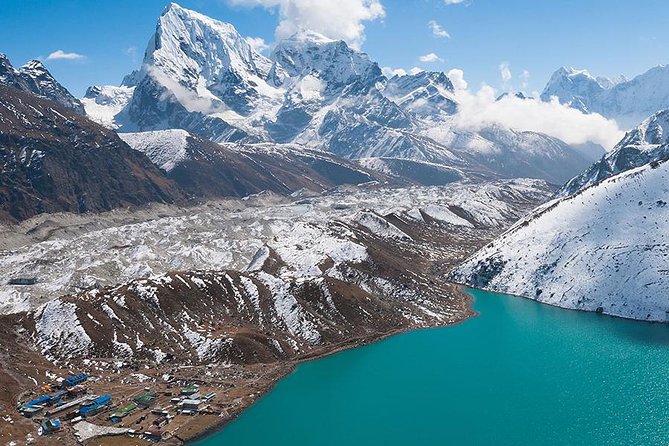
Renjo La is listed at 5345 m in the overview and around 5360 m in the “what to expect” section. Again, the exact figure varies slightly, but you’re still looking at high-altitude snow conditions.
Renjo La is part of what makes this trek stand out: you’re not doing one “big day,” you’re doing multiple. By this point, your body is learning the trek’s pattern. That can be good if you go in patient, but it can be rough if you treat the itinerary like a series of separate challenges instead of a single connected climb through fatigue.
This is also where the human support shows. Feedback highlights guides who are professional and patient, with strong cultural understanding, and even guides who bring humor to long days. That kind of company can make a difference when you’re mentally negotiating every cold, slow step.
Practical consideration: keep your recovery tight between pass days. You can’t control weather, but you can control how you fuel, how you bundle up, and how you pace your effort.
Off the Main Everest Track: Why These Passes Change the Views and the Feel
A trek with three high passes is already a draw, but one review detail that stands out is how the route gets you off the EBC main track. That shift matters because it usually changes both scenery and the rhythm of encounters.
Instead of a standard parade of day-hikers, you get a more “route-building” feeling. You’re following a sequence of high passes that shape the landscape around you in a way a single-route trek can’t. The beauty is not just in the big moments; it’s also in how often the mountains demand your attention.
There’s also a satisfaction factor. Finishing a multi-pass trek means you didn’t just see altitude. You worked through it, with three major challenges placed in series.
Permits, TIMS, and Sagarmatha National Park Fees: Less Paper, More Trek
One underrated part of good trekking logistics is that the boring stuff is handled. Here, Sagarmatha National Park fees and TIMS card are included, plus local government tourism fees. That’s important because these permits are not optional if you want a compliant trip.
It also reduces your administrative workload. When you’re packing for cold weather and thinking about high passes, you don’t want to be spending time trying to figure out permit rules in a rushed moment.
This kind of inclusion is value for you, not just a bureaucratic detail. It helps keep the experience focused on the trekking itself.
Guides and Porters: The Real Difference on a Hard Trek
The tour includes a highly experienced, licensed, English-speaking guide, plus an organizer that clearly invests in support. That matters on the Everest Three Pass trek because the trek isn’t just physically hard. It’s mentally demanding, and conditions can change quickly.
Feedback points to guides who are professional and patient (for example Raman is mentioned), with strong knowledge and a calm style that helps you navigate questions. Another common point is communication. People said they were fine even if their English wasn’t strong, and that the guide still found ways to communicate clearly.
In a couple of cases, Japanese-capable guides are specifically mentioned: Raj and Raji come up with the detail that they speak Japanese and provide helpful advice. If you’re not fluent in English, this doesn’t mean you won’t need to communicate. But it does suggest the trek team can handle mixed-language groups with care.
Also, several people praised support from guides and porters as going beyond expectations. On a trek like this, that can mean anything from helping you manage pacing to making sure you’re set up for cold and logistics when you’re exhausted.
What the $2,200 Price Actually Covers (and Why It Adds Up)
Let’s talk value in practical terms. At $2,200 per person, you’re paying for a package that includes: private vehicle airport transfers in Kathmandu, two Kathmandu nights with breakfast, Kathmandu–Lukla–Kathmandu airfare, lodge nights during the trek, and full-board meals.
You’re also paying for the people side: a licensed English-speaking guide and a team that includes porters (with first-aid kit included). On top of that, you’re paying for the compliance side: TIMS, Sagarmatha National Park fees, local government tourism fees, and taxes.
For many trekkers, these are the hardest parts to assemble on your own without surprises. Flight planning to Lukla, guide licensing, permit paperwork, and consistent meals can be the difference between a smooth trip and a stressful one.
Not included items also matter for your budget. You’ll still need to cover your Nepal entry visa fee, tips for guides and porters, and personal expenses like Wi-Fi, laundry, bar bills, battery charging, and hot shower use. Most importantly, travel and rescue insurance is compulsory and not included—so treat that as a must-budget cost.
Who Should Book This Trek (and Who Should Sit This One Out)
This is for you if you want a serious challenge and you can train for it. The trip specifically asks for a strong physical fitness level, and it’s a 17-day trek across three high snow passes. If you’re hoping for a gentle acclimatization hike, this won’t match what you want.
It’s also a good fit if you like structured support. The package includes guide services, meals, permits, and key transport pieces. That lowers the number of decisions you need to make while you’re tired at altitude.
This is also a smart choice for solo trekkers who want people in the loop. Feedback includes first-time solo travelers who felt supported with detailed questions before joining the trek.
Should You Book Adventure Bound’s Everest Three Pass Trek?
If you’re choosing between this trek and something easier, be honest about your fitness and your comfort with cold, snow, and thin air. This itinerary is built to cross three passes above 5,000 meters, and that’s the point. If you want the kind of accomplishment that comes from sustained effort, this trip makes sense.
I’d book if you value a package that covers the big logistical categories: Kathmandu hotel nights, Lukla flights, full-board meals, lodge accommodation, permits, and a licensed English-speaking guide with strong support. It’s also a solid option if you want less permit hassle and more time focusing on training, packing, and recovery.
I’d pause if you don’t already have travel and rescue insurance lined up, or if your fitness level isn’t ready for sustained high-altitude trekking. Do that planning first, and you’ll enjoy the experience a lot more.
FAQ
How long is the Everest Three Pass Trek?
The duration is listed as 17 days approximately.
What high passes are included?
The trek includes three passes in the Khumbu region: Khongma La Pass, Cho La Pass, and Renjo La Pass (all above 5,000 meters).
Does the tour include flights to Lukla?
Yes. Airfare Kathmandu – Lukla – Kathmandu is included.
What kind of accommodation do I get?
In Kathmandu, you get 2 nights in a standard hotel with breakfast. During the trek, you stay in twin sharing lodge accommodation.
Are meals included?
Yes. Full board meals are included during the trek, including breakfast, lunch, and dinner.
Is travel or rescue insurance included?
No. Travel and rescue insurance is compulsory and is not included in the tour cost.