REVIEW · HANOI
Hanoi: 3-Day Sapa Trek with Homestay
Book on GetYourGuide →Operated by VIETNAM OPENTOUR CO LTD · Bookable on GetYourGuide
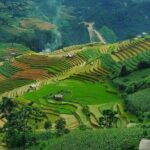
Rice terraces start in Hanoi. This small-group 3-day Sapa trek blends classic village walks with an overnight homestay dinner and real family rhythm in the mountains.
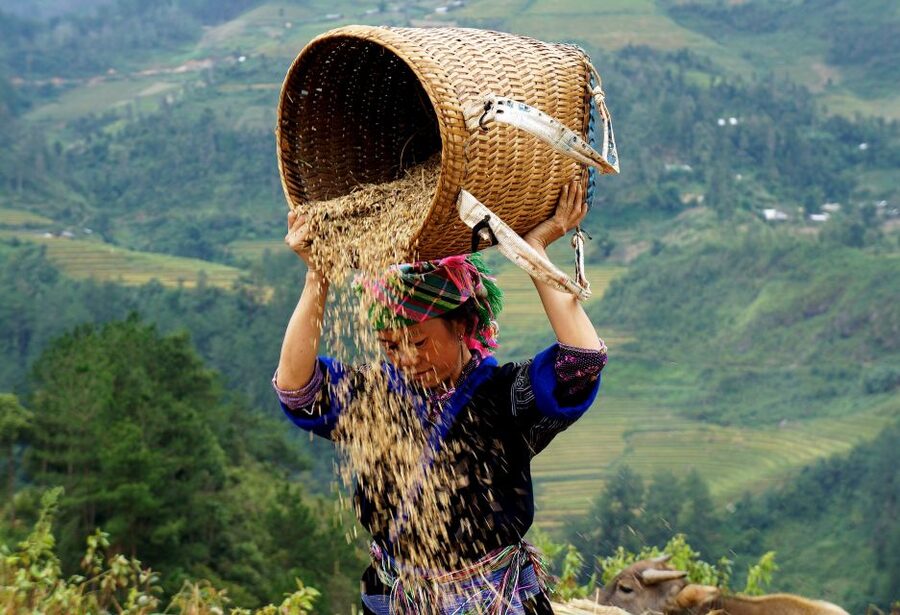
I especially like the way the trail is guided by locals who know the village layout and the culture, including H’Mong life. In one group, our guide Chu was cheerful, tireless, and spot-on about how the Black H’Mong live, plus how to handle the stray-dog situation on the paths. I also like that the trip isn’t only about views: you walk through places like Cat Cat’s hydropower area and then cook/eat with your hosts the next day.
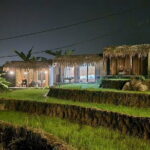
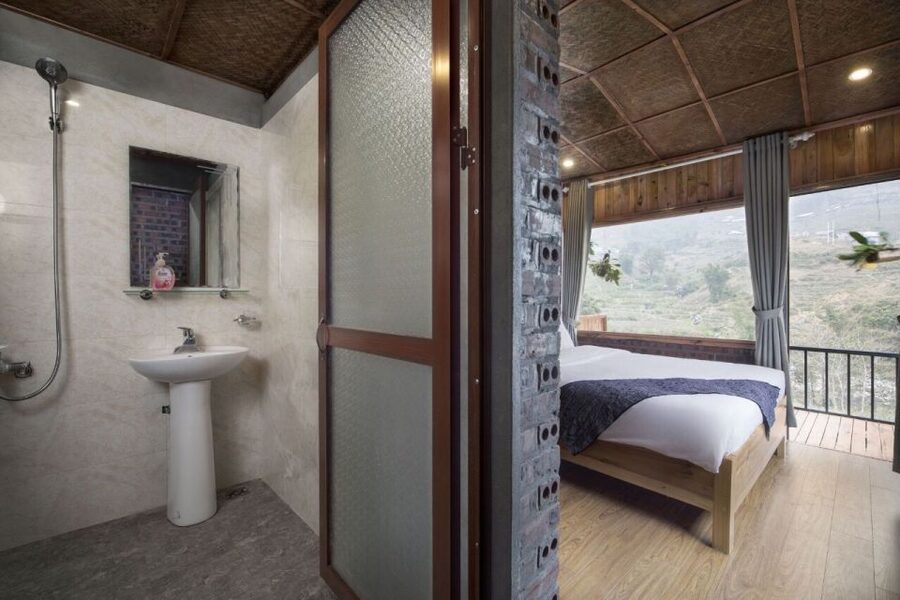
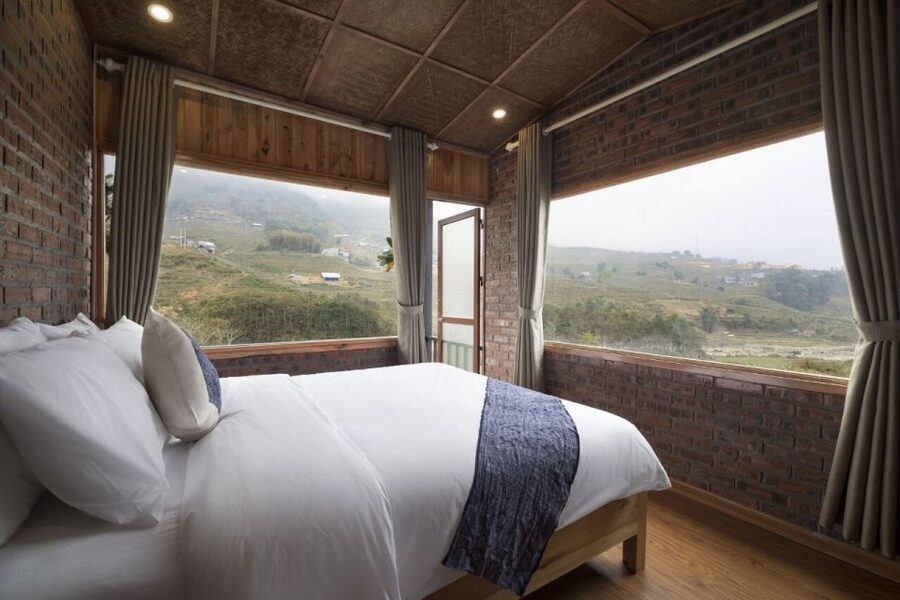
One consideration before you book: the homestay is not a hotel. Rooms and facilities are simple, and in cooler months Sapa can be foggy and cold, so you’ll want serious layers and warm socks.
In This Review
- Key Highlights You’ll Feel on This Trek
- Sapa Trek Reality Check: What This Tour Gets Right
- Day 1: Hanoi to Sapa, Then Cat Cat’s Waterfall Walk
- Day 2: Y Linh Ho Photos, Lao Chai Culture, and a Giay Homestay Night
- Day 3: Bamboo Forest Trek, Silk Waterfall, and Giang Ta Chai Views
- Price and Value: Is $182 a Fair Deal for Three Days?
- Comfort, Clothing, and the Sapa Weather Factor
- Small-Group Trek Style: Guide Support and Village Etiquette
- Who Should Book This Trek (and Who Should Skip)
- Should You Book: My Practical Verdict
- FAQ
- What is the duration of this Hanoi to Sapa trek?
- How much does the tour cost?
- Where is pickup in Hanoi?
- What does the itinerary include for meals?
- Do I stay in a homestay overnight?
- Is there English support during the trip?
- How big is the group?
- What should I bring for the trek?
- Is this suitable for everyone?
- Can I get a refund if plans change?
Key Highlights You’ll Feel on This Trek

- Homestay dinner and cooking time with a local Giay family, not just a quick stop
- Cat Cat Village basics: waterfall/hydropower area, crafts like weaving and carved silver, plus a short out-and-back hike
- Historic terrace views from Y Linh Ho, with photo-friendly angles along the way
- Small group (max 10) with English support during the Hanoi–Sapa leg and locally in Sapa
- Early-morning breakfast outdoors with pancakes, hot tea, and terrace views before the bamboo forest trek
Sapa Trek Reality Check: What This Tour Gets Right
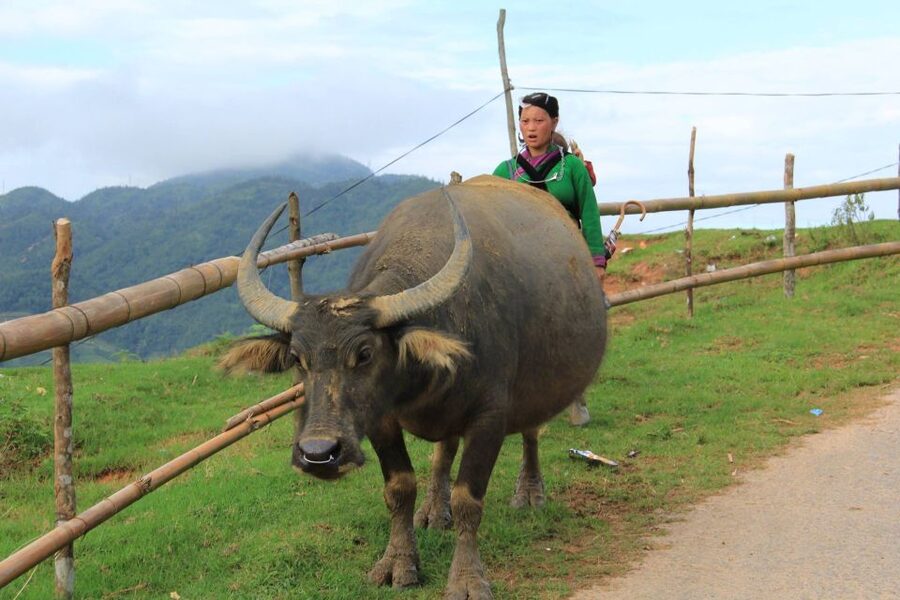
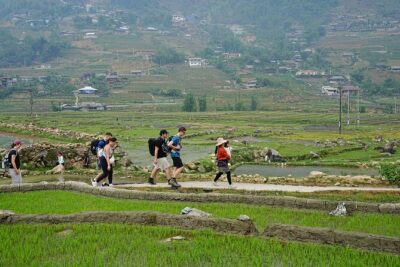
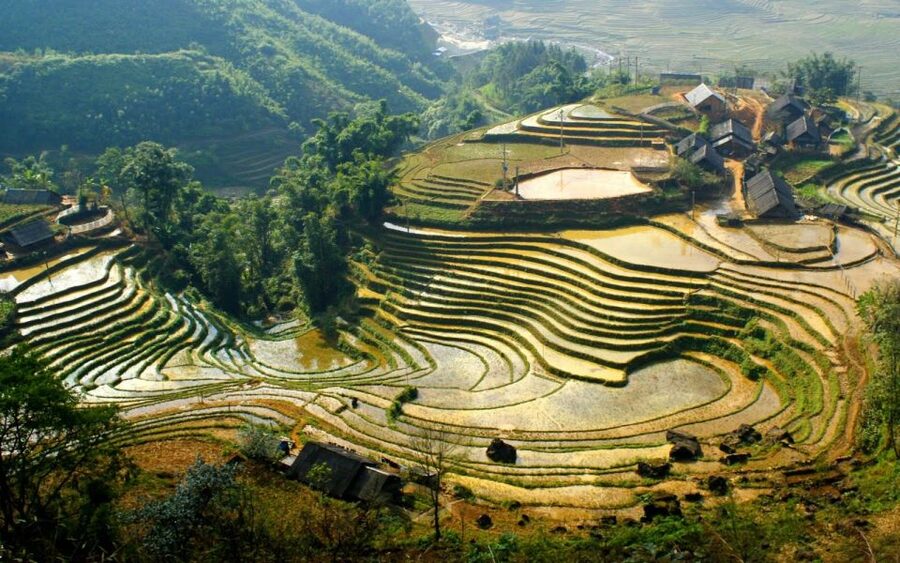
Sapa is famous for rice terraces, but what makes this kind of trek worthwhile is the human scale. You’re not just viewing farmland from a lookout—you’re moving through the villages that maintain it. That changes everything. A walk on a paved path won’t teach you how communities work. A multi-day trek through Dong Bac can.
This itinerary is built around a classic route: Sapa to Cat Cat on Day 1, then Y Linh Ho and Lao Chai into Ta Van, and finally a bamboo forest trek toward Giang Ta Chai on Day 3. You also get one full night in a local home setting, which is where the experience stops being postcard travel and starts being day-to-day mountain life.
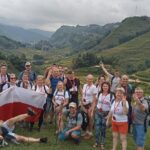
The group size matters here too. With a small group (up to 10), the guide can slow down for questions, help with pace, and keep the route comfortable. If you dislike rushing or herd-style travel, this is a better fit than bigger bus tours.
You can also read our reviews of more tours and experiences in Hanoi.

Day 1: Hanoi to Sapa, Then Cat Cat’s Waterfall Walk

Your day starts early. Pickup is from the Old Quarter area of Hoan Kiem district, around 6:30 to 7:00 AM, or you can meet at 6:45 AM at 9 Hàng Hương, Hàng Mã. You’ll board a modern shuttle bus with an experienced driver and an English-speaking guide covering the Hanoi–Sapa stretch.
The bus ride takes you through Lao Cai with comfort stops along the way. When you arrive in Sapa, you’ll see the ethnic mix right away—H’Mong, Dzao, and Tay traditional clothing are common around town.
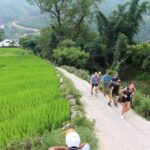
Then comes Cat Cat. After lunch and check-in, you’ll head out around 2:30 PM for a roughly 3 km walk down to Cat Cat Village. This is a manageable intro trek—long enough to feel the altitude and the mountain air, not so long that you’re exhausted before you even sleep.
What you do in Cat Cat is the fun part. You’ll visit the hydropower station area and the Cat Cat waterfall, then learn about local culture and crafts. Expect practical cultural stops such as weaving, carved silver, and hand-forged agricultural tools. After exploring, you’ll walk back up to Sapa, another 3 km.
Dinner is timed for comfort—around 6:30 or 7:00 PM—then you overnight in a hotel in Sapa for the first night. That matters: you get a proper base before the homestay night.
Day 2: Y Linh Ho Photos, Lao Chai Culture, and a Giay Homestay Night

Day 2 starts with a breakfast and check-out before 8:30 AM, then you leave the hotel to walk down to Y Linh Ho. This is a key photo stretch because Y Linh Ho sits in a village area known for long-running terrace farming. The route passes through scenes you can’t really fake with social media images—terraces, footpaths, and daily routines that look different at every turn.
From Y Linh Ho, you continue toward Lao Chai. You’ll stop in Lao Chai for lunch (about an hour), then keep moving toward Ta Van, described as an established Hmong and Giay area.
This is where the tour shifts from sightseeing to relationships. In Ta Van, you’re welcomed by a Giay family and spend the night in a shared Dzay homestay setup (private rooms may be available at an extra cost). The big promise here is home-cooked time. You’ll help out with cooking and have dinner with the local family, which is where you get the real answers. People will talk in the ways that work for them—daily life, farming rhythms, and what the mountain means when weather changes fast.
For many travelers, this is the emotional high point because you stop being a visitor and become a temporary member of the household. Even if language is limited, food and routine do the heavy lifting.
Day 3: Bamboo Forest Trek, Silk Waterfall, and Giang Ta Chai Views
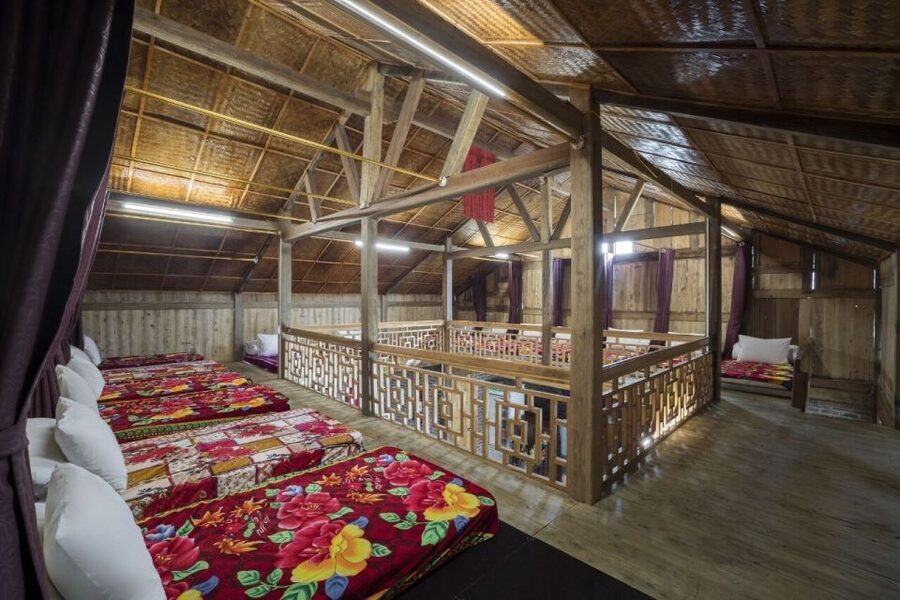
Day 3 begins early. You’ll wake up to the sounds of village life—rooster or pigs—then have breakfast outdoors with pancakes and hot tea or coffee. The terrace views in the morning are part of the point: you’re likely looking out across the rice shapes that you walked through the day before, only now you see them in softer morning light.
After breakfast, you trek through a bamboo forest toward the silk waterfall and then onward to Giang Ta Chai. The route is described as enchanting, and the structure is clear: a few hours of walking, then a break with scenic views.
Lunch is planned as a picnic with the mountain panorama. One important note for your expectations: the basic trek structure and stop pattern stay the same, but some groups have experienced changes in small extras like picnic-style setup. So if your main motivation is a specific lunch format, keep your expectations flexible and focus on the walking and viewpoints.
After lunch, you head back to the main road, then take a car or minivan back to Sapa around 2:00 PM. You’ll shower at the hotel and then catch a shuttle back to the bus office at about 3:00 PM for the trip to Hanoi. Before you leave, you’re prepared sandwiches to take along.
Price and Value: Is $182 a Fair Deal for Three Days?
At $182 per person, this trek costs less than many custom private Sapa experiences, but it’s not bargain-basement cheap. The value comes from what’s included and what you’re actually doing.
Here’s what you get for the price:
- Transport: shuttle bus between Hanoi and Sapa, plus local shuttling as needed
- Guides: English-speaking tour guide between Hanoi and Sapa, plus a local English-speaking guide in Sapa
- Meals: 3 lunches, 2 dinners, 1 breakfast
- Water: 2 bottles
- Overnight: one night in a local homestay (with private room optional for an added fee)
When you compare it to paying separately for a driver, guides, meals, and a homestay booking, the math starts to look reasonable. The group format also keeps costs down, while still giving you enough attention to learn things during the walk.
That said, price alone doesn’t tell you comfort level. Your biggest value question isn’t money—it’s whether you’re okay with a rustic homestay, cold mornings, and the reality of village tourism.

Comfort, Clothing, and the Sapa Weather Factor
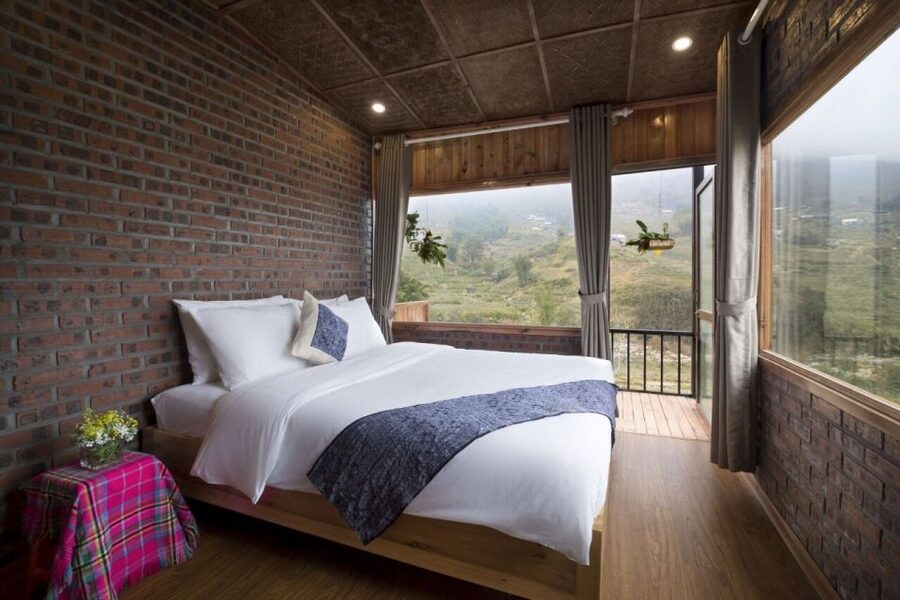
Sapa’s altitude means the weather can surprise you. The tour specifically warns that Sapa can be foggy in December, January, February, and March. If you’re traveling in those months, plan for low visibility and colder air.
You’ll want warm clothing, plus a scarf and hat. Comfortable shoes are a must, and hiking shoes are strongly recommended. Even if the trek isn’t framed as an extreme climb, wet earth and uneven paths can make sneakers feel like a bad decision.
Bring:
- hiking shoes (not just any trainers)
- warm layers, scarf, and hat
- sunglasses and sunscreen
- insect repellent
Also, expect altitude mornings to feel sharper than you think. I’d rather show up over-prepared than cut the trek short because I guessed wrong about temperature.
Small-Group Trek Style: Guide Support and Village Etiquette
With a maximum group size of 10, you’re traveling with a manageable number of people. That helps on narrow paths and in villages where you want to move calmly.
Guide support matters here too. Having English support on the Hanoi–Sapa transfer and locally in Sapa reduces the stress of navigation and helps you understand what you’re seeing. In one group, the guide Chu stood out for being cheerful and protective on the trail, including handling stray-dog issues safely.
One cultural note: village craft selling is part of the ecosystem. Cat Cat and other areas where visitors pass through often include opportunities to buy weaving and carved items. If you dislike frequent sales pressure, prepare yourself mentally. It can happen during the trek, not just at a shop.
The best approach is simple: decide ahead of time whether you want to buy. If you don’t, a calm no and moving on tends to keep the energy peaceful.
Who Should Book This Trek (and Who Should Skip)
This tour fits travelers who want more than a bus ride and a viewpoint. If you enjoy walking, learning village culture, and spending a night in a home setting, you’ll likely love the pacing.
It’s a strong match for:
- people comfortable with early mornings
- solo travelers who want a small-group feel
- couples or friends who want structured guidance but still want authentic village time
- hikers who can handle a mix of paths and uneven ground
It may be a poor fit for:
- pregnant women
- people with pre-existing medical conditions
- older guests or children if you’re not comfortable with the trek length (the itinerary notes that 9 km is not recommended for older guests or children)
If you want a gentler plan with fewer steps, look for an easier local trek option.
Should You Book: My Practical Verdict
I’d book this if your priorities are village walking + real meals + homestay dinner, and you’re okay with basic accommodations and weather shifts. The route is well paced: Cat Cat introduces you, Day 2 builds cultural depth, and Day 3 adds morning views plus a bamboo forest trek.
I wouldn’t book if you need hotel-level comfort, dislike any sales pressure around crafts, or you’re traveling in cold months without real warm gear. Fog and cold are not subtle in Sapa winter.
If you do book, go with flexible expectations about small extras like picnic-style lunch setups. Focus on the walking, the terraces, and the family dinner time—that’s the heart of the value.
FAQ
What is the duration of this Hanoi to Sapa trek?
It runs for 3 days.
How much does the tour cost?
The price listed is $182 per person.
Where is pickup in Hanoi?
Pickup is from the Old Quarter area of Hoan Kiem district around 6:30–7:00 AM, or you can meet at 6:45 AM at 9 Hàng Hương, Hàng Mã.
What does the itinerary include for meals?
It includes 3 lunches, 2 dinners, and 1 breakfast, plus 2 bottles of water.
Do I stay in a homestay overnight?
Yes. You stay for one night in a Dzay homestay (private rooms may be available for an extra cost).
Is there English support during the trip?
Yes. There’s an English-speaking tour guide between Hanoi and Sapa, and a local English-speaking tour guide in Sapa.
How big is the group?
The group is limited to 10 participants.
What should I bring for the trek?
Bring a passport or ID card, comfortable shoes (hiking shoes are recommended), warm clothing, and weather-appropriate gear like a hat and scarf. Sunglasses, sunscreen, and insect repellent are also recommended.
Is this suitable for everyone?
It’s not suitable for pregnant women or people with pre-existing medical conditions. The trek length (noted as 9 km) is not recommended for older guests or children.
Can I get a refund if plans change?
Free cancellation is available up to 24 hours in advance for a full refund.