REVIEW · KATHMANDU
Kathmandu: 15-Day Everest Base Camp Trek with Guide
Book on GetYourGuide →Operated by Outshine Adventure Pvt Ltd · Bookable on GetYourGuide
One of the hardest walks, with some of the best rewards. This 15-day Everest Base Camp trek strings together Kathmandu culture and high-altitude scenery in a way that feels organized, not rushed.
I especially like the pacing: you get built-in acclimatization, including a rest day in Namche and viewpoint time near Hotel Syangboche. I also like that the team leans on real local mountain know-how, with guides like Kale Prakash, Dillisher Katuwal, and Kali, who focus on safety and practical mountain decisions.
One consideration: the flight into Lukla (and the return) can be weather-sensitive, so you should expect some uncertainty around exact timing and views on a given day.
In This Review
- Key Highlights You’ll Feel on the Trek
- From Kathmandu Sights to Mountain Reality
- Lukla Flight Day and the Phakding Easy Start
- Namche Bazar: Where Acclimatization Becomes Your Superpower
- Thyangboche, Tengboche Monastery, and the Khumbu Villages
- Chhukung Valley Day: A Break That Still Feels Like Progress
- Gorakshep and Kalapathar: The Daybreak That Can Make the Trek
- The Return Down: Namche to Lukla to Kathmandu Recovery
- Price and Logistics: Is $675 Good Value for Everest?
- What the Guides Do That Changes Your Trek
- Who This Everest Base Camp Trek Fits Best
- Should You Book This 15-Day Everest Base Camp Trek?
- FAQ
- How long is the trek?
- What does the trip include in Kathmandu?
- What kind of accommodation is used during the trek?
- Is the guide English-speaking?
- Are flights between Kathmandu and Lukla included?
- Are meals included during the trek?
- Do I need trekking permits?
- What should I bring for the trek?
Key Highlights You’ll Feel on the Trek
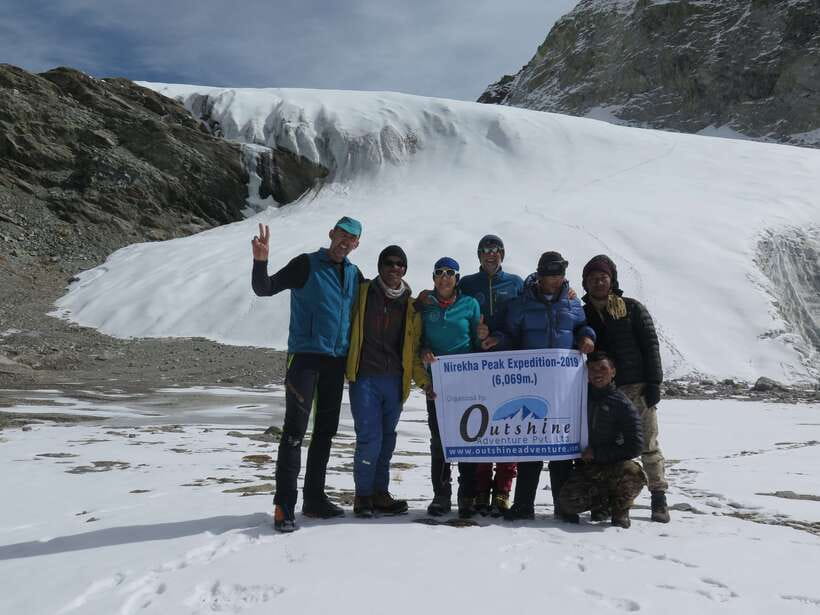
- Kathmandu “warm-up” tour (Durbar Square, Swayambhunath, Boudhanath, Pashupatinath) so the region makes sense before you climb.
- Small-group rhythm that keeps logistics smoother and makes it easier to travel together.
- Acclimatization done the sensible way, with Namche rest time plus a higher hike to Hotel Syangboche.
- Monastery views and Sherpa villages, from Thyangboche to Pangboche and Pheriche as you move through Khumbu life.
- Kalapathar early-morning push for wide Everest-area panoramas, even when weather shifts.
- Support when you feel off, since the guide team handles sick days and recovery with care.
From Kathmandu Sights to Mountain Reality
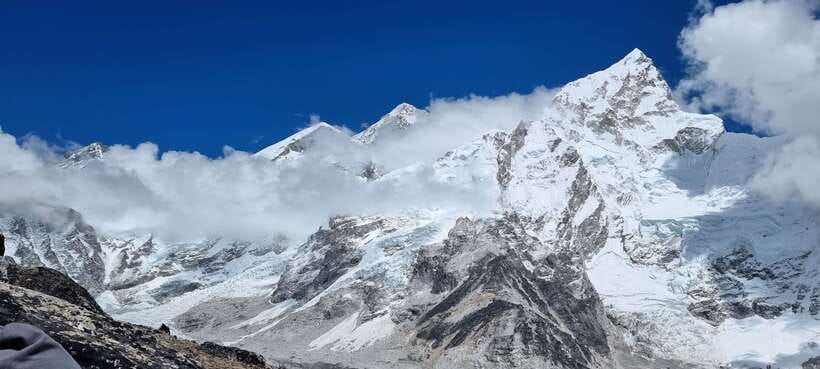
Before you chase Everest, you need context. Your trip starts with an arrival into Kathmandu, then a private transfer to a hotel where you get a clear briefing from your guide. On day one, I like that the start is practical: you’re not guessing what to do next, and you’re not scrambling for gear last minute.
Day two is your cultural primer, handled in a private car with an expert guide. You’ll visit Kathmandu Durbar Square, Swayambhunath, Boudhanath, and Pashupatinath (the Cremation Temple). This matters more than it sounds. In the Everest region, you’ll be surrounded by Buddhism and Sherpa traditions, and those early stops help you read the symbolism you’ll see later on the trail, especially around monasteries and chanting walls.
Why I think day two is a smart move for trekkers: it gives you an emotional “landing.” When the flight day comes, you’re not thinking only about altitude. You’re thinking about people, history, and how the culture is stitched into the valleys you’ll walk through.
You can also read our reviews of more tours and experiences in Kathmandu.
Lukla Flight Day and the Phakding Easy Start
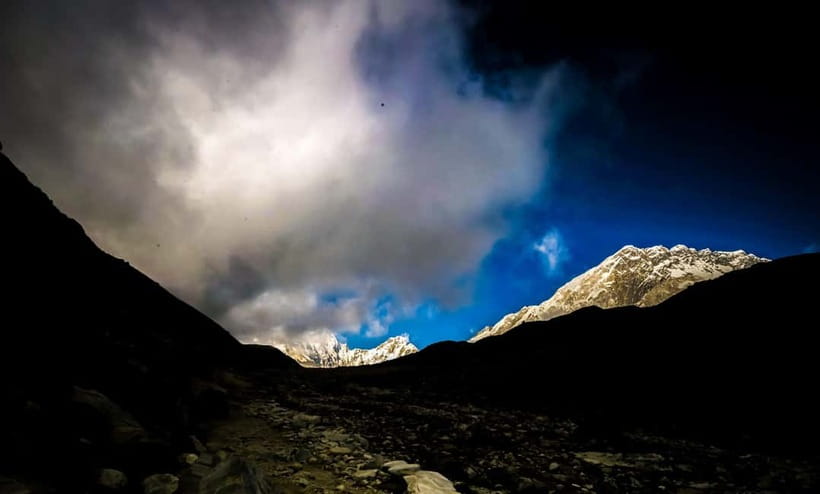
On day three, you’ll fly from Kathmandu to Lukla. Then the trek begins gently, with an easy walk to the upper region of Phakding for your first night. If you’ve never trekked at altitude, that slow start helps your body adjust and helps your legs learn the rhythm.
Here’s the trade-off: getting used to the air is gradual, but the Everest region can still feel intense quickly if you push too hard. So I like that the itinerary doesn’t ask you to sprint. You get time to settle, hydrate, and keep your pace calm.
As you move through the early days, you’re also in and around Sagarmatha National Park, a World Heritage Site. You’ll pass Buddhist monasteries and meet Sherpa communities along the way. This is one of those treks where culture isn’t an add-on. It’s part of the trail’s daily soundtrack: prayer flags, stone mani walls, and the everyday routines of families living with the mountains close by.
Namche Bazar: Where Acclimatization Becomes Your Superpower
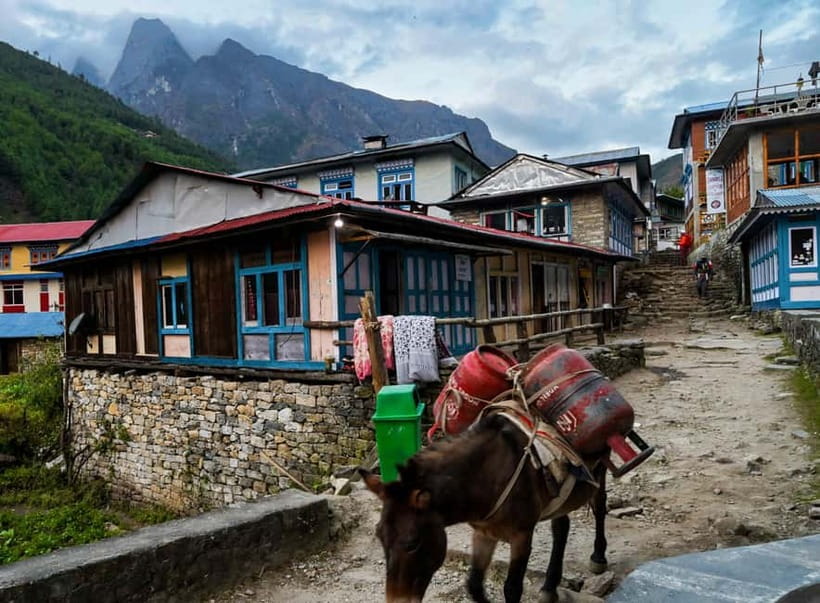
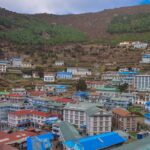
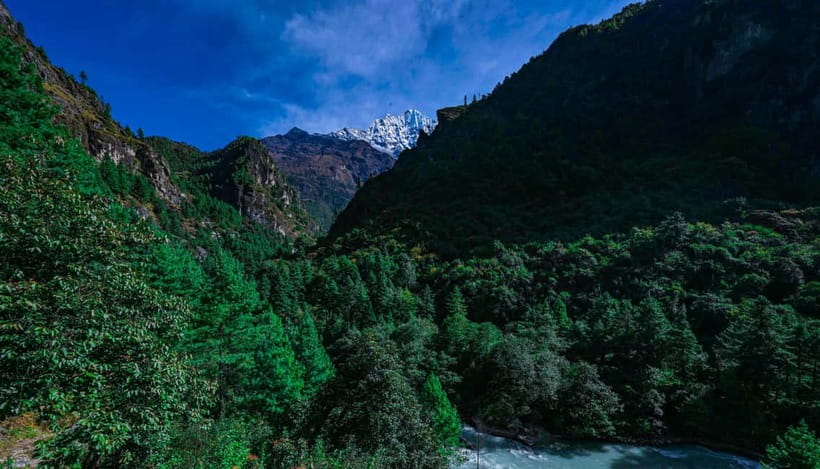
Day four climbs through the Dudh Koshi valley to Namche Bazar, the big “rest hub” of the Khumbu area. This is a key day because the walking is real but the destination offers what trekkers need: services, guidance, and a sense of arrival.
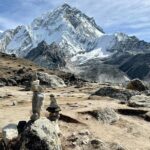
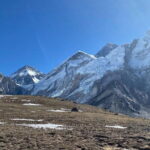
Namche is also where the scenery starts turning into something jaw-dropping. You’ll get panoramic views across the Everest region, with rhododendron forests in season and big snowy peaks hanging above rooftops. It’s not just pretty. It’s motivation, and it helps you understand why your effort matters.
Then comes day five: a rest day in Namche to acclimatize. You’ll hike up to Hotel Syangboche (around 3,850 meters) for better adjustment. This is exactly the kind of plan you want on Everest routes. You gain altitude, but you’re not stacking long, exhausting days back-to-back. Your body learns. Your lungs learn. And you reduce the risk of the kind of fatigue that makes later days miserable.
I also like that the itinerary doesn’t treat acclimatization like a checkbox. The point of this day is breathing control and steady recovery, not sightseeing overload.
Thyangboche, Tengboche Monastery, and the Khumbu Villages
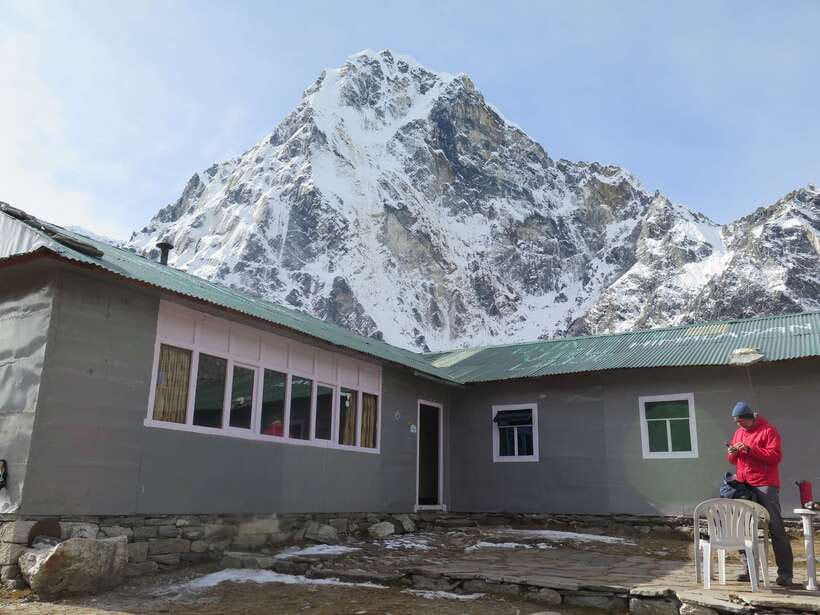
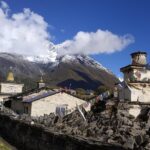
On day six, you’ll trek to Tengboche. The route climbs through high-altitude air and chilly conditions, and after about two hours you’ll reach Thyangboche Monastery at roughly 3,867 meters. The ridge setting and views toward Sagarmatha are the big draw here, but the deeper value is how the monastery acts like a cultural checkpoint.
This is where you’ll start noticing how often people build their lives around the spiritual geography. You’ll see the way prayer and daily routine fit together, and you’ll feel it in how locals move, talk, and greet each other. Even on a trek that focuses on big mountains, you’re still walking inside a living community.
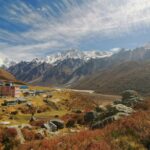
Day seven continues to Dingboche, passing through Imja Khola, Pangboche, and Pheriche. Eventually, you’ll reach the area near Khumbu glacier. These village-to-village sections are more than scenery corridors. They show how Sherpa life adapts at high elevations: the same purpose-driven energy, the same sense of practicality, and the same attention to weather and warmth.
If your guide is solid, you’ll get context as you pass each stop. I’ve seen guides like Dillisher Katuwal and Kale Prakash focus on safety and pacing, but also on explaining why certain paths, stops, and traditions matter.
Chhukung Valley Day: A Break That Still Feels Like Progress
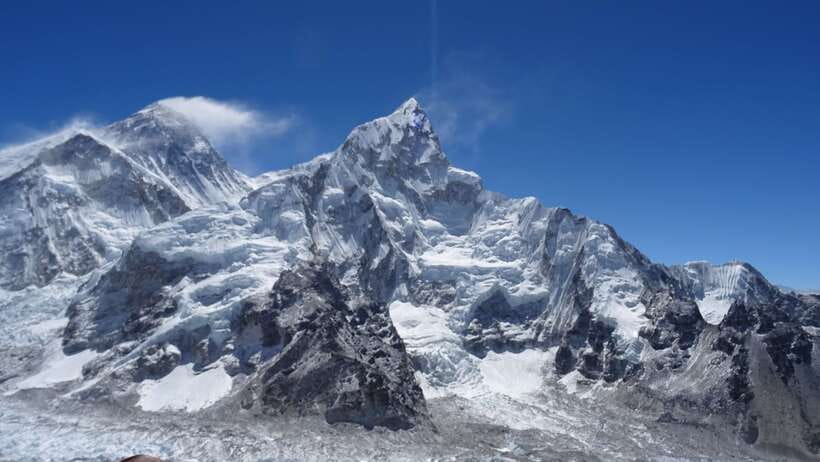
Day eight is a day trip to Chhukung Valley and back to Dingboche. This is one of the itinerary’s standout choices because it offers a change of pace. You get more hiking time and better views, but you return to your base so you’re not reinventing your whole schedule.
Chhukung Valley is often described as one of the world’s best hikes, and the appeal is easy to understand once you’re there: the area feels like a natural viewing platform with dramatic slopes and a sense of space around you. But even if the views are cloudy some days, the walking itself helps you keep altitude adaptation moving in a positive direction.
Day nine takes you to Lobuche. This is a rest-and-recharge day in spirit, because the next phase is about getting closer to the Everest Base Camp approach.
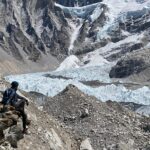
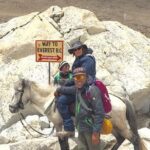
Gorakshep and Kalapathar: The Daybreak That Can Make the Trek
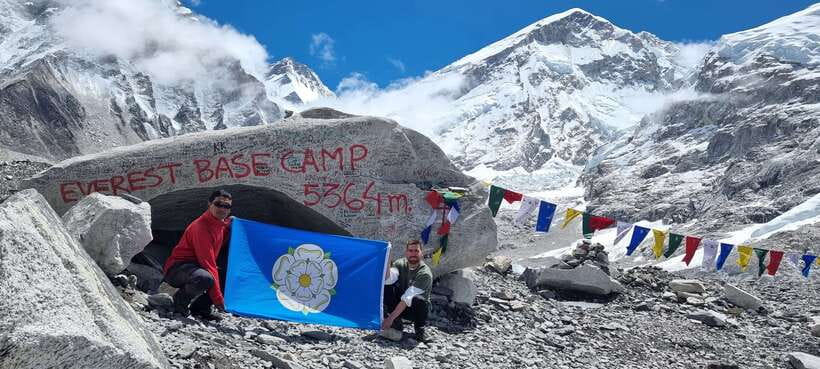
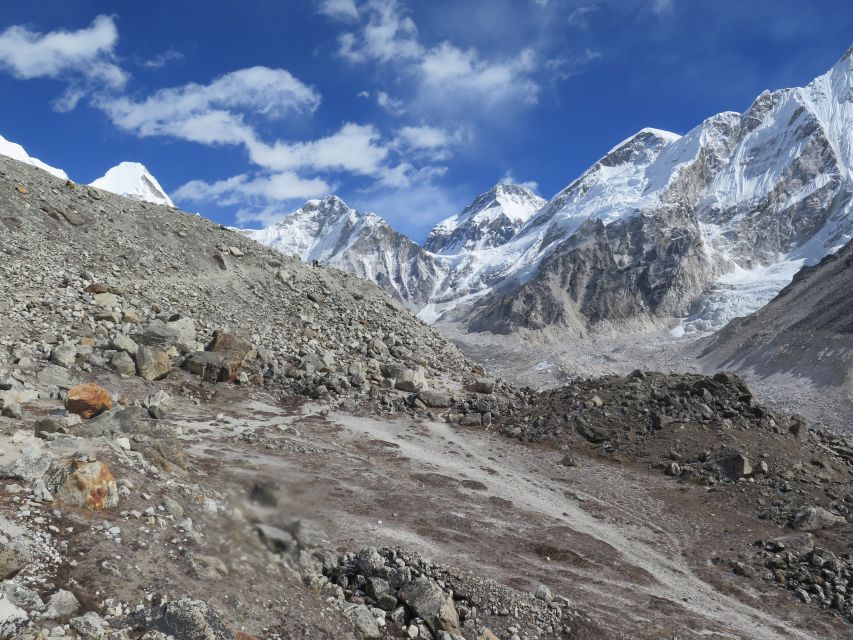
Day ten moves you from Lobuche to Gorakshep, a small settlement near a frozen lake. This is your practical staging point for the Everest push. It also tends to feel more remote. As you get higher, the quiet can be intense, and that can be either calming or unnerving depending on your mindset.
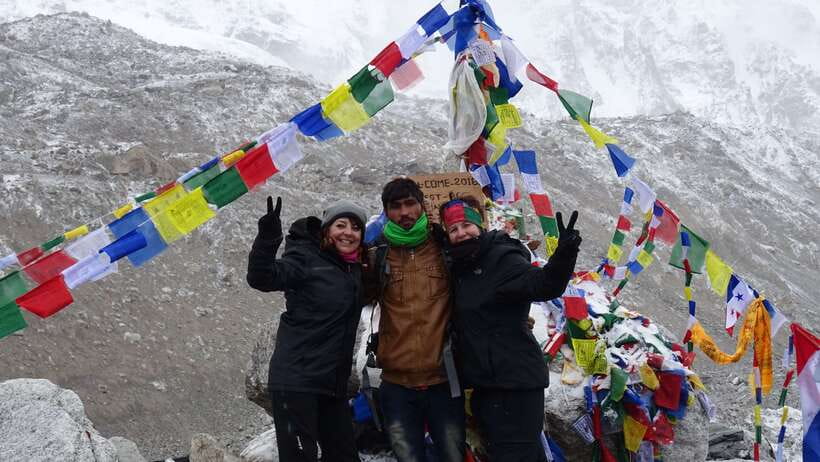
Day eleven is your early morning hike to Kalapathar, then heading toward Pheriche afterward. Early starts are not just tradition; they’re the best chance for clear, wide panoramas. From Kalapathar, Everest-area views can be dramatic, and the timing is built around that possibility.
One real-world note: weather can change everything. On some trips, trekkers hit several cloudy and rainy days, and views were obscured at times. The silver lining is that the experience can still “click” when you get even one clear window. On at least one trek, a clear morning view of Everest from the Gorak Shep area made the whole effort feel worth it.
If you want the best odds, treat day eleven like a priority. Don’t sleep through it, and don’t rush it. Keep steady steps, keep warm, and let the mountain do what it does.
The Return Down: Namche to Lukla to Kathmandu Recovery
Day twelve brings the descent back to Namche Bazar. The itinerary wisely includes another acclimatization stop in Namche. Descending doesn’t mean your body is invincible. You’re still managing altitude effects, hydration, and fatigue.
Day thirteen continues back to Lukla. This is described as a long walk, and that’s accurate. By then, you’ve done a lot of elevation work, and the remaining distance can feel longer than you expect. The good news is that you’re heading toward the exit, and your mental energy usually helps on days like this.
Day fourteen is your flight back to Kathmandu and a hotel night so you can recover properly. Day fifteen closes with airport transfer for your international flight. This is where I think the itinerary makes sense for real life: you don’t finish and then immediately jump into travel chaos. You get recovery time first.
Price and Logistics: Is $675 Good Value for Everest?
At $675 per person, this trip is priced as a trek-focused package, not a full-service luxury expedition. The value comes from what’s included: Kathmandu airport/hotel transfers, three hotel nights in Kathmandu, a private guided city tour, and trek accommodation in guest houses.
You also get an English-speaking Sherpa guide (licensed) plus trekking permits: Everest National Park permits and TIMS (trekking permits). Staff costs, insurance, medicines, and equipment needs for the team are included, and the package even mentions a down-filled jacket and sleeping bag if needed. For many independent trekkers, those items are the hardest to secure early and the easiest to underestimate.
Now, what’s not included matters. You’ll need to budget for international airfare plus the Kathmandu (Ramechhap)–Lukla–Kathmandu flights, which are optional in the sense that the agency can reserve them on request. Also, breakfast, lunch, and dinner during the trek are not included, and alcohol and hot/cold drinks aren’t included either. Porters to carry luggage during the trek are also optional (shared with two people).
So here’s the honest math you should do before booking:
- If you’re willing to manage meals on trek and you pack smart, $675 can feel like good value for a guided Everest route.
- If you want porter support, easy meals included, and full airfare handled, your total cost will rise.
The key is that the “included” items protect the big risks: permits, guide, and the structure that keeps you moving safely and on schedule.
What the Guides Do That Changes Your Trek
This is a guide-led trek, and the guide’s role is bigger than explaining the route. In practice, you’ll see how they manage your pace, your questions, and your comfort.
The names that stand out from trek experiences include Kale Prakash, Kali (Lovely Guide Kali), Kumar, Santos, Gokul in organization, and Dillisher Katuwal for safety and mountain experience. Across those accounts, a common thread is care: when someone got sick, the guide took strong responsibility for the situation; when plans needed to shift, organization stayed focused.
Even if you’re fit, Everest-area trekking isn’t only about legs. It’s about decisions: when to rest, when to push, how to keep warm, and what to do if weather boxes you in. A strong guide doesn’t make the mountain easier. They make the experience more controlled.
Who This Everest Base Camp Trek Fits Best
This itinerary is a solid match if you want:
- A small-group feel for companionship and smoother logistics
- A guided route that covers both culture and the trek
- Built-in acclimatization with a rest day and altitude hikes
- Guest-house trekking, meaning you’re okay with simpler rooms in the mountains
It’s also a good fit for different fitness levels, since the itinerary is built around pacing and rest stops. That said, Everest routes still require real hiking stamina. If you’re unsure about your ability, you’ll want to take acclimatization seriously and not treat every day as equal.
Not for wheelchairs, as stated.
Should You Book This 15-Day Everest Base Camp Trek?
I’d book it if you want a classic Everest Base Camp route with a guide who emphasizes safety, and you like the idea of pairing Kathmandu culture with serious trekking days. The included permits, guide, and Kathmandu support are practical wins, and the acclimatization plan is the kind that helps you enjoy the trek instead of just surviving it.
I’d hesitate if you’re counting on perfect weather windows or you can’t handle schedule changes tied to Lukla flights. In mountain travel, the mountain sets terms. The best approach is to come flexible, pack smart, and commit to the “daybreak matters” mindset.
If you do book, go in prepared: comfortable shoes, sunglasses, and a calm pace. The Everest region rewards steady walkers.
FAQ
How long is the trek?
The duration is 15 days.
What does the trip include in Kathmandu?
It includes airport/hotel pick-up and drop-off in a private car, standard accommodation in Kathmandu for 3 nights, and a guided Kathmandu city tour in a private car.
What kind of accommodation is used during the trek?
You’ll stay in best available guest houses during the trek.
Is the guide English-speaking?
Yes, the live tour guide is listed as English.
Are flights between Kathmandu and Lukla included?
No. Airfare from Kathmandu (via Ramechhap) to Lukla and back to Kathmandu is not included, though optional services can reserve or book the flights on your request.
Are meals included during the trek?
No. Breakfast, lunch, and dinner during the trek are not included.
Do I need trekking permits?
Yes. The package includes Everest National Park permits and TIMS (trekking permits).
What should I bring for the trek?
The list includes comfortable shoes and sunglasses.