REVIEW · SAPA
Sapa hard trekking villages homestay 3days/ 2nights tour – amazing culture
Book on Viator →Operated by David Tran Travel - Day Tours · Bookable on Viator
The trail starts in rice country. This 3-day Sapa trekking-and-homestay tour pairs village walks with family dinners, and you leave with a stronger sense of how the hill communities live. One possible drawback: the days are long and the accommodation is basic, with shared bathroom setups.
What I like is the structure: you’re not dropped into chaos, and you’re not rushed either. With a small group (max 15), you get an English-speaking guide, included entrance/trekking fees, and meals handled for you.
The other big plus is value. For $110 per person you get two nights in local houses plus hotel time at the start, all meals, and the transport that ties the villages together. If you’re picky about room cleanliness or you want hotel-style comfort, plan for rough edges.
In This Review
- Key things that make this Sapa homestay trek worth it
- Why this 3-day village trek feels different than typical Sapa sightseeing
- Day 1: Ta Van and the Hmong/Giay villages around rice terraces
- Day 2: Bamboo forest, Silk Waterfall views, and a Tay welcome in Ban Ho
- Day 3: Red Dao Nam Toong, river walk, Lavie waterfall dips, then back to Sapa
- Homestays and meals: basic rooms, handled logistics, and the food angle
- The guides: English help plus village context (names you might recognize)
- Price and logistics: getting value out of $110
- Who this trek is best for (and who might not love it)
- Weather, rain, and fog: how to be ready without overthinking it
- Should you book this Sapa homestay trekking villages tour?
- FAQ
- What does the tour price include?
- How long is the tour?
- Where does the tour start?
- Is pickup included?
- How big is the group?
- What is the accommodation like during the homestays?
- Are meals included or do I need to budget separately?
- What villages are included in the trek?
- What happens if the weather is bad?
- What is the cancellation rule?
Key things that make this Sapa homestay trek worth it
- Homestay meals with real people: cooking and dinner with a Giay family, plus Tay and Red Dao village experiences
- Iconic village routes: Y Linh Ho terraces, Lao Chai views, bamboo forest walking, and Silk Waterfall scenery
- Ethnic diversity on one loop: Hmong, Giay, Tay, and Red Dao communities across the three days
- Day-to-day pacing you can manage: long days, but you’re guided and not forced into a fast group stampede
- Meals included all through the trek: breakfast, lunch, and dinner are part of the plan
- Weather matters: the trip depends on conditions, so fog or rain can affect what happens next
Why this 3-day village trek feels different than typical Sapa sightseeing
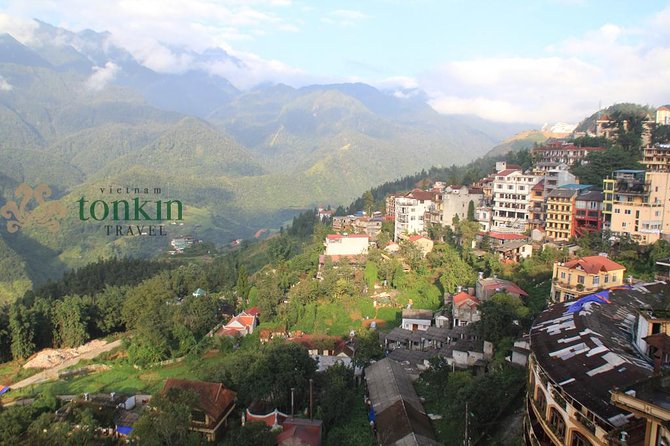
Sapa can be crowded and fast. This tour slows things down on purpose, trading cable cars and souvenir stops for footpaths between small villages.
The heart of the trip is simple: you’ll walk through working countryside, then sleep in local homes. That combo matters because you see terraces in daylight, you hear village life at night, and you get meals that match the rhythms of the area.
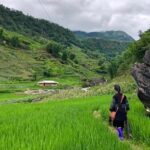
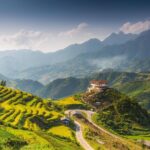
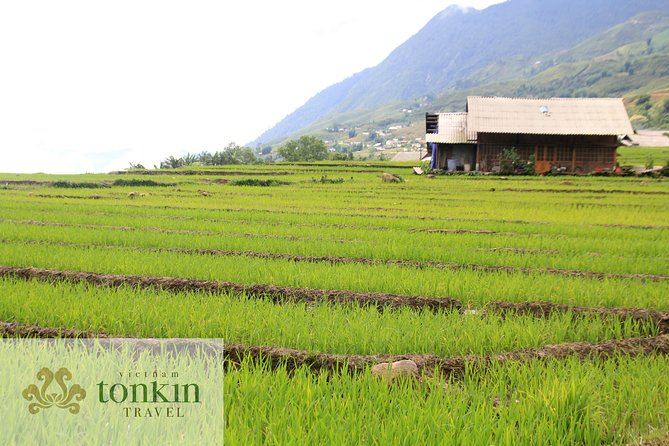
Two moments tend to stay with people: first, walking among terraced rice fields near Y Linh Ho (rice terraces estimated around 100 years old). Second, the homestay dinner, where the day stops being just scenery and turns into shared time.
Day 1: Ta Van and the Hmong/Giay villages around rice terraces
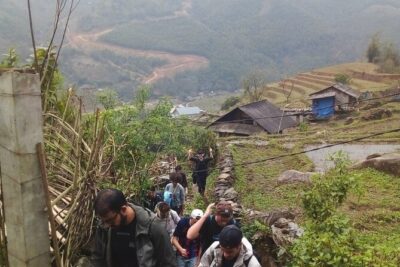
Day 1 starts with pickup from Sapa hotels or the bus station around midday, then you head to the tour office area at Delta Sapa Hotel around 1:00 PM. After lunch at the hotel, the trek begins at 2:30 PM with a downhill walk toward Y Linh Ho.
Y Linh Ho is a Hmong village, and it’s famous for terraced views. If you like photos, this is where you’ll aim your camera: the fields create repeating layers down the hillside, and the perspective feels almost architectural. From here you continue to Lao Chai, where you get a short break with time to enjoy drinks and the scenery.
From Lao Chai you keep walking to Ta Van, described as an established Hmong and Giay village. At Ta Van, a Giay family welcomes you and you stay for the night in their home. The day ends with cooking and eating dinner with the local family.
What to watch for on Day 1
The walking is a solid warm-up, but it’s still a trek day. Wear shoes you trust on dirt paths and slippery stones, because these routes aren’t paved walkways.
Also, beverages aren’t listed as included. You may find drinks during the Lao Chai break, but don’t plan on a fully stocked water budget—bring what you need.
Day 2: Bamboo forest, Silk Waterfall views, and a Tay welcome in Ban Ho
Day 2 is the long one on paper (it lists 15 hours), and it’s also where the variety kicks in. You wake to the rhythm of village sounds—roosters or pigs—then you have breakfast outside. The tour format includes pancakes plus hot tea or hot coffee, and the morning setting is meant to be seen, not just eaten.
After breakfast, you say goodbye to the local community and start trekking through a bamboo forest. You’ll also pass sights described as leading to the Silk Waterfall area before reaching Giang Ta Chai.
You’ll stop for a picnic lunch partway through the trek, with scenic views as the backdrop. After that, you continue onward to Ban Ho village, where you get a welcome from the Tay minority community.
The evening is dinner with the local family, then overnight at the Ban Ho homestay.
Why Day 2 hits so well
Bamboo walking gives you that calmer, shaded feel—less open exposure than some ridge routes. The Silk Waterfall mention also signals that you’re not just walking between villages; you’re moving through features of the landscape that make the area feel alive even when it’s foggy.
Possible drawback
If you’re not used to long days, Day 2 can feel like a grind even if the pace is reasonable. This is not a stroll tour. If you like hiking, you’ll appreciate it; if you want mostly flat ground and short breaks, you’ll likely feel it more.
Day 3: Red Dao Nam Toong, river walk, Lavie waterfall dips, then back to Sapa
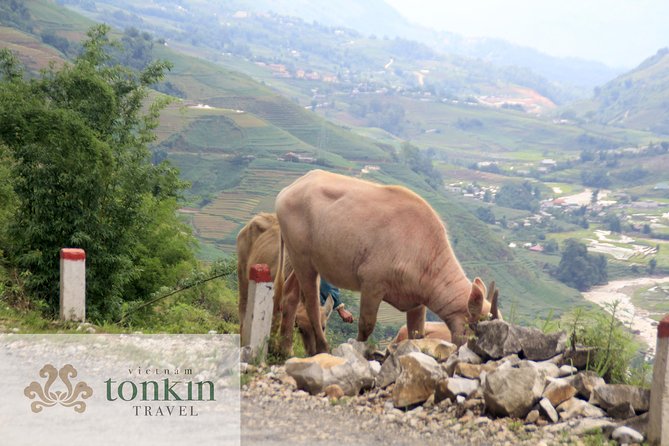
Day 3 begins at the homestay with breakfast, then you set out for a shorter scenic walk along the river. From the river route you head to Nam Toong village, which is described as the village of the Red Dao minority.
After spending time around Nam Toong, you walk back to Ban Ho. The tour then mentions a chance to dip in fresh water near Lavie waterfall, and that’s one of those moments that turns a trekking day into a memory you can feel.
Back at the homestay, you eat lunch, then you leave by car for Sapa around 2:00 PM. You get a shower at the hotel, and later a shuttle takes you to the bus office at 3:00 PM to check in for the Hanoi departure. Before you leave, the tour prepares sandwiches to take away.
A practical note
Because the itinerary includes returning to Sapa and then heading onward to Hanoi, pack with travel-day comfort in mind. You’ll want a change of clothes for the shower and bus portion, not just trekking gear.
Homestays and meals: basic rooms, handled logistics, and the food angle
This tour includes two nights in local houses with basic room setups and sharing bathroom arrangements. In plain terms: you’re choosing cultural contact over luxury bedding.
On Day 1, the first night is at Ta Van with a Giay family. On Day 2, you overnight at Ban Ho. Meals are included: two breakfasts, three lunches, and two dinners.
What stands out from the experience descriptions is that food isn’t treated like a quick add-on. Cooking and dinner with the local family on Day 1 is part of the cultural exchange, not a separate restaurant stop. And on Day 2 breakfast is outdoor and simple—pancakes plus hot tea or coffee—so you start your walking day with village-style ease.
One comfort reality check
Some experiences in this region can vary. Even within one tour style, room condition can be inconsistent because homestays are local homes, not standardized hotels. If cleanliness is a deal-breaker, treat this as a cultural stay where comfort standards may not match what you get in big-city properties.
The guides: English help plus village context (names you might recognize)
An English-speaking guide is included, and the role matters more than people expect. On a trek like this, good guiding isn’t just directions. It’s explaining why you’re walking a certain way, which community you’re seeing, and how daily life connects to what you see outside.
Several guide names show up as standouts in the tour reputation: Ha (friendly, funny), Tran (informative and makes the trip enjoyable), Jack (cheerful and caring), Dem (history and culture depth), Dinh (clear answers and great guiding), Lu (funny and knowledgeable), and Hung (good history explanations). Those aren’t guarantees, but they do tell you the kind of guiding the tour aims for.
If you want the best experience, show up curious. Ask simple questions like how families organize farming work, what the terraces mean, or what a typical day feels like. Most of the value here is that your guide can bridge your questions with real village answers.
Price and logistics: getting value out of $110
At $110 per person for about 3 days, the value is strongest if you count what’s included. You’re not just paying for a guide. You’re paying for:
- two nights in homestays (basic rooms, sharing bathroom)
- all listed meals (2 breakfasts, 3 lunches, 2 dinners)
- entrance and sightseeing/trekking fees
- air-conditioned vehicle support for transfers
- pickup coordination around Sapa, with a fixed meeting point near Delta Sapa Hotel
- group size kept small (max 15)
Try to DIY this in Sapa and the math usually flips. Even if you find a driver and a “local contact,” you’ll still need guided route planning, homestay arrangements, meal planning, and transport timing between villages. Here, someone else handles the skeleton of the day.
What you should consider about added costs
Beverages and drinks are listed as not included. Also, there’s a Lunar New Year surcharge ($50 per person) for specific February dates in 2026. If your trip overlaps those dates, confirm the final total early so you can budget comfortably.
Who this trek is best for (and who might not love it)
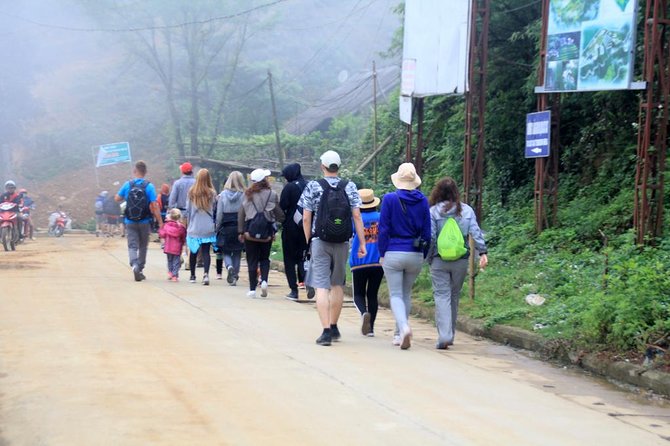
This tour fits well if you:
- like hiking and don’t mind long walking days
- want a cultural stay in small communities, not just viewpoints
- prefer a guided plan that still gives room to move at your own pace
- care about seeing multiple ethnic villages in a short time
You might not love it as much if you:
- want mostly easy walking or minimal physical effort
- need private, hotel-level bathrooms and consistent room comfort
- get discouraged by day plans that include a full return to Sapa and bus check-in for Hanoi
The good news is the format is built for “active outdoor lovers.” If that’s you, the effort feels worthwhile fast.
Weather, rain, and fog: how to be ready without overthinking it
The tour notes that it requires good weather. In real life, Sapa can switch moods quickly, from clear views to fog and mist.
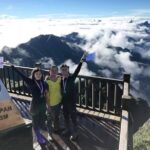
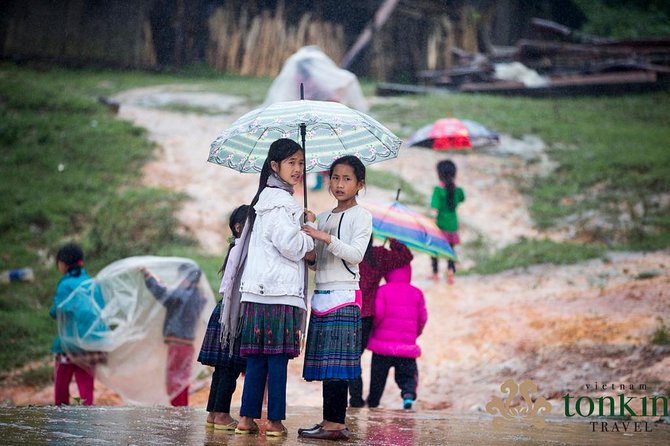
Plan for layers. Bring a light rain layer even if the forecast looks fine, and keep a dry bag or plastic liner for your phone and spare clothes. If the day feels misty, treat it like part of the experience—terraces and bamboo paths still work visually, and fog can turn the village edges into something softer and more atmospheric.
Should you book this Sapa homestay trekking villages tour?
If your Sapa idea includes real village time, walking between communities, and meals that are part of the day, I’d say yes—book it. The combination of homestay nights, guided route planning, and included meals turns “hard trekking” into a structured cultural experience.
I’d think twice if you’re chasing comfort above all. Basic accommodation and shared bathroom setups mean you should go in with the right expectations. Also, Day 2’s long day length makes fitness matter.
My rule of thumb: if you can handle dirt paths, long hours, and simple rooms, this tour offers a lot of authentic payoff for the money. It’s the kind of trip that doesn’t just show Sapa—it teaches you how the people you’re walking past actually live.
FAQ
What does the tour price include?
The tour price includes an English-speaking guide, entrance and sightseeing/trekking fees, accommodation for 2 nights in local houses (basic rooms with sharing bathroom), and air-conditioned vehicle transfers. Meals are also included: 2 breakfasts, 3 lunches, and 2 dinners.
How long is the tour?
It’s a 3-day tour with approximately 2 nights of accommodation in homestays. The walking schedule is spread across Day 1, Day 2, and Day 3.
Where does the tour start?
The start meeting point is Delta Sapa Hotel, address 031 Ng. Cầu Mây, TT. Sa Pa, Sa Pa, Lào Cai, Vietnam. The listed start time is 1:00 PM.
Is pickup included?
Pickup is offered from hotels in Sapa or the bus station around midday, and the plan connects to meeting at Delta Sapa Hotel around 1:00 PM.
How big is the group?
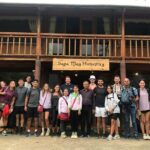
The tour has a maximum of 15 travelers, which helps keep the trip more personal and gives you space to move at your own pace.
What is the accommodation like during the homestays?
You stay 2 nights in local houses with basic rooms and sharing bathroom facilities. The first night is with a local Giay family in Ta Van, and the second night is in Ban Ho village.
Are meals included or do I need to budget separately?
Meals are included: breakfasts (2), lunches (3), and dinners (2). Beverages and drinks are not included.
What villages are included in the trek?
You visit areas including Ta Van (Hmong and Giay), Y Linh Ho (Hmong), Lao Chai, Giang Ta Chai, Ban Ho (Tay minority), and Nam Toong (Red Dao minority).
What happens if the weather is bad?
The experience requires good weather. If it’s canceled due to poor weather, you’ll be offered a different date or a full refund.
What is the cancellation rule?
Free cancellation is available up to 24 hours in advance of the experience start time for a full refund. If you cancel less than 24 hours before, you don’t get a refund.