REVIEW · SORAYPAMPA
5-Day Classic Salkantay Trek to Machu Picchu return by Train
Book on GetYourGuide →Operated by Latin Adventures Tour Operator · Bookable on GetYourGuide
High Andes mornings hit different. I like the snow-capped Salkantay views and the day-by-day payoff of reaching Machu Picchu with a real guide. The trade-off is serious hiking time and early starts, especially at altitude.
I also like that the trip ends with a train return instead of another long travel slog. My guide Holger kept the group steady through the hardest sections, and the camp setup (glass huts and domes) makes the nights feel organized, not chaotic. If you want a smooth, low-effort vacation, this won’t be it.
In This Review
- Key highlights to know before you go
- Why this Salkantay-to-Machu Picchu route feels like value, not just a trek
- Day 1: Cusco to Challacancha, Humantay Lagoon, and glass-hut camp in Soraypampa
- Day 2: Abra Salkantay pass at dawn, then the descent to Colpapampa domes
- Day 3: Jungle trekking to Playa Sahuayaco and the Cocalmayo thermal baths
- Day 4: Llactapata on the Inca Trail, first Machu Picchu mountain views, and Aguas Calientes
- Day 5: Guided Machu Picchu tour, optional Huayna Picchu or Machu Picchu Mountain, then train back to Cusco
- Price and logistics: is $699 really fair for what you get?
- Comfort, luggage, and what to pack (so your body stays happy)
- Who this trek fits (and who should think twice)
- Should you book this Salkantay trek with Machu Picchu return by train?
- FAQ
- How long is this tour?
- Where does the tour start?
- Is Machu Picchu entry included?
- What meals are included?
- What kind of sleeping arrangements are provided?
- Do I need to bring a sleeping bag?
- Are the Cocalmayo thermal baths included?
- Is train travel included?
- Can I request vegetarian meals?
- Is there an option to climb Huayna Picchu or Machu Picchu Mountain?
Key highlights to know before you go
- Humantay Lagoon at the right moment: a dedicated hike from camp, not a rushed stop on the drive-by schedule
- Abra Salkantay high point views: big High Andes panorama time built into the trek
- Jungle day plus Cocalmayo hot springs: the route changes worlds on Day 3
- Llactapata stop on the Inca Trail: a guided look at an Incan site before Machu Picchu
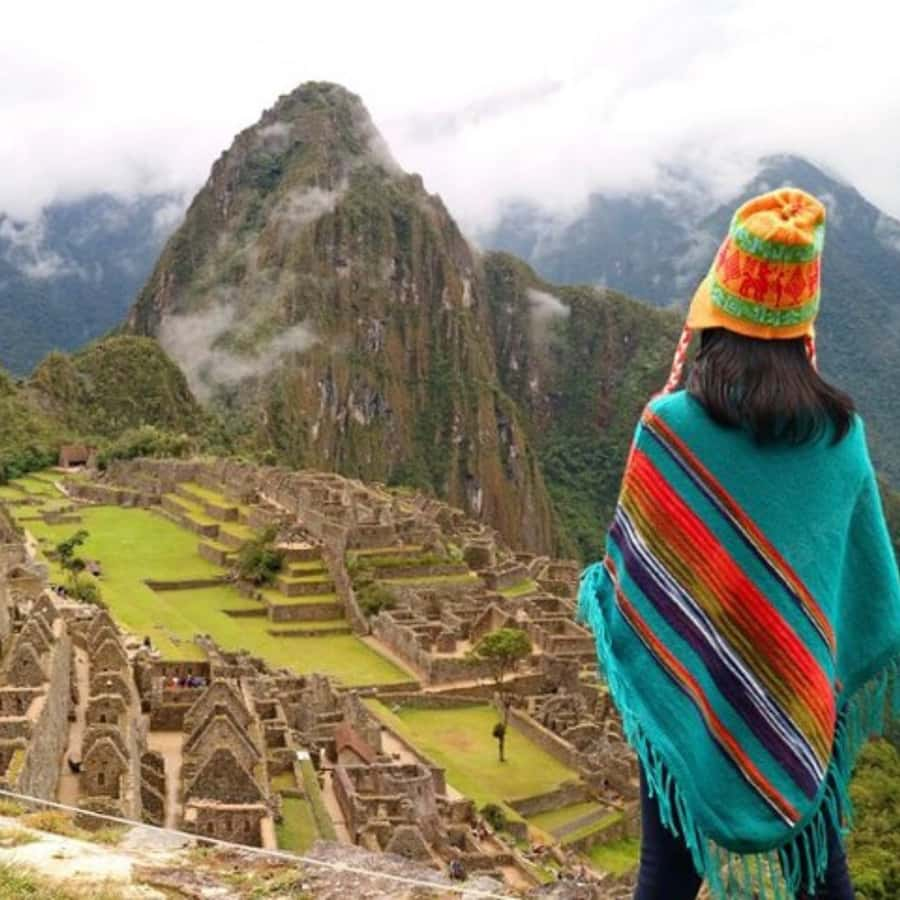
- Machu Picchu with a guide, then your own time: plus optional climbs with scheduled slots
Why this Salkantay-to-Machu Picchu route feels like value, not just a trek
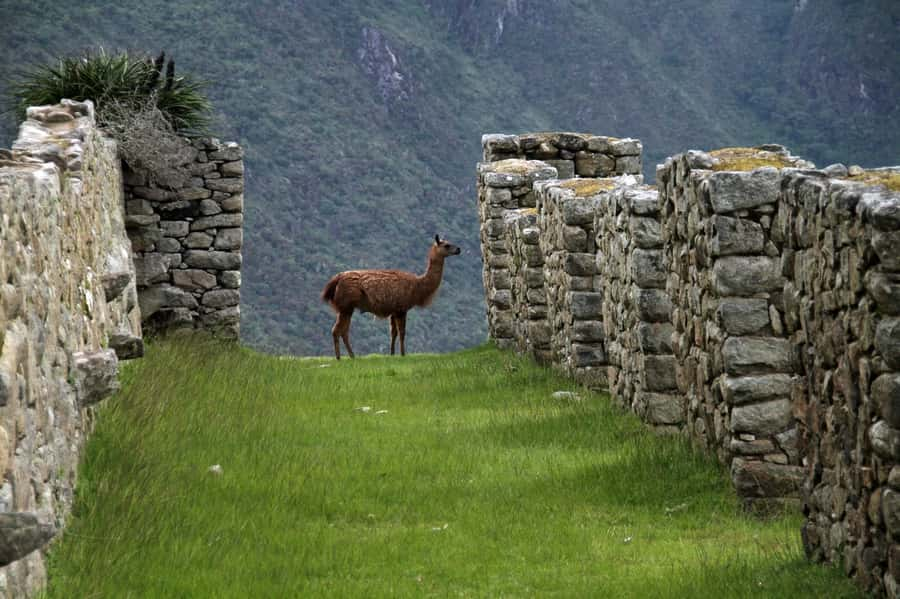
This 5-day Classic Salkantay trek is built for people who want real effort and then a real payoff. You’re not just dropping into Machu Picchu; you’re earning it with high Andean passes, a jungle-feeling day, and Inca Trail scenery along the way.
What I like most is the balance. You get guided parts that actually help you understand what you’re seeing (Machu Picchu and Llactapata), but you still have time to pause, photograph, and soak it in. And the end includes a guided Machu Picchu visit plus round-trip bus service, then an included train ride back through the Sacred Valley corridor.
You’re also paying for logistics that are hard to DIY: pickup in Cusco, group transport segments, camp support (including a cook), and the train ticket between Aguas Calientes and Ollantaytambo.
Day 1: Cusco to Challacancha, Humantay Lagoon, and glass-hut camp in Soraypampa
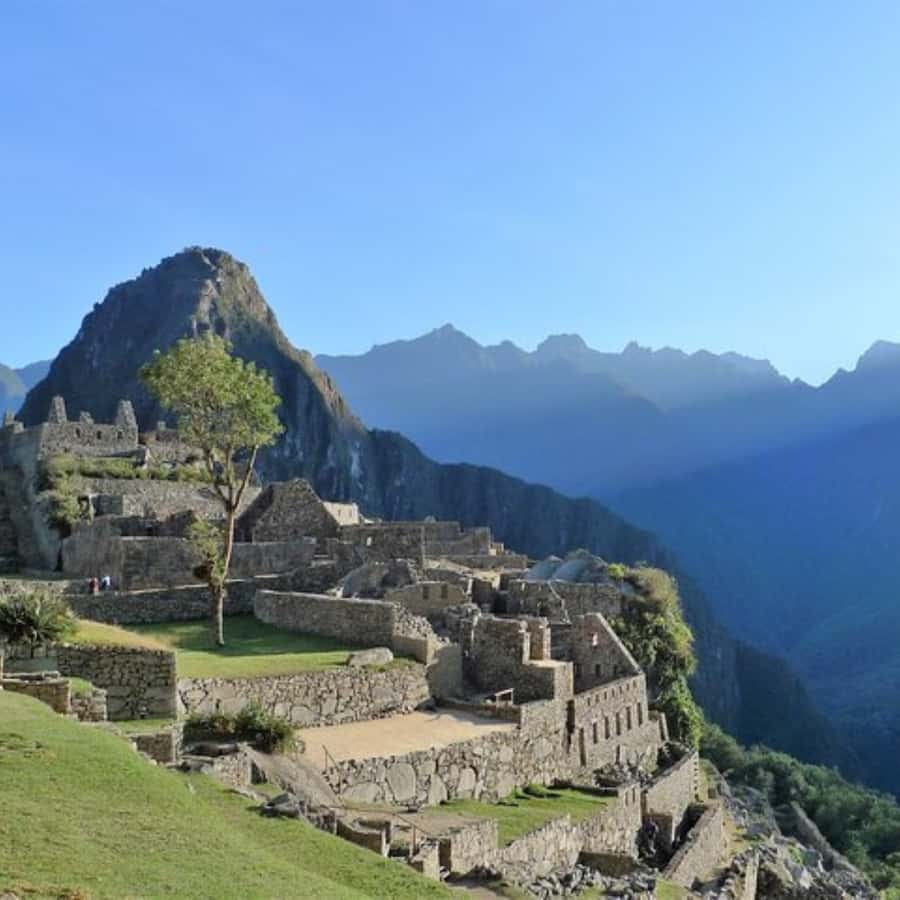
Day 1 starts early with pickup from your Cusco hotel, then breakfast before heading out to the trail starting point at Challacancha. From there, you hike about 3 hours to reach Soraypampa camp, which sets the tone: this is an active trek right away, not a “warm-up walk.”
After lunch, you tackle a 1.5-hour hike to Humantay Lagoon. This isn’t the kind of photo stop where you stay ten minutes and move on. It’s a proper outing where the lagoon and the surrounding glacier-touched peaks become the main event. The views are the point, so wear what you’ll hike comfortably in—then dress smart for wind at higher elevations.
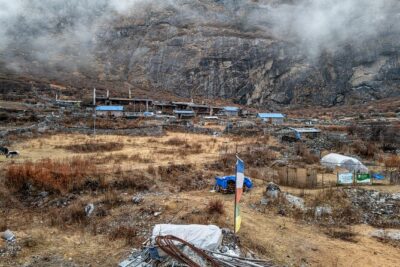
Back at Soraypampa, you typically arrive around 6 PM. You’ll have tea and dinner, then sleep in glass huts. One quiet benefit here: it feels like camp life is managed. You’re not scrambling to set up your own setup after a long day.
Possible drawback to consider: glass-hut camps and high-altitude evenings can still feel cold. You’re bringing hiking layers, but you also need to think about night warmth. (Sleeping bag isn’t included, so plan for that.)
Day 2: Abra Salkantay pass at dawn, then the descent to Colpapampa domes
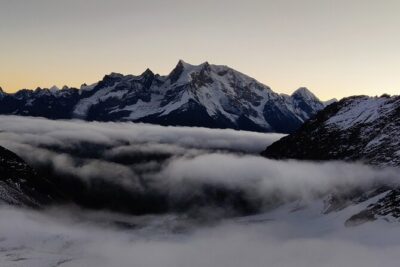
Day 2 is all about altitude and payoff. You’ll start with breakfast around 5 AM, then hike roughly 3 hours from Soraypampa to the Abra Salkantay high point. This is where you’re rewarded with snow-capped panoramas of the High Andes, with named scenery like Salkantay, Humantay, Tucarhuay, and Pumasillo in the mix.
Along the route you pass Salkantaypampa and Soyrococha, then continue the descent toward Huarachmachhay. The direction shift matters. The first part is hard because you’re climbing; later you’ll be dealing with gravity and your footing. Trekking poles can feel like an unfair advantage here.
Lunch comes during the trek, and by late afternoon you reach Colpapampa campsite. You’ll have tea, dinner, and sleep in domes. Compared with basic tent setups, dome-style accommodations tend to feel more protected from wind, which matters when you’re tired and your body wants sleep.
If you’re thinking about fitness, this is the day you should plan around. The schedule is tight: early start, a high pass, and a long second half. But it’s also the day that gives you the “now I get it” feeling about Salkantay.
Day 3: Jungle trekking to Playa Sahuayaco and the Cocalmayo thermal baths
Day 3 changes the feel of the trek. After breakfast, you hike about 5.5 hours through a jungle-type environment, which is a big relief if you’ve been living in “rocky and cold” mode for the past two days. The altitude sensations are still real, but the environment shifts your attention: plants, moisture in the air, and a different pace to the scenery.
You’ll stop for lunch at Playa Sahuayaca. Then you visit Cocalmayo thermal baths. This is a key piece of the itinerary because it gives your legs and shoulders a chance to reset. One important note: thermal bath entry at Cocalmayo is not included, so budget extra if you want to soak without extra hassle.
You return to camp around 6 PM, then tea and dinner again, and you sleep in the campsite for the night. At this point, the trip starts to feel like a routine: hike, eat, reset, sleep, repeat.
What I’d watch for on Day 3: conditions. A jungle day can mean slippery paths and more humidity. Wear shoes you trust, not shiny “tourist” footwear.
Day 4: Llactapata on the Inca Trail, first Machu Picchu mountain views, and Aguas Calientes
Day 4 is where the trek starts turning into something archaeological. You’ll start at sunrise, then walk along the Inca Trail with views over the Santa Teresa Valley. This stretch is special because it connects you to a human timeline, not just a natural one.
After about 2.5 hours of ascent, you arrive at Llactapata, an Incan archaeological site. A local guide explains the history here, which helps you understand why these structures matter and what you’re looking at while you still have trekking energy.
You also get your first real glimpses of the big landmark silhouettes: Machu Picchu Mountain and Huayna Picchu Mountain. Seeing those mountains from the trail gives you a better sense of scale than looking at them from town.
After lunch, the route continues to Hidroeléctrica. From there, you have an option: either walk about 3 hours to Aguas Calientes or take the train. The train option is part of the trip, but it’s listed as optional and not included in the main package cost for the termo electrical ride.
Once you reach Aguas Calientes, you’ll have dinner at a local restaurant in the village, then spend the night in a hotel. This one-night hotel break is worth planning for. It’s the moment you stop being a full-time hiker and become a Machu Picchu visitor.
Day 5: Guided Machu Picchu tour, optional Huayna Picchu or Machu Picchu Mountain, then train back to Cusco
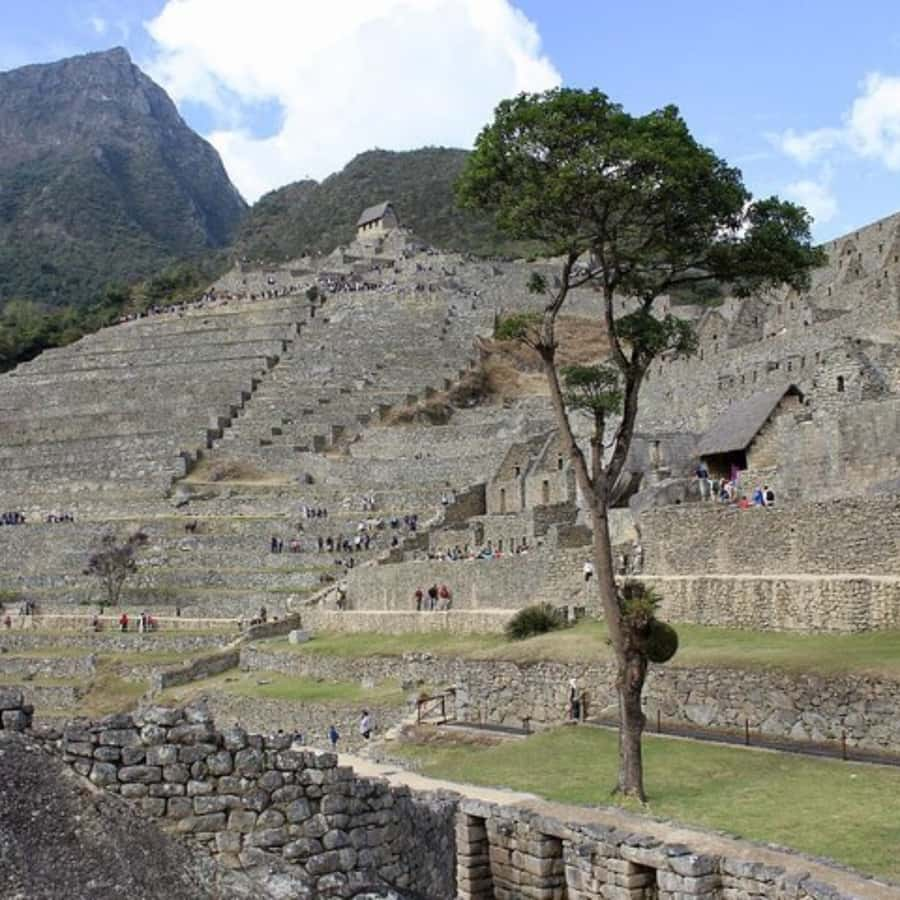
Day 5 starts at Machu Picchu. You’ll take a guided tour of the archaeological site, followed by free time to explore on your own. That combo is smart: the guide helps you read the place, then you can wander without feeling lost.
There’s also an optional climb time for either Huayna Picchu or Machu Picchu Mountain. The schedule is pre-set: the first group hikes 6–8 AM, and the second group goes 9–11 AM. If you’re tempted, think practically: you’ll be tired, and these climbs are steep. But for many people, it’s the defining second act of the whole journey.
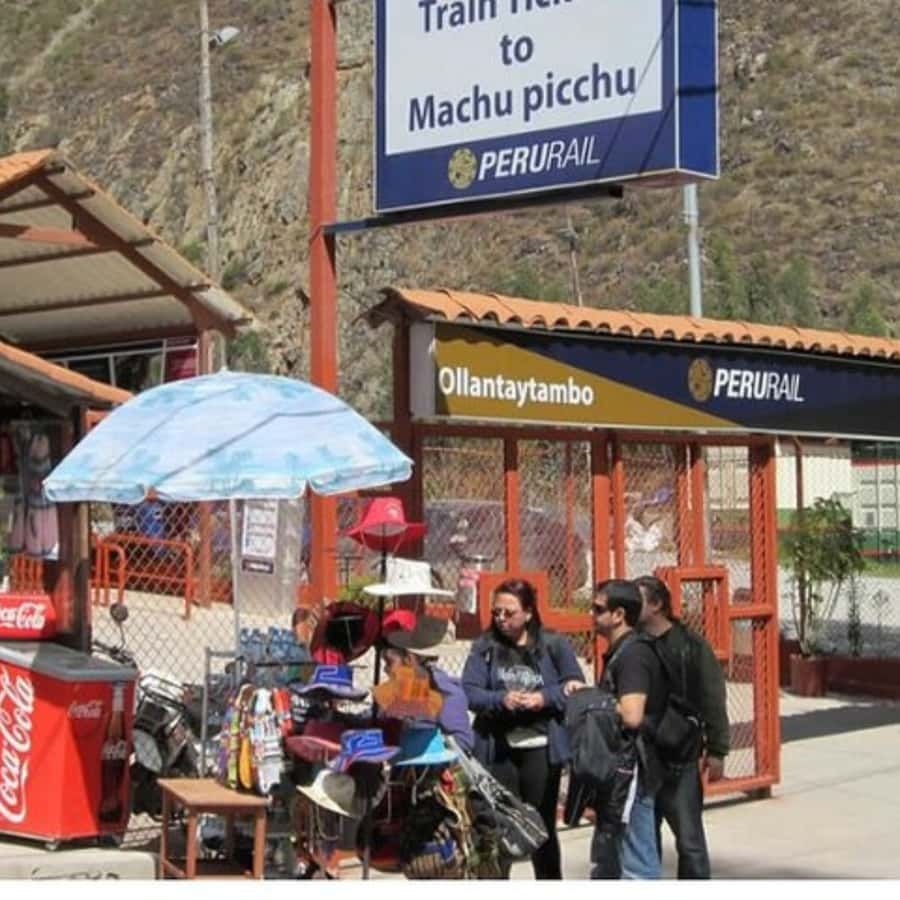
After the site time, you return to Aguas Calientes for lunch, then take the train to Ollantaytambo. The train leaves at 2:55 PM, and your tour finishes with a drop-off at Plaza Regocijo in Cusco.
This train ending is one of the reasons the itinerary works. It gives you a clean exit from the physical part of the trek and a smoother ride back through the Sacred Valley.
Price and logistics: is $699 really fair for what you get?
At $699 per person, this is not a bargain. It’s also not overpriced for what’s included. You’re paying for a lot of “invisible” services: guided trekking support, a certified English/Spanish-speaking guide, camp accommodations for 3 nights (plus the 1 hotel night in Aguas Calientes), meal support (4 breakfasts, 4 lunches, 4 dinners), transport segments, luggage horses, daily water and snacks, and the return train ticket between Aguas Calientes and Ollantaytambo.
Here’s what can change your final budget:
- Sleeping bag is not included. This one item can matter a lot to your comfort.
- Cocalmayo thermal baths entry is not included.
- Aguas Calientes to Machu Picchu bus round-trip ticket is not included ($25).
- The termo electrical train option is listed as optional ($35 per person).
- Lunch on the last day is not included.
So yes, the starting price is solid value, but you should plan for add-ons so you don’t get surprised in Aguas Calientes.
Also, the trek is non-refundable, so make sure your schedule is real and stable before you book.
Comfort, luggage, and what to pack (so your body stays happy)
You get a personal double foam sleeping mat (2.5 inches thick), plus a duffle bag for up to 8 kg (17 lb) of your belongings. Luggage handling is handled by horses, but there’s a key limit: each hiker can bring 13 lbs (6 kg) for the horses to carry. That means you should pack with restraint. Put your essentials into the duffle and keep the rest minimal.
Sleeping bag not being included is a big deal. Even if you’re tough, cold camps add up. If you don’t own a sleeping bag, factor in the cost or borrow one locally so you’re not freezing at night.
Comfort-wise, the tour provides a cook, first aid equipment, and water plus daily snacks. That reduces decision fatigue. But you still control the most important variable: your shoes and clothes.
Practical packing list from the tour guidance:
- Hiking shoes
- Comfortable clothes
- Sleeping bag
Who this trek fits (and who should think twice)
This trip fits best if you’re ready for hiking days, early mornings, and altitude. Day 2 especially asks a lot: you’re climbing to the highest Abra Salkantay viewpoint and then descending. Day 3 is also a long 5.5-hour jungle stretch.
You’ll like it if you care about guided context. You get structured help at Machu Picchu and Llactapata, and you have a team running meals, water, and camp timing. If you want a guided experience where the logistics don’t eat your energy, this is a good match.
Think twice if you want a relaxed pace, or if you’re not comfortable adding optional hikes like Huayna Picchu/Machu Picchu Mountain with early time slots. Also, if cold nights are a dealbreaker, plan for a sleeping bag.
Should you book this Salkantay trek with Machu Picchu return by train?
I’d book it if you want the full classic arc: High Andes → lagoon views → jungle day → Inca Trail stop → Machu Picchu guide tour → train back to Cusco. The schedule makes sense, and the included services are the kind you’ll feel on day one when you’re tired and you don’t want to figure out anything complicated.
I’d pass or switch to a different style of trip if you’re not prepared for long walking days and early wake-ups, or if you’re hoping for a budget-only version where every last cost is already baked in.
If you do book, come ready for effort, bring a real sleeping bag, and trust the flow. The payoff at Machu Picchu lands harder when you’ve earned it on the trail with a guide like Holger keeping you steady.
FAQ
How long is this tour?
It runs for 5 days.
Where does the tour start?
You get pickup from your hotel in Cusco early in the morning. The trek portion begins at the trail starting point at Challacancha.
Is Machu Picchu entry included?
Yes. The tour includes an entry ticket to Machu Picchu.
What meals are included?
You get 4 breakfasts, 4 lunches, and 4 dinners. Lunch on the last day is not included.
What kind of sleeping arrangements are provided?
You get 3-night camping accommodations plus 1-night hotel accommodations in Aguas Calientes. The camps include glass huts and domes, depending on the night.
Do I need to bring a sleeping bag?
Yes. Sleeping bags are not included, so you’ll need to bring your own.
Are the Cocalmayo thermal baths included?
The itinerary includes a visit to Cocalmayo, but thermal bath entry is not included.
Is train travel included?
Yes. There is a return train ticket between Aguas Calientes and Ollantaytambo. There is also an optional termo electrical train option on Day 4.
Can I request vegetarian meals?
Yes. Vegetarian food is available upon request at no extra charge.
Is there an option to climb Huayna Picchu or Machu Picchu Mountain?
Yes. The climb is optional and scheduled for pre-designated groups: the first group hikes from 6–8 AM and the second group from 9–11 AM.