REVIEW · POKHARA
Annapurna Base Camp Trek from Pokhara
Book on Viator →Operated by Arpan Nepal · Bookable on Viator
Base Camp sounds big.
This trek from Pokhara turns it into a steady, day-by-day walk through natural forest sections, rural villages, and mountain scenery, with an English speaking guide keeping logistics smooth. I especially like having an English speaking trekking guide and the reward of soaking at Jhinu hot spring after the big descent. The one thing to plan for up front is altitude and stamina: you go as high as 4130 meters, and the tour expects you to have strong physical fitness.
You also get a setup that feels calmer than DIY trekking. Hotel pickup and drop-off, private vehicle transfers to and from Nayapul, guest house accommodation, and the trekking permit plus TIMS card are handled for you. At $335 per person for an ~8-day private guided trek, it can be good value if you want convenience without giving up the authentic trail days.
In This Review
- Key things I’d highlight before you commit
- Why this Annapurna Base Camp trek from Pokhara works so well
- Before you go: fitness and altitude reality check
- Day 1 to Ghandruk: from Nayapul to classic village views
- Day 2 to Chhomrong: getting stronger on the trail rhythm
- Day 3 to Sinuwa: quieter stretches and the Annapurna pace
- Day 4 to Deurali: where the mountain mood shifts
- Day 5: Deurali to MBC (3730m) and onward to ABC (4130m)
- Day 6 to Bamboo: the long descent that tests your legs
- Day 7 to Jhinu Danda: hot spring recovery with a real payoff
- Day 8 back to Pokhara: wrap-up ride and landing gently
- Price and logistics: what $335 really buys you
- Who should book this Annapurna Base Camp trek with Arpan Nepal
- FAQ
- FAQ
- How long is the Annapurna Base Camp trek from Pokhara?
- What is the highest altitude reached on this trek?
- Is hotel pickup and drop-off included?
- What’s included in the $335 per person price?
- Are meals included?
- Is this tour private or shared with other people?
- Are trekking permits and TIMS card provided for you?
- What is the cancellation policy?
- Should you book this Annapurna Base Camp trek?
Key things I’d highlight before you commit
- Private, guided trek with an English speaking trekking guide (no guesswork on route timing)
- Hotel pickup and drop-off in Pokhara plus private vehicle transfer to Nayapul and back
- Guest house accommodation included, so you’re not hunting for beds after long walking days
- High point at ABC (4130m), with a mid-stretch stop at MBC (3730m)
- Jhinu Danda hot spring adds a well-timed recovery day after the descent
- Permits + TIMS card included, so you spend less time tracking paperwork
Why this Annapurna Base Camp trek from Pokhara works so well
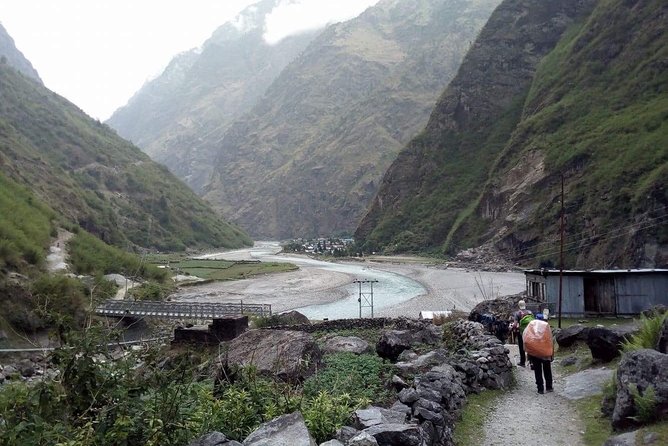
Pokhara is the easy launchpad for the Annapurna region. You don’t just get dropped at a random trailhead. You get a private transfer to Nayapul, then walking that gradually shifts you out of road life and into village rhythm. Each day ends with a clear destination town (Ghandruk, Chhomrong, Sinuwa, Deurali, Bamboo, Jhinu Danda), so your brain knows what to aim for.
What you’re really buying here is balance: you still earn the views with your legs, but you’re not doing the heavy lifting of logistics. The trek includes an English speaking guide, permits, guest house stays, and private transport back to Pokhara. That matters because on a trek, the annoying friction is what drains you. Less friction usually means more energy for the mountains.
And you’re not walking alone in the practical sense. It’s listed as a private tour/activity for your group, with group discounts available depending on your party situation. That mix can be a big deal if you want flexibility while still benefiting from a guided plan.
You can also read our reviews of more tours and experiences in Pokhara.
Before you go: fitness and altitude reality check
The tour is listed for people with a strong physical fitness level. That’s not marketing fluff. You’re stacking long hike days (about 6–7 hours on most days) and climbing to 4130m at ABC. Even if you’re fit, altitude can still feel like someone turned down your gas pedal response time.
Here’s how I’d think about it if you’re deciding:
- If you can handle multi-hour hikes and moderate climbs without needing frequent stops, you’ll likely be comfortable.
- If you’re currently inconsistent with cardio or long walking, you should train first. This route is not a casual stroll.
- Expect that the days near the higher points will feel slower, even if you’re moving at the same pace.
Also, meals are not included. You’ll need a realistic budget for food along the way. Guest houses typically have places to eat, but the tour doesn’t bundle meals into the price—so plan for that before you get surprised on day-to-day costs.
Day 1 to Ghandruk: from Nayapul to classic village views
Day 1 starts with a drive from Pokhara to Nayapul, then you walk to Ghandruk. The listed trekking time is about 7 hours, so treat this as your warm-up day that still asks for real effort.
Why Ghandruk matters: it’s the kind of place where you can feel how people live in the mountains. You’re moving through natural sections of the region and then landing in a village environment where culture isn’t a side quest. It’s part of the day. This is also one of those stops that helps you adjust psychologically. After hours on the trail, it’s easier to accept the routine of the next days.
A practical tip: use day 1 to get your walking rhythm. Don’t sprint early just because you’re fresh. If you keep a steady pace here, the climb-feel later in the trek won’t hit as hard.
Day 2 to Chhomrong: getting stronger on the trail rhythm
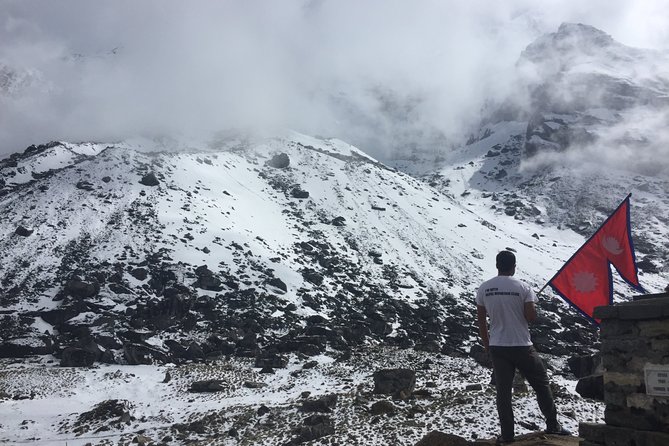
On day 2 you trek to Chhomrong (about 6 hours). Chhomrong is a common highlight on Annapurna routes for a reason: it’s a village stop that gives you a sense of scale. The Annapurna region doesn’t just look dramatic; it feels lived in.
This is a good day for energy management. You’re not only walking; you’re also learning how your body handles ongoing elevation gain. The guide’s job here is more than pointing. A good guide helps you keep pace and avoid the common mistake of going too fast on day 2 because day 1 felt manageable.
What I like about this stage is the shift from “getting started” to “settling in.” The route starts to become routine: walk, stop, breathe, repeat.
Day 3 to Sinuwa: quieter stretches and the Annapurna pace
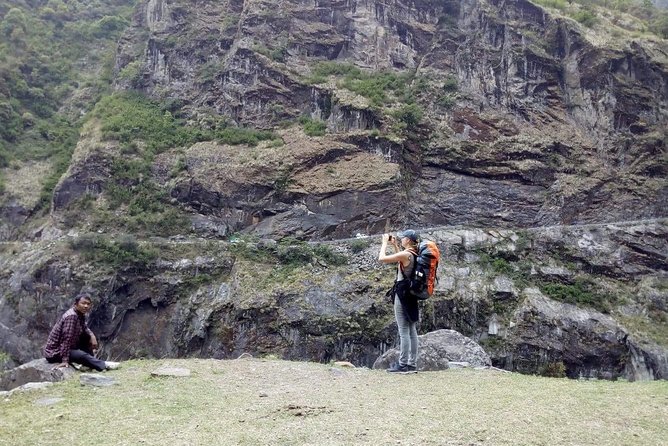
Day 3 takes you to Sinuwa (about 6 hours). This day is where the trek starts to feel less like a checklist and more like a journey through rural Nepal. The overview for this route highlights rural villages and locals as key parts of the experience, and that’s exactly what days like this deliver.
Sinuwa gives you that mid-trek reset. You’re still climbing, but you’re also getting the rhythm of shorter breaks and longer walking stretches. If you’re the type who worries about gear or pace, day 3 is a good day to confirm everything is dialed in: water, layers, and how you handle stops.
One drawback to consider: days in this zone can feel monotonous if you don’t enjoy walking for its own sake. If you’re expecting constant dramatic panoramas every hour, this trek will still reward you, but it will do it gradually.
Day 4 to Deurali: where the mountain mood shifts
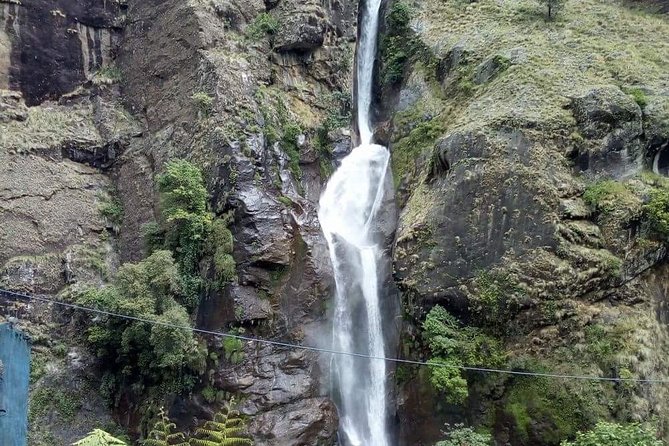
On day 4 you trek to Deurali (about 6 hours). Deurali is part of the Annapurna rhythm where the weather and the feel of the mountains can change faster. You’re moving deeper into the trekking world, and the trail starts to feel more serious.
This is also a good day to slow down and pay attention to how your breathing changes at higher elevations. Even if you feel okay, altitude can creep up on you. Your guide’s presence matters here because they’ll be looking at pace and how the group is doing, not just the clock.
What you’re likely to notice: you stop thinking about the trek as a sequence of towns and start thinking about it as altitude, air, and effort.
Day 5: Deurali to MBC (3730m) and onward to ABC (4130m)
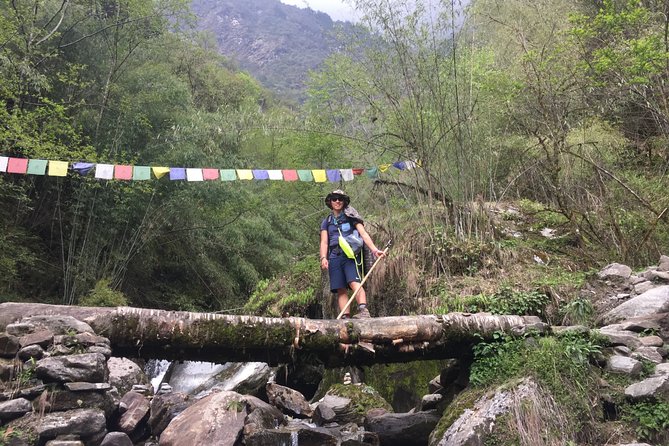
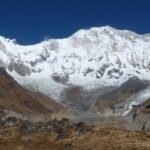
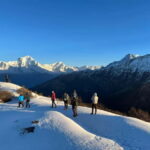
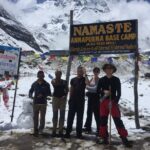
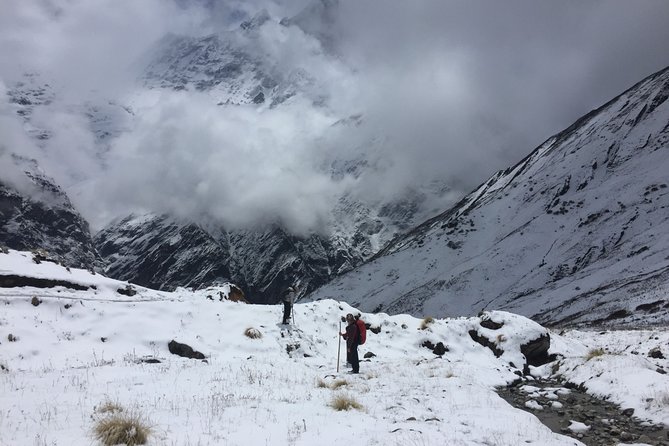
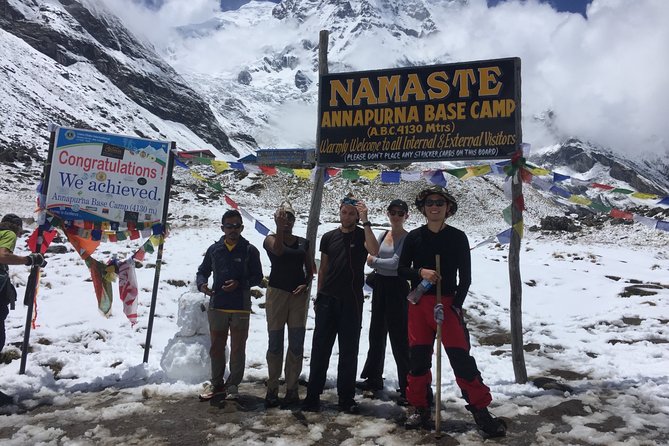
Day 5 is the big day. You trek to MBC (Machhapuchhre Base Camp) at 3730 meters, then continue to Annapurna Base Camp at 4130 meters. The listed time is about 6 hours.
This is the day where the earlier stamina payoffs come due. If you paced day 1–4 well, you’ll still feel the effort, but you’ll be able to keep moving without burning your reserves too early. Reaching MBC first is smart because it gives you a meaningful checkpoint before the final push.
From a value perspective, this is the core reason people do the trek. You’re spending real time at the high point, not just passing it in a rush. If you can handle altitude discomfort with steady walking, this day will be the moment you remember later.
Small reality check: weather can matter a lot at higher elevations. The tour structure can’t change that, so be ready for conditions that shift your view and your comfort. Your guide can help you make the best choice about pace and rest.
Day 6 to Bamboo: the long descent that tests your legs
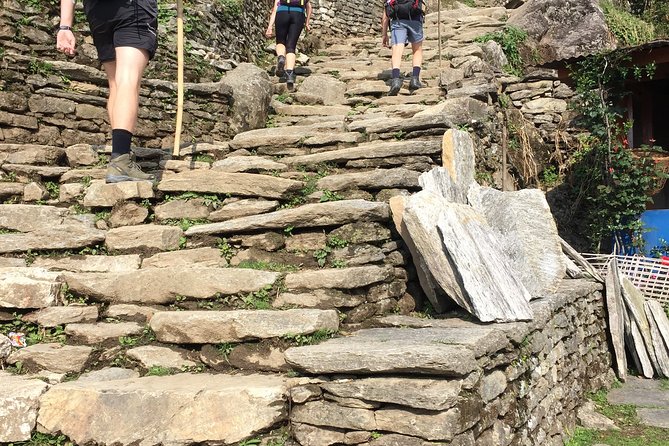
Day 6 takes you down all the way to Bamboo (about 6 hours). Descents are where trekkers often feel fine up top and then get punished later. Downhill can be surprisingly hard on knees and ankles, even when you’re excited about being lower.
Why this day is still worth it: you’re moving out of the highest-pressure altitude zone. The air may feel easier, and the trail becomes more about controlled steps than steep effort. The overview for the trek notes natural forests, and this is exactly the type of stage where forested trail sections can appear again, making the descent more than just an endurance test.
Practical advice: protect your joints. Short steps, slower cadence, and paying attention to footing can make a huge difference. If you rush, the mountain will collect the fee from your legs.
Day 7 to Jhinu Danda: hot spring recovery with a real payoff
Day 7 is a highlight for many people because you trek down to Jhinu Danda, then enjoy the hot spring there. The listed time is about 6 hours.
This is recovery that doesn’t feel like a chore. After days of walking, having a warm soak at the right moment can reset you. It also adds a cultural/human moment to the trek, since hot spring stops are part of how mountain routes unwind.
If you tend to get sore easily, this is the kind of day that can change your whole experience. It’s not just comfort; it makes your return hike and final day feel more doable.
Day 8 back to Pokhara: wrap-up ride and landing gently
On day 8 you trek down to Nayapul and then take a car back to Pokhara. Upon arrival, you’re dropped back to your hotel.
The listed time is about 8 hours. That makes day 8 a full day, so don’t plan tight onward travel right after. Give yourself a bit of time to eat, shower, and let your body cool down.
I like the way this ending is set up: you’re not left to figure out transportation or hunt for a ride with tired legs. The private vehicle transfer from Nayapul to Pokhara is one of those small comforts that makes the last day feel less like logistics and more like closure.
Price and logistics: what $335 really buys you
The price is $335 per person for an approximately 8-day trek. For many people, the key is what’s included versus what’s not.
Included:
- Hotel pickup and drop-off
- Private transfers by vehicle (Pokhara to Nayapul and back)
- English speaking trekking guide
- Trekking permit and TIMS card
- Guest house accommodation
- Private trip for your group
Not included:
- Meals and personal expenses
- Rescue costs in case of an emergency
- Gratuity
Is it good value? It can be, especially if you’re the type who doesn’t want to waste vacation time on permits, coordination, and getting to the trailhead. Permits and TIMS coverage alone can reduce stress. Add private transport and an English speaking guide, and you’re buying convenience plus human support.
If you’re trying to minimize costs, the not-included items matter. Meals are a daily variable, and personal expenses on a trek can add up. Rescue costs not being included is also important when you’re planning overall risk and insurance. In other words: budget for the full trekking day reality, not just the base price.
Who should book this Annapurna Base Camp trek with Arpan Nepal
Book it if:
- You want a guided trek with an English speaking trekking guide
- You like a plan with clear daily targets like Ghandruk, Chhomrong, Sinuwa, Deurali, MBC, ABC, Bamboo, and Jhinu Danda
- You want guest house accommodation included
- You’re okay paying extra for meals and personal spending on the trail
- You’re ready for altitude up to 4130m and long walking days
Skip or reconsider if:
- You’re not confident in your ability to hike 6–7 hours most days
- You’d rather do something that feels more flexible and less structured
- You’re hoping the price covers everything, because meals and other day-to-day costs are not included
Also, if you care about private group dynamics, this is listed as private, so you won’t be forced into a stranger-mixing group.
FAQ
FAQ
How long is the Annapurna Base Camp trek from Pokhara?
The trek is listed as 8 days (approx.).
What is the highest altitude reached on this trek?
You reach Annapurna Base Camp at 4130 meters, and you also trek to MBC at 3730 meters.
Is hotel pickup and drop-off included?
Yes. Hotel pickup and drop-off in Pokhara are included.
What’s included in the $335 per person price?
It includes hotel pickup and drop-off, private vehicle transfer (Pokhara–Nayapul–Pokhara), an English speaking trekking guide, trekking permit and TIMS card, guest house accommodation, and it’s a private trip.
Are meals included?
No. All meals are listed as not included.
Is this tour private or shared with other people?
It’s listed as private, meaning only your group participates.
Are trekking permits and TIMS card provided for you?
Yes. Trekking permit and TIMS card are included.
What is the cancellation policy?
You can cancel for a full refund up to 24 hours in advance of the experience’s start time. If you cancel less than 24 hours before, the amount paid is not refunded.
Should you book this Annapurna Base Camp trek?
I’d say yes if you want a guided, structured trek that keeps the hard logistics off your plate and lets you focus on walking, scenery, villages, and the hot spring payoff at Jhinu Danda. The $335 price can feel fair when you look at what’s included, especially permits, a guide, and private transfers.
Just be honest with yourself about fitness and altitude. If you’re strong enough to handle multi-hour days and climb to 4130m, this is the kind of trip you remember for years.