REVIEW · POKHARA
Pokhara: 4-Day Private Trek Tour
Book on GetYourGuide →Operated by Nepal Mountain Club Pvt. Ltd. · Bookable on GetYourGuide
Poon Hill sunrise is why you come. This short, private trek-style tour hits the classic Annapurna foothills from Pokhara, mixing a pre-dawn climb with cozy guesthouses and village walking that feels doable without skipping the good stuff. I especially like how the schedule is set up for one big payoff: you’ll time the hike to catch early light over the Annapurna range from Poon Hill.
I also like the human side of it. Guides such as Krishna, Milan, Gobinda, Dhanraj Gurung, Dadhi, and Raj get praised for staying calm, adjusting pace, and solving problems—one guide even helped arrange medication when a trekker got sick, and others handled extra flexibility like organizing support if plans needed changing. The main consideration is physical: the last stretch can feel tough on knees due to constant descents, and nights can turn very cold in chillier seasons.
In This Review
- Key things to know
- Pokhara to Nayapul and Ulleri: the warm-up day that still feels scenic
- Ulleri to Ghorepani: rhododendron walking and village rhythm
- Poon Hill at 3,210 meters: sunrise timing and what to bring for the cold
- Tadapani to Ghandruk, then down to Nayapul: culture time plus the descent
- The private guide factor: why people call this trek “safe” and “easy to handle”
- Price and value: what $243 covers, and how to budget the rest
- Lodges and meals on the trail: cozy enough, but simple by design
- What to pack for this 4–5 day Poon Hill trek
- Who should book this trek (and who should not)
- Should you book this Pokhara 4-Day Private Trek Tour?
- FAQ
- Where does this trek start and end?
- How long is the trek?
- Do we watch sunrise from Poon Hill?
- What’s included in the price?
- Are meals included?
- Is it safe for everyone?
Key things to know
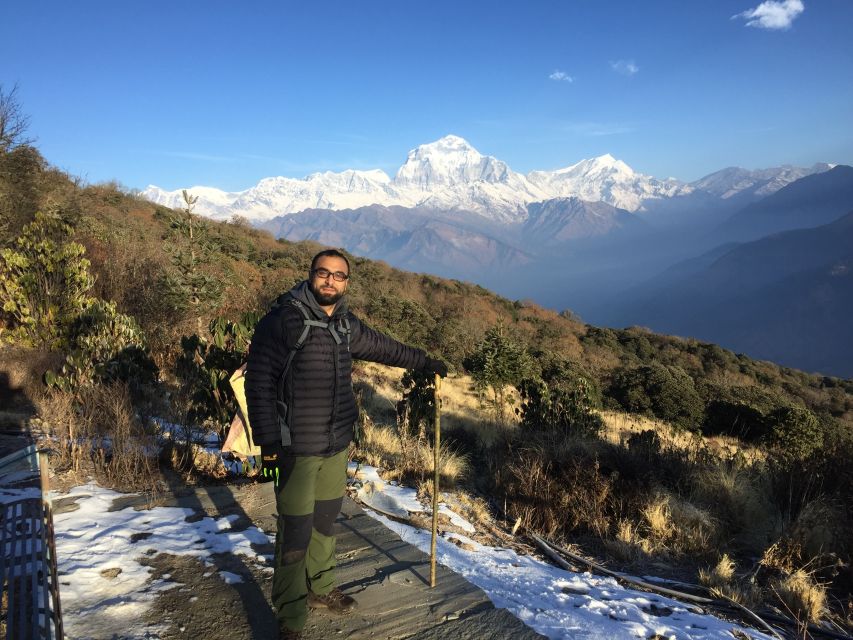
- Sunrise at Poon Hill (3,210 meters) happens via a very early start, so pack a warm layer for the pre-light hours.
- Rhododendron forest trekking to Ghorepani gives you a greener, shaded day before the bigger viewpoint payoff.
- Ghandruk + the Gurung Museum adds culture time, not just walking and scenery.
- Private guide support can be practical, fast, and personal, with real examples of help on health and logistics.
- Meals are on your tab, so budget cash and plan for simple lodge dining along the route.
Pokhara to Nayapul and Ulleri: the warm-up day that still feels scenic
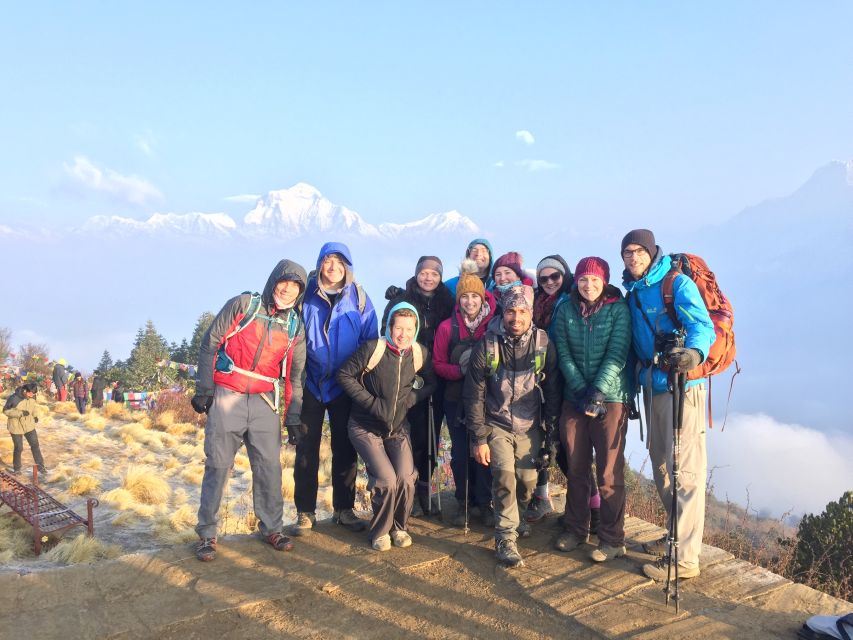
Day 1 starts with a hotel meet-and-greet in the Lakeside area of Pokhara around 8:30 AM. You’ll then take a 1.5-hour drive to Nayapul, which is the quick way to get from the lakeside city mood into trekking country without wasting your first day.
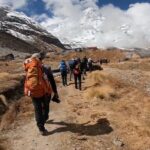
From Nayapul, you walk toward Ulleri, and the trek portion is about 4.5 hours. Ulleri is one of those “in-between” villages that helps you get your legs ready before steeper hiking days. Expect a steady effort rather than a sprint, and you’ll get plenty of chances to pause for photos and tea.
The overnight is in a guest house, which is part of what makes this tour so satisfying for a short trip. You’re not just passing through; you get at least a little village life built into the pacing. If you’re prone to sore feet, this is a good day to go slow and let your shoes do their job.
You can also read our reviews of more tours and experiences in Pokhara.
Ulleri to Ghorepani: rhododendron walking and village rhythm
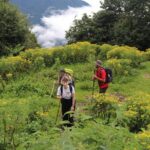
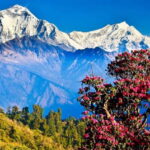
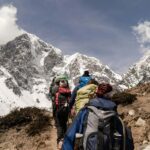
Day 2 begins at 8:00 AM. After you start moving, you’ll hike through dense rhododendron forest along the green high hills. That forest section matters more than people think, because it breaks the day up: you get shade, cooler air, and a calmer rhythm before you reach the more open viewpoints near Ghorepani.
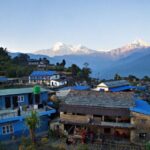
The walk to Ghorepani takes about 5 hours, and you’ll spend another night in a guest house there. Ghorepani is the classic base for the Poon Hill sunrise plan. You’ll feel the shift from “walking through places” to “walking with a goal,” since tomorrow morning is built around the viewpoint.
This is also a good day to think about pace. Many first-timers underestimate how different “up-and-down” feels compared to flat walking. A private guide helps you keep steady, and the best ones will adjust when you ask—without making you feel slow or rushed.
Poon Hill at 3,210 meters: sunrise timing and what to bring for the cold
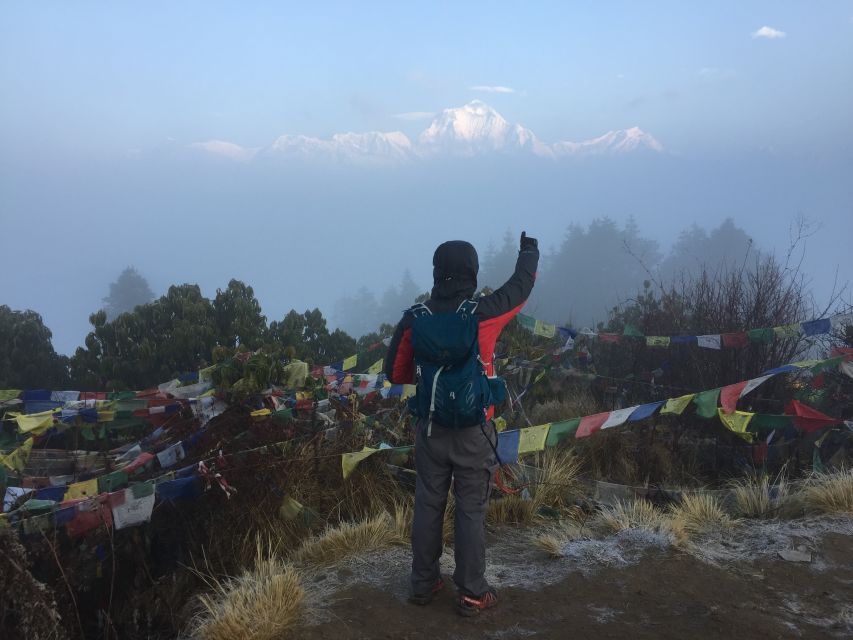
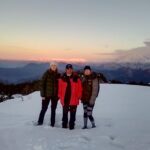
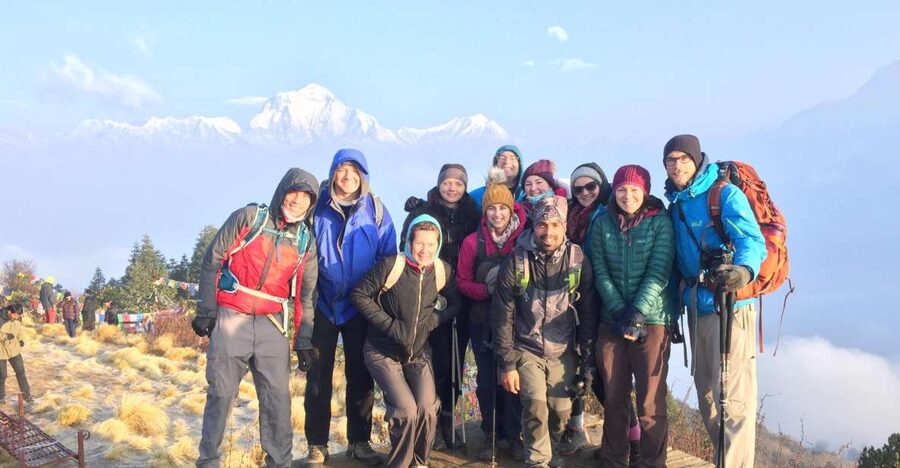
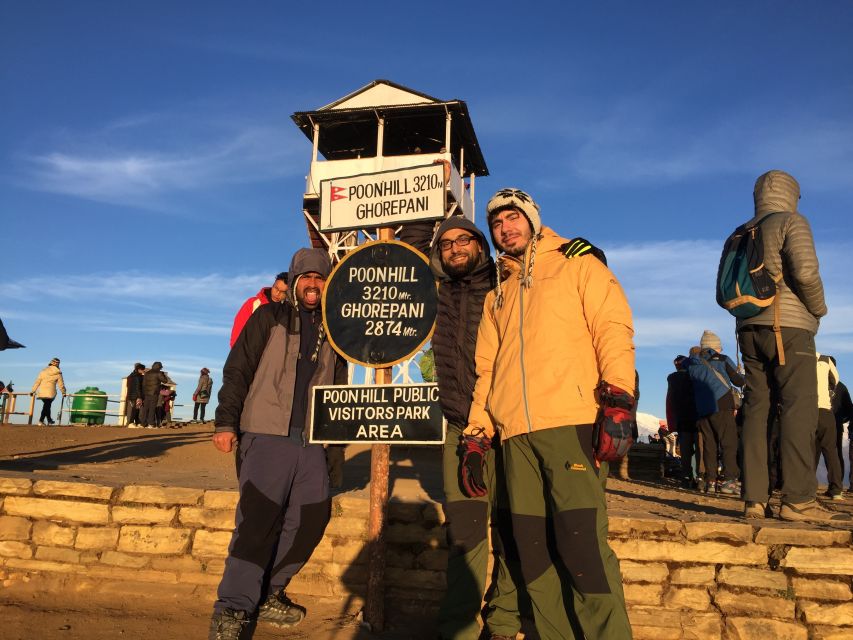
On Day 3, the tour goes into early mode. You’ll start the hike to Poon Hill at 4:00 AM, with about 45 minutes to reach the top at 3,210 meters. This part isn’t long, but it is time-sensitive and you’ll want to feel warm and ready before the sky starts changing.
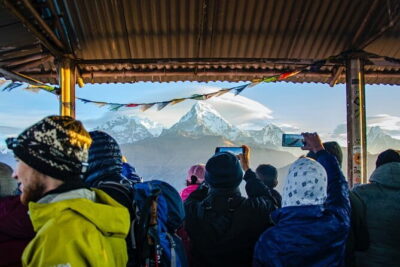
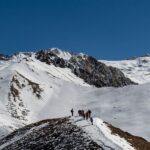
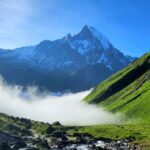
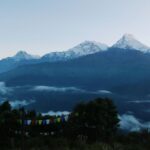
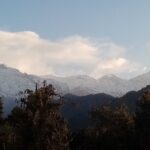
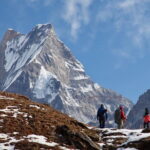
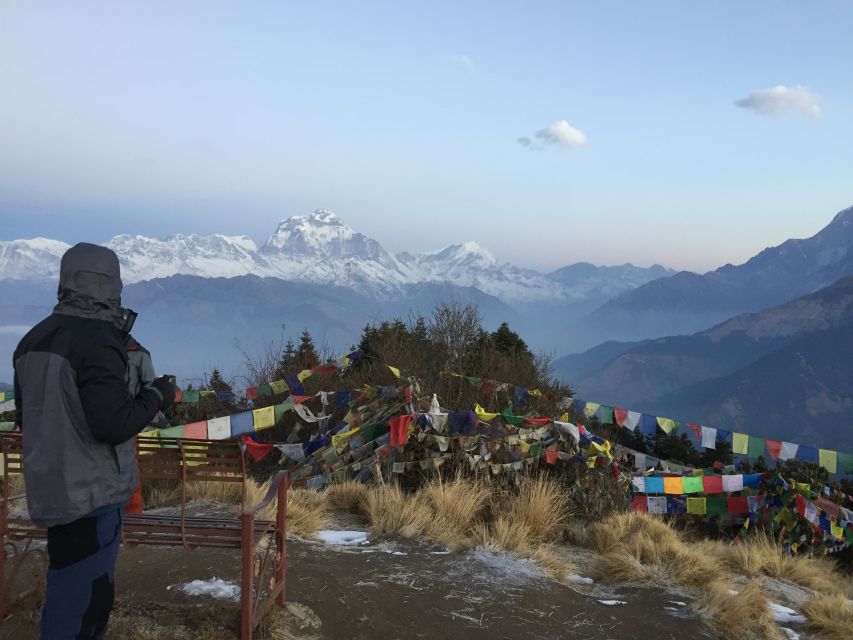
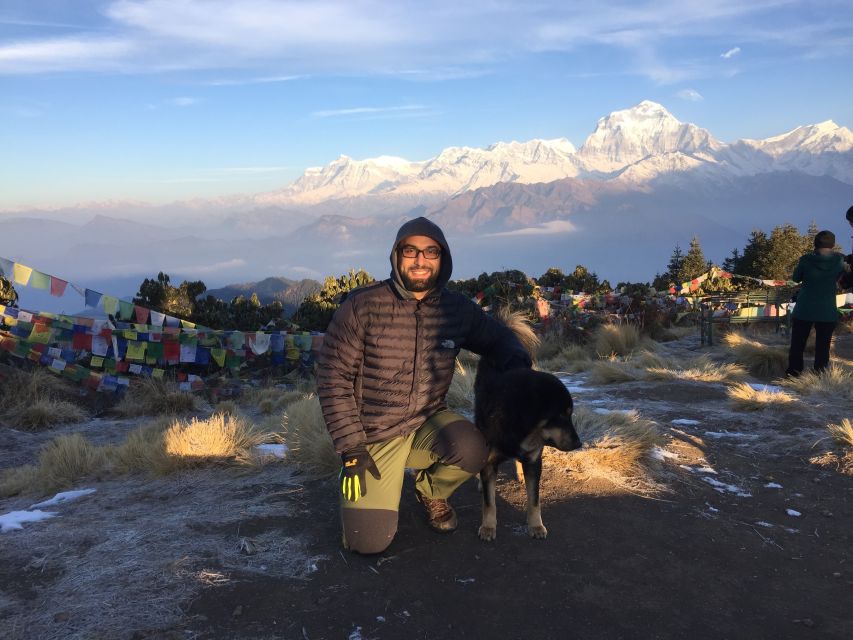
Why Poon Hill is such a big deal: you’re high enough to see the Annapurna range panorama, and sunrise lighting turns distant peaks into something you can actually read with your eyes. Even when weather isn’t perfect, the experience of being above the villages while the day awakens has its own payoff.
After you’ve spent time at the viewpoint, you continue hiking for about 5 hours to Tadapani, where you sleep again in a guest house. Tadapani is a useful overnight stop because it keeps the trek moving toward Ghandruk without adding extra “random” distance.
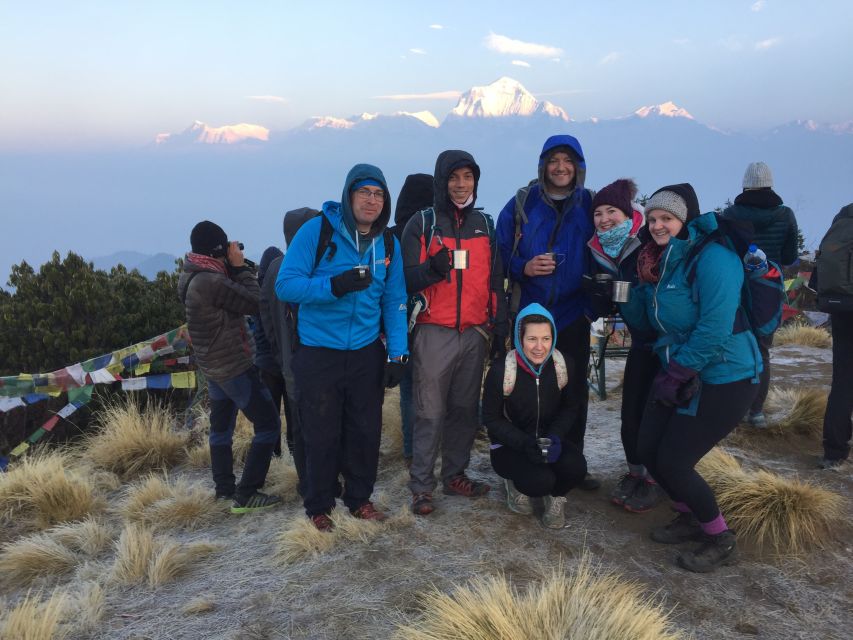
One practical point: this day can be mentally rewarding but physically mixed. Sunrise effort is quick, and then you switch right into trekking. If you tend to get cold easily, plan your clothing for the pre-dawn hours, not just the daytime.
Tadapani to Ghandruk, then down to Nayapul: culture time plus the descent
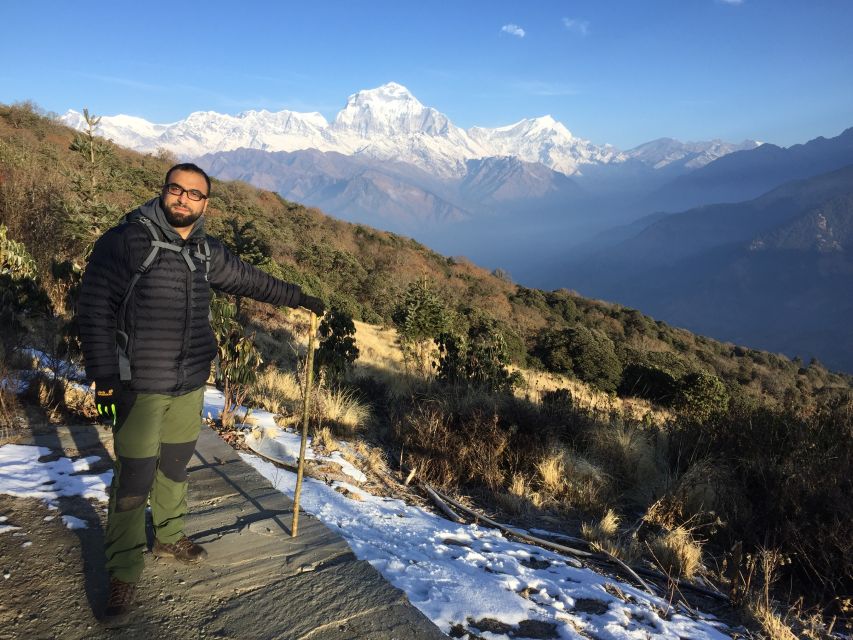
Day 4 starts at 8:00 AM. You’ll hike to Ghandruk, and along the way you’ll get your final stretch of the walking loop before returning to the Pokhara area.
Ghandruk is where the tour becomes more than a viewpoint mission. You’ll have time to explore the Gurung Museum, get familiar with the town, and interact with locals. This matters because you’re seeing how people live in these mountain communities, not just standing at the top of a photo spot and leaving. It also helps you connect the cultural dots with what you pass on earlier days—houses, daily routines, and the local pride you’ll notice in the village atmosphere.
After exploring, you keep trekking down toward Nayapul. Then the group takes a private car back to Pokhara for about 1.5 hours, with drop-off at your hotel to end the tour.
Here’s the consideration that shows up again and again with this style of trek: the return walking days include plenty of downhill. If your knees complain, go slower than you think you need to. A solid trekking guide can also help you manage the pace safely, and some guides specifically recommend knee support for descents.
The private guide factor: why people call this trek “safe” and “easy to handle”
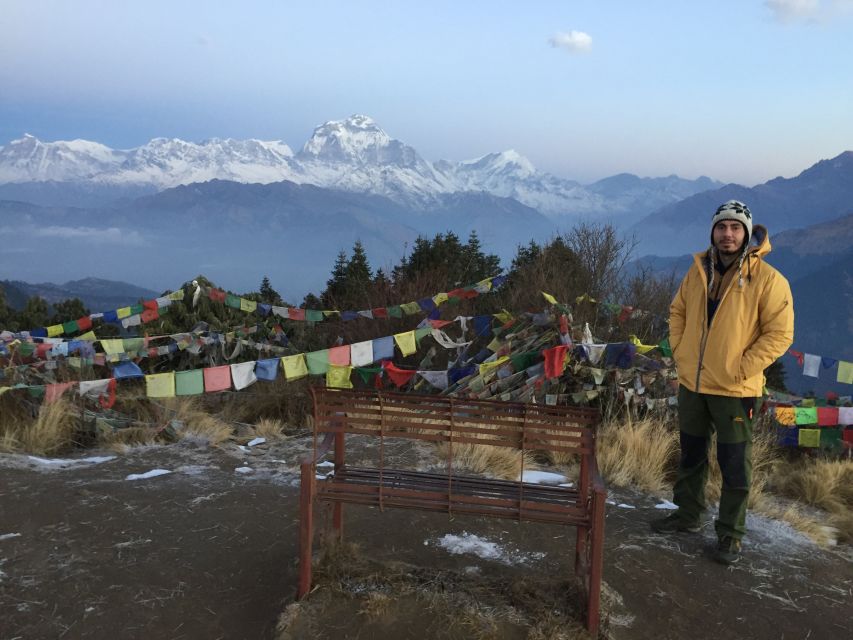
This tour is built around a private group and an English-speaking trekking guide (also supported in Hindi and Nepali). That doesn’t sound exciting on paper, but in practice it’s the difference between a trek that feels stressful and one that feels under control.
In the feedback style people mention guide behavior a lot: they don’t just point the way. Guides such as Krishna and Milan are described as careful and responsive—one guide supported a trekker through sudden sickness by helping get medication, and others kept logistics smooth by arranging guest house details and making sure the pace fits the group.
Even small “decisions on the fly” can be a big deal on a short trek. One guide was praised for being flexible enough to organize a porter (and even a horse) when itinerary changes were wanted. The common thread: the guide acts like a problem-solver, so you don’t have to.
If you’re a solo traveler, that kind of support matters even more. Many people like how a private guide helps you feel secure on narrow paths and during early-morning timing.
Price and value: what $243 covers, and how to budget the rest
At $243 per person, you’re paying for more than “a walking route.” This price includes:
- All taxes and service charges
- TIMS and permits (entrance fees are included as well)
- An English-speaking experienced trekking guide
- 3 nights in a guest house
- Round-trip transportation
That’s the core value. Guides and permits usually aren’t cheap, and a guest house for multiple nights costs real money too. For a short trek, you also avoid the time and hassle of coordinating every piece yourself.
What’s not included is just as important:
- Meals (available for purchase)
- Rescue costs (in case of emergency)
So your real budget for the week is: the tour price plus meals and small trail purchases. The practical advice I’d follow here is simple: carry cash for food, and don’t assume every meal will be included in the package. On trekking routes, meals can vary by choice and by the tea house you stop at.
Lodges and meals on the trail: cozy enough, but simple by design
You’ll sleep in guest houses on three nights (Ulleri, Ghorepani, Tadapani). The rooms are usually basic. That’s not a drawback if you’re trekking for the experience and you’re okay with simple comfort in exchange for being in the mountains.
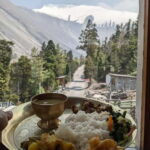
Food works the same way: meals aren’t included, so you’ll likely buy set options at tea houses. Water is generally something you can purchase along the way, and toilet paper can be bought easily on the route. Still, you’ll be happier if you don’t rely on luck—bring your own personal hygiene basics and plan for early-morning routines.
One detail worth listening to: some guides and trekking experiences recommend bringing a towel and slippers, even if you don’t see it spelled out in a basic gear list. It’s the kind of small comfort that makes a cold night easier to tolerate.
What to pack for this 4–5 day Poon Hill trek
The minimum you should bring is comfortable shoes. For this specific route, you’ll want to think beyond footwear because the mornings are cold, the afternoons can be warm, and the descents can be hard on joints.
From the recommended packing list, I’d treat these as your non-negotiables:
- Trekking shoes and socks
- A jacket plus layers (including a light day bag)
- Sunscreen, sunglasses, and a hat
- Mosquito repellent
- Personal hygiene utensils and toilet paper
- A camera if you want to capture sunrise and village life
Then I’d add the “real-world tweaks” based on common guidance from experienced guides:
- Headlamp for the pre-dawn climb
- Hiking poles if you like extra knee support on descents
- Knee braces or strapping tape if you’ve had knee issues
- Warm clothes for wintertime, because nights can get really cold
- If there’s heavy snowfall or ice conditions, consider crampons (at least as an option)
Also: don’t forget the early start means you’ll want practical warmth immediately, not just later when the sun hits.
Who should book this trek (and who should not)
This tour is a strong fit for people who want a short trek with real mountain views, village walking, and a classic sunrise highlight—without committing to the longer, higher-altitude treks.
It’s especially suitable if you:
- Want to see the Annapurna foothills within 4 to 5 days
- Like the idea of guest house trekking (simple stays, lots of walking)
- Enjoy a mix of views and cultural stops like Ghandruk and the Gurung Museum
But it isn’t for everyone. The tour data says it’s not suitable for pregnant women and not suitable for people with heart problems. If that applies to you, you’ll want a different kind of Nepal plan that’s safer and less demanding.
Also be honest with your knees. If downhill makes you miserable, plan for support and slower pacing.
Should you book this Pokhara 4-Day Private Trek Tour?
If you want the Annapurna experience in a manageable time window, this tour makes sense. The big reason: you get the Poon Hill sunrise payoff, plus village trekking and a culture stop in Ghandruk, all with private guide support and guest house stays.
I’d book it if:
- You’re okay with early mornings and cold pre-dawn hours
- You want a guided, low-stress way to do a real trek route
- You can handle a mix of uphill effort and downhill fatigue
I’d think twice or plan extra carefully if:
- You have knee problems and you’re not going to bring support
- You’re sensitive to cold nights (especially in winter)
- You fall into the tour’s stated health limitations
One more practical note: the experience includes free cancellation up to 24 hours in advance and a reserve now & pay later option, which makes it easier to lock in your dates while keeping flexibility.
FAQ
Where does this trek start and end?
The tour meets you in the Lakeside area of Pokhara (you’ll get pick-up with a name card). It ends with a private car ride back to Pokhara, where you’re dropped off at your hotel.
How long is the trek?
The trek runs 4 to 5 days. The exact starting times can vary, so it’s best to check availability for your dates.
Do we watch sunrise from Poon Hill?
Yes. On Day 3, you start at 4:00 AM to hike to Poon Hill (3,210 meters) for the sunrise.
What’s included in the price?
The price includes TIMS and permits, an English-speaking trekking guide, 3 nights in guest houses, and round-trip transportation, plus taxes and service charges.
Are meals included?
No. Meals are not included and you’ll be able to purchase food along the route.
Is it safe for everyone?
It’s not suitable for pregnant women or people with heart problems, based on the tour’s stated restrictions.