REVIEW · SA PA
Discover Sapa Trekking with optional Cultural Homestay
Book on GetYourGuide →Operated by Chan Giang · Bookable on GetYourGuide
Sapa gets real fast. I love the Hmong village route through Y Linh Ho, Lao Chai, and Ta Van, and I love that lunch is a local Hmong family meal right in the middle of the hike. The main drawback is the walking: routes can run 5–11 km and conditions can get muddy, so you’ll want real traction, not cute shoes.
This is priced at about $20, and that matters because you’re not just buying views. You’re getting an English-speaking guide, a planned route that aims to be less crowded, plus the transfer back to Sapa after you finish around 3 PM. If you’re trying to squeeze Sapa and still catch a bus toward Hanoi later, the timing fits.
If you want more than day trekking, the operator also offers an optional cultural homestay (and longer overnight stays with the host family). Just know this isn’t a sit-and-snack tour. You’ll be on your feet for much of the day, learning by walking through villages that still function as villages.
In This Review
- Key things that make this trek worth your time
- Where Sapa trekking actually starts: timing and meeting point
- Picking a route: 5–11 km means you choose the day you want
- Bản Y Linh Hồ: the first taste of village life (and why the photo stops matter)
- Lao Chai: lunch with a Hmong family and a real pause in the middle
- Ta Van: Dzay village walking, scenic stretches, and a clearer sense of place
- The optional cultural homestay: what changes when you stay overnight
- Guide names and why the English matters: you’ll ask better questions
- Mud, steps, and weather: what to bring so the day stays fun
- Price and value: is $20 enough for a 5.5-hour half-day trek?
- Who should book this trek, and who should skip it
- Should you book this Sapa trekking day with (optional) homestay?
- FAQ
- What time does the trekking tour start?
- Where do I meet the guide?
- How long is the trek?
- How far will I walk?
- Which villages are included in the day route?
- Is lunch included?
- Is the guide English-speaking?
- Does the tour include transfers back to Sapa?
- Are drinks and water included?
- Is hotel pickup included outside Sapa city?
- Is a cultural homestay available?
Key things that make this trek worth your time
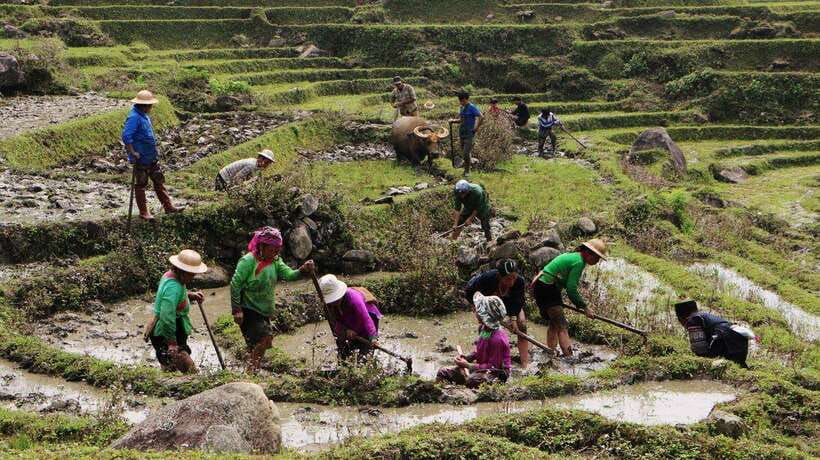
- Y Linh Ho photo stops and guided village time with time to shop and look around
- Lao Chai lunch with a local Hmong family right on the route, not after you’re exhausted
- Ta Van village walk with Dzay community context and scenic stretches to explore
- Route flexibility (5–11 km) so you can match your pace and fitness
- English guide support (often led by Chan Giang) plus help when paths turn slippery
- Optional overnight homestay for a deeper look at daily life, not just a quick visit
Where Sapa trekking actually starts: timing and meeting point
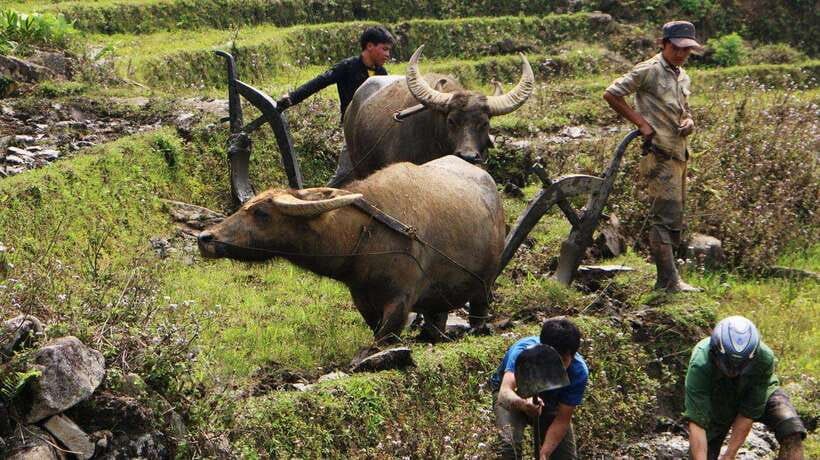
Most Sapa day treks start with a scramble. This one starts clean: you meet at Sapa Stone Church around 9:00 AM, either at the church or at your hotel (if you’re in the Sapa area). Plan for the day to move at a steady trekking pace, with short breaks built in for photo stops, guided segments, and lunch.
You’ll finish back at the meeting point after the trek. The day trek wraps around 3:00 PM in Ta Van, then you’ll get transport back to Sapa city, so you can still line up your next step (like catching a bus to Hanoi with time to spare).
Duration is listed as about 5.5 hours, but the smart way to think about it is: you’re buying a half-day hiking experience plus village time. That’s why it works so well if Sapa is one stop on a bigger North Vietnam loop.
You can also read our reviews of more tours and experiences in Sa Pa.


Picking a route: 5–11 km means you choose the day you want
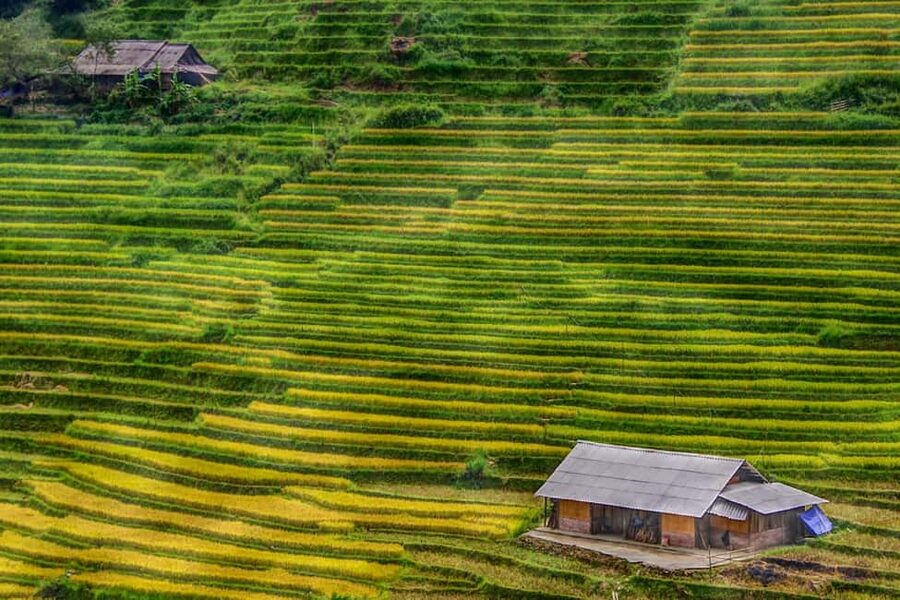
One reason this trek feels practical is that it’s designed with route options and difficulty levels. The distance range (about 5–11 km) gives you a way to match your body and your travel schedule.
Here’s how I’d decide:
- If you want mostly gentle village walking with fewer tough climbs, pick the shorter distance.
- If you want a real workout and more time outside, choose the longer route.
- If you’re newer to hiking, treat it like a “finish proud” day, not a casual stroll. Paths can be uneven and slippery.
Also, this is a mountain area with changing weather. You’ll want to think like a hiker, not like a sightseeing passenger. Bring rain gear and footwear that can handle mud and damp dirt.
Bản Y Linh Hồ: the first taste of village life (and why the photo stops matter)
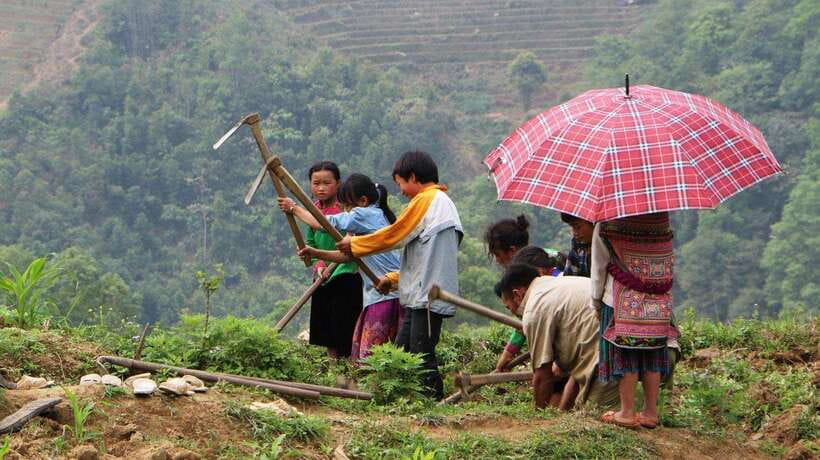
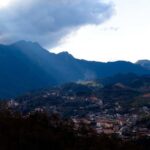
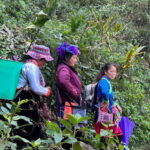
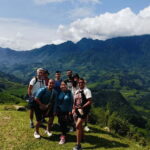
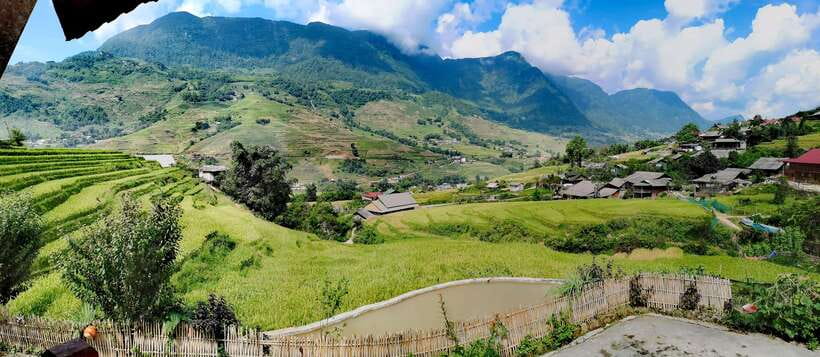
Your trek begins with a move out of Sapa toward Y Linh Ho village (often written as Bản Ý Linh Hồ). Expect about 2.5 hours here, mixing guided walking with time to stop, look, and understand what you’re seeing.
This is where the day becomes more than scenery. A good village stop is not just a camera moment. It’s time to:
- follow the route with your guide
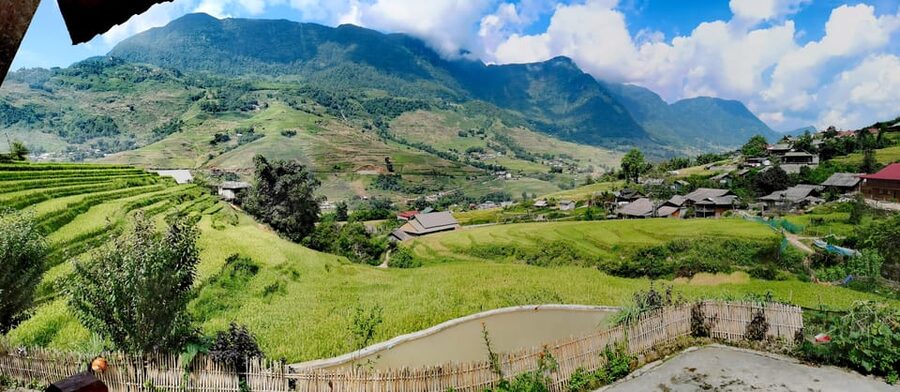
- see how people live around the terraces and footpaths
- ask questions that don’t work from a bus window
You’ll also have time for a photo stop, plus shopping and sightseeing. That doesn’t automatically mean a hard sell. It’s more like you’re given a window to interact on the spot, while you’re already in the flow of the village.
One practical note: early in the day you’ll often feel the weather first. If you hit fog or steady rain, the ground can turn slick. Keep your eyes on your footing, especially when narrow paths look harmless from a distance.
Lao Chai: lunch with a Hmong family and a real pause in the middle
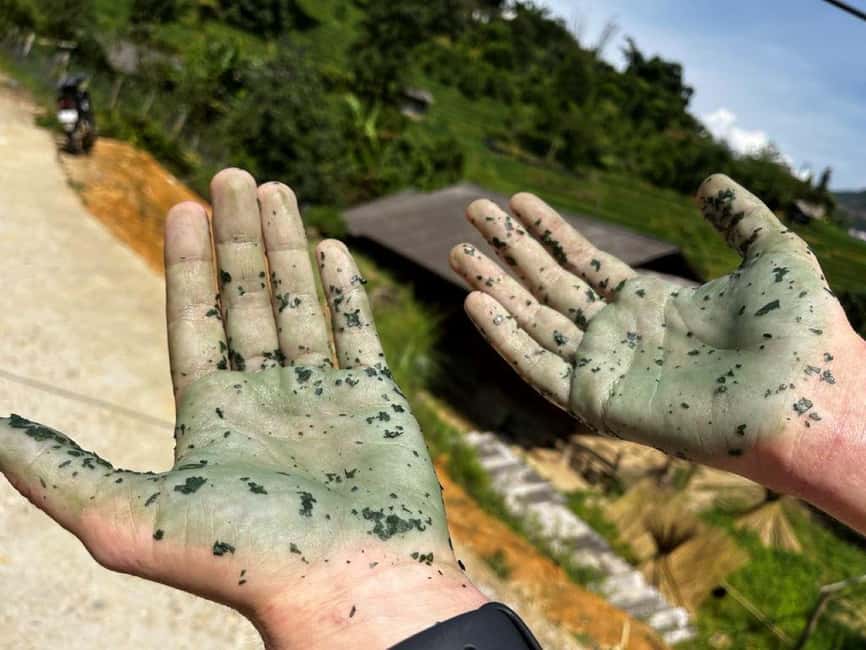
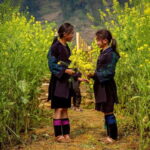
After Y Linh Ho, you head to Lao Chai Village and stop for lunch for about 1 hour. This is the anchor of the day because it breaks the trek into two manageable blocks: village-to-village walking, then a proper reset.
The lunch is described as part of the experience, included in the price. And multiple guide-led experiences around Sapa work better when the meal is not a rushed stop at the edge of town. Here, you’re in the rhythm of the villages.
From the information provided, the lunch spot also supports vegetarian needs on some days. If you care about that, mention it before you go (ideally when you confirm your booking), since specific menus can vary.
Think of this lunch stop as more than food. It’s time to slow down and listen. Your guide can connect what you saw in Y Linh Ho with what you’ll see next in Ta Van.
Ta Van: Dzay village walking, scenic stretches, and a clearer sense of place
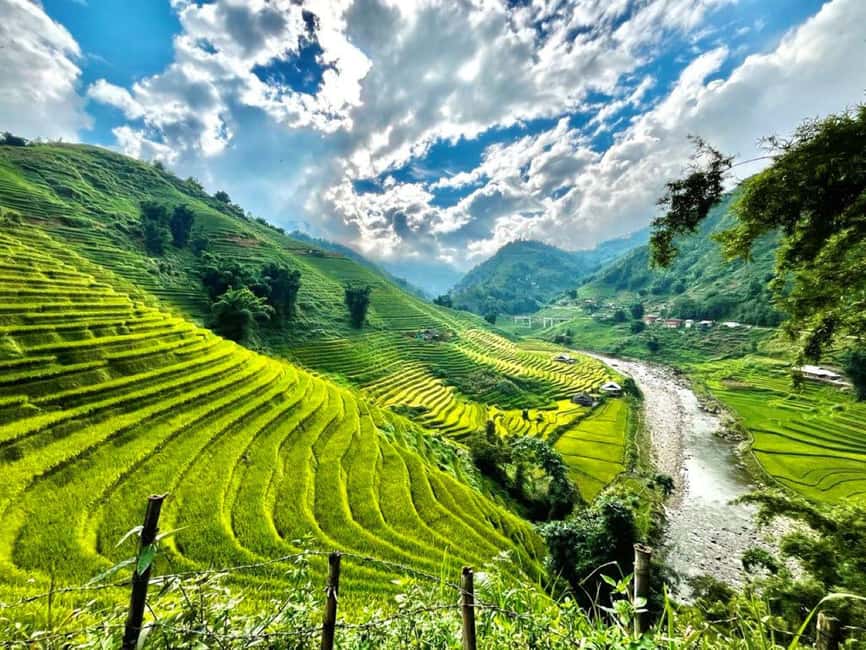
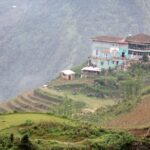
Next comes Ta Van, with about 1.5 hours for photo stops, guided time, and walking. This is where you shift from “look at villages” to “understand how villages connect.”
Ta Van is described as home to the Dzay people, and the guide will help you make sense of daily rhythms and local customs along the way. Expect a mix of:
- guided sightseeing
- short walks through the village area
- time to browse and shop if you want
The timing is helpful. You reach Ta Van and wind down around 3:00 PM, then transport you back to Sapa. That means you can keep your evening plans instead of losing the whole day to logistics.
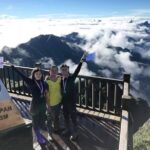
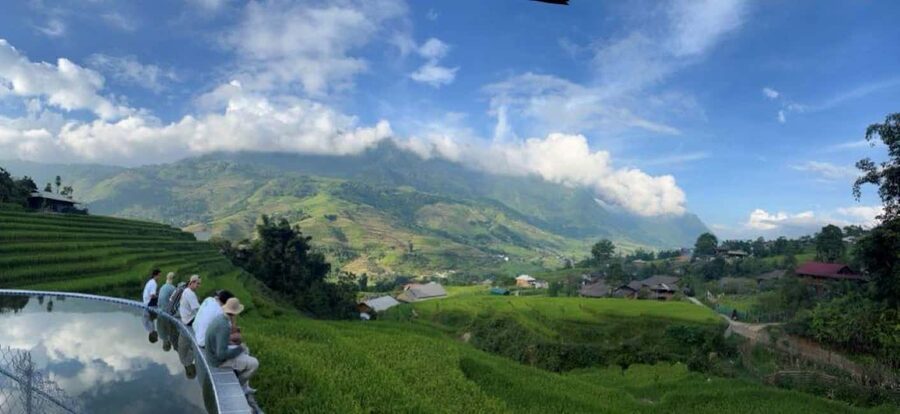
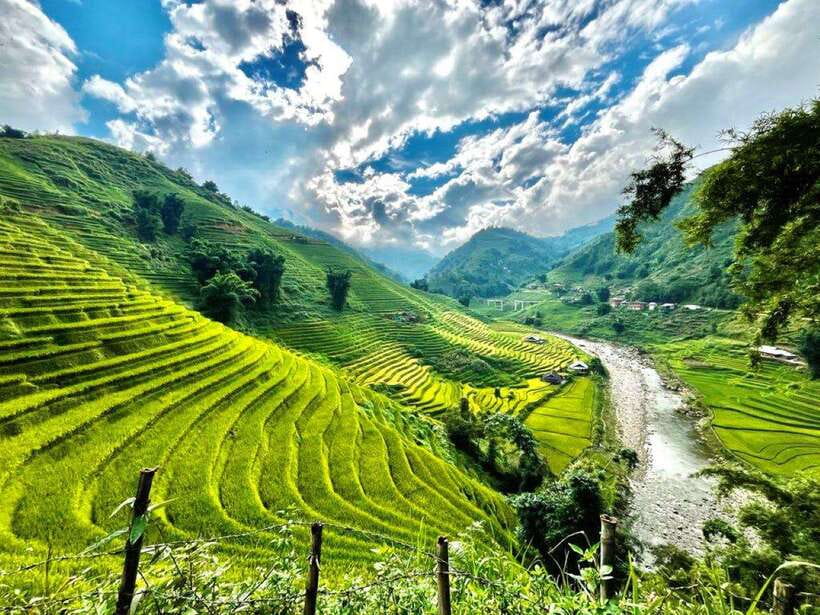
Also, Ta Van is a common place where the scenery feels more open. If the weather clears, you’ll usually feel that in the views. If it stays cloudy, you still get the village texture, which is the real payoff.


The optional cultural homestay: what changes when you stay overnight
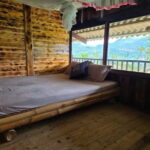
The day trek is the core experience, but this tour also offers an optional cultural homestay. The idea is simple: instead of a quick visit and back-to-town routine, you extend the time with the host family so you can see daily life without the pressure of a departure deadline.
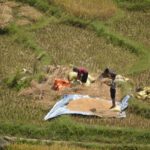
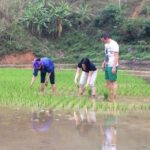
The information provided also notes that extended overnight tours are available with the guide’s family, which can add a more personal, lived-in feel. That’s the main difference. A homestay is less about staged performances and more about shared time: how people cook, how they talk, and how the village works around seasonal tasks.
If you’re considering adding it, ask yourself one question: do you want Sapa as a day trip, or do you want it as a relationship? If you want the relationship, the homestay option is the obvious upgrade.
Guide names and why the English matters: you’ll ask better questions
A huge part of why this trek gets such high ratings is the guide experience. The provider listed is Chan Giang, and the feedback also highlights guides named Chan and Sung as strong English speakers with a knack for storytelling and Q&A.
That matters because trekking in ethnic village areas can be confusing if you can’t communicate clearly. When your guide speaks fluent English, you can ask what people do, why certain practices happen, and how different communities see daily life. You spend less time guessing and more time understanding.
One detail that came through in the provided information: guides (and their family members) help with gear when conditions are muddy. In at least one case, the group met the guide’s sister, Vu, to get gumboots before starting. That’s the kind of practical support you’ll appreciate if your trekking shoes aren’t already soaked-proof.
For me, that’s a big value signal. Good guides aren’t just translating. They’re managing the day so you can focus on the people and the landscape—while staying safe on slippery ground.
Mud, steps, and weather: what to bring so the day stays fun
This is a mountain trek, and the route types mentioned include off-road segments and paths that can be muddy or slippery. The most useful advice is boring: come prepared.
Bring:
- comfortable shoes, plus proper hiking shoes if you have them
- a sun hat and sunglasses
- rain gear (weather can shift fast in the hills)
- a charged smartphone and camera
- drinks (not included)
- trekking gear you already trust
Also consider comfort gear for your legs. Paths can include short scrambles and wet patches. If your legs get scraped easily, cover them.
And one more practical tip: if it’s wet and the ground looks sketchy, don’t try to be a hero. Your guide will have you choose the safer line, and you’ll see more by staying upright than by rushing to prove something.
Price and value: is $20 enough for a 5.5-hour half-day trek?
At $20 per person, this trek is priced like a budget-friendly day option. The key question is what that buys beyond the walking.
It includes:
- lunch
- a guide
- transfer back to Sapa after the trek
Not included:
- drinks
- pick-up outside Sapa city
- trekking shoes/boots
- water
So the value math is pretty clear. You’re paying for a guided route plus a meal plus the return transport. That’s a strong deal if you want a structured experience without hiring private transport for every stop.
You still need to cover a few basics (drinks, water, and ideally footwear). But compared to paying separately for a guide and a meal, this format is economical.
The other value point is authenticity. The tour is positioned as less touristy and off the beaten path, with flexibility to tailor the trek. In a place like Sapa, that kind of planning usually costs more if you try to assemble it yourself.
Who should book this trek, and who should skip it
This trek is a good fit if:
- you want a real village-to-village walking day in Sapa
- you care about learning customs and daily life, especially with the Hmong community and a stop in Ta Van
- you like guides who can explain and answer questions in English
- you want an experience that can be adjusted by distance and difficulty
Skip it if:
- you have heart problems, high blood pressure, or other medical limitations listed by the operator
- you need wheelchair access (it’s not suitable)
- you struggle with low fitness and uneven walking for multiple hours
- you have lactose intolerance (listed as not suitable)
- you’re a non-swimmer (listed as not suitable)
If you’re on the fence because you’re not “a hiker,” choose the shorter route. The tour is designed for different levels, but the mountains still demand respect.
Should you book this Sapa trekking day with (optional) homestay?
Book it if your priority is a guided, village-focused Sapa day that doesn’t feel like you’re being rushed from one view to the next. I especially think it’s worth your time if you want Hmong village context, a included lunch in Lao Chai, and the chance to keep your evening open for Hanoi travel.
Don’t book it if you want an easy, flat walk with minimal effort. Even on easier routes, you’re dealing with mountain paths and possible mud. Bring the right shoes and rain gear, and you’ll turn that challenge into part of the story.
If you can handle walking and you’re curious about how these communities live, this is a strong value. The guide experience, route flexibility, and homestay option are the combo that makes it feel more like a real day in Sapa than a checkbox tour.
FAQ
What time does the trekking tour start?
The day tour starts at 9:00 AM. The exact start time is based on availability.
Where do I meet the guide?
You meet at Sapa Stone Church. The end point is back at the meeting location.
How long is the trek?
The duration is listed as about 5.5 hours.
How far will I walk?
Route options are described as 5–11 km, depending on the route and difficulty you choose.
Which villages are included in the day route?
The route includes stops in Y Linh Ho, Lao Chai, and Ta Van.
Is lunch included?
Yes. Lunch is included and is taken at a local spot in Lao Chai (about 1 hour).
Is the guide English-speaking?
Yes. The tour is guided in English.
Does the tour include transfers back to Sapa?
Yes. Transfer back to Sapa after the trek is included.
Are drinks and water included?
No. Drinks and water are not included.
Is hotel pickup included outside Sapa city?
No. Pick up outside Sapa city is not included, and you’re expected to meet at the stated meeting point.
Is a cultural homestay available?
Yes. The experience offers optional cultural homestay, and there are also extended overnight tours with the host family.