REVIEW · SA PA
From Sapa : 1 Day Amazing Sapa Trek To Terrace rice field
Book on GetYourGuide →Operated by Vietnam Vacations Travel · Bookable on GetYourGuide
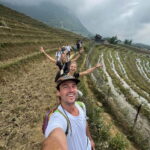
Sapa’s rice terraces look great from a distance, but this trek gets you close, walking through terraced fields and ethnic villages with a guide who can explain daily life. You’ll also get a real local lunch instead of a tourist plate. The only real catch: the path can get muddy and, in rain, slippery.
For me, the best part is how the route mixes scenery with people-time: you see the town first, then you step onto working rice, corn, and potato fields on a more off-the-main-path route. The other big win is the pacing. It’s about 6 hours total, with breaks for photos and a proper meal, so you’re not rushing through everything.
In This Review
- What could trip you up
- Key points to know before you go
- Terrace Fields and Villages: Why This Route Works
- 8:00–8:30 Pickup in Sapa: Setting the Scene Before the Steps
- From Sapa Town to the Terraces: Rice Steps, Farming Patterns, and Downhill Realities
- Lao Chai Village and Ethnic Daily Life: What You’re Really Seeing
- Waterfall Breaks and Photo Time: Nice Pauses Without Losing the Day
- Lunch With Local Foods: A Real Fuel Stop
- Transport Back to Sapa: Getting Up Again Without Burning Energy
- Price and Value: Is $22 Really Fair for This Day?
- Weather, Mud, and Footwear: The Real-World Test
- Who This Trek Is Best For (And Who Might Want Another Option)
- Should You Book This Sapa Terrace Trek?
- FAQ
- What is the duration of the Sapa trek?
- What time does the pickup happen in Sapa town?
- When do you return to Sapa town?
- How big is the group?
- Is the guide available in English?
- What does the $22 price include?
- Are meals other than lunch included?
- Do I need to pay entrance fees for the villages?
- What areas do you visit during the trek?
- What should I expect on the trail?
What could trip you up
This is a downhill-heavy walk. If you’re cautious on uneven ground, wear grippy shoes and accept that you might get dirty. In wet weather, sections can be very slippery, and you’ll want to follow your guide’s rhythm closely.
Key points to know before you go
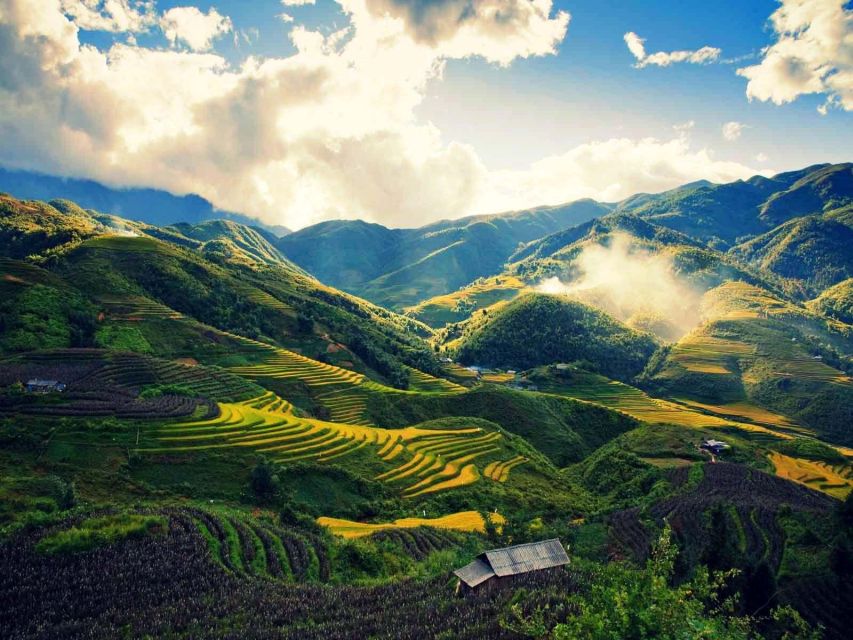
- Small group (up to 10): easier questions and less crowding on the terraces
- Route includes town-to-villages-to-fields: you start in Sapa, then move into working farmland
- Lao Chai village stop: a chance to understand village life on a tribe hill area
- Photo breaks plus a waterfall pause: there’s time to stop, look, and reset
- Local lunch included: fuel without hunting for food mid-trek
You can also read our reviews of more tours and experiences in Sa Pa.
Terrace Fields and Villages: Why This Route Works
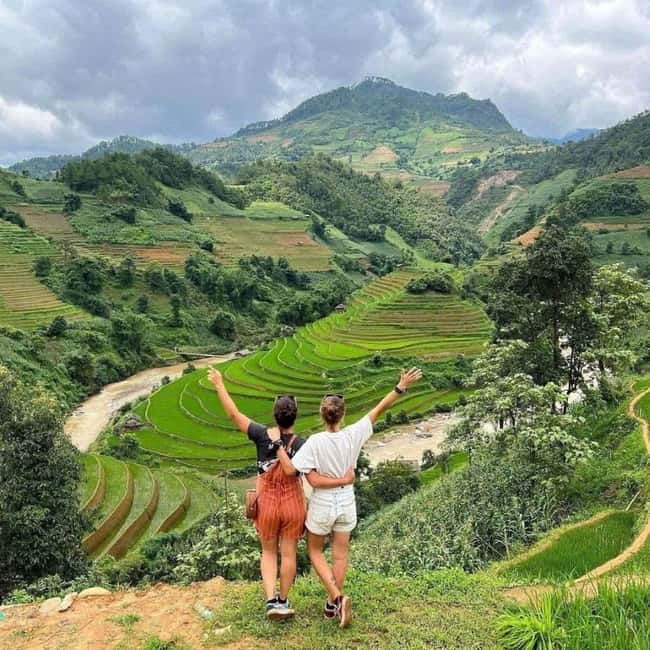
Most Sapa treks sell the views. This one sells the why behind the views. You start in Sapa town and move out from there, so the terraces don’t just feel like scenery. They feel like part of a living system—how people farm, travel, and build their days around the mountains.
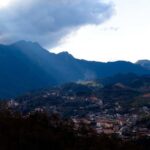
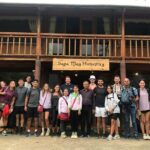
The walking route is also designed to feel less like a conveyor belt. After you pass through Sapa’s town area (including ethnic minority architecture and day-to-day scenes), you step into terrace fields on a non-touristy path. That shift matters. It’s the difference between seeing terraces and seeing how terraces shape life.
And you’re not alone in the learning. The guide is English-speaking, and you may end up with a guide who comes from one of the local areas you visit. That typically changes the tone of the walk from explanatory to personal. You’re asking questions, not just hearing facts.
One more detail I like: the tour builds in pause moments. You’re not sprinting between photo spots. There’s time to enjoy the waterfall stop, relax for a bit, and take pictures without feeling like you’re being herded.
8:00–8:30 Pickup in Sapa: Setting the Scene Before the Steps
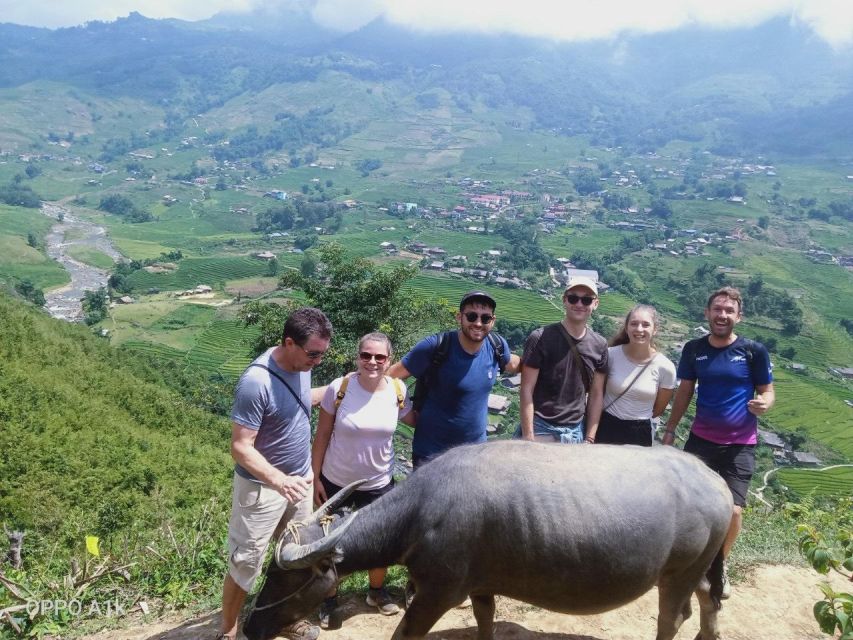
Your day starts early enough to feel fresh, with hotel pickup in Sapa town between 8:00 and 8:30. That convenience is practical in a place where distances add up quickly. Once you’re together, you begin trekking by first walking through town.
This town section is more than a warm-up. It’s a quick look at daily life and the architecture you’ll otherwise miss if you only head straight for the terraces. Think of it like getting your bearings fast: you see the textures of the town before the scenery opens up into the fields.
Then comes the moment you leave the town rhythm behind. You step onto working farmland—terrace rice, plus corn and potato fields—and the whole day changes feel. The air feels different, the views widen, and the pace becomes more about foot placement and breathing than speed.
Practical tip: if you’re sensitive to cold mornings, plan for it. A brisk start plus an outdoor walk can feel cooler than expected, especially when you’re moving from town shade into open areas.
From Sapa Town to the Terraces: Rice Steps, Farming Patterns, and Downhill Realities
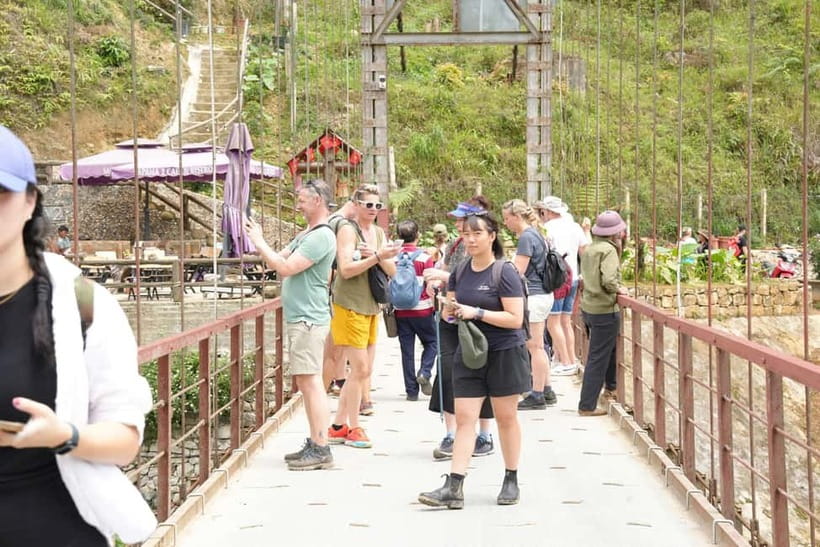
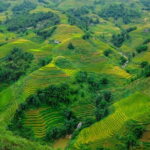
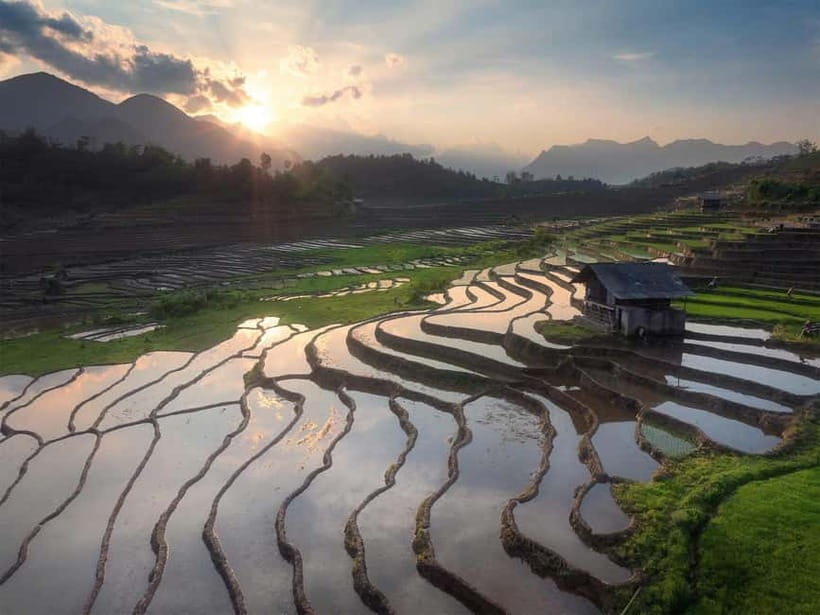
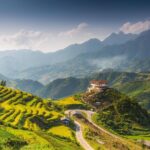
After that initial town look, you’ll be on terrace paths—layer after layer. The design is dramatic, but it’s also functional. Terraces help farming cling to steep hillsides, and as you walk along them, you get a sense of how the mountainside becomes a patchwork of food.
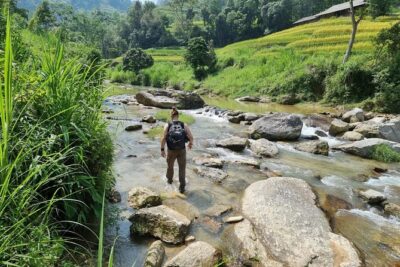
Expect a route that’s mostly downhill. That matters because it changes what kind of energy you spend. Going down can be easier in effort, but harder on your knees and ankles—especially on loose stones, wet soil, or uneven steps between terraces.
In the beginning, you might hit a muddy section. That’s not a problem, but it is a reality. One reason this tour still works well even when conditions aren’t perfect is that you’re not walking blind. Your guide keeps you moving and helps you navigate the route safely.
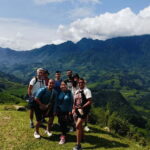
And yes, you’ll get photo chances that feel natural—because you’re still walking, but you can also stop when terrace layers line up in a satisfying view. If you like landscape photography, this is where it clicks: you’re not just photographing a single view; you’re photographing a repeating pattern of terraces.
Lao Chai Village and Ethnic Daily Life: What You’re Really Seeing
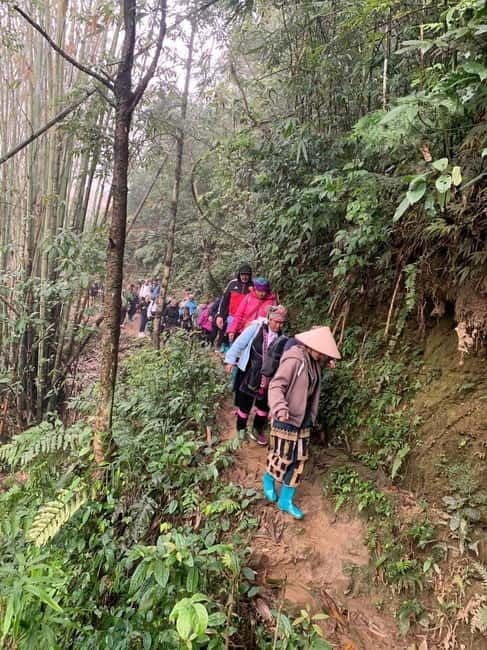
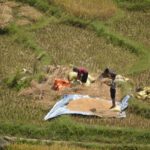
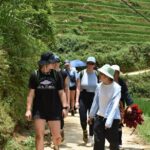
The highlight for many people isn’t only the terraces. It’s the village time. Lao Chai is a small village on a tribe hill area, and the goal isn’t a quick checkmark stop. The walk through villages is set up so you can understand daily life—homes, routine, and what the landscape means for how people live.
One thing I love about this style of stop is that it feels like part of the walk, not a separate attraction. You’re still moving through the day, still seeing the fields and path lines, while village moments appear along the way.
You might also feel a stronger connection than you expect. The tour is built with an English-speaking ethnic guide, and that often leads to real conversation. When your guide has personal ties to the area, questions tend to get answered in context—how customs work, why certain habits exist, and how people think about visitors.
Just keep expectations grounded: you’re not there for a staged show. You’re walking through real community spaces. That’s respectful tourism. It also means you should treat interactions gently, keep your voice normal, and avoid rushing for photos.

Waterfall Breaks and Photo Time: Nice Pauses Without Losing the Day
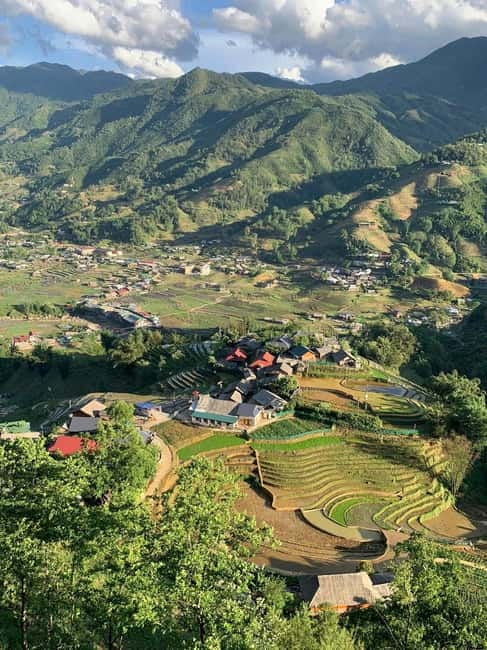
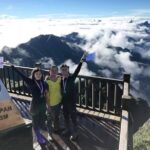
Some trekking tours squeeze in photos but don’t actually slow down. This one gives you pauses. Along the way, terraces open up and you may see a waterfall where you get time to relax and take pictures.
This is a smart pacing choice. After walking through multiple terrace layers, your brain needs a reset. A waterfall stop does that naturally: sound changes, the air feels different, and you can stop thinking about footing for a few minutes.
If you’re the kind of traveler who wants to get a good shot without constantly stopping, this tour hits a good balance. There are enough photo moments to enjoy the scenery, but the day still feels like a trek, not a series of long breaks.
Lunch With Local Foods: A Real Fuel Stop
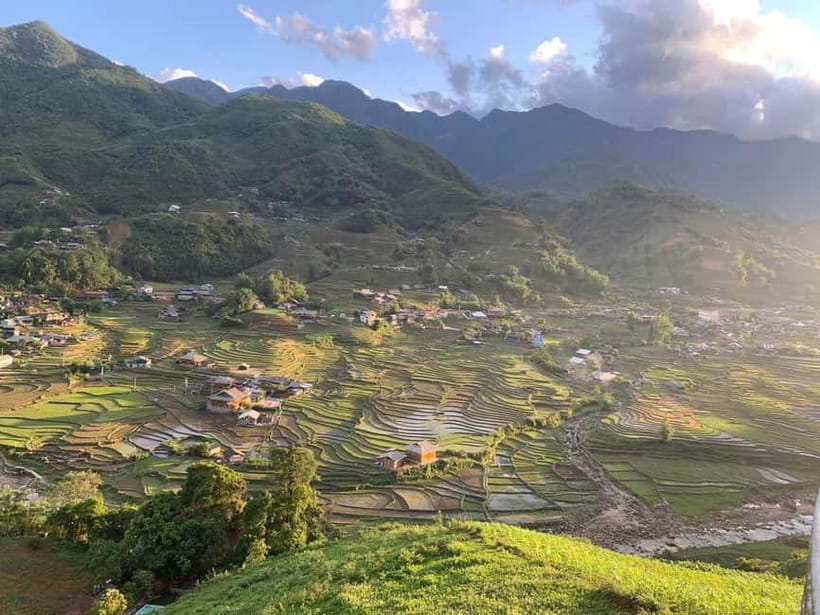
Lunch is included, served at a local restaurant during the trek day. The point of including lunch isn’t just convenience. It’s timing. If you had to find food on your own mid-walk, you’d lose time and end up making random choices.
What you should expect from a local lunch is exactly that: local food. Details like what you’ll eat aren’t specified in the tour info, but the intention is clear—this isn’t a packaged meal. It’s part of the cultural experience and helps you recharge before the shuttle back.
Also, lunch timing keeps the day from dragging. After eating, you’re ready for the final transfer back to Sapa town.
Practical note: if you’re sensitive to spice or specific ingredients, eat carefully. You don’t want a surprising flavor to ruin the afternoon.
Transport Back to Sapa: Getting Up Again Without Burning Energy
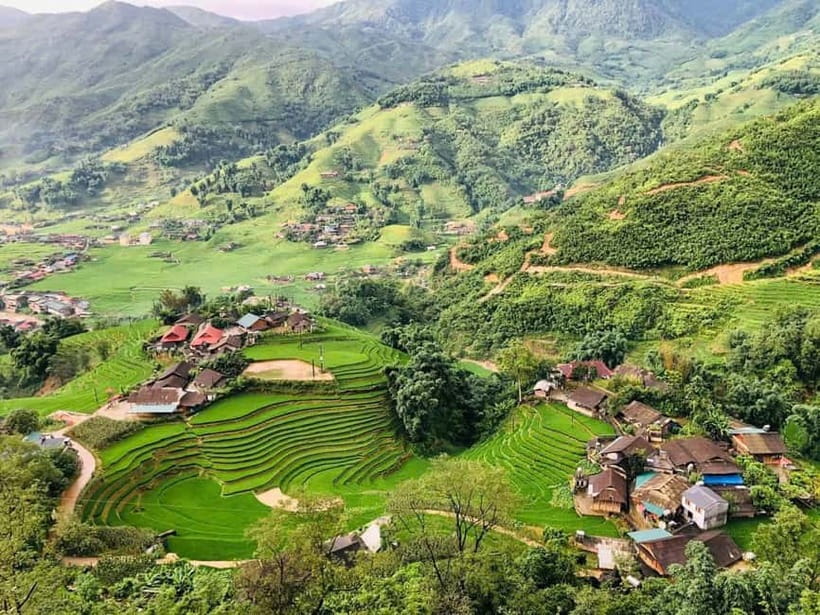
The walk is mostly downhill, and that shapes the return plan. Instead of walking back uphill, you ride in a shuttle bus/vehicle back to Sapa town.
This is a big value point. It turns the day into a complete loop without requiring you to do the hardest portion twice. You’ll get the views and walking effort on the way down, then transport handles the uphill return so you can end the day without feeling wrecked.
You’ll drop back at your hotel area in Sapa town around 14:00 to 14:30, which is early enough to still enjoy Sapa in the afternoon—grab a drink, shower, and do something easy rather than collapse.
Price and Value: Is $22 Really Fair for This Day?

At about $22 per person for a 6-hour experience, this trek can be a strong deal if you care about more than just photos.
Here’s what that price is actually buying you:
- Hotel pickup and drop-off within Sapa town
- Entrance fees for the local villages you visit
- An English-speaking ethnic guide
- Lunch with local foods
- Time for terrace trekking and photo moments
- A shuttle ride back to town
When you add those pieces up, the cost stops feeling like only “walking with a guide.” It’s closer to paying for a full half-day plan with someone handling route guidance, village access, and food timing.
Is it perfect value if you hate uneven terrain? Not really, because you’ll pay and still spend energy navigating mud and steps. But if you’re open to a genuine trek and appreciate local life, $22 for a small group can be very reasonable.
And the small group limit matters. With up to 10 participants, you get more human attention and fewer delays when you stop for photos or questions.
Weather, Mud, and Footwear: The Real-World Test
This tour works in good weather and also holds up when it’s wet, but you have to plan for it. On rainy or damp days, steep mountain sections can become very slippery. The path can feel riskier than it looks from a distance.
So treat footwear seriously:
- Wear shoes with real grip
- Expect mud and dirty soles
- Be ready to move slowly on steeper bits
The good news is that the guide is there to help you down safely and keep the group moving. In practice, that support makes a huge difference when conditions aren’t ideal.
If you’re visiting in rainy season, don’t assume it’ll be easy just because you have a guide. The guide helps you manage risk, but you still control your footing and pace. Go steady, and you’ll enjoy the day more.
Who This Trek Is Best For (And Who Might Want Another Option)
You’ll likely love this tour if you:
- want terraces plus real village understanding, not just sweeping views
- like small groups and conversations with an English-speaking guide
- enjoy walking 6 hours with breaks, photo stops, and a real lunch
You might want to think twice if you:
- have knee or ankle issues (downhill paths can be demanding)
- hate getting muddy (the terrain can be dirty, especially early on)
- expect a totally smooth, easy hike
That balance is why it scores so well: it’s not pretending to be effortless. It’s offering a meaningful route, run carefully enough that most people can enjoy it even when conditions change.
Should You Book This Sapa Terrace Trek?
Book it if you want a day that feels grounded—terrace farming, village life like Lao Chai, and an included local lunch—all wrapped in a small-group guide-led plan with pickup and transport handled for you. It’s also a good choice if you’re visiting Sapa for a short time and want maximum value from limited daylight.
Skip it or choose another option if you’re looking for an easy flat walk, or if slipping-mud scenarios would stress you out too much. In rain, the terrain can get serious, even with a helpful guide.
If you’re flexible, respectful, and ready for muddy steps, this is the kind of trek that stays in your head long after the photos fade.
FAQ
What is the duration of the Sapa trek?
The tour lasts about 6 hours.
What time does the pickup happen in Sapa town?
Pickup is typically between 08:00 and 08:30 in Sapa town.
When do you return to Sapa town?
You drop back around 14:00 to 14:30.
How big is the group?
The tour is limited to a small group of up to 10 participants.
Is the guide available in English?
Yes, the tour includes a local ethnic guide speaking English.
What does the $22 price include?
Included are hotel pick-up and drop-off in Sapa town, entrance fees for local villages, an English-speaking guide, lunch with local foods, trekking through the terrace fields, photo stops, and the shuttle back to Sapa town.
Are meals other than lunch included?
No. Only the lunch with local foods is specifically included.
Do I need to pay entrance fees for the villages?
No. All entrance fees for the local villages are included.
What areas do you visit during the trek?
You walk from Sapa town through ethnic minority areas, then on non-touristy routes through terrace rice and other fields, with a village stop at Lao Chai and a waterfall/photo break.
What should I expect on the trail?
Expect walking on uneven terrain that can become muddy, especially at the start, and in wet conditions some steep sections may be slippery.