REVIEW · KATHMANDU
Langtang Valley Trek
Book on Viator →Operated by Accessible Adventure Pvt. Ltd · Bookable on Viator
Langtang Valley Trek mixes tea-house comfort and mountain days. The trek runs from the Kathmandu drive all the way to Kyangjin Gompa, then gives you chances for big sunrise views like Kyangjin Ri (4300m) and the classic Tserko Ri-style scenery over the Langtang ranges.
I love the route pacing—gradual climbs, river crossings, and built-in lodge time (like Ramche, Lama Hotel, Langtang Village, and Mundu) that keeps the trek feeling steady instead of frantic. I also love that the guiding team can be very attentive and flexible; guides such as Shiva, Himal, and Raj Kumar are described as careful with safety and responsive if someone isn’t feeling great. One possible drawback: the Kathmandu–Syabrubesi start is a long, bumpy drive (6–8 hours with off-road segments), and parts of the trekking route are noted as landslide-prone, so you’ll want steady, moderate fitness and solid shoes.
In This Review
- Key things that make this trek worth your time
- Langtang Valley: Tibet-border trekking with tea houses and everyday villages
- From Tribhuvan Airport to Syabrubesi: the long, rocky start you should plan for
- First trekking day in Langtang National Park: Bhote Koshi, bamboo, and careful footing
- 2015 earthquake memorial on the trail: Langtang Village and Mundu’s viewpoints
- Kyangjin Gompa and monastery rebuild: why this stop feels special
- Sunrise hikes like Kyangjin Ri and Cherkuri: optional but worth the effort
- Downhill day through Lama Hotel: river valleys, old routes, new angles
- Sherpa and Tamang culture on the way out, plus the Gosaikunda options
- Back to Kathmandu and home: the final travel day feels like a victory lap
- Price and value: what $860 covers (and what you must bring)
- Who should pick this trek in Langtang, and who should be cautious
- Should you book the Langtang Valley Trek?
- FAQ
- What’s included in the Langtang Valley Trek price?
- What is not included in the $860 cost?
- How long is the drive between Kathmandu and Syabrubesi?
- What fitness level do I need?
- Is there a limit on group size?
- Is trekking gear provided?
- What is the cancellation policy?
Key things that make this trek worth your time
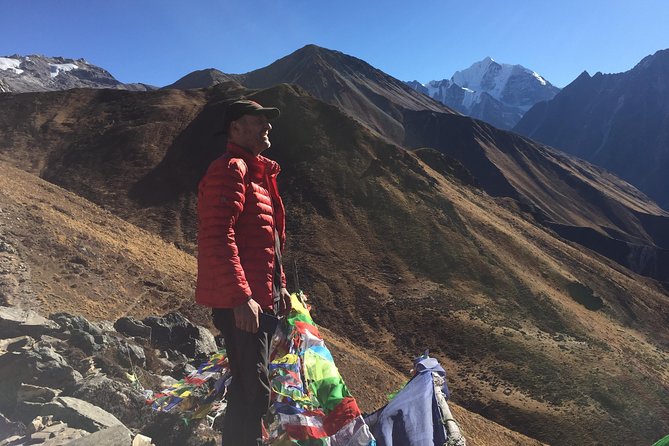
- Kyangjin Gompa as a high-value end-point with monastery rebuilding atmosphere
- Langtang Village rebuilt after the 2015 earthquake, with real everyday tea houses back in operation
- Sunrise options like Kyangjin Ri (4300m) and the Cherkuri hike possibility
- Guide + porter support (1 porter for 2 people) and a small group size (max 15)
- Provided cold-weather gear: down jacket, seasonal sleeping bag, duffel bag, and trek map
- Cultural depth from a Tibetan-border region and an older trade-route influence you can see on the trail
Langtang Valley: Tibet-border trekking with tea houses and everyday villages
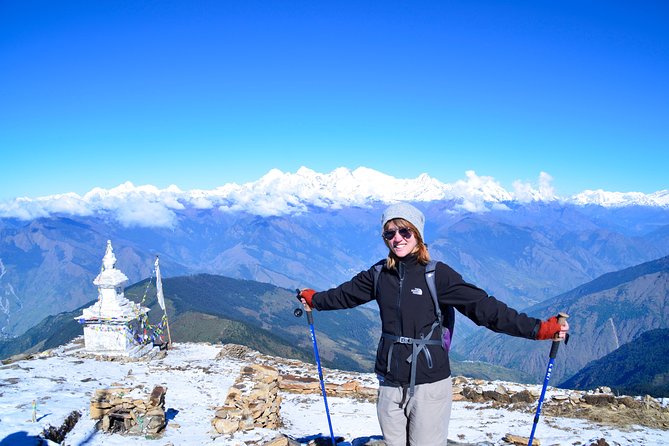
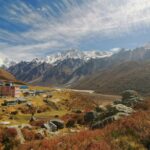
Langtang Valley sits in a special pocket of Nepal. It borders Tibet, and the region used to matter for trade, so the culture you see in villages doesn’t feel like a theme park. Mani stone walls, monastery life, and local teahouse routines all remind you you’re walking through places where people live year-round—just at walking pace.
The trek also has that classic Langtang mix: forested sections, farm country, and higher alpine terrain. On top of that, you may get wildlife sightings if conditions line up—there’s a real chance to spot things like red pandas and langur monkeys while walking through the national-park zones.
And because this is a teahouse trek, you’re not hauling a tent and stove. You’re moving through the valley with places to eat and sleep along the way, which matters if you want mountain days without turning the whole trip into a survival course.
You can also read our reviews of more tours and experiences in Kathmandu.
From Tribhuvan Airport to Syabrubesi: the long, rocky start you should plan for
Most people underestimate how much the first travel day affects the whole week. Here, you land in Kathmandu (Tribhuwan International Airport), sort visa/customs, then get a transfer to your hotel with staff assistance.
Next comes the big jump: the drive to Syabrubesi. Expect roughly 6 to 8 hours in a bus/jeep, with off-road segments. This isn’t a “read a book and forget it” ride. You’ll likely deal with a lot of bouncing, plus you’re gaining altitude and leaving the city’s rhythm behind.
The payoff is that the drive is not just transportation—it’s your first taste of the region. You pass the raging Trisuli River, terrace farmlands, and views toward Ganesh Himal. You cross through Dhunche, where the surroundings shift toward a more remote, village atmosphere.
What to do with this info: if you’re prone to motion sickness, bring what works for you. And when you reach Syabrubesi, don’t waste the energy you saved by resting at your local lodge and doing an easy stroll. That’s also where a simple local bakery/cheese stop and a warm cup of tea or coffee can reset you before the trekking starts.
First trekking day in Langtang National Park: Bhote Koshi, bamboo, and careful footing
Day 3 is when the real trek begins. After an early breakfast, you walk across the Bhote Koshi River and follow the Langtang Khola corridor. This is a classic rhythm: gentle uphill effort, river-side lunch areas, then more gradual climbing as you make your way toward the higher village stops.
One detail that deserves attention: the route includes landslide-prone areas, and the day starts with cautious steps right away—especially around the bamboo zone where the path can feel narrow and uneven. That’s not meant to scare you; it’s meant to set expectations. Your job is simple: keep steady footing, move with the group, and don’t rush.
You’ll typically stop for lunch at Ramche, then continue to Lama Hotel for overnight. This first section is also where your chance for wildlife is mentioned—red pandas and langur monkeys are possible, which is a great reminder to keep your eyes up sometimes, not only locked on your next step.
Practical takeaway: this is a day to settle your walking pace. Save your energy for the higher passes and view points later.
2015 earthquake memorial on the trail: Langtang Village and Mundu’s viewpoints
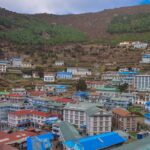
By Day 4, you’re walking through a part of the valley that was heavily affected by the 2015 earthquake. Whole areas were destroyed, and Langtang Village has been reconstructed since then.
What this means for you on the ground: you’re not just seeing ruins. You’re seeing villages with tea houses operating again—life returned, but still clearly shaped by what happened. Staying in Langtang Village gives you time to absorb how communities rebuild over time.
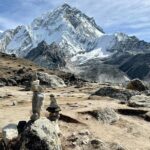
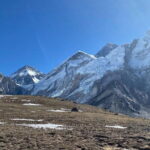
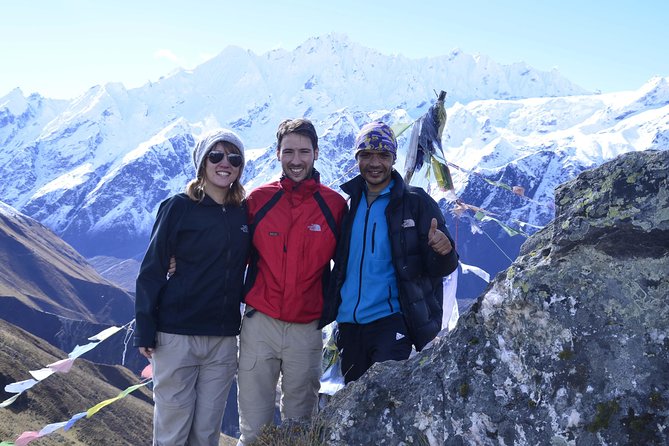
Then you push a little further toward Mundu village. Expect the views to do their thing here: you can see Langtang Lirung, Changbu, and Kinshung peak from the area around Mundu, and you’ll also walk past mani stone walls that add that deep-religious texture to everyday travel.
One possible trade-off: because this day includes both a transition and extra walking, it can feel like more than a simple “second day.” If you want an easy day, treat today as the day to match your pace to your body, not to some imaginary speed record.
Kyangjin Gompa and monastery rebuild: why this stop feels special
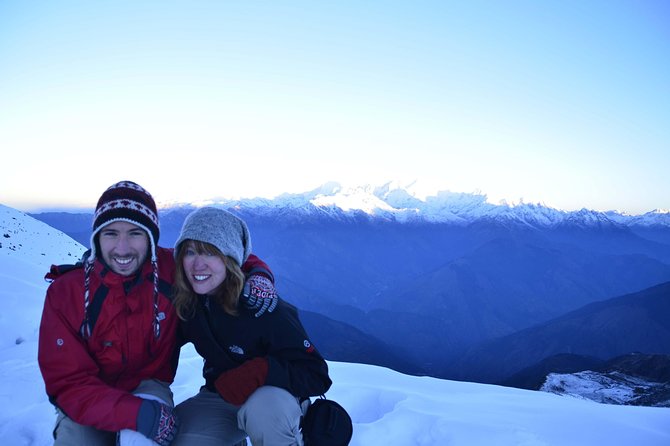
Day 5 is a turning point. You leave Mundu and head toward Kyangjin Gompa, with a walk of about two hours of gradual ascent. The path passes grazing lands and includes river streams where you cross over wooden bridges—those little moments slow you down in a good way.
This is also a stop with layers. There used to be a cheese factory here (now not in operation), and the monastery is under reconstruction. That mix—history, current maintenance work, and everyday teahouse life—creates a feeling that you’re witnessing the valley’s present, not just chasing a postcard.
You’ll stay at a local lodge in Kyangjin Gompa. This matters because you’re not rushing onward immediately. You have time to breathe, look around, and decide how hard you want to go for sunrise views.
You’ll also see the trek’s flexibility showing up clearly here:
- If you’re up for it, you can hike from Mundu to Kyangjin Ri (4300m) and return the same day.
- If you’re not chasing that height today, you can arrive at Kyangjin Gompa and plan for Kyangjin Ri or the Cherkuri hike next.
For many people, this is the highlight zone because it’s where the valley opens into dramatic mountain-scale visibility, while you still get to sleep in a warm lodge rather than camp in the cold.
Sunrise hikes like Kyangjin Ri and Cherkuri: optional but worth the effort
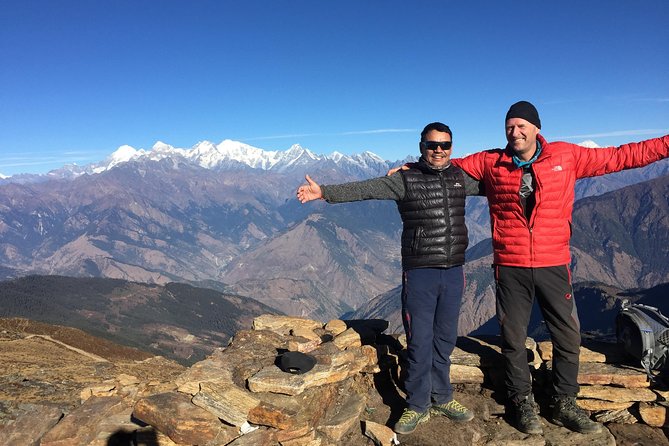
The tour’s background mentions Tserko Ri sunrise views over the Langtang ranges, and the working version you’ll experience is through high, optional day hikes around Kyangjin Gompa.
Here’s the key: the itinerary is built so that the sunrise-style effort is achievable without forcing every person to summit at maximum intensity. You can choose the option that fits your fitness and comfort. That’s a smart design for a group trek.
If you go for Kyangjin Ri (4300m), expect it to feel like a real altitude jump—more than just “another hill.” Plan for slower pacing. Bring your warm layers even if the afternoon starts mild; mornings near alpine areas can bite.
If you choose Cherkuri instead, you still get that reward structure: push a bit, then earn a long look at the mountains. In a teahouse trek, this is the moment when you remember why you paid for the whole thing.
Also: sunrise hiking works best when you trust the guide and keep moving steadily. Don’t get caught up in racing the person ahead of you. The goal is to arrive with breath under control, not to win a personal contest.
Downhill day through Lama Hotel: river valleys, old routes, new angles
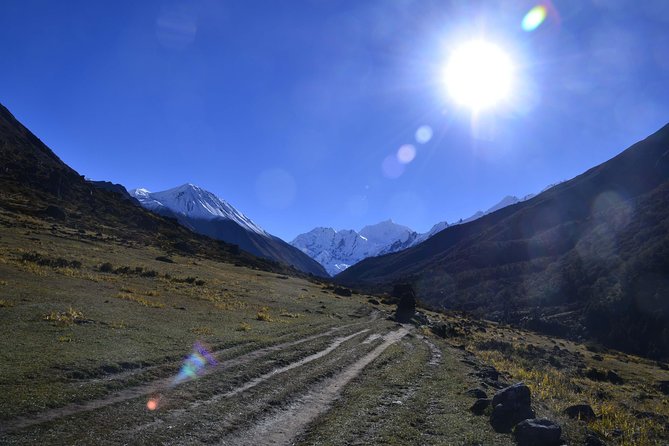
Day 6 is a descent, which sounds easy—until you remember that downhill can be rough on knees and careful footing is still required. The trek follows a similar route but changes direction enough that the valley looks different.
You’ll cross areas like Ghodatablea and walk through the riverside stretch of Langtang Khola. That’s important: the valley follows the water, and the trail keeps reconnecting you with that river corridor, giving your brain a familiar anchor even when the scenery keeps shifting.
You’ll finish the day at tea houses in Lama Hotel for overnight. This is one of those days where you’ll feel relief in your body after you sit down—but you might also notice that your legs will stay a bit tired for the rest of the trek. Don’t rush your recovery. Drink, eat, and let your muscles do their quiet work.
The upside is that descent days often make the whole week feel more realistic. You’re not always going up; you’re learning the rhythm of the mountains.
Sherpa and Tamang culture on the way out, plus the Gosaikunda options
Day 7 is your last walking day before the long travel leg toward Kathmandu. From Lama Hotel, you pass through Sherpa village (Sherpagaun). The guide’s cultural context is a big part of why this trek feels human: you’re not just moving through terrain, you’re seeing how different communities live in different pockets of the valley.
As you head out, the surroundings turn greener with wide valleys, more settlements, and additional chances to understand ethnic group life, including Tamang culture. There’s also a fascinating fork in what you can do next, if you choose to extend.
Two extension routes are mentioned:
- A western route that can connect to a Tamang heritage trail toward Gatlang
- An eastern route that crosses Laurebina pass toward the pilgrimage site of Gosaikunda
If you’re set on the standard trek, you’ll continue toward Thulo Syabru and set yourself up for the drive back.
If you’re tempted to extend, here’s a practical note: only add time if you’re comfortable with extra walking and higher effort days. It’s a great option for people who want more time to absorb the region, but it’s not a casual add-on.
Back to Kathmandu and home: the final travel day feels like a victory lap
Day 8 brings you back to Kathmandu. After a morning drive, you check into your hotel with staff assistance and get free time for the rest of the day.
Day 9 is your airport transfer. You’ll head to Tribhuwan International Airport about three hours before your scheduled international flight. That buffer matters in Nepal—journey speed changes with traffic, weather, and airport lines.
By this point, your body will likely feel the “trek gravity” for a day or two: tired, but in a good way. The final day is about getting your legs warm again, eating a real meal that doesn’t involve teahouse choices, and sorting your photos and notes.
And if you’re the type who keeps souvenirs small, consider writing down trail moments—like where you paused for a view or when you crossed a wooden bridge. Those little memories are what make the whole trip stick.
Price and value: what $860 covers (and what you must bring)
At $860 per person, you’re paying for more than a walking route. You’re paying for logistics that are often the hardest part of Nepal trekking: guides, porter support, cold-weather gear, and the paperwork that keeps the trek smooth.
What’s included:
- Kathmandu–Syabrubesi and Syabrubesi–Kathmandu transport (public bus/jeep fare)
- A guide plus porters (with 1 porter for 2 people), including their food, accommodation, salary, equipment, and insurance
- Trekkers’ gear: down jacket, four-season sleeping bag, trekking duffel bag, trekking map, and a t-shirt (down jacket and sleeping bag are returned after the trip)
- A comprehensive medical kit
- Necessary paperwork and permits, plus applicable taxes and service charges
- Private transportation (listed as included), and breakfasts (listed as 2)
What’s not included (and this is where value thinking matters):
- Nepal entry visa fee
- International airfare and airport taxes
- Personal travel/medical insurance and helicopter rescue coverage
- Tips and personal expenses
- Alcohol and most drinks (with drinking water and hot drinks handled in the teahouse style described)
- Personal items like laundry and charging costs
So who gets the best value? People who want a guided, supported trek without hunting gear rentals in Kathmandu at the last minute, and without building a logistics plan from scratch.
One more practical detail: since cold-weather gear is provided, you should still pack your own essentials carefully—especially good socks, a base layer you like, and any personal meds. Provided gear helps a lot, but it won’t replace your comfort preferences.
Who should pick this trek in Langtang, and who should be cautious
This trek is best for people with moderate physical fitness. The walking days are described in the range of several hours (often around 6–8 hours), with gradual ascents, plus optional higher hikes.
It’s also a smart fit if you want:
- a small group (max 15 travelers)
- guide support that feels attentive, not hands-off
- a route with cultural stops, not just mountain views
- chances to choose your intensity (like Kyangjin Ri vs. a lighter plan)
Be cautious if:
- you don’t handle long road travel well (that first drive is long and rough)
- you’re uncomfortable with uneven, potentially slide-impacted trail segments
- you want a completely non-stop sightseeing day with no climbing at all
On the other hand, the trekking design includes real lodge breaks, which helps most people manage the effort.
A small humor note from the road: treat your first downhill day as a leg-day in disguise. Your knees will have opinions.
Should you book the Langtang Valley Trek?
I’d book this if you want an authentic Nepal trek that mixes real villages, a meaningful post-2015 earthquake rebuild story, and a strong chance of big mountain views—all with guide and porter support. At $860, the inclusion of cold-weather gear and permits makes it a clean deal for travelers who don’t want to overthink gear and paperwork.
I’d hesitate if you:
- are not comfortable with the long, off-road drive out of Kathmandu
- are expecting a very easy walk every day
- don’t plan for personal insurance and tips (those are outside the package)
If you’re ready for a solid, well-organized mountain week, Langtang Valley is a strong pick.
FAQ
What’s included in the Langtang Valley Trek price?
The package includes transport between Kathmandu and Syabrubensi (public bus or jeep), a highly experienced guide and porters (1 porter for 2 people) with their food, accommodation, salary, equipment, and insurance, down jacket, four-season sleeping bag, trekking duffel bag, t-shirt, and trekking map (down jacket and sleeping bag are returned after completion), a comprehensive medical kit, all necessary paperwork and permits, and applicable taxes and service charges. Breakfast is listed as included (2), and private transportation is also listed as included.
What is not included in the $860 cost?
Not included: Nepal entry visa fee, international airfare and airport taxes, alcoholic drinks and other personal drinks, personal shopping, laundry, phone/internet/camera battery charging, personal trekking equipment, travel/medical insurance and helicopter rescue, personal expenses, tips (appreciated but not mandatory), and any other expenses not mentioned.
How long is the drive between Kathmandu and Syabrubesi?
The drive from Kathmandu to Syabrubesi is described as about 6 to 8 hours, and you’ll also have a drive back to Kathmandu near the end of the trek.
What fitness level do I need?
The trek is described as suitable for travelers with moderate physical fitness.
Is there a limit on group size?
Yes. The maximum group size is 15 travelers.
Is trekking gear provided?
Yes. The package provides a down jacket, a four-season sleeping bag, a trekking duffel bag, a t-shirt, and a trekking map. The down jacket and sleeping bag are to be returned after the trip is completed.
What is the cancellation policy?
Free cancellation is available. You can cancel up to 24 hours in advance of the experience for a full refund. If you cancel less than 24 hours before the start time, the amount you paid is not refunded.